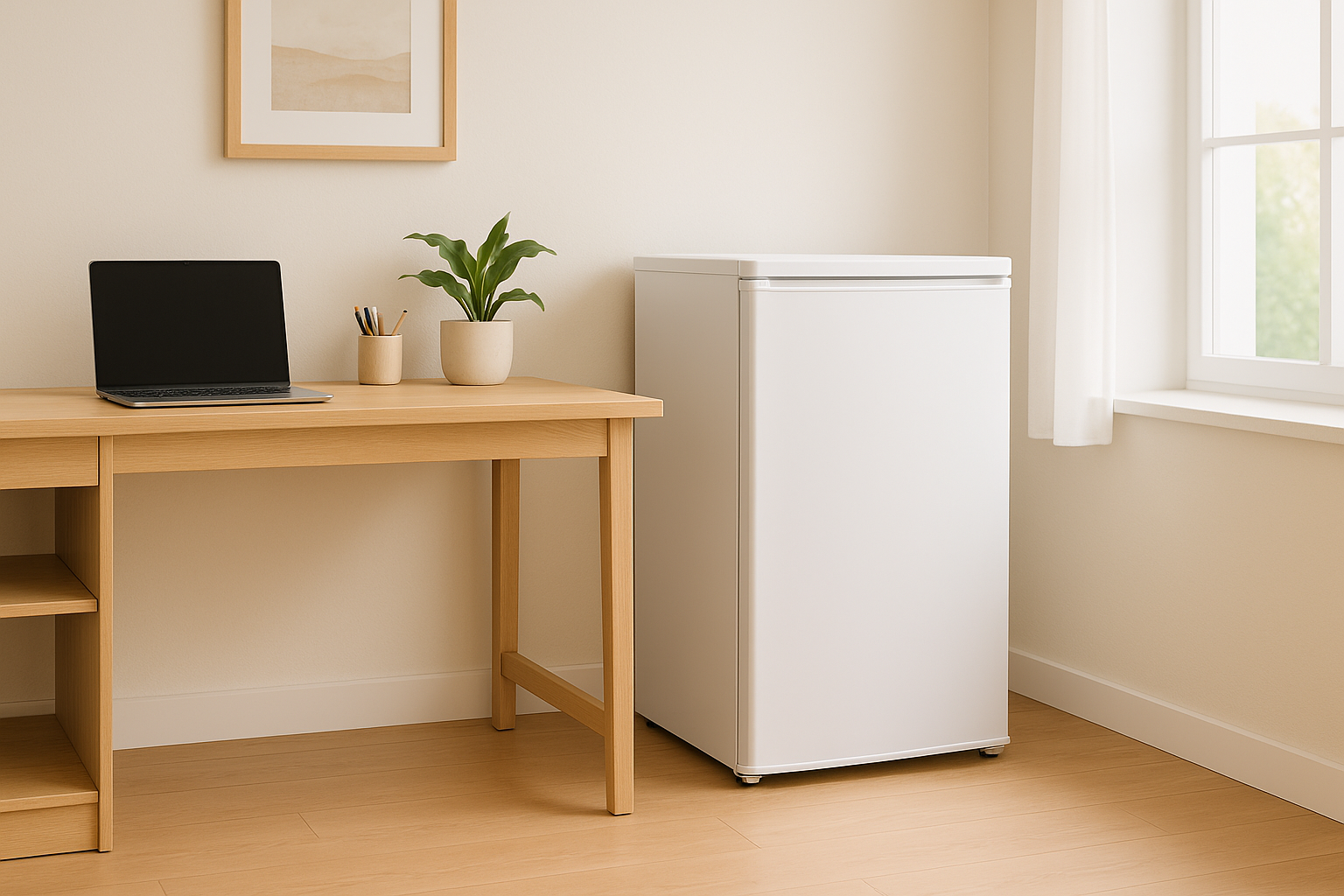
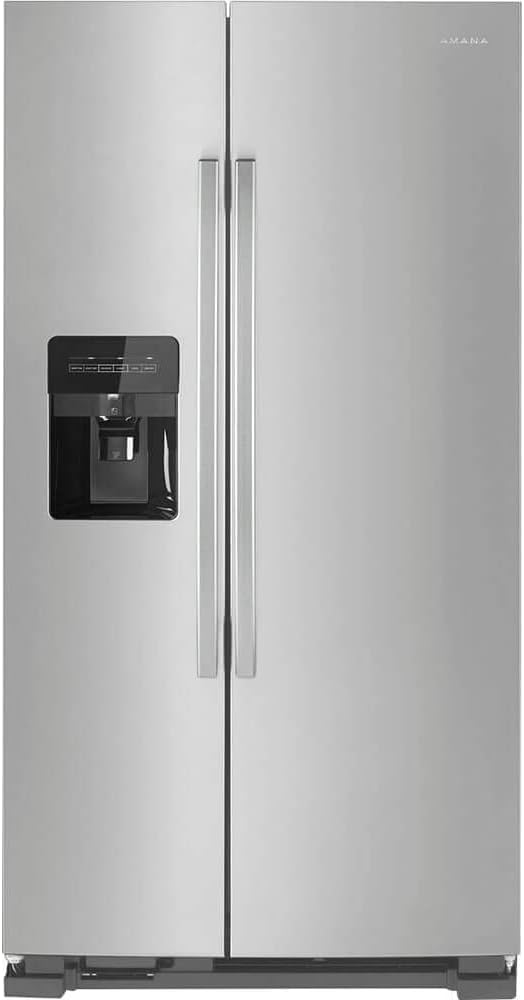
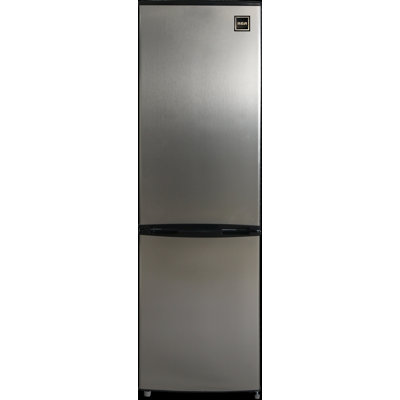
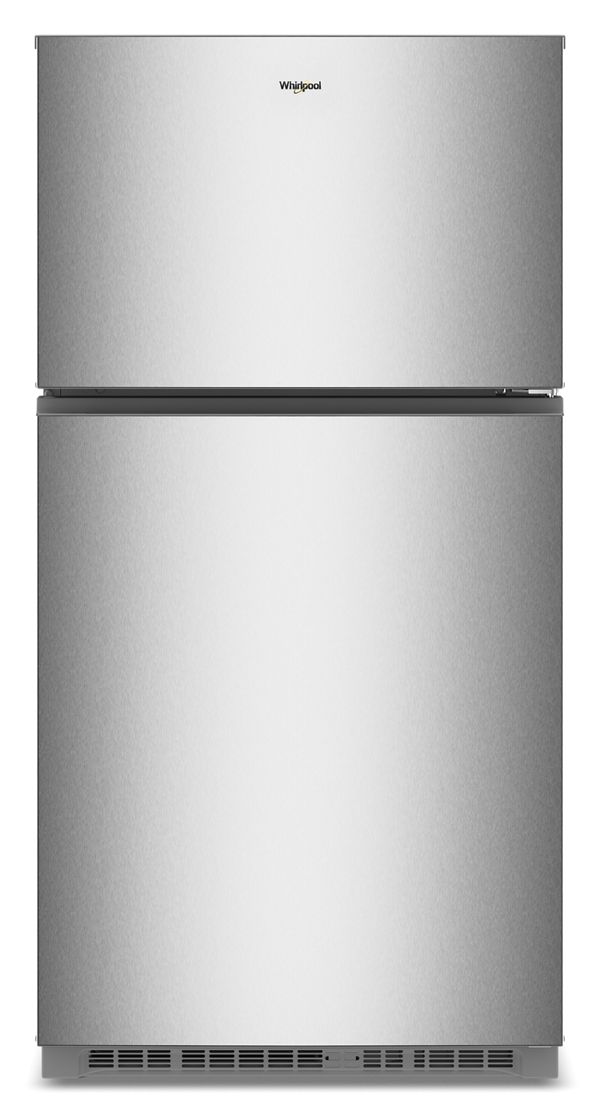
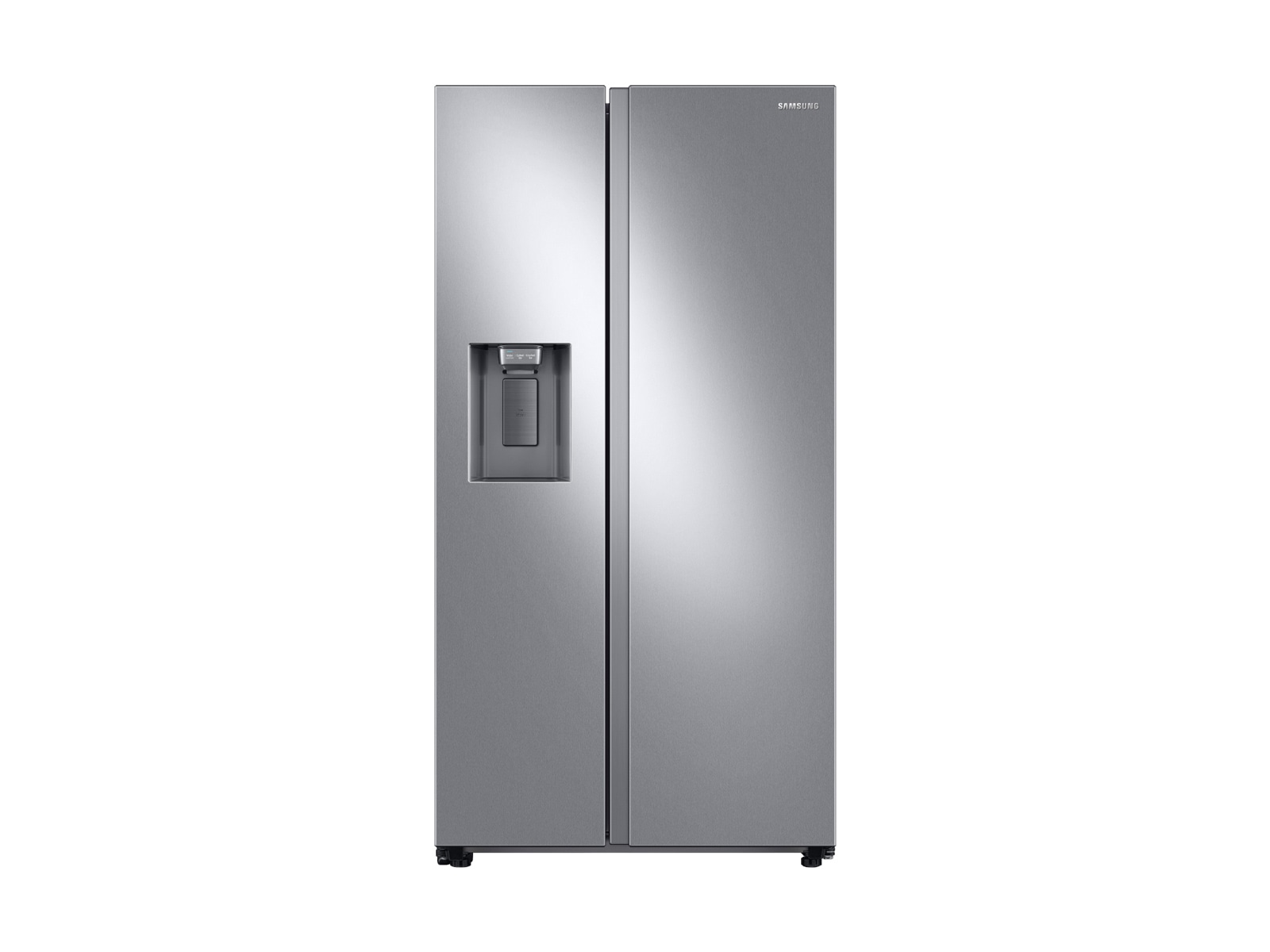
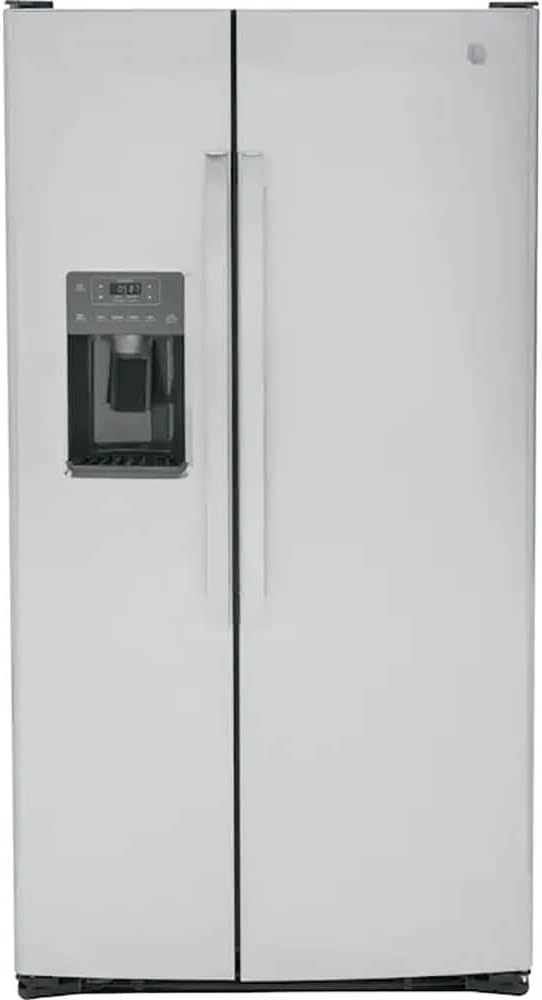
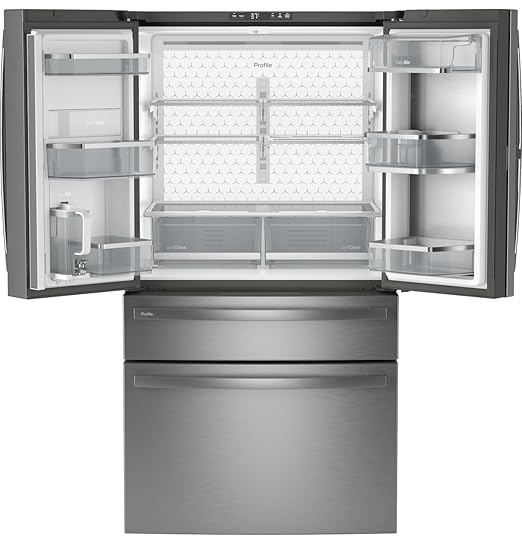
Compact Size: Office refrigerators are typically smaller than standard home refrigerators, making them ideal for limited office spaces.
Coolers are ideal for short-term use and are often seen in outdoor settings or casual office environments where beverages are the primary focus.
Temperature Control: Many office refrigerators come with precise temperature control settings, ensuring that food and beverages are stored at the ideal temperature.
Food Storage: Ideal for storing lunches, snacks, and beverages for office staff.
When selecting the right refrigeration option for your office, it's essential to understand the differences between an office refrigerator and a refrigerator cooler. Both offer unique features and benefits, tailored to specific needs and environments.
Importance of Refrigeration in Various Settings
Refrigeration plays a crucial role in maintaining the freshness and safety of food and beverages. In office settings, having a reliable refrigeration solution ensures that employees can store their meals and drinks conveniently. Proper refrigeration also helps in preserving the quality of perishable items and reducing food waste.
Setting
Importance of Refrigeration
Office
Convenient storage for employee meals and beverages, maintaining freshness
Home
Preserving perishable items, reducing food waste
Outdoors
Keeping drinks and food cold during events or gatherings
Commercial
Ensuring food safety and quality in restaurants and stores
Overview of Office Refrigerators and Refrigerator Coolers
Office Refrigerators
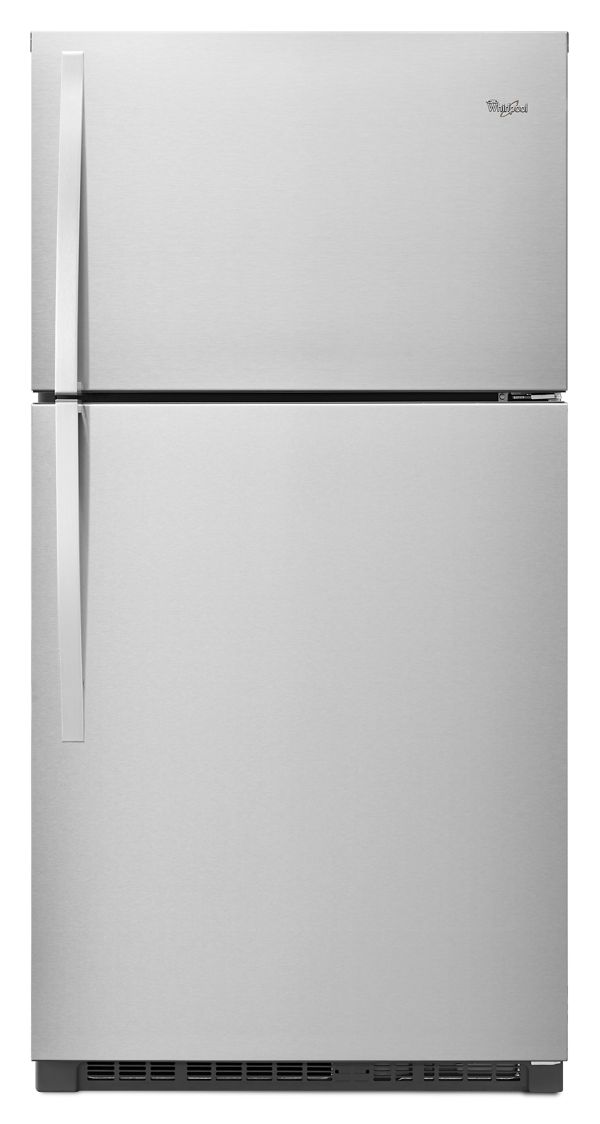
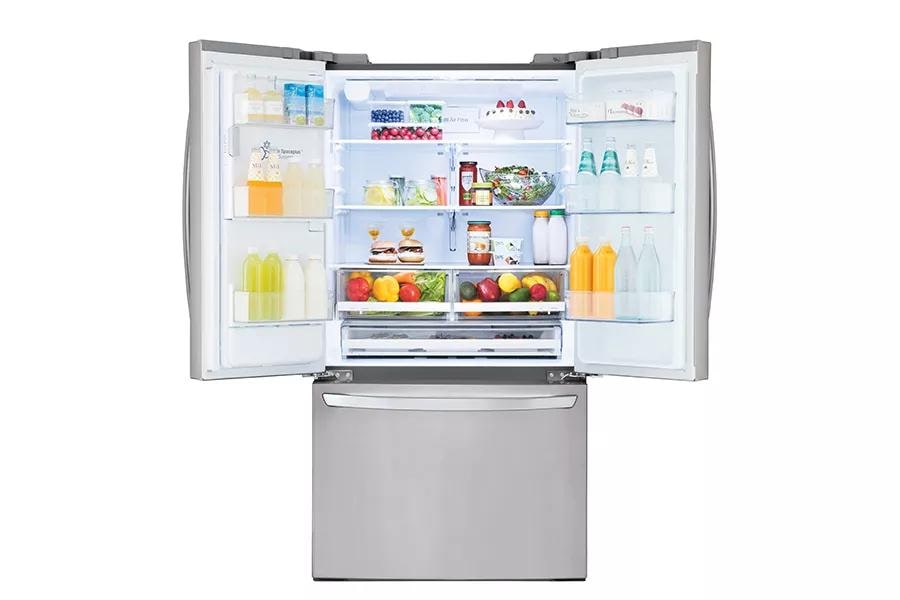
Office refrigerators are compact and designed to fit into workplace environments. They often come with various compartments, including shelves, crisper drawers, and door storage, making them suitable for storing a variety of items. These refrigerators typically offer better temperature control and storage capacity compared to coolers.
Key features of office refrigerators include:
Adjustable shelving
Separate compartments for different types of food
Temperature control settings
Refrigerator Coolers
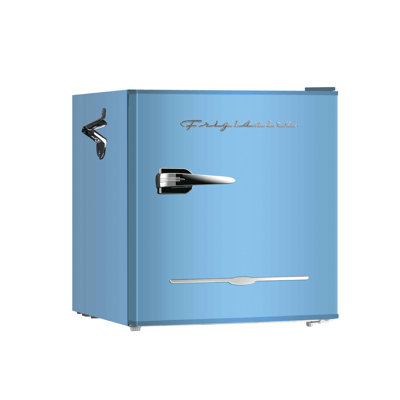
Refrigerator coolers, on the other hand, are generally more portable and used primarily for cooling beverages. They are often smaller and more lightweight, making them easy to move around. Coolers are ideal for short-term use and are often seen in outdoor settings or casual office environments where beverages are the primary focus.
Office refrigerators are designed to meet the specific needs of a workplace environment. They come with features that cater to a variety of refrigeration needs for employees and office visitors.
Key Features:
Compact Size: Office refrigerators are typically smaller than standard home refrigerators, making them ideal for limited office spaces.
Adjustable Shelving: These refrigerators often include adjustable shelves, allowing you to customize the interior space to fit different types of food and beverages.
Temperature Control: Many office refrigerators come with precise temperature control settings, ensuring that food and beverages are stored at the ideal temperature.
Energy Efficiency: Designed with energy-saving features, these refrigerators help reduce electricity consumption, which is crucial for an office setting.
Quiet Operation: Office refrigerators are engineered to operate quietly, minimizing noise disruption in a work environment.
Functions:
Food Storage: Ideal for storing lunches, snacks, and beverages for office staff.
Beverage Cooling: Keeps drinks cold and refreshing throughout the day.
Temporary Storage: Useful for storing perishable items temporarily during office events or meetings.
Benefits of Using an Office Refrigerator
Using an office refrigerator offers several advantages that contribute to a more efficient and comfortable workplace.
Convenience:
Easy Access to Food and Drinks: Employees can quickly access their meals and beverages, saving time and increasing productivity.
Reduced Need for External Food Runs: With a refrigerator in the office, there's less need for employees to leave the premises to buy food, which can also save money.
Health and Well-being:
Encourages Healthy Eating: Having a refrigerator allows employees to store healthier meal options instead of relying on fast food or vending machine snacks.
Food Safety: Proper refrigeration helps in maintaining the safety and quality of perishable items, reducing the risk of foodborne illnesses.
Cost Efficiency:
Energy Savings: Office refrigerators are designed to be energy-efficient, reducing overall electricity costs for the office.
Long-term Savings: Investing in an office refrigerator can lead to long-term savings by reducing the need for external food purchases and improving employee productivity.
For more insights on different refrigeration options, explore Fridge.com comparison of mini fridge Vs. small upright freezer and office freezer Vs. red refrigerator. By understanding the features and benefits of office refrigerators, you can make an informed decision that best suits your workplace needs.
Refrigerator Coolers
Features and Functions of Refrigerator Coolers
Refrigerator coolers are designed to keep your beverages and food items at a cool temperature. These coolers often come in a variety of sizes and styles, making them versatile for different settings, including offices.
Key Features:
Temperature Control: Refrigerator coolers typically offer adjustable temperature settings, allowing you to customize the cooling level based on your needs.
Portability: Many refrigerator coolers are lightweight and portable, making them easy to move around as needed.
Storage Capacity: These coolers come in various capacities, ranging from small, compact models to larger units that can hold numerous items.
Design: Refrigerator coolers often have a sleek, compact design that fits well in tight spaces, such as under desks or in office corners.
Functions:
Cooling: The primary function is to maintain a consistent and cool temperature to preserve the freshness of your items.
Energy Efficiency: Modern refrigerator coolers are designed to be energy-efficient, consuming less power while providing effective cooling.
Feature
Refrigerator Coolers
Temperature Control
Yes
Portability
High
Storage Capacity
Variable
Benefits of Using a Refrigerator Cooler
Using a refrigerator cooler in an office setting offers several advantages, especially when compared to traditional office refrigerators.
Advantages:
Space-Saving: Due to their compact size, refrigerator coolers can fit into small spaces without taking up too much room. This makes them ideal for offices with limited space.
Portability: The lightweight and portable nature of these coolers allows you to move them easily. Whether you need to relocate the cooler within the office or take it on a company outing, it provides flexibility.
Energy Efficiency: Refrigerator coolers are generally more energy-efficient than larger office refrigerators. They consume less power, which can result in lower utility bills.
Versatility: These coolers can be used for a variety of purposes, from storing lunch and snacks to chilling beverages for meetings and events.
By understanding the features and benefits of refrigerator coolers, you can make an informed decision about whether they are the right choice for your office needs. For additional tips on selecting the best refrigeration solution, explore Fridge.com articles on mini fridge Vs. small upright freezer and compact freezer Vs. ice cream freezer.
Considerations for Office Use
When choosing between an office refrigerator and a refrigerator cooler, several key factors come into play. These considerations will help you determine the best option for your office environment.
Space and Size Requirements
The available space in your office is a critical factor when selecting a refrigeration option. Office refrigerators and refrigerator coolers come in various sizes, so it's important to measure the designated area to ensure a proper fit.
Office refrigerators are generally larger and offer more storage space, making them suitable for larger offices with higher storage needs. Refrigerator coolers, on the other hand, tend to be more compact and can easily fit into smaller spaces, such as under desks or in break rooms.
Feature
Office Refrigerator
Refrigerator Cooler
Average Dimensions (H x W x D)
60" x 30" x 30"
34" x 20" x 20"
Storage Capacity
10-20 cubic feet
3-8 cubic feet
Energy Efficiency and Noise Levels
Energy efficiency is another important consideration. Office refrigerators typically have higher energy consumption due to their larger size and advanced features. However, many modern office refrigerators are designed to be energy-efficient, helping to reduce electricity bills.
Refrigerator coolers generally consume less energy because of their smaller size and simpler functionality. When choosing an energy-efficient model, look for those with an Energy Star rating.
Noise levels can also impact the office environment. Office refrigerators are usually quieter, designed to operate with minimal noise to avoid disrupting the workplace. Refrigerator coolers can sometimes be noisier, especially if they use compressor-based cooling systems. It's advisable to check the noise level specifications before making a decision.
Feature
Office Refrigerator
Refrigerator Cooler
Noise Level (dB)
35-45
40-50
Considering these factors will help you make an informed decision when comparing office refrigerators and refrigerator coolers. For more detailed comparisons on various refrigeration options, you can explore Fridge.com articles on mini fridge Vs. small upright freezer and beverage center Vs. slate refrigerator.
Comparing Office Refrigerators and Refrigerator Coolers
When comparing office refrigerators and refrigerator coolers, temperature control and storage capacity are key factors to consider. Office refrigerators typically offer a wider range of temperature settings, allowing you to store various items at their optimal temperatures. This makes them versatile for keeping both perishables and beverages.
Refrigerator coolers, on the other hand, are designed primarily for beverages and snacks. They often have fewer temperature settings and may not be suitable for storing items that require precise temperature control.
Maintenance and cleaning are crucial for the efficient operation of both office refrigerators and refrigerator coolers. Office refrigerators generally require more maintenance due to their larger size and more complex features. Regular defrosting, cleaning of shelves, and checking door seals are some of the routine tasks.
Refrigerator coolers, being smaller and simpler, are easier to maintain. They often come with removable shelves and easy-to-clean interiors, making the cleaning process straightforward.
Understanding these differences can help you choose the right option for your needs, whether it’s for an office, garage, or any other setting. For more comparisons, visit Fridge.com articles on bar fridge Vs. refrigerator cooler and garage refrigerator Vs. glass door mini fridge.
Compare prices on Fridge.com
Compare current prices and specifications on Fridge.com, then buy from the retailer you choose; delivery, installation and warranty terms are the retailer’s.
It also has tons of awesome articles about kitchen stuff and home news. Enhance your home, garage, backyard, patio, and office with the coolest essentials. With every necessary type of residential refrigerator or freezer in the collection, you're covered.
From Fridge.com research
Figures below come from data Fridge.com builds and maintains. Each links to the record behind it.
Fridge.com Energy Index, built on U.S. EPA and DOE ENERGY STAR records
Across 5,455 ENERGY STAR certified refrigerators and freezers from 263 brands, median use is 360 kWh per year.