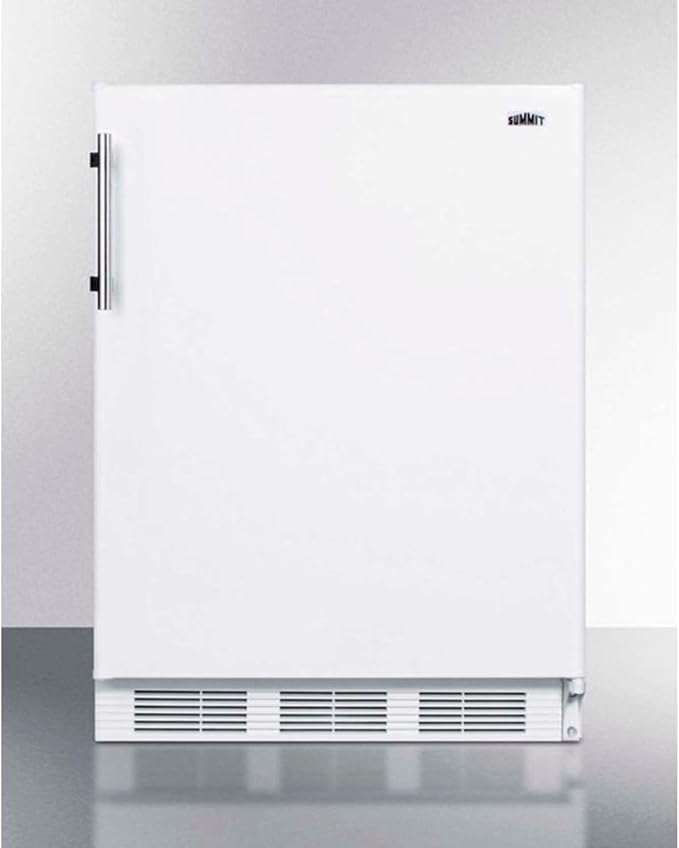
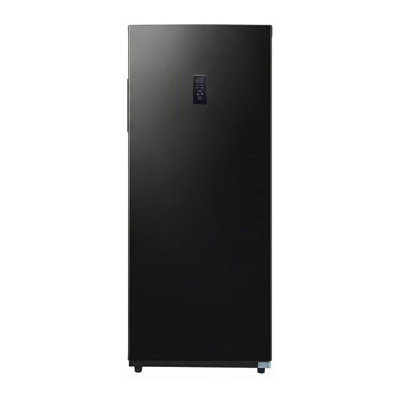
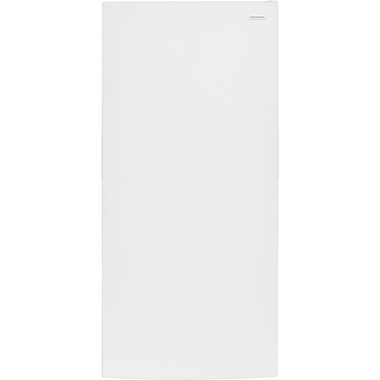
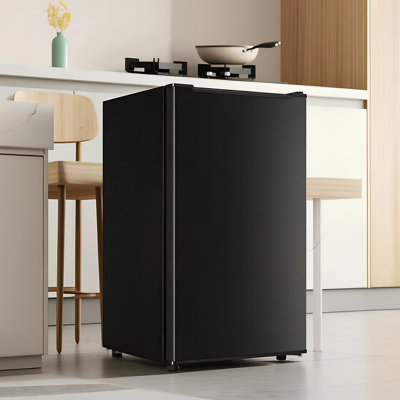
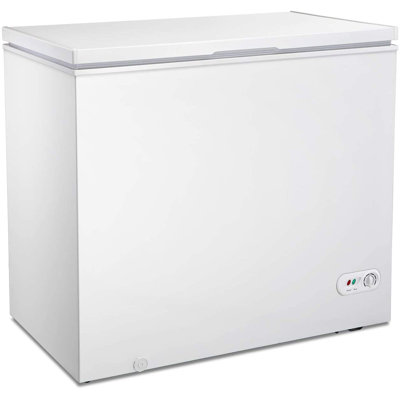
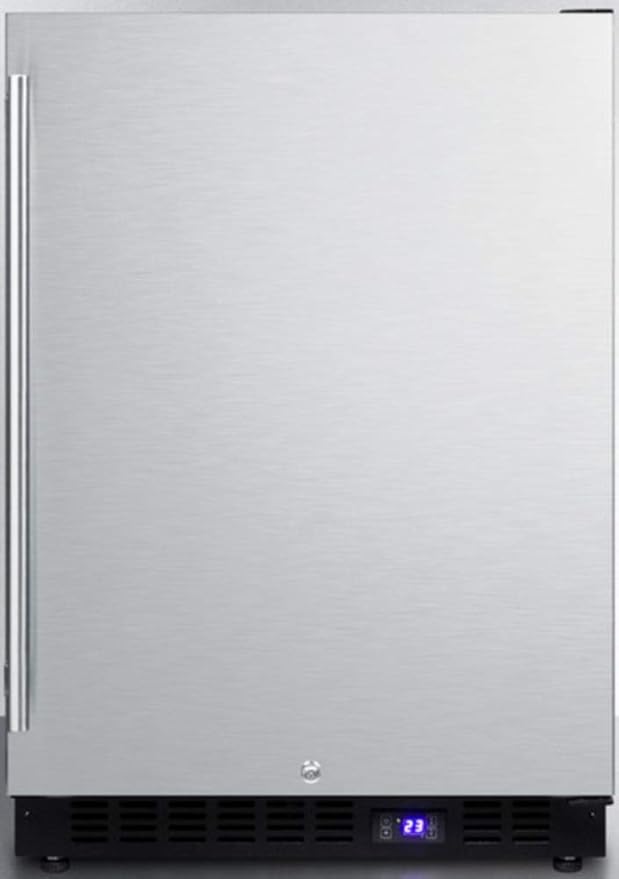
A compact freezer and an ice cream freezer both keep food below freezing, but they are built for different temperatures and different jobs. A compact freezer is a small, general-purpose unit — roughly 1.1 to 5.0 cubic feet — that holds meat, vegetables, and frozen meals at about 0°F. An ice cream freezer is designed to hold ice cream at the warmer, scoopable range where it stays soft enough to serve: about 6°F to 10°F in a dipping cabinet, or -20°F to -10°F for long-term hard-packed storage. The core trade-off is temperature: 0°F is right for mixed frozen food but leaves ice cream rock-hard, while scoopable ice cream temperatures would partially thaw everything else. This guide compares the two on temperature, capacity, energy use, cost, noise, and the practical home setups that get you scoopable ice cream without buying commercial equipment.
The Temperature Difference That Matters
This is the single most important distinction. Standard and compact freezers hold food at 0°F, the temperature that keeps meat, fish, and vegetables safely frozen. Ice cream stored at 0°F is safe, but it becomes too hard to scoop without a fight. Ice cream serves best at roughly 6°F to 10°F — warm enough to scoop cleanly, but a range that would begin to thaw other frozen foods. Ice cream dipping cabinets hold this warmer serving range on purpose, while dedicated storage units run colder (-20°F to -10°F) to hold ice cream hard-packed for the long term.
Type
Temperature Range (°F)
Purpose
Compact Freezer
0 to -10
General frozen food storage
Ice Cream Freezer (storage)
-20 to -10
Long-term ice cream storage, hard-packed
Ice Cream Freezer (dipping / serving)
6 to 10
Scoopable serving temperature
Because a compact freezer stores a variety of items, it usually operates across a broader range. An ice cream freezer is tuned to one job — either holding ice cream hard for storage or keeping it soft for serving.
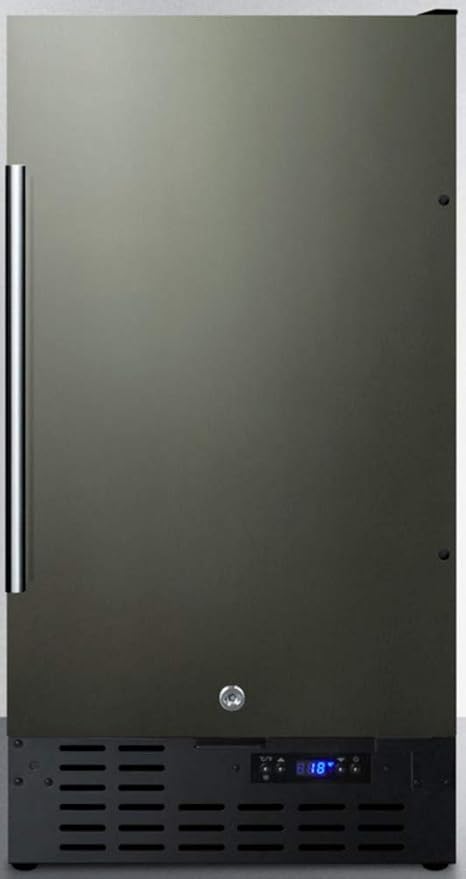
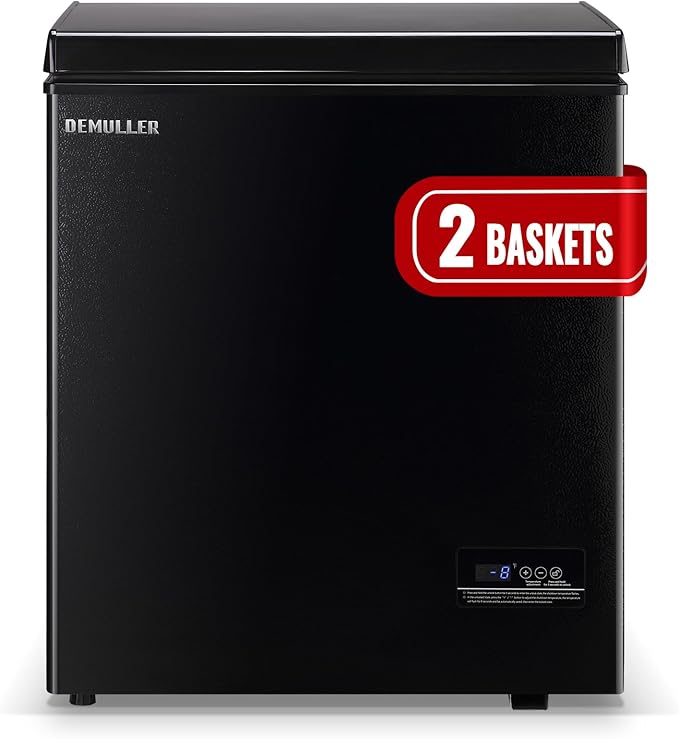
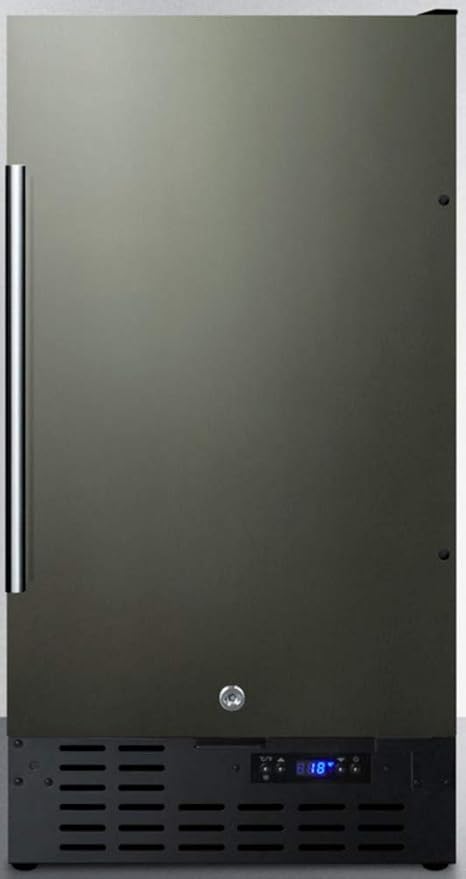
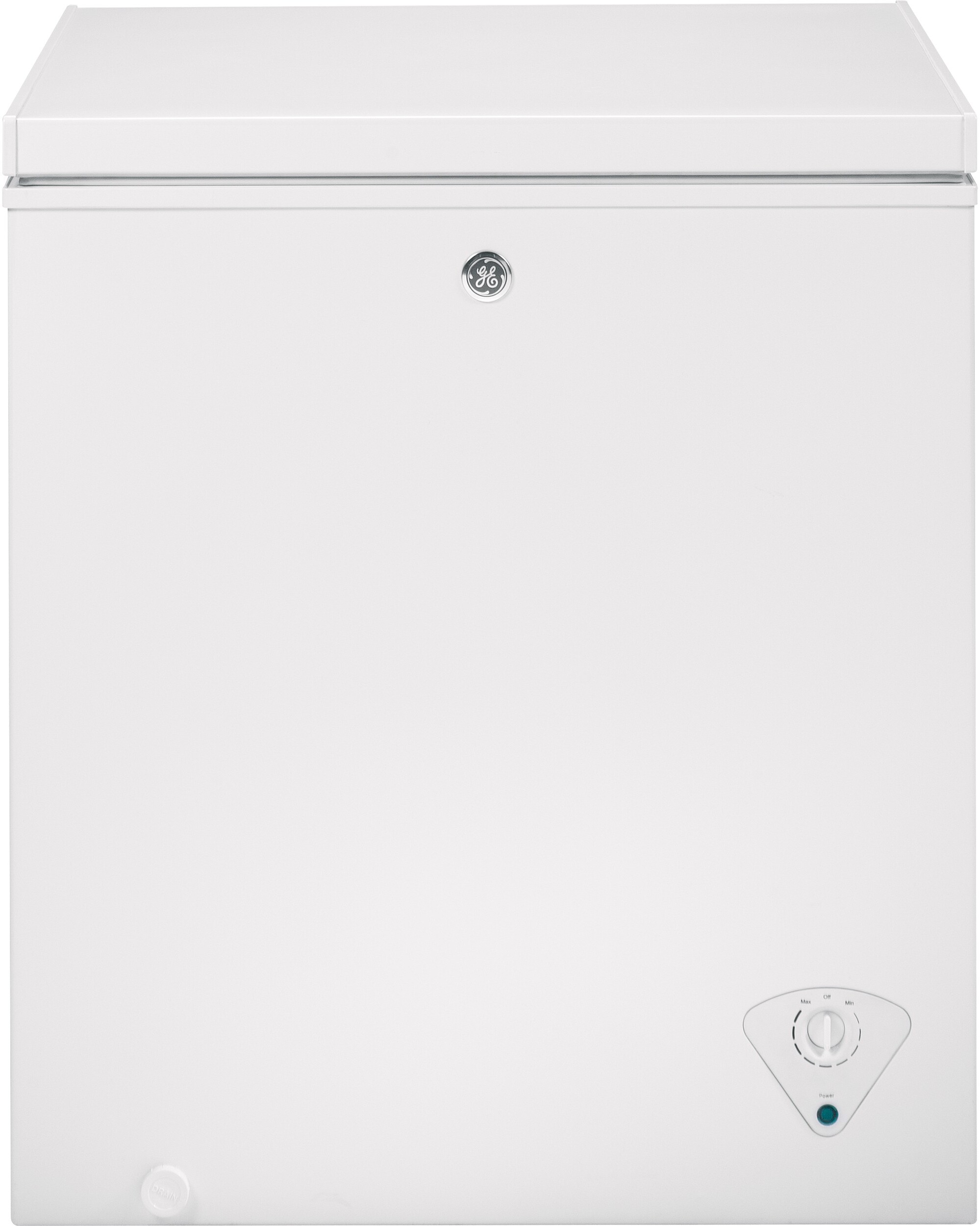
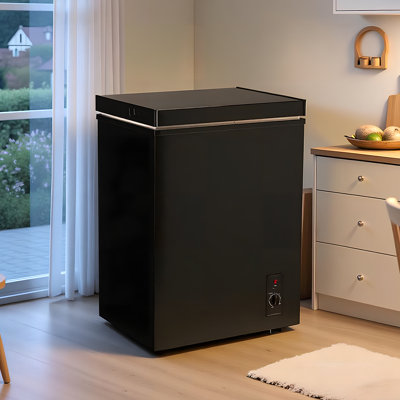
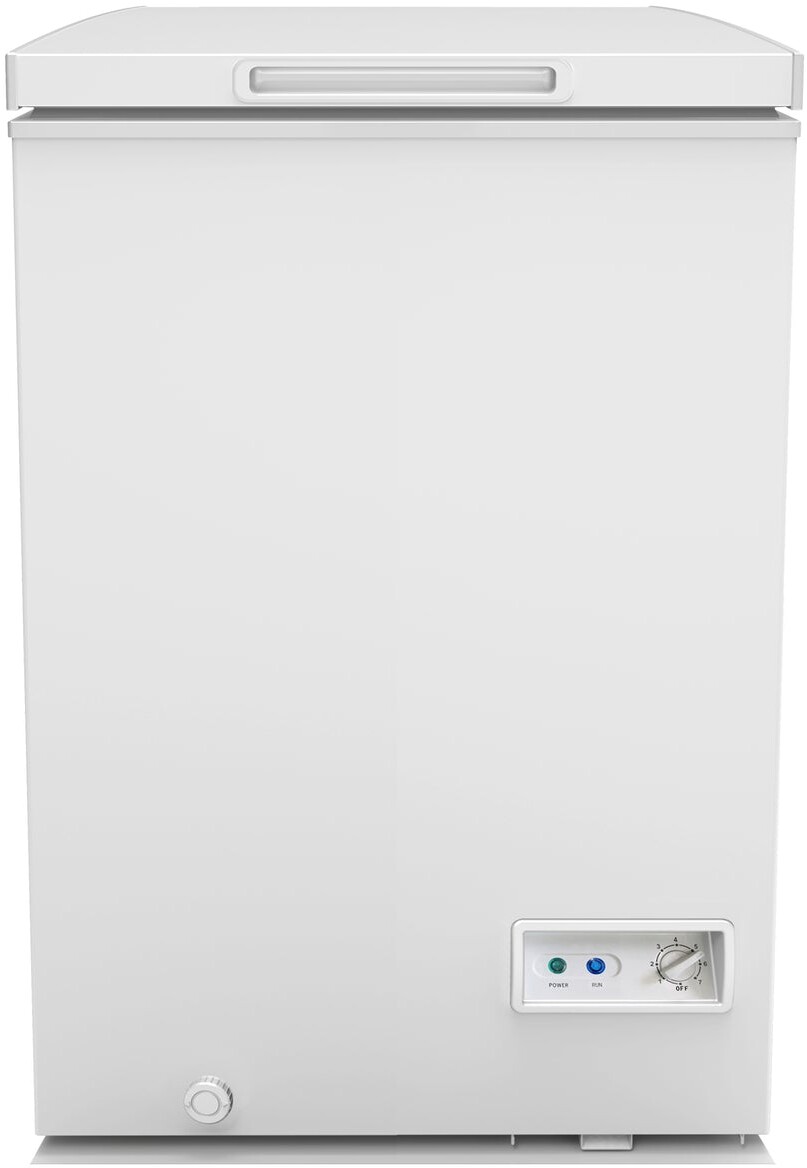
A compact freezer is a small upright or chest unit designed for general frozen food in spaces where a full-size freezer will not fit — apartments, offices, bedrooms, dorm rooms, garage corners, and small kitchens. It targets food safety across every frozen category, holding frozen meals, ice trays, vegetables, meats, and some ice cream all at once. For a closer look at small-format options, see Fridge.com comparison of mini fridge Vs. small upright freezer.
An ice cream freezer for the home is a niche product. True dipping cabinets are commercial equipment — glass-topped display cases that hold a scoopable serving temperature. Home-friendly versions include small chest freezers with adjustable thermostats that allow warmer settings, countertop gelato display units, and dedicated ice cream containers kept in the warmest zone of a standard freezer. The category ranges from repurposed commercial gear to purpose-built consumer products.
Features and Benefits of Compact Freezers
Space-Saving Design: Fits in small spaces such as apartments, offices, and dorm rooms.
Portability: Small size and light weight make them easy to move and relocate.
Energy Efficiency: Many compact freezers are designed to run efficiently, helping lower electricity bills.
Affordable: Generally cheaper than full-size or specialty units.
Apartment Living: Extra freezer space where floor space is limited.
Office Use: Storing employees' frozen meals and snacks.
Dorm Rooms: Extra freezer capacity for students.
Outdoor Events: Keeping drinks and food frozen at gatherings.
Garages and Basements: Overflow storage for bulk purchases. Compare with a mini fridge freezer Vs. outdoor freezer if the unit will live in an unconditioned space.
Features and Benefits of Ice Cream Freezers
Temperature Control: Holds a consistent temperature (typically -20°F to -10°F for storage) that preserves ice cream texture and flavor.
Frost-Free Operation: Many models resist ice buildup, easing maintenance and keeping ice cream in peak condition.
Adjustable Shelves: Storage-style units organize different container sizes efficiently.
Rapid Cooling: Powerful cooling brings newly added items down quickly without compromising existing contents.
Ideal Uses for Ice Cream Freezers
Home Use: Stocking a variety of frozen treats for family and guests.
Businesses: Ice cream shops, cafes, and restaurants holding product at serving temperature.
Special Events: Keeping desserts fresh and ready for birthdays, weddings, and outdoor gatherings.
Most home ice cream lovers do not buy a dedicated ice cream freezer. Instead, they use one of these three approaches with a compact freezer:
Dedicate a compact freezer to ice cream at a slightly warmer setting — around 5°F to 10°F. This works only if the unit holds ice cream and nothing that needs true 0°F storage. A 2 to 3 cubic foot compact freezer holds roughly 20 to 40 pints of ice cream at scoopable temperature.
Store mixed food at 0°F and soften on the counter: keep the compact freezer at the standard setting for mixed frozen food, then pull ice cream out 10 to 15 minutes before serving. This is the simplest method but requires a little planning.
Add a small dipping-style unit alongside the standard compact freezer. Two appliances give you both proper frozen-food storage and perfect scooping temperature.
Size and Capacity Comparison
Compact freezers are built to be space-efficient while still holding a useful amount of food, from under-counter units to larger stand-alone models. Ice cream freezers are specialized: dedicated storage or display units often carry a larger capacity to hold multiple tubs, which is why the largest examples are commercial.
Freezer Type
Typical Size (H x W x D)
Capacity Range (cu ft)
Compact Freezer
20" - 34" x 18" - 24" x 18" - 24"
1.1 - 5.0
Ice Cream Freezer
30" - 60" x 24" - 30" x 24" - 36"
2.5 - 12.0
Put another way, here is what each format holds in ice cream pints versus general food:
Type
Capacity
Ice Cream Pints
General Food
Compact Freezer (2 cu ft)
2 cu ft
15 - 20 pints (ice cream only)
~70 lbs mixed
Compact Freezer (5 cu ft)
5 cu ft
40 - 60 pints (ice cream only)
~175 lbs mixed
Countertop Ice Cream Display
0.5 - 2 cu ft
4 - 12 tubs
Not designed for food
Determining the Right Size for Your Needs
Storage Needs: For general-purpose freezing, a compact freezer is usually enough. For large quantities of ice cream, a dedicated ice cream unit fits better.
Available Space: Measure the spot, and leave room for ventilation and easy access.
Usage Frequency: Compact freezers slot into tight spaces; ice cream displays typically need more room.
Energy Efficiency: Compact freezers tend to be more efficient thanks to their smaller size and sealed door or lid.
Proper temperature control and regular maintenance keep either appliance efficient and extend its life.
Freezer Type
Ideal Temperature Range (°F)
Compact Freezer
0 to -10
Ice Cream Freezer (storage)
-10 to -20
To keep performance up: check the temperature settings regularly, confirm the thermostat is working, and avoid overloading the unit, which blocks air circulation and disrupts temperature consistency.
Cleaning and Defrosting
Defrost Regularly: Ice buildup cuts efficiency. Defrost when ice reaches about 1/4 inch thick.
Clean the Interior: Use a mild cleaning solution; avoid abrasive cleaners that damage the lining.
Check Door Seals: Keep seals clean and intact. A damaged seal lets cold air escape and drives up energy use.
Ventilation and Placement
Keep in a Cool Place: Avoid direct sunlight and nearby heat sources.
Allow Space for Airflow: Leave clearance around the unit for air circulation, which steadies temperature and lowers energy use.
Regular Inspections
Check the Thermostat: Confirm it holds the temperature you set.
Inspect the Coils: Clean condenser coils periodically to clear dust and debris.
Listen for Unusual Noises: New sounds can signal mechanical issues that need attention.
Energy efficiency is usually indicated by an Energy Star rating, which reflects how much power the unit draws over a year. Compact freezers generally consume less energy than ice cream freezers and displays, because they are smaller and their solid lid or door loses less cold air than an open-top or glass-top display.
Type
Average Energy (kWh/year)
Annual Cost*
Compact Freezer
200 - 400
$24 - $48
Countertop Ice Cream Display
300 - 500
$38 - $65
Ice Cream Freezer (larger / commercial-style)
500 - 800
$60 - $96
*Assumes an average electricity rate of about $0.12 per kWh. Countertop displays draw more per cubic foot because the open or glass top loses cold air continuously — they are built for visibility and access, not efficiency.
On purchase price, compact freezers are affordable general-purpose appliances, while dedicated ice cream units command a premium for commercial-grade construction and precise temperature control:
Type
Budget
Mid-Range
Premium
Compact Freezer
$100 - $250
$250 - $450
$450 - $700
Ice Cream Display / Freezer
$200 - $500
$500 - $1,000
$1,000 - $2,500
For most home ice cream lovers, a compact freezer at a warmer setting or the pull-and-wait method delivers adequate results at a fraction of a dedicated display's cost.
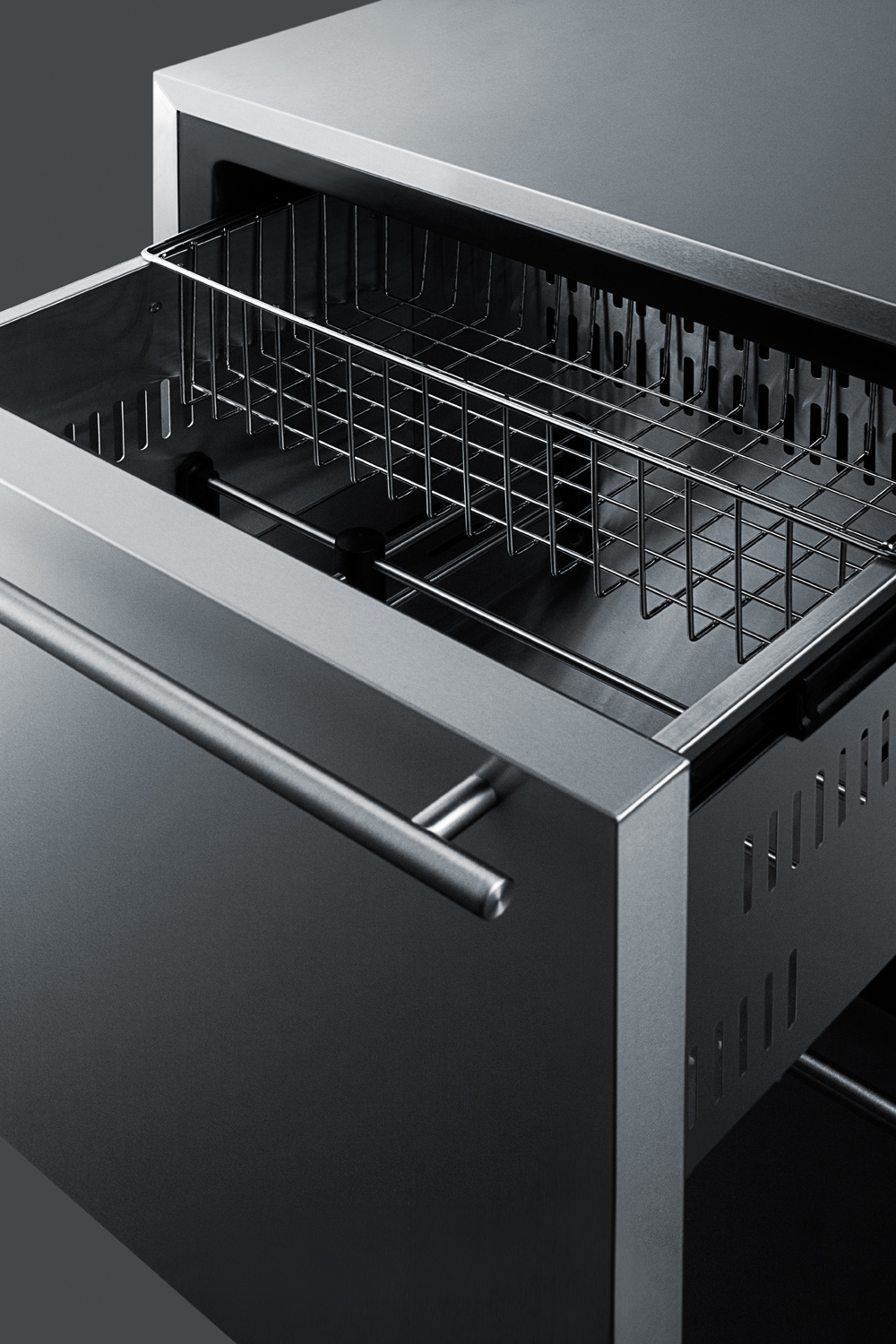
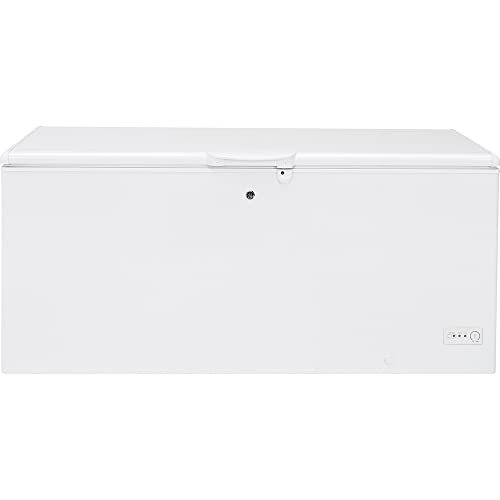
Compact upright freezers use 2 to 4 shelves plus door bins for visible, accessible storage. Compact chest freezers use an open well with a small basket. Either format handles mixed frozen food efficiently. Ice cream displays use an open top or slide-open glass top with compartments or dividers for different flavors, giving instant visual access and easy scooping — at the cost of higher energy use from the continuously exposed surface.
Noise
Compact freezers run at roughly 36 to 45 decibels. Ice cream displays run at about 40 to 50 decibels, since the commercial compressor and fan assembly are louder. For a kitchen or dining area, the compact freezer is the quieter choice; ice cream displays suit garages, basements, and entertainment spaces where noise matters less.
Buy a compact freezer if you need small-format storage for mixed food types — frozen meals, meats, vegetables, and some ice cream. It handles every frozen category at 0°F. For ice cream, either dedicate the unit and set it warmer, or plan to soften pints before serving.
Buy a dedicated ice cream freezer or display if you are a serious ice cream enthusiast, make homemade gelato or ice cream regularly, host ice cream socials, or want the dipping-cabinet experience at home. The investment makes sense when ice cream is a genuine hobby or entertaining focus. For related small-appliance comparisons, see see through refrigerator Vs. upright freezer.
FAQ
What is the difference between a compact freezer and an ice cream freezer?
A compact freezer is a small general-purpose unit (1.1 to 5.0 cubic feet) that holds mixed frozen food at about 0°F. An ice cream freezer is tuned to one job: holding ice cream either hard-packed for storage (-20°F to -10°F) or soft and scoopable for serving (6°F to 10°F).
Can you store ice cream in a compact freezer?
Yes. A compact freezer at 0°F stores ice cream safely. The trade-off is texture — at 0°F ice cream turns rock-hard and is difficult to scoop. Setting the unit warmer (5°F to 10°F) fixes scoopability but is only appropriate if the freezer holds ice cream and no food that requires true 0°F storage.
What temperature should an ice cream freezer be?
For long-term hard-packed storage, -20°F to -10°F. For scoopable serving, about 6°F to 10°F. Dipping cabinets hold the warmer serving range on purpose.
Why is my ice cream too hard to scoop?
Standard and compact freezers run at 0°F, which is colder than ice cream's ideal serving temperature. Either warm a dedicated unit to 6°F to 10°F, or let a pint sit on the counter for 10 to 15 minutes before serving.
How many pints of ice cream fit in a compact freezer?
A 2 cubic foot compact freezer holds roughly 15 to 20 pints of ice cream only; a 5 cubic foot unit holds about 40 to 60 pints. A countertop ice cream display typically holds 4 to 12 tubs.
Which uses less energy, a compact freezer or an ice cream freezer?
The compact freezer. It draws about 200 to 400 kWh per year, versus 300 to 500 kWh for a countertop display and 500 to 800 kWh for a larger commercial-style ice cream freezer. The sealed lid or door on a compact freezer loses less cold air than an open or glass-top display.
Are ice cream freezers more expensive than compact freezers?
Yes. Compact freezers run about $100 to $700 depending on size and features, while dedicated ice cream displays and freezers range from about $200 to $2,500 for commercial-grade construction and precise temperature control.
How loud are they?
Compact freezers run at roughly 36 to 45 decibels; ice cream displays run at about 40 to 50 decibels. The compact freezer is the quieter option for a kitchen or dining area.
Do I need a dedicated ice cream freezer at home?
Usually not. Most home ice cream lovers get good results by dedicating a compact freezer at a warmer setting or by softening pints on the counter before serving. A dedicated unit makes sense mainly when ice cream is a serious hobby or entertaining focus.
Where can I compare compact freezers?
Browse compact freezers at Fridge.com and filter by capacity, temperature range, style, and price to match your household.
Compare prices on Fridge.com
Compare current prices and specifications on Fridge.com, then buy from the retailer you choose; delivery, installation and warranty terms are the retailer’s.
From Fridge.com research
Figures below come from data Fridge.com builds and maintains. Each links to the record behind it.
Fridge.com Energy Index, built on U.S. EPA and DOE ENERGY STAR records
Across 5,455 ENERGY STAR certified refrigerators and freezers from 263 brands, median use is 360 kWh per year.