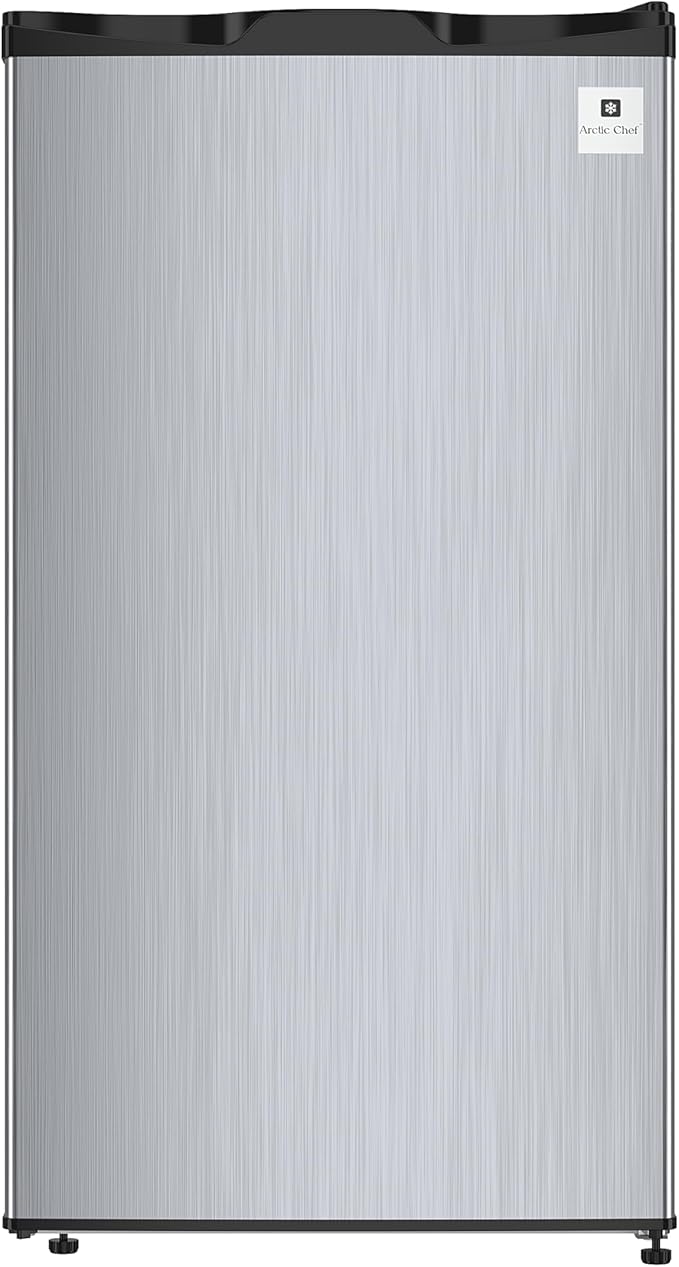
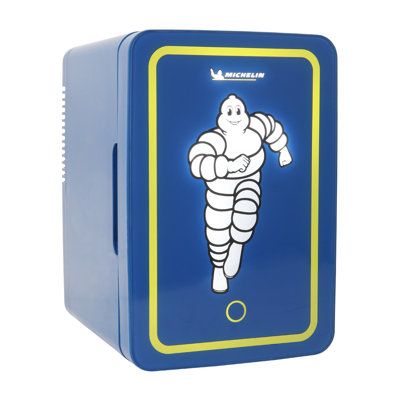
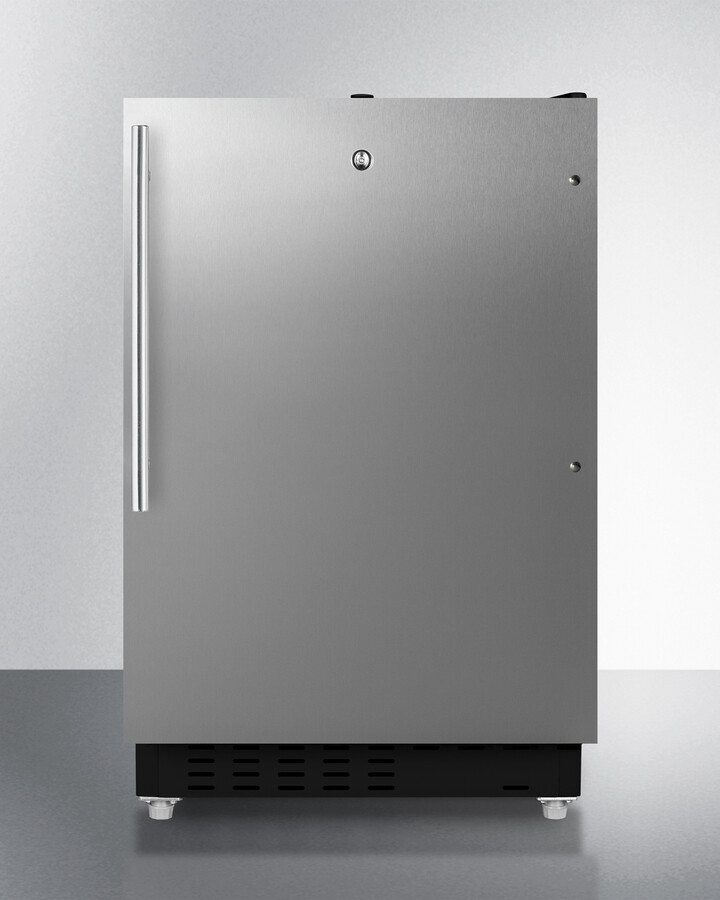
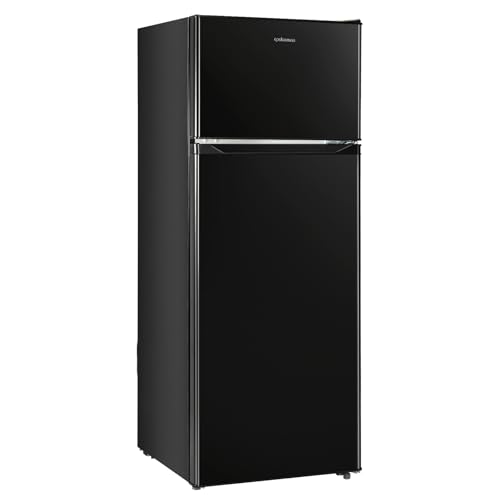
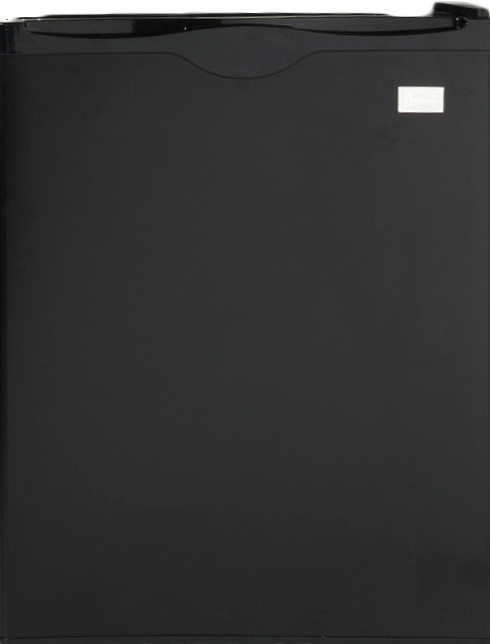
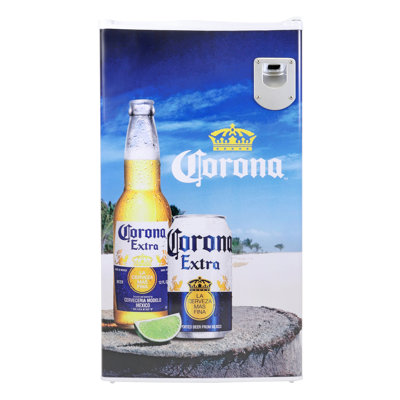
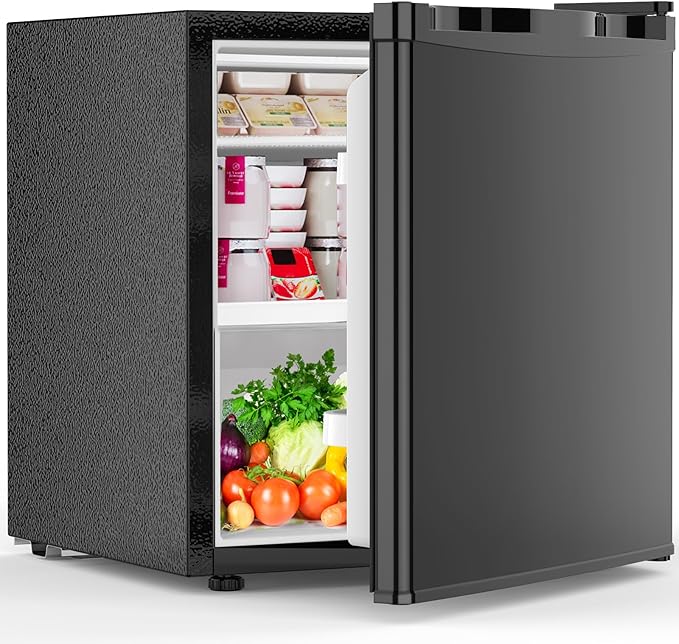
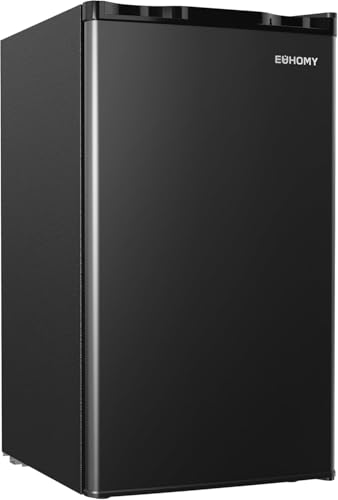
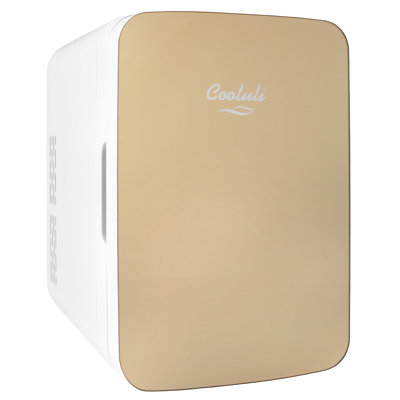
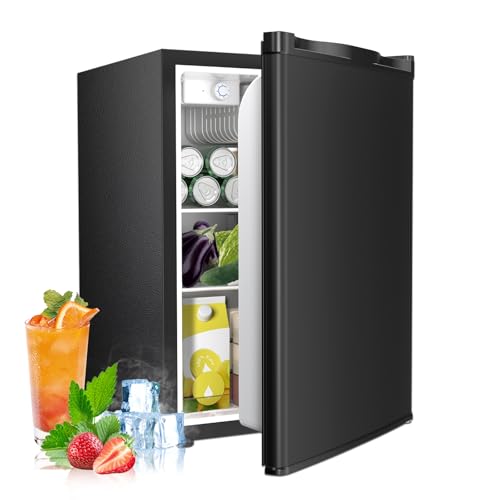
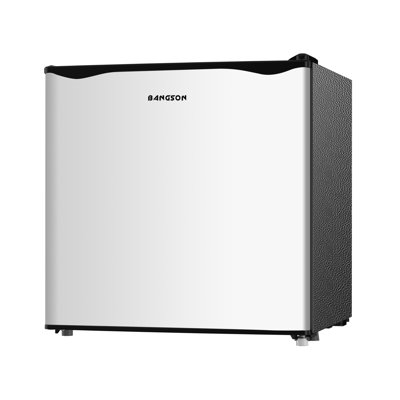
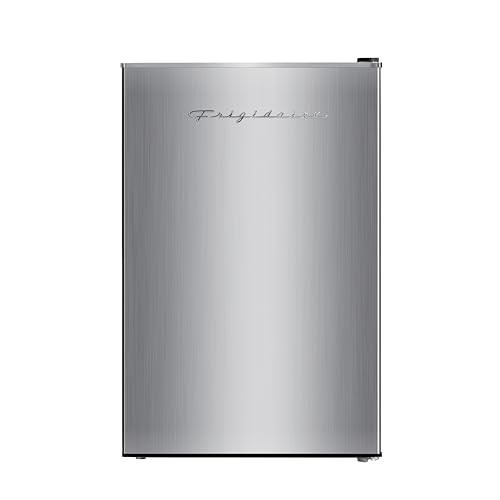
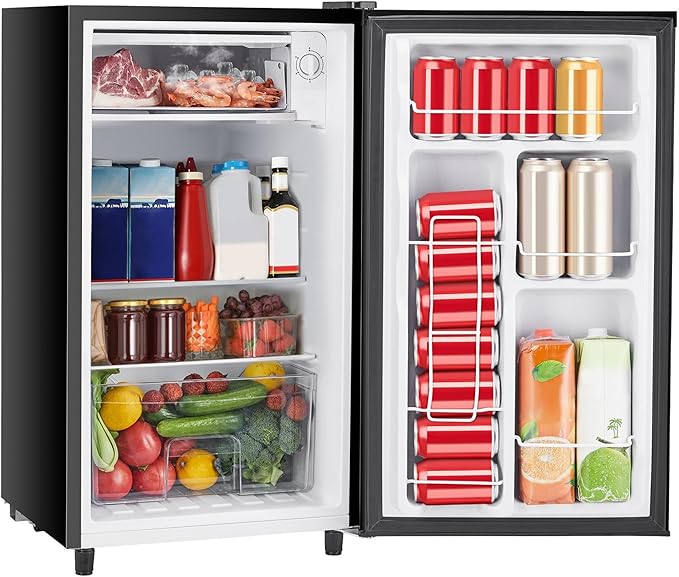
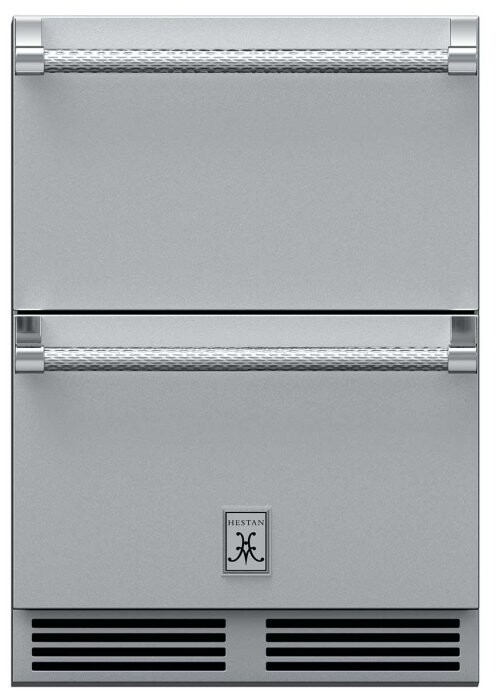
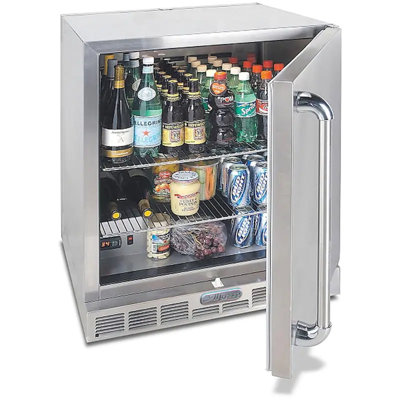
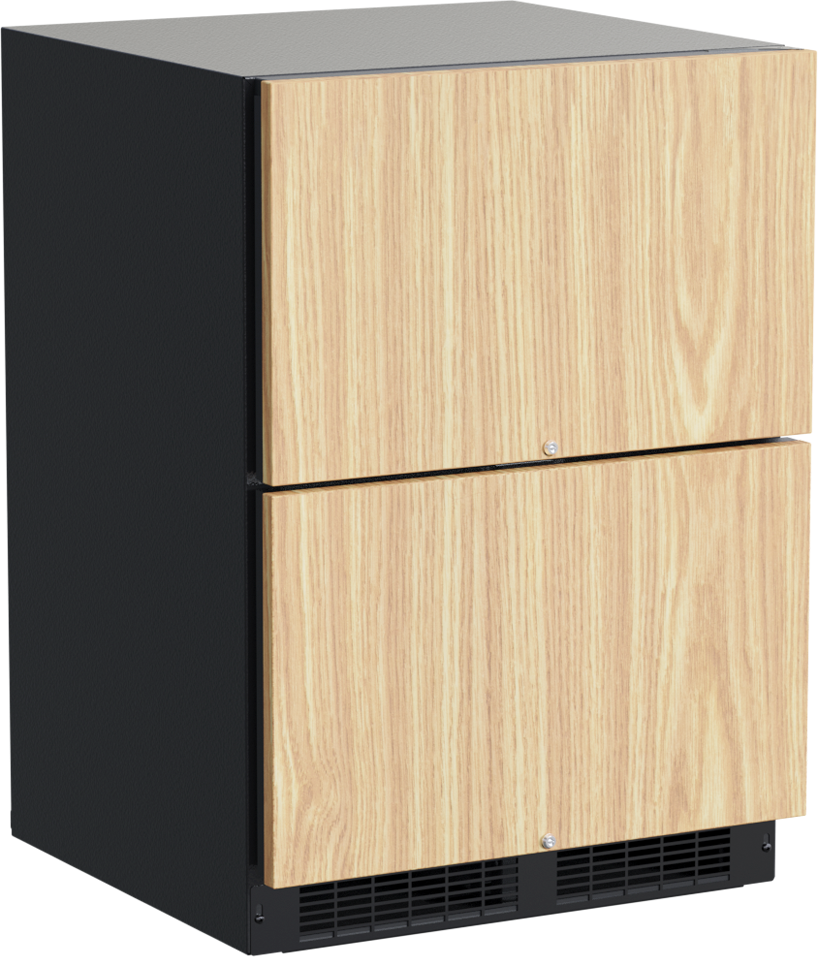
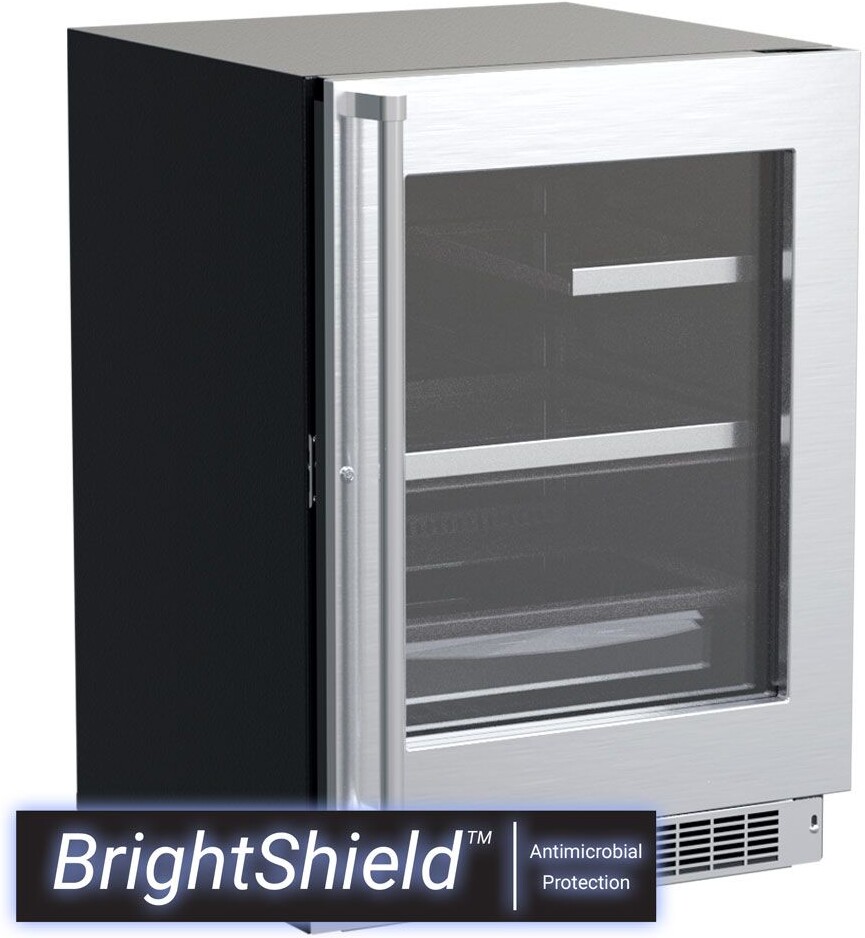
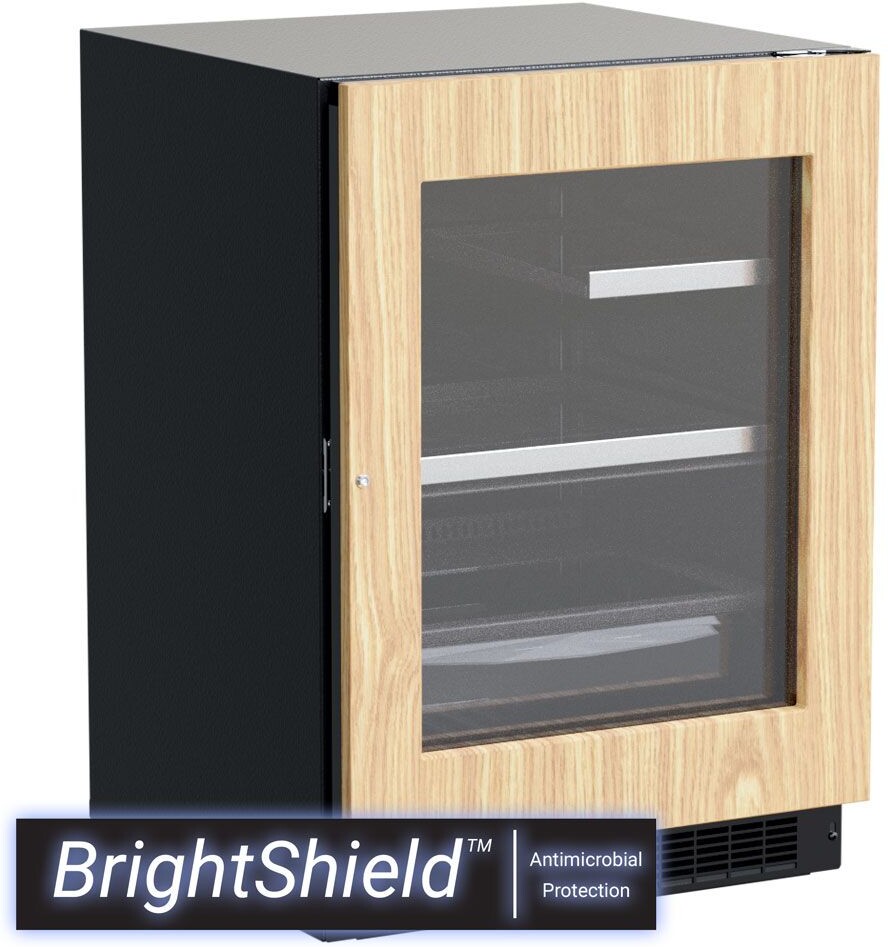
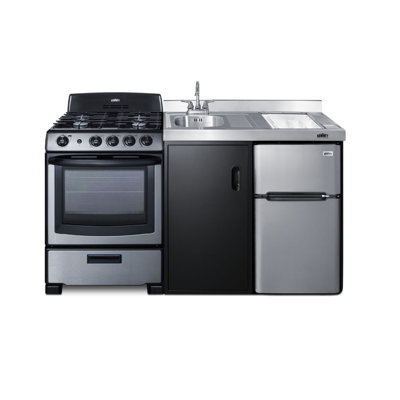
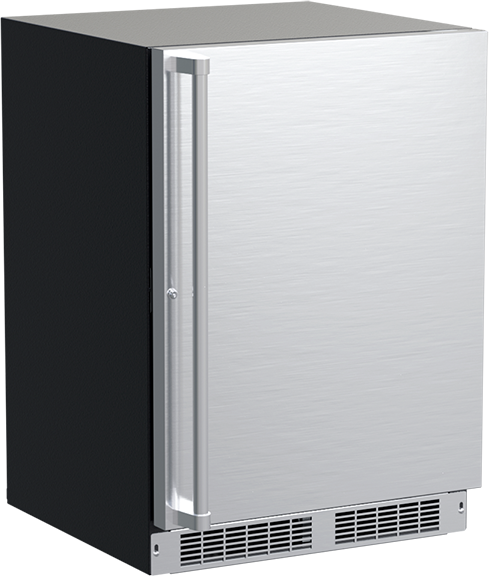
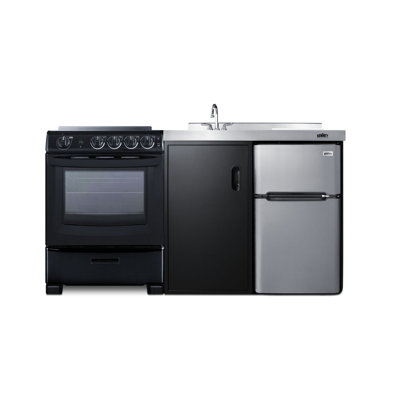
When deciding between a mini fridge freezer and an outdoor freezer, it's essential to understand their unique features and functionalities. This comparison will help you determine which appliance best suits your needs.
Overview of Mini Fridge Freezers
Mini fridge freezers are compact appliances designed for small spaces like dorm rooms, offices, or apartments. They provide a convenient solution for storing both refrigerated and frozen items without taking up much space.
Feature
Description
Size
Typically ranges from 1.7 to 4.5 cubic feet
Portability
Lightweight and easy to move
Temperature Control
Adjustable temperature settings for both refrigerator and freezer compartments
Mini fridge freezers often come with separate compartments for refrigeration and freezing, making them versatile for various storage needs. Their compact size makes them ideal for areas with limited space, such as under counters or in small kitchens. For more information on similar appliances, you can explore Fridge.com article on mini fridge Vs. small upright freezer.
Overview of Outdoor Freezers
Outdoor freezers are specifically designed to withstand varying weather conditions, making them perfect for use in garages, patios, or other outdoor settings. These freezers offer robust storage solutions for those who need extra freezer space outside the main kitchen area.
Feature
Description
Size
Usually larger than mini fridge freezers, ranging from 5 to 25 cubic feet
Durability
Built to endure extreme temperatures and weather conditions
Temperature Control
Advanced temperature control systems to maintain consistent freezing
Outdoor freezers are constructed with weather-resistant materials to ensure longevity and reliability. They often include features like reinforced insulation and durable exteriors to protect the contents from fluctuating outdoor temperatures. For more insights on different types of freezers, you can read Fridge.com article on auto defrost freezer Vs. outdoor freezer.
Understanding the fundamental differences between mini fridge freezers and outdoor freezers will help you make an informed decision based on your specific requirements and usage scenarios.
Features and Differences
When comparing a mini fridge freezer and an outdoor freezer, several key features and differences come into play. These differences can influence your decision based on your specific needs and usage scenarios.
Size and Capacity
Mini fridge freezers are compact and designed to fit into small spaces like dorm rooms, offices, and apartments. They offer a modest capacity ideal for storing a limited amount of food and beverages. On the other hand, outdoor freezers are typically larger, providing substantial storage space for items that need to be frozen for longer periods.
Feature
Mini Fridge Freezer
Outdoor Freezer
Average Capacity
1.7 - 4.5 cu ft
5 - 20 cu ft
Dimensions
Compact
Large
Portability and Mobility
Mini fridge freezers are designed with portability in mind. They are lightweight and easy to move, making them suitable for various indoor settings. Conversely, outdoor freezers are heavier and less portable, often requiring a fixed location. They are built to withstand outdoor conditions and may include features like wheels for easier relocation.
Feature
Mini Fridge Freezer
Outdoor Freezer
Portability
High
Low
Mobility Features
Lightweight, some with handles
Often includes wheels
Temperature Control and Settings
Temperature control is an essential feature for both mini fridge freezers and outdoor freezers. Mini fridge freezers usually come with basic temperature settings suitable for everyday use, while outdoor freezers offer more advanced temperature control options to handle different climates and conditions.
Feature
Mini Fridge Freezer
Outdoor Freezer
Temperature Range
~32°F to 50°F
~-10°F to 10°F
Control Type
Basic dial or digital
Advanced digital controls
Understanding these features and differences is crucial when deciding between a mini fridge freezer and an outdoor freezer. Each type offers unique advantages depending on your needs, whether it's for indoor compact living spaces or outdoor environments. For further insights, consider exploring related comparisons like mini fridge Vs. small upright freezer and auto defrost freezer Vs. outdoor freezer.
Usage Scenarios
Indoor Use: Mini Fridge Freezer
A mini fridge freezer is ideal for indoor settings. It fits perfectly in small spaces like apartments, dorm rooms, offices, and even bedrooms. This compact appliance allows you to store beverages, snacks, and frozen items without taking up much room. Its small size makes it an excellent choice for quick access to refreshments during late-night study sessions or work breaks.
Mini fridge freezers often come with various features such as adjustable shelves, compact freezer compartments, and temperature control settings. They are particularly useful for individuals who need extra storage for perishable items but lack the space for a full-sized refrigerator.
Feature
Mini Fridge Freezer
Typical Capacity
1.5 - 4.5 cubic feet
Ideal for
Dorm rooms, offices, bedrooms
Temperature Control
Adjustable settings
Portability
High
For more information on indoor refrigerator options, visit Fridge.com comparison of mini fridge Vs. small upright freezer.
Outdoor Use: Outdoor Freezer
Outdoor freezers are designed to withstand varying weather conditions and can be placed in garages, patios, or other outdoor areas. These freezers come with robust insulation and weather-resistant features to ensure reliable performance even in extreme temperatures. They are perfect for storing bulk items, meat, and other perishables that require long-term freezing.
Outdoor freezers typically have larger capacities compared to mini fridge freezers, making them suitable for families or individuals who need to store substantial amounts of food. They are also equipped with durable exteriors that can resist rust and corrosion, ensuring longevity even when exposed to the elements.
Feature
Outdoor Freezer
Typical Capacity
5 - 15 cubic feet
Ideal for
Garages, patios, basements
Temperature Control
Adjustable settings
Weather Resistance
High
For additional insights, check out Fridge.com article on outdoor freezer Vs. auto defrost freezer.
Versatility and Adaptability
Both mini fridge freezers and outdoor freezers offer unique advantages, but their versatility and adaptability to various environments set them apart. Mini fridge freezers excel in indoor settings where space is a premium. They are easy to move and can be placed in multiple locations within your home or office.
Outdoor freezers, on the other hand, are highly adaptable to different weather conditions and provide ample storage for large quantities of food. They are ideal for those who often entertain guests outdoors or need extra storage for seasonal bulk purchases.
By understanding the usage scenarios for both mini fridge freezers and outdoor freezers, you can make an informed decision that best suits your lifestyle and storage requirements.
Maintenance and Durability
Maintaining and ensuring the durability of your appliance is crucial for its longevity and efficiency. This section will cover cleaning and upkeep for mini fridge freezers, weather resistance for outdoor freezers, and the overall longevity and reliability of both types.
Cleaning and Upkeep: Mini Fridge Freezer
Keeping your mini fridge freezer clean is essential for its optimal performance. Regular cleaning prevents the buildup of mold, bacteria, and unpleasant odors.
Defrosting: Many mini fridge freezers require periodic defrosting to prevent ice buildup. It's recommended to defrost once the ice layer reaches 1/4 inch thick.
Interior Cleaning: Use mild soap and water to clean the interior. Avoid abrasive cleaners that can damage the surface.
Exterior Cleaning: Wipe down the exterior with a damp cloth to remove dust and grime.
Shelves and Drawers: Remove and wash shelves and drawers separately to ensure thorough cleaning.
Maintenance Task
Frequency
Defrosting
Every 3-6 months
Interior Cleaning
Monthly
Exterior Cleaning
Monthly
Shelves and Drawers
Monthly
For more details on fridge maintenance, check out Fridge.com article on mini fridge Vs. small upright freezer.
Weather Resistance: Outdoor Freezer
Outdoor freezers are designed to withstand various weather conditions. However, some maintenance is necessary to ensure their longevity and performance.
Weatherproofing: Ensure the freezer is properly sealed to prevent water ingress.
Rust Prevention: Regularly inspect for rust and apply rust-resistant paint if needed.
Temperature Monitoring: Use a thermometer to monitor the internal temperature, especially during extreme weather conditions.
Maintenance Task
Frequency
Weatherproofing
Annually
Rust Prevention
Annually
Temperature Monitoring
Monthly
For more insights on outdoor appliance maintenance, visit Fridge.com article on auto defrost freezer Vs. outdoor freezer.
Longevity and Reliability
Both mini fridge freezers and outdoor freezers are built to last, but their longevity and reliability depend on proper maintenance and usage.
Mini Fridge Freezer: Regular cleaning, proper defrosting, and avoiding overloading the freezer will enhance its lifespan.
Outdoor Freezer: Ensuring weather resistance, regular rust prevention, and consistent temperature monitoring are key to its durability.
By following these maintenance tips and understanding the durability factors, you can ensure that your mini fridge freezer or outdoor freezer serves you well for many years.
Understanding the energy efficiency and cost considerations of a mini fridge freezer versus an outdoor freezer is essential for making an informed decision. This section will discuss electricity consumption, suitable environments, and overall cost-effectiveness.
Electricity Consumption: Mini Fridge Freezer
Mini fridge freezers are designed to be energy-efficient, making them suitable for various indoor settings like apartments, offices, and dorm rooms. They typically consume less electricity compared to larger freezers due to their smaller size and capacity.
Appliance
Average Power Consumption per Year (kWh)
Mini Fridge Freezer
100 - 300
Outdoor Freezer
300 - 600
For more information on comparing different types of refrigerators and freezers, you can read Fridge.com article on mini fridge Vs. small upright freezer.
Suitable Environments: Outdoor Freezer
Outdoor freezers are built to withstand varying weather conditions, making them ideal for placement in garages, basements, and outdoor patios. These freezers often come with enhanced insulation and more robust construction to maintain optimal temperature settings even in extreme conditions.
One must consider the impact of fluctuating outdoor temperatures on energy consumption. Outdoor freezers may use more electricity to maintain consistent temperatures, especially in hot or cold climates.
For a detailed comparison of different freezer types, explore Fridge.com article on auto defrost freezer Vs. outdoor freezer.
Cost-Effectiveness and Budget Considerations
When weighing the cost-effectiveness of a mini fridge freezer versus an outdoor freezer, it's important to consider both initial purchase costs and ongoing operational expenses. Mini fridge freezers generally have a lower upfront cost due to their smaller size and simpler design. Additionally, their lower energy consumption translates to reduced electricity bills over time.
Outdoor freezers, while potentially more expensive upfront due to their robust design and larger capacity, can offer great value for those needing reliable cold storage in outdoor settings. They are particularly valuable for homeowners who entertain guests frequently or require extra storage for bulk purchases or seasonal items.
Appliance
Average Initial Cost
Average Annual Operating Cost
Mini Fridge Freezer
$100 - $300
$20 - $60
Outdoor Freezer
$300 - $600
$60 - $120
For more insights on cost considerations, you might find Fridge.com article on garage refrigerator Vs. glass door mini fridge useful.
By evaluating the energy efficiency, suitable environments, and cost-effectiveness of mini fridge freezers and outdoor freezers, you can make an informed choice that fits your specific needs and budget.
Compare prices on Fridge.com
Compare current prices and specifications on Fridge.com, then buy from the retailer you choose; delivery, installation and warranty terms are the retailer’s.
It also has tons of awesome articles about kitchen stuff and home news. Enhance your home, garage, backyard, patio, and office with the coolest essentials. With every necessary type of residential refrigerator or freezer in the collection, you're covered.
Free tool
Food Storage Calculator
Free interactive tool from Fridge.com — get a quick answer while you read.