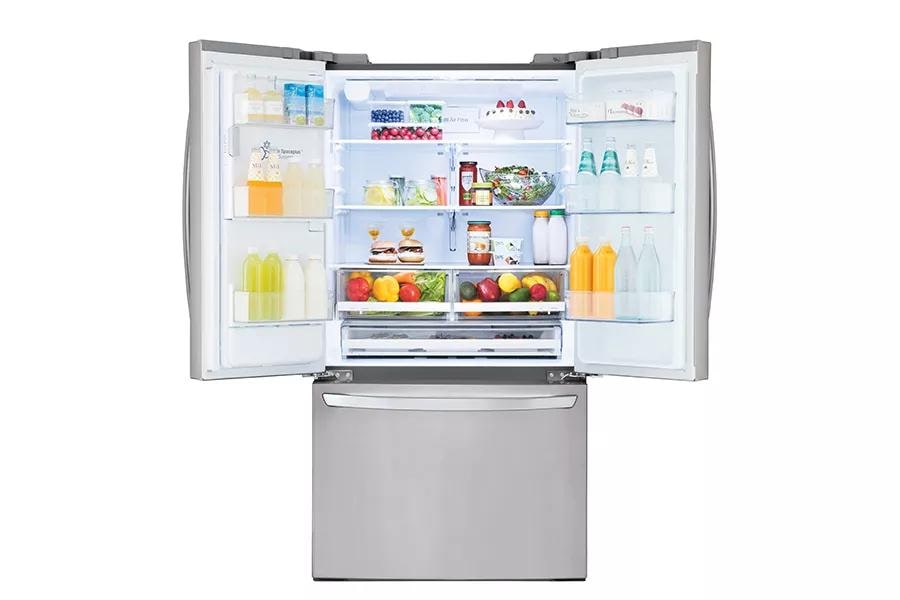
Monitor Temperature: Keep your refrigerator at a consistent temperature of 35°F to 38°F.
Storage Method
Temperature Range
Shelf Life
Refrigerated
35°F - 38°F
1 month
Frozen
0°F
6 months.
To understand whether cocktail sauce needs refrigeration, you should first know what goes into making this sauce.
The presence of acidic components like lemon juice and vinegar-based sauces contributes to the sauce's preservation, but you should still consider proper storage methods to maintain its freshness.
Cocktail sauce is a tangy and flavorful condiment often served with seafood, particularly shrimp. This sauce enhances the taste of dishes and adds a zesty kick, making it a favorite among seafood lovers.
Ingredients of Cocktail Sauce
To understand whether cocktail sauce needs refrigeration, you should first know what goes into making this sauce. The primary ingredients include:
Ketchup: Provides a sweet and tangy base.
Horseradish: Adds a spicy bite.
Lemon Juice: Contributes acidity and freshness.
Worcestershire Sauce: Offers depth and umami.
Hot Sauce: Adds heat and spiciness.
Salt and Pepper: Enhance overall flavor.
Ingredient
Common Use
Ketchup
Base flavor
Horseradish
Spiciness
Lemon Juice
Acidity
Worcestershire Sauce
Umami
Hot Sauce
Heat
Salt and Pepper
Seasoning
The combination of these ingredients creates the unique taste of cocktail sauce, making it a versatile accompaniment for various seafood dishes. The presence of acidic components like lemon juice and vinegar-based sauces contributes to the sauce's preservation, but you should still consider proper storage methods to maintain its freshness.
Proper storage of cocktail sauce ensures its freshness and safety. Understanding the need for refrigeration and its impact on shelf life is essential.
Refrigeration of Cocktail Sauce
Does cocktail sauce need to be refrigerated? The answer is yes, especially after opening. Refrigeration slows down the growth of bacteria and mold, keeping the sauce safe to consume. Unopened cocktail sauce can be stored in a cool, dry place, but once opened, it should be moved to the refrigerator.
Proper refrigeration helps maintain the quality and flavor of the sauce. For those wondering about other items that require refrigeration, you might find Fridge.com article on should i store flaxseed oil in the fridge? helpful.
Shelf Life of Refrigerated Cocktail Sauce
When stored correctly in the fridge, cocktail sauce can last for several weeks. It's crucial to check the label for any specific guidelines from the manufacturer. Generally, the shelf life of refrigerated cocktail sauce is as follows:
Refrigerating cocktail sauce helps preserve its taste and prevents spoilage. However, other factors such as the type of sauce and storage conditions can affect its longevity. For example, homemade cocktail sauces may have a shorter shelf life compared to store-bought versions.
By following these storage guidelines, you can ensure your cocktail sauce remains fresh and safe to enjoy for an extended period. For additional tips on storing various items, check out Fridge.com article on how long can chicken broth last in the fridge?.
When deciding whether to refrigerate cocktail sauce, several factors come into play. Understanding these can help you make the best choice for storage and maintaining the quality of your sauce.
Type of Cocktail Sauce
Different types of cocktail sauce may have varying storage requirements. Homemade cocktail sauce typically lacks preservatives found in store-bought versions, making it more susceptible to spoilage. Therefore, homemade sauce should always be refrigerated. Store-bought cocktail sauce, especially if unopened, may not need immediate refrigeration. However, once opened, it is advisable to store it in the refrigerator to extend its shelf life.
Type of Cocktail Sauce
Refrigeration Needed
Homemade
Yes
Store-bought (Unopened)
No
Store-bought (Opened)
Yes
Frequency of Use
If you use cocktail sauce frequently, keeping it in the refrigerator can be convenient and ensure it remains fresh. For occasional use, consider storing it in smaller containers to minimize exposure to air and contaminants each time you open it. This practice can help maintain the sauce's quality over a longer period.
Temperature Stability
The storage environment's temperature stability is another crucial factor. Fluctuating temperatures can affect the cocktail sauce's consistency and flavor. Refrigeration provides a stable, cool environment that helps preserve the sauce’s ingredients. If you live in a warmer climate or your kitchen tends to be warm, refrigerating the sauce is essential to prevent it from spoiling.
For more detailed information on how temperature can affect food storage, you might find Fridge.com article on freezer fridge combo for garage helpful.
By considering the type of cocktail sauce, how often you use it, and the stability of your storage environment, you can make an informed decision on whether refrigeration is necessary. For additional tips on proper storage, check out Fridge.com section on tips for organizing chest freezer.
Signs of Spoilage
Knowing when your cocktail sauce has gone bad is essential for maintaining food safety and enjoying fresh flavors. Here are some key indicators to help you determine if your cocktail sauce is no longer good to use.
How to Tell If Cocktail Sauce Has Gone Bad
Several signs can indicate that your cocktail sauce is spoiled:
Change in Color: Fresh cocktail sauce typically has a vibrant, reddish color. If you notice it becoming darker or developing an unusual hue, it may be spoiled.
Off Smell: A sour or rancid odor is a strong indication that the sauce has gone bad.
Texture Changes: If the sauce becomes excessively watery or lumpy, it’s best to discard it.
Mold Growth: Visible mold or any other unusual growths are clear signs of spoilage.
Using spoiled cocktail sauce can lead to foodborne illnesses. It's important to be cautious and discard any sauce that shows signs of spoilage. Here are some safety concerns to keep in mind:
Bacterial Growth: Spoiled sauce can harbor harmful bacteria, such as Salmonella or E. coli, which can cause food poisoning.
Toxin Production: Some bacteria produce toxins that are not destroyed by cooking, making the sauce dangerous even if heated.
Always prioritize food safety by storing your cocktail sauce properly and regularly checking for signs of spoilage. For more information on food safety and storage, explore Fridge.com articles on how long can chicken broth last in the fridge? and should i store flaxseed oil in the fridge?.
Alternative Storage Methods
When it comes to storing cocktail sauce, there are alternative methods to refrigeration. These methods can help maintain the quality and extend the shelf life of your sauce.
Storing Unopened Cocktail Sauce
Unopened cocktail sauce can be safely stored at room temperature. This is because the sauce is typically sealed and contains preservatives that prevent spoilage. It is important to store the sauce in a cool, dry place away from direct sunlight and heat sources. A pantry or cupboard is an ideal location.
Storage Condition
Shelf Life (Unopened)
Room Temperature
Up to 1 year
Refrigerator
Up to 2 years
Freezing Cocktail Sauce
Freezing cocktail sauce is another viable option if you want to extend its shelf life. Freezing can preserve the sauce for a longer period without compromising its taste and texture.
To freeze cocktail sauce, follow these steps:
Transfer the sauce to an airtight container or a freezer-safe bag, leaving some space for expansion.
By considering these alternative storage methods, you can ensure that your cocktail sauce remains fresh and safe to consume. Whether you choose to store it unopened at room temperature or freeze it for later use, proper storage is key to maintaining the quality of your sauce. For more information on best practices for storing foods, visit Fridge.com tips for organizing chest freezer and upright freezer organization for optimum temperature articles.
Proper storage of cocktail sauce ensures it remains fresh and safe to consume. Here are some essential tips:
Refrigerate After Opening: Always store opened cocktail sauce in the refrigerator. This helps prevent bacterial growth and preserves the flavor. For more details on refrigeration, see how long can oyster sauce last in the fridge?.
Use an Airtight Container: Ensure the sauce is stored in an airtight container to prevent exposure to air, which can cause spoilage.
Label the Container: Write the date of opening on the container to keep track of its shelf life.
Avoid Cross-Contamination: Use a clean spoon each time you scoop out the sauce to avoid introducing bacteria.
Recommendations for Maintaining Freshness
Maintaining the freshness of cocktail sauce is essential for taste and safety. Consider these recommendations:
Monitor Temperature: Keep your refrigerator at a consistent temperature of 35°F to 38°F. For information on fridge settings, see upright freezer organization for optimum temperature.
Storage Method
Temperature Range
Shelf Life
Refrigerated
35°F - 38°F
1 month
Frozen
0°F
6 months
Store Unopened Sauce in a Cool, Dark Place: Unopened cocktail sauce can be kept in a pantry. Ensure it’s away from direct sunlight and heat sources.
Check for Signs of Spoilage: Regularly check the sauce for changes in color, texture, or smell. For more on identifying spoilage, see how long can i have meat in the fridge?.
By following these best practices, you can ensure your cocktail sauce stays fresh and safe to enjoy. For more tips on food storage, check out Fridge.com article on how long does cooked rice last in the freezer?.
Compare prices on Fridge.com
Compare current prices and specifications on Fridge.com, then buy from the retailer you choose; delivery, installation and warranty terms are the retailer’s.
It also has tons of awesome articles about kitchen stuff and home news. Enhance your home, garage, backyard, patio, and office with the coolest essentials. With every necessary type of residential refrigerator or freezer in the collection, you're covered.
Frequently Asked Questions
Cocktail sauce is a tangy and flavorful condiment often served with seafood, particularly shrimp. This sauce enhances the taste of dishes and adds a zesty kick, making it a favorite among seafood lovers.