kitten food: storing it safely in the fridge for growth is essential when you want to give your furry friend the best start in life. Keeping your little one’s meals fresh isn’t just a convenience, it’s a matter of kitten nutrition, bacterial safety, and development. If you treat your fridge as a short-term pantry, not a precision storage space, you might miss out on preserving key nutrients or worse, expose your kitten to spoiled food. Refrigeration, proper packaging, and smart meal planning all play a role in ensuring every bite helps your kitten grow into a healthy adult cat.
In this guide, you’ll learn how to set up your fridge space for kitten food, store wet and dry meals, freeze portions for busy days, and maintain fridge hygiene so spoilage and cross-contamination stay at bay. With practical advice and a casual tone that feels like chatting with a fellow cat lover, you’ll have confidence that your kitten is eating food that’s both safe and nutritious.
Understand kitten food storage
Kitten diets often include a mix of wet food, dry kibble, and even homemade recipes. Each type has unique storage needs. When you understand kitten food storage, you’ll avoid common pitfalls like soggy kibble or bacterial blooms in leftover pâté. The general rule? If it’s opened and perishable, it needs a cold, dry spot. Unopened bags and cans can usually live in a pantry until you crack them open.
Why safe storage matters
Storing kitten food safely does more than just prevent spoilage. It helps you:
Preserve vital nutrients like protein, amino acids, and omega-3s
Prevent harmful bacterial growth such as Salmonella or E coli
Keep your fridge organized so you always know what’s fresh
Reduce food waste and save money on wasted meals
Kittens are picky eaters, and they may turn away even slightly off-flavored food. That hesitation can lead to missed meals, slower growth, or digestive upsets.
Key storage principles
These three principles will guide your fridge strategy:
Temperature control: Keep your fridge between 34 °F and 40 °F for optimal safety.
Airtight protection: Use sealed containers or resealable bags to lock in freshness.
Date tracking: Label everything with the date you opened or cooked it so you know when it’s time to toss.
By following these guidelines, you’ll lay the foundation for a fridge that supports your kitten’s health rather than hindering it.
Prepare fridge space
Once you’ve mastered the basics, it’s time to carve out dedicated real estate in your fridge for kitten food. Treating kitten meals with the same respect you give your own lunches keeps things simple and reduces the risk of mix-ups.
Choose the right shelf
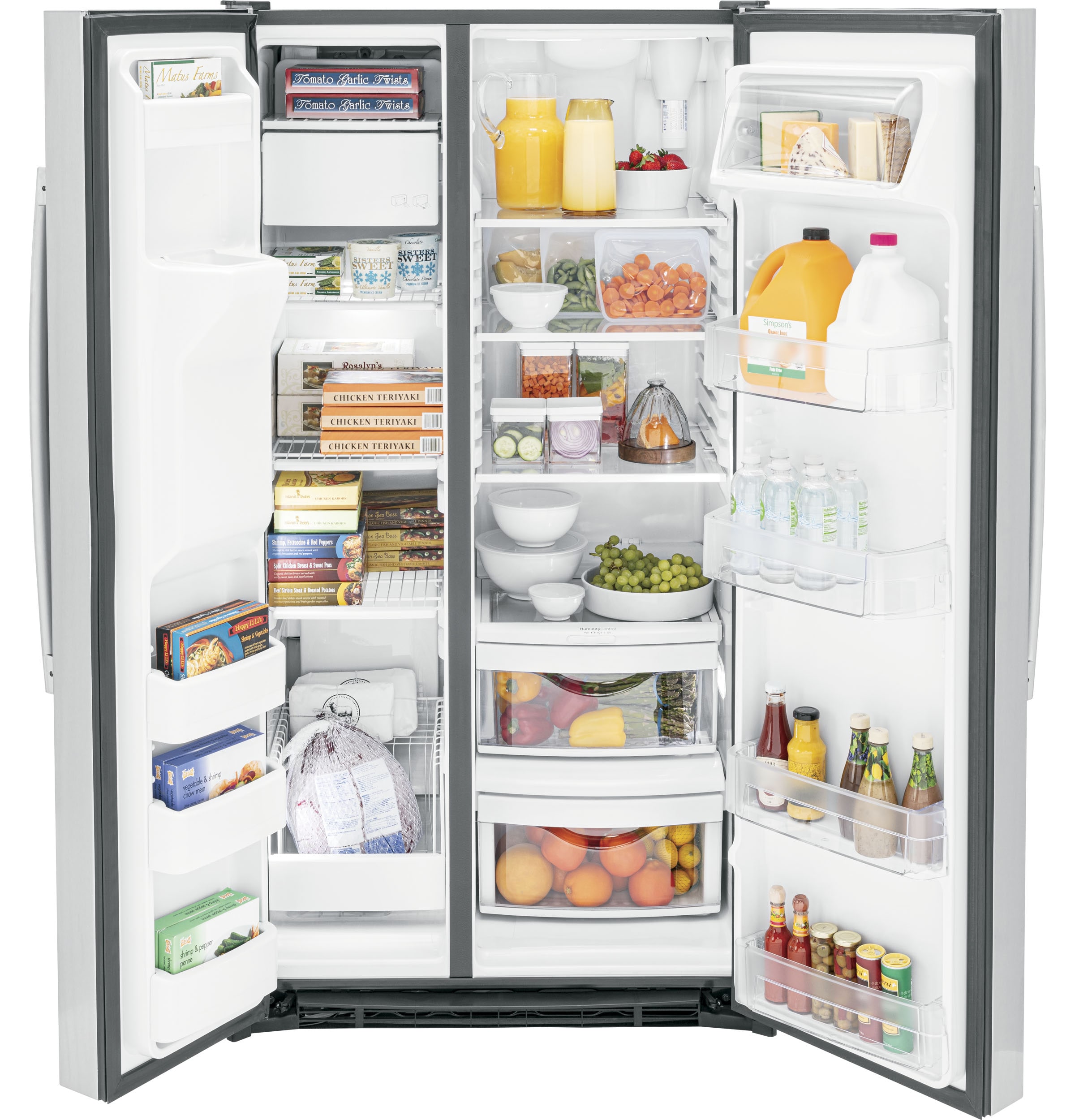
Different areas of your fridge fluctuate in temperature. The back of the bottom shelf is often the coldest spot, while the door is typically the warmest. For perishable kitten food:
Store wet pouches or cans on the bottom shelf
Place homemade or cooked food in the back row
Avoid the door for anything you want to keep more than a day
If you have a fridge-freezer combo, you might wonder if it works better full or empty. Keeping it moderately stocked helps maintain stable temperatures. For more on that, check out does a fridge freezer work better full or empty?.
Use airtight containers
Even if you buy kitten food in pouches or cans, transferring leftovers into airtight containers is smart. Mason jars, BPA-free plastic tubs, or food-grade silicone pouches work wonders to:
Prevent odors from escaping
Keep moisture out
Make it easy to stack and organize
Opt for clear containers when possible. Being able to see the food helps you quickly spot discoloration or freezer burn if you’ve popped something in the freezer.
Label for clarity
Nothing trips you up faster than forgetting when you opened that can of kitten food. A simple label with the date and type of food will:
Help you use the oldest food first
Avoid confusion between flavors or brands
Encourage a first-in, first-out system
A date marker or masking tape and a permanent marker are all you need to stay on top of your kitten’s menu timeline.
Dry kitten kibble is more forgiving than wet food, but it still needs proper care to preserve crunch, nutrition, and flavor.
Keep in original bag
The manufacturer’s bag is designed to protect against light and humidity. For maximum freshness:
Leave kibble in the original bag
Fold the top tightly or use a clip
Slide the bag into an airtight container for extra protection
Avoid moisture and pests
Humidity is the enemy of crunchy kibble. Storing dry food in the fridge is optional but can help if you live in a humid climate. Otherwise:
Keep the kibble container off the fridge floor
Clean up spills immediately
Store away from damp walls or basement corners
Rotate regularly
Just like wet food, dry food benefits from a first-in, first-out system. Write the purchase date on the bag, and finish older bags before opening new ones. That way your kitten always gets the freshest crunch.
Monitor fridge temperature
Your fridge’s temperature plays a leading role in food safety and nutrient retention. A few degrees can make a big difference for your kitten’s meals.
Ideal temperature range
Kitten food stays safe between 34 °F and 40 °F. Anything above that zone invites bacterial growth; anything below risks freezing and damaging wet food’s texture. Aim to keep your fridge dial at:
37 °F for peak safety
Check with an appliance thermometer once a week
Adjust fridge settings
Modern fridges have multiple controls. If yours shows separate drawers or cooling zones:
Cross-contamination is a major risk when you’re storing meals for both humans and pets. A little caution goes a long way to protect your kitten’s developing immune system.
Separate raw and cooked
If you prepare homemade kitten food with raw meat:
Store it on the bottom shelf to keep juices from dripping
Use dedicated containers you don’t also use for raw chicken or beef destined for your own dinner
Use clean utensils
Never dip a serving spoon back into a container that touched your kitten’s bowl. Instead:
Portion meals directly into the dish using a clean scoop
Wash utensils and containers with hot, soapy water between uses
Sanitize surfaces regularly
Avoid strong odors
Kittens are sensitive to smells. Strong spices leftover from human meals can taint their food. Keep their meals in a sealed zone to avoid absorbing onion, garlic, or spice aromas.
Use freezer safely
Freezing kitten food lets you prepare in bulk and keep extra portions on hand. To take advantage of your freezer space, follow a few straightforward tips.
Freeze portions
Divide wet food into meal-size portions before freezing:
Use silicone trays or small freezer-safe containers
Aim for portions that thaw in one feeding session
Label each container with the date and content
Recommended portion sizes
For most kittens:
2–3 ounces of wet food per feeding
Two to four meals per day depending on age
Freezing portioned meals saves time and ensures you never have too much or too little.
Thaw safely
When it’s meal time:
Move a frozen portion to the fridge 12–24 hours before feeding
Avoid microwaving, which can create hotspots that burn your kitten’s mouth
Give thawed meals within 24 hours and discard any leftovers
Freezer burn won’t harm your kitten, but can alter texture and taste. If a portion looks dried out, save it for cooking into a homemade recipe rather than serving it alone.
A predictable routine helps you plan fridge and freezer use, and reassures your kitten that meals are always on time.
Plan meals ahead
Create a simple feeding calendar:
Note how many meals per day and portion sizes
Mark which days you’ll prepare fresh versus thawed food
Adjust as your kitten grows; at around six months you may shift from four to three meals per day
Track expiration dates
With wet food lasting 1–2 days after opening and frozen meals good for 2–3 months, a tracking system is key:
Use a whiteboard or app reminder
Rotate containers so oldest items get used first
Check your list each evening when you serve dinner
By organizing your schedule, you’ll reduce fridge clutter and avoid surprise spoilage.
Maintain fridge hygiene
A clean fridge keeps kitten meals tasting fresh and smelling neutral. Regular maintenance also prevents mold and odor buildup that can compromise all stored foods.
Regular cleaning
Aim to give your fridge a quick wipe down every two weeks:
Remove all containers and shelves
Wash shelves with warm, soapy water
Rinse and dry thoroughly before returning items
Check seals and vents
A faulty door seal lets warm air in. Inspect seals monthly:
Feel for gaps around the door
Clean residue or debris with a damp cloth
If the seal is cracked or brittle, have it replaced
Good airflow depends on clean vents. Vacuum the coils and vents at least once every six months to maintain efficient cooling.
As your kitten matures, feeding and storage needs will shift. Staying flexible and observant ensures you always provide safe, nutrient-packed meals.
Monitor health and appetite
A thriving kitten eats consistently and maintains a steady growth curve. If you notice reduced appetite or digestive upsets:
Check food freshness first
Review storage dates and practices
Consult your veterinarian if issues persist
Adjust storage as needed
Older kittens may switch to fewer feedings or different food textures:
Scale up portion sizes for heavier meals in fewer sittings
Store larger batches of dry food if they transition to a mostly kibble diet
Reassess your fridge layout so new habits fit seamlessly
By adapting storage strategies to match your kitten’s growth, you make mealtime smooth for both you and your pet.
Final thoughts: support healthy growth
Storing kitten food safely in the fridge is a small commitment that yields big rewards: reliable nutrition, reduced waste, and peace of mind. You now know how to organize your fridge space, seal and portion wet and dry foods, freeze meals for busy days, and maintain fridge hygiene.
If you’re ready to upgrade your appliance or need dedicated freezer space for long-term storage, consider shopping at Fridge.com for a wide selection of reliable, energy-efficient models. And for deep freeze solutions, don’t miss our deals when you shop deep freezers: best prices.
Your kitten deserves meals that support every pounce, nap, and playful moment. With proper refrigeration and smart storage, you’re setting up a strong foundation for healthy growth, vibrant energy, and a purring companion for years to come.
Free tool
Food Storage Calculator
Free interactive tool from Fridge.com — get a quick answer while you read.