What is decibel rating?
Decibels, abbreviated dB, measure sound pressure level on a logarithmic scale. Every 10 dB increase roughly doubles how loud you perceive a sound. For context, whispering at 1 foot registers around 30 dB, a quiet library hovers near 40 dB, and normal conversation sits around 60 dB. When a mini fridge advertises a 24 dB noise rating, it’s claiming to be quieter than a soft rustle of leaves or distant rainfall.
How fridge noise is tested
Manufacturers measure fridge noise in controlled environments, often anechoic chambers, to isolate compressor and fan sounds. They record average operating noise over a full cooling cycle, from initial startup through steady running. Keep in mind your real-world results may vary slightly based on room acoustics, floor material, and how often the compressor kicks on.
Evaluate 24 dB noise level
24 dB in real life
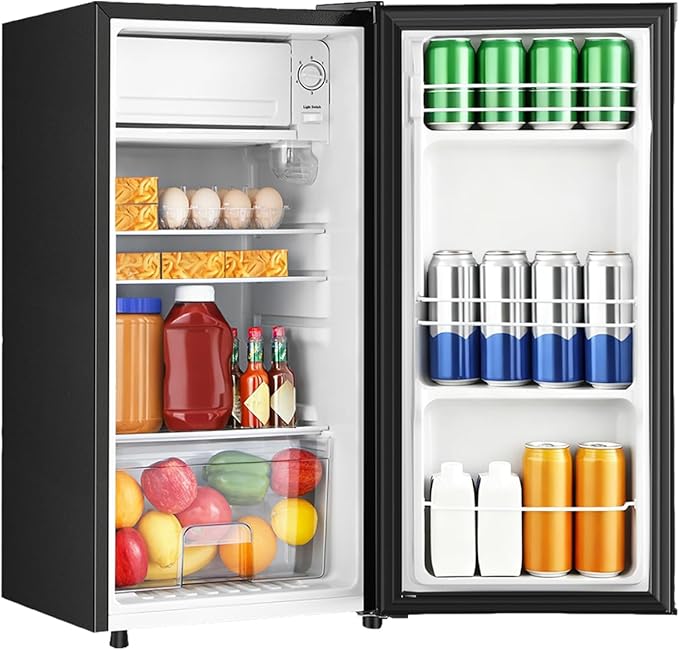
At 24 dB you’re in a whisper-quiet zone. In an average bedroom you might hear:
Paper rustling
Faint ceiling fan hum on low
Soft ticking of a wall clock
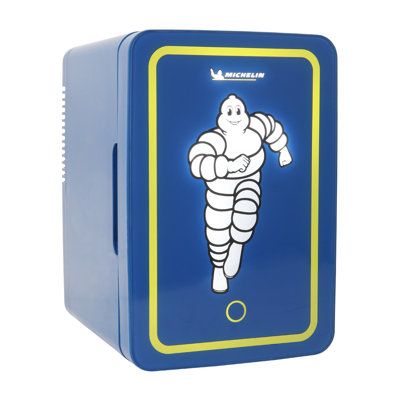
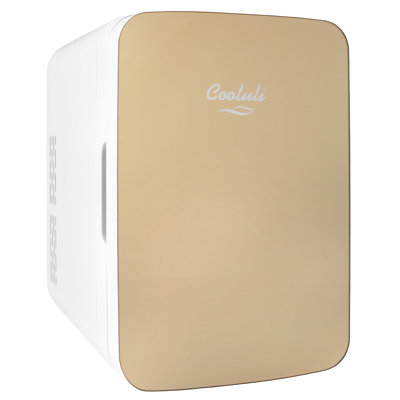
That means a 24 dB mini fridge will blend into background noise instead of standing out. You can study, nap, or keep a call going without the fridge drawing attention.
Typical household noise levels
Here’s how a 24 dB fridge compares to common sounds:
10 dB: Leaves brushing together
20 dB: Rustling leaves, distant wind
30 dB: Library, soft whisper
40 dB: Refrigerator at 1 meter (typical full size)
50 dB: Moderate rainfall
60 dB: Normal conversation
Since 24 dB is below the average full-size fridge noise, you get a noticeable drop in hum and vibration.
Impact on sleep and focus
If you share a bedroom or work in a home office, low noise is a huge plus. A consistent 24 dB hum is unlikely to pull you out of deep sleep cycles or interrupt a video conference. You’ll notice it only if you consciously listen for it, which means you can keep early-morning snacks and cold drinks within arm’s reach without sacrificing rest or concentration.
Compare with other fridges
Typical full-size fridge noise
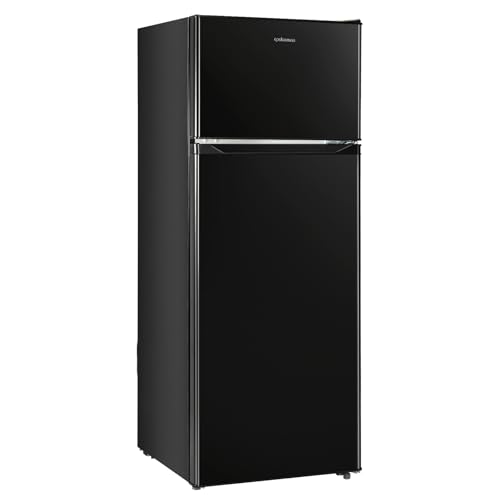
Most full-size refrigerators operate between 35 and 45 dB. While that’s perfectly acceptable in a kitchen, it can be distracting in a quiet room. Here’s a quick look:
Fridge type
Noise level (dB)
24 dB bedroom mini fridge
24
Standard top-freezer refrigerator
35–40
Bottom-freezer refrigerator
38–42
Side-by-side refrigerator
40–45
Bar or beverage fridge
28–35
Mini fridges rated around 30 dB still hum louder than a 24 dB model. That extra 5–6 dB can feel more intrusive when your room is otherwise quiet.
Noise in dorms and small apartments
If you’re shopping for students or small-space dwellers, check out our guide to best fridge freezers for dorm rooms. Many dorm-style fridges run at 32–36 dB, so choosing a true 24 dB model means a noticeable reduction in background noise when your roommate is studying late or you’re catching a midday nap.
Assess bedroom suitability
Room size and acoustics
A larger room with carpets and curtains will absorb noise better than a small, empty space with hardwood floors. If your bedroom or office is more echo-prone, a fridge at 24 dB might sound a bit louder, but still far gentler than most compressors.
Placement tips
To keep noise levels as low as possible:
Set the fridge on a level, stable surface
Use anti-vibration pads under each corner
Leave at least 2 inches of space around sides for airflow
Avoid cabinets or tight enclosures that amplify vibration. Proper clearance helps the compressor run efficiently and quietly.
Vibration and wall contact
If your mini fridge touches a wall or furniture, even a low-noise compressor can transmit rattles. Slide a piece of cork or rubber gasket between the fridge and any hard surface to decouple vibrations. You’ll reduce both noise and the risk of scuffs on walls or furniture.
Maintain quiet operation
Regular cleaning
Dust buildup on coils or vents forces the compressor to work harder, which can raise noise levels. Every three months:
Vacuum coils and vents
Wipe down the fan housing
Check the door gasket for leaks
A clean cooling system runs smoother and quieter.
Leveling and stabilization
An unlevel fridge rocks slightly each time the compressor cycles. Use a bubble level on top of the fridge to check:
Side-to-side balance
Front-to-back tilt
Adjust the feet or place shims under corners until it sits perfectly flat. You’ll eliminate clanks and rattles.
Lubrication and parts check
Some mini fridges have fan motors or hinges that benefit from occasional lubrication. Consult your user manual for recommended oil and procedure. Tighten any loose screws on door hinges or interior shelves to stop intermittent clinks.
Choose the right model
Energy efficiency
Quiet compressors often pair with inverter technology. Inverter-driven mini fridges modulate their cooling power continuously instead of cycling fully on and off. That means fewer loud kick-on events and lower energy bills. Look for an ENERGY STAR rating to ensure efficiency.
Capacity and features
Select a model that matches your needs without going overboard:
1.7–2.5 cu ft – great for beverages, single users
3.0–4.5 cu ft – ideal for meal prep or shared spaces
4.5+ cu ft – works for families or small offices
Think about extras like a built-in freezer compartment, adjustable shelves, or a lock. If you plan to host movie nights or stock up on drinks for guests, review beverage fridge dimensions to see how many tall cans will fit.
Warranty and support
A solid warranty often indicates reliable quiet performance. Look for:
At least one year on parts and labor
Extended compressor coverage (3–5 years)
Access to local service centers
Buying from a specialist retailer like Fridge.com can simplify support and replacement part requests.
Final takeaways
A 24 dB bedroom mini fridge sits at the high end of whisper-quiet appliances. You’ll barely notice it in the background while you sleep, work, or relax. To make the most of that low noise rating:
Understand the decibel scale and how tests are performed
Compare against standard fridge noise levels
Place and maintain your unit for optimal quiet
Choose features that match your space and usage
Whether you need a dorm-room companion, office snack station, or a secondary fridge for late-night cravings, a 24 dB mini fridge offers premium silence. Keep your cooling close without compromising your peace.
From Fridge.com research
Figures below come from data Fridge.com builds and maintains. Each links to the record behind it.
Fridge.com Energy Index, built on U.S. EPA and DOE ENERGY STAR records
Across 1,728 ENERGY STAR certified compact refrigerator models, median use is 246 kWh per year — 11% better than the federal standard.