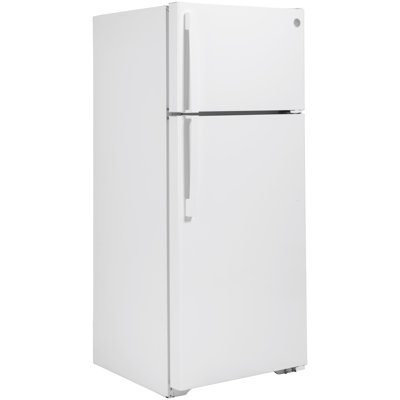
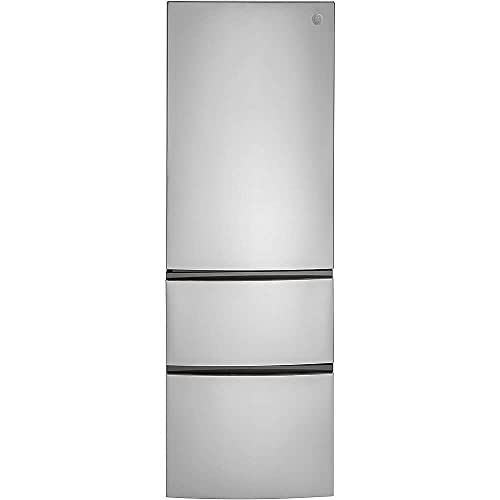
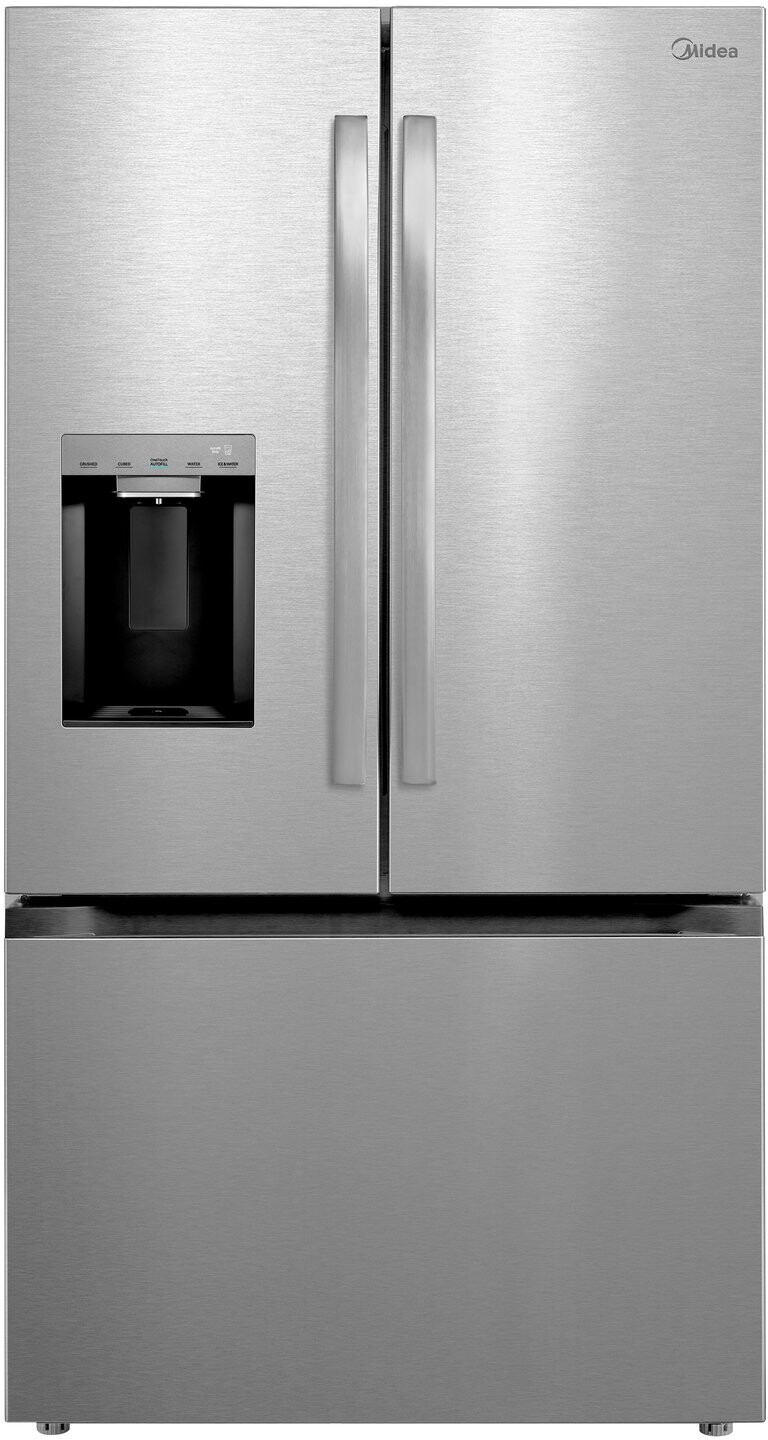
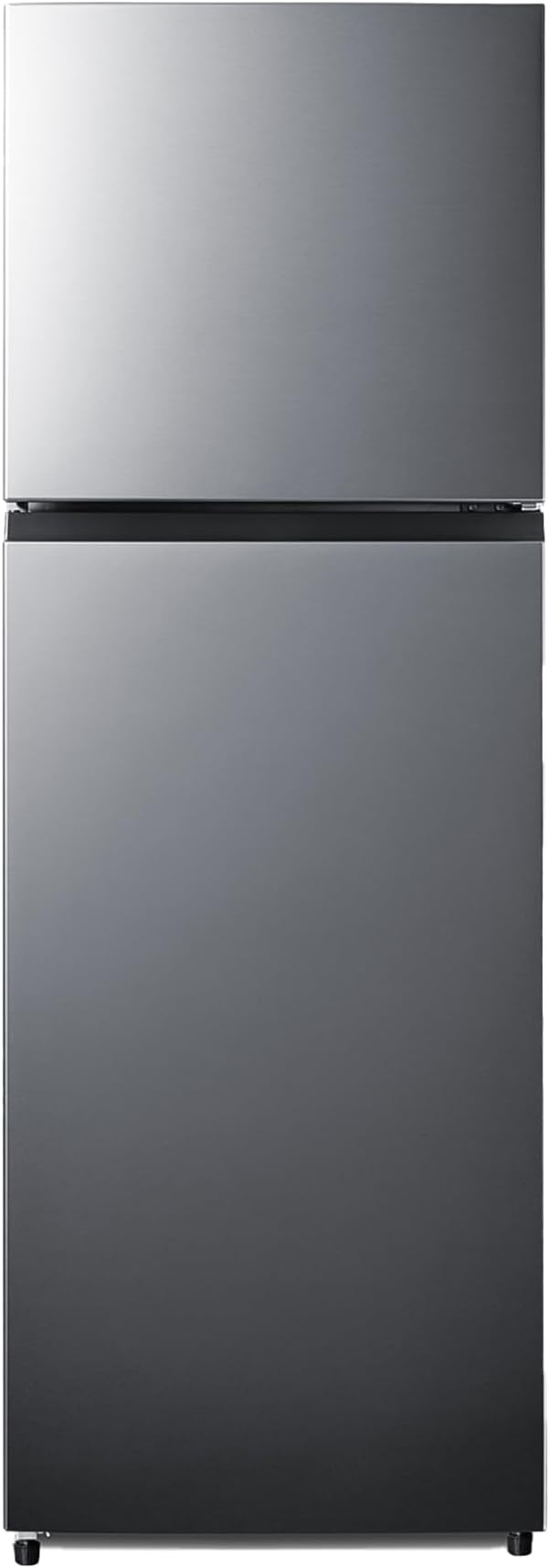
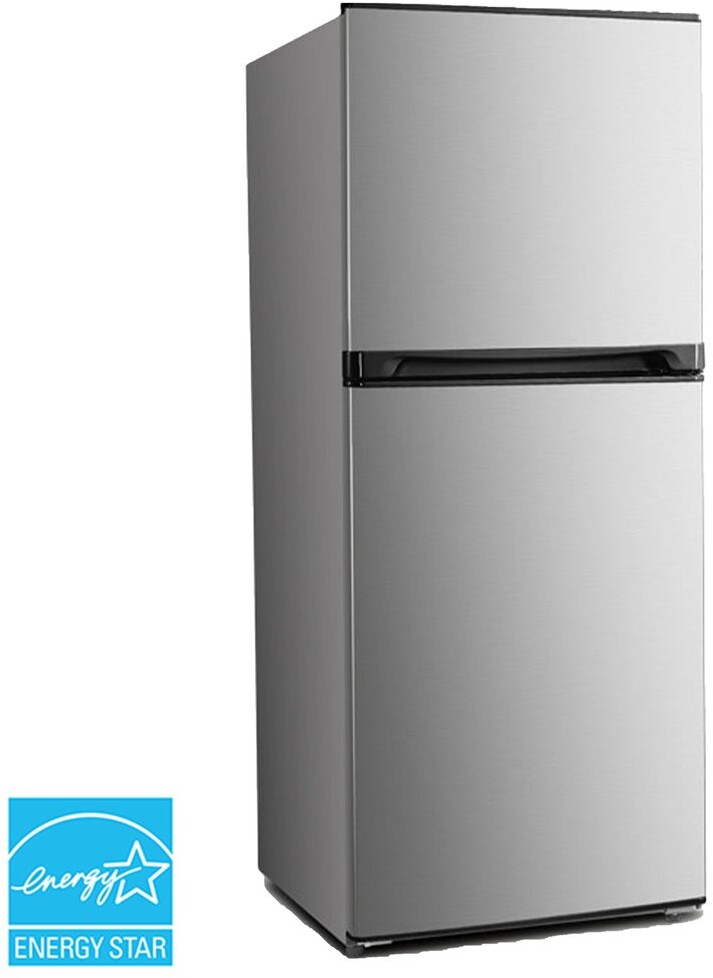
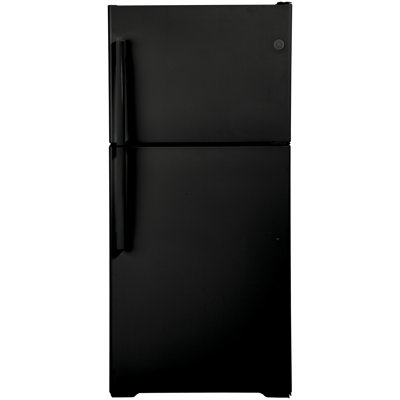
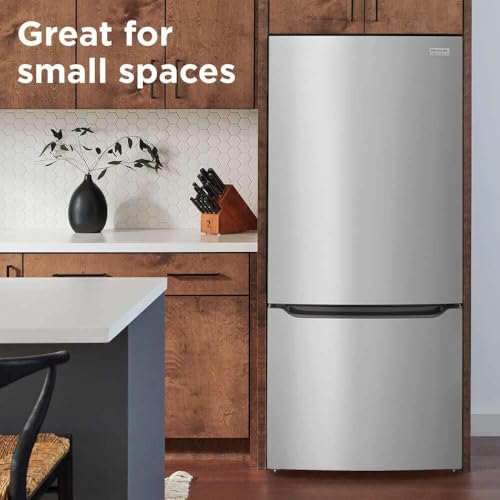
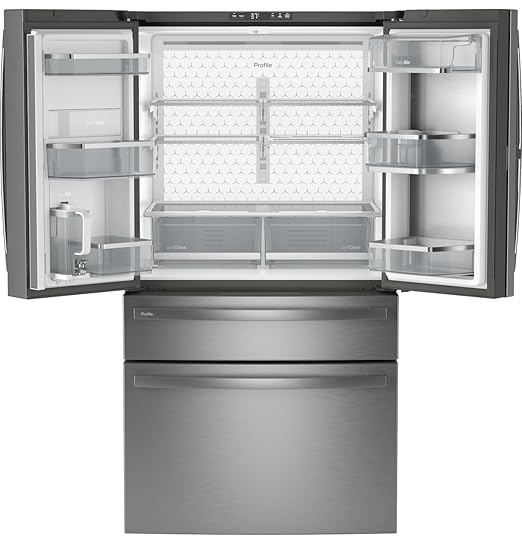
You’ve probably asked yourself, “do you need a special refrigerator for outdoors?” Whether you’re dreaming of an alfresco kitchen, planning poolside entertaining, or equipping your garage workshop, a fridge that braves sun, rain, humidity, and temperature swings isn’t the same as your indoor model. In this guide, you’ll learn what sets outdoor refrigerators apart, how to assess your needs, which features matter most, and tips for installation and upkeep. By the end, you’ll know exactly what to look for and where to shop—so you can focus on cold drinks, not fridge drama.
Understanding outdoor fridges
What is an outdoor fridge
An outdoor refrigerator is built to handle conditions an indoor unit simply can’t. Components like compressors, door seals, and electrical systems get extra protection against moisture, dust, and UV rays. You’ll often see names like “patio fridge,” “built-in outdoor fridge,” or “weather-resistant refrigerator.” These models carry certifications or ratings—think IPX4 or weatherproof ratings—so you know they’re tested for rain and humidity.
Indoor vs outdoor units
Your kitchen fridge lives in a climate-controlled space, so its insulation and door gaskets aren’t made for extreme heat or downpours. Move it outside, and you risk:
Rust on metal parts
Warped plastic from sun exposure
Compressor overheat or freeze-up
Poor temperature regulation
Outdoor fridges solve these problems with heavy-duty insulation, sealed electronics, and finishes designed to resist corrosion. That means consistent cooling even when the thermometer dips near freezing or climbs into the 90s.
Assessing your needs
Usage scenarios
First, imagine how you’ll use the fridge. If it’s strictly for poolside refreshments, a small under-counter or freestanding beverage center might suffice. Hosting backyard BBQs? You may want extra freezer space for marinated meats. If you’re hitting the road in an RV or campervan, consider a 12 volt refrigerator or check what size fridge freezer for an rv to balance capacity and power draw.
Capacity and size
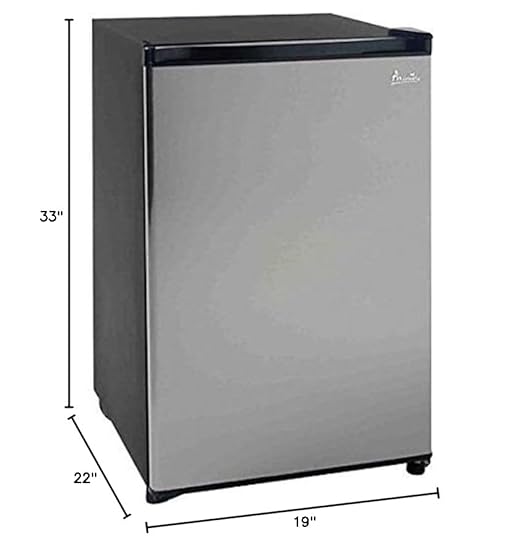
Outdoor models range from slim 24-inch beverage fridges to full-size 36-inch built-ins. Before you shop, measure your intended spot—account for ventilation clearance and door swing. Remember that outdoor fridges often have thicker walls and insulation, so their internal capacity may be slightly smaller than an indoor unit with the same exterior dimensions.
Power considerations
Most outdoor fridges run on standard 115V household power, but if you’re off-grid or tailgating, look at DC-powered or dual-power options. Solar hookups and battery packs pair nicely with portable fridges. Just be sure your power source can handle startup surge (often 2–3 times running amps) and continuous draw, especially on sunny days when solar panels may underperform.
Outdoor refrigerators typically carry IP (Ingress Protection) ratings or UL listings specifically for exterior use. Look for sealed control panels, covered vents, and stainless steel exteriors to prevent rust. UV-resistant plastic trims and door handles help retain color and integrity in direct sunlight.
Enhanced insulation
Thicker foam insulation in doors and walls limits temperature gain on hot days and heat gain during cool nights. Coupled with high-efficiency compressors, this design delivers stable temps between 34°F and 42°F even when ambient conditions fluctuate.
Advanced compressors
Outdoor-rated compressors are tougher. They often use sealed, hermetic designs to keep moisture out and lubricants in. That means fewer breakdowns when temps swing or humidity soars. Some models include auto-defrost cycles and diagnostics to adapt performance based on weather.
Outdoor-friendly materials
From stainless steel exteriors to corrosion-resistant shelving and drain pans, materials matter. Shelves often feature coated wire or tempered glass that won’t rust or warp. Rubber gaskets are formulated to stay flexible in cold weather instead of cracking.
Even a weather-resistant fridge performs best under cover. Patio roofs, pergolas, or built-in islands shield it from direct rain and harsh sun. If full cover isn’t possible, opt for a model with a higher IPX rating.
Ensure proper ventilation
Like any fridge, outdoor models need airflow around the condenser coils. Follow manufacturer specs—usually 1–2 inches on sides and back, 3–4 inches on top. Poor ventilation leads to higher energy use, uneven cooling, and potential compressor damage.
Maintain level ground
Position your fridge on a stable, level surface. Outdoor cabinets or concrete pads work well. Uneven footing can throw off door alignment, cause coolant flow issues, or lead to noise and vibration.
Maintaining outdoor fridges
Routine cleaning
Wipe down the exterior weekly with mild soap and water
Clean interior surfaces every month, removing spoiled or sticky items
Check and clean door gaskets to maintain a tight seal
Seasonal care
In regions with freezing winters, you may need to shut down, drain, and winterize your outdoor fridge. Consult your owner’s manual for steps—often it’s as simple as unplugging, removing water from drains, and propping the door ajar to prevent mildew.
Troubleshooting basics
If your outdoor fridge stops cooling or displays an error code, try:
Ready to upgrade your outdoor space?Compare current prices and specifications on Fridge.com, then buy from the retailer you choose; delivery, installation and warranty terms are the retailer’s. Whether you need a compact under-counter unit or a full-size built-in island fridge, you’ll find models that match your style, budget, and performance demands.
Final thoughts
Outdoor refrigerators transform patios, decks, and pool areas into true extension kitchens. By choosing a purpose-built model with weatherproof construction, reliable compressors, and the right capacity, you’ll enjoy cold drinks and fresh ingredients without worrying about sun damage or rust. Remember to assess your usage, plan for proper installation, and stay on top of maintenance. Now that you know the ins and outs, it’s time to pick your perfect outdoor fridge and get back to what matters—making memories under the open sky.
Free tool
RV Refrigerator Size Calculator
Free interactive tool from Fridge.com — get a quick answer while you read.