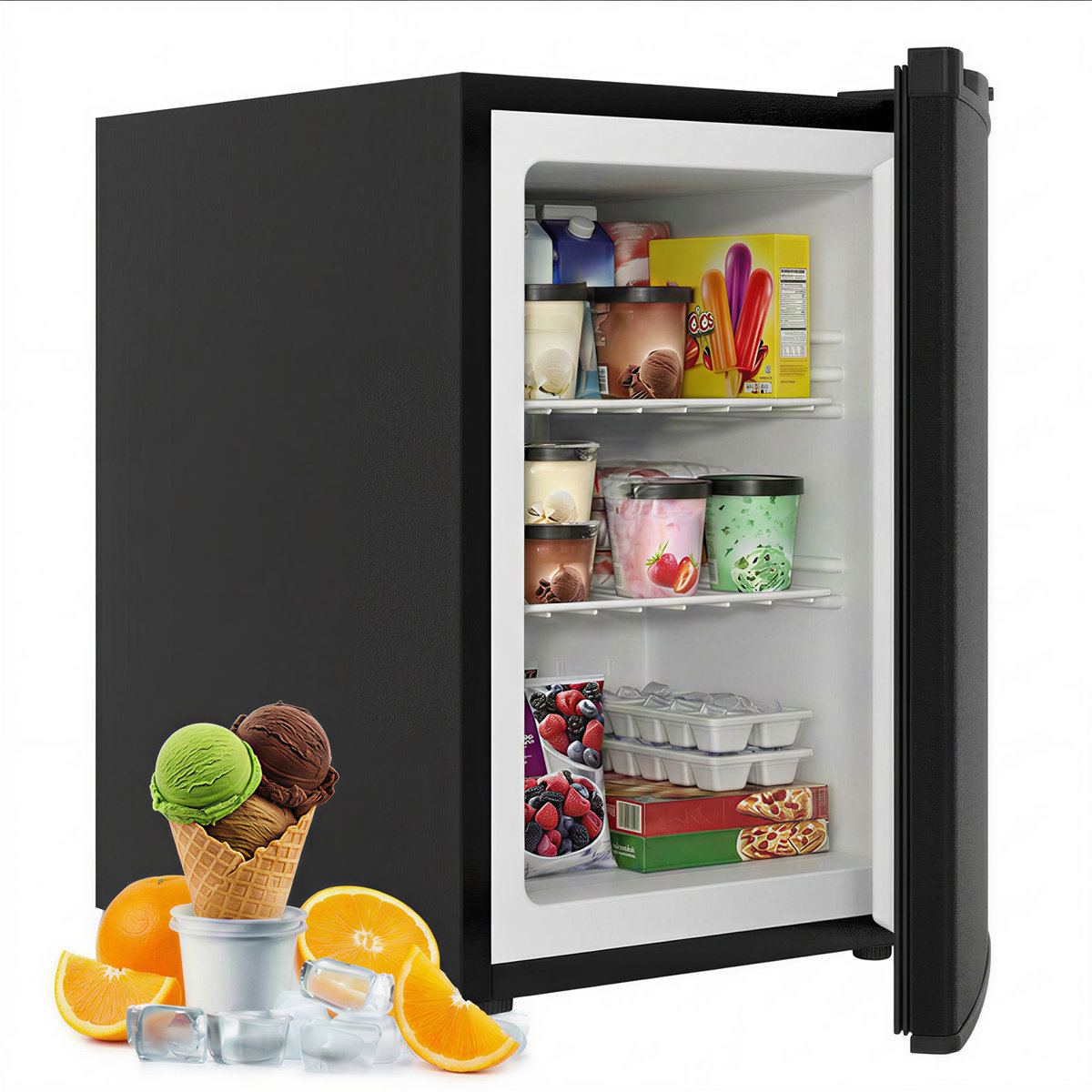
The thermostat monitors air or probe-based sensors until it registers that the target drop—often 10 to 18 °F below the previous baseline—has been achieved.
Extended cycle times: If it should take 30 minutes but drags past an hour, there’s extra thermal load or a performance problem.
Annual gasket inspection: Replace seals every 5 years or whenever you spot cracks.
The result is a quicker transition from, say, 0 °F to –18 °F, which can be a game-changer when you need to lock in freshness or protect delicate items from thawing.
If you’ve ever needed to chill a batch of homemade broth, flash-freeze vegetables for meal prep, or lower your freezer’s temperature in a pinch, you’ve probably wondered, how quickly auto freeze lowers freezer 18 °F? Auto freeze is a feature built into many modern refrigerators and standalone freezers that temporarily ramps up cooling power, so you get that 18-degree drop faster than in normal mode. In this section you’ll learn what auto freeze does, why it matters, and how it fits into your kitchen routine.
What is auto freeze
Auto freeze, sometimes called rapid freeze or super freeze, is a setting that increases compressor activity and fan speed to drive down interior temperature. Your thermostat senses the target drop, signals the compressor to run longer cycles, and often energizes the evaporator fan at higher RPMs. The result is a quicker transition from, say, 0 °F to –18 °F, which can be a game-changer when you need to lock in freshness or protect delicate items from thawing.
When to use auto freeze
You might hit that auto freeze button when you:
Add a large volume of warm food, like leftovers or fresh meat
Prepare for a power outage by super-chilling essentials
Want to preserve texture in items like fish, fruit, or custard
Are canning soups or sauces and need a reliable deep chill
Oftentimes you’ll find auto freeze on full-size upright freezers, chest freezers, and combo fridge-freezers. Some commercial units and kegerators even include rapid-freeze modes to keep craft beer or specialty items at peak quality.
How auto freeze works
When you activate auto freeze, the control board sends a signal to extend compressor run times, override standard defrost intervals, and boost airflow. Internally, the evaporator coil temperature drops further below normal setpoint, while the fan circulates colder air more aggressively. The thermostat monitors air or probe-based sensors until it registers that the target drop—often 10 to 18 °F below the previous baseline—has been achieved. After that, the system reverts to your standard temperature setting to conserve energy.
Limitations of auto freeze
While auto freeze delivers faster temperature drops, remember:
It uses extra energy, so your power bill may tick upward
Excessive use can strain compressor parts over time
It’s less effective if door openings are frequent
Ambient room temperature, freezer load, and maintenance all influence performance
Understanding these pros and cons helps you use auto freeze strategically, not as a default every time you open the door.
Knowing how quickly auto freeze lowers freezer 18 °F starts with accurate measurement. You can’t improve what you haven’t measured, so let’s walk through the tools and steps to track that temperature change in your own unit.
Tools for measurement
To get reliable data you’ll need:
A freezer-rated digital thermometer with probe
A notebook or spreadsheet to log readings
A timer or stopwatch (your phone’s timer works fine)
Place the probe in the center of the freezer compartment, away from walls and vents, to capture the average air temperature. Avoid setting it on a shelf where it touches surfaces, which can skew readings colder.
Tracking the temperature change
Follow this sequence:
Baseline reading: With auto freeze off, let the freezer run at its normal setpoint for at least two hours. Record the stabilized temperature, for example, 0 °F.
Activate auto freeze: Press the rapid-freeze button or toggle the setting in your control panel.
Start the timer: As soon as auto freeze kicks in, note the time.
Log intervals: Every five minutes, jot down the temperature. You should see a steady decline.
Stop when you hit –18 °F: At that mark record the exact elapsed time.
This test gives you a clear answer to how quickly auto freeze lowers freezer 18 °F under your specific conditions.
Interpreting readings
If your freezer hits –18 °F in, say, 30 minutes when empty, but closer to 45 minutes when full, that’s expected. Ambient heat load and contents both slow the drop. Use these real-world insights to set realistic expectations, and then experiment with optimizing performance in later sections.
Factors affecting speed
You now know how to measure that 18 °F drop, but what determines whether it takes 20 minutes or 60 minutes? Understanding these variables helps you troubleshoot and fine-tune performance.
Role of ambient conditions
Kitchen temperature matters. If your room is 75 °F versus 85 °F, the compressor has to work harder to overcome the heat influx. In a hot garage or on a sweltering summer day you might notice auto freeze runs longer.
Impact of freezer load
A fully packed freezer holds more thermal mass, which means the system has more stored energy to remove. Freshly placed groceries at refrigerator temperature (about 40 °F) add a significant heat load versus pre-cooled items.
Influence of airflow
Blocked vents and poor internal circulation slow down cooling. When items are pressed against evaporator coils or piled in front of the fan, the cold air can’t distribute evenly. Proper spacing lets auto freeze perform at peak efficiency.
Equipment condition
Maintenance factors include:
Condenser coil cleanliness: Dusty coils reduce heat rejection, forcing the compressor to work overtime
Door gasket seal: Worn or dirty seals let moist air leak in, increasing frost buildup and thermal load
Defrost cycle health: If the defrost heater or control is faulty, ice can accumulate on the evaporator coil
Keeping these components in good shape directly influences how quickly you’ll lower freezer temperature by 18 °F.
Freezer type and size
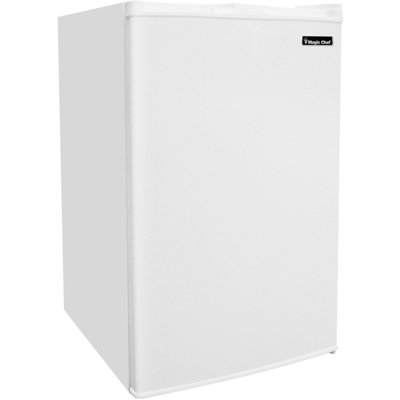
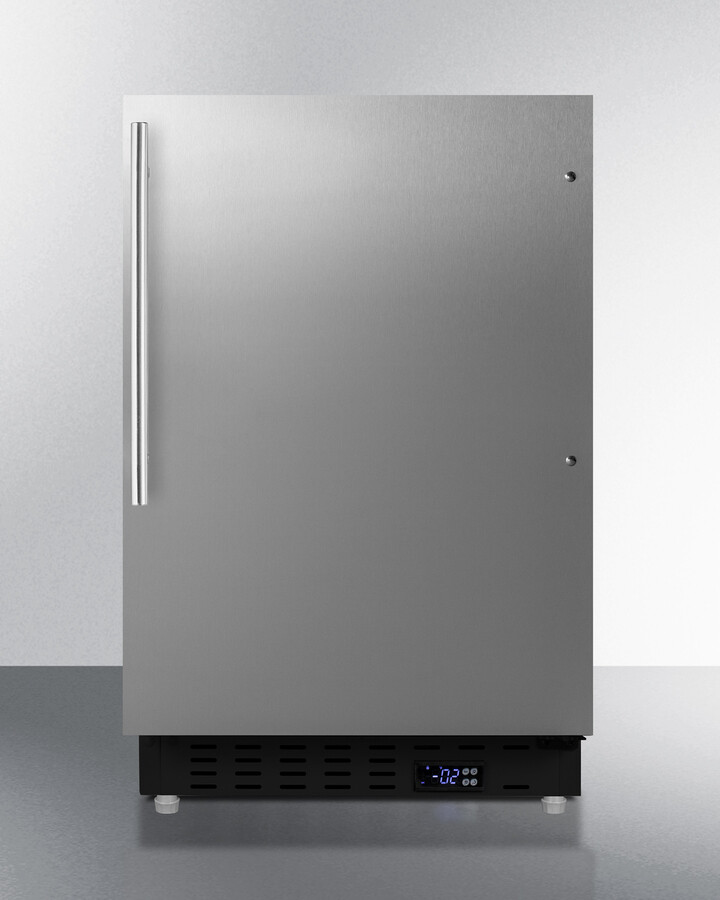
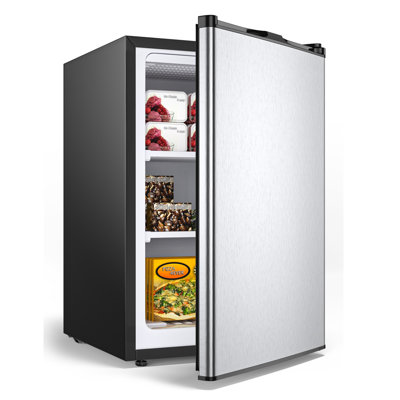
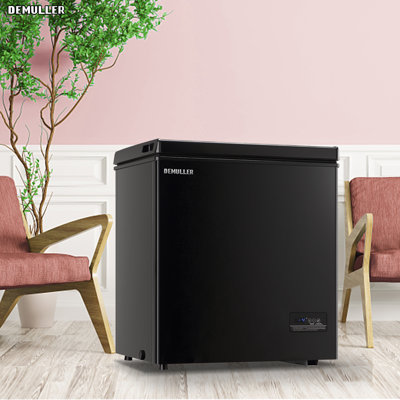
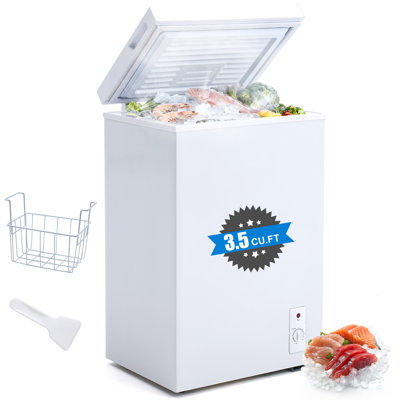
Larger commercial chest freezers or kegerators may have different compressor capacities than compact home models. If you’re shopping for a new unit with rapid freeze in mind, compare specs. You can even look into order deep freezers: best prices or check out a shop compact freezer for small-space applications.
So exactly how long does it take? While every model is different, here are ballpark figures based on average conditions. Use this table as a reference, then compare with your own measurements.
Freezer type
Load condition
Approximate time to –18 °F drop
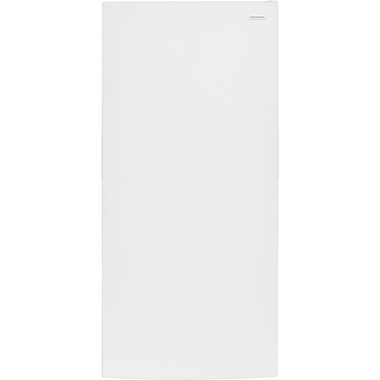
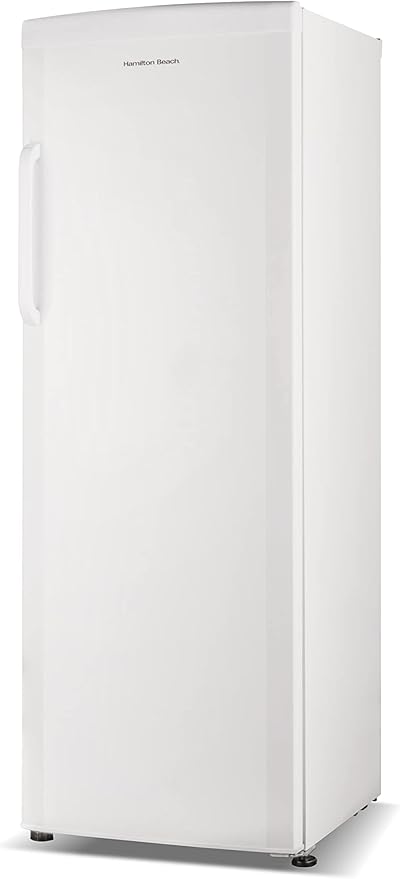
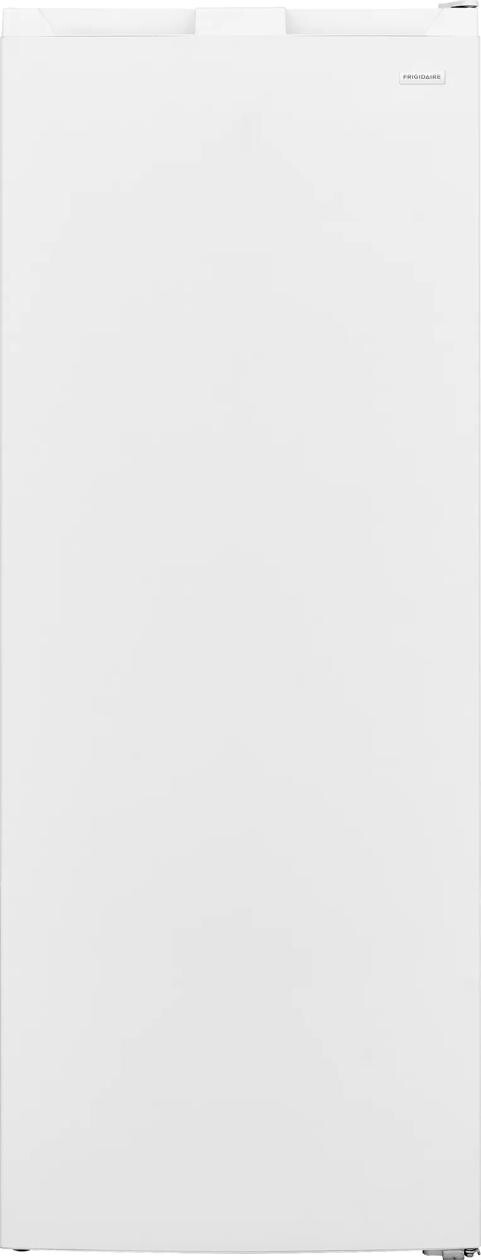
Standard upright
Empty
20–30 minutes
Standard upright
Half full
30–45 minutes
Standard upright
Full
45–60 minutes
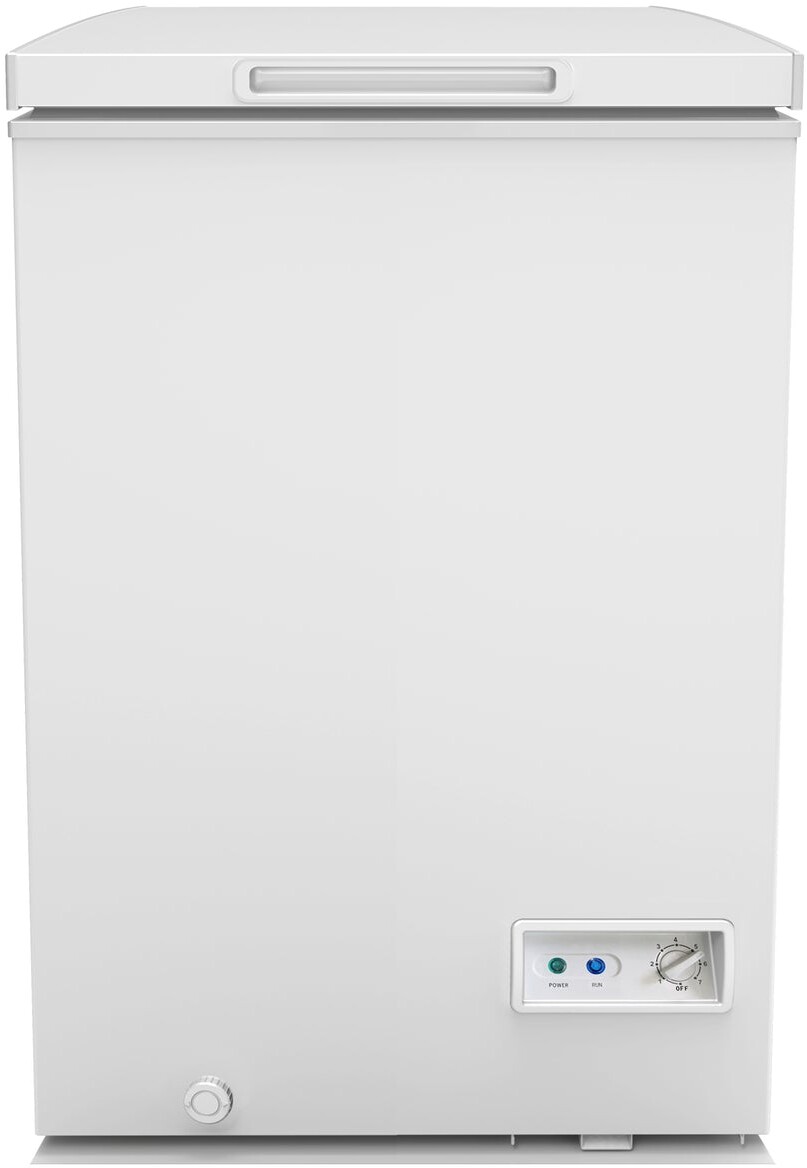
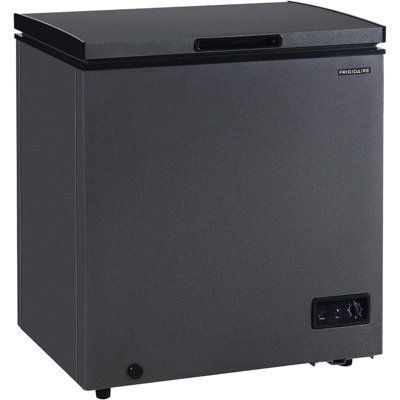
Chest freezer (commercial)
Empty
15–25 minutes
Chest freezer (commercial)
Half full
25–40 minutes
Chest freezer (commercial)
Full
35–55 minutes
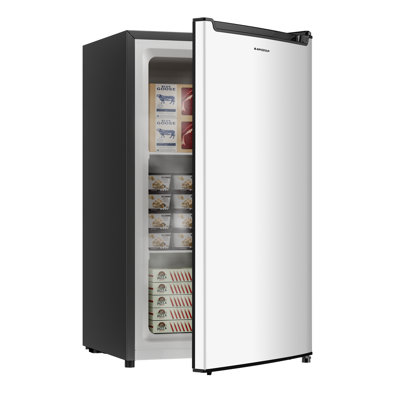
Mini freezer (2–4 cu ft)
Empty
15–20 minutes
Mini freezer (2–4 cu ft)
Half full
25–35 minutes
Quick freeze compartment in fridge
Moderate load
20–30 minutes
These ranges assume ambient kitchen temperatures around 70 °F to 75 °F and properly maintained equipment. If your readings are consistently outside these windows, it’s time to optimize performance or troubleshoot.
Quick freeze compartments
Many fridge-freezer combos include a dedicated “quick freeze” bin that uses a separate fan or coil. Cooldown times here tend to be faster since the compartment is smaller and often better insulated. Expect that 18 °F drop in 15 to 25 minutes under light load.
Standard freezer sections
The main freezer compartment in an upright model usually has more volume to chill, which means longer times. You’ll see the biggest variance when you fill it with room-temperature items, so pre-chilling or staging foods in your refrigerator first can help.
Example scenarios
You pop in a cooked roast at 135 °F to chill rapidly, then freeze. Auto freeze can pull that internal temperature down through 18 °F in about 40 to 50 minutes if the freezer is half full.
You’re batch-blanching green beans at 180 °F. After dunking in ice water, you place them in a mini freezer. That smaller space can hit –18 °F in under 20 minutes.
By matching your use case to these baseline scenarios, you’ll know when auto freeze is living up to its promise.
You’ve measured speeds and compared them to typical times. Now let’s shave off precious minutes by tuning your freezer setup. These practical tips help you get the most out of auto freeze every time.
Pre-cooling tips
Chill items in the fridge first: Let new items sit at refrigerator temperature before transferring to the freezer. The lower your starting point, the less work auto freeze must do.
Stagger load additions: Instead of dumping a week’s worth of groceries at once, add them in batches. That lets the system recover between loads.
Maximizing airflow
Leave clearance around items: Aim for at least one inch of space around packages so air can circulate freely.
Organize in zones: Group similar items together and avoid cramming tall containers against the back wall or vents.
Avoid blocking the evaporator fan: Check that nothing is leaning over the fan housing. Proper airflow ensures even temperature drop.
Maintenance routines
Clean condenser coils quarterly: Unplug your freezer, brush away dust, and vacuum the coil area. Dirty coils reduce heat exchange efficiency.
Inspect and clean door gaskets: Wipe down seals with warm soapy water, then dry thoroughly. A tight seal prevents warm air from seeping in.
Defrost if needed: Even in frost-free models, ice can accumulate if the defrost cycle malfunctions. Clear excessive frost to keep coils exposed.
Level the unit: A tilted freezer can cause doors to sag, compromising the gasket seal over time.
Accessory upgrades
Add a standalone freezer thermometer: Some models include digital probes, but an independent device ensures accuracy for measurement and everyday monitoring.
Install an additional fan kit: For larger freezers, an aftermarket circulation fan can help even out cold spots, especially in blocky chest designs.
Use storage bins with airflow channels: These let air pass under and around items more effectively than solid bins.
By combining better habits with simple maintenance, you’ll notice faster cooldowns and more consistent results. Auto freeze will feel less like a novelty and more like an everyday ally.
Troubleshoot slow cooling
Even with best practices, sometimes things go sideways. If auto freeze isn’t dropping your freezer temperature by 18 °F within expected timeframes, use this guide to diagnose and fix common issues.
Common issues
Extended cycle times: If it should take 30 minutes but drags past an hour, there’s extra thermal load or a performance problem.
Partial temperature drop: Your freezer stalls at –10 °F instead of making it to –18 °F.
Warm pockets or frost build-up: You find some areas still warm or notice thick frost on the coils.
DIY fixes table
Symptom
Possible cause
Quick fix
Compressor runs continuously
Dirty condenser coils
Unplug unit and clean coils with brush, vacuum
Freezer stalls above target temp
Door gasket seal leak
Clean or replace gasket, ensure proper alignment
Frost on evaporator coil
Defrost heater or timer failure
Manually defrost, test defrost heater or call tech
Uneven temperature zones
Blocked air vents or fan malfunction
Rearrange items, check and replace fan if needed
Loud or unusual noises
Worn compressor mounts or fan motor
Tighten mounts, lubricate motor bearings or replace part
When to seek help
If you’ve tried all DIY steps and your freezer still can’t pull that 18 °F drop in expected time, it’s time to call a certified appliance technician. They can run pressure tests on the refrigerant, verify compressor health, and swap out faulty electronic modules.
You might also wonder, will unplugging a chest freezer reset it? In rare cases, cycling power can clear minor electronic glitches. Give it a try: unplug for five minutes, plug back in, then re-measure cooldown times. If nothing changes, professional diagnosis is next.
Preventive checks
Annual gasket inspection: Replace seals every 5 years or whenever you spot cracks.
Biannual coil cleaning: Mark your calendar to keep coils free of dust and lint.
Monthly temperature logs: A quick check once a month helps you catch gradual performance dips before they become urgent.
Mastering how quickly auto freeze lowers freezer 18 °F isn’t about hitting a single benchmark. It’s a cycle of measurement, optimization, and maintenance. By understanding your freezer’s baseline, tweaking airflow and load, and staying on top of upkeep, you’ll consistently shrink cooldown times and preserve the quality of everything you freeze.
Remember, auto freeze is a tool, not a cure-all. Use it strategically when you need a fast chill, treat it with respect by keeping your unit clean, and don’t hesitate to troubleshoot when performance lags. With these insights in hand, you’ll turn that 18 °F drop into a routine part of your kitchen workflow—no sweat involved.
Free tool
Food Storage Calculator
Free interactive tool from Fridge.com — get a quick answer while you read.