Have you ever grabbed a carton of apple juice from your fridge, poured yourself a glass, and then thought, “Hmm, how long is apple juice good after opening?” The answer might surprise you, especially if you’re trying to keep your fridge well-organized and your family healthy. In this guide, we’ll talk about ways to extend the life of your opened apple juice, how to store it safely, and which signs let you know it’s time to toss it. By the end, you’ll feel confident about serving fresh, tasty juice and avoiding those second guesses when you pop the fridge door open.
Understand apple juice shelf life
When you know how long your apple juice lasts, you can plan better and reduce waste. Although apple juice can look and taste pretty similar from one carton to the next, there are a few differences depending on whether it’s store-bought or homemade. Let’s cover the major points so you’ll have a clear sense of what’s going on with your favorite beverage.
Store-bought apple juice vs. homemade varieties
Store-bought apple juice:
Typically pasteurized (heated to kill bacteria)
Preserved in sealed containers to extend shelf life
Often includes natural or added preservatives, like vitamin C (ascorbic acid)
Homemade apple juice:
Made by pressing fresh apples, sometimes blending and straining
Generally free of added preservatives
May contain more pulp or sediment
Shorter overall shelf life due to minimal processing
If you pick up a carton or bottle of apple juice from the store, you’re usually getting something designed to last a bit longer. Pasteurization can reduce harmful bacteria, while sealed packaging keeps oxygen out. But remember, once you break that seal, even store-bought juice has a countdown clock on freshness.
How long it lasts before opening
For store-bought juice, the “best by” or “use by” date on the container gives you a good guideline for how long it should stay fresh if unopened. If you stock up on apple juice when it’s on sale, you can keep it in a cool, dark pantry until you’re ready to pop it into your kitchen fridge. Typically, unopened store-bought juice can last anywhere from a few weeks to several months, depending on the brand and packaging type.
Homemade juice, on the other hand, usually should be consumed within a day or two if it isn’t refrigerated right away. But most folks store homemade juice in the fridge from the get-go, meaning it’s kept cold until you drink it. The big difference here is that homemade juice isn’t pasteurized, so it’s prone to spoil faster.
How long it lasts after opening
Let’s talk specifics. Once you open store-bought juice, the clock starts ticking. Generally:
Store-bought, opened apple juice can last around 7 to 10 days in the fridge
Homemade juice, or store-bought juice without additives, may last only 3 to 5 days in the fridge
However, these windows can vary based on factors we’ll explore below, like how you store the juice, what temperature your fridge is set to, and how many times you’ve opened and closed the container. Always rely on your senses as an extra safeguard. If you notice anything “off,” it’s likely time to throw it out.
Factors that affect reliability
Even though we’ve got guidelines for how long an opened bottle or carton should last, real-life circumstances can speed up or slow down the spoilage:
Exposure to air – Oxygen can degrade juice quality quickly.
Temperature fluctuations – Regularly opening the fridge door or placing juice in a spot where temps aren’t consistent can cut down freshness.
Cleanliness of containers – Reusing unwashed bottles or cups can introduce bacteria.
Light exposure – Storing the juice in a brightly lit area (like on a windowsill) can affect color and flavor.
Sometimes, you might find your apple juice tasting funky earlier than expected. Or maybe you discover it’s still surprisingly good after a full week. These differences often come down to how carefully you store your juice and the environment in your refrigerator.
Store your opened juice properly
Now that you’ve got a handle on how long juice might last, let’s look at practical ways to make your apple juice stretch those days to the max. Opening a carton isn’t just a matter of flipping the cap and pouring. How you choose to store your juice after the fact plays a major role in its taste and safety.
Place it in the right spot
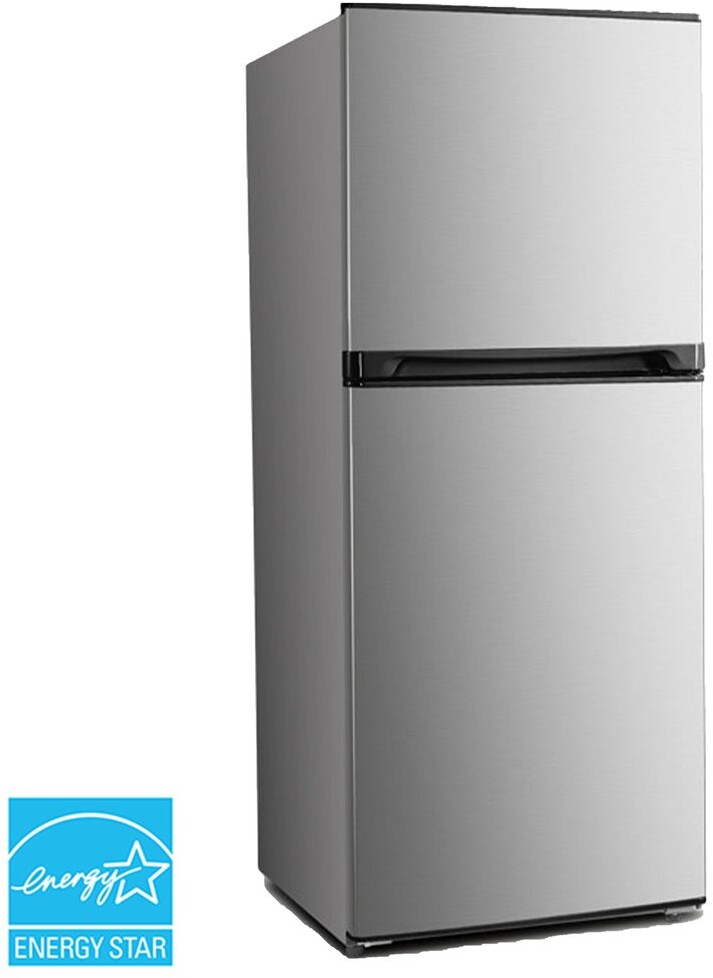
Location can matter more than you think. Those door shelves on your fridge might feel convenient for grab-and-go items, but they’re usually the warmest area. Every time you open the door, warm air rushes in, which accelerates spoilage. Instead, put your apple juice on the main shelf toward the back, where temperatures are cooler and more stable. If you ever find yourself in need of a new cooling system or if you’re curious about specialty fridges, you could check out the best beverage cooler for a small kitchen for an appliance that holds all your juice, soda, and other drinks at just the right chill.
Keep an eye on temperature
Getting your refrigerator to the right setting—around 37°F to 40°F (3°C to 4°C)—is critical for preserving your opened apple juice. Warmer settings can promote bacterial growth, and cooler settings can sometimes alter the flavor or cause partial freezing if you go too cold. So double-check your fridge’s thermostat, and consider using a thermometer to verify internal temperatures if you suspect something’s off. By the way, if you’re curious about how you might store other types of juices, you might enjoy reading how long does celery juice last in the fridge freezer?.
Always use a clean container
Perhaps you buy a large jug of apple juice but prefer to pour smaller portions for daily use. Transferring juice to a mason jar or smaller bottle can reduce oxygen exposure if you fill it nearly to the brim. But do make sure these containers are thoroughly cleaned and dried first. If you skip washing them properly, leftover bacteria might multiply and affect the new contents.
Consider freezing leftover juice
Planning a big party and worried you won’t finish the apple juice in time? You can freeze it. Apple juice responds fairly well to freezing—though you might lose a little of the fresh flavor and see slight changes in color or texture over time. To freeze, leave some headspace in your chosen container (juice expands when frozen) and freeze for up to 8-12 months. After thawing in the fridge, give it a gentle shake or stir. The taste may not be exactly as fresh, but it should still be pleasant for most palates.
Tips for freezing apple juice
Use freezer-safe containers or resealable plastic bags.
Label with the date so you don’t forget how long it’s been stored.
Thaw in the fridge rather than at room temperature to keep bacteria growth in check.
Keep in mind you might notice a bit of sediment after thawing. This is normal—and shaking it up should help restore a smoother consistency.
Identify signs of spoilage
Apple juice might look simple, but many chemical changes can happen once you pop that top. If you’re wondering whether a particular carton is still safe, you can do a quick “sniff and sip” test. But you’ll want to know the most common red flags before you take a big gulp.
Spot changes in appearance and texture
When apple juice begins to spoil, visual cues often show up. Look for:
Cloudiness or lumps – Apple juice is usually fairly clear, though unfiltered juice can have some pulp. Still, if your typically clear juice turns murky or you spot unexpected clumps, that’s problematic.
Color changes – A little browning may happen naturally (just like sliced apples can brown). But if it’s an odd hue or extremely dark, proceed with caution.
Sediment at the bottom – Some sediment can be normal, especially if it’s unfiltered. But if it doesn’t mix back in when you shake it, or if it appears slimy, it’s probably time to throw the juice away.
Notice odd or sour smells
A foul odor is the mother of all red flags. Fresh, good apple juice should smell lightly sweet or at least neutral. If it’s sour, off, or strongly yeasty, it’s a sign that fermentation might have begun. Fermented juice can create carbon dioxide, leading to bubbles. While some folks enjoy a slightly fizzy or fermented taste (think apple cider in the fall), that’s not the norm for your store-bought apple juice.
Check the taste cautiously
You don’t have to down a whole glass to confirm if it’s spoiled—just a tiny sip will do. If you detect a sour, vinegar-like tang, or an alcoholic note, the juice might have turned. Stop drinking immediately and discard. The risk of mold or bacterial contamination isn’t worth the few dollars you’d save by hanging onto questionable juice.
Consider possible health risks
What if you accidentally drink a small amount of spoiled juice? You might get away with just a sour taste in your mouth, or you could develop an upset stomach or diarrhea depending on how compromised the juice really was. Individuals with weaker immune systems, like kids or older adults, should be especially cautious. If you ever feel ill after consuming questionable juice, consult a healthcare professional for guidance.
Strategy matters, especially if your family enjoys apple juice nearly every day. Why let those last few ounces go to waste? Here are a few tips and creative uses so you can make the most of your apple juice before it hits its expiration date (or sneaks past it without you noticing).
Minimize waste proactively
Buy smaller quantities – If you often see half-finished cartons turning sour, try picking up a smaller size next time. Yes, larger containers can be more economical per ounce, but only if you actually finish them.
Encourage single-serve containers – Some brands sell single-serve boxes or bottles, which can be great for lunches or quick grab-and-go snacks.
Freeze in ice cube trays – If you know you won’t finish a jug, freeze some in ice cube trays and later drop them into smoothies, iced tea, or fruit punch.
Get creative in the kitchen
Maybe you’re a big fan of culinary experiments. Apple juice has a mild flavor that can mix well with sweet and savory recipes. Here are a few fun ways to put it to use:
Marinades and glazes – Mixing apple juice with soy sauce, garlic, and herbs makes a tangy marinade for chicken, pork, or tofu.
Smoothies – Toss a couple of apple juice “ice cubes” in your morning smoothie for a subtle sweet taste.
Popsicles – Freeze apple juice with fruit chunks for a healthful treat.
Soups and stews – A splash of apple juice can add a hint of sweetness to hearty soups, especially those featuring pork or root veggies.
Trying out new recipes, you might realize how versatile this juice really is—even if you’ve got just a small amount left in the fridge.
Make an organized fridge routine
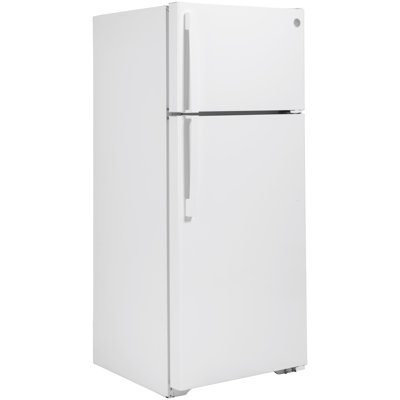
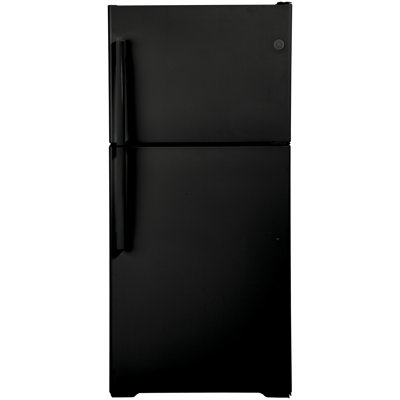
The best way to handle opened apple juice is to keep a tidy, predictable fridge environment. If you can avoid extreme temperature swings and know exactly where your juice is located, you’ll have an easier time drinking it up before it spoils. A consistent fridge routine can also help you store a lot more than juice. If you’re wondering which base fridge might suit your household’s needs best, kitchen fridge is a great place to start. A well-organized kitchen fridge makes it simpler to see what you have before you notice a hidden container that’s days past its prime.
Rotate items regularly
When you bring new items in, place them behind or beneath older ones, so you use the older items first. This tip is super common in restaurants and supermarkets, and for good reason. Keeping your oldest juice containers at the front ensures you’ll spot them quickly and finish them before opening a new one.
Inspect containers weekly
A quick check once a week can save you from unpleasant surprises. Sometimes, items get pushed to the back and escape your routine checks. Or maybe someone in your family opened a new carton but never finished the last. Designate a shelf or designated bin specifically for juices, so you can quickly see which ones are about to go bad.
Properly seal containers
If your juice came in a resealable plastic bottle, just make sure the cap is tight. For juice in a carton, you’ll want to fold and close the spout carefully to minimize air intake. If you’re transferring juice to another container, consider using a bottle with a tight-fitting lid to preserve freshness longer. Small, simple habits like these can mean the difference between sipping crisp apple flavor and pouring something that smells a bit suspicious down the drain.
Tackle frequently asked questions
You might still have some questions swirling in your head about using or storing apple juice. Let’s quickly address some of the most common ones people ask. After all, it’s always best to have as much clarity as possible when it comes to what you and your family consume.
Does apple juice go bad faster than other juices?
In some cases, yes. Apple juice tends to have a slightly higher pH level than very acidic juices (like orange juice), making it a bit more susceptible to bacterial growth. That said, proper pasteurization and good storage practices can keep it fresh for roughly the same length of time as other commonly refrigerated juices.
How does pasteurization impact flavor and shelf life?
Pasteurization is a heat treatment. It eliminates or greatly reduces harmful microorganisms, leading to a safer, longer-lasting product. The trade-off is that the heating process can slightly alter the taste, fragrance, and even color of the juice compared to fresh-pressed varieties. But it also means you get a more stable shelf life, so you can store the juice for much longer without worrying it’ll spoil in just a couple of days.
Can you heat up apple juice?
Definitely. Apple juice can be heated to create comforting drinks, like spiced hot apple cider. If it’s near its expiration date, boiling can be a quick fix to give it a second life, especially in warm drinks. Just keep an eye on it, because boiling too long could intensify sweetness and slightly caramelize the natural sugars.
When should I freeze vs. toss?
If you’re within your juice’s recommended fridge usage window (about one week for store-bought) and you see you won’t finish it, you can freeze what’s left. Freezing too close to spoilage might not be ideal because taste and safety can already be compromised by that point. If you catch it early, freezing is a nice alternative to throwing it out.
To emphasize how storage needs differ, let’s put homemade and store-bought apple juice side by side in a table. This way, you’ll have a clear, at-a-glance snapshot.
Feature
Store-bought Juice
Homemade Juice
Preparation
Pasteurized, sealed
Fresh-pressed, rarely sterilized
Shelf life unopened
Several weeks to months (per label)
1–3 days if not refrigerated
Shelf life opened
7–10 days in fridge
3–5 days in fridge
Preservatives
Often includes ascorbic acid (vitamin C)
Typically none, unless you add them
Flavor profile
Consistent, mild sweetness
Can vary by apple type, often more robust in flavor
Spoilage signs
Sour smell, color change, off taste
Similar signs, often appear sooner
Freezing potential
Good, minimal flavor changes
Fair, can lose some freshness
If you often make homemade juice, you might already know it can turn faster. Still, many folks love the intense, fresh taste of homemade varieties. The lesson? Drink it sooner rather than later or freeze an extra batch if you can’t finish it right away.
Know how refrigeration extends freshness
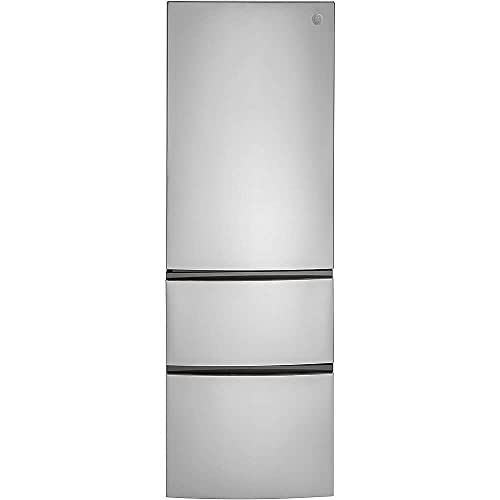
Storing apple juice in your fridge is so much more than a matter of convenience. The consistent cold temperature helps keep bacteria and mold at bay, directly impacting how long your opened juice stays drinkable. At home, that typically means you’re relying on a single fridge unit to do the heavy lifting. But specialized refrigerators can offer targeted cooling for beverages, produce, or meat. If you have a compact space, which slim refrigerator mounts flush beside tall pantry? might be helpful to explore if you want to optimize your kitchen’s layout.
Is a dedicated beverage fridge worthwhile?
A dedicated beverage fridge can hold steady at a slightly lower temperature than your primary fridge, helping apple juice, soda, or bottled water stay extra cool. It also prevents cross-contamination with strong-smelling ingredients, like onions or garlic, which might sneak their aromas into your juice if they’re stored in the same fridge compartments. Plus, a beverage fridge can come in handy when you’re entertaining guests who love chilled drinks, from apple juice to sparkling water. However, if you don’t have the space or budget, your primary fridge does the job just fine, as long as you manage the temperature well.
Follow best practices for safe consumption
Whether your apple juice is pulpy, pasteurized, store-bought, or homemade, some universal guidelines apply if you want to enjoy every last drop without worry. Let’s highlight a few final tips:
Monitor your fridge temp. Aim for 37°F to 40°F (3°C to 4°C).
Seal containers well. Don’t leave juice in open cups or uncovered pitchers.
Label homemade juice. Note the date you pressed or bought it, so you’ll know exactly how long it’s been around.
Preserve your fridge organization. Place older juice in the front or a clearly visible spot.
If in doubt, throw it out. Mold or serious off-smells are deal-breakers.
Too much of a good thing? Sometimes, you end up with half a carton of apple juice you just can’t finish before the weekend. That’s where some creativity can come in. We touched on a few ideas earlier, but let’s go deeper into how you can repurpose older—yet still fresh—apple juice:
Blended fruit sauces: If you’ve got applesauce on hand, combine it with a splash of apple juice and simmer it down with cinnamon and nutmeg. You’ll get a fragrant sauce for pancakes or waffles.
Sweetening agent: Instead of using sugar in marinades or baked goods, try a bit of apple juice to sweeten things up naturally.
Cocktail and mocktail mixers: Apple juice can be the base for a refreshing sangria or a seasonal holiday punch. Add slices of fresh fruit for extra flair.
Homemade popsicles: Combine apple juice with chopped strawberries, blueberries, or other berries, pour into molds, and freeze. You’ve got a healthy treat that can last much longer than a pitcher of juice would.
A lot of folks don’t realize just how adaptable apple juice can be. Transforming it into other recipes is a delicious way to ensure nothing goes to waste.
Summary: keep it fresh and flavorful
Maintaining your apple juice’s taste and quality really boils down to a few practical steps. You’ll want to keep it cold, sealed, and away from direct light. Most store-bought apple juice should be used within a week or so after opening, while homemade versions might need to be polished off in under five days. Keep in mind the visual, olfactory, and taste signals that tell you when things have turned sour. If you manage your fridge well—including the temperature and location of your juice supply—you can look forward to consistently crisp, refreshing apple juice any time you want it.
No one wants to discover a funky, spoiled beverage that once promised sweet refreshment. With the tips in this guide, you can take simple measures to store, freeze, and use your apple juice until every last drop is gone. Try a few of these ideas for yourself, and see if it makes a noticeable difference in how you handle opened juice at home. Before you know it, you’ll be the go-to person for all things apple-juice-related, whether that’s sharing leftover juice recipes or making sure your fridge is organized just right.
If you’re ever in doubt, trust your instincts and remember: when it comes to food and drink, “better safe than sorry” is rarely bad advice. Now that you’re armed with storage tactics and creative ways to savor apple juice until the last drop, go ahead and pour yourself a glass. Enjoy it with peace of mind, knowing you’ve done all you can to keep it fresh. Cheers!
Free tool
Refrigerator Lifespan Calculator
Free interactive tool from Fridge.com — get a quick answer while you read.