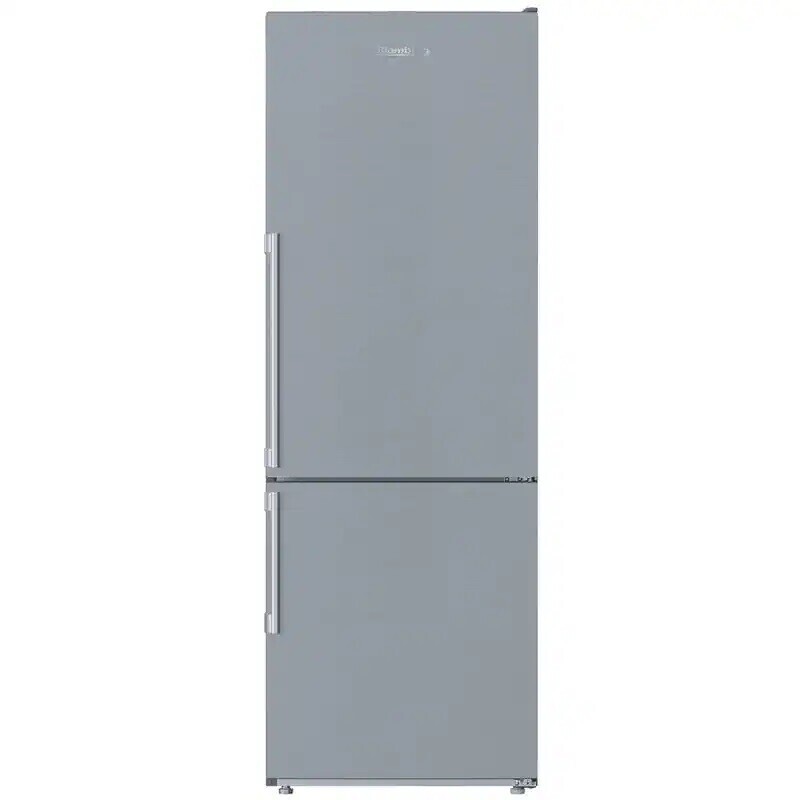
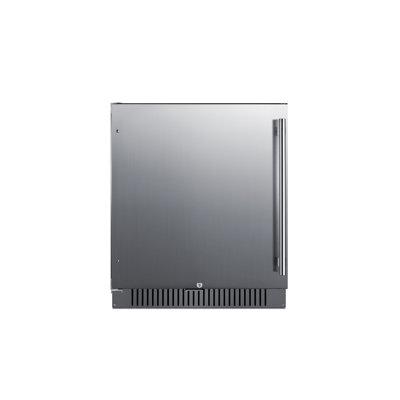
Your fridge should hold between 34°F and 40°F, a range that slows bacterial growth without freezing ingredients.
As soon as your pizza comes out of the oven or off the counter, it should go into the fridge within two hours – or one hour if room temperature exceeds 90°F.
According to food-safety recommendations, most cooked dishes – pizza included – should live in the fridge for no more than four days.
Foods kept between 40°F and 140°F sit in the “danger zone,” where bacteria can double every 20 minutes.
Ever stared at a slice of creamy Alfredo spinach pizza sitting in your fridge and wondered, “How long is Alfredo spinach pizza good for in the fridge?” You’re in good company. Whether you whipped it up for dinner, grabbed a slice on the run, or picked up a whole pie for a crowd, knowing exactly how long you can safely stash that cheesy, veggie-packed delight makes all the difference between a satisfying snack and a stomachache.
In this guide you’ll learn:
What the USDA and food-safety experts say about leftover pizza
How spinach and cream-based sauces affect spoilage
Signs that your Alfredo spinach pizza has passed its prime
Practical tips to keep slices fresher, longer
Smart freezing, thawing, and reheating methods
Let’s dive in and make sure every bite of your leftover pizza is as safe as it is delicious.
Understanding pizza storage
Leftover pizza is one of life’s great conveniences, but only when it’s stored right. Improper refrigeration can accelerate bacterial growth, compromise texture, and dull flavors. By mastering the basics of fridge storage, you’ll preserve both safety and taste.
USDA guidelines
According to food-safety recommendations, most cooked dishes – pizza included – should live in the fridge for no more than four days. After that, the risk of foodborne illness climbs steeply. For creamy Alfredo spinach pizza, aim to enjoy every slice within three to four days of baking or purchase.
Recommended temperatures
Your fridge should hold between 34°F and 40°F, a range that slows bacterial growth without freezing ingredients. Use an appliance thermometer or refer to your model’s manual under fridge temperature regulation and adjustment to verify settings.
Danger zone basics
Foods kept between 40°F and 140°F sit in the “danger zone,” where bacteria can double every 20 minutes. As soon as your pizza comes out of the oven or off the counter, it should go into the fridge within two hours – or one hour if room temperature exceeds 90°F.
Not all pizzas spoil at the same rate. Alfredo spinach pizza has unique ingredients and moisture levels that influence its fridge lifespan.
Spinach moisture
Fresh spinach contains high water content. As it sits, moisture released from the leaves can make the crust soggy and invite microbial growth. If you add spinach after baking – say, wilted on fresh pizza – it will hold up better than raw leaves tossed on top.
Cream-based sauce
Alfredo sauce relies on dairy, which can sour if kept too long. Compared with tomato-based pies, creamy pizzas may show off-flavors sooner. Keep an eye (and nose) peeled for separation or curdling in the sauce.
Cheese and toppings
High-moisture cheeses like fresh mozzarella add extra water, while pepperoni or sausage tend to stay stable longer. When you combine cream sauce, spinach, and soft cheese, plan to treat leftovers as more delicate than a classic cheese or meat pizza.
Storage conditions
How full your fridge is: A well-stocked fridge holds temperature better than an empty one
Door exposure: Slices in the door face more temperature swings than those deep inside
Airflow: Don’t stack uncovered pizza – let air circulate to keep crust from going limp
Even within recommended time frames, it pays to inspect every slice before digging in. Here’s what to watch for.
Visual changes
Mold spots: Green, blue, or black patches on cheese or crust
Sauce separation: Liquids pooling or a curdled appearance
Darkened spinach: Leaves turning brown or slimy
Smell test
Hold a slice close and inhale. Sour, ammonia-like, or off aromas mean it’s time to toss it. Fresh Alfredo spinach pizza smells rich and buttery, with a hint of garlic, not sharp or tangy like milk gone bad.
Texture shifts
A bit of dryness around the edges is normal, but excessive sliminess or powdery crusts signal spoilage. If the spinach feels slimy under your fork, don’t risk it.
Maximizing pizza shelf life
A few simple habits can help your Alfredo spinach pizza stay fresher, closer to peak flavor and safety.
Use airtight containers
Transfer cooled slices into shallow, airtight containers or heavy-duty zipper bags. Press out extra air to minimize oxidation. Individual portion bags let you grab just one slice without exposing the rest.
Whether you have one slice or a half-pie, how you place it in the fridge makes a difference.
Best container choice
Glass containers: Great for stackable, airtight storage, but heavy
Plastic containers: Lightweight and durable, just watch for stains
Reusable zipper bags: Flexible and space-saving
Portioning and stacking
Layer parchment or wax paper between slices to prevent them from sticking together. That way you can pull out individual pieces without thawing or warming the whole lot.
Position in fridge
Slices tucked toward the back enjoy more stable temperatures than those near the door. If you open your fridge often, let pizza ride shotgun in the cooler zones.
When you need to stretch your Alfredo spinach pizza beyond the fridge’s 3–4-day window, freezing is your friend. It lets you stock up slices for quick meals, road trips, or busy weeknights.
Wrap for freezing
Let pizza cool completely
Wrap each slice tightly in plastic wrap
Cover with a layer of aluminum foil or place in a freezer bag
Squeeze out as much air as possible
Freezing duration
Cream-based pizzas tend to last 1 to 2 months in the freezer without major quality loss
Beyond that, textures can degrade and sauces may separate
A well-organized, clean fridge is your ally in keeping pizza fresh and safe. Here are a few final pointers to lock in quality.
Keep it clean
Regularly clean spills and crumbs. For a deep scrub, follow our how to clean your fridge inside and out tips every few months.
Monitor fridge temps
Place a thermometer in the fridge and spot-check once a week. Small adjustments to the dial can make a big difference in food safety.
Rotate stocks
Adopt a first-in, first-out system. When you add new pizza slices, tuck them behind older ones so you use up the earliest leftovers first.
With these guidelines in hand, you’ll never have to hesitate before reheating or serving your Alfredo spinach pizza. You’ve got the know-how to store, freeze, reheat, and enjoy every cheesy, creamy bite — safely and deliciously. Now go ahead, grab that slice and savor the peace of mind that comes from proper pizza care.
Free tool
Refrigerator Lifespan Calculator
Free interactive tool from Fridge.com — get a quick answer while you read.