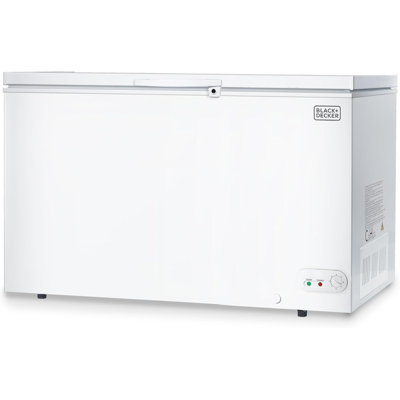
If you’ve ever asked yourself “how long does celery juice last in the fridge freezer?” you’re definitely not alone. Freshly squeezed celery juice can be a game-changer for your morning routine, meal plans, or occasional health kick. But it also has a sneaky habit of going bad faster than you expect. In this post, you’ll learn how to keep your celery juice tasting crisp and bright by storing it properly in both your refrigerator and freezer. You’ll discover a few pro tips on extending its shelf life, choosing the right containers, and spotting the early warning signs of spoilage. Let’s dive in.
Learn celery juice basics
Before you store your celery juice, it helps to understand just how delicate it can be. Like most fresh juices, celery juice is prone to oxidation (when your juice meets the air and starts losing nutrients). It’s also quite watery compared to something like orange juice, meaning it doesn’t have the same natural preservative qualities that citrus juices boast.
You might have heard that celery juice contains essential nutrients like vitamins K and C, plus a nice dose of antioxidants. All good stuff, right? Yet as soon as you extract the juice, the clock starts ticking on both flavor and nutrient quality. Without the pulp and fiber that naturally protect the celery stalk, your juice can deteriorate within a couple of days if it’s not handled correctly.
But here’s the good news. Even if you can’t drink the whole batch right away, you have options to store it for later. If you plan to consume it within a couple of days, your fridge is perfectly fine. If you want to preserve larger quantities for weeks—or even months—your freezer swoops in as the long-term champion. Questions about what’s best for you? Think about how frequently you plan to drink celery juice and how much time you have for juicing. If you love making a big batch over the weekend, the freezer might be your best friend. If you’re juicing every day, a smaller container in the fridge could be the way to go.
Properly store fresh juice
One of the biggest secrets to getting the most out of celery juice is proper storage in your fridge. Assuming you prefer to drink it fresh within a few days, here’s how to keep it crisp and nutritionally robust.
Cool it ASAP.
After juicing, pop your celery juice in a sealable container and place it in the coldest part of your fridge. Any delay means more time for bacteria and enzymes to work their magic. This can reduce overall freshness.
Use airtight containers.
Glass jars with tight-fitting lids work wonders. Some folks also swear by BPA-free plastic bottles with screw caps. The key is limiting air exposure. If you see extra headspace at the top of your container, consider transferring to a smaller jar so there’s minimal oxygen trapped inside.
Keep it cool.
Ideally, store your juice at around 35–38°F (2–3°C). Don’t place it near the fridge door if you can help it. Frequent temperature changes aren’t great for longevity. If you need some ideas on optimizing fridge space, you could check out the kitchen fridge overview, which covers tips on various models and organizational features.
Drink within two to three days.
Celery juice stored in your fridge typically remains tasty and safe for about 48–72 hours. You might find it still drinkable up to four days if everything is optimal—super-cold fridge, high-quality produce, and absolutely no contamination. But aim to consume it within three days for best flavor and nutrient retention. If you’re looking to stretch beyond that, freezing is your next step.
You might be wondering, “Why not just keep it longer?” Well, the more time passes, the more the juice loses its fresh taste and nutrient profile. And, while spoilage might not always be glaringly obvious, it’s still possible that harmful bacteria are making themselves at home. When in doubt, do a quick sniff test. If it smells off or funky, toss it.
Freeze your celery juice
Got more celery juice than you can drink within a few days? Good news, you can freeze it. Freezing locks in nutrients and flavor longer than anything else. But, how exactly do you go about freezing your juice to guarantee the tastiest results?
Cool first.
Don’t pour piping-hot juice into containers and toss them in the freezer right away. It’s best to let your juice cool in the fridge for a bit (maybe 30 minutes) before transferring it to the freezer. You’ll reduce the risk of raising the overall freezer temperature, which can affect other foods inside.
Leave headspace.
Ever opened the freezer only to see that a jar has cracked? Liquids expand when they freeze, so leave at least an inch of space at the top of your container. That fraction of an inch can make all the difference, especially for glass jars.
Use smaller portions.
Single-serve containers or ice cube trays can be a game-changer. Freezing in smaller portions helps with quick thawing and portion control. If you only want one glass of juice later, you don’t have to thaw the entire batch. A few cubes might be all you need.
Store for up to six months.
While celery juice can technically remain frozen for longer, six months is a decent rule of thumb for the best flavor and nutrient quality. Beyond this point, you might notice a dip in taste or a bit of freezer burn. If you’re exploring long-term freezing methods for other foods, you might swing by the post on can baked beans be frozen? for similar tips to apply here.
Still, how long does celery juice last in the fridge freezer overall? If it’s just in the fridge (meaning you haven’t placed it in the freezer), you’re looking at a few days. When you go all-in and freeze it, you can extend its usable life to months. That’s a huge difference if your schedule is jam-packed or you like juicing in big batches.
Quick comparison table
Here’s a snapshot for easy reference:
Storage Method
Temperature Range
Recommended Storage Time
Fridge
35–38°F (2–3°C)
2–3 days (up to 4 max)
Freezer
0°F (-18°C) or colder
Up to 6 months
Keeping a mental note (or bookmarking this page) can help you remember which storage method works best for your situation.
You might be wondering: “Is it obvious when my celery juice goes bad?” Usually, yes. We’ve all cringed at the idea of drinking something that’s past its prime. But sometimes spoilage can be subtle. Here are a few red flags you’ll want to catch early.
Off smell.
The nose knows. If your juice smells sour or just plain funky, it’s time to say goodbye. Fresh celery juice should have a clean, mild celery fragrance.
Discoloration.
A bit of separation in fresh juice is normal, especially if it’s been sitting idle. However, if you notice a brownish tint, odd streaks, or other unusual colors forming on top, that’s a sign you should discard it.
Slimy texture.
Fresh celery juice is slightly thin. If it feels slimy, slippery, or thicker than usual, you’re likely dealing with an overgrowth of bacteria or mold.
Mold spots.
This one’s a deal-breaker. If you see mold, don’t just skim it off the top. Toss the entire batch. Mold can spread throughout the juice without being visible.
Unexpected fizz.
A little foam after shaking is normal. But if you open your container and hear a fizz like a soda can, your juice is possibly fermenting. Not exactly what you want for a morning health drink.
When in doubt, trust your gut. If something looks, smells, or tastes off, don’t risk it. You can always whip up a fresh batch, even if it’s a bit of extra work. Remember, safety first.
Choose the right container
If you’re like most people, you probably have a shelf full of mismatched containers in your kitchen. But not all containers are created equal, especially if you want to keep your celery juice fresh for as long as possible. Here’s a quick rundown of the best options.
Glass mason jars
Mason jars are a top pick for many juice enthusiasts. They’re durable, they seal tightly, and they’re less prone to retaining odors compared to plastic. Make sure the lids are in good condition, with an intact rubber seal. If you plan to freeze juice in glass jars, watch out for overfilling, as mentioned earlier.
BPA-free plastic bottles
Plastic bottles can be convenient and lighter weight than glass. Just ensure you’re using BPA-free plastic to avoid any unwanted chemical leaching. Look for bottles specifically designed for freezing if you’d like more assurance they won’t crack at low temperatures.
Vacuum-sealed pouches
If you’re serious about prolonging shelf life, a vacuum sealer might be a nifty gadget. By removing air from your storage bag, you reduce oxidation drastically. However, you’ll need to make sure your vacuum-sealed bag is freezer-safe to avoid punctures or freezer burn.
Ice cube trays
Want to keep portions small for recipes or occasional sips? Ice cube trays are surprisingly handy. Once your celery juice freezes into cubes, transfer the cubes to a freezer-safe bag. This method allows you to pop in a few cubes to your soups or smoothies anytime you like.
Wide containers vs. narrow ones
One detail to keep in mind is that a container with a wide mouth makes it easier to pour and handle your juice. Narrow-neck bottles can trap air and make cleaning a chore. Again, aim to reduce the air pocket on top as much as you can. Less air means less oxidation.
The container you use can seriously boost or reduce the life of your celery juice. It might seem minor, but if you’ve ever dealt with a cracked glass jar or a leaky plastic container, you know how frustrating that can be. So choose wisely.
Thaw juice safely
You’ve done all the hard work of freezing your celery juice properly. Now it’s time to actually enjoy it. But how do you thaw it to preserve the best taste, texture, and nutrition? Here are a few suggestions.
Thaw in the fridge.
Patience is a virtue. Transfer your container of frozen celery juice to the refrigerator the night before you plan to drink it. This slow thaw significantly reduces the risk of bacteria growth compared to leaving it out on the counter at room temperature.
Use cold water for faster thawing.
If you’re in a rush, you can place the sealed container in a bowl of cold water. Change the water every 30 minutes or so until the juice is fully thawed. Avoid warm water for thawing, as you could unintentionally encourage bacterial growth or compromise flavor.
Give it a shake.
After thawing, give the container a gentle shake or stir to redistribute any separated pulp or sediment. Separation is natural, especially after freezing, so don’t worry if it looks a little layered.
Consume quickly.
Once thawed, aim to drink your celery juice within 24–48 hours for the best flavor and nutrient content. The clock starts ticking again as soon as the juice returns to a liquid state. Freezing basically puts everything on “pause,” but once thawed, it’s like fresh juice all over again. If you notice an unusual color or odor after thawing, you might want to toss the juice instead of risking it.
Can you refreeze celery juice?
It’s generally not recommended. Thawing and refreezing any food can degrade texture, flavor, and nutritional quality. Plus, you increase the risk of bacteria making themselves at home. If you’re unsure how much you’ll need, portion your juice into smaller containers from the get-go.
Ready to take your veggie-juice game to the next level? Here are some creative ways to maximize flavor and possibly extend shelf life beyond basic fridge and freezer methods.
Add a dash of lemon.
A small squeeze of lemon juice can act as a natural preservative. It also brightens the flavor of celery juice. If you like a tangy twist, this method offers a win-win. Just don’t go overboard or you’ll end up with a lemonade-celery combo you might not love.
Experiment with mild pasteurization.
If you have a sous vide machine, you can lightly heat your fresh juice to around 160°F (71°C) for a minute or two, then chill it again quickly. While this can kill off some bacteria, it also might reduce certain nutrients. It’s a balance call—do you prefer extended shelf life or maximum nutrients?
Blend with other juices or ingredients.
Combining celery juice with apple, cucumber, or ginger can help mask bitterness as it ages. However, remember that introducing other ingredients might change the storage life. For example, apple juice contains natural sugars, which could alter the spoilage timeline.
Make a concentrated base.
Reduced liquids sometimes keep longer. By steaming or gently reducing celery juice (similar to a stock), you can create a more concentrated base. Freeze this concentrate in ice cube trays, then dilute it whenever you’re ready.
Use oxygen absorbers.
Some people swear by slipping in small oxygen absorber packets (commonly used in food storage) to help preserve freshness. Check that any product you use is food-safe and made for liquids.
Are these extra steps necessary? Not always. But if you’re juggling a tight schedule or you like experimenting in the kitchen, advanced preservation methods can be fun. Just remember to keep food safety top of mind, especially if you’re not drinking your juice immediately.
Summarize key takeaways
Storing celery juice might sound a bit tedious at first. But once you find a groove, it’s surprisingly straightforward. Here’s a quick recap:
If you want to keep your celery juice tasting fresh, pop it in an airtight container, store it in the fridge, and aim to drink it within two or three days.
Looking for longer storage? You can freeze celery juice for up to six months. Make sure you leave space at the top of your container and freeze it in small portions if possible.
When you’re ready to enjoy your frozen juice, thaw it in the fridge or under cold water, then consume within a day or two.
Watch for spoilage signs. Anything smelling off, looking discolored, or feeling slimy deserves a one-way ticket to the trash can. Better safe than sorry.
Choose containers that minimize air contact and withstand temperature shifts, such as mason jars, BPA-free plastic bottles, or vacuum-sealed pouches.
For a little flair, try experimenting with lemon juice or gentle pasteurization. Just don’t compromise food safety or let your juice linger in uncertain conditions.
Ultimately, deciding how long does celery juice last in the fridge freezer comes down to your personal habits. Do you whip up daily batches for immediate consumption, or do you prefer making large batches and stashing them for weeks at a time? No matter what your routine looks like, these strategies can help you handle your celery juice with confidence. And if you’re curious about more ways to optimize your kitchen storage, you can explore topics like which slim refrigerator mounts flush beside tall pantry? or best beverage cooler for a small kitchen.
So go ahead, juice away. With the right techniques, you’ll never have to worry about wasting a drop of that green goodness. Feel free to share your own celery juice storage tips, or let me know if any of these methods made a difference for you. Cheers to fresh juice and hassle-free mornings!
Frequently Asked Questions
It’s generally not recommended. Thawing and refreezing any food can degrade texture, flavor, and nutritional quality. Plus, you increase the risk of bacteria making themselves at home. If you’re unsure how much you’ll need, portion your juice into smaller containers from the get-go.