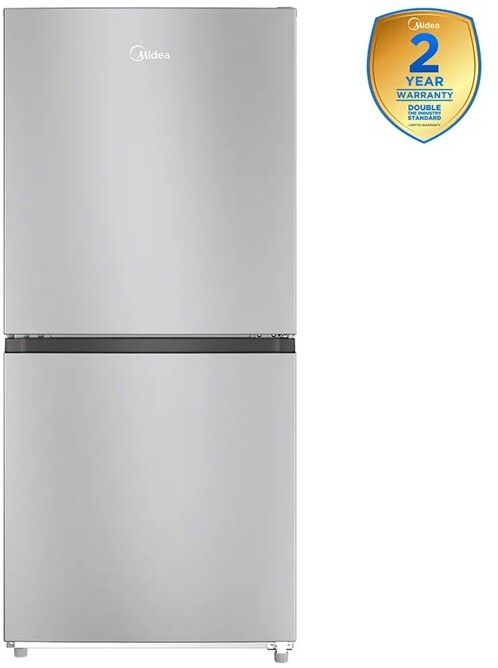
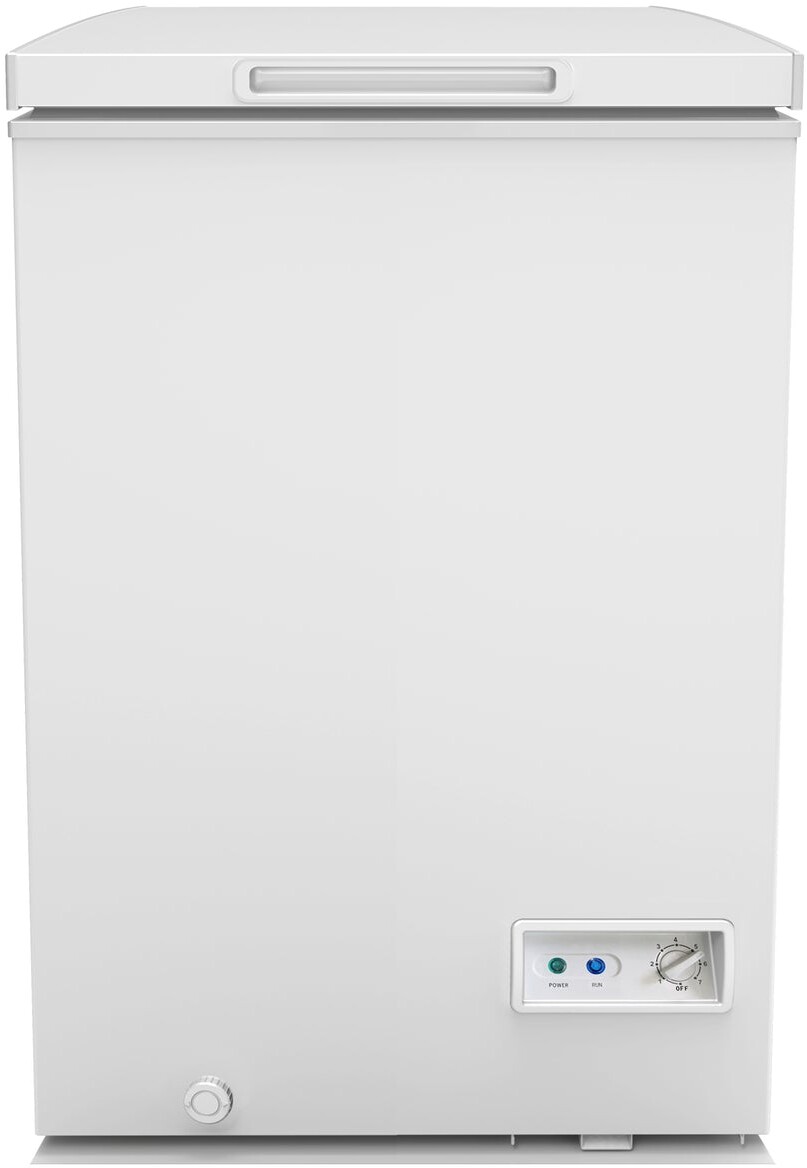
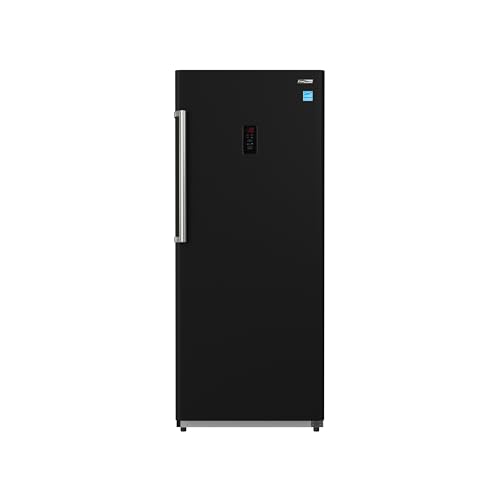
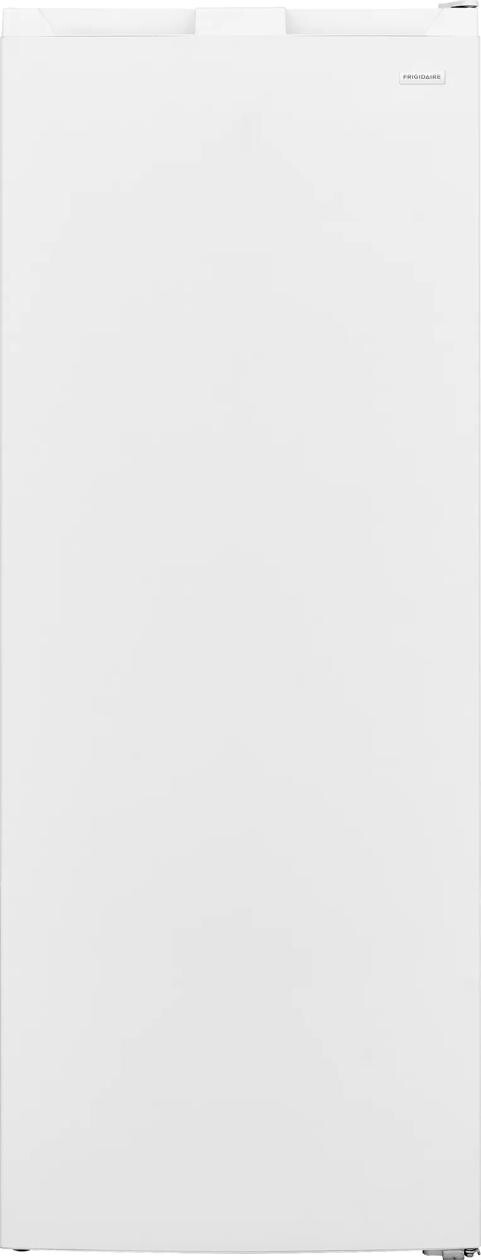
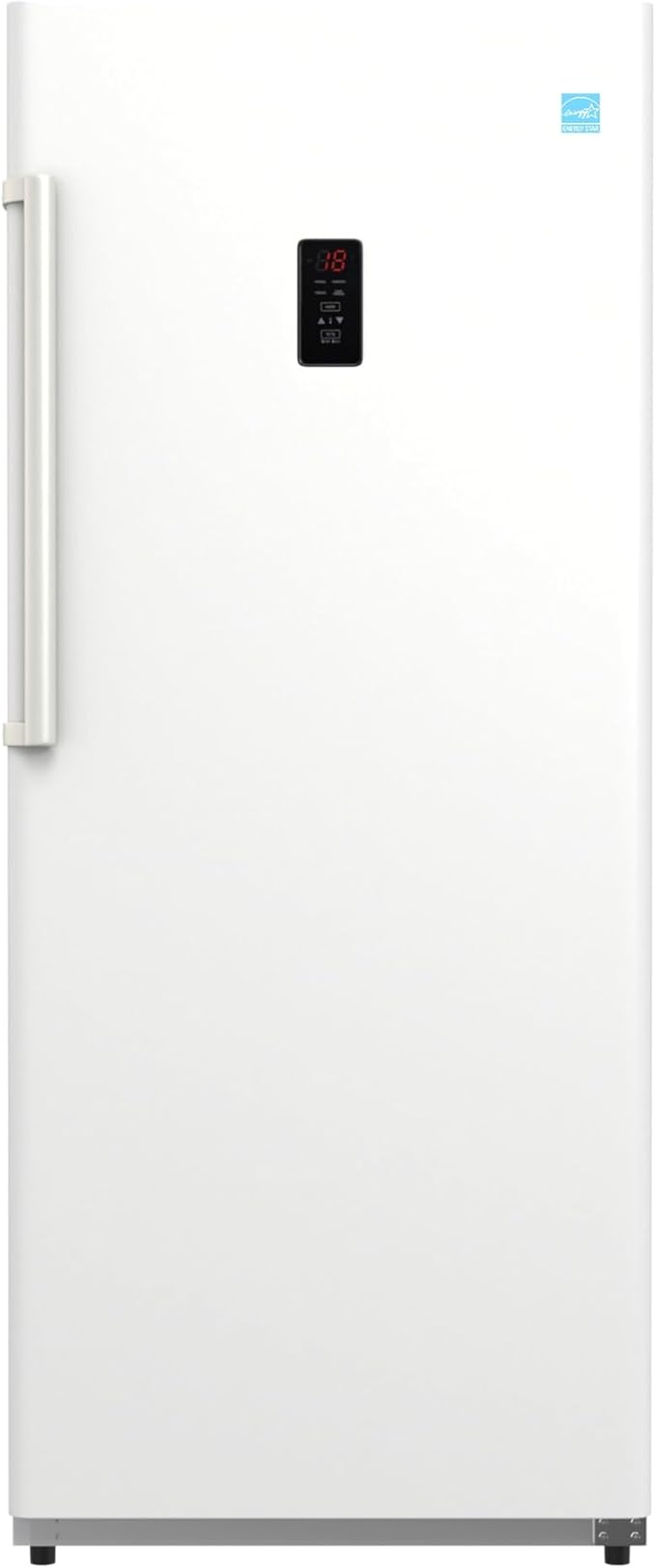
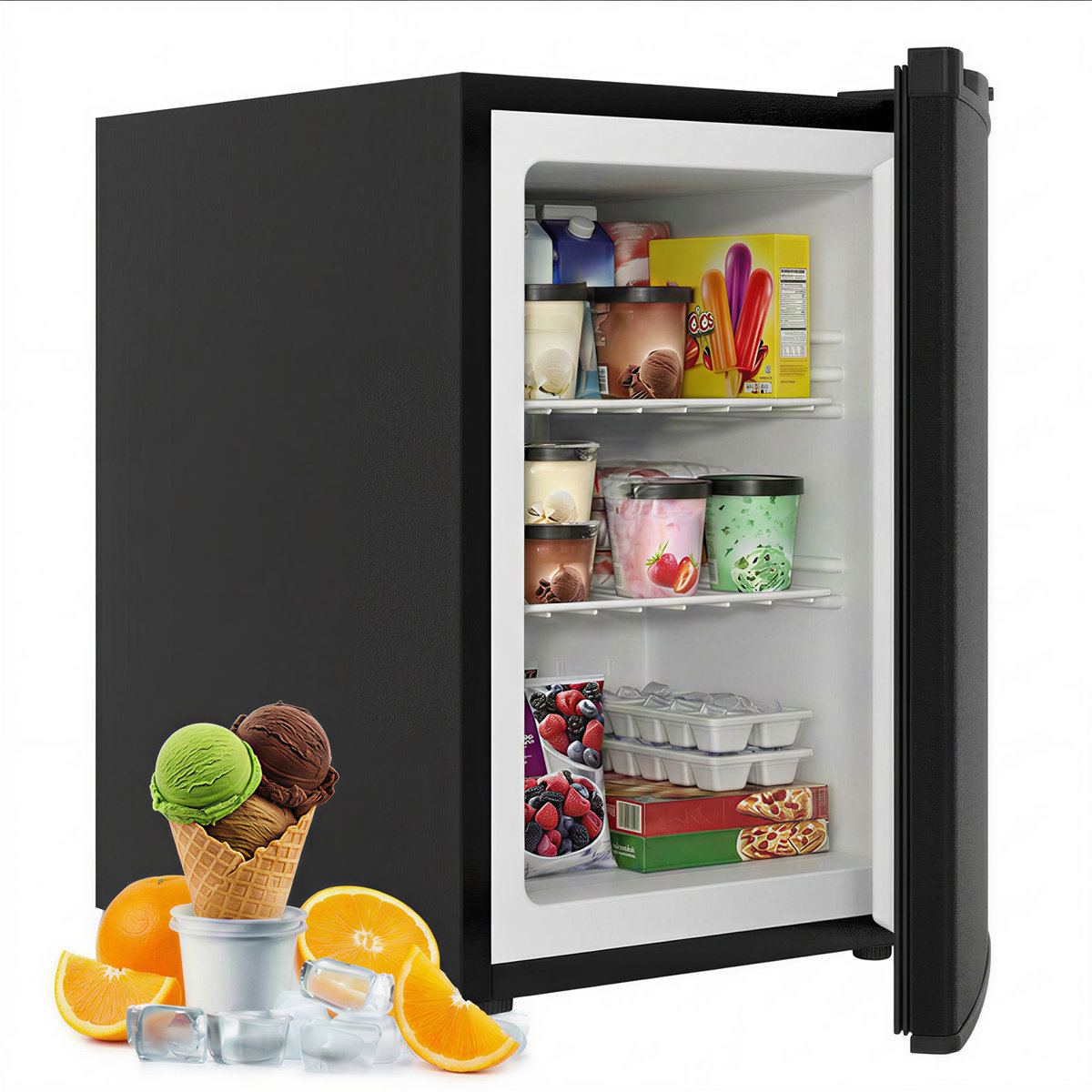
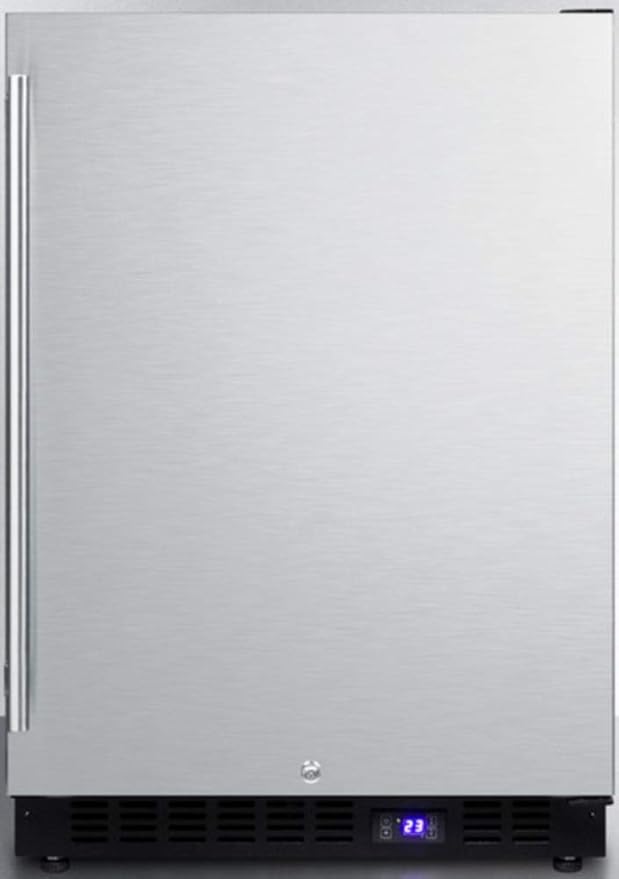
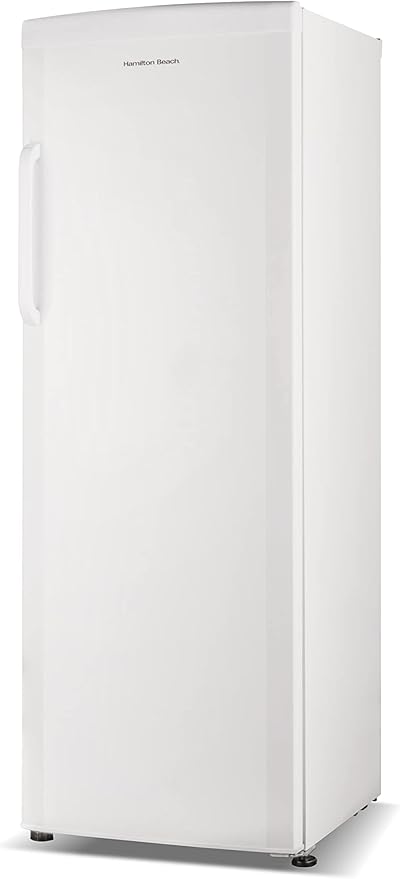
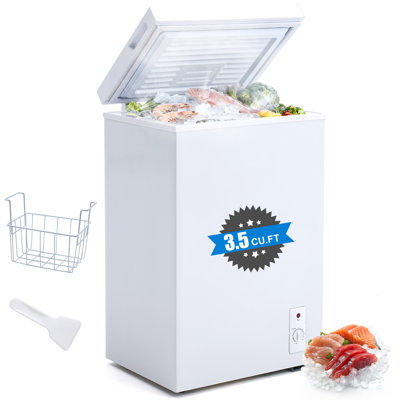
Also, remember that your freezer should stay at or below 0°F (-18°C).
Reheating: Defrost overnight in the fridge before reheating in the oven (foil removed) at 350°F for about 10 to 15 minutes.
Whether you’re a busy parent storing baby food, a chef managing multiple recipes, or a student prepping easy lunches, freezer meals can work wonders for your schedule.
It’s a strategic way to keep your summer mealtimes organized, ensuring you always have a protein-packed meal ready to go when hunger strikes.
You’re probably on the lookout for great high protein freezer meals for summer, especially if you want to keep your energy levels up without constantly turning on a hot stove. Having a stash of delicious, protein-packed dishes ready to go is a lifesaver when the weather is warm and you’d rather be outdoors with friends or family. Whether you’re a busy parent storing baby food, a chef managing multiple recipes, or a student prepping easy lunches, freezer meals can work wonders for your schedule. And if you’re looking to create a healthier meal plan, incorporating protein-dense options is the perfect place to start.
Below, you’ll find strategies for choosing the right ingredients, preparing them properly, and keeping them as fresh as possible in your freezer—all while saving time and nourishing everyone around your dinner table. By the end of this guide, you’ll see just how simple it can be to enjoy a home-cooked, high-protein meal, even in the middle of a busy summer.
Recognize the benefits of freezer meals
Storing high-protein meals in your freezer can simplify your day-to-day life. From making sure you don’t waste ingredients to giving you control over your nutritional intake, freezer meals offer tons of flexibility. Here’s why they’re such a summer staple:
Less daily cooking: When you plan your dishes in advance, you can prepare large batches of food and freeze them for later. This means you won’t have to heat up your kitchen every day, letting you avoid unnecessary sweat and discomfort.
Saves money and reduces waste: Buying in bulk often means lower costs per serving. Plus, if you freeze your meals properly, you’ll use up every bit of your ingredients without letting them spoil in the fridge.
Easy portion control: You decide exactly how much to freeze in each container. This not only helps you portion out your protein requirements, but also lets you tailor the meal sizes to your family or roommates.
Nutrient retention: Freezing prevents many nutrients—particularly proteins—from degrading quickly. So long as you freeze your meals at the right temperature, they’ll remain nutritious and tasty.
You also might find that storing fully prepared dishes in your freezer frees up space in your refrigerator for fresh produce or beverages. It’s a strategic way to keep your summer mealtimes organized, ensuring you always have a protein-packed meal ready to go when hunger strikes.
Select protein sources carefully
When assembling great high protein freezer meals for summer, you’ll want to be strategic about the proteins you choose. Different proteins handle freezing in different ways, and understanding the particulars can be the difference between a mouthwatering dinner and a lackluster one.
Focus on lean meats
Lean meats like chicken breast, turkey, and lean cuts of beef are excellent for freezer meals. They freeze well and rarely lose their texture if you remove excess moisture before storing. Just make sure to trim away any visible fat to prevent off-flavors or spoilage.
Chicken breast: This popular staple is easy to season and packs a good amount of protein.
Turkey cutlets: Similar in protein and lower in fat than many beef cuts.
Lean ground beef or ground turkey: Perfect for sauces, casseroles, or burger patties.
When prepping these meats for freezing, pat them dry with a paper towel, season them (if desired), and consider dividing them into individually portioned freezer bags. That way, you can thaw only what you need.
Consider plant-based proteins
If you’re vegetarian or simply trying to cut back on meat, plant-based proteins can still fit the bill in your summer freezer rotation. Ingredients like tofu, tempeh, beans, and lentils are excellent for meal prep. They absorb flavors well and hold up nicely through the freezing process.
Tofu or tempeh: Versatile building blocks for everything from curries to stir-fries.
Chickpeas, black beans, or lentils: Packed with protein and fiber, they give extra heartiness to soups, stews, and salads.
Keep in mind that some beans or lentils can become slightly mushy after freezing, so consider using them in recipes that already incorporate a softer texture, such as pureed soups or thick stews.
Before you start cooking, map out exactly how you’ll prep, package, and label your high-protein meals. This step helps you avoid rushed decisions and ensures each dish has a place in your freezer. Plus, a little planning helps you make the most of your fridge or freezer’s layout.
Gather essential tools
Having the right containers and equipment can make prepping freezer meals a breeze:
Airtight containers: Resealable plastic or silicone bags, lidded glass dishes, or vacuum-sealed pouches help minimize freezer burn.
Labels and markers: A simple waterproof marker and blank labels let you quickly date and identify your meals.
Measuring cups and spoons: Keep a few on hand so you can portion out ingredients consistently.
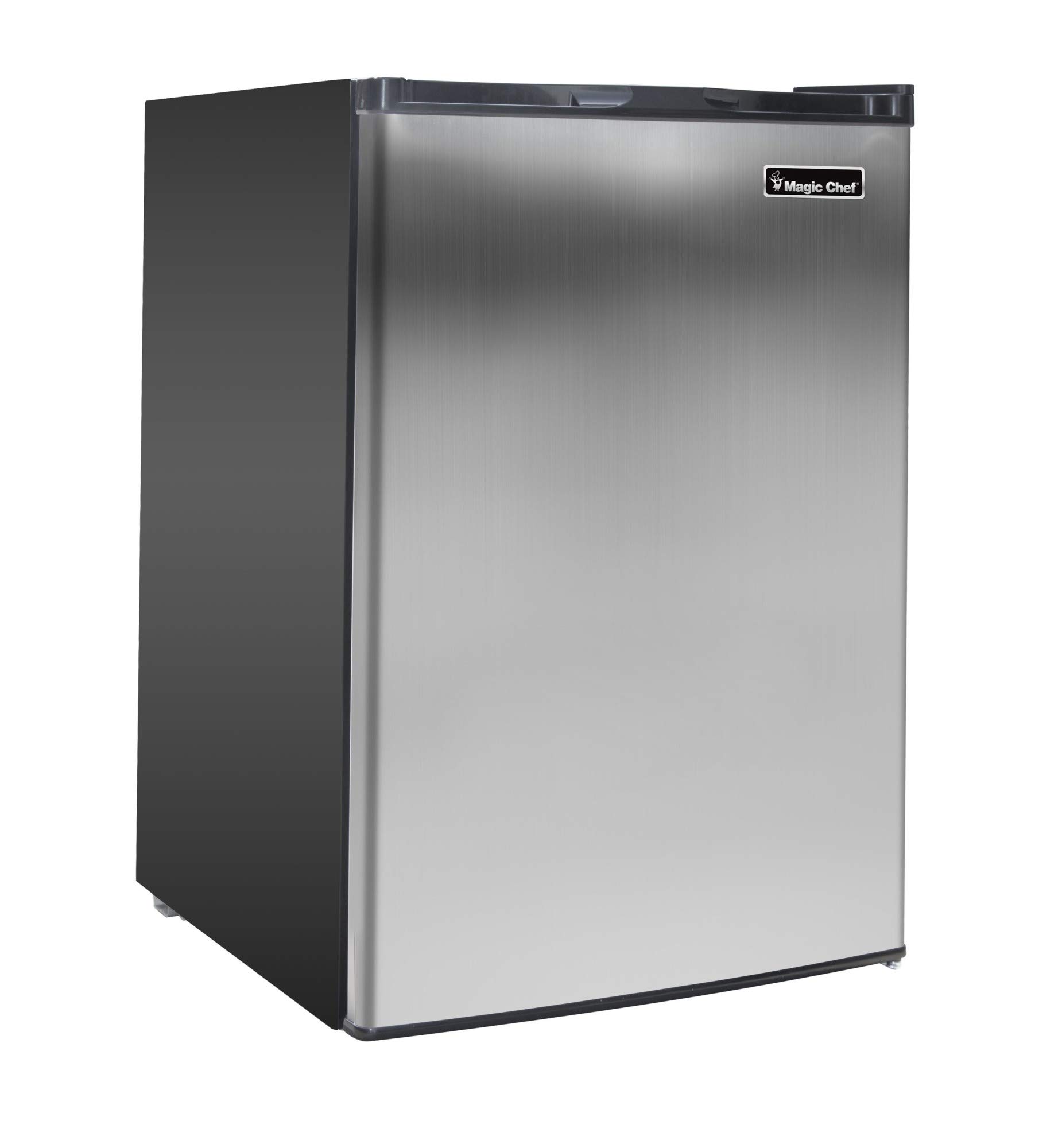
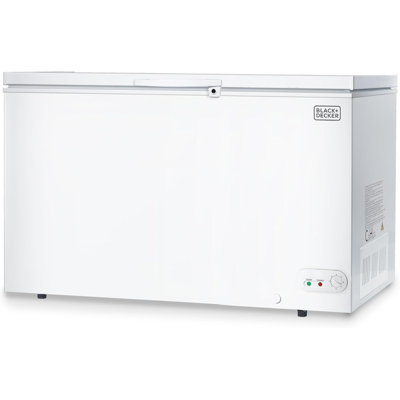
You may also find that a well-organized freezer makes your life simpler. If you think you need more space to store your summer meals, you might explore upgrading to a larger model—take a look at the best chest freezer for low carb diet for inspiration, even if you’re not strictly low carb. A chest freezer often offers substantial space at a relatively affordable cost.
Plan your portion sizes
When pescatarian Aunt Millie comes to visit or you’re feeding several hungry teenagers, your meal portions will vary. Consider how many servings you’ll need per mealtime. This is also crucial if you’re freezing multiple meals in one container—maybe you plan on two dinners plus a lunch portion, for instance.
For individuals, single-serving containers might be best. For families, medium to large trays can make mealtime quick—pull out the tray, thaw, and bake.
How you freeze your meals is just as important as what you freeze. The right techniques preserve flavor, texture, and color, ensuring your summer dishes look and taste as fresh as possible once reheated.
Packaging strategies that last
Meals that are exposed to too much air can develop freezer burn, resulting in dry, flavorless patches. That’s why you’ll want to squeeze as much air out of your containers or bags as possible.
Wrap items individually: For items like protein bars, stuffed peppers, or veggie burgers, wrap them separately in plastic or foil before placing them all together in a larger container.
Use smaller containers: Instead of one giant container, opt for smaller ones collected inside labeled bags. You’ll also reduce the time it takes to freeze and thaw.
If you find your shared freezer is tight on space, consider looking into a secondary unit. Investing in something like the purchase garage freezers: deals option can free up your primary fridge while giving you enough room to store larger meal batches. Garage freezers are designed to handle more dramatic temperature changes and can come in handy during the summer months.
Effective labeling for convenience
You think you’ll remember what each container holds, but a month later, everything starts to look the same. Write the contents, date, and any specific reheating instructions on a label. For instance, note, “Turkey chili—Aug 2—reheat on stovetop,” or “Tofu stir-fry—Jul 15—microwave 3 mins.”
Labels are especially useful for families or roommates, since anyone can quickly pick a meal and know exactly how to heat it up. In a fast-paced environment—like an office break room—people won’t have to guess what’s inside each package.
Try these versatile recipe ideas
Ready to jump into specific dishes? These protein-rich ideas are perfect for warm-weather dining: they taste great when thawed and are easy enough to prep in big batches.
Zesty lemon chicken bowls
For an easy and bright summer meal, combine chicken breast strips, lemon zest, garlic, oregano, and a bit of olive oil. Briefly marinate everything before tossing it in a skillet or oven-baking. Pair your chicken with vegetables like cherry tomatoes and zucchini, plus a helping of brown rice to soak up the juices.
Prep tip: Make a double portion. Eat one batch this week and freeze the other.
Storage: Separate the chicken and rice into individual freezer-safe containers so you can quickly grab a single portion when needed.
Colorful salmon and veggie packs
Foil packets are flavorful and straightforward, plus they help you maintain moisture when freezing. Layer salmon fillets with bell peppers, onions, cherry tomatoes, and a drizzle of a light sauce—such as a savory soy glaze or a lemon-garlic sauce. Seal each foil packet tightly, bake or grill it, then freeze.
Reheating: Defrost overnight in the fridge before reheating in the oven (foil removed) at 350°F for about 10 to 15 minutes.
Protein boost: Salmon is high in omega-3 fatty acids, which are especially beneficial when you’re trying to stay energized all summer.
Tofu and black bean burritos
For a plant-based protein option, sauté crumbled tofu and black beans with onions, bell peppers, cumin, chili powder, and a dash of lime. Roll them into tortillas with a sprinkle of cheese (non-dairy or dairy) and freeze individually.
Serving ideas: Pair with salsa, guacamole, or Greek yogurt as a cool dipping sauce.
Thawing method: Pop a burrito in the fridge the night before you want it. Once thawed, microwave or bake until warmed through.
Turkey quinoa meatballs
Turkey and quinoa meatballs are a tasty way to incorporate protein and fiber into your diet. Mix ground turkey, cooked quinoa, grated carrot, and your favorite seasonings—like Italian herbs or paprika—then form into meatballs and sauté or bake until cooked through.
Freezing strategy: Lay the cooked meatballs on a parchment-lined tray in the freezer for an hour. After they firm up, transfer them into a freezer bag.
Meal ideas: Throw them into soups, spaghetti sauce, or stuff them in a pita with crisp lettuce and tzatziki sauce.
Shrimp and vegetable stir-fry
Sauté shrimp with a colorful array of summer veggies (zucchini, summer squash, peppers) in a light sauce. Once fully cooled, portion it into freezer-safe containers. On busy evenings, thaw and serve over brown rice or cauliflower rice for a high-protein, low-fat meal.
Seasoning tip: Try a simple combination of soy sauce, ginger, and rice vinegar.
Storage advice: Shrimp can toughen if overcooked. Keep an eye on the cooking time before freezing and when reheating.
Keeping your meals safe in the freezer involves more than just tossing them in. Understanding proper storage times and thawing methods can help maintain flavor and freshness while keeping bacteria at bay.
Know your time limits
Generally, cooked meat dishes can last in the freezer for around three to four months before quality begins to degrade. Plant-based dishes often have a slightly longer shelf life, but you’ll want to consume them within five to six months for peak flavor.
Keep a checklist on the freezer door, or use a smartphone app that logs your container’s entry date.
If your dish includes dairy or a cream sauce, try to use it sooner rather than later to prevent changes in texture.
Need a refresher on freezer maintenance? Check out the right temperature for your freezer to ensure your appliance consistently stays cold enough to preserve your food.
Proper defrosting methods
When it’s time to eat, defrost your meals overnight in the refrigerator. This is one of the safest ways to thaw food, as it ensures no part of the dish warms up too quickly. If you’re in a real rush, you can use the microwave or a cold-water bath to thaw—just be sure to cook your meal immediately after.
Refrigerator thawing: Place your container on a plate to catch any condensation.
Cold-water thawing: Submerge the sealed container or bag in cold water, changing the water every 30 minutes until thawed.
Microwave thawing: Use the defrost setting, but be ready to finish cooking your meal right away.
Reheating tips
Most freezer meals can be reheated in the microwave, oven, or stovetop:
Microwave: Stir periodically to ensure even heating.
Oven: Set to 350°F. If your meal looks dry, add a bit of broth or sauce.
Stovetop: Great for soups, stews, and sauces. Simply warm over medium heat until bubbly.
Avoid reheating protein repeatedly—once you’ve thawed and fully reheated a meal, try to consume it. Repeatedly heating and cooling can lead to texture changes and greater risk of bacterial growth.
Making freezers work to their fullest is all about optimization. Sometimes, standard freezers that come with refrigerators just don’t have enough space or the right conditions to keep many meals perfectly chilled. If you’re meal prepping for a crowd—like a commercial kitchen, big family, or group of friends—an additional freezer might be the key to success.
If you frequently store large quantities of summer meals, look into standalone units such as the ones featured at shop compact freezers: deals. Even a small chest freezer can hold weeks’ worth of protein-packed dishes.
For those living in smaller apartments, see if you can rearrange your fridge layout to accommodate freezer containers of similar shapes and sizes. This approach allows you to stack items neatly without wasted space.
If you’re planning an outdoor event or using a garage freezer, consider reading will unplugging a garage freezer reset it? to understand how unplugging can affect your stored items.
The more organized your freezer, the faster you can find what you need. Ultimately, you’ll be less likely to buy ingredients you already have on hand.
Manage meal prep for different diets
One size rarely fits all, especially if you’re cooking for a range of dietary preferences. Freezer meals can be tailored easily, as you can portion them out separately or adjust seasonings and ingredients before you freeze.
Low-carb eaters: Swap starchy sides for extra vegetables or cauliflower rice. Keep an eye on the recipes in best chest freezer for low carb diet for additional inspiration if you want to reduce carbs while boosting protein.
Vegetarian: Rely on tofu, tempeh, legumes, or extra cheese to crank up the protein content.
Though each diet has its own guidelines, freezer meals give you the freedom to tweak recipes so everyone at your table can enjoy a healthy portion that fits their preferences.
While high-protein dishes form the core of a meal, don’t forget to pair them with hydrating, refreshing sides. Summer’s heat can leave you dehydrated, making it essential to complement your main course with water-rich vegetables, fruits, and lighter beverages.
Fresh salads: Crisp lettuce, cucumbers, or watermelon chunks give a touch of coolness.
Infused waters: Lemon, mint, or cucumber slices can elevate plain water to a fun summertime drink.
Light soups: A chilled soup like gazpacho can pair perfectly with a reheated protein dish on a warm evening.
The key to making freezer meals a staple is ensuring your entire kitchen setup supports the habit. Cluttered counters or fridge shelves can make meal prep more stressful than it needs to be. If you’re short on refrigerator space, think about whether you can reorganize your fridge. You might want to check out emf rule organize fridge, a helpful approach to categorizing items and maximizing available shelving.
Clean as you go: A quick rinse and wipe down after each meal-prep step cuts your cleaning time later.
Group ingredients: Keep commonly used proteins, spices, or cooking oils in the same spot.
Rotate your stock: Place older freezer meals at the front, so you use them before they lose quality.
Whether you’re operating a commercial kitchen or whipping up a big batch of lunches at home, maintaining a tidy space streamlines your entire process.
Even if you’re a seasoned cook, a few mistakes can creep in when you start freezing entire meals. Here are some pitfalls to watch out for—and how to sidestep them:
Not cooling foods before freezing: Putting steaming hot dishes into your freezer raises the internal temperature and could partially thaw nearby items. Let your dishes cool a bit on the countertop or in the fridge first.
Freezer burn from poor packaging: Air is the enemy. Press plastic or foil firmly against the surface of your food and use containers that seal tightly.
Over-seasoning: Certain spices, particularly garlic, onions, and salt, can intensify during freezing. If you’re unsure, go lighter on seasoning. You can always add more after thawing.
Overcooking proteins: Since you’ll be reheating them, partially undercook your meats if a recipe allows. That helps preserve their tenderness and keeps them from becoming dry or chewy.
Also, remember that your freezer should stay at or below 0°F (-18°C). If you’re questioning whether your unit meets those standards, see the right temperature for your freezer.
Summer markets abound with fresh vegetables, herbs, and fruits—many of which pair beautifully with protein-rich dishes. If you stumble upon a great deal on tomatoes, peppers, or berries, freeze them at their peak.
Quick blanching for veggies: To preserve color and nutrients, blanch vegetables like broccoli or green beans in boiling water for a minute or two, then shock them in ice water. Pat them dry and freeze.
Fruit for smoothies: Berries, bananas, and peaches can be frozen on trays, then transferred into bags. It’s a fantastic way to enjoy a refreshing, protein-packed smoothie when you add yogurt or a protein powder.
Herbs in olive oil: Chop herbs like basil or rosemary, place them in an ice cube tray, and pour olive oil over them before freezing. Pop a cube into your skillet for an instant flavor boost in your proteins.
If you need more freezer space for your produce and high-protein meals, consider checking out deals like buy your small chest freezer today. A separate chest freezer can accommodate larger quantities of summer produce and keep them freshened up for months.
Organize freezer-friendly meal kits
To streamline your cooking process even more, assemble meal kits instead of fully finished dishes. Package each element in its own bag or container—proteins ready to cook, chopped veggies, sauces, and grains. That way, you can whip up a fresh-tasting meal with minimal prep.
Marinated proteins: Seal them in a separate bag, so flavors seep in while frozen.
Veggies: Keep them dried off and portioned, so you can toss them right in.
Grains: Cook your rice, quinoa, or pasta to about 80% doneness, then freeze it. When you reheat, it’ll come out perfectly tender.
This approach caters to personal taste preferences—one person might add extra spice to their portion, while someone else goes for a milder version. That’s especially handy in families where not everyone sees eye-to-eye on flavor profiles.
Make the best use of your refrigerator
While the spotlight is on freezer meals, your refrigerator also plays a pivotal role in short-term storage. If you keep certain items in the fridge for immediate use, you can better manage your meal rotation. For instance, you might defrost dinner for tomorrow in your refrigerator overnight, or store pre-cut produce for lunch the next day.
Daily meal staging: Move tomorrow’s high-protein meal from the freezer to your fridge at night. This slow thaw helps preserve flavor and food safety.
Quick beverage grabs: If you entertain often, consider how you might benefit from a secondary beverage fridge. Explore best beverage fridge for a restaurant kitchen if you regularly host a crowd or run a cafe.
A well-planned fridge-to-freezer flow keeps your kitchen running smoothly and minimizes last-minute scrambles.
Bring it all together
Summer is a busy season—you want to be out enjoying the sunshine, not stuck in a hot kitchen every day. Creating great high protein freezer meals for summer is your ticket to maximum convenience and nutrition. From selecting the right proteins to packaging your meals so they stay fresh for months, the tips above can help you embrace an organized, health-oriented lifestyle.
Experiment with different flavors, adjust seasoning to match each family member’s taste, and see how freezer meals can take the pressure off your daily cooking routine. You might be surprised at how much variety you can build into your menu. Try marinating different proteins, mixing up fresh produce, and precisely labeling each container. Tweak the recipes if you notice certain elements—like portion sizes or cooking times—could be fine-tuned for the best outcome.
Above all, enjoy the peace of mind that comes from knowing you have a wholesome, high-protein meal waiting in your freezer whenever you need it. Whether you’re prepping for a hectic day at work, a fun-filled weekend at the beach, or a family get-together, these summer freezer meals will keep you well-fed and stress-free. Once you get the hang of it, you may wonder how you ever managed without a freezer stocked full of flavorful, protein-packed dishes. Bon appétit!
Free tool
Food Storage Calculator
Free interactive tool from Fridge.com — get a quick answer while you read.