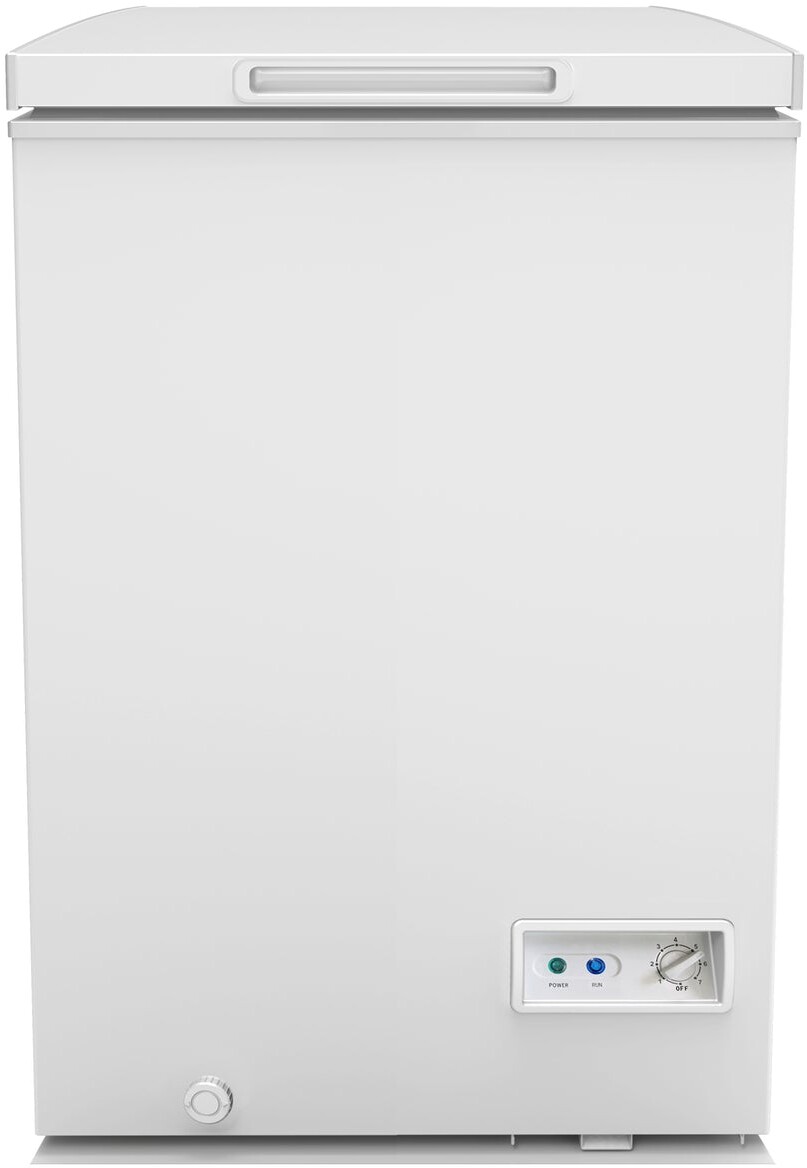
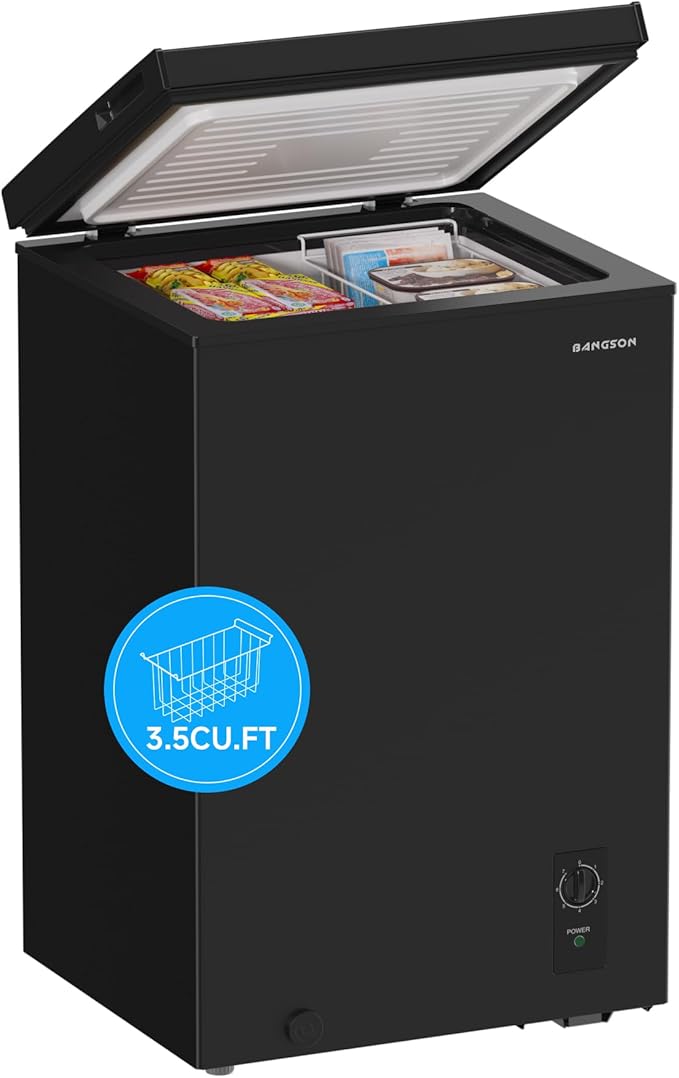
If you have ever wondered, “Will unplugging a garage freezer reset it?” you are not alone. Many people hope that a quick power cycle will solve issues like fluctuating temperatures, strange noises, or unresponsive controls. But does unplugging your garage freezer truly reset it? In most cases, it can temporarily help parts of the freezer recalibrate, but the real solution often depends on the underlying problem. Below, you will learn how unplugging a garage freezer might work, how to do it properly, and what other troubleshooting steps you can take to protect your food and keep your freezer running smoothly.
Understand how resets work
When you unplug your garage freezer, the internal components lose power, including the electronic control board (if your model has one) and the temperature sensors. After a short period without power, these parts usually revert to their original factory settings. Plugging the freezer back in can sometimes clear specific errors or short-term glitches, effectively acting like a “reset” button.
However, not all freezers include advanced electronics. For older, more mechanical freezers, unplugging might simply allow the power to drain from the motor and compressor. In those refrigerators and freezers, the “reset” often takes the form of a reset switch or temperature dial adjustment. That means manually adjusting the thermostat or defrost timer may accomplish more than just removing the plug from the outlet.
Duration of unplugging
You might hear different recommendations on how long to keep your freezer unplugged before it resets itself. Usually, five to 15 minutes is enough for the electronic components to discharge. If your freezer relies on mechanical controls, a few minutes is typically sufficient. Be cautious about leaving your freezer unplugged for too long. Food can begin thawing and become unsafe if it warms above 40°F for an extended period. When in doubt, keep a thermometer handy and monitor your freezer’s internal temperature so you can plug it back in before your items spoil.
You have probably heard at least one tip about disconnecting large appliances to “fix” them, including freezers in a garage setting. While it does help sometimes, the reasons behind needing to reset your freezer can vary widely.
Power surge or outage: A sudden loss of electricity or a power spike can interfere with your freezer’s control systems. Unplugging and replugging can bring them back online properly.
Temperature control issues: If your freezer’s temperature has been unstable, shutting it down briefly might help it recalibrate. Still, you should consider whether the environment in your garage is too hot, too cold, or too humid.
Defrost cycle confusion: Some newer freezers use automatic defrost cycles. Occasional power interruption might force the system to realign its defrost schedule.
Electronic glitches: If your freezer’s display or controls are unresponsive, a quick power cycle might restore them.
Strange noises: Motors and compressors can sometimes get stuck or overworked. Leaving the freezer unplugged for a short time might lessen strain on the compressor, but underlying mechanical issues may still require attention.
A reset sounds tempting, but will unplugging a garage freezer reset it enough to solve deeper issues? In some cases, yes. A brief power cycle can:
Clear minor error codes.
Help your freezer maintain correct temperature readings (especially if electronics are involved).
Let the internal fans pause and restart, improving airflow.
However, you also want to look out for warning signs that point to bigger problems, such as broken door seals or faulty thermostats. If your freezer returns to the same malfunctioning behavior after you plug it back in, you may need professional help to repair or replace broken parts.
Consider age and design
It is helpful to know if your garage freezer is designed for harsh or fluctuating conditions. Many freezers labeled “garage-ready” include features that handle more extreme temperatures. If your freezer is older or not garage-rated, frequent resets might only be a temporary fix for a unit that struggles in very cold or very hot weather.
Prepare for a safe unplug
Before you unplug your garage freezer, it is a good idea to take some precautions to keep your stored items safe and avoid damage to the unit itself.
Check the temperature: Use a freezer thermometer to see if your foods are still below 0°F. This step is vital if you plan to keep the freezer unplugged for more than a few minutes.
Move sensitive food: If a longer reset is necessary, consider moving highly perishable items like meats or seafood into a cooler with plenty of ice or to another freezer.
Protect floors: Freezers can have condensation buildup during power loss. Placing towels around the base helps you avoid slippery floors or water damage.
Choose a good time: Attempt to reset your freezer when you are home and have time to monitor any changes or potential issues after turning it back on.
Disconnection steps
Turn off the freezer’s interior temperature dial (if available).
Gently pull the freezer plug from the outlet, or shut off the circuit breaker dedicated to the freezer if that is easier.
Keep the freezer door closed as much as possible to preserve the cold air.
Once you have let your freezer rest for five to 15 minutes—or longer, depending on the model—you are likely ready to re-establish power. This approach can help your freezer’s internal parts return to the factory defaults or clear minor technical hiccups.
Plug in the freezer: Carefully reinsert the plug into the outlet or switch the circuit breaker back on.
Turn on the temperature control: Adjust the thermostat to your preferred setting. If you are unsure, many freezers function well at the mid-range dial setting or around 0°F.
Wait for temperature stabilization: Give your freezer time—at least a few hours—to reach its optimal temperature. Keep the door shut during this period.
Check your stored items: Verify that the temperature is stable enough for safe food storage. If you moved anything to a cooler or another freezer, you can now move it back.
Confirm your freezer’s performance
Once you have gone through an unplug-and-replug sequence, watch your garage freezer for 24 to 48 hours. If you notice reoccurring symptoms, you may have a deeper issue such as a faulty control board, failing compressor, or inadequate garage climate conditions.
Will unplugging a garage freezer reset it reliably enough to prevent food spoilage or mechanical failure each time? The honest answer is that it depends on your freezer’s overall condition, the severity of any issues, and the environment.
Frequent resets: Constantly pulling the plug can overwork the compressor and shorten the life of your freezer.
Power cord safety: Repeatedly unplugging can loosen the plug or cause wear. Inspect the cord regularly to ensure it is not damaged.
Temperature swings: Every time you power down, your freezer’s temperature can climb if the outage lasts too long.
Garage climate: Extremes in temperature can affect some freezers more than others. If it is too cold, moisture buildup could freeze internal components. If it is too hot, the motor and compressor need to work harder.
Manage moisture accumulation
Changes in temperature can cause condensation or frost buildup inside the freezer, particularly if you open the door frequently. To minimize moisture accumulation:
Keep door openings brief.
Dry off any visible condensation with a towel.
Check door seals to ensure they are clean and tight.
Explore alternative troubleshooting
A reset via unplugging might fix the occasional glitch, but there are other steps you can take before you resort to pulling the plug or calling a technician.
1. Check temperature settings
If you suspect your freezer is too warm or too cold, you may only need to adjust the thermostat. Start by turning the dial up or down one increment at a time, and wait several hours to see if this change helps.
A compromised or dirty door gasket can let warm air in and cold air out. Wipe down seals with a mild soapy solution, and check for tears or cracks. Replacing a worn-out seal might be a more effective fix than relying on repeated resets.
3. Clean condenser coils
Dirty or clogged condenser coils can prevent efficient cooling. If your freezer’s coils are accessible, unplug the unit, then gently vacuum or wipe them with a soft brush. Restoring proper airflow to your condenser can help your freezer maintain stable temperatures.
4. Verify garage conditions
Extreme heat or cold can push your freezer past its limits. If you live in an area with high temperatures or brutal winters, ensure that your freezer is garage-rated or placed in a spot where temperature fluctuations are less intense. Using a small heater in extremely cold conditions or improving ventilation in very hot areas can help stabilize internal temperatures.
5. Defrost regularly
Some freezers are manual defrost models that work best when you remove frost buildup every few months. If you see thick ice on the walls or shelves, defrosting might offer better results than a quick unplug. Defrosting involves turning the freezer off, emptying it, and letting the ice melt. Always follow your manufacturer’s guidelines.
6. Look at the defrost timer or electronic control board
If your freezer has an automatic defrost system, check for signs of a faulty defrost timer or electronic control module. These are more complex repairs that often require professional assistance.
Maintain a healthier freezer
Keeping your garage freezer in optimum shape is not just about occasionally unplugging it. Consistent care can help you avoid frequent resets and lengthen the life of your appliance.
Schedule routine checks: Every month or two, quickly inspect your freezer’s temperature, door seals, and overall cleanliness.
Keep it stocked: While you do not want to overcrowd your freezer, having it partially filled helps retain cold air. Items act as cold “thermal mass,” reducing temperature fluctuations.
Organize your items: Label and date your food, and store similar items together. This way, you can find what you need faster, keeping the door closed longer.
Protect from extreme garage climates: If your climate alternates between very hot summers and frigid winters, consider insulating your garage or moving the freezer to a more stable environment.
Consider new freezer options
Sometimes, older models are simply less energy efficient, prone to problems, and unsuited for harsh conditions. If you are frequently frustrated with climate- or temperature-related issues, a new, garage-rated freezer might be worth the investment. You can check our deals on various models at purchase garage freezers: deals.
It can be tempting to flip your freezer’s power off whenever something seems off. After all, unplugging is simple and requires no special tools. But repeated unplugging can create wear and tear on your freezer, especially if you do it too often.
If you need a quick fix and suspect an electrical glitch, an unplug-and-reset could work.
If you see repeated problems or severe cooling issues, investigate mechanical components, door seals, or environmental concerns.
Avoid leaving foods in a freezer that is unplugged for extended periods. Monitor your food to ensure it remains below safe temperature thresholds.
Compare unplugging vs. professional help
Garage freezers are convenient for bulk storage, meal prepping, and even specialized diets. You want to ensure it is always in great shape for any cooking or entertaining you do. When you are facing persistent issues:
Unplugging is a short-term measure. It might address minor electronic bugs temporarily.
A professional repair or thorough diagnostic can fix or replace damaged parts that resets cannot fix.
When to consult a technician
Strange odors or burnt wiring smells.
Loud or repetitive clicking sounds from the compressor.
Persistent cooling problems that continue after tries at resetting and defrosting.
Visible damage to electrical parts, cords, or the freezer’s interior.
Will unplugging suffice in the long run?
So, will unplugging a garage freezer reset it and solve your problems permanently? Sometimes yes, often no. Think of unplugging as a quick way to restart your freezer’s electronics or relieve stress on mechanical components. If you consistently rely on unplugging your freezer, it may be a sign you need deeper repairs, better garage insulation, or simply a more suitable freezer model.
Keeping an eye on your freezer’s performance, cleaning it regularly, and adjusting temperature settings can stretch its lifespan and reliability. If you have tried those steps and keep running into problems, it is better to reach out for expert help than lose hundreds of dollars’ worth of groceries.
A short power cycle can clear minor errors and let your garage freezer recalibrate.
Unplugging works best for small electrical glitches or defrost cycle confusion.
Bigger issues, like broken gaskets or failing compressors, typically require a professional fix or part replacement.
Keep your freezer clean, well-sealed, and properly ventilated to reduce the need for repeated resets.
Utilize a freezer thermometer, store food safely, and watch for temperature changes during power interruptions.
Know when to upgrade your freezer to a garage-ready model if your current one struggles in extreme weather.
If you are still weighing your options for a garage-friendly freezer, take a moment to review deals at purchase garage freezers: deals. You will find various solutions that can handle the ups and downs of garage temperatures. By choosing the right freezer and staying on top of maintenance, you will enjoy consistent cooling for all your favorite meals, drinks, and frozen essentials.
Frequently Asked Questions
So, will unplugging a garage freezer reset it and solve your problems permanently? Sometimes yes, often no. Think of unplugging as a quick way to restart your freezer’s electronics or relieve stress on mechanical components. If you consistently rely on unplugging your freezer, it may be a sign you need deeper repairs, better garage insulation, or simply a more suitable freezer model. Keeping an eye on your freezer’s performance, cleaning it regularly, and adjusting temperature settings can stretch its lifespan and reliability. If you have tried those steps and keep running into problems, it is better to reach out for expert help than lose hundreds of dollars’ worth of groceries.