Most experts agree that the optimal freezer temperature is 0°F (-18°C).
If you’ve tried adjusting the dial and still can’t get close to 0°F, your thermostat might be faulty.
Though these specialized freezers might sport different designs and insulation methods, most still rely on the standard 0°F baseline to maintain food quality long term.
However, for most people, going below 0°F provides minimal benefits compared to the extra energy cost.
Understanding the importance of the right temperature for your freezer
When you consider how many meals and ingredients you rely on each week, it becomes clear why the right temperature for your freezer is essential. Keeping your freezer at the correct setting helps ensure that your food stays as fresh and safe as possible, which is a top priority for chefs, families, office break rooms, dorm residents, and everyone in between. Whether you’re meal-prepping for the week, storing baby food for your growing family, or simply want to keep extra groceries on hand, a well-maintained freezer temperature can be a real game-changer.
Beyond preserving the taste and texture of frozen foods, maintaining the proper temperature also reduces the risk of harmful bacteria growing in your freezer’s environment. By understanding why temperature matters and how to set it correctly, you’ll protect your frozen goods, save money in the long run, and simplify your daily routine.
Why temperature matters for taste and safety
Freezing slows down the growth of microorganisms that cause food to spoil, but it doesn’t completely stop them. If your freezer temperature fluctuates above the optimal range (or drops lower than it needs to), you might notice unwanted changes in taste and texture. Overly frosty conditions can also lead to freezer burn, while warmer conditions may allow bacteria or mold to grow under certain conditions.
Here’s why temperature setting matters so much:
It prolongs freshness. At the ideal temperature, food keeps its flavor and nutritional value for a longer time.
It prevents partial thawing. If your freezer is set too warm, items may begin to thaw slightly, then refreeze, which can degrade food quality.
It helps your freezer run efficiently. A stable set point reduces energy consumption and lowers your electric bill.
By regularly monitoring your freezer’s temperature, you’ll keep your favorite foods tasting vibrant and safe to eat.
Recommended freezer temperature range
Most experts agree that the optimal freezer temperature is 0°F (-18°C). This standard, widely referenced by culinary professionals and food safety organizations, helps prevent damage to food quality while ensuring that bacteria and other pathogens remain dormant. Sticking to this temperature range keeps your items frozen solid, minimizes ice crystal formation, and preserves flavor much more effectively than higher settings.
Why 0°F is the magic number
For everyday use, 0°F (-18°C) strikes a balance between quality and convenience. Set the dial any lower, and while you might see slightly slower ice crystal growth, you also risk unnecessary energy bills. Raise it any higher, and you risk partial thawing, potential bacterial growth, and changes in both taste and texture. By selecting 0°F, you’re adopting a time-tested solution that works whether you’re a home cook storing leftover lasagna, a cafeteria manager stockpiling large quantities of frozen produce, or a commercial kitchen operator handling bulk inventory.
It’s worth noting that some freezers designed for medical or scientific use may operate at different temperatures, but for most everyday situations—like stocking up for family dinners, fueling a busy commercial kitchen, or running an RV freezer unit—0°F is the gold standard.
You might assume your freezer is set at the correct temperature because you turned the dial to a recommended range, but dial settings are not always accurate. Some older freezers might not show precise readings, while digital displays can occasionally glitch or misread. To be sure, it’s best to check the temperature yourself.
Digital thermostats vs. analog thermostats
Digital thermostats are typically easier to read if they’re accurate. Some models let you see the temperature at a glance, making changes simple.
Analog thermostats (often just a dial without a clear temperature readout) will require more hands-on testing.
If you have a digital thermostat built into your freezer, regularly verify its accuracy. If it’s an analog setup, you’ll need a separate thermometer to get a precise reading.
Testing temperatures
To accurately measure your freezer’s temperature, place a reliable appliance or food-grade thermometer in the center of your freezer. Avoid letting it rest against walls or near vents. Then, close the freezer and wait a few hours or ideally overnight. When you check the reading:
If it’s close to 0°F (-18°C), you’re likely set correctly.
If it’s higher than 0°F, adjust the freezer dial to a cooler setting.
If it’s way below 0°F, you might be using unnecessary power. Consider raising the temperature just a bit, but be sure to stay close to 0°F overall.
Repeat the process until your thermometer consistently reads around the target number. This process is especially important if you’ve recently placed large amounts of new food inside.
Even if you confidently set the right temperature for your freezer, the way you organize and package your food contributes significantly to overall performance. By using adequate storage techniques, you’ll reduce thawing and refreezing cycles that can degrade food over time.
Best containers for freezer use
Sturdy, airtight containers help prevent moisture leaks and freezer burn.
Zip-top freezer bags allow you to flatten or portion out food for quick thawing.
Wrap items like meats and fish in plastic wrap first, then place them inside a sealed container or bag.
It’s also helpful to label and date each container or bag. You’ll always know how long something has been frozen, making it easier to rotate your stock efficiently.
Avoiding freezer burn
Freezer burn happens when moisture evaporates out of the food, leaving dry or leathery patches. It can be identified by grayish or whitish spots that can affect flavor and texture. While eating freezer-burned food isn’t usually unsafe, it’s often unpleasant. You can minimize freezer burn by:
Removing as much air from bags as possible.
Sealing containers tightly.
Avoiding repeated thawing and refreezing.
If you do notice freezer burn on an item, you can usually trim away the affected parts before cooking.
Troubleshooting common freezer temperature issues
Even if your freezer seems set to 0°F, you could run into occasional hiccups that throw off your system. Common culprits include a faulty thermostat, a door that doesn’t seal properly, or too much frost buildup. Knowing how to identify and fix these issues is crucial for preserving your frozen items.
Door seal problems
A loose or damaged gasket around the freezer door can let cool air escape. If you suspect a seal issue:
Clean the gasket. Food crumbs can get lodged in the folds.
Check for tears or warping. Replace the entire gasket if it’s no longer forming a complete seal.
A quick test: close a dollar bill in the freezer door so half of it is inside and half is outside. If you can pull it out easily without resistance, the seal might need attention.
Excessive frost buildup
When your freezer develops thick frost layers, it’s usually a sign of humidity inside. This can happen if you leave the door open too long or have an older model lacking an automatic defrost mechanism. Too much frost can reduce your freezer’s efficiency and raise its internal temperature. To solve it:
Temporarily empty your freezer.
Unplug the appliance (or turn it off if it has a dedicated switch).
Let the frost melt, then wipe up any water.
Clean the interior thoroughly and turn it back on.
During defrosting, store your frozen food in a cooler with ice packs to maintain cold temperatures.
Thermostat malfunctions
If you’ve tried adjusting the dial and still can’t get close to 0°F, your thermostat might be faulty. In that case, consulting your appliance manual or reaching out to a professional can help you determine if the thermostat needs replacement.
Freezers draw a decent amount of power, especially if they’re large or run continuously. By choosing the right temperature, practicing good organization, and following some efficiency tips, you’ll reduce energy loss.
Don’t overload the freezer. Poor air circulation can prevent items from cooling efficiently.
Keep it full but not jam-packed. A decent amount of frozen goods helps stabilize temperature, but too many items can restrict airflow.
Allow hot dishes to cool at room temperature before putting them into the freezer.
If you’re looking to optimize your freezer further, you might consider specialized models designed for energy efficiency or additional climate flexibility. Some even have separate compartments for quick chilling or different temperature zones.
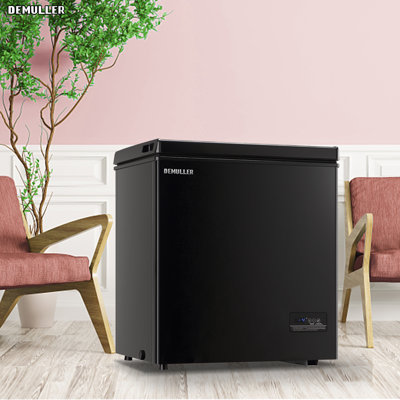
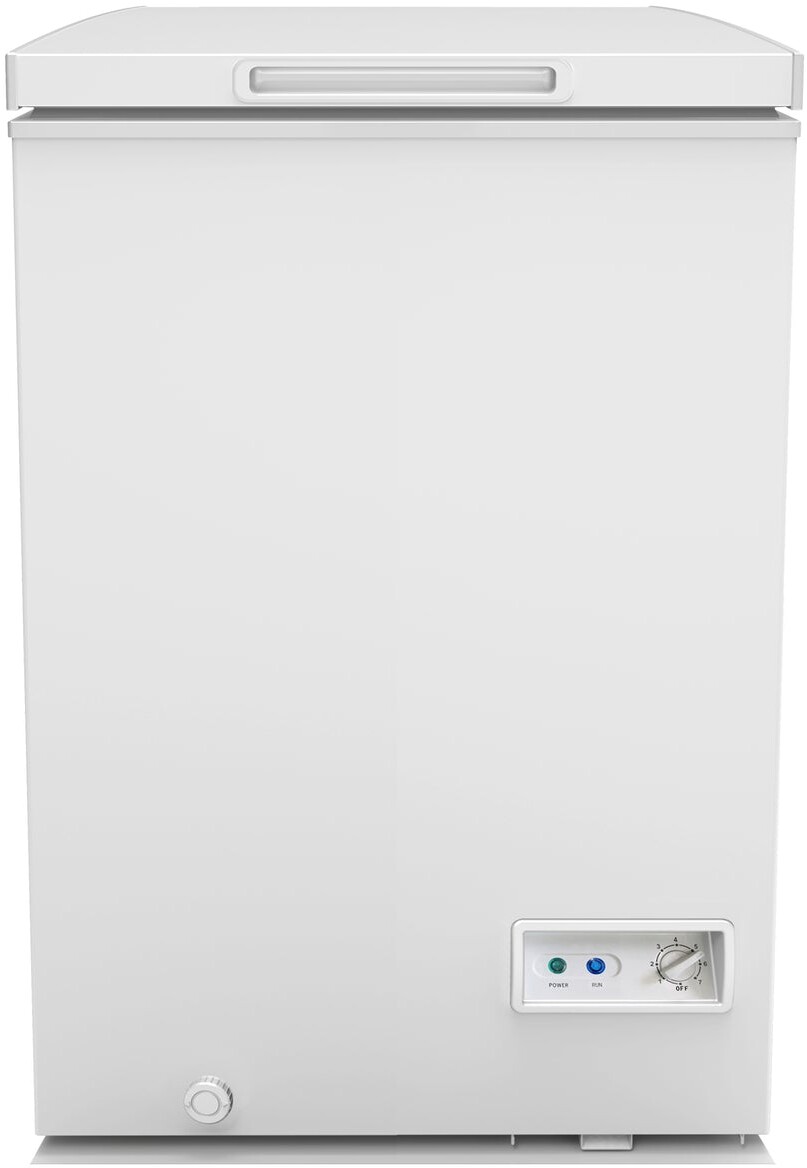
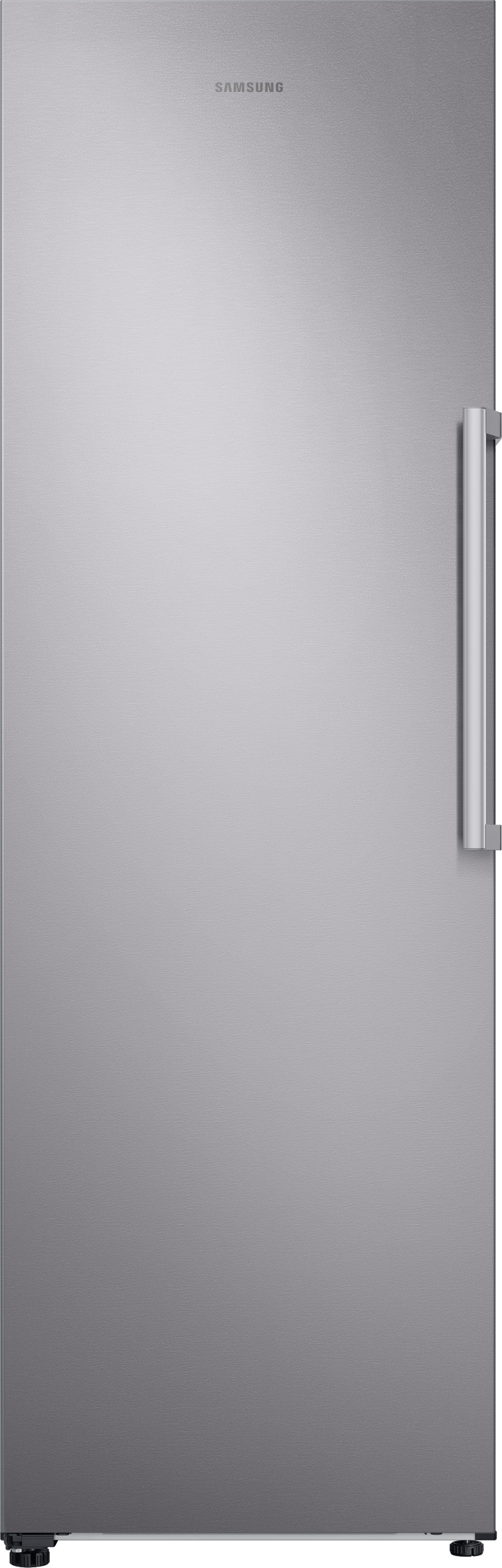
Depending on your specific needs, you may look into specialty freezers that operate slightly differently than the standard upright home freezer. For instance, commercial kitchens often rely on walk-in freezers to store bulk goods, while smaller establishments or families might prefer a chest freezer for large cuts of meat or meal-prepping.
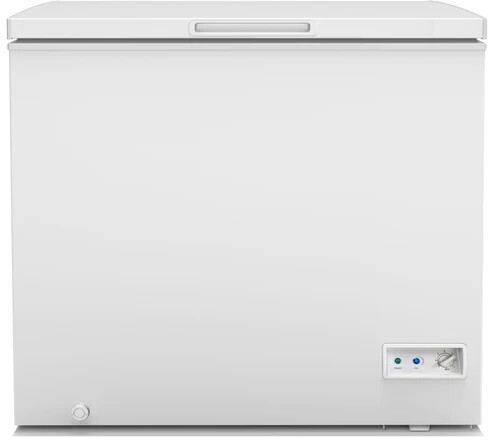
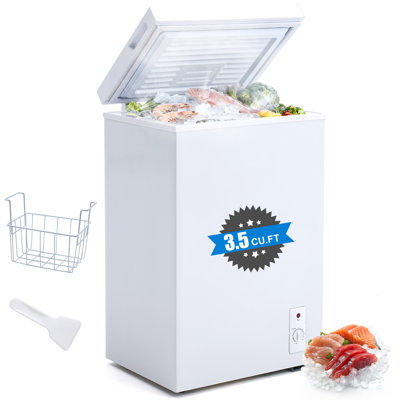
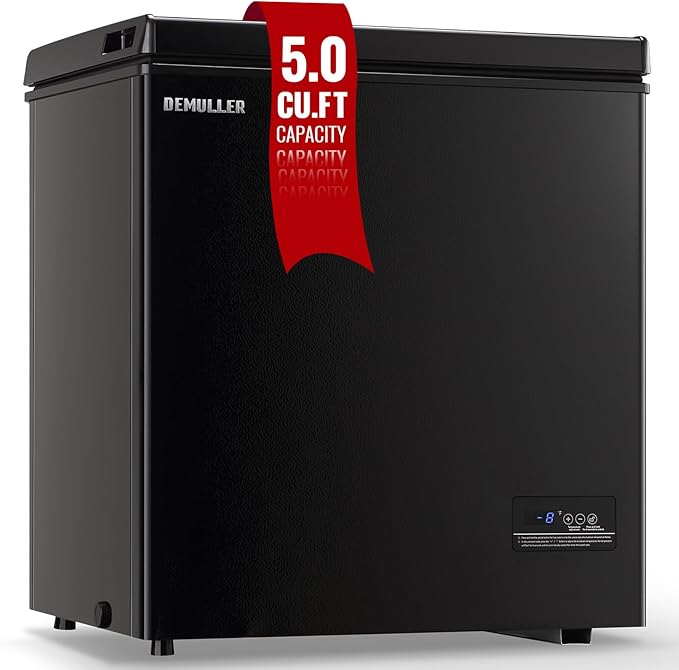
Chest freezers: These typically keep a more consistent temperature because the door opens from the top and cold air doesn’t escape as easily. If you’re following a specific diet that involves freezing a significant amount of food, you might want to explore best chest freezer for low carb diet to see models that fit your meal plan.
Garage freezers: Some freezers are rated for garage conditions, meaning they can handle wider temperature fluctuations. If you often store extra meat or produce in an unfinished space, you may be interested in purchase garage freezers: deals.
Though these specialized freezers might sport different designs and insulation methods, most still rely on the standard 0°F baseline to maintain food quality long term.
Adapting freezer temperature for different lifestyles
No two households or kitchens are exactly alike. Depending on your environment, cooking habits, and dietary needs, you might need to tailor how you manage your freezer.
For home cooks and families
If you prepare a variety of meals each week, you likely juggle everything from ice cream snacks to frozen veggies for quick stir-fries. Keeping your freezer at a steady 0°F ensures your wide-range inventory remains fresh. You might:
Save money by buying in bulk and portioning groceries for later use.
Freeze homemade baby food in batch form.
Store meal-prep containers for busy weeknights.
For commercial kitchens and cafeterias
In any commercial setting, food safety is paramount. You’ll want multiple temperature checks a day and consistent training for the staff. High turnover of goods means doors open frequently, so temperature adjustments might be needed more often.
For offices and shared spaces
Office freezers typically see moderate use, and items might stay in there longer than they should. It’s a good idea to label personal items clearly and encourage colleagues to remove old food. This practice keeps your freezer from becoming overcrowded or cluttered, helping it maintain the target temperature.
For RV trips, dorm rooms, and small apartments
Smaller freezers in tight spaces can fluctuate more dramatically if the door is opened often or if the external temperature changes significantly. You’ll want to check the temperature more frequently and keep only what you need on hand. If you have limited space but want top-notch performance, you might appreciate reading about best deep freezer for eat stop eat diet if you follow periodic fasting or need a compact yet reliable appliance.
Quick tips for maximizing freezer performance
Even the best freezers benefit from everyday care. While setting your temperature to 0°F is essential, these simple strategies help you get even more out of your appliance.
Organize by category
Group similar items—like meats, vegetables, and ready-to-eat meals—together. This setup makes it easier to find what you need quickly, reducing how long the door stays open.
Leave air space where possible
Freezers work best with some open space that allows cold air to circulate. Overstuffing leads to uneven cooling and longer freeze times.
Keep an updated inventory
Whether you use a dry-erase board on the freezer door or a digital app, note what items you have in stock. You’ll save time and reduce waste by preventing items from being forgotten.
Practice first-in, first-out
Always place newly purchased foods behind older ones. This method ensures you use up items before they risk freezer burn or passing their prime flavor window.
Check door hinges
Over time, hinges can loosen, allowing the door to sag or not close properly. Tighten them when needed to maintain a tight seal.
Defrost regularly (if applicable)
For freezers without an auto-defrost function, keep frost in check by defrosting when you see more than a quarter inch of buildup on the walls.
In general, you can set your freezer lower if you frequently store items that are very sensitive to temperature (like certain ice creams or specialized ingredients). However, for most people, going below 0°F provides minimal benefits compared to the extra energy cost. If you do adjust your freezer temperature downward, monitor your dial or display to avoid making it colder than necessary.
How can I tell if frozen food has partially thawed?
If you notice water crystals inside containers or soggy packaging, it may indicate your freezer is too warm. You might also see foods clumping together when they should be frozen solid. When in doubt, always err on the side of caution and consider discarding items that appear unsafe to eat.
Is a frost-free freezer better at maintaining consistent temperature?
Frost-free models minimize frost buildup by cycling through brief warming periods to melt ice. These freezers typically hold to 0°F well, though it’s still smart to check temperatures regularly. The main advantage is that you won’t need to defrost manually, which can save you time and keep your freezer in top shape.
Can rearranging my food storage help maintain 0°F?
Absolutely. Poor organization can block vents or overfill sections, forcing your freezer to work harder to cool everything. By distributing items evenly and leaving gaps, you promote airflow and keep the temperature consistent.
Should I worry about temperature fluctuations if I open the freezer door often?
Frequent door openings will let warm air inside, causing the temperature to fluctuate. Minimize time with the door open by planning your kitchen tasks in advance. If you open the door multiple times a day, consider adding a thermometer that shows real-time temperature so you can monitor any major swings.
Conclusion
Setting the right temperature for your freezer is at the core of preserving food quality, taste, and safety. From leftover takeout boxes in a small apartment to huge turkeys in a bustling commercial kitchen, a steady 0°F helps minimize bacterial growth and maintain fresh flavors over time. Just remember that a temperature setting is only as effective as your storage techniques and general upkeep. By organizing your freezer thoughtfully, sealing items properly, and checking your thermostat every now and then, you’ll enjoy better-tasting meals and greater peace of mind.
Your freezer is more than just a place to stash ice cream—it’s an essential tool for anyone cooking at home, managing a restaurant, or even taking care of office snacks. Sticking to the 0°F benchmark will keep your ingredients in prime condition and help you stretch your grocery budget. If you’re looking to upgrade or need a specialized model, you can explore unique options like purchase top freezer refrigerators: deals or other deals suited to your lifestyle and storage needs. Ultimately, a well-regulated freezer frees you to experiment with new recipes, simplify your meal-prepping routine, and savor every bite of your frozen favorites. Happy freezing!
Frequently Asked Questions
In general, you can set your freezer lower if you frequently store items that are very sensitive to temperature (like certain ice creams or specialized ingredients). However, for most people, going below 0°F provides minimal benefits compared to the extra energy cost. If you do adjust your freezer temperature downward, monitor your dial or display to avoid making it colder than necessary.