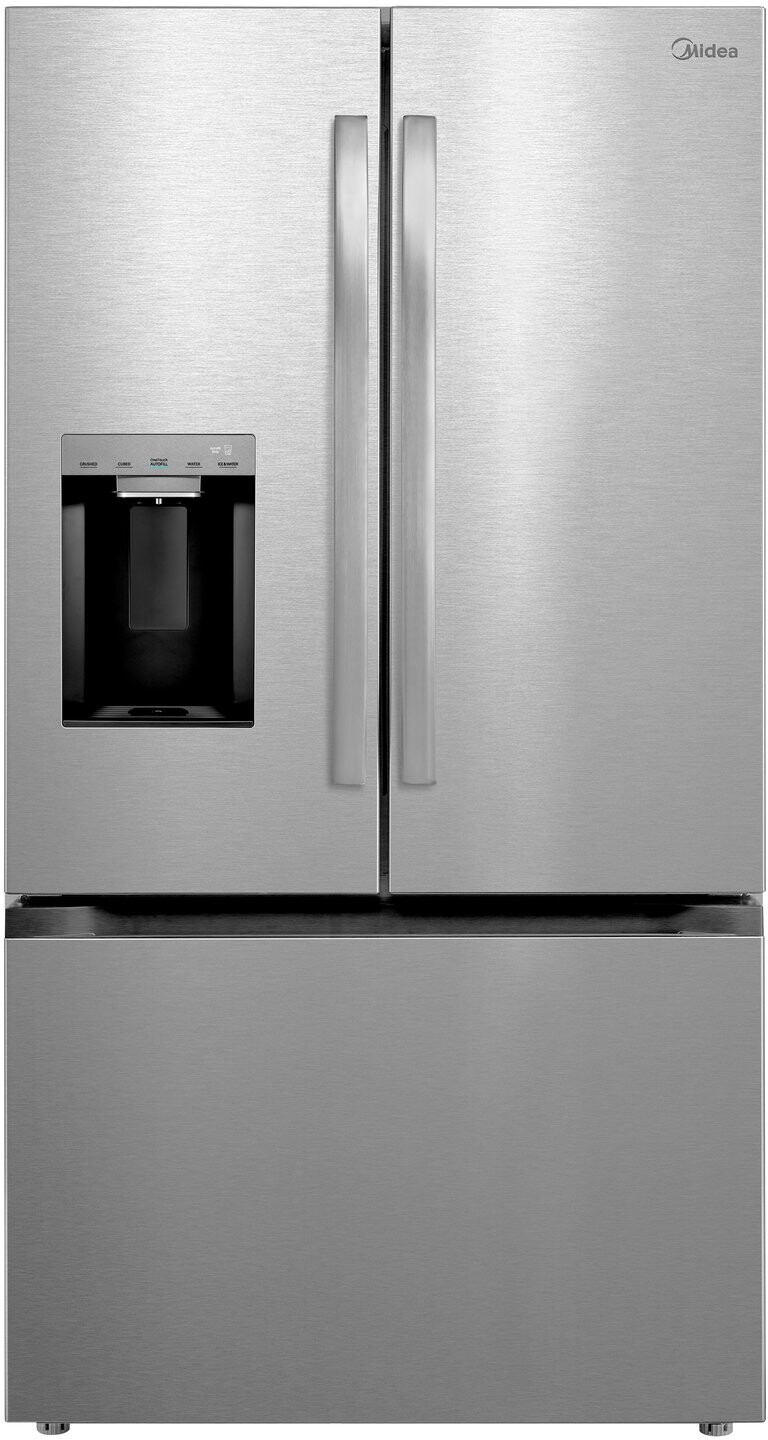
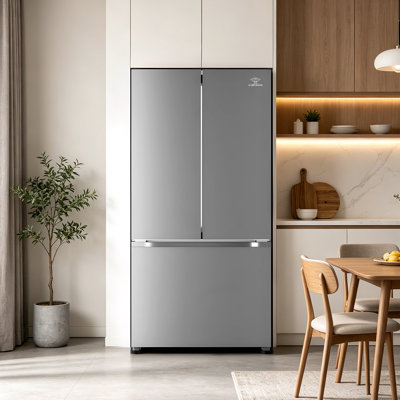
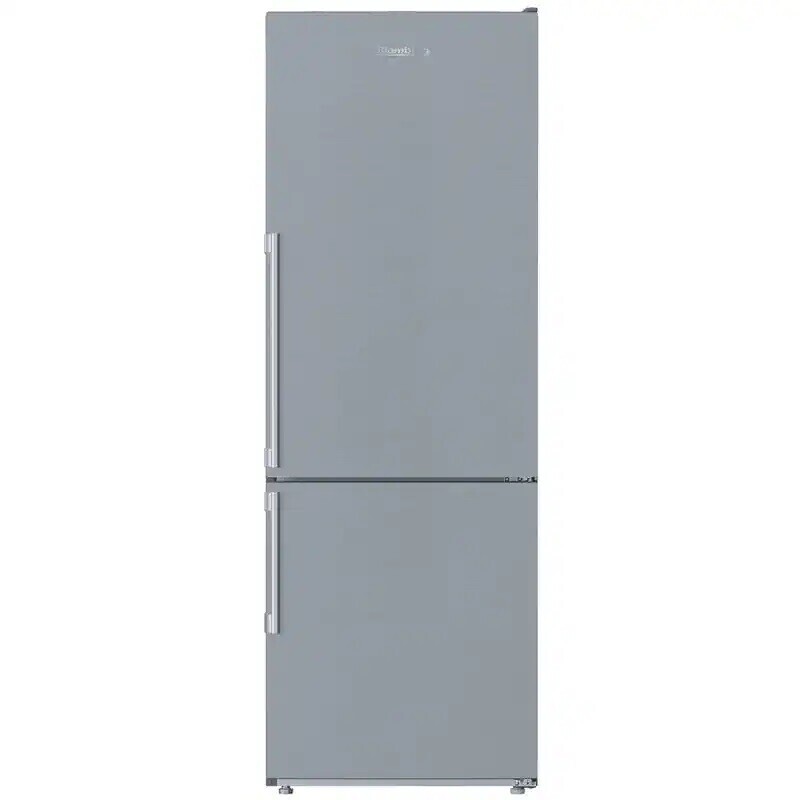
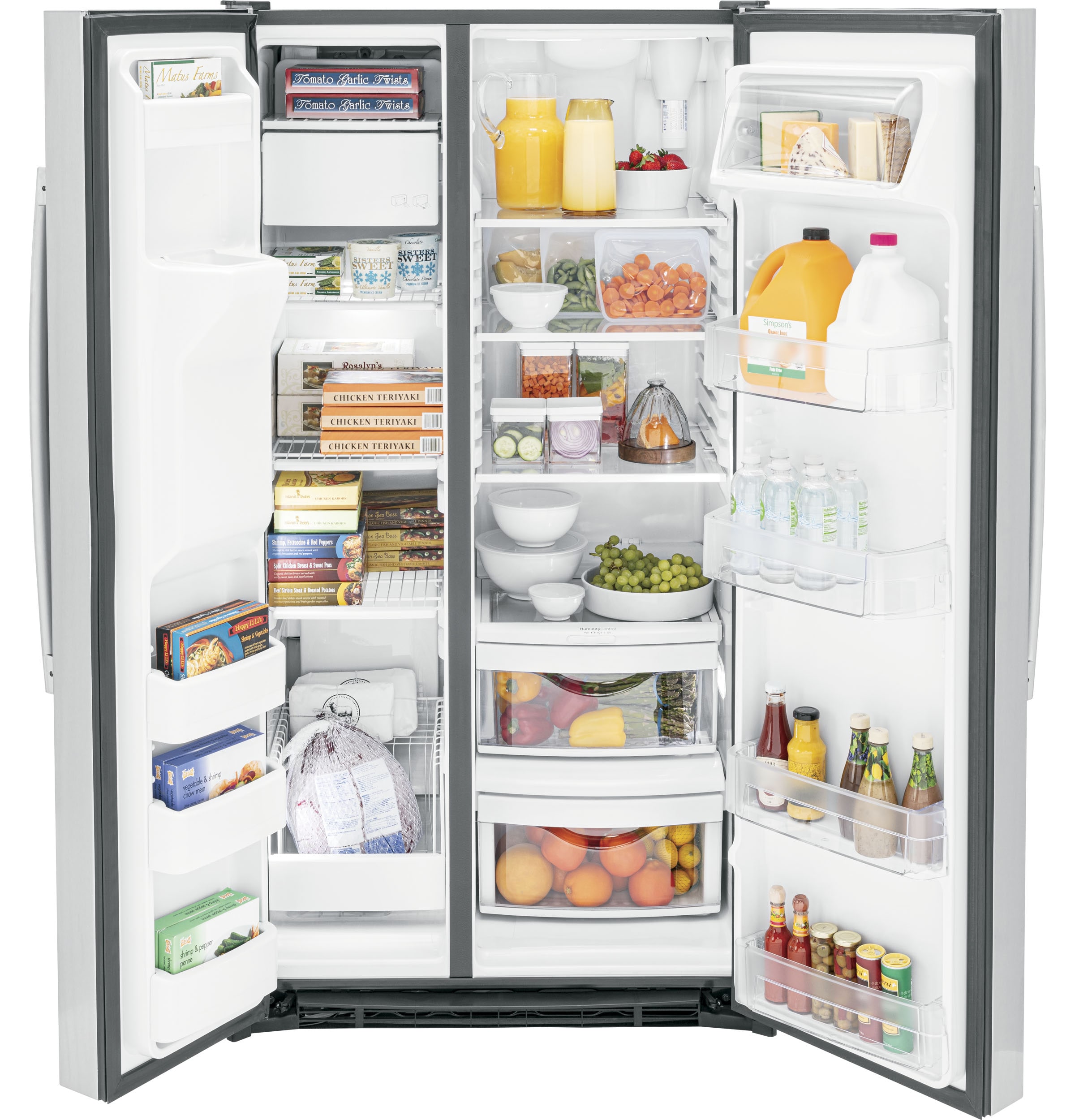
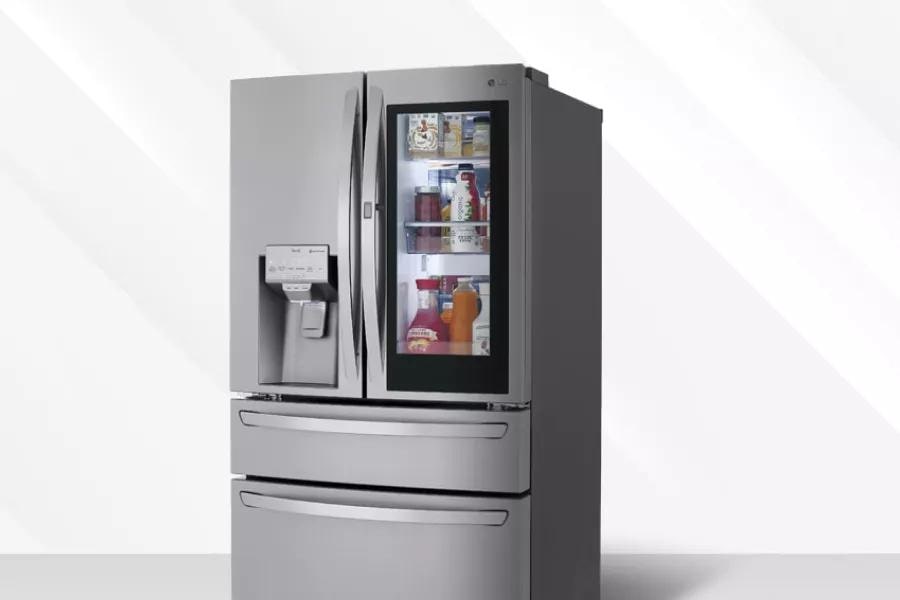
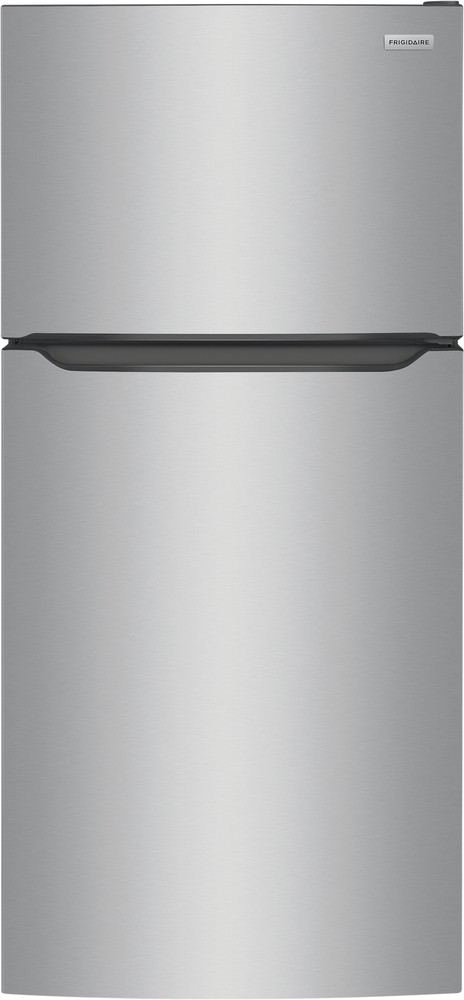
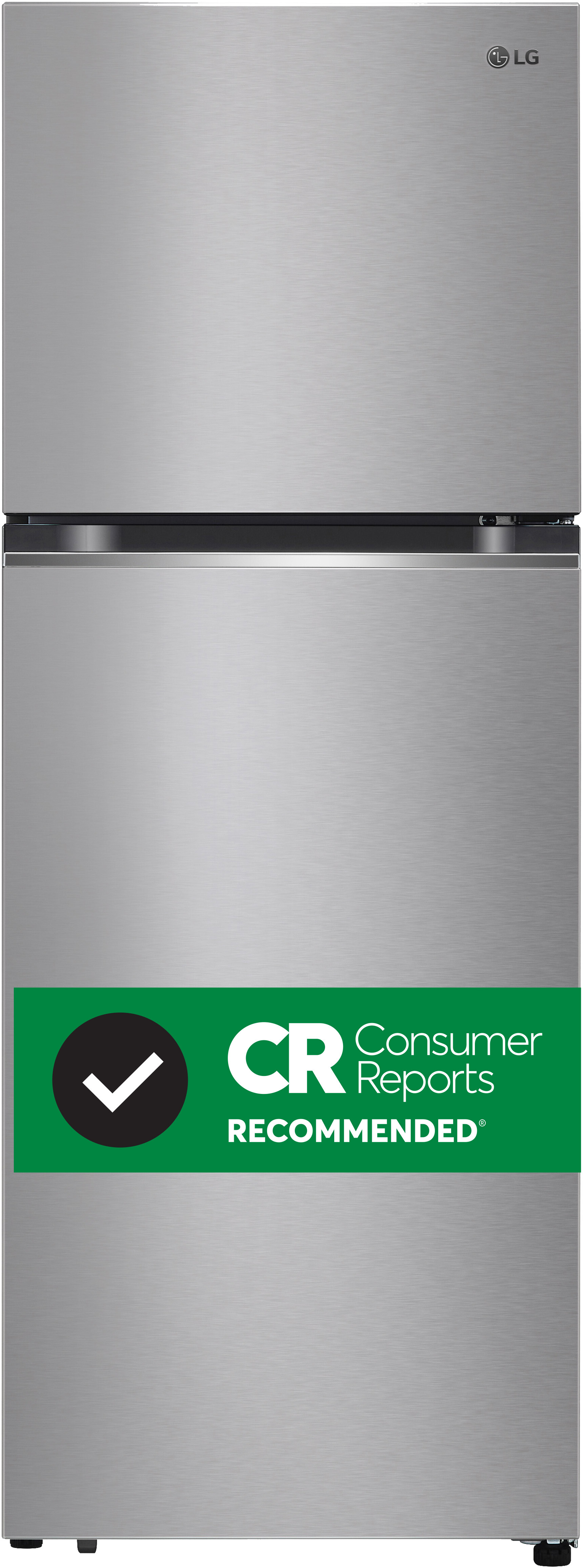
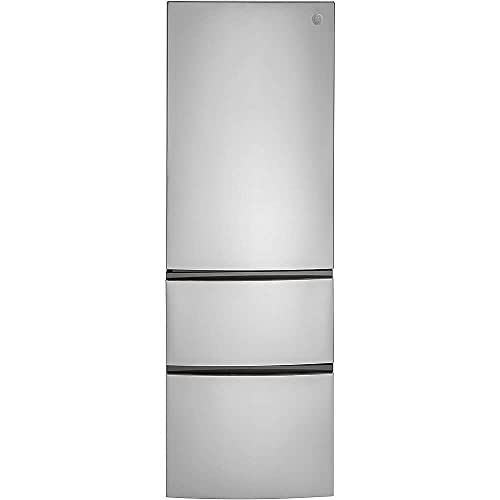
When looking to purchase a compact refrigerator for your apartment, several factors should be considered to ensure you choose the best fit for your needs.
Here are some tips to help you get the most out of your apartment size refrigerator.
Optimal Temperature: Keep your refrigerator at or below 40°F (4°C) and your freezer at 0°F (-18°C).
Apartment size refrigerators are designed to fit seamlessly into smaller living spaces, making them ideal for apartments, condos, tiny homes, and similar settings.
Exploring the Convenience of Apartment Size Refrigerators
Apartment size refrigerators are designed to fit seamlessly into smaller living spaces, making them ideal for apartments, condos, tiny homes, and similar settings. These compact refrigerators offer the same functionality as their larger counterparts but in a more space-efficient form. They provide enough storage for your essentials while ensuring that you don't sacrifice valuable living space.
One of the key benefits of an apartment size refrigerator is its versatility. Whether you need a fridge for your kitchen, a secondary unit for your basement, or a compact solution for your office, these refrigerators can meet various needs. They are also energy-efficient, which can help you save on electricity bills.
Factors to Consider Before Purchasing
When looking to purchase a compact refrigerator for your apartment, several factors should be considered to ensure you choose the best fit for your needs.
Size and Dimensions: Measure the space where you plan to place the refrigerator. Ensure the dimensions of the unit will fit comfortably in that space. Keep in mind the door swing and the need for ventilation.
Capacity: Determine how much storage space you need. Consider the number of people in your household and your typical grocery habits. Apartment size refrigerators come in various capacities, so choose one that matches your requirements.
Energy Efficiency: Look for energy-efficient models that consume less power. Energy Star-rated refrigerators are a good option as they meet strict energy efficiency guidelines set by the EPA.
Features: Consider the features you need, such as adjustable shelves, freezer compartments, crisper drawers, and temperature controls. Some models also offer additional features like built-in ice makers or water dispensers.
Noise Levels: If you are sensitive to noise or plan to place the refrigerator in a living area, check the noise levels. Models with lower decibels (dB) are quieter and more suitable for living spaces.
Budget: Set a budget for your purchase. While apartment size refrigerators are generally more affordable than full-sized models, prices can vary based on features and brand.
Feature
Considerations
Size and Dimensions
Ensure it fits in your space, consider door swing and ventilation
Capacity
Match storage needs to household size and grocery habits
Features
Adjustable shelves, freezer compartments, crisper drawers, temperature controls, ice makers
When selecting a fridge for your apartment, it's important to understand the different types available. Each type comes with its own set of features and benefits, making it crucial to choose one that best fits your needs.
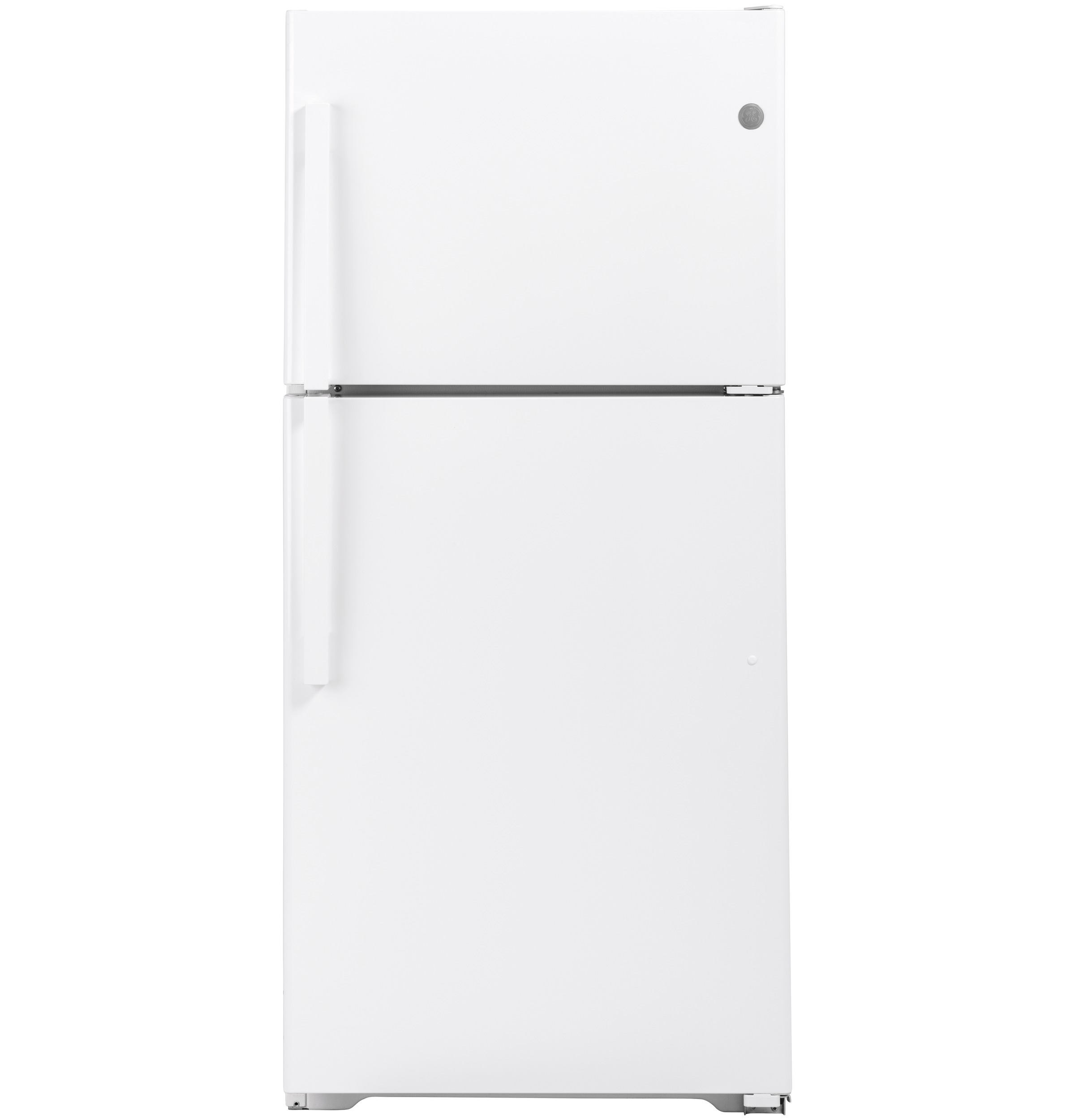
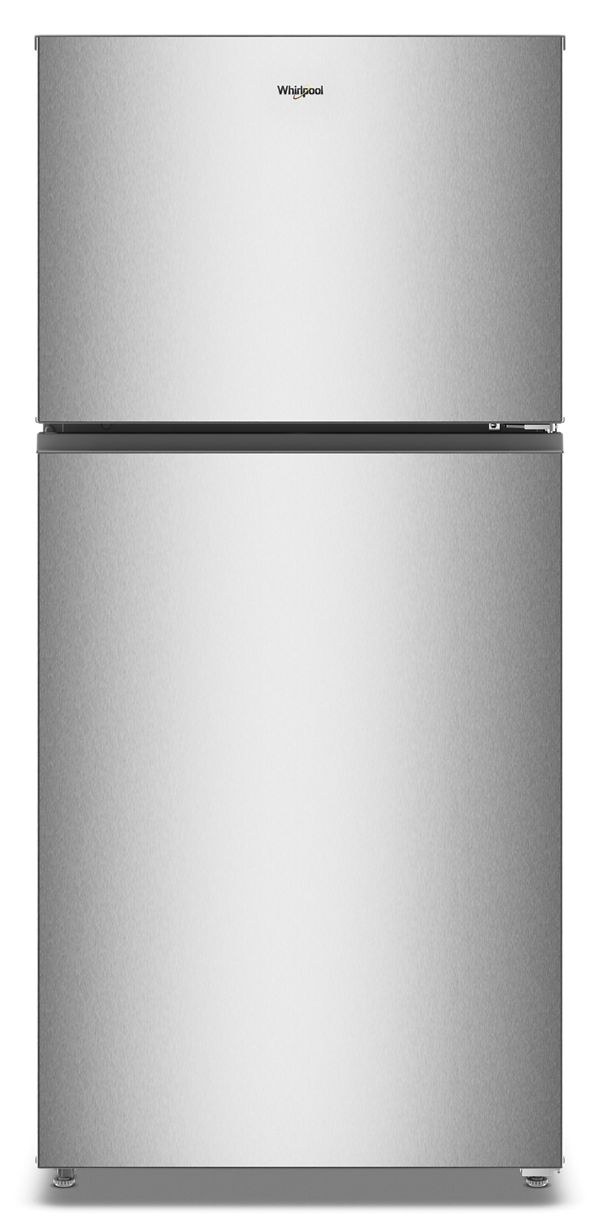
Top Freezer Refrigerators
Top freezer refrigerators are a classic choice, featuring a freezer compartment located above the refrigerator section. This design is often more affordable and provides a straightforward layout for everyday use.
Feature
Description
Average Height
60" - 66"
Average Width
28" - 32"
Average Depth
28" - 34"
Capacity Range
10 - 20 cu. ft.
These fridges are ideal for those who prefer having the freezer at eye level and the refrigerator section below for easy access to fresh food items.
Bottom Freezer Refrigerators
Bottom freezer refrigerators have the freezer compartment located beneath the refrigerator section. This design is convenient for those who use the fridge more frequently than the freezer.
Feature
Description
Average Height
67" - 70"
Average Width
29" - 33"
Average Depth
30" - 34"
Capacity Range
12 - 25 cu. ft.
This layout allows you to access fresh foods at eye level, reducing the need to bend down frequently. For more information, visit Fridge.com page on apartment refrigerator bottom freezer.
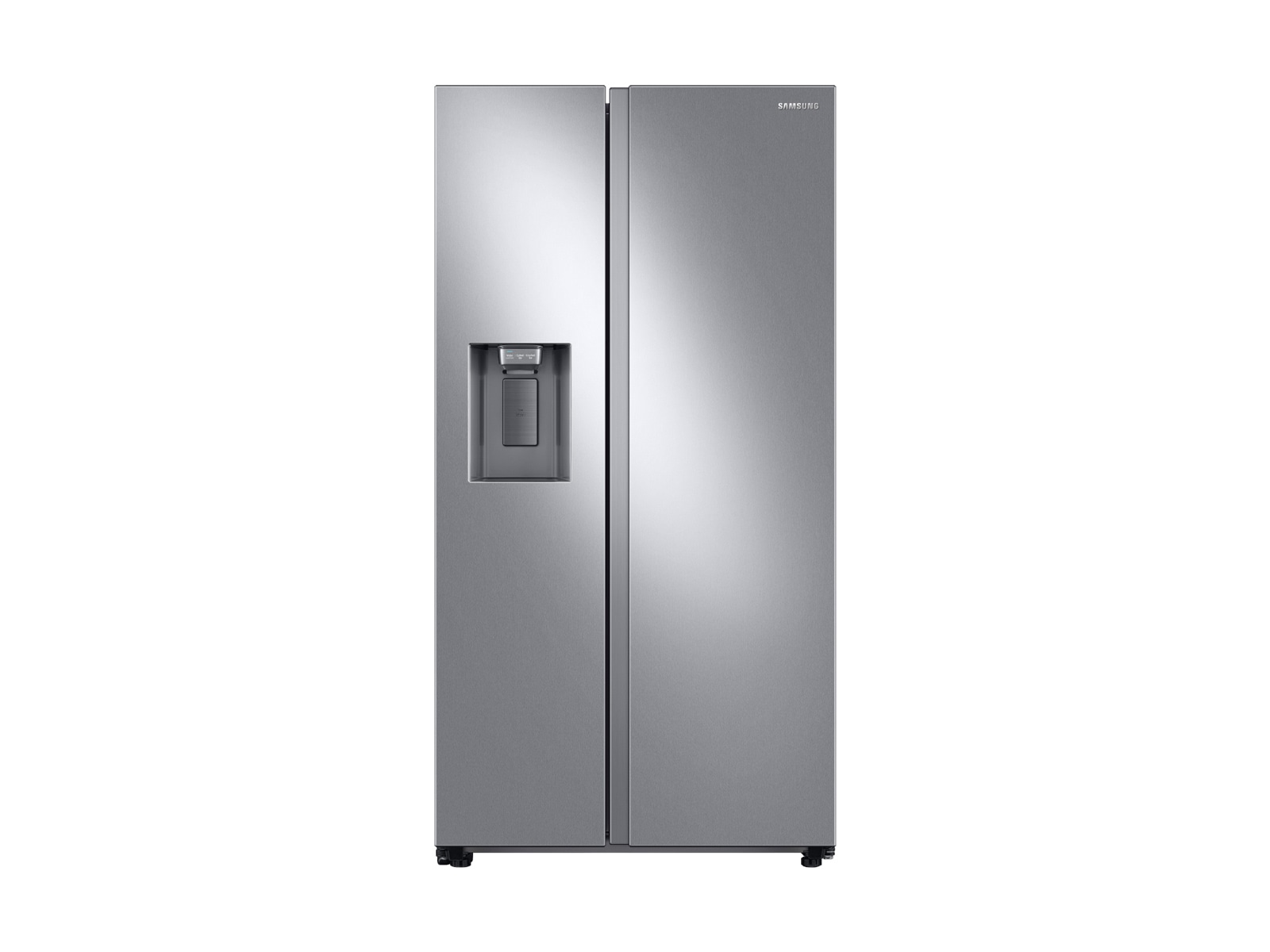
Side-by-Side Refrigerators
Side-by-side refrigerators feature two vertical compartments; one side for the freezer and the other for the refrigerator. This design offers equal accessibility to both fresh and frozen foods.
Feature
Description
Average Height
65" - 71"
Average Width
32" - 36"
Average Depth
30" - 34"
Capacity Range
14 - 24 cu. ft.
Side-by-side fridges are perfect for those who want easy access to both frozen and fresh foods without compromising on space. Check out more details on apartment size side-by-side refrigerators.
French Door Refrigerators
French door refrigerators combine the convenience of a bottom freezer with the accessibility of side-by-side doors for the refrigerator section. This design is both stylish and functional.
Feature
Description
Average Height
68" - 70"
Average Width
29" - 36"
Average Depth
29" - 34"
Capacity Range
15 - 25 cu. ft.
French door refrigerators are great for those who need ample storage and prefer having wide shelves for larger items. For more options, visit Fridge.com page on apartment size French door refrigerators.
Selecting the right type of fridge for your apartment involves considering your specific needs and preferences. Whether you choose a top freezer, bottom freezer, side-by-side, or French door refrigerator, you'll find a variety of options to suit your living space. For more guidance, explore Fridge.com detailed articles on apartment refrigerators and apartment size refrigerator.
When selecting an apartment size refrigerator, certain features can greatly enhance your experience. Here, we’ll examine the importance of size and capacity, energy efficiency, and adjustable shelves and storage options.
Size and Capacity
One of the primary considerations when choosing a fridge for a smaller living space is its size and capacity. Apartment size refrigerators generally range from 7 to 15 cubic feet. The ideal size depends on the number of people using the fridge and the amount of food storage needed.
Type
Size Range (cubic feet)
Ideal For
Compact
7 - 10
Singles or Couples
Mid-Size
10 - 12
Small Families
Large
12 - 15
Families or Shared Housing
Selecting the right size ensures you have enough space without overwhelming your apartment. For more on choosing the right dimensions, visit Fridge.com guide on apartment fridge size.
Energy Efficiency
Energy efficiency is another crucial factor to consider. An energy-efficient refrigerator can help lower your utility bills and reduce your carbon footprint. Look for models with the ENERGY STAR rating, which indicates compliance with strict energy efficiency guidelines.
Factors affecting energy efficiency include:
Insulation Quality: Better insulation reduces energy consumption.
Compressor Type: Modern, efficient compressors use less energy.
Temperature Control: Accurate temperature settings prevent overcooling.
Comparing energy usage can help you make an informed decision. Detailed energy consumption data is often available on the appliance’s energy guide label.
Adjustable Shelves and Storage Options
Adjustable shelves and flexible storage options make it easier to organize your food and maximize space. Features to look for include:
Adjustable Shelves: Allows customization for taller items.
Door Bins: Useful for storing bottles and condiments.
Crisper Drawers: Keeps fruits and vegetables fresh.
Freezer Compartments: Separate sections for organized freezing.
These features enhance the functionality of your apartment size refrigerator and make it more suited to your needs.
When living in an apartment, space is often at a premium. Choosing an apartment size fridge that fits comfortably within your living area without compromising functionality is essential. These compact refrigerators are designed to maximize storage while minimizing their footprint.
Dimension
Measurement (inches)
Height
60 - 70
Width
20 - 24
Depth
20 - 28
Consider the layout of your kitchen or living space when selecting a small apartment fridge
. Ensure that there is adequate ventilation around the unit to optimize its efficiency. For those living in condos or small studios, an apartment refrigerator with a slim design can fit seamlessly into narrow spaces.
Noise Levels and Operation
Noise levels can be a concern, especially in small living spaces. Some apartment size refrigerators are designed with quieter compressors, making them ideal for spaces where peace and quiet are paramount.
Noise Level
Decibels (dB)
Quiet
32 - 38 dB
Moderate
39 - 45 dB
Loud
46 - 52 dB
If you are sensitive to noise or use your kitchen as a multi-functional space, opting for a quieter apartment size fridge can make a significant difference in your comfort.
Additional Features for Convenience and Functionality
Modern apartment size refrigerators come with a variety of features that enhance convenience and functionality. Some of the features to look for include:
Adjustable Shelves: Customize the interior layout to fit different types of food and beverages.
Crisper Drawers: Keep fruits and vegetables fresh longer.
Energy Efficiency: Look for models with an Energy Star rating to save on electricity bills.
By considering these specialty factors, you can select a refrigerator for apartment living that meets your needs and enhances your daily life.
Installation and Maintenance Tips
Proper installation and maintenance are essential to ensure the longevity and efficiency of your apartment size refrigerator. Here are some helpful guidelines.
Proper Placement in Your Living Space
Choosing the right spot for your fridge is crucial. Ensure that the area is well-ventilated and allows for adequate airflow around the unit. Avoid placing the refrigerator near heat sources like ovens or direct sunlight, as this can affect its performance.
Placement Considerations
Details
Ventilation Space
Allow at least 2 inches of space on all sides for airflow.
Heat Sources
Keep away from ovens, stoves, and direct sunlight.
Level Flooring
Ensure the floor is level to prevent vibrations and noise.
Regular cleaning and maintenance can extend the life of your apartment size refrigerator. Here are some simple steps to follow:
Unplug the Unit: Always unplug the refrigerator before cleaning to ensure safety.
Clean the Interior: Use a mild detergent and warm water to clean the shelves, drawers, and walls. Avoid abrasive cleaners that could damage the surfaces.
Check the Seals: Inspect the door seals regularly to ensure they are airtight. Clean them with a damp cloth and mild soap.
Defrost if Necessary: If your fridge does not have an automatic defrost feature, manually defrost it when ice builds up to about a quarter-inch thick.
Clean the Coils: Dust and debris on the coils can reduce efficiency. Use a vacuum or coil brush to clean them periodically.
Troubleshooting Common Issues
Encountering issues with your fridge apartment size unit can be frustrating. Here are some common problems and their potential solutions:
Issue
Possible Cause
Solution
Fridge Not Cooling
Thermostat setting, blocked vents, dirty coils
Check and adjust the thermostat, clear any blockages, clean the coils
Excessive Noise
Uneven placement, loose parts
Ensure the fridge is level, tighten any loose parts
Water Leakage
Blocked defrost drain, broken door seal
Clean the defrost drain, replace the door seal if damaged
Ice Build-Up
Faulty defrost system, door left open
Check the defrost system, ensure the door is properly closed
By following these installation and maintenance tips, you can ensure that your apartment size refrigerator runs efficiently and lasts for years to come. For additional information on organizing and maximizing the efficiency of your fridge, visit Fridge.com section on apartment size refrigerators.
When dealing with a fridge apartment size, optimizing space and ensuring proper food storage is vital. Here are some tips to help you get the most out of your apartment size refrigerator.
Tips for Organizing Your Apartment Size Refrigerator
Organizing your apartment size refrigerator effectively can help you maximize space and keep your food fresh. Here are a few strategies:
Categorize Items: Group similar items together. Keep dairy products on one shelf, meats on another, and so on.
Use Clear Containers: Store leftovers and smaller items in clear containers so you can easily see what you have.
Label Everything: Use labels to identify the contents of containers and the expiration dates.
Utilize Door Space: Store condiments and smaller items in the door shelves.
Adjust Shelves: Make use of adjustable shelves to accommodate taller items or to create more space.
Category
Suggested Storage Location
Dairy
Top shelf
Meats
Bottom shelf
Vegetables
Crisper drawer
Leftovers
Middle shelf in clear containers
Condiments
Door shelves
For more tips and tricks on organizing your refrigerator, check out Fridge.com guide on apartment refrigerators.
Temperature Control and Food Storage Guidelines
Maintaining the correct temperature in your fridge apartment size is essential for food safety and longevity. Here are some guidelines:
Optimal Temperature: Keep your refrigerator at or below 40°F (4°C) and your freezer at 0°F (-18°C).
Use a Thermometer: Place a thermometer in your fridge to monitor the temperature.
Avoid Overloading: Do not overload your fridge as it can obstruct air circulation and lead to uneven cooling.
Proper Placement: Avoid placing hot food directly in the fridge as it can raise the internal temperature.
Regular Checks: Regularly check the temperature settings and adjust if necessary.
Section
Recommended Temperature
Refrigerator
≤ 40°F (4°C)
Freezer
0°F (-18°C)
For more detailed information on temperature control, visit Fridge.com article on apartment refrigerator.
By following these tips and guidelines, you can ensure that your apartment size refrigerator operates efficiently and keeps your food fresh for longer. For additional features and recommendations, browse Fridge.com collection of apartment size refrigerators.
Compare prices on Fridge.com
Compare current prices and specifications on Fridge.com, then buy from the retailer you choose; delivery, installation and warranty terms are the retailer’s.
It also has tons of awesome articles about kitchen stuff and home news. Enhance your home, garage, backyard, patio, and office with the coolest essentials. With every necessary type of residential refrigerator or freezer in the collection, you're covered.
From Fridge.com research
Figures below come from data Fridge.com builds and maintains. Each links to the record behind it.
Fridge.com Energy Index, built on U.S. EPA and DOE ENERGY STAR records
Across 5,455 ENERGY STAR certified refrigerators and freezers from 263 brands, median use is 360 kWh per year.