Choosing the right size apartment refrigerator is essential for maximizing your kitchen space and ensuring you have enough storage for your needs. Here's what you should consider when selecting the perfect refrigerator for your apartment.
Importance of Choosing the Right Size
Selecting the appropriate size for your apartment refrigerator is crucial for several reasons. A refrigerator that is too large can overwhelm your kitchen space, making it feel cramped and cluttered. On the other hand, a fridge that is too small may not provide adequate storage for your groceries, leading to frequent trips to the store and food waste.
Moreover, the size of your refrigerator can impact its energy efficiency. Larger units typically consume more power, which can result in higher utility bills. Therefore, finding a balance between size and functionality is key to optimizing both your kitchen space and energy consumption.
Factors to Consider for Apartment Refrigerator Size
When determining the best size for your apartment refrigerator, consider the following factors:
Kitchen Space: Measure the available space in your kitchen where the refrigerator will be placed. Ensure you account for door clearance and ventilation space around the unit.
Household Size: The number of people in your household will influence the amount of storage you need. A larger family may require a bigger fridge, while a single person or couple might find a compact model sufficient.
Usage Habits: Consider your shopping and cooking habits. If you frequently cook meals at home or buy groceries in bulk, you might need more storage space. Conversely, if you eat out often or have a minimalist lifestyle, a smaller fridge might suffice.
Storage Needs: Think about the types of food you typically store. If you require ample space for fresh produce, beverages, or frozen items, choose a refrigerator with appropriate compartments and shelving.
Energy Efficiency: Look for energy-efficient models that can help reduce your electricity bills. Energy Star-rated refrigerators are designed to consume less power without compromising performance.
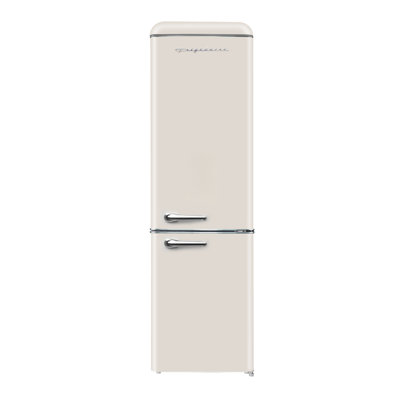
Aesthetic Preferences: The design and style of the refrigerator should complement your kitchen decor. Some prefer a sleek, modern look with stainless steel finishes, while others might opt for a retro design.
Here's a quick reference table for common apartment refrigerator sizes and their ideal uses:
Refrigerator Type
Width (inches)
Height (inches)
Depth (inches)
Ideal For
Compact
18-24
30-50
20-25
Single person, small kitchens
Medium-Sized
24-30
50-66
25-30
Couples, small families
Counter-Depth
30-36
66-70
24-27
Modern kitchens, space-saving
For more detailed guidance on selecting the perfect refrigerator size for your apartment, check out Fridge.com article on apartment fridge size.
Understanding these factors will help you make an informed decision and ensure that your apartment refrigerator meets all your needs. Whether you need a compact refrigerator for a studio or a counter-depth fridge for a sleek, modern look, selecting the right size is essential for functionality and convenience.
Compact Refrigerators
Overview of Compact Refrigerators
Compact refrigerators are smaller-sized fridges that are suitable for a variety of living spaces, including apartments, condos, studios, and even offices. These refrigerators are designed to fit in tight spaces while still providing ample storage for your food and beverages. They typically range in size from 1.7 to 4.5 cubic feet, making them a versatile option for those who need a smaller refrigerator.
Size (Cubic Feet)
Height (Inches)
Width (Inches)
Depth (Inches)
1.7
20
18
17
3.2
33
19
20
4.5
43
20
22
Compact refrigerators come with various features, such as small freezer compartments, adjustable shelves, and door storage options. They are energy-efficient and can easily fit under counters or in small kitchen nooks, making them ideal for limited spaces.
Ideal Uses for Compact Refrigerators
Compact refrigerators are perfect for situations where space is at a premium. Here are some ideal uses:
Apartments and Studios: In smaller living spaces like apartments and studios, a compact refrigerator can be a lifesaver. It provides enough storage without taking up too much room. For more information, visit Fridge.com article on apartment refrigerators.
Offices: Having a compact refrigerator in the office allows you to store your lunch, snacks, and beverages conveniently. It helps keep your food fresh and accessible throughout the workday.
Dorm Rooms: College students often benefit from compact refrigerators in their dorm rooms. These fridges are small enough to fit in tight quarters but still offer enough space for essential items.
Garages and Basements: If you need extra refrigeration space in your garage or basement, a compact refrigerator is an excellent choice. It can store beverages, overflow from your main fridge, or even seasonal items.
Vacation Homes: For cottages, cabins, or mobile homes, a compact refrigerator provides the necessary storage without occupying too much space. It's a practical solution for keeping food and drinks cold during your stay.
Compact refrigerators offer a practical and efficient solution for various living situations. Whether you're in an apartment, office, or dorm room, these small fridges are designed to meet your needs. For more tips on selecting the right size, visit Fridge.com guide on apartment fridge size.
Medium-sized refrigerators strike a balance between compact and full-sized models, making them a popular choice for many apartment dwellers. These refrigerators typically range from 10 to 20 cubic feet in capacity, offering ample storage while fitting comfortably in most apartment kitchens. They come in a variety of configurations, such as top-freezer, bottom-freezer, and side-by-side models.
Feature
Description
Capacity
10 to 20 cubic feet
Height
60 to 70 inches
Width
24 to 36 inches
Depth
28 to 34 inches
Medium-sized refrigerators are versatile and can be used in various settings such as apartments, condos, townhouses, and even offices. Their moderate size makes them suitable for individuals, couples, or small families who need more storage than a compact refrigerator but don't require the space of a full-sized model.
Benefits of Medium-Sized Refrigerators
Medium-sized refrigerators offer several advantages that make them an excellent choice for apartment living:
Space Efficiency: These refrigerators provide a good amount of storage without taking up too much floor space. This is particularly beneficial in smaller kitchens where space is at a premium.
Energy Efficiency: Medium-sized models often consume less energy compared to larger refrigerators, making them a more eco-friendly and cost-effective option. Look for Energy Star-rated models to ensure optimal energy efficiency.
Versatility: With various configurations available, you can choose a medium-sized refrigerator that best suits your needs. Whether you prefer a top-freezer, bottom-freezer, or side-by-side model, there's a medium-sized option for you.
Affordability: Medium-sized refrigerators tend to be more affordable than full-sized models, making them a budget-friendly choice for those looking to upgrade their kitchen appliances.
Ease of Installation: Due to their manageable size, medium-sized refrigerators are easier to install and maneuver compared to their larger counterparts. This can be particularly advantageous if you live in a high-rise apartment or have narrow doorways.
By considering these benefits, you can determine if a medium-sized refrigerator is the right fit for your space and lifestyle. Whether you're furnishing a new apartment or upgrading your current kitchen, a medium-sized refrigerator offers the perfect balance of capacity, efficiency, and convenience.
Counter-depth refrigerators are a popular choice for apartment dwellers looking to maximize their kitchen space while maintaining a sleek, modern look. These refrigerators align flush with your countertops, offering a seamless appearance and easy access to items.
Overview of Counter-Depth Refrigerators
Counter-depth refrigerators are designed to blend in with your kitchen cabinetry, providing a streamlined look. They typically have a depth of about 24 to 30 inches, which is shallower than standard refrigerators. This makes them an excellent choice for smaller kitchens or open-concept living spaces.
Type
Depth (inches)
Width (inches)
Height (inches)
Standard Refrigerator
30 - 36
28 - 36
60 - 70
Counter-Depth Refrigerator
24 - 30
28 - 36
60 - 70
For more detailed information on choosing the right size refrigerator for your space, visit our apartment size refrigerator guide.
Pros and Cons of Counter-Depth Refrigerators
Counter-depth refrigerators come with a unique set of advantages and disadvantages. Understanding these can help you decide if this type of refrigerator is the right fit for your needs.
Pros:
Space-Saving: The shallow depth allows for more kitchen space and easier movement around the kitchen.
Aesthetic Appeal: Provides a sleek and integrated look that aligns with your countertops and cabinetry.
Accessibility: Items stored in the refrigerator are easier to reach, reducing the need to dig through layers of food.
Cons:
Reduced Storage Capacity: Due to their shallower depth, counter-depth refrigerators may offer less storage space compared to standard models.
Higher Cost: Typically, these models can be more expensive than standard-depth refrigerators.
Limited Models: Fewer options are available, which might limit your choices in terms of features and designs.
Consider these factors carefully when selecting a counter-depth refrigerator for your apartment. For more tips on optimizing your refrigerator space, check out our apartment refrigerator article.
Counter-depth refrigerators can be an excellent choice for those looking to balance form and function in their kitchen. By understanding their pros and cons, you can make an informed decision that suits your lifestyle and space requirements. For more insights and options, explore Fridge.com articles on apartment refrigerators
Selecting the right refrigerator for your apartment involves understanding the differences between top-mount and bottom-mount designs. Each type offers unique features and benefits that can cater to your specific needs.
Comparison of Top-Mount and Bottom-Mount Refrigerators
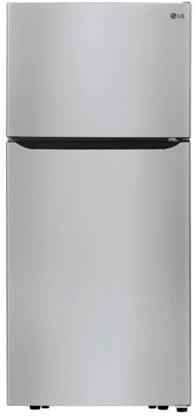
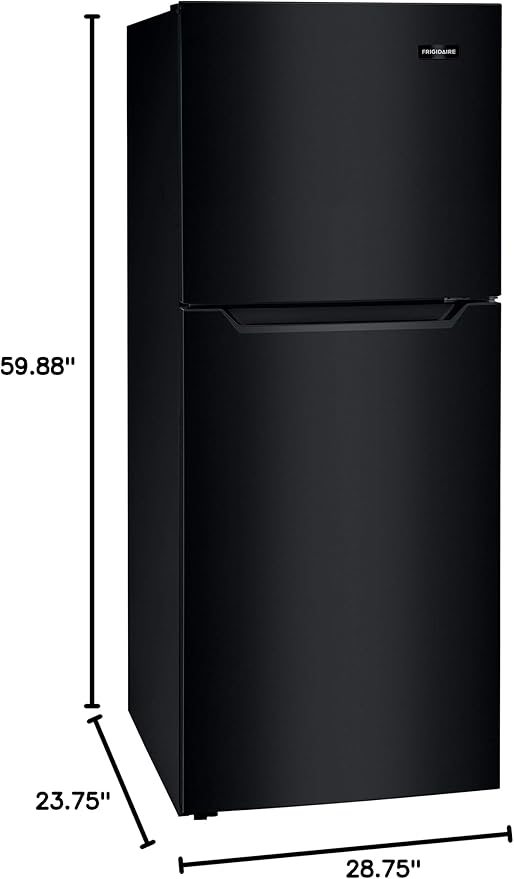
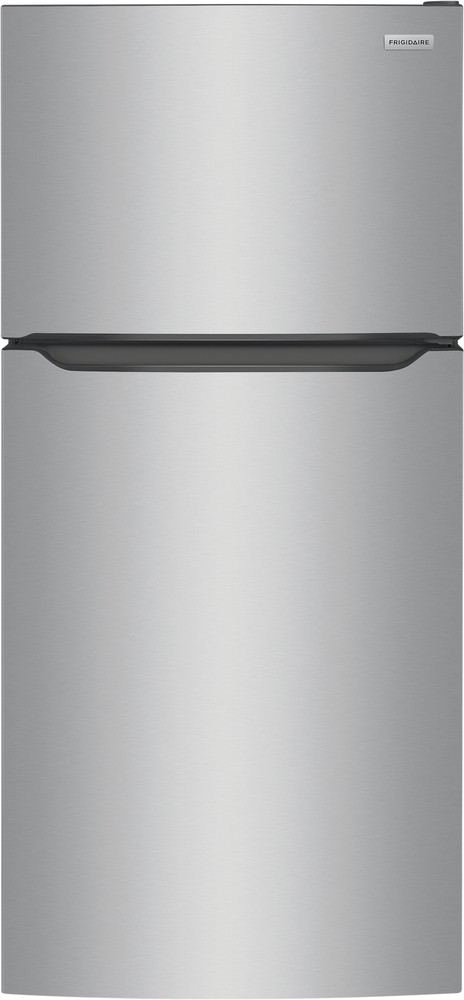
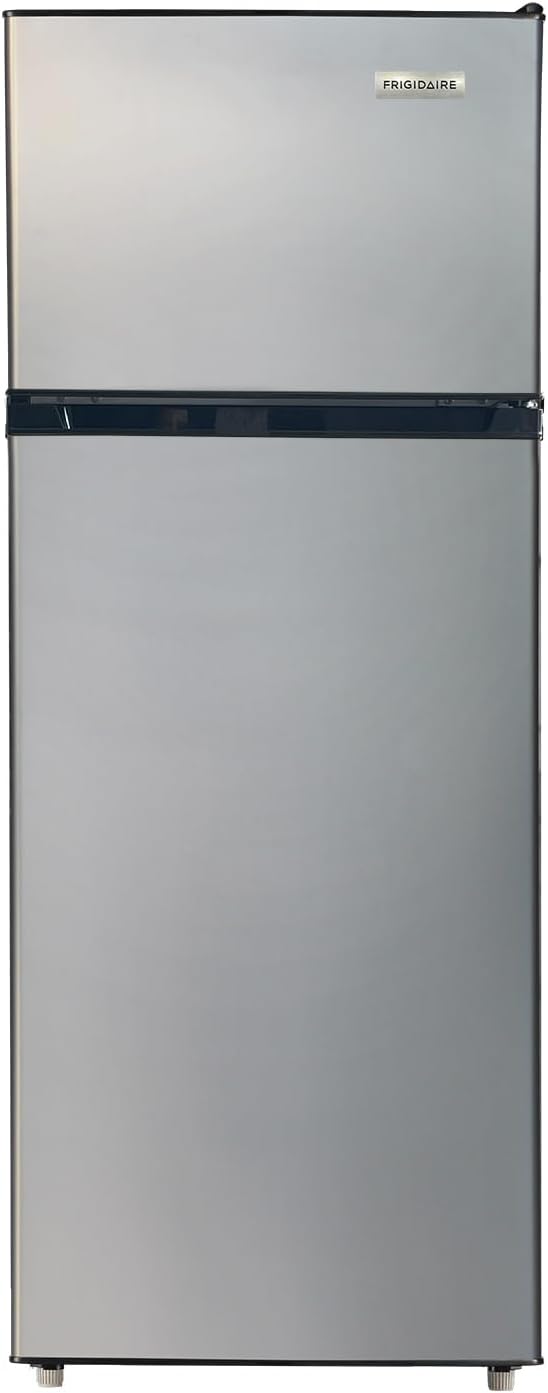
Top-mount refrigerators have the freezer compartment located above the refrigerator section. This traditional design is widely used and offers easy access to frozen items without bending down.
Feature
Top-Mount Refrigerator
Bottom-Mount Refrigerator
Freezer Location
Top
Bottom
Accessibility
Easy access to freezer
Easy access to fridge
Storage Capacity
Balanced
Larger fridge space
Cost
Usually lower
Typically higher
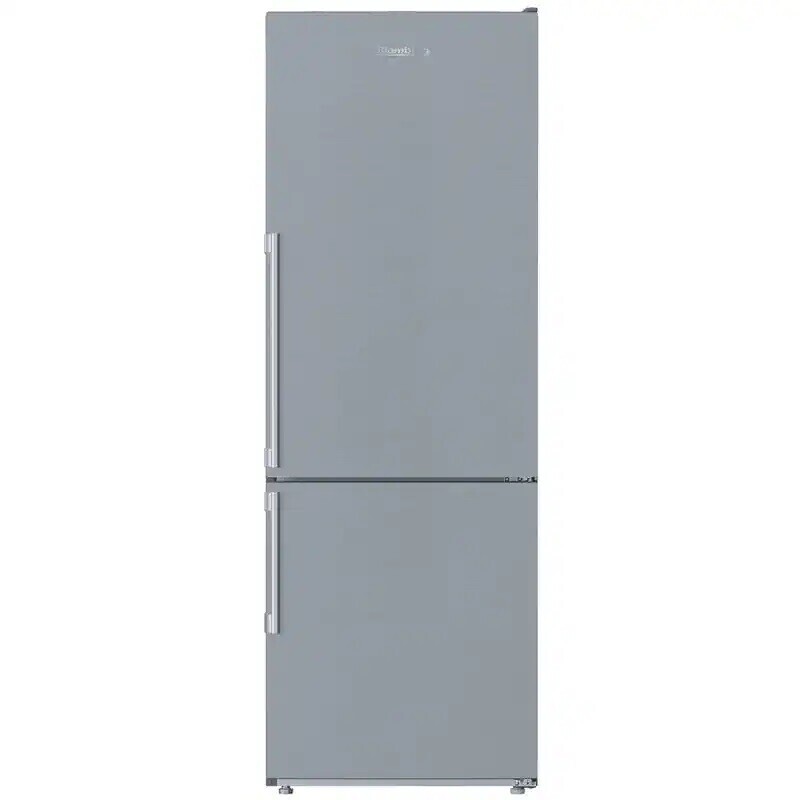
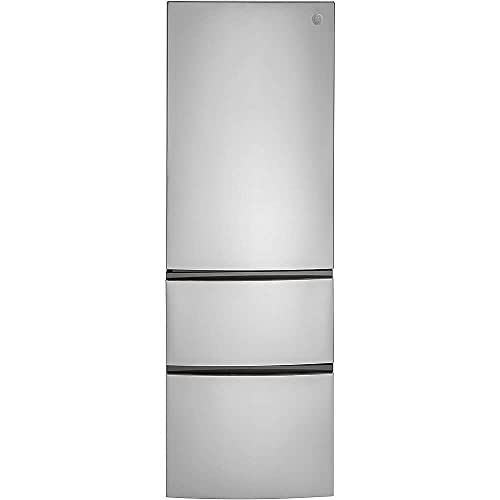
Bottom-mount refrigerators, on the other hand, place the freezer at the bottom. This design allows more convenient access to fresh food items, which are used more frequently, reducing the need to bend frequently.
Considerations for Choosing Between the Two
When deciding between top-mount and bottom-mount refrigerators, consider the following aspects:
Accessibility: If you frequently use the freezer, a top-mount might be more convenient. Conversely, if you access fresh food more often, a bottom-mount could save you from constant bending.
Energy Efficiency: Top-mount models are generally more energy-efficient, which can be a significant factor if you are looking to reduce your utility bills.
Storage Needs: Bottom-mount refrigerators often provide larger refrigerator spaces, making them suitable for those who need more room for fresh groceries.
Budget: Top-mount refrigerators are usually more affordable, making them a good choice if you are on a budget. Bottom-mount models might cost more but offer enhanced accessibility and storage.
Space Constraints: Measure your apartment space accurately to ensure the refrigerator fits well. Use our apartment refrigerator size guide for tips on measuring your space and matching it to your needs.
Both top-mount and bottom-mount refrigerators have their own advantages and trade-offs. By considering your specific needs and preferences, you can make an informed decision that suits your apartment lifestyle.
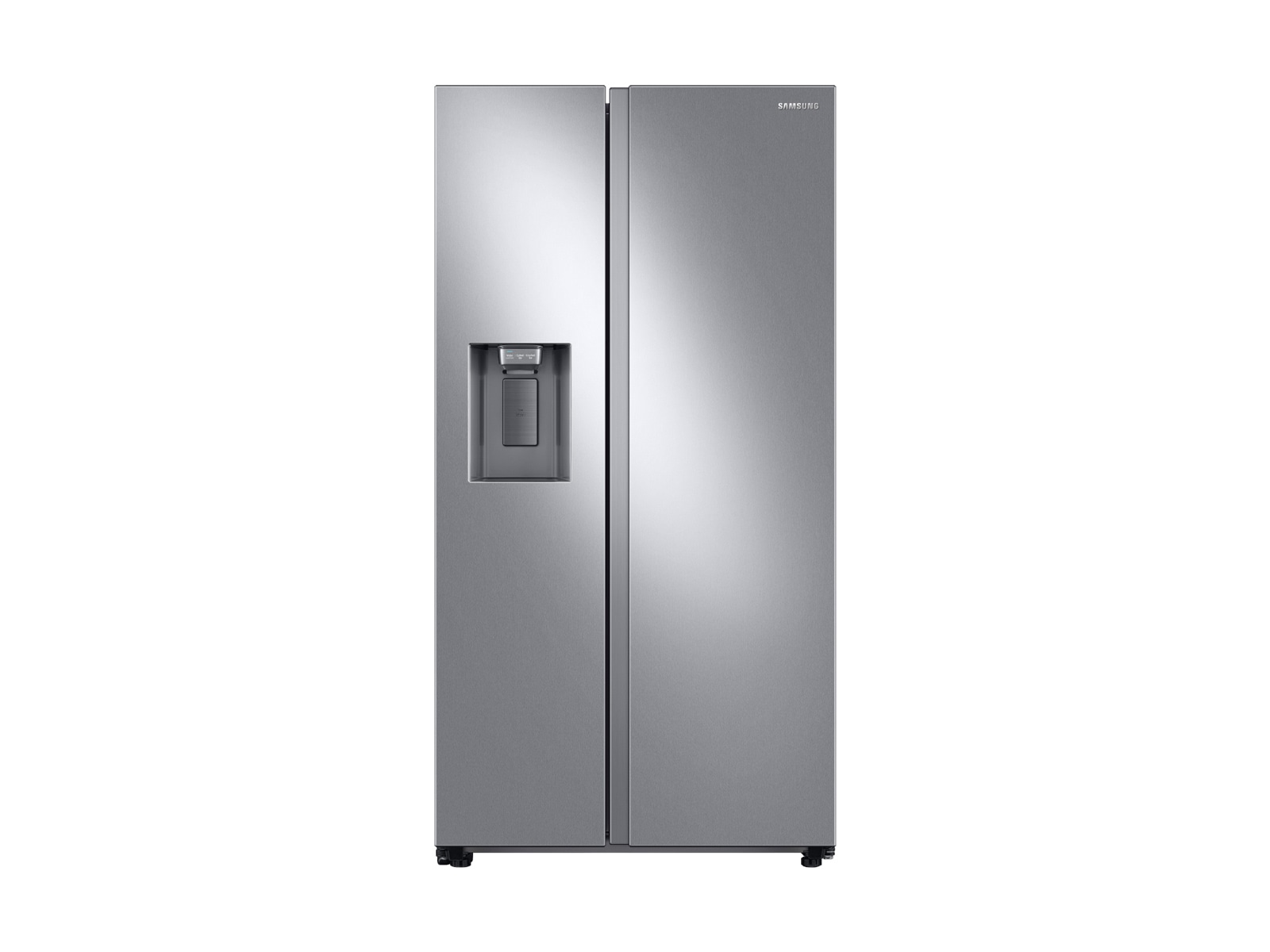
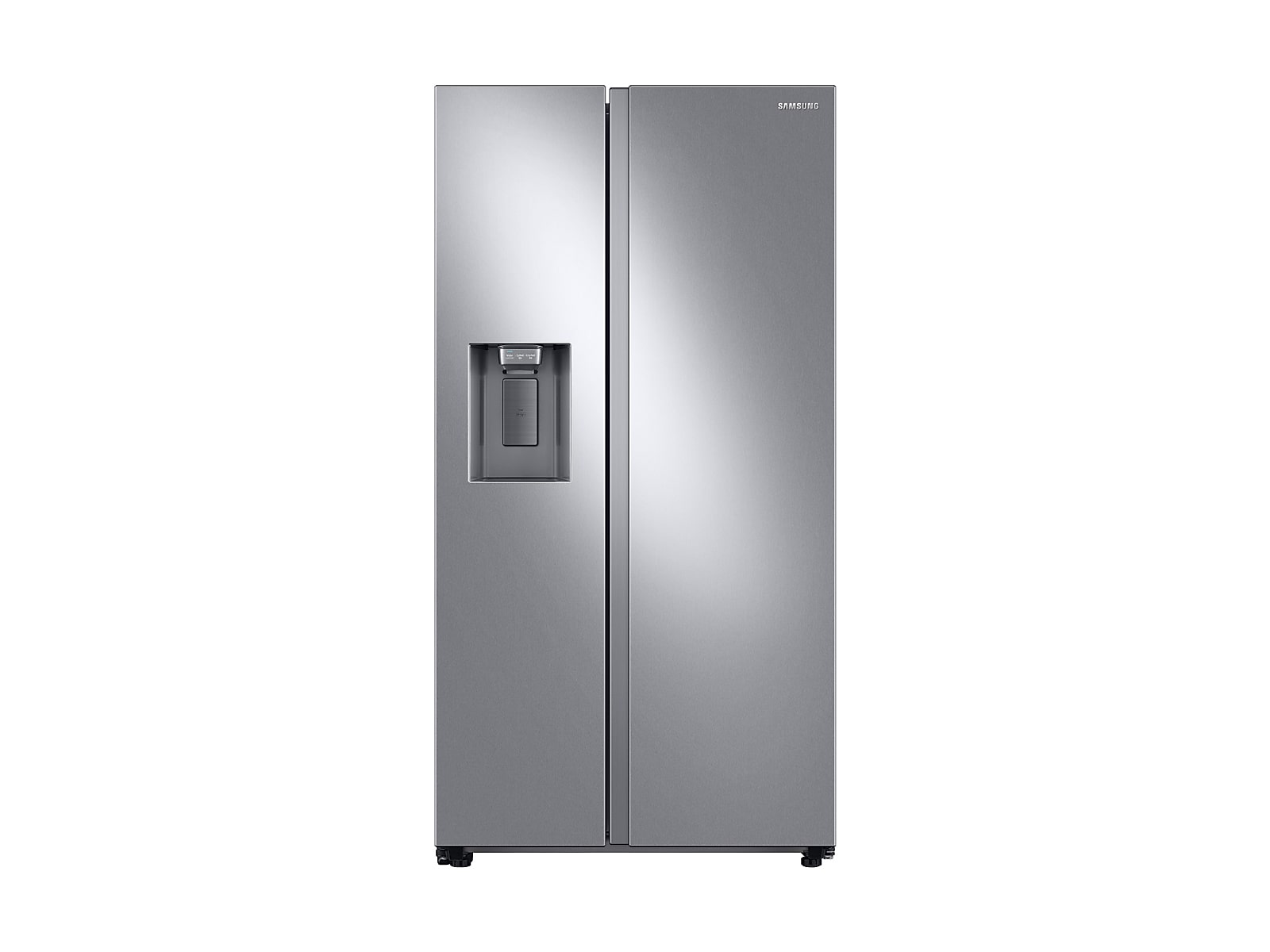
Side-by-side refrigerators are designed with the fridge and freezer compartments situated next to each other, vertically aligned. This configuration allows for easy access to both fresh and frozen foods without bending or stretching. The narrow doors are ideal for apartments and other small spaces, as they require less clearance to open fully.
These refrigerators often feature water and ice dispensers, adding a level of convenience for you and your family. The layout typically includes adjustable shelves and bins, enabling you to customize the interior to fit your storage needs.
Features and Considerations for Side-by-Side Models
When considering a side-by-side refrigerator for your apartment, several features and factors should be taken into account:
Space Efficiency: Side-by-side models are great for narrow spaces. Measure your available space carefully to ensure the refrigerator will fit without obstructing other areas.
Storage Capacity: These refrigerators usually offer ample storage for both fresh and frozen items. Look for models with adjustable shelving to maximize the space.
Energy Efficiency: Check the energy rating to ensure that the refrigerator is efficient and won't significantly increase your utility bills.
Convenience Features: Consider models with built-in water and ice dispensers for added convenience. Adjustable shelves and door bins can also enhance usability.
Maintenance: Side-by-side refrigerators are generally easy to clean, but make sure to check if the model you choose has removable shelves and bins for easier maintenance.
Feature
Details
Dimensions
Typically 32-36 inches wide, 65-70 inches tall, 28-34 inches deep
Capacity
20-30 cubic feet
Convenience
Water and ice dispensers, adjustable shelves
Maintenance
Easy to clean with removable shelves and bins
For more information on choosing the right size refrigerator for your apartment, visit our comprehensive apartment refrigerator size guide.
Side-by-side refrigerators offer a practical solution for those living in apartments, condos, and other small spaces. Their vertical layout and narrow doors make them a great fit for tight areas, while their storage capacity and convenience features ensure you have plenty of room for all your groceries. Explore more about different types of apartment refrigerators to find the best fit for your needs.
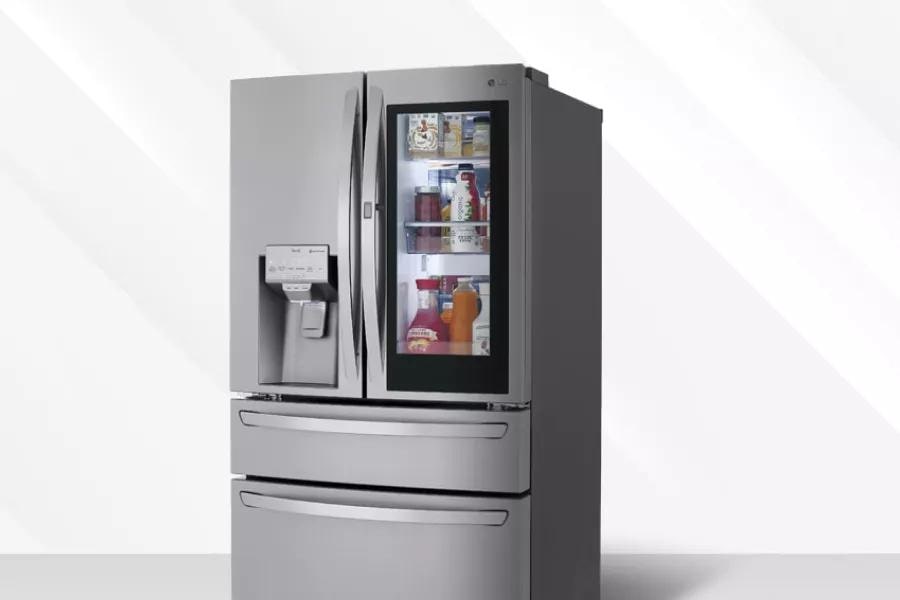
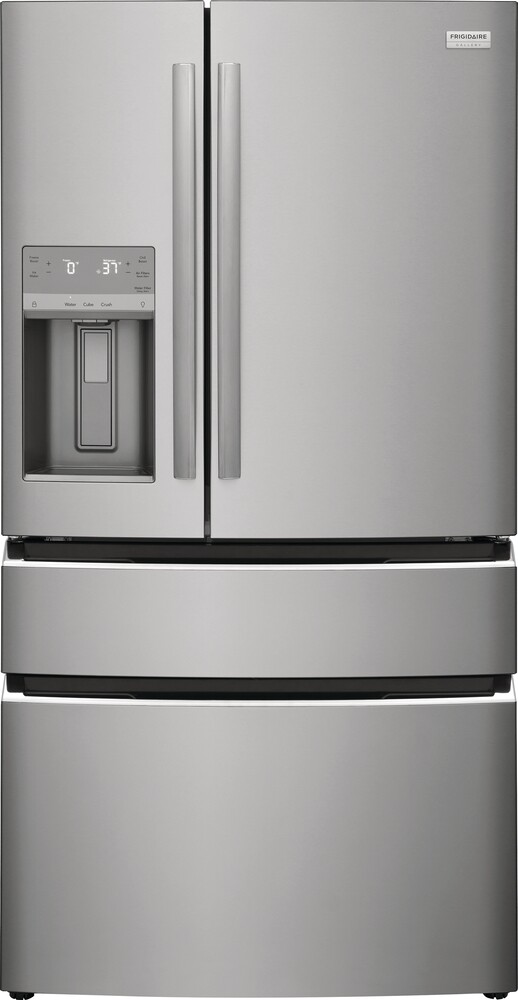
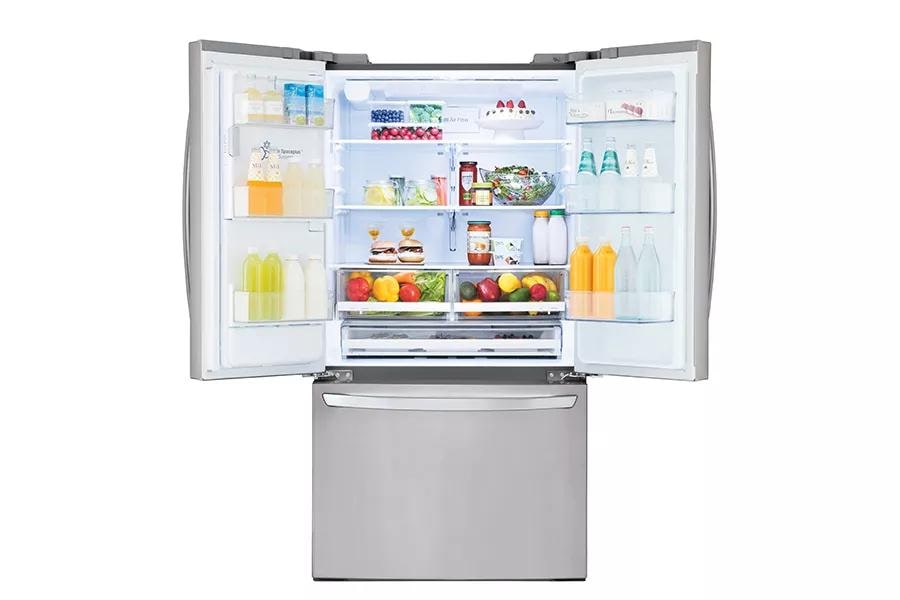
French door refrigerators are a popular choice for those seeking both style and functionality in their apartment kitchen. These refrigerators feature two side-by-side doors that open to reveal a spacious refrigerator compartment at the top, with a freezer drawer located at the bottom. This design allows for easier access to fresh food items and provides ample storage space for larger items.
French door refrigerators come in various sizes, making them suitable for different apartment layouts. They offer versatile storage options, including adjustable shelves, door bins, and crisper drawers, which help you organize your groceries efficiently.
Benefits and Drawbacks of French Door Models
When considering a French door refrigerator for your apartment, it's important to weigh the benefits and potential drawbacks.
Benefits:
Ample Storage Space: The wide refrigerator compartment provides plenty of room for storing large platters, tall bottles, and bulky items.
Convenient Access: With the refrigerator section at eye level, you can easily access frequently used items without bending down.
Versatile Organization: Adjustable shelves and bins allow you to customize the storage layout to suit your needs.
Energy Efficiency: Many French door models are designed to be energy-efficient, helping you save on electricity bills.
Drawbacks:
Space Requirements: French door refrigerators can be wider than other types, requiring more room in your kitchen. Ensure you measure your space accurately before purchasing. For tips on measuring, check out our apartment refrigerator size guide.
Higher Cost: These models tend to be more expensive compared to other types of refrigerators.
Maintenance: The bottom freezer drawer can be harder to access and organize, and cleaning it might require extra effort.
Feature
Benefit
Drawback
Storage Space
Ample room for large items
Requires more kitchen space
Access
Convenient for frequently used items
Bottom freezer can be harder to organize
Organization
Customizable storage layout
Higher cost
By considering the pros and cons, you can determine if a French door refrigerator is the right fit for your apartment. For more information on different types of refrigerators suitable for apartment living, visit Fridge.com articles on compact refrigerators and medium-sized refrigerators.
Apartment Refrigerator Size Guide
Choosing the right size refrigerator for your apartment is essential to ensure it fits your space and meets your needs. Here are some tips to help you find the perfect fit.
Tips for Measuring Your Space
Before purchasing an apartment refrigerator, it's crucial to measure your available space accurately. Here are the steps you should follow:
Measure the Height, Width, and Depth: Use a tape measure to note the height, width, and depth of the space where you plan to place the refrigerator.
Account for Door Swing: Ensure there's enough room for the refrigerator doors to open fully without hitting walls or other appliances.
Consider Ventilation Space: Leave some space around the refrigerator for ventilation. A typical recommendation is at least 1 inch on the sides and top, and 2 inches at the back.
Check Entryways: Measure doorways, hallways, and any other entry points to make sure the refrigerator can be moved into your apartment without issues.
Different households have different needs when it comes to refrigerator space. Here's how to match the size of your refrigerator to your requirements:
Compact Refrigerators: Ideal for small apartments, studios, or as a secondary fridge in a larger home. Compact refrigerators typically range from 1.7 to 4.5 cubic feet. They are perfect for singles or couples with minimal refrigeration needs. Learn more about compact refrigerators.
Medium-Sized Refrigerators: Suitable for small families or those with moderate storage needs. These refrigerators typically offer 10 to 20 cubic feet of storage space. They provide a good balance between size and capacity. Discover the benefits of medium-sized refrigerators.
Counter-Depth Refrigerators: Offer a sleek, built-in look without the need for custom cabinetry. These refrigerators align with your counters, providing a streamlined appearance. They usually range from 15 to 20 cubic feet. Explore the pros and cons of counter-depth refrigerators.
Refrigerator Type
Typical Size (cubic feet)
Ideal For
Compact
1.7 - 4.5
Singles, couples, small spaces
Medium-Sized
10 - 20
Small families, moderate storage needs
Counter-Depth
15 - 20
Sleek design, medium storage needs
By taking accurate measurements and considering your storage needs, you can choose the best apartment size refrigerator for your home. For more information on selecting the right refrigerator, visit our refrigerators for apartments section.
From Fridge.com research
Figures below come from data Fridge.com builds and maintains. Each links to the record behind it.
Fridge.com Energy Index, built on U.S. EPA and DOE ENERGY STAR records
Across 5,455 ENERGY STAR certified refrigerators and freezers from 263 brands, median use is 360 kWh per year.