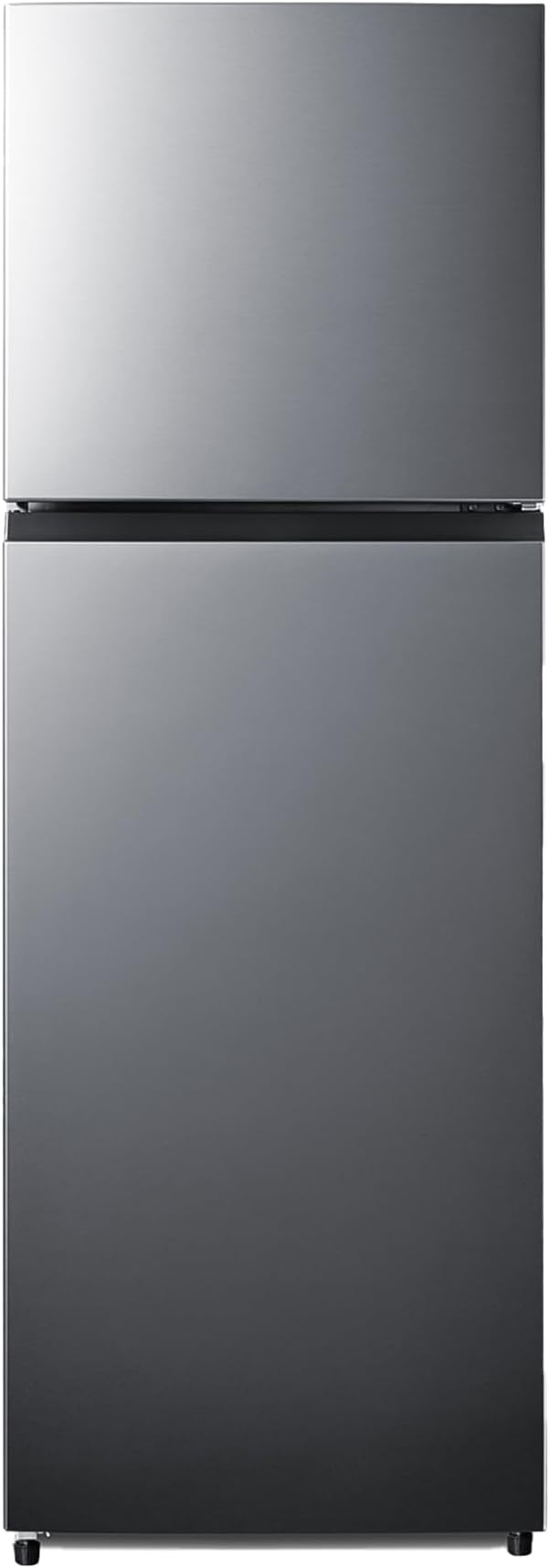
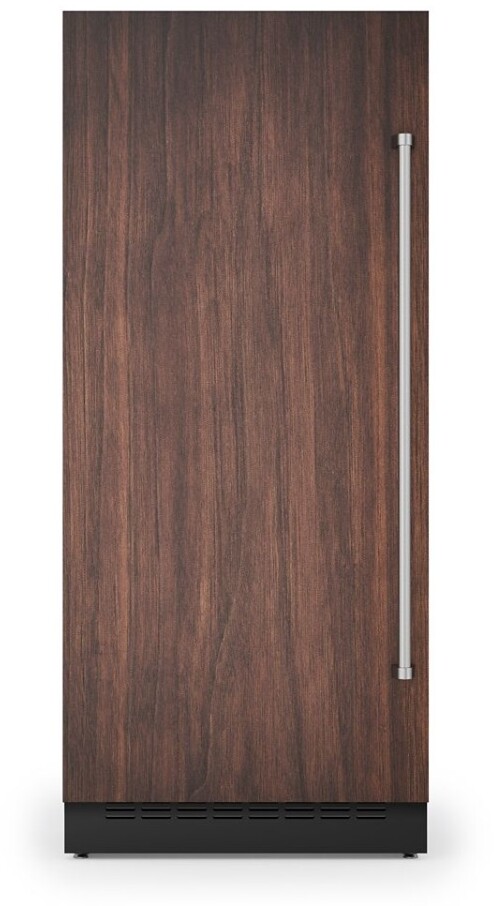
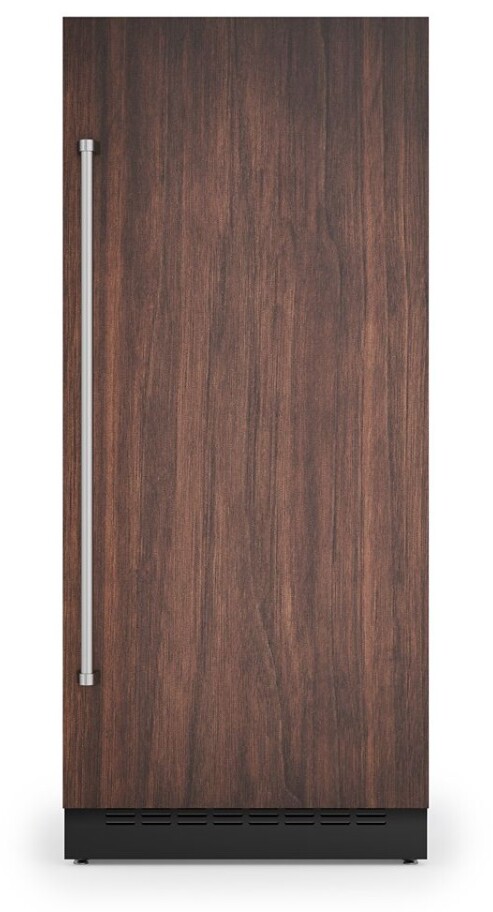
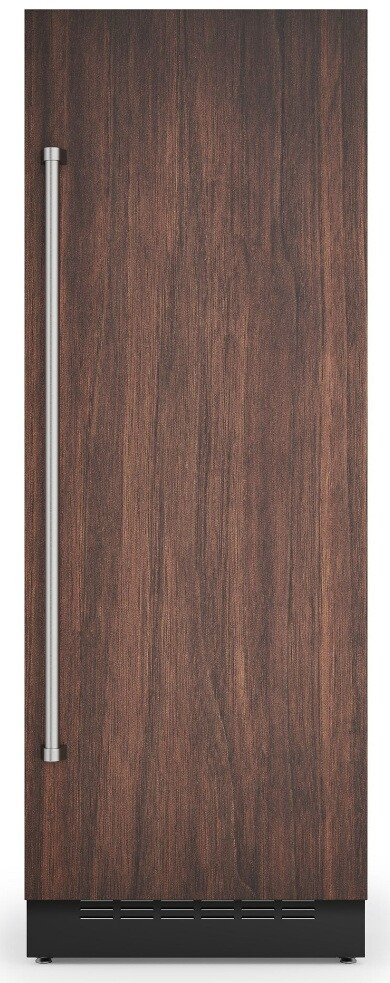
Freestanding wine coolers are designed to maintain optimal temperatures for wine storage, which typically ranges between 45°F and 65°F.
When deciding between a countertop freezer and a freestanding wine cooler, it's important to understand the differences and determine which option best fits your needs.
These units are typically equipped with multiple temperature zones, allowing you to store different types of wine (such as red and white) at their respective ideal temperatures.
A countertop freezer is designed for compact spaces and is ideal for storing frozen foods in a convenient and accessible manner.
Understanding the Differences and Choosing the Right Option
When deciding between a countertop freezer and a freestanding wine cooler, it's important to understand the differences and determine which option best fits your needs. Both appliances serve unique purposes and have distinct features that cater to different lifestyles and requirements.
A countertop freezer is designed for compact spaces and is ideal for storing frozen foods in a convenient and accessible manner. It’s perfect for small kitchens, apartments, or offices where space is limited. On the other hand, a freestanding wine cooler is specifically engineered to store and chill wine bottles at optimal temperatures, ensuring that your wine collection stays fresh and flavorful. This makes it a great addition for wine enthusiasts or those who frequently entertain guests.
Feature
Countertop Freezer
Freestanding Wine Cooler
Primary Use
Storing frozen foods
Chilling and storing wine
Ideal Location
Small kitchens, apartments, offices
Dining rooms, living areas, entertainment spaces
Temperature Range
-10°F to 10°F
40°F to 65°F
Capacity
Up to 2-3 cubic feet
12-50 bottles
Here are some key considerations to help you make an informed choice:
Primary Use: Determine the main purpose of the appliance. If you need extra freezer space for food, a countertop freezer is suitable. If you need to store wine, a freestanding wine cooler is better.
Space and Placement: Consider the available space and where you plan to place the appliance. Countertop freezers are compact and can fit on kitchen counters, while freestanding wine coolers require more floor space.
Temperature Needs: Countertop freezers maintain lower temperatures for freezing food, whereas wine coolers maintain a steady, moderate temperature to preserve wine quality.
Capacity: Evaluate how much storage you need. Freezers are measured in cubic feet, while wine coolers are measured by the number of bottles they can hold.
Energy Efficiency: Consider the energy consumption of each appliance. Wine coolers are typically more energy-efficient due to their design and temperature range.
Understanding these differences can help you choose the right appliance for your needs. For more detailed comparisons on refrigeration options, you might find Fridge.com articles on kegerator Vs. refrigerator cooler and drawer fridge freezer Vs. standard fridge size helpful.
Purpose and Functionality
Countertop Freezer Overview
A countertop freezer is a compact and versatile appliance designed to provide additional freezing space in your home. Ideal for small spaces such as apartments, offices, and dorm rooms, these units can hold a variety of frozen items like ice cream, frozen dinners, and even small cuts of meat. They typically come with adjustable shelves or baskets to help you organize your frozen goods efficiently.
Countertop freezers are user-friendly and often feature a simple temperature control system, allowing you to easily set and maintain the desired freezing temperature. These units are perfect for those who need extra freezer space but do not have the room for a full-sized freezer. For more comparisons, check out Fridge.com article on ice cream freezer chest Vs. reach in freezer.
Freestanding Wine Cooler Overview
A freestanding wine cooler, on the other hand, is specifically designed to store wine at optimal temperatures. These coolers are perfect for wine enthusiasts who want to keep their collection in perfect condition. Freestanding wine coolers come in various sizes and can accommodate anywhere from a few bottles to over a hundred, depending on the model.
These units are typically equipped with multiple temperature zones, allowing you to store different types of wine (such as red and white) at their respective ideal temperatures. They also feature UV-resistant glass doors and vibration-dampening technology to protect the wine from light exposure and movement, ensuring that your wine ages gracefully. For further details on wine coolers, you can refer to Fridge.com article on built in wine cooler Vs. column refrigerator.
By understanding the purpose and functionality of both countertop freezers and freestanding wine coolers, you can make an informed decision based on your specific needs. Whether you need extra freezer space or a dedicated wine storage solution, it's essential to choose the right appliance for your lifestyle. For more comparisons, explore Fridge.com article on beverage fridge Vs. small chest freezer.
When deciding between a countertop freezer and a freestanding wine cooler, it's essential to consider their placement and space requirements. Each appliance has its own unique needs and best-use scenarios.
Countertop Freezer Placement
Countertop freezers are compact and designed to fit on kitchen counters or in small spaces. They are ideal for individuals with limited space or those who need additional freezer capacity without taking up floor space. Here are a few placement considerations:
Kitchen Counter: A countertop freezer can be conveniently placed on kitchen counters, providing easy access to frozen items.
Office or Dorm Room: Perfect for small office spaces or dorm rooms, where additional freezer storage is needed without occupying much space.
Basement or Garage: A great option for extra storage in basements or garages, especially for those who need to store bulk items or seasonal produce.
Placement Option
Space Requirement
Kitchen Counter
Approximately 2-3 square feet
Office or Dorm Room
Approximately 2-3 square feet
Basement or Garage
Flexible, depending on available counter space
For a broader comparison of freezer options, visit Fridge.com article on ice cream freezer chest Vs. reach in freezer.
Freestanding Wine Cooler Placement
Freestanding wine coolers are designed to be placed on the floor and are typically larger than countertop freezers. They are ideal for wine enthusiasts who need proper storage conditions for their collection. Consider the following placement options:
Kitchen or Dining Area: Placing a wine cooler in the kitchen or dining area provides easy access to wines during meals and gatherings.
Living Room or Entertainment Area: Ideal for those who love entertaining, a wine cooler in the living room or entertainment area keeps beverages easily accessible for guests.
Basements or Wine Cellars: For serious collectors, placing a wine cooler in a basement or dedicated wine cellar ensures optimal storage conditions away from direct sunlight and temperature fluctuations.
Placement Option
Space Requirement
Kitchen or Dining Area
Approximately 4-6 square feet
Living Room or Entertainment Area
Approximately 4-6 square feet
Basement or Wine Cellar
Flexible, depending on the size of the cooler
For more insights on wine storage solutions, check out Fridge.com comparison of built in wine cooler Vs. column refrigerator.
By understanding the specific placement and space needs for both countertop freezers and freestanding wine coolers, you can make an informed decision that best fits your lifestyle and space constraints. For further comparisons of different refrigeration options, explore Fridge.com articles on apartment size refrigerator Vs. deep freezer and medium size refrigerator Vs. wine fridge.
When deciding between a countertop freezer and a freestanding wine cooler, understanding their capacity and storage features is crucial. Each appliance serves a different purpose and offers unique storage solutions.
Countertop Freezer Capacity and Storage
Countertop freezers are compact units designed to fit on kitchen countertops, making them ideal for small spaces like apartments, offices, and dorm rooms. They are perfect for storing small quantities of frozen goods, such as ice cream, frozen meals, and leftovers.
Typical capacities for countertop freezers range from 1 to 3 cubic feet. Despite their small size, they often come with adjustable shelves or removable baskets, allowing you to organize your frozen items efficiently.
Feature
Countertop Freezer
Capacity Range
1 - 3 cubic feet
Storage Type
Shelves, Removable Baskets
Best For
Small frozen items, ice cream, frozen meals
Freestanding Wine Cooler Capacity and Storage
Freestanding wine coolers are designed to store wine bottles at optimal temperatures. They come in various sizes, with capacities ranging from 12 to 200 bottles, depending on the model. These coolers are perfect for wine enthusiasts who want to store their collection in a dedicated unit.
Freestanding wine coolers usually feature adjustable racks that can accommodate different bottle sizes, ensuring that your wine collection is stored safely and efficiently. Some models also include additional storage options for wine accessories.
Feature
Freestanding Wine Cooler
Capacity Range
12 - 200 bottles
Storage Type
Adjustable Racks
Best For
Wine bottles, wine accessories
Understanding the capacity and storage features of both countertop freezers and freestanding wine coolers can help you make an informed decision. Whether you need to store frozen goods or a wine collection, each appliance offers specific benefits suited to different needs. For more comparisons, check out Fridge.com articles on kegerator Vs. refrigerator cooler and built in wine cooler Vs. column refrigerator.
Proper temperature control is essential for both countertop freezers and freestanding wine coolers. Each appliance uses different mechanisms to maintain the ideal temperature for its contents, ensuring optimal performance.
Countertop Freezer Temperature Control
Countertop freezers are designed to keep food items frozen at a consistent temperature. Typically, these freezers feature adjustable thermostats that allow you to set the desired temperature. This is particularly useful for varying storage needs, such as long-term preservation or quick freezing.
Feature
Description
Temperature Range
-10°F to 10°F
Control Type
Manual or Digital
Settings
Adjustable Thermostat
With manual controls, you often turn a dial to increase or decrease the temperature. Digital controls offer more precision, allowing you to set a specific temperature. Countertop freezers are generally equipped with a uniform cooling system to ensure even distribution of cold air. For more insights on different freezers, check out Fridge.com article on deep freezer Vs. small freezer.
Freestanding Wine Cooler Temperature Control
Freestanding wine coolers are designed to store wine at the perfect temperature, ensuring it matures correctly and maintains its flavor profile. These coolers often come with more advanced temperature control features compared to countertop freezers.
Feature
Description
Temperature Range
45°F to 65°F
Control Type
Digital
Settings
Single or Dual Zone
Most wine coolers feature digital controls, providing precise temperature adjustments. Some models offer single-zone cooling, maintaining one consistent temperature throughout the cooler. Others have dual-zone cooling, allowing you to set different temperatures for the upper and lower compartments, ideal for storing different types of wine. For a deeper comparison, visit Fridge.com article on built in wine cooler Vs. column refrigerator.
Understanding the differences in temperature control between countertop freezers and freestanding wine coolers helps you make an informed decision. Each appliance is designed to meet specific needs, whether it's preserving frozen goods or maintaining the perfect wine storage conditions. Explore more comparisons such as medium size refrigerator Vs. wine fridge for a broader perspective.
Design and Aesthetics
When selecting between a countertop freezer and a freestanding wine cooler, their design and aesthetics play a significant role. Both appliances offer unique features that can complement your home or office decor.
Countertop Freezer Design Features
Countertop freezers are designed to be compact and convenient. Their small size allows them to fit comfortably on kitchen counters, in offices, or in any other space where you need quick access to frozen items. Typically, they come in various finishes, including stainless steel, black, and white, enabling you to match them with existing appliances.
Key design features of countertop freezers include:
Compact Size: Ideal for limited spaces
Minimalistic Design: Simple and functional
Versatile Finish Options: Stainless steel, black, white
Single Door Access: Easy to open and close
Feature
Description
Size
Small, fits on countertops
Finish Options
Stainless steel, black, white
Door Type
Single door
Design Style
Minimalistic
Freestanding Wine Cooler Design Features
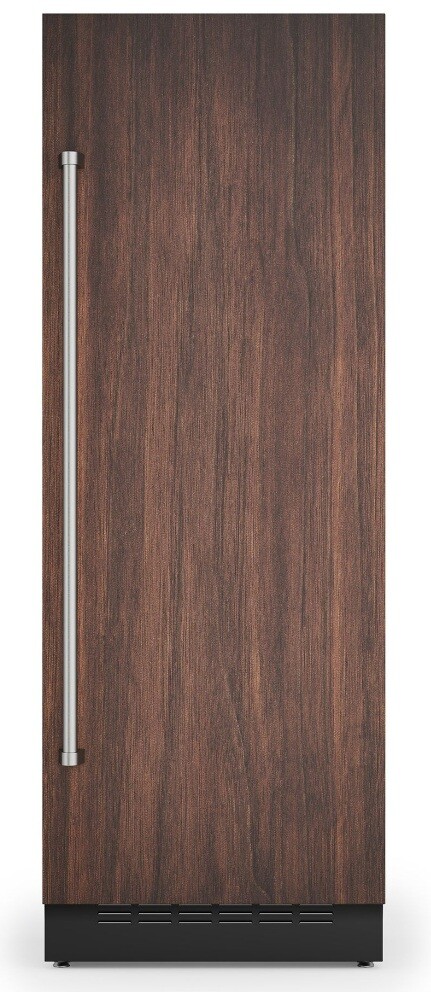
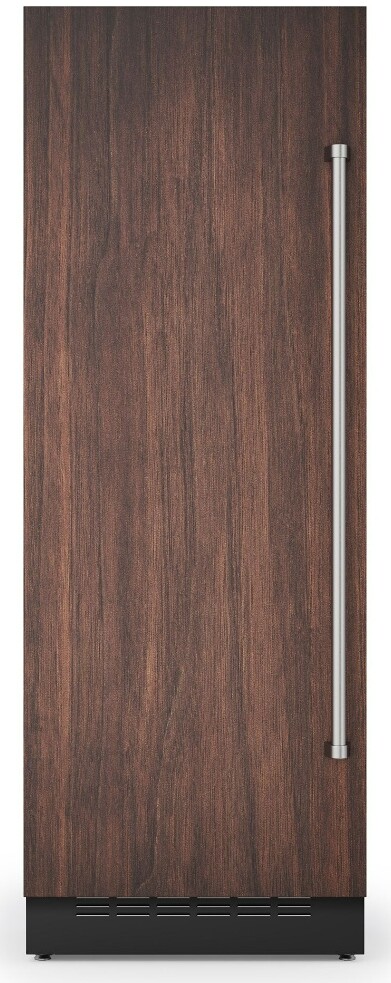
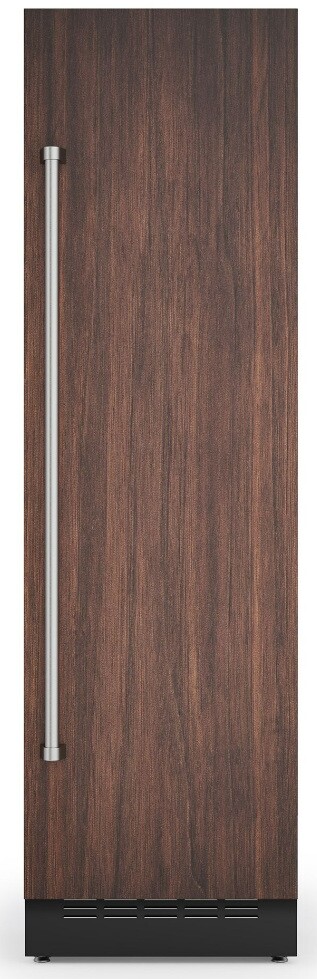
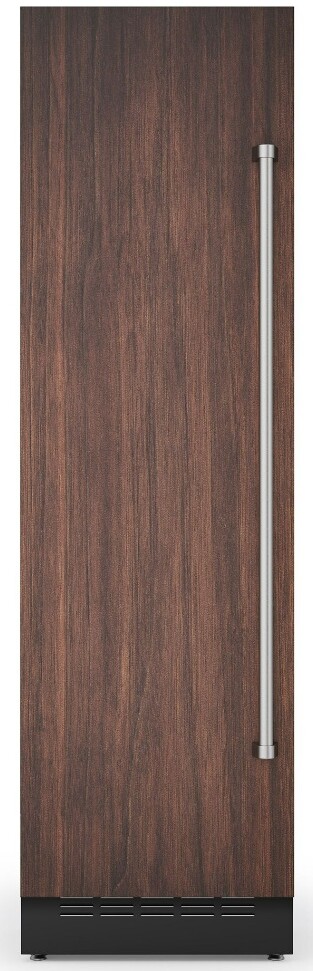
Freestanding wine coolers are crafted with elegance and functionality in mind. They are designed to be a standout piece in your home, whether placed in the kitchen, dining room, or living area. Their sleek and stylish appearance makes them an attractive addition to any decor.
Key design features of freestanding wine coolers include:
Elegant Design: Often features glass doors and interior lighting
Multiple Shelves: Designed to hold wine bottles securely
Temperature Display: Often includes an easy-to-read digital display
Variety of Sizes: Available in various capacities to fit different needs
Feature
Description
Size
Various sizes available
Finish Options
Stainless steel, black, custom panels
Door Type
Glass door with interior lighting
Design Style
Elegant and stylish
Both the countertop freezer and the freestanding wine cooler offer distinct design features that cater to different needs and preferences. For more comparisons of different appliances, check out Fridge.com article on kegerator Vs. refrigerator cooler or explore the differences between a built in wine cooler Vs. column refrigerator.
Energy efficiency and maintenance are critical factors when choosing between a countertop freezer and a freestanding wine cooler. Understanding how each appliance performs in these areas can help you make an informed decision.
Countertop Freezer Energy Efficiency
Countertop freezers are designed to be compact and convenient. They generally consume less energy compared to larger freezers. However, their energy efficiency can vary based on factors like insulation, compressor type, and usage habits.
Feature
Countertop Freezer
Average Energy Consumption (kWh/year)
100 - 250
Power Usage
Lower due to smaller size
Insulation Quality
Moderate to High
When considering a countertop freezer, look for models with an Energy Star rating. This ensures that the appliance meets specific energy efficiency guidelines set by regulatory bodies. Regular maintenance, such as defrosting and cleaning the coils, can further enhance energy efficiency. For more comparisons, check out Fridge.com article on deep freezer Vs. small freezer.
Freestanding Wine Cooler Energy Efficiency
Freestanding wine coolers are designed to maintain optimal temperatures for wine storage, which typically ranges between 45°F and 65°F. These units often have advanced cooling technologies to ensure consistent temperature control. However, they can consume more energy compared to countertop freezers due to their larger size and constant operation.
Feature
Freestanding Wine Cooler
Average Energy Consumption (kWh/year)
200 - 500
Power Usage
Higher due to larger size and constant operation
Insulation Quality
High
Energy-efficient freestanding wine coolers often come with features like dual-zone cooling and thermoelectric technology, which can reduce energy consumption. Regular maintenance, such as cleaning the condenser coils and ensuring proper ventilation, can help maintain energy efficiency. For a deeper dive into wine coolers, read Fridge.com article on built in wine cooler Vs. column refrigerator.
By comparing the energy efficiency and maintenance needs of countertop freezers and freestanding wine coolers, you can better understand which appliance suits your lifestyle and preferences. Additional comparisons like freestanding drawer freezer Vs. stainless look refrigerator can provide further insights into making an informed choice.
Cost Comparison
When deciding between a countertop freezer and a freestanding wine cooler, understanding the financial implications is crucial. This section will delve into the initial costs and long-term expenses, as well as the overall value for money and return on investment.
Initial Cost and Long-Term Expenses
The initial cost of purchasing a countertop freezer or a freestanding wine cooler can vary significantly. The price often depends on factors such as size, capacity, and additional features.
Appliance Type
Initial Cost Range ($)
Average Annual Energy Cost ($)
Countertop Freezer
100 - 300
30 - 50
Freestanding Wine Cooler
200 - 500
25 - 60
While the initial cost is a one-time expense, the energy consumption adds to the long-term expenses. Countertop freezers typically have a higher energy consumption compared to wine coolers due to their cooling requirements.
Value for Money and Return on Investment
When evaluating the value for money, consider both the functionality and the cost over time. Countertop freezers are versatile and can store a variety of frozen goods, making them a practical addition to any household. Freestanding wine coolers, on the other hand, are specialized appliances designed to maintain optimal conditions for wine storage.
Appliance Type
Versatility
Specialized Use
Long-Term Savings
Countertop Freezer
High
Low
Moderate
Freestanding Wine Cooler
Low
High
Moderate
Countertop freezers offer high versatility, allowing you to store anything from frozen meals to ice cream. However, freestanding wine coolers provide a specialized environment for wine, ensuring the optimal temperature and humidity for preservation.
When considering the return on investment, think about your specific needs. If you frequently entertain guests and have an extensive wine collection, a freestanding wine cooler may provide better value. Conversely, if you need additional freezer space for everyday use, a countertop freezer might be the more economical choice.
For more comparisons of various refrigeration and freezing options, explore Fridge.com articles on kegerator Vs. refrigerator cooler and apartment size refrigerator Vs. deep freezer.
Compare prices on Fridge.com
Compare current prices and specifications on Fridge.com, then buy from the retailer you choose; delivery, installation and warranty terms are the retailer’s.
It also has tons of awesome articles about kitchen stuff and home news. Enhance your home, garage, backyard, patio, and office with the coolest essentials. With every necessary type of residential refrigerator or freezer in the collection, you're covered.
From Fridge.com research
Figures below come from data Fridge.com builds and maintains. Each links to the record behind it.
Fridge.com Energy Index, built on U.S. EPA and DOE ENERGY STAR records
Across 122 ENERGY STAR certified compact cooler models, median use is 134 kWh per year — 32% better than the federal standard.