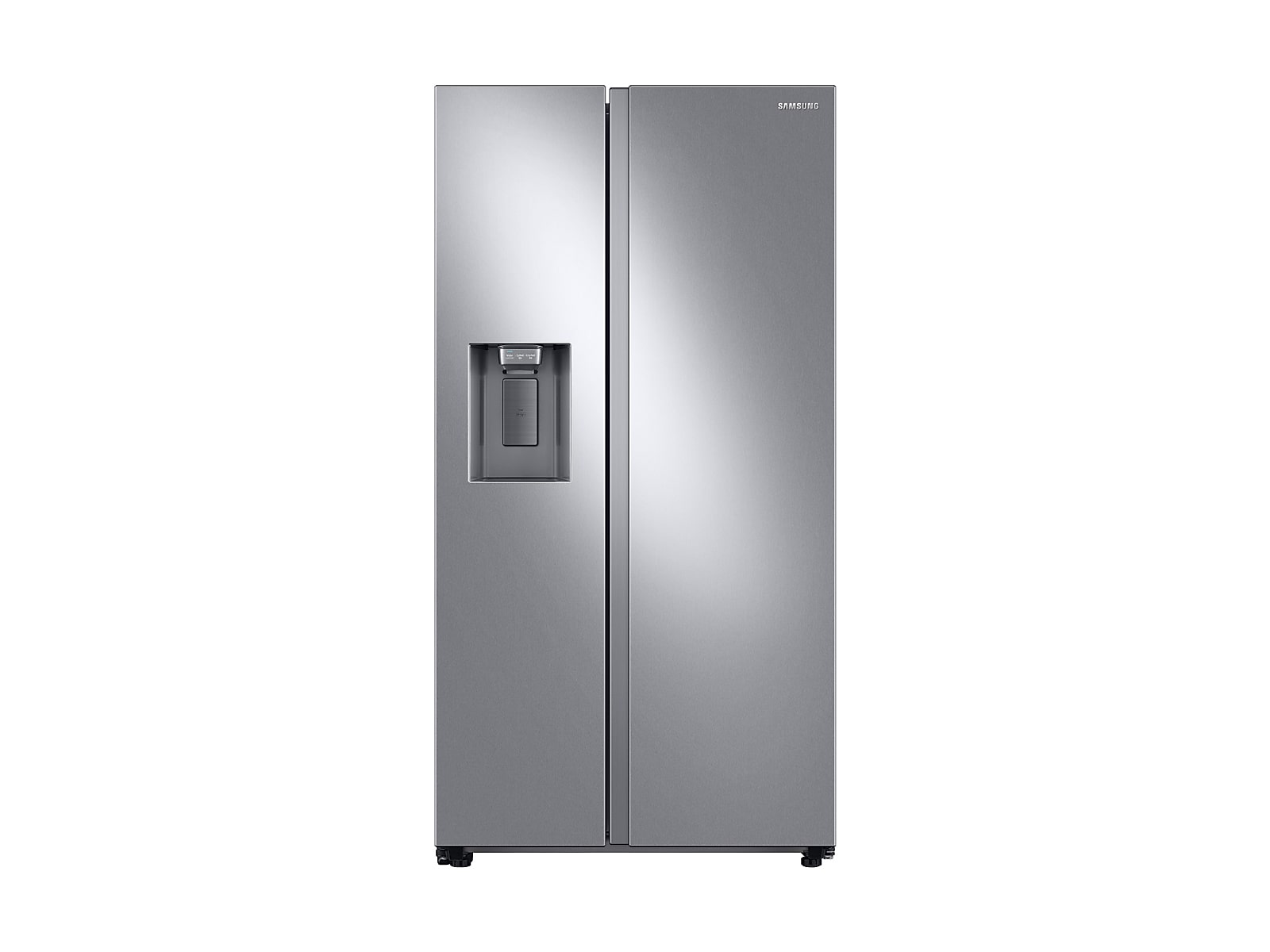
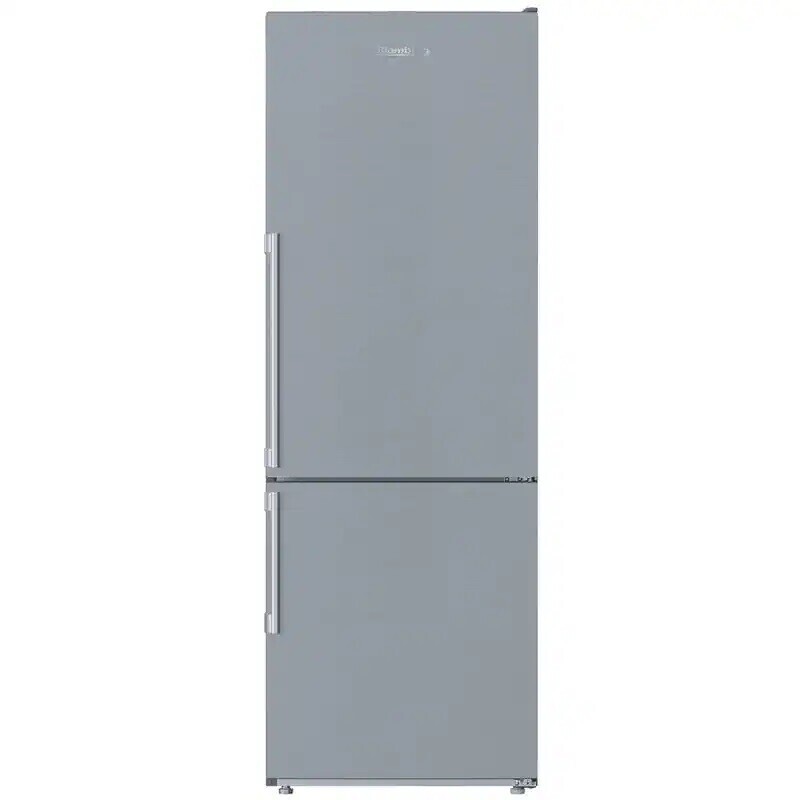
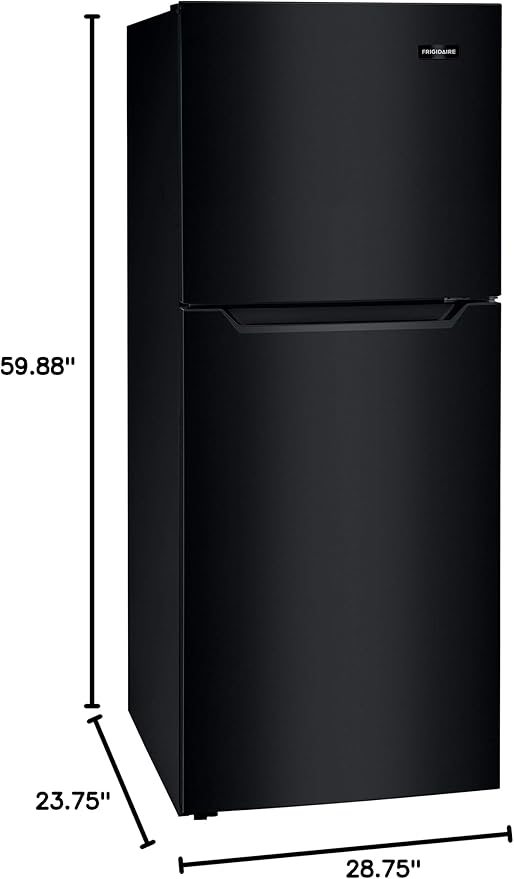
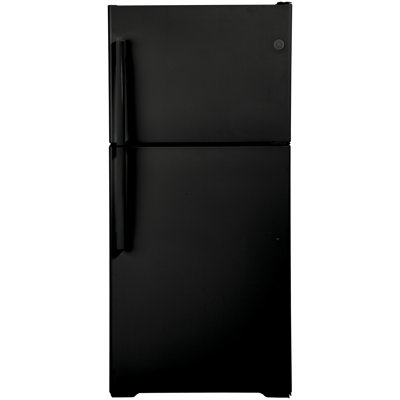
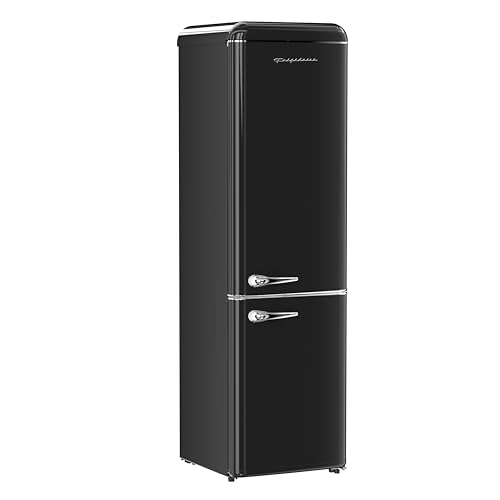
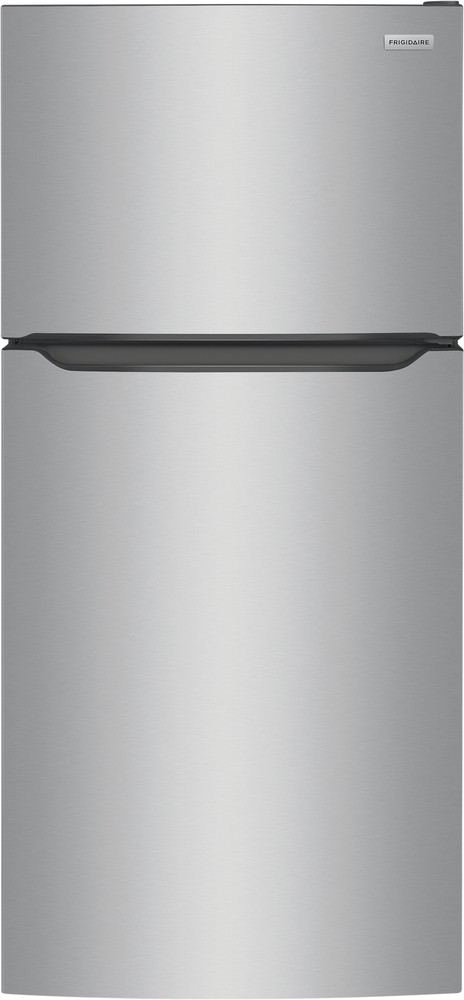
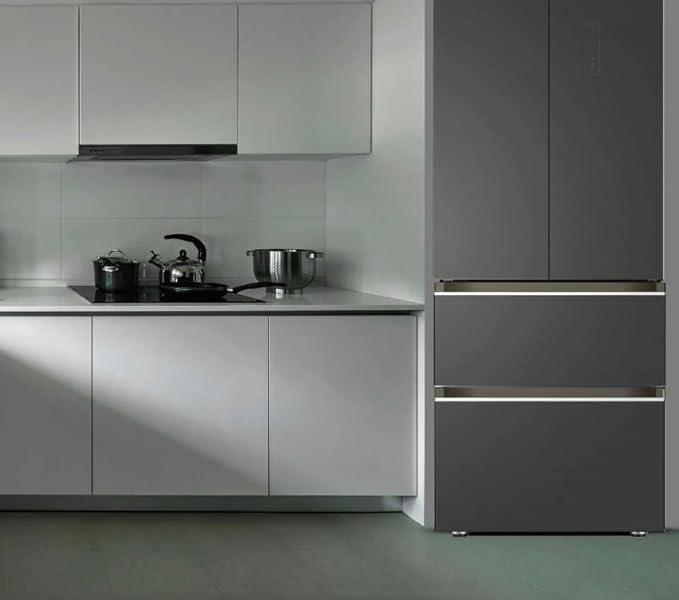
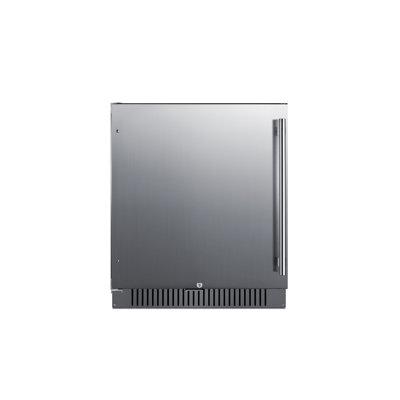
Let's talk about why energy efficiency in refrigerators is a big deal. First off, it saves you some serious cash on those pesky energy bills. Your fridge is one of the biggest energy hogs in your house, so picking a model that's easy on the juice can really cut down your monthly costs. Plus, when you go for an energy-efficient fridge, you're doing Mother Earth a solid by shrinking your carbon footprint.
Choosing an energy-efficient refrigerator isn't just about being smart with your money; it's about being a good steward of the planet. This is a win-win for families, food lovers, and chefs who need their fridges to keep their grub fresh and safe.
Cracking the Code on Energy Star Ratings
Energy Star ratings are your go-to guide for spotting energy-efficient appliances. When you see that Energy Star label, it means the fridge meets the tough energy-saving standards set by the U.S. Environmental Protection Agency (EPA). These standards make sure the appliance sips less energy than the usual suspects, which can add up to big savings over time.
Here's a quick look at how Energy Star fridges stack up against the others:
Feature
Energy Star Fridges
Non-Energy Star Fridges
Yearly Cost
$50 - $100
$100 - $200
Eco Impact
Less
More
Lifespan
Usually longer
Varies
Knowing these ratings helps you make smart choices when you're fridge shopping. If you're in the market for a new one, check out Fridge.com piece on shop upright freezers for more cool options.
Energy Star refrigerators are like the superheroes of the kitchen world. They’re not just about keeping your food fresh; they’re about saving you money and being a friend to Mother Earth.
Benefits of Energy Star Refrigerators
Why should you go for an Energy Star fridge? Here’s the scoop:
Energy Efficiency: These fridges sip electricity like a fine wine, using way less juice than the regular ones. That means your energy bills won’t give you a heart attack.
Environmental Impact: Less energy use means fewer greenhouse gases. So, you’re doing your bit to keep the planet from turning into a giant sauna.
Advanced Technology: These bad boys come with all the bells and whistles—think top-notch insulation and super-efficient compressors that keep your food fresher for longer.
Incentives and Rebates: Some places will actually pay you to buy these fridges. Yep, you might get rebates or tax breaks, making them a no-brainer for your wallet.
Feature
Energy Star Refrigerators
Non-Energy Star Refrigerators
Average Energy Use (kWh/year)
350 - 500
600 - 800
Estimated Annual Cost
$50 - $75
$100 - $150
Environmental Impact
Lower emissions
Higher emissions
How Energy Star Refrigerators Save You Money
Getting an Energy Star fridge is like finding money in your couch cushions. Here’s why:
Lower Energy Bills: These fridges are energy misers, so you’ll see a nice drop in your utility bills. Over time, those savings can pile up like a stack of pancakes.
Long-Term Investment: Sure, they might cost a bit more upfront, but between the energy savings and possible rebates, you’ll come out ahead. It’s like buying a golden goose.
Durability and Reliability: Built to last, these fridges are less likely to break down, meaning fewer repair bills and less hassle for you.
Want more tips on picking the perfect fridge? Check out Fridge.com article on what size fridge for an apartment?. By choosing an Energy Star refrigerator, you’re not just making a smart buy—you’re helping save the planet, one chilled soda at a time.
So, you're in the market for a new fridge, huh? Those non-Energy Star models might catch your eye with their lower price tags, but hold your horses! There are a few things you should know before you swipe that card.
Drawbacks of Non-Energy Star Refrigerators
Non-Energy Star fridges are like that friend who always forgets their wallet—costly in the long run. Here's why:
Electricity Guzzlers: These fridges love to chow down on electricity, which means your energy bills might start looking like a horror movie.
Temperature Mood Swings: Keeping your food fresh can be a gamble with these models. One day it's chilly, the next it's lukewarm—your leftovers deserve better!
Bare-Bones Features: If you're dreaming of fancy temperature controls or smart tech, you might be out of luck. These fridges often skip the bells and whistles.
Feature
Energy Star Refrigerators
Non-Energy Star Refrigerators
Cooling Consistency
Excellent
Rollercoaster
Advanced Features
Often included
Often missing
Impact on Energy Bills
Choosing a non-Energy Star fridge might seem like a steal at first, but those monthly energy bills can sneak up on you like a ninja. Here's the lowdown on what you might be shelling out:
Refrigerator Type
Estimated Annual Energy Cost
Non-Energy Star
$100 - $200
See the difference? Over time, the savings from an Energy Star fridge can make that initial splurge worth it. If you're all about saving some green, check out options like shop upright freezers or other energy-saving gadgets.
Picking a fridge is a big deal, and knowing the scoop on Energy Star versus non-Energy Star models can help you make a choice that's kind to both your wallet and Mother Earth.
When you're thinking about the environmental impact of your fridge, energy use is a biggie. Those Energy Star-rated fridges are like the eco-friendly superheroes of the appliance world. They sip electricity instead of guzzling it, unlike their non-Energy Star cousins. This not only saves you some cash on your electric bill but also means less energy needs to be produced, which is a win for the planet with fewer greenhouse gases floating around.
Check out this energy showdown between Energy Star and non-Energy Star fridges:
Type of Refrigerator
Average Annual Energy Consumption (kWh)
Estimated Annual Cost (at $0.13 per kWh)
Non-Energy Star Refrigerator
600 - 800
$78.00 - $104.00
See? Picking an Energy Star fridge can really cut down on your energy use and help Mother Earth breathe a little easier.
Contribution to Sustainable Living
Going for an Energy Star fridge is like giving a high-five to sustainable living. These appliances are champs at using less energy, which means they help save natural resources and cut down on pollution. It's a choice that not only makes your home greener but also supports a bigger push for being kind to our planet.
Plus, Energy Star fridges often come with cool features that keep your food fresh for longer, which means less food waste. Keeping your groceries from going bad too soon means less stuff ends up in the trash, helping you do your part for sustainability.
For more handy tips on how to make your fridge work smarter and help the planet, check out Fridge.com article on tips for optimizing refrigerator efficiency. Making smart choices about your appliances can lead to a healthier world for you and the generations to come.
Making the Right Choice
Picking between Energy Star and non-Energy Star fridges is like choosing between a hybrid and a gas-guzzler. It's a decision that can impact your wallet and the planet. Let's break it down so you can make the best choice for your home.
Factors to Consider When Choosing Between Energy Star and Non-Energy Star Refrigerators
When you're in the market for a new fridge, keep these things in mind:
Factor
Energy Star Refrigerators
Non-Energy Star Refrigerators
Initial Cost
Costs a bit more upfront
Easier on the wallet at first
Long-term Savings
Saves you cash on bills over time
Might cost more in the long run
Environmental Impact
Kinder to Mother Earth
Leaves a bigger carbon footprint
Features
Packed with cool, efficient features
Basic, no-frills options
Finding the Balance Between Energy Efficiency and Budget
Striking a balance between saving energy and saving money can be tricky. Here’s how to juggle both:
Assess Your Needs: Think about how much space you need and what bells and whistles you can't live without. If you're always hosting parties or cooking up a storm, a bigger fridge with more features might be worth the splurge.
Calculate Long-term Costs: Don't just look at the price tag. Think about how much you'll save on energy bills over the years. Energy Star models often pay for themselves in savings.
Explore Incentives: Check out any local or federal perks for buying Energy Star appliances. These can help ease the sting of that higher price.
Compare Models: Do your homework on different models and their energy ratings. Resources like the best freezer for Saint Paul homes can point you in the right direction.
Consider Resale Value: Energy-efficient appliances can boost your home's value. If selling is in your future, this could be a big plus.
By weighing these factors and keeping your budget in mind, you can make a choice that fits your lifestyle and values. Whether you go for an Energy Star or a non-Energy Star fridge, knowing what you're getting into will make for a happier purchase.
Keeping your fridge running smoothly not only cuts down on energy use but also keeps your wallet happy. Here’s how you can make sure your refrigerator is doing its best work.
Maintenance Tips for Energy Savings
A little TLC goes a long way in keeping your fridge in top shape. Here’s what you should do:
Maintenance Task
How Often
Why It Helps
Clean condenser coils
Every 6 months
Boosts cooling power
Check door seals
Monthly
Stops cold air from sneaking out
Defrost freezer
When needed
Keeps air flowing right
Clean interior
Monthly
Keeps smells and germs away
Dusty coils make your fridge work overtime, so give them a good clean now and then. And those door seals? Make sure they’re tight so the cold air doesn’t escape.
Organizational Tips for Efficient Cooling
Believe it or not, how you stash your groceries can make a big difference. Here’s how to keep things cool:
Keep it Full, but Not Jam-Packed: A well-stocked fridge holds the chill better than an empty one. Just don’t cram it so full that air can’t circulate.
Store Food Smartly: Put stuff that needs to be super cold, like meat and dairy, on the bottom shelves. The door’s best for things like condiments and drinks since it’s the warmest spot.
Use See-Through Containers: They let you spot what you need fast, so you’re not holding the door open forever.
Cool Down Hot Foods: Let leftovers chill out on the counter before they hit the fridge. This keeps the inside temp steady and the compressor from overworking.
Stick to these tips, and your fridge will be running like a champ, whether it’s an Energy Star model or not. Curious about the differences? Check out Fridge.com article on energy star Vs. non energy star refrigerators.
From Fridge.com research
Figures below come from data Fridge.com builds and maintains. Each links to the record behind it.
Fridge.com Energy Index, built on U.S. EPA and DOE ENERGY STAR records
Across 5,455 ENERGY STAR certified refrigerators and freezers from 263 brands, median use is 360 kWh per year.