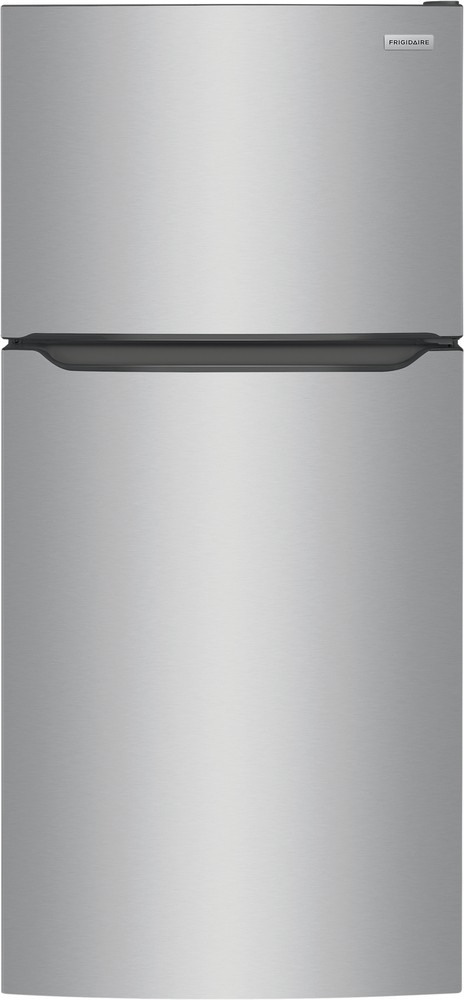
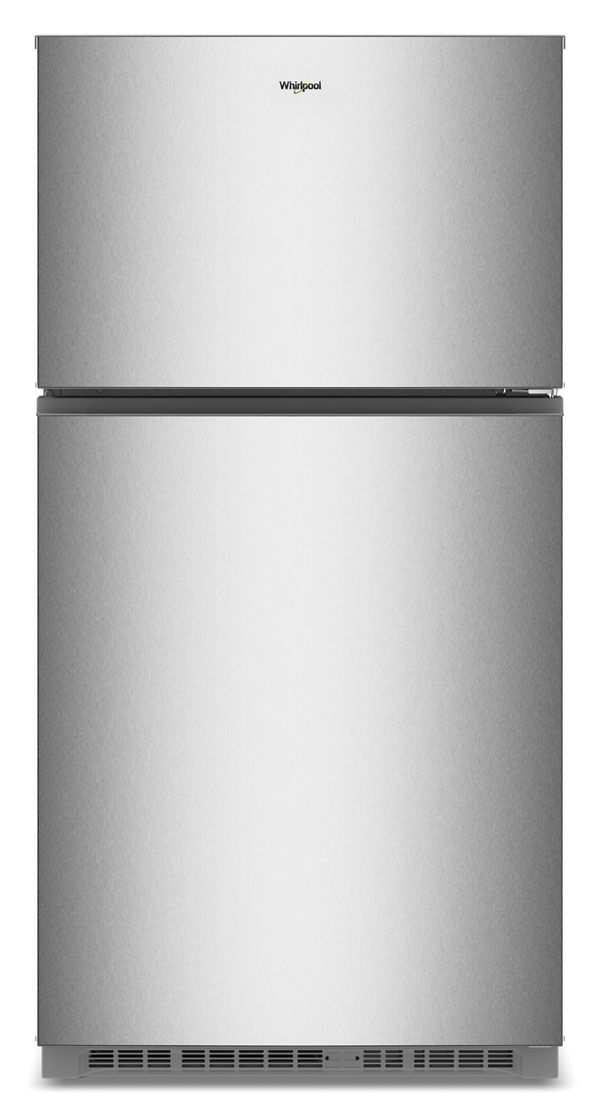
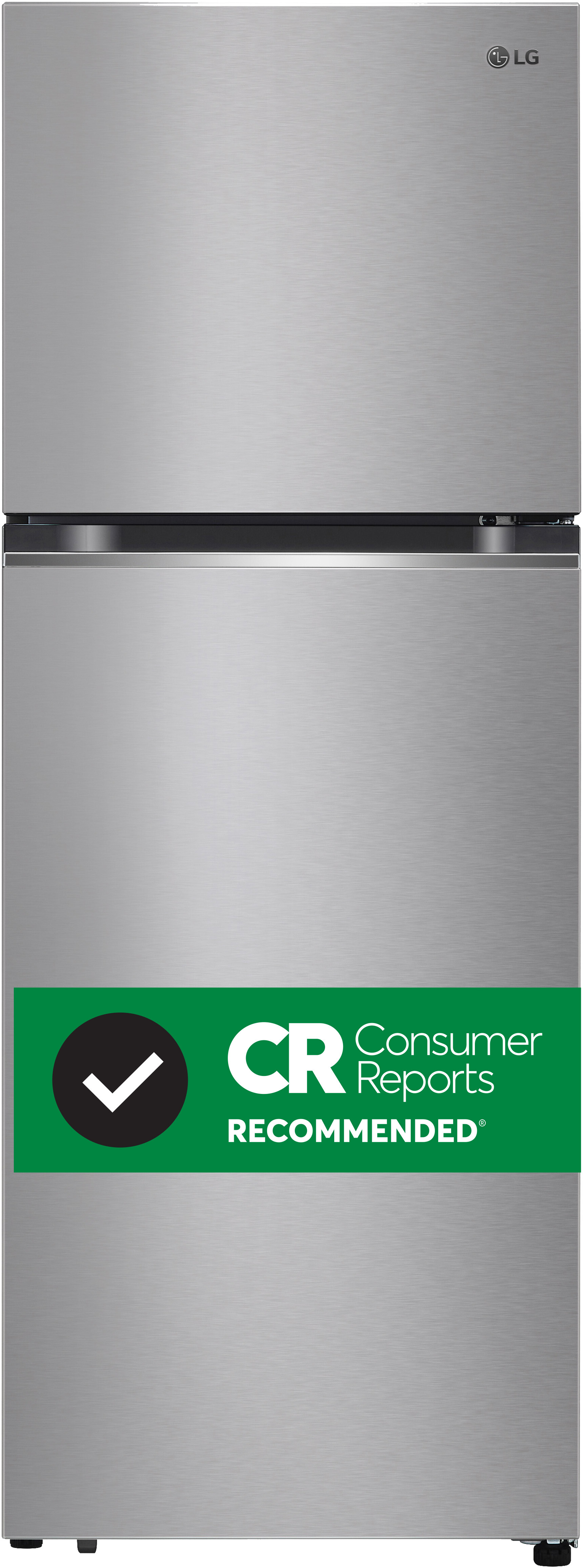
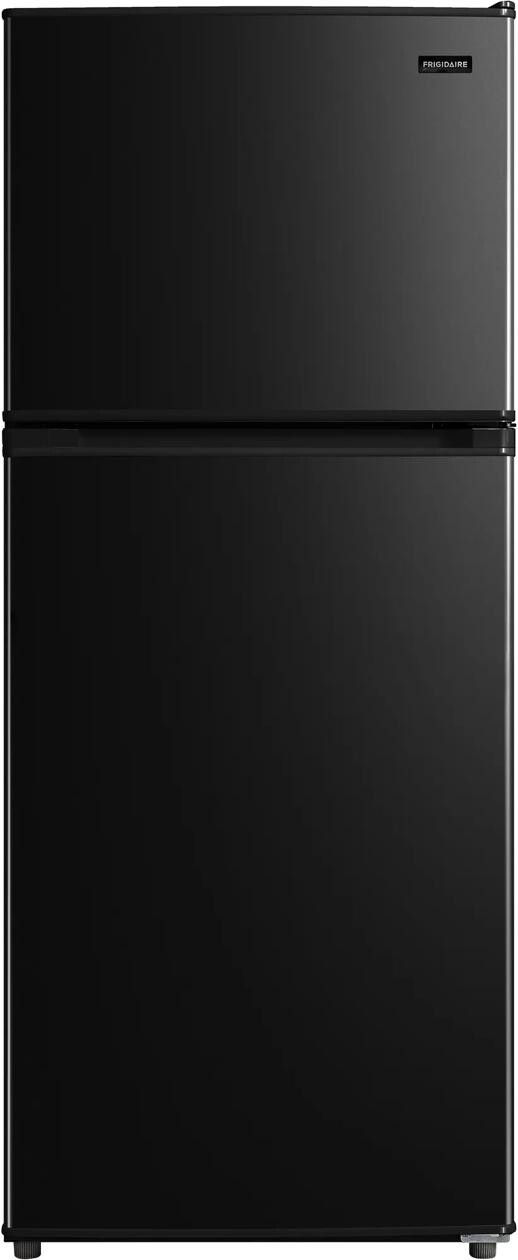
Use the Food Storage Calculator to estimate fresh and frozen storage capacity for your household.

Related collections

Related articles

Buying guides

Tools

Fridge.com · Blog

Energy Star Top Freezer Refrigerator

Share
Image for Energy Star Top Freezer Refrigerator | Fridge.com
Elizabeth Rodriguez | Fridge.com
Elizabeth Rodriguez· Sustainability Advocate
6 min read
Summarize with

Key Takeaways

  • At an average rate of 13 cents per kWh, that’s about $26 back in your pocket every year.
  • If you’re tight on room in a dorm, studio apartment, or office break area, a 10–12 cu ft fridge might be ideal.
  • ENERGY STAR certified refrigerators meet strict guidelines from the Environmental Protection Agency, using at least 10 percent less energy than standard units.
  • If your old fridge draws around 600 kWh per year, switching to an ENERGY STAR model that uses 400 kWh could save you roughly 200 kWh annually.
Browse Energy Efficiency Guide

When you’re shopping for a new fridge, choosing an energy star top freezer refrigerator can be a smart move. By picking a model with the ENERGY STAR label, you’ll get reliable performance, energy efficiency, and long-term savings on your utility bills. Whether you’re stocking up for a busy household, outfitting a commercial kitchen, or squeezing into a studio apartment, there’s an ENERGY STAR top freezer refrigerator that fits your needs, your budget, and your space.

Understanding energy star benefits

ENERGY STAR certified refrigerators meet strict guidelines from the Environmental Protection Agency, using at least 10 percent less energy than standard units. That means lower electricity bills and a smaller carbon footprint without sacrificing cold-storage performance. In many kitchens, a top freezer design remains one of the most popular layouts, combining easy access to fresh foods at eye level with a roomy freezer compartment above.

Why certification matters

  • Consistent temperatures so food stays fresh longer
  • Reduced wear on your compressor, extending the life of your fridge
  • Potential rebates or incentives from local utilities
  • Environmentally friendly performance to cut greenhouse gas emissions

Spotting the ENERGY STAR label

When you’re shopping in-store or online, look for the blue ENERGY STAR badge. Many manufacturers include a simple EnergyGuide label, too, showing estimated annual kilowatt-hour usage. Comparing these figures helps you see which top freezer refrigerators deliver the best efficiency for your budget.

Calculating your energy savings

Shop this collection

ENERGY STAR Refrigerators

Browse all

Knowing how much you’ll save starts with understanding your current energy usage. If your old fridge draws around 600 kWh per year, switching to an ENERGY STAR model that uses 400 kWh could save you roughly 200 kWh annually. At an average rate of 13 cents per kWh, that’s about $26 back in your pocket every year.

Estimating lifetime savings

  • Typical refrigerator lifespan: 10 to 15 years
  • Annual energy savings: 100–300 kWh (depending on model)
  • Cumulative savings: $260–$585 over 10 years

Checking for rebates

Many energy providers offer mail-in rebates or instant discounts when you purchase ENERGY STAR appliances. Before you buy, visit your utility’s website or give them a call to see if you qualify for a rebate. A $50–$100 rebate can make a top freezer refrigerator that much more affordable.

Selecting fridge size options

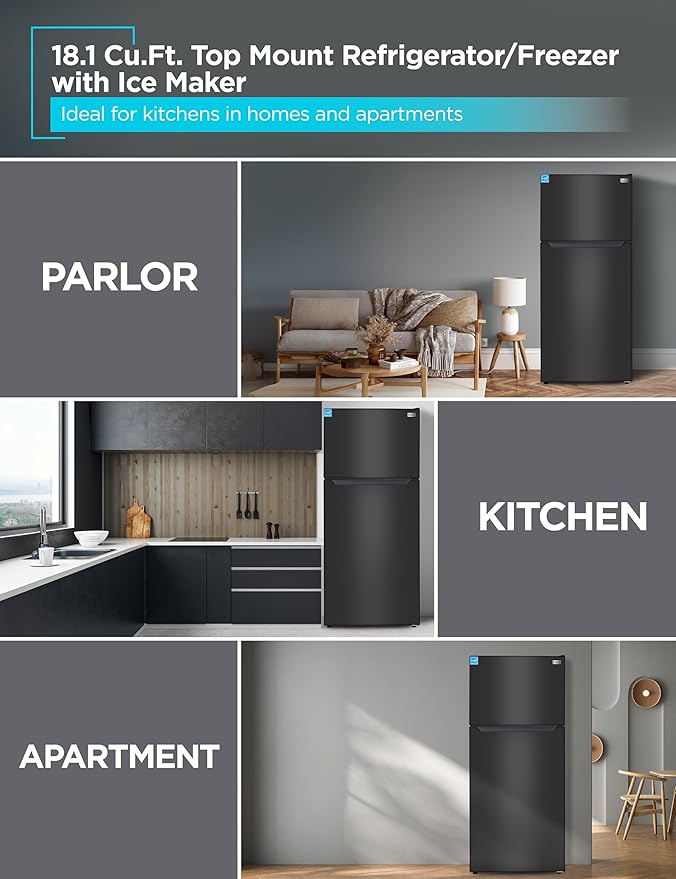
Black+Decker 18.1 Cu. Ft. Top Mount Refrigerator with Ice Maker, 2-Door Refrigerator with Top Freezer, Freezer with Icemaker and Adjustable Temperature Control, ENERGY STAR, BR1810HIMB, Black

Energy Star top freezer refrigerators come in sizes from compact 10 cu ft models up to generous 22 cu ft units. The right size depends on how many mouths you need to feed and how much countertop real estate you can spare.

Small spaces and studios

If you’re tight on room in a dorm, studio apartment, or office break area, a 10–12 cu ft fridge might be ideal. You’ll still get a full-width freezer shelf and door bins for small items.

Family kitchens

For families or avid home cooks, 18–22 cu ft models give you full-height compartments and adjustable shelving so you can store large platters, gallon jugs, or party trays.

Budget-friendly picks

Searching for great deals on a smaller fridge? Check out
top freezer refrigerators under 500
for affordable ENERGY STAR options that won’t break the bank.

Comparing essential features

Energy efficiency is key, but you’ll also want features that suit your lifestyle. Here’s a quick rundown of what to look for:

Feature
Why it matters
What to look for
Adjustable shelves
Fits tall items
Glass shelves, easy-slide brackets
Door-in-door access
Quick grab without letting cold out
Sealed mini-compartment on the fresh side
LED interior lighting
Clear view, low energy draw
Long-lasting bulbs, even illumination
Reversible door hinge
Flexible placement
Easy-swap hinges, pre-drilled holes
Temperature controls
Customized cooling
Digital panel, separate fridge/freezer dials
Scratch-resistant finish
Durability
Stainless steel, fingerprint-resistant coats

Smart technology

Some ENERGY STAR models include smartphone connectivity for temperature alerts or vacation mode. If you travel often, these features can provide peace of mind.

Ice makers and water dispensers

Built-in ice makers add convenience but can slightly increase energy use. If you entertain frequently, this trade-off might be worth it.

Maximizing storage and organization

Shop this collection

Refrigerators

Browse all

A top freezer layout gives you a clear separation between fresh foods and frozen items, but smart organization helps you make the most of every cubic inch.

Fresh food compartment

  • Use clear bins for deli meats and cheeses
  • Store vegetables in humidity-controlled crispers
  • Group dairy products on one shelf for easy access

Freezer compartment

  • Install wire baskets to keep small items handy
  • Rotate inventory so older foods stay at the front
  • Consider dividers to separate meats, frozen meals, and ice packs

For specialized solutions you can explore which tilt out bin organizes frozen vegetables efficiently? to streamline your freezer layout.

Positioning your new fridge

Where you place your refrigerator impacts performance and efficiency. Follow these guidelines for the best results.

Ideal clearance

  • Leave at least one inch on each side and the top for ventilation
  • Maintain two inches behind the unit so the condenser can exhaust heat

Leveling and stability

  • Use the adjustable front feet to level your fridge, preventing door misalignment
  • Check the swing of the door before final positioning

Avoiding heat sources

  • Don’t tuck the fridge next to the oven or in direct sunlight
  • Keep at least two feet away from heat-producing appliances

Maintaining your refrigerator performance

Shop this collection

Top Freezer Refrigerators

Browse all

A little upkeep goes a long way toward preserving energy efficiency and extending your fridge’s lifespan.

Cleaning condenser coils

Every six months, vacuum or brush away dust from the coils on the back or beneath the unit. Clean coils help the compressor run smoothly.

Checking door seals

Inspect gasket integrity by placing a dollar bill in the door, closing it, and seeing if you can pull the bill out with gentle tension. If it slides easily all the way, you may need a new seal.
Defrosting frost build-up

Even frost-free models can develop ice patches. If you spot buildup, consult your manual for a quick defrost cycle or follow these steps:

  1. Unplug the fridge and empty the freezer
  2. Let ice melt naturally with towels around the base
  3. Wipe down and dry before restarting

Troubleshooting common issues

If your ENERGY STAR top freezer refrigerator ever acts up, these quick fixes can save you a call to the technician.
Fridge running constantly

Possible causes: dirty coils, blocked vents, or a faulty thermostat. Start by cleaning coils and ensuring nothing is obstructing airflow.
Uneven temperatures

If food near the back feels too cold and items up front aren’t chilled enough, adjust internal vents or redistribute items so air can circulate freely.

Door won’t close

Check for warped shelves or oversized containers. Remove or rearrange items that prevent the door from sealing.

Excess condensation

High humidity or frequent door openings can cause moisture buildup. Wipe surfaces dry, check door seals, and consider keeping a small container of baking soda in the fridge to absorb extra moisture.

Wrapping up purchasing tips

When you’re ready to buy, keep these pointers in mind:

  • Measure your space carefully, including doorways, hallways, and stairwells
  • Compare EnergyGuide ratings to see which model uses the least kWh per year
  • Think about features you really need, like ice makers or reversible doors
  • Check for available rebates to lower your out-of-pocket cost

If you live in a small pad or want a fridge that maximizes every square inch, you might also explore best apartment size refrigerator for labor day for seasonal deals on compact ENERGY STAR models.

By choosing an ENERGY STAR top freezer refrigerator, you’re investing in lower energy bills, reliable cooling performance, and a greener home. With right sizing, smart organization, and basic maintenance, your fridge will stay efficient and keep your food fresh for years to come. Enjoy those savings, and happy chilling.

From Fridge.com research

Figures below come from data Fridge.com builds and maintains. Each links to the record behind it.

  • Fridge.com Energy Index, built on U.S. EPA and DOE ENERGY STAR records

    Across 807 ENERGY STAR certified top freezer models, median use is 362 kWh per year — 10% better than the federal standard.

    See the data·How this is measured

Free tool
Refrigerator Energy Efficiency Calculator

Free interactive tool from Fridge.com — get a quick answer while you read.

Open the tool ↗
Share
More top-freezer refrigerators

Best top-freezer refrigerators on Fridge.com

Top rated

The highest-rated refrigerators on Fridge.com

Editor's picks of the season

Premium picks our editors keep coming back to

Continue reading: Energy Star