When you pull that perfect shot of espresso, you might ask yourself, espresso: should it be refrigerated? If you ever end up with leftover espresso—whether you brewed an extra double shot for iced coffee or you want to stretch that morning jolt into afternoon fuel—you need to know how to store it so it stays safe, tasty, and ready for your next coffee fix. In this guide you’ll explore why refrigeration matters, how it affects flavor, and the best ways to stash your espresso in both fridge and freezer. Let’s dive in.
Why refrigerate espresso?
Refrigerating your espresso can feel counterintuitive—after all, aren’t you supposed to drink it piping hot? But there are solid reasons to cool and store your extra shots rather than leave them at room temperature.
Preserve taste and aroma
When espresso sits out, oxygen and heat start to break down its delicate oils and volatile aromatics. By popping that shot into the fridge you slow chemical reactions that dull flavor. Your next sip won’t taste like last night’s stale coffee; it’ll still carry bright notes of chocolate, caramel, or fruit depending on your beans.
Enhance safety
Espresso is mostly water, and like any brewed beverage it becomes a breeding ground for bacteria if left out too long. Cooling it quickly halts bacterial growth, so you avoid the risky zone that starts just a couple of hours after brewing. Especially if you plan to repurpose your espresso in milk-based drinks or recipes, refrigeration gives you peace of mind.
Prepare iced coffee and recipes
If you love iced lattes, cold brews, or coffee-infused desserts, having ready-to-pour chilled espresso is a game changer. It frees you from waiting for your fresh shot to cool down and cuts back on dilution. Think espresso-flavored popsicles, boozy espresso martinis, or overnight oats with a hint of caffeine. Refrigeration makes these quick and delicious.
How refrigeration affects quality
You might wonder if tossing your espresso into the fridge will turn it bitter or flat. Here’s what really happens when you cool and stash that liquid gold.
Flavor profile shifts
Cold temperatures mute some bright and acidic notes, while letting deeper, chocolatey or nutty flavors peek through. If you’re okay with a slightly rounder, more mellow cup, refrigeration can work in your favor. Just don’t expect citrus-forward beans to pop quite as vibrantly once chilled.
Impact on crema and texture
Crema—the foamy layer on top of a hot shot—will disappear as soon as espresso cools. It’s mostly air and emulsified oils, so it collapses when chilled. If you’re eyeing a silky espresso martini, you’ll rely on fresh foam from shaking rather than saved crema. Texture in cold drinks can feel smoother overall, but you’ll miss that initial froth.
Aroma retention over time
Aroma compounds are fragile. If you leave espresso uncovered in the fridge, it’ll absorb odors from other foods—cheese, onions, whatever’s lurking on your shelf. That’s why proper sealing matters. Airtight containers lock in those fragrant notes so your espresso smells as inviting as when it was freshly brewed.
Best practices for storing
Knowing why refrigeration helps is only half the battle. Here’s how to store espresso like a pro, whether you’re a home barista, office coffee guru, or busy parent.
Choose the right container
Use small glass jars or stainless steel canisters with tight-sealing lids.
Avoid flimsy plastic if you can, since it can leach flavors and odors.
Mason jars work great for single or double shots.
Cool before sealing
Never lock hot espresso into a container and shove it in the fridge. That raises the internal temperature of your fridge and speeds up moisture buildup on other foods. Let the shot rest at room temperature for 10 to 15 minutes or place it in an ice water bath to chill quickly, then seal and refrigerate.
Label and date
If you’re brewing extra for the week, label each container with the date and time. You’ll know at a glance when a shot is fresh enough to drink and when it’s better off discarded. Aim to use refrigerated espresso within 24 to 48 hours for best flavor and safety.
Keep away from strong odors
Store your espresso on a middle or top shelf where it won’t rub elbows with strong-smelling items. If you have a dedicated beverage drawer, even better. That keeps your shots tasting pure and prevents aroma contamination.
How long can you actually keep espresso on ice? Here are safe timelines and quality cues.
Refrigerator storage timeline
0–6 hours: nearly fresh, full of flavor.
6–24 hours: still tasty for cold drinks or recipes.
24–48 hours: flavor starts to fade, use in cooking or baking.
Beyond 48 hours: discard. Bacterial risk outweighs any residual taste.
Freezer storage timeline
Up to 1 month: flavor can hold up if frozen properly.
1–2 months: still acceptable for baking or blended drinks.
Beyond 2 months: freezer burn and off-flavors creep in, toss it.
Storage method
Recommended duration
Key benefit
Potential drawback
Refrigerator (39°F)
0–48 hours
Maintains freshness
Flavor fades after 24 hours
Freezer (0°F)
1–4 weeks
Locks in safety longer
Texture changes, freezer burn
Freezing espresso overview
Freezing might sound extreme, but if you batch-brew for iced coffee or meal prep, it’s a solid strategy. Here’s when and how to do it right.
When to freeze
When you have more than 48 hours’ worth of espresso.
When you want ready-made shots for smoothies, protein shakes, or desserts.
If you’re heading on a trip and need grab-and-go caffeine.
Tips for freezing
Portion your shots in ice cube trays or small silicone molds.
Cover with plastic wrap or use a silicone top to prevent freezer burn.
Once frozen solid, transfer cubes to a zip-top freezer bag for easy access.
Thawing and reusing
Pop cubes into a glass and let them thaw in the fridge or at room temperature.
Drop frozen cubes directly into drinks—iced lattes, milkshakes, or protein smoothies. They’ll melt without watering down your beverage.
Avoid microwaving espresso cubes, since rapid heating can lead to uneven flavor.
5 tips for enjoying leftover espresso
Make an affogato, by pouring hot espresso over a scoop of vanilla ice cream or gelato.
Stir a shot into overnight oats or chia pudding for a caffeinated twist on breakfast.
Whisk refrigerated espresso with a bit of sugar, then froth milk for a quick mocha latte.
Blend chilled espresso with banana and cocoa powder for a healthy breakfast smoothie.
Use cooled espresso in baking—swap a portion of liquid in brownies or cakes for a mocha flavor boost.
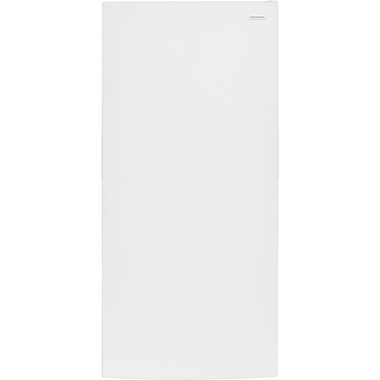
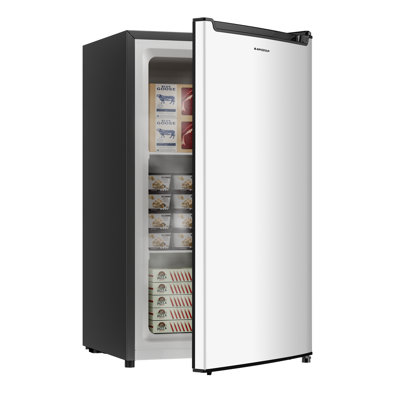
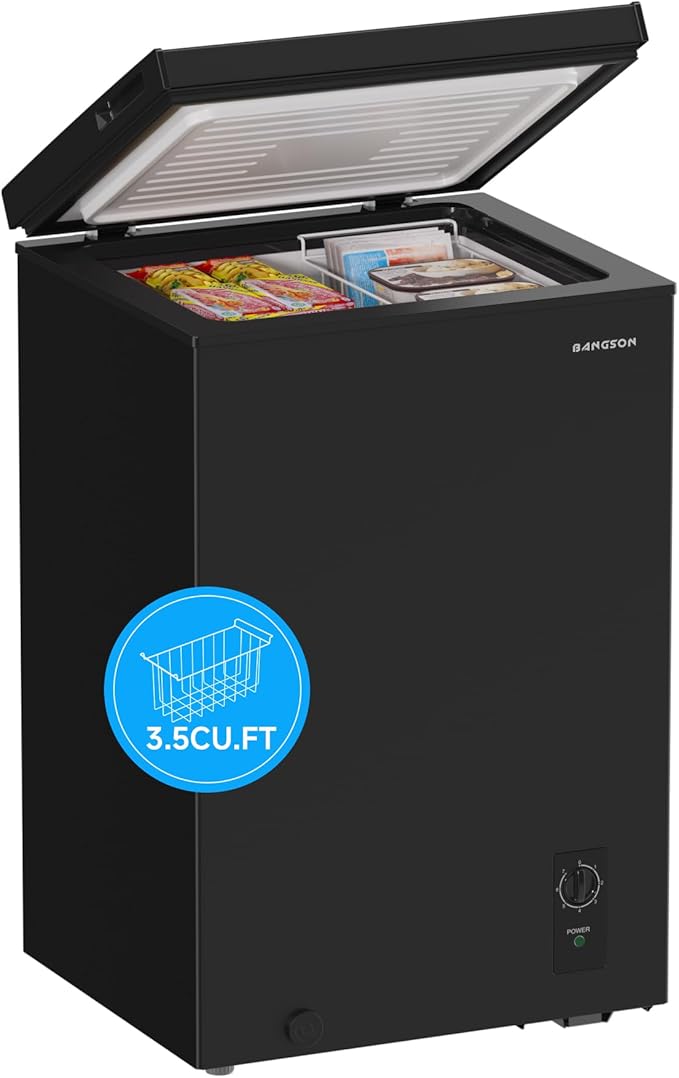
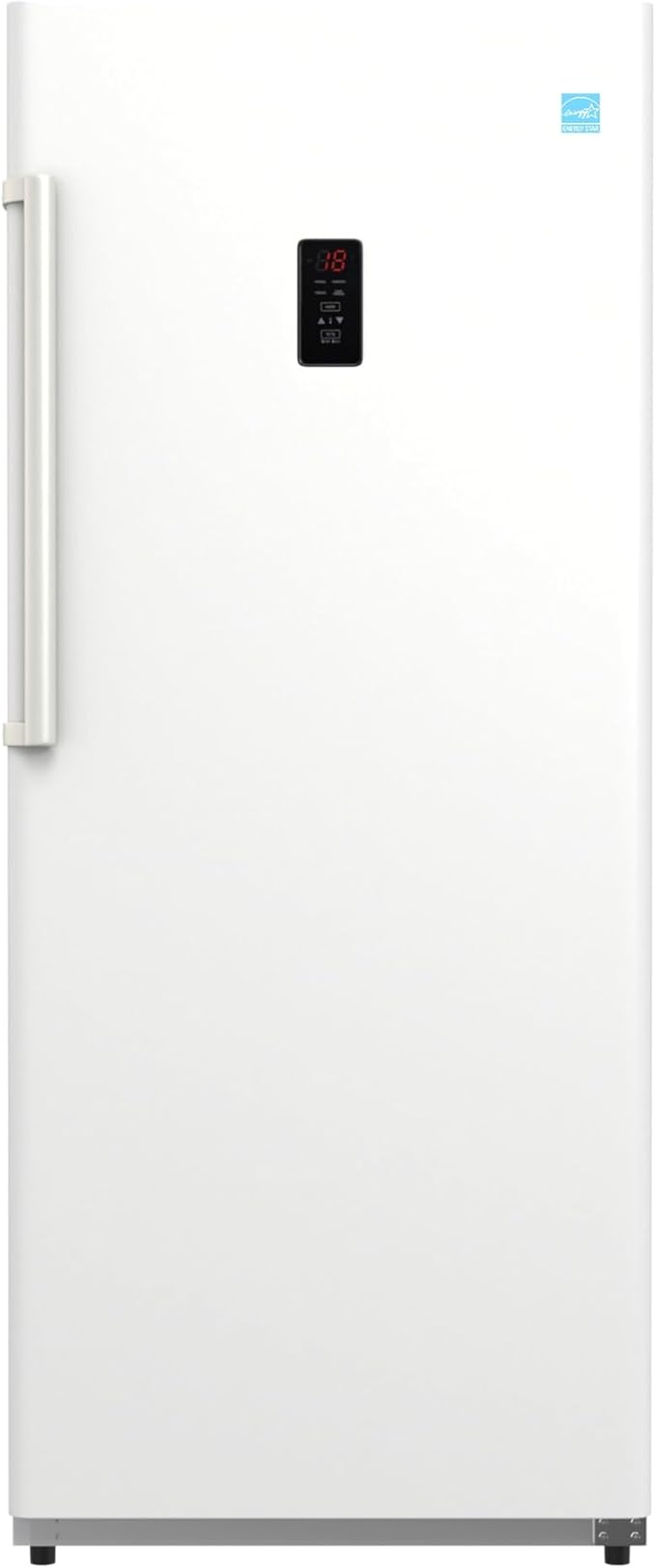
Choosing the right fridge
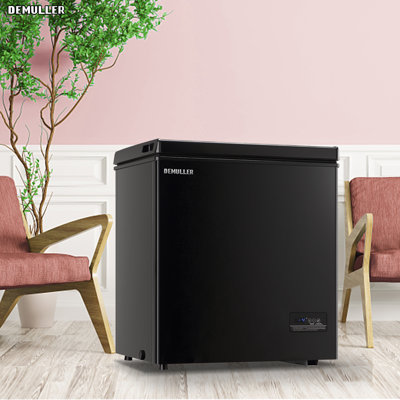
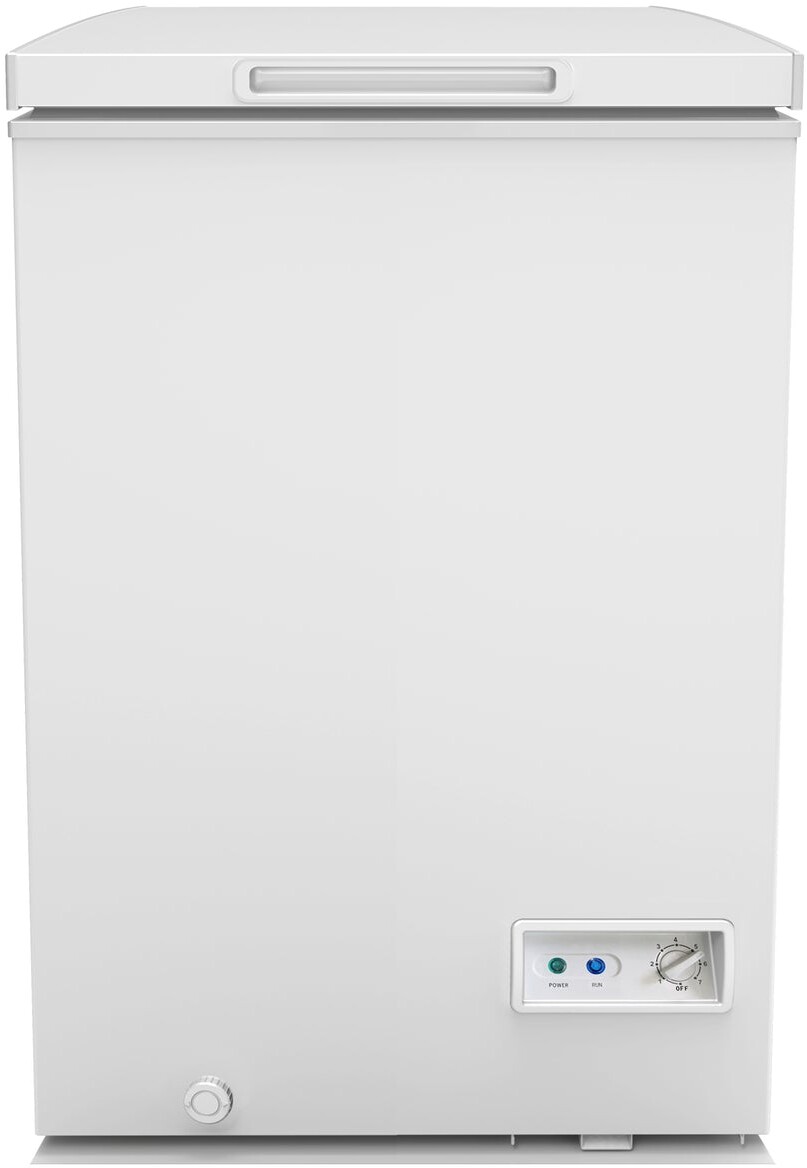
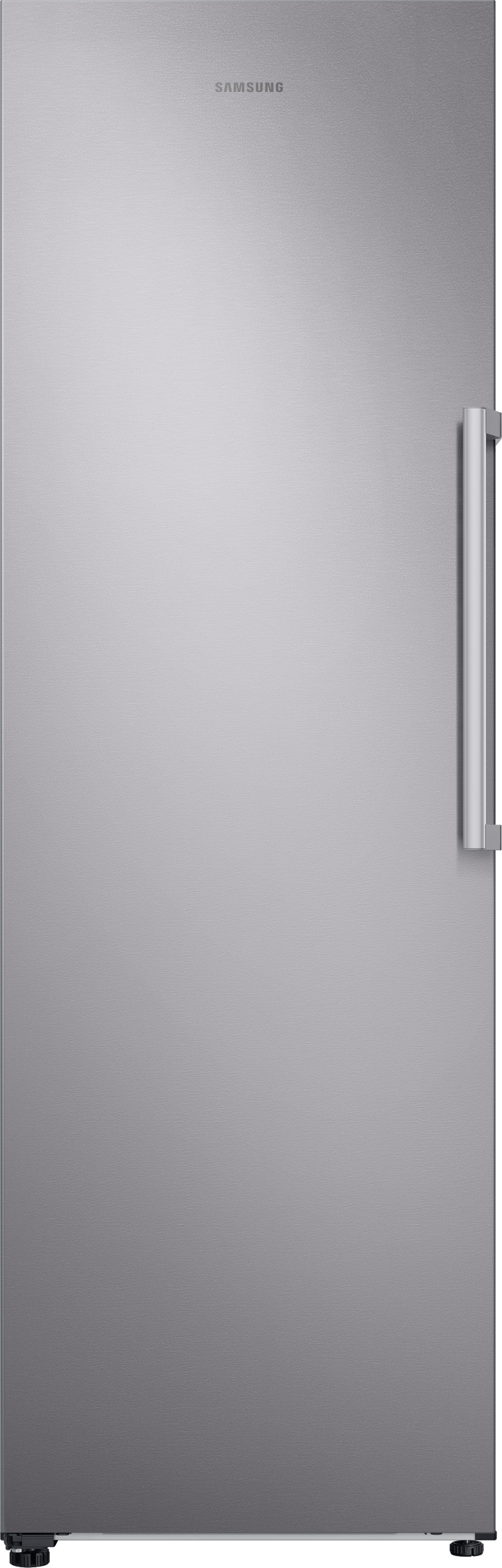
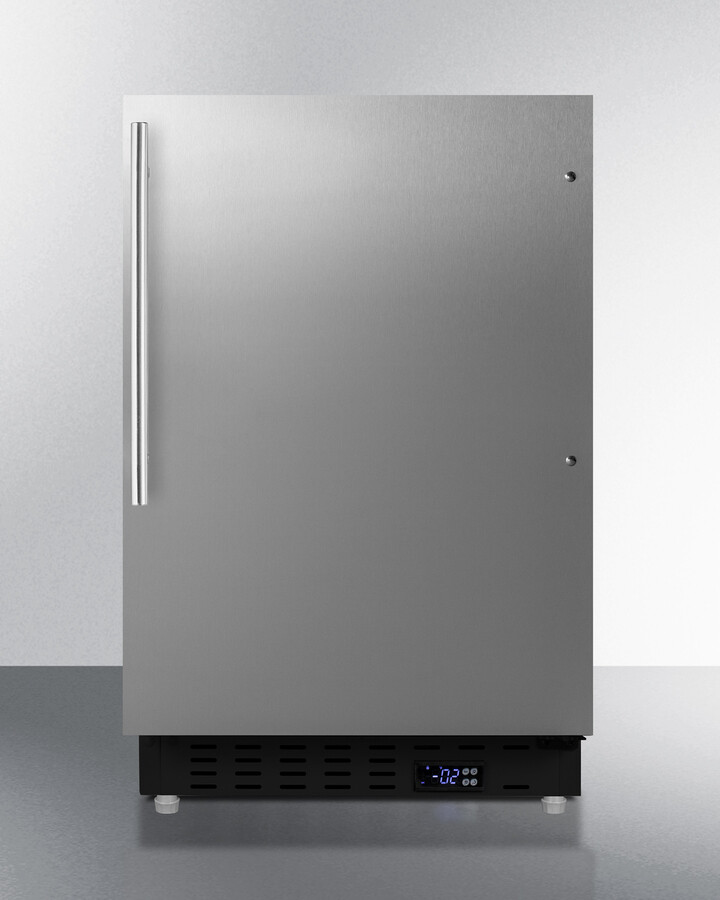
Your espresso storage game depends on your fridge’s performance. When you’re shopping, look for these features:
Precise temperature control so you can set your fridge at a consistent 37–39°F.
Multiple cooling zones, including a deli or beverage drawer for dedicated coffee storage.
Humidity management to reduce moisture buildup that can dilute espresso flavor.
Rapid-cool function to quickly chill your shots without warming the rest of the fridge.
Spill-proof shelves in case you have an accidental espresso leak.
Ready to pick the perfect fridge for storing your espresso shots and all your other kitchen essentials? Check out top-rated models and buy.
Conclusion
Refrigerating your espresso is a simple habit that keeps your shots safe, flavorful, and ready for a variety of drinks and recipes. By cooling quickly, using airtight containers, and following storage timelines you can squeeze every last note of caramel, chocolate, or fruit from your beans. When you need a caffeine boost later in the day, you won’t sacrifice taste or worry about safety. So next time you brew an extra double shot, give it the royal treatment in your fridge or freezer—you’ll thank yourself with every sip.
Frequently Asked Questions
Refrigerating your espresso can feel counterintuitive—after all, aren’t you supposed to drink it piping hot? But there are solid reasons to cool and store your extra shots rather than leave them at room temperature.