Dry aging is one of the most celebrated methods for transforming a good cut of meat into something spectacular. When you use a dedicated dry ager, you can achieve restaurant-quality flavor and tenderness right at home. Whether you are a passionate home cook, a professional chef, or someone who simply appreciates a well-prepared steak, a dry ager can completely change your kitchen experience.
Below, you will discover how dry aging works, which meats are best for this process, how to maintain a dry ager, and how to integrate it into your routine so you and your loved ones can savor incredible dishes. Let’s explore how you can use a dry ager to bring out the best in your favorite cuts of meat.
Discover the purpose of dry aging
Dry aging is a controlled process that modifies the flavor and texture of meat by exposing it to specific temperature, humidity, and airflow conditions. While it may have once been exclusive to high-end steakhouses, you can now recreate this sophisticated technique with a dedicated dry ager in your own kitchen.
What is dry aging
Dry aging is the process of placing meat, typically beef, into an environment that encourages the controlled evaporation of moisture. This condition results in:
Enhanced flavor: As moisture decreases, flavors concentrate, leading to richer, more robust taste profiles.
Improved tenderness: The meat’s natural enzymes help break down connective tissues, creating a softer texture.
Potential for unique cuts: Dry aging can be adapted to a variety of proteins, allowing you to experiment with different flavors.
During dry aging, you keep the meat at consistent cold temperatures with moderate humidity. This environment ensures the internal structure of the meat remains safe while allowing water to evaporate from the surface. The outcome is a deeper, more complex taste.
Who should consider a dry ager
A dry ager is ideal for:
Home cooks wanting the ultimate steak night without charging off to a specialty restaurant.
Families seeking a unique culinary project that yields something special to share for dinner parties or holidays.
Chefs and commercial kitchens aiming to offer something extraordinary on the menu.
Enthusiasts looking to expand their knowledge of advanced cooking methods.
If you already store meat or specialty items in a regular fridge, upgrading to a dry ager can be your next big step toward mastering flavor. An added bonus: you do not have to occupy your regular refrigerator space for days or weeks at a time. Instead, your meat rests comfortably in its own specialized environment.
How a dry ager works
A dry ager is more than just a cold box. It balances temperature, humidity, airflow, and sanitation in ways standard fridges cannot. By precisely controlling these variables, it fosters the enzymatic and biochemical reactions that produce enhanced flavor.
Temperature and humidity
Dry agers typically maintain temperatures around 34–38°F (1–3°C), which is just cold enough to keep the meat safe from harmful bacteria. Humidity usually sits between 70–85 percent. This careful balance:
Restricts bacteria growth.
Allows moisture to evaporate from the meat’s surface.
Preserves the cut’s natural qualities over an extended timeframe.
While a standard refrigerator might sometimes hover in similar temperature ranges, it typically lacks the consistent humidity control needed for dry aging. Dry agers are calibrated to keep these conditions in check. In many models, you can even adjust the humidity for different types of protein.
Airflow and odor management
Moving air helps “sweep” away moisture and prevents stale pockets from developing around the meat. Many dry agers use charcoal filters or built-in odor management systems that limit cross-contamination from strong-smelling foods. This feature is crucial if you plan to store multiple cuts, because each piece of meat releases its own aroma during the aging process.
Consider that a standard fridge might cause flavors to blend inadvertently—especially if you keep produce or leftovers alongside your aging meat. Dry agers, on the other hand, are designed to maintain a clean environment specifically intended for aging. This way, each cut retains its characteristic flavor, while any smells remain contained.
Selecting the right cuts
Picking the proper cut is one of the most important decisions you will make when using a dry ager. Although many people automatically think of beef, you can experiment with other proteins and achieve surprisingly delicious results.
Beef cuts for dry aging
Typically, higher-end cuts are excellent for dry aging because they already boast plenty of marbling and flavor. Favorites include:
Ribeye: Known for its intense marbling and succulent texture, it becomes even more melt-in-your-mouth after a couple of weeks in a dry ager.
Strip loin: Has a robust beef flavor that intensifies with aging, plus a generous fat cap for added richness.
Porterhouse or T-bone: Combines two cuts in one, so you will experience versatile textures—ideal for individuals who enjoy variety in a single cut.
As you shop for beef, look for pieces that have a sturdy fat covering and good marbling. The fat will protect the interior from drying out excessively, and the marbling ensures your final product is juicy and flavorful.
Exploring lamb, pork, and beyond
Although it is less common, you can also use a dry ager on lamb and pork. You must adjust your aging times and ensure that you maintain precise temperature and humidity controls. Lamb can develop more intense flavors through short aging periods of about a week or two. Pork, while not traditionally dry aged to the extent that beef is, can benefit from minor moisture loss and gentle tenderizing.
Some advanced users also use their dry ager to create or enhance charcuterie and sausage. If you are curious about these processes, make sure to follow thorough curing and safety guidelines, or consult a professional before diving in.
Introducing a dry ager into your cooking routine can be simple, as long as you plan your space and consider your current kitchen layout. Where you put your dry ager, how you manage it, and how you keep it clean all play a large role in successful aging cycles.
Where to place your dry ager
When you decide on a spot for your dry ager, weigh the following factors:
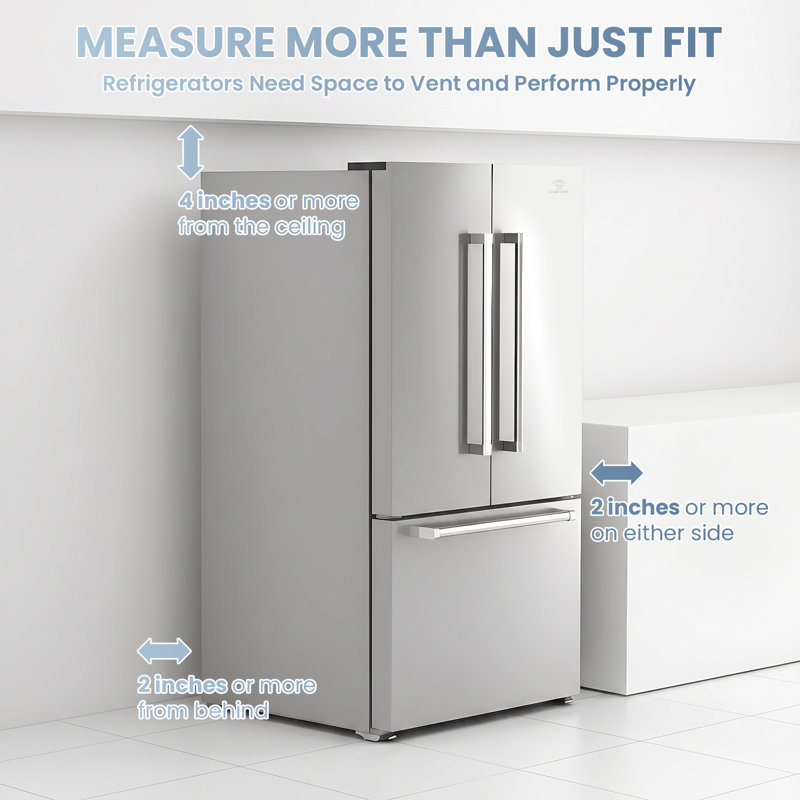
Ventilation: Ensure the unit has space to “breathe,” so it can regulate temperature properly.
Temperature stability: Keep it away from ovens, dishwashers, or direct sunlight so its internal temperature remains consistent.
Ease of access: If you plan to check your cuts frequently, place it within arm’s reach of your main cooking area.
If you do not have a lot of room and need other specialized solutions, consider ways to expand your cold storage. For example, you might keep everyday items in your main fridge and bigger items in a backup freezer. If you are juggling freezer space for your family’s weekly meal-prep, you might also think about a dedicated chest freezer to hold bulk meat until you are ready to age it. Our post on the best chest freezer for low carb diet can help you compare freezer options that keep large meat portions on standby.
Key safety tips
Whenever you deal with raw meat, caution is essential:
Always start with fresh cuts.
Pat meat thoroughly dry—the less surface moisture, the easier it is for your dry ager to do its job.
Keep strict control over time and temperature.
Clean all utensils and surfaces that come into contact with raw meat.
Dry aging can sometimes feel intimidating, but with the right environment and good food safety practices, you can relax and enjoy the process. If you are new to temperature management, tools like digital thermometers or remote temperature sensors can grant extra peace of mind that your cuts are aging in the perfect setting.
Tips for optimum results
To get the most out of every cut, you will need to plan your aging timeline, adjust the environment as needed, and keep an eye on how the meat changes over time. It is a blend of science and art, but the learning curve becomes easier once you understand a few guiding details.
Aging timelines
The length of the aging period significantly influences the final taste:
7–14 days: Meat gains mild improvements in flavor and tenderness.
15–28 days: You start tasting the deeper, nuttier essence that many dry-aging enthusiasts love.
29+ days: The flavor becomes more pronounced, often described as “funky” or “intense.”
The sweet spot for most home cooks is in the three- to four-week range. This duration typically yields a balance of tenderness and rich, beefy flavors without venturing into overly assertive “blue cheese” territory. However, everyone’s palate is different. If you enjoy daring, bold tastes, you might push your aging to 45 days or more.
Troubleshooting common issues
Some challenges can pop up during the dry-aging process:
Uneven dryness around edges: Check airflow—your dry ager might need better circulation.
Off aromas: Confirm you are cleaning thoroughly and controlling humidity. Also verify your meat was fresh from the start.
Excessive surface mold: Small patches of white mold aren’t unusual, but keep your cut free from green or black mold. If that appears, investigate possible contamination, discard the affected portion, and sanitize your dry ager thoroughly.
Remember, slight differences in the power or capabilities of your unit can create varied results. It is wise to keep a simple log (either in a notebook or using an app) of each dry-aging project, noting the cut, starting weight, temperature, humidity, and duration. Tracking each step helps you replicate successes and troubleshoot hiccups.
Cleaning and maintenance
A dry ager is an investment, and just like any appliance, you will want to keep it in top shape. Routine cleaning and maintenance are essential for both food safety and the best possible flavor.
Regular upkeep checklist
Wipe surfaces: After each use, remove any racks or trays and wipe down the interior with a soft cloth. This prevents grime buildup and keeps your environment sanitary.
Change or clean filters: Many units come with special filters for odor or microbial control. Regularly change them as recommended by the manufacturer.
Inspect seals: The door gasket should have a tight fit so external air, moisture, or odors do not seep in. Replace or fix any damaged seals right away.
Watch the temperature gauge: Fluctuations in temperature can diminish the quality of your aging process. Check your internal thermometer every so often to ensure consistency.
Deep cleaning steps
Monthly or semi-annual deep cleaning procedures help maintain a pristine environment. For more thorough cleaning:
Empty the dry ager of all meat and removable parts.
Use a food-safe cleaning solution—preferably one designed for your specific dry-ager model—and gently scrub the interior walls, racks, and trays.
Rinse and dry all components, then reassemble.
Let the temperature stabilize before placing your meat back inside.
If you are washing by hand, steer clear of harsh chemicals that could linger and affect the flavor of future aging projects. A mild, fragrance-free disinfectant or warm water with unscented soap is usually enough for routine wiping.
You might think of a dry ager strictly for beef, but these specialized appliances can handle other foods. In fact, if you already appreciate the subtle complexities of aged flavors, you can push the envelope with different products. Remember that each food has specific temperature and humidity requirements, so do your research before you dive in.
Cheese, charcuterie, and produce
Specialty cheeses: Some cheese varieties, such as cheddar, can age well in a controlled environment. You can experiment by aging your own small cheese wheels to develop custom flavors.
Charcuterie: If you plan to make your own cured meats—prosciutto, salami, pancetta, or chorizo—a dry ager might help you maintain a steady humidity level. This can create a unique final product that you and your guests will love.
Vegetables: Certain root vegetables and mushrooms can also benefit from controlled humidity storage, though they do not need the same low temperatures as meat. Adjust your dry ager accordingly or look for a more specialized approach.
One important note: You do not want to store different protein types together in one aging cycle, because cross-contamination can occur. Plan carefully or consider acquiring a second dry ager if you become heavily invested in multiple aging projects.
Leverage complementary appliances
Even if dry aging becomes your favorite culinary method, you might still require other specialized refrigerators or freezers, especially if you have a large family, run a small restaurant, or love to throw parties. For spare beverage storage or if you want to store plenty of craft beers, you can always consider something like a why should i choose a beer fridge?. A dedicated beer fridge keeps your brews separate from your dry-aging environment.
If you need extra freezer space for bigger quantities of meat, especially if you are regularly stocking up for multiple aging cycles, consider exploring an additional unit, such as a deep freezer for special occasions. Some people like the convenience of a second freezer in their garage, but keep in mind the temperature fluctuations in uninsulated spaces. For further insights on outdoor placement, check out will unplugging a garage freezer reset it?.
Taste the difference
Once you have established consistent processes for selecting your meats, setting ideal conditions in your dry ager, and carefully monitoring every stage of aging, you will discover noticeable improvements in flavor, texture, and aroma. Dry aging may require patience—weeks, sometimes even months—but the result is well worth the wait.
When it is time to cook your aged meats, keep these final pointers in mind:
Trim away the outer crust. The outer layer may appear dry and dark, but the interior is tender and full of flavor.
Use simple seasonings. Allow the meat’s natural complexities to shine through. A bit of salt, pepper, and minimal herbs often suffice.
Employ proper cooking methods. Whether you sear on a grill or roast in the oven, keep a balanced heat so you do not overcook your prized creation.
From there, plate your aged masterpiece and savor the compliments that are sure to follow. If you need a reference point, contrast the taste of dry-aged steak with a wet-aged or non-aged cut you have prepared in the past. You will notice how every bite of a dry-aged cut delivers more richness and complexity.
Investing in a dry ager is an exciting way to elevate your culinary routine, whether you are cooking for your family, entertaining guests, or supplying a small cafeteria with top-quality dishes. The ability to enhance flavor through controlled moisture loss and careful enzyme action will help you create mouthwatering cuts time and time again.
The key to success is learning about and respecting the processes involved in dry aging. From selecting the right cuts and setting proper humidity controls to practicing thorough cleaning and maintenance, every step matters. Yet do not let the details intimidate you. Start with shorter aging periods, taste the results, and gradually refine your approach. In no time, you will experience just how rewarding it can be to serve perfectly aged, tender, and irresistibly delicious meats.
Feel free to explore additional fridge or freezer resources based on your needs. For instance, if you want a smaller setup, you can look at a refrigerator mini fridge for snacks or drinks, so you can keep your dry ager exclusively focused on your aging projects. If you need help deciding on other appliances, you might check out comparisons for bigger families or specialized diets, such as the best deep freezer for eat stop eat diet. There is a world of refrigeration solutions that can complement your dry- aging journey.
Once you taste the results, you will likely wonder how you ever managed without a dedicated dry ager. Embrace the flavorful transformation and enjoy the delicious, memorable meals that follow. Bon appétit!
Free tool
Refrigerator Age Calculator
Free interactive tool from Fridge.com — get a quick answer while you read.