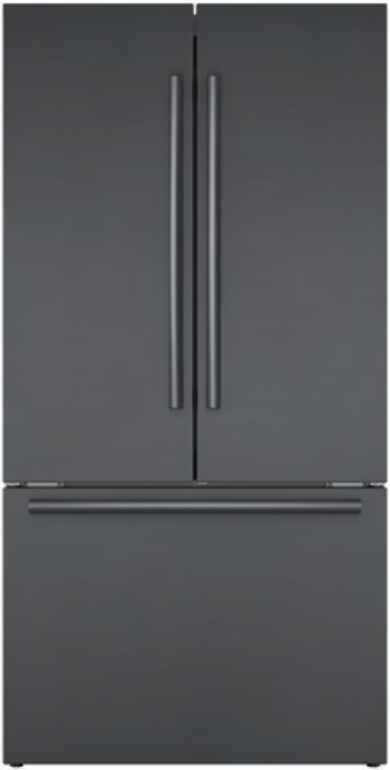
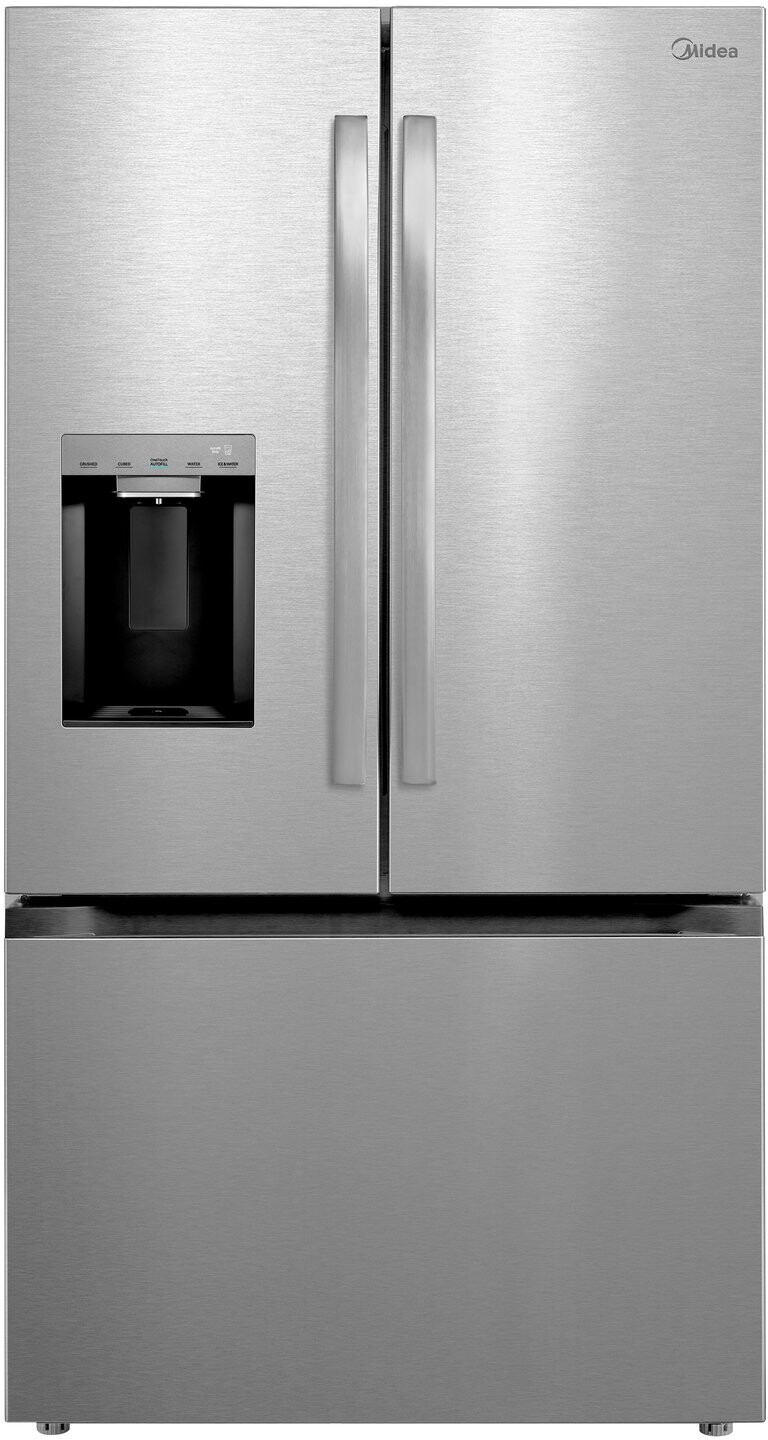
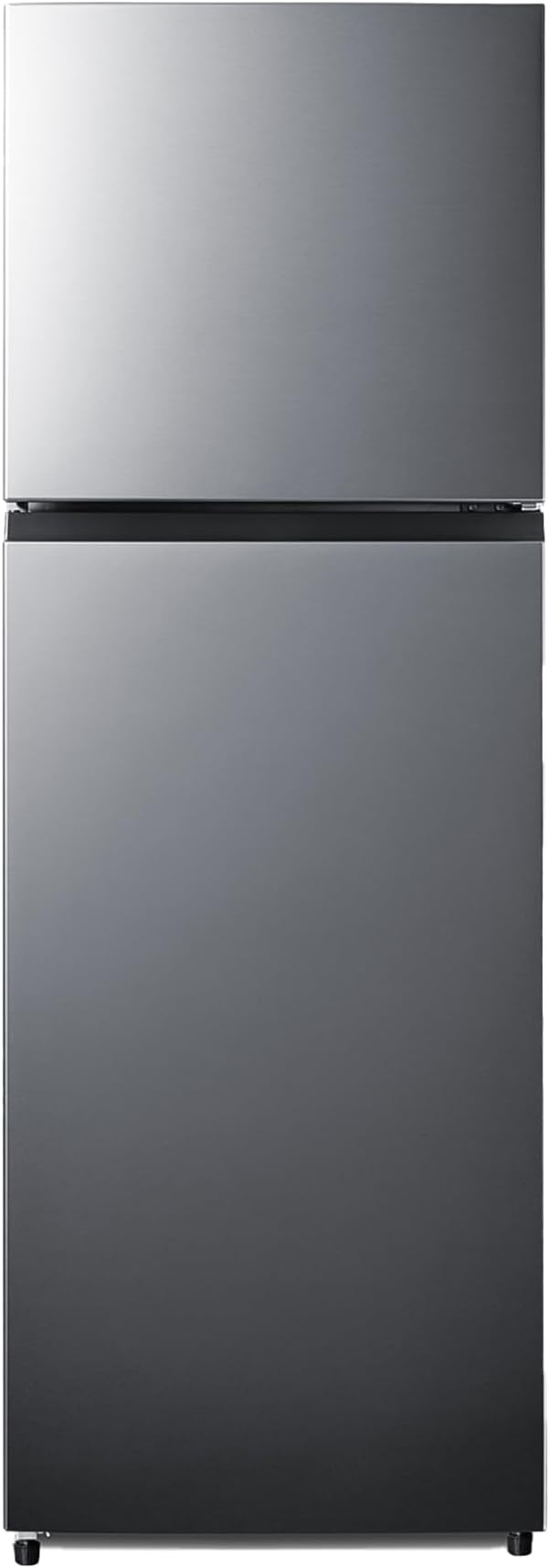
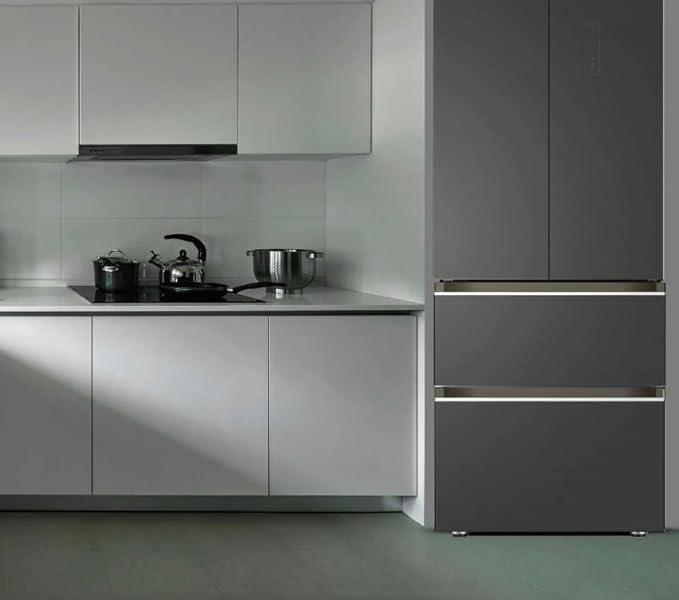
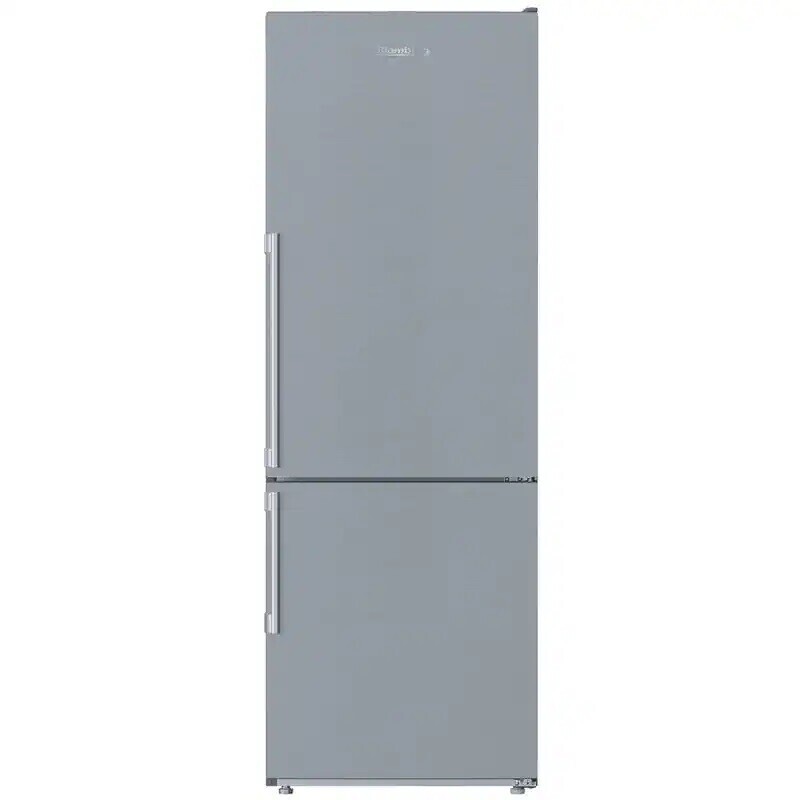
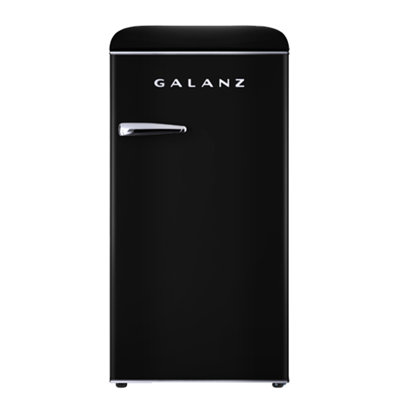
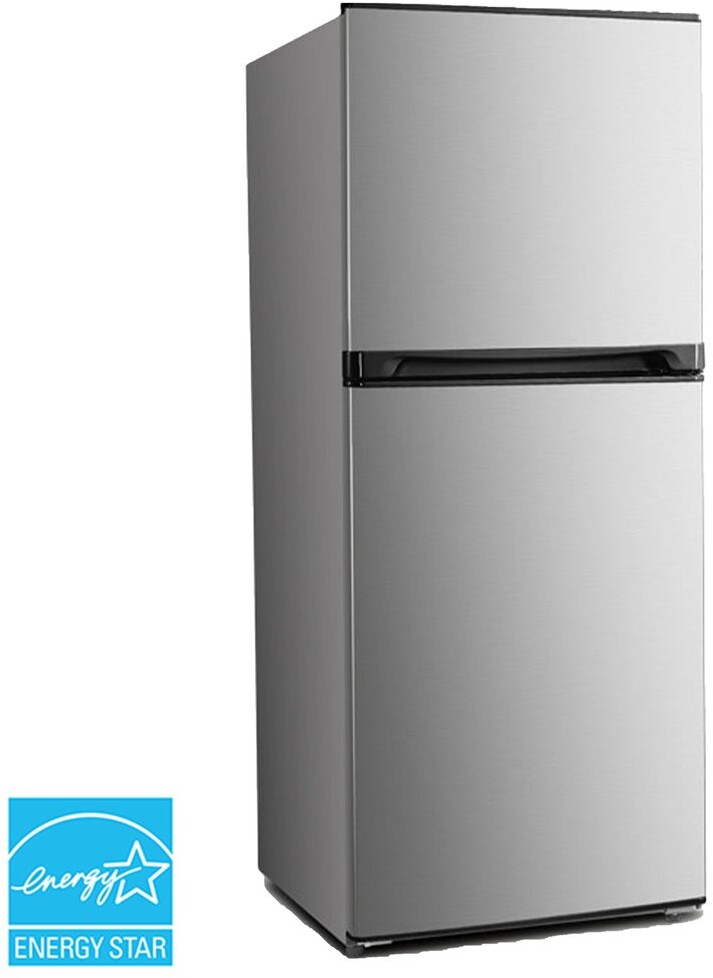
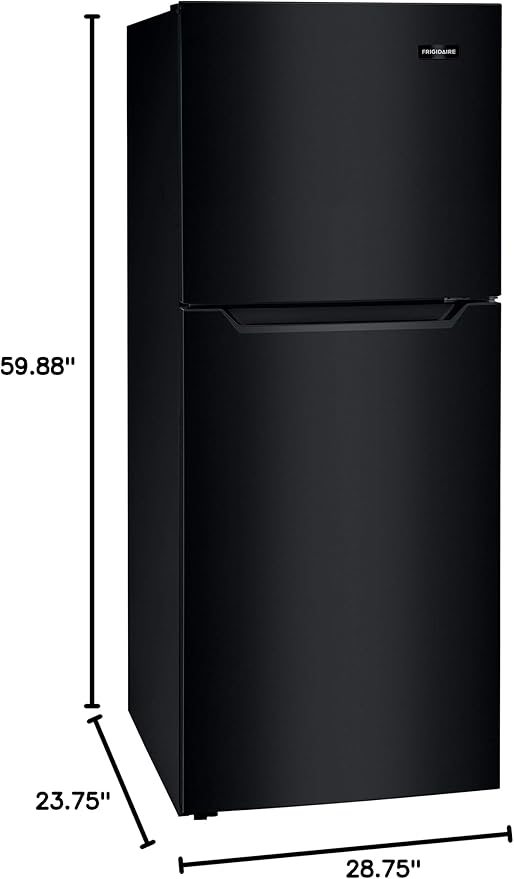
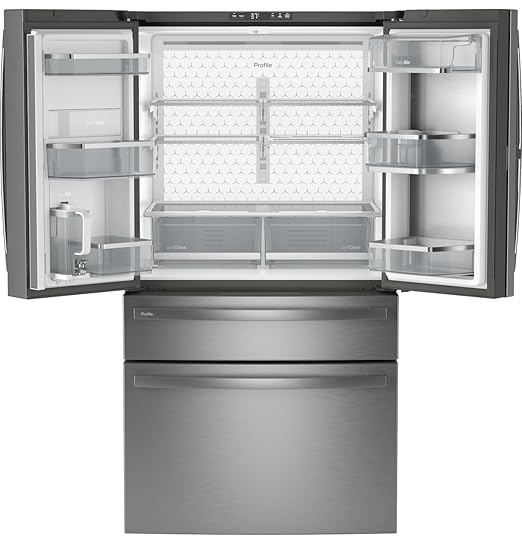
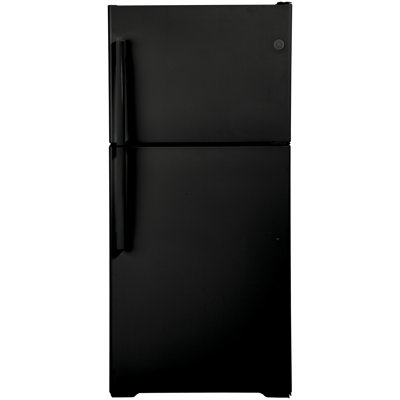
A built-in refrigerator and a narrow refrigerator both solve kitchen space problems, but through completely different approaches. The narrow fridge reduces width (22 to 28 inches) to fit slim kitchen openings. The built-in reduces depth (about 24 inches) to sit flush with cabinetry while maintaining standard or wide width (30 to 48 inches). One solves a width constraint; the other solves a depth aesthetic. This comparison clarifies when each approach is the right answer.
Built-In Vs. Narrow: Dimensions at a Glance
Dimension
Narrow Refrigerator
Built-In Refrigerator
Width
22 - 28 inches (reduced)
30 - 48 inches (standard or wide)
Depth
24 - 33 inches (varies)
24 inches (flush with cabinetry)
Height
55 - 67 inches
80 - 84 inches (cabinet height)
Capacity
7 - 14 cu ft
15 - 30+ cu ft
Configuration
Top freezer, bottom freezer
Column, French door, side-by-side
The narrow fridge sacrifices width and capacity for a slim fit. The built-in sacrifices depth for flush aesthetics while maximizing height and width. They address different spatial constraints and deliver different capacity ranges.
Understanding Built-In Refrigerators
Features of Built-In Refrigerators
Built-in refrigerators are designed to integrate into your kitchen cabinetry, typically ranging from 30 to 48 inches wide, with panel-ready designs, temperature-controlled drawers, humidity-controlled crispers, and smart technology for monitoring and adjusting settings remotely.
Customization: Built-in refrigerators offer various customization options, including panel-ready designs that can be fitted with cabinetry panels to match the rest of your kitchen.
Size and Capacity: These refrigerators come in a range of sizes, typically from 30 to 48 inches wide, catering to different storage needs.
Advanced Features: Many built-in models come with advanced features such as temperature-controlled drawers, humidity-controlled crispers, and smart technology for monitoring and adjusting settings remotely.
Feature
Description
Customization
Panel-ready designs, handle options
Size and Capacity
30-48 inches wide, various capacities
Advanced Features
Smart technology, temperature-controlled drawers
Pros and Cons of Built-In Refrigerators
Pros
Aesthetic Appeal: Built-in refrigerators blend seamlessly with kitchen cabinets, creating a unified and high-end look.
Space Utilization: These refrigerators can be installed flush with cabinetry, maximizing kitchen space.
Customization Options: Panel-ready designs allow for a fully integrated appearance, matching other kitchen elements.
Cons
Higher Cost: Built-in models are generally more expensive than freestanding refrigerators.
Complex Installation: Installation can be more complicated and may require professional assistance.
Limited Mobility: Once installed, built-in refrigerators are not easily moved, making them less flexible for future kitchen redesigns.
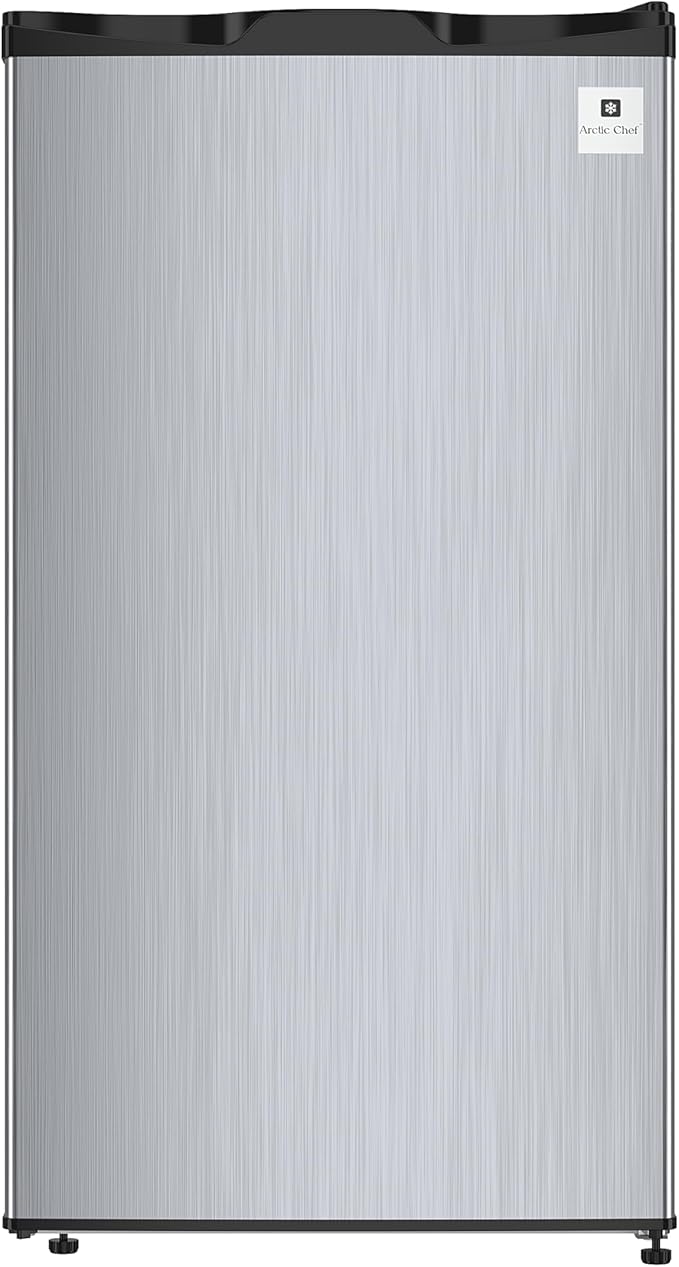
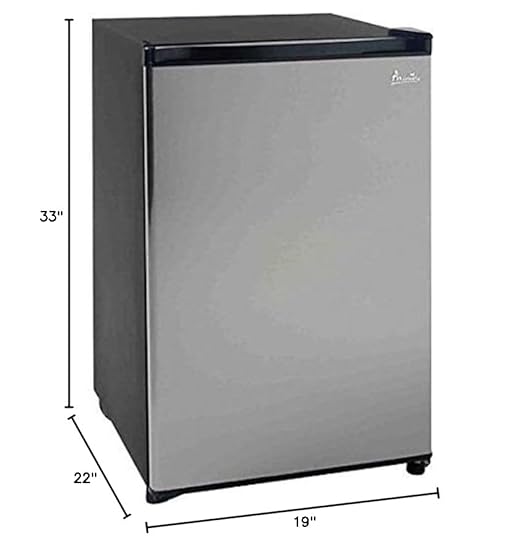
Narrow refrigerators are designed to fit into compact spaces — apartments, condos, offices, and other areas where space is limited — while still providing essential storage and cooling.
Features of Narrow Refrigerators
Compact Design: Designed to fit into smaller spaces without compromising on storage.
Adjustable Shelves: Shelves that can be moved to accommodate various sizes of food items.
Energy Efficiency: Many narrow refrigerators are designed to be energy-efficient, reducing electricity consumption.
Reversible Doors: Doors that can be installed to open from either side, providing flexibility in placement.
Freezer Compartment: Some narrow refrigerators come with a built-in freezer compartment, providing additional storage for frozen items.
Feature
Description
Compact Design
Fits into small spaces without sacrificing storage
Adjustable Shelves
Allows customization of interior layout
Reversible Doors
Flexibility in door opening direction
Freezer Compartment
Additional storage for frozen items
Pros and Cons of Narrow Refrigerators
Pros:
Space-Saving: Ideal for small kitchens, offices, and compact living spaces.
Energy Efficient: Often designed to consume less electricity.
Flexible Placement: Can fit into tight spaces and corners.
Cost-Effective: Generally more affordable than larger refrigerators.
Cons:
Limited Capacity: Smaller storage space compared to full-sized refrigerators.
Less Flexibility: Fewer features and compartments.
Cooling Efficiency: May not cool as efficiently as larger models.
Your kitchen opening is under 30 inches wide. No standard fridge or built-in model fits. This is common in older apartments, European-style kitchens, galley kitchens with fixed cabinetry, and manufactured homes. The narrow fridge is the only option that physically enters the space. Capacity is limited (7 to 14 cu ft) but adequate for 1 to 2 person households.
When a Built-In Refrigerator Is the Answer
Your kitchen opening is 30+ inches wide, but you want the fridge to sit flush with 24-inch countertops and cabinetry for a seamless built-in look. A standard-depth fridge protrudes 6 to 12 inches past the counter — disrupting visual lines in open-concept kitchens. The built-in sits flush, creating the custom kitchen appearance that was previously exclusive to $50,000+ luxury builds. Built-in models are available as French door, side-by-side, or column configurations with 15 to 30+ cu ft of capacity.
Design and Space Considerations
Built-In Refrigerators: Integration and Aesthetics
Built-in refrigerators are installed flush with the counters and cabinets, giving your kitchen a custom and upscale appearance.
Key Design Features:
Custom Paneling: Built-in refrigerators often allow for custom paneling that matches your kitchen cabinets.
Flush Installation: These units are installed to be flush with the surrounding cabinetry, enhancing the overall aesthetic.
Variety of Sizes: Built-in models come in various sizes and configurations, including side-by-side and French door options.
Design Benefits:
Seamless Look: Built-in refrigerators offer a seamless integration with your kitchen design, creating a polished and cohesive appearance.
Increased Home Value: The upscale look of built-in refrigerators can add value to your home.
Customizable: Options for custom panels and handles allow for personalization to match your kitchen decor.
Feature
Built-In Refrigerators
Integration
Seamlessly with cabinetry
Installation
Flush with counters
Customization Options
High
Aesthetic Appeal
Very High
Narrow Refrigerators: Space-Saving Solutions
Narrow refrigerators, also known as slim or compact refrigerators, are perfect for small kitchens, apartments, or areas with limited space. These refrigerators are designed to maximize storage capacity while occupying minimal floor space.
Key Design Features:
Slim Profile: Narrow refrigerators feature a slim profile, making them ideal for tight spaces.
Flexible Placement: These units can be placed in various locations, including small kitchens, dorm rooms, and offices.
Adequate Storage: Despite their compact size, narrow refrigerators offer sufficient storage for essentials.
Design Benefits:
Space Efficiency: Narrow refrigerators are perfect for areas with limited space, providing efficient storage without taking up too much room.
Versatility: These refrigerators can be used in a variety of settings, from apartments to offices.
Cost-Effective: Generally, narrow refrigerators are more affordable than built-in models.
Feature
Narrow Refrigerators
Space Efficiency
High
Flexibility
High
Storage Capacity
Moderate
Cost-Effectiveness
High
Kitchen Design Impact
A narrow fridge solves a practical problem — making a fridge fit where nothing else fits. The design impact is functional, not aesthetic. The fridge is visible as an appliance in a tight kitchen.
A built-in fridge transforms kitchen aesthetics. The flush profile, panel-ready doors, and cabinet-height integration create a custom kitchen look that elevates the entire space. In open-concept homes, the visual improvement is dramatic and affects the perceived quality of the entire kitchen.
Built-in refrigerators typically provide substantial storage capacity, making them ideal for large families or avid entertainers.
Larger Capacity: Built-in models generally offer more internal space compared to standard freestanding units, allowing for extensive storage of fresh and frozen items.
Customizable Shelving: Adjustable shelves and bins provide flexibility to organize your groceries efficiently. You can modify the interior layout to accommodate tall bottles, large platters, and other bulky items.
Separate Compartments: Many built-in refrigerators feature separate compartments for different types of food, such as deli drawers, crisper drawers, and dedicated freezer sections. This helps keep your food organized and easily accessible.
Feature
Built-In Refrigerators
Average Capacity (cubic feet)
20 - 30
Adjustable Shelving
Yes
Separate Compartments
Yes
Integration with Cabinetry
Seamless
Narrow Refrigerators: Efficient Use of Space
Narrow refrigerators are designed to fit into tight spaces, making them an excellent choice for small kitchens, apartments, and other limited-space environments. Despite their smaller footprint, narrow refrigerators can still offer efficient storage solutions.
Space-Saving Design: With a slimmer profile, narrow refrigerators can be easily integrated into compact kitchen layouts without compromising on storage capacity.
Flexible Storage Options: Many narrow refrigerators come with adjustable shelves and door bins, allowing you to optimize the available space for your specific needs.
Energy Efficiency: Due to their smaller size, narrow refrigerators often consume less energy, making them a cost-effective and environmentally friendly option.
Feature
Narrow Refrigerators
Average Capacity (cubic feet)
10 - 15
Adjustable Shelving
Yes
Separate Compartments
Limited
Space Efficiency
High
The Capacity Gap
The capacity difference is dramatic. A narrow fridge at 10 cu ft holds a small household's weekly groceries. A built-in column pair at 30 cu ft holds a large family's full weekly shopping plus entertaining overflow. The narrow fridge serves as a primary fridge for small households. The built-in serves as a premium primary fridge for any household size.
Narrow refrigerators offer basic features — adjustable shelves, a crisper, door bins, mechanical or basic digital controls. Ice makers are uncommon. Smart features are rare. The narrow format leaves limited room for extra components.
Built-in refrigerators offer the most comprehensive features available — commercial-grade compressors, multi-zone cooling, vacuum-insulated panels, air purification, custom panel doors, smart connectivity, and precision digital controls. Sub-Zero, Thermador, Monogram, and Viking pack their full technology suite into the built-in format.
Energy Efficiency and Maintenance
Built-In Refrigerators: Energy Efficiency Features
Built-in refrigerators often come equipped with advanced energy-saving technologies, such as inverter compressors and improved insulation, which help reduce energy consumption.
Inverter compressors adjust the cooling power based on the refrigerator's needs, ensuring efficient operation and less energy waste. Improved insulation helps maintain a consistent internal temperature, reducing the workload on the compressor. These features not only save energy but also extend the lifespan of the appliance.
Feature
Built-In Refrigerators
Inverter Compressors
Yes
Improved Insulation
Yes
Annual Energy Use Compared
Type
Annual kWh
Annual Cost
Narrow Fridge (10 cu ft)
280 - 420 kWh
$36 - $55
Built-In French Door (22 cu ft)
500 - 750 kWh
$65 - $98
Built-In Column Pair (30 cu ft)
700 - 1,100 kWh
$91 - $143
Narrow Refrigerators: Maintenance Considerations
While they may not always have the same advanced energy-saving features as built-in refrigerators, narrow refrigerators are generally easier to maintain.
Regular maintenance includes cleaning the condenser coils, checking door seals, and defrosting the freezer if necessary. These tasks help ensure the refrigerator operates efficiently and extends its lifespan. Additionally, narrow refrigerators often have simpler designs, making them easier to clean and service.
The price gap between these two types is the largest in the refrigerator market. A built-in column pair can cost 10 to 30 times more than a narrow fridge. The premium buys flush integration, luxury construction, maximum capacity, and the finest cooling technology available in residential refrigeration.
Investment in Built-In Refrigerators
Built-in refrigerators are generally seen as a long-term investment due to their integration into kitchen cabinetry and custom design elements. These refrigerators often come with higher upfront costs, but they can add significant value to your home.
Narrow refrigerators are more budget-friendly and are ideal for smaller spaces like apartments or condos. They offer a practical solution without the need for custom installations.
Cost Factor
Price Range ($)
Narrow Refrigerator
500 - 1,500
Installation
100 - 300
No Custom Cabinetry Needed
0
Total Investment
600 - 1,800
Pricing by Tier and Configuration
Type
Budget
Mid-Range
Premium
Narrow Refrigerator
$400 - $700
$700 - $1,200
$1,200 - $1,800
Built-In Refrigerator (French door)
$4,000 - $6,000
$6,000 - $10,000
$10,000 - $15,000
Built-In Column Pair
$8,000 - $12,000
$12,000 - $20,000
$20,000 - $30,000+
For additional options that offer space-saving solutions, read Fridge.com article on drawer refrigerator Vs. portable refrigerator. For more comparisons, explore Fridge.com article on basement refrigerator Vs. convertible freezer refrigerator.
Narrow refrigerators install like any freestanding fridge — deliver, position, plug in, level. Standard delivery process. No cabinetry modification needed as long as the opening accommodates the width.
Built-in refrigerators require precision cabinet openings, professional installation, custom panel fitting, electrical positioning, and sometimes water line connections. The installation process is part of a kitchen renovation — not a simple appliance swap. Budget $1,000 to $4,000 for installation and panels beyond the unit cost.
Who Should Choose Which
Choose a narrow refrigerator if your kitchen opening is under 30 inches wide. It is the practical solution for tight spaces where standard and built-in models physically cannot fit. Affordable, functional, and available immediately.
Choose a built-in refrigerator if your kitchen has standard 30+ inch width openings and you want the ultimate in flush integration, capacity, features, and luxury kitchen aesthetics. It is the premium solution for high-end kitchen renovations where every appliance must sit flush with cabinetry.
Narrow refrigerators typically measure 22 to 28 inches wide, with heights of 55 to 67 inches and capacities of roughly 7 to 14 cubic feet. They are the go-to option when a kitchen opening is under 30 inches wide.
How wide is a built-in refrigerator?
Built-in refrigerators run 30 to 48 inches wide and 80 to 84 inches tall (cabinet height), with a depth of about 24 inches so they sit flush with standard countertops and cabinetry.
Why does a built-in refrigerator sit flush while a standard fridge sticks out?
A built-in is engineered to a 24-inch depth to match standard countertops. A standard-depth fridge protrudes 6 to 12 inches past the counter, which disrupts visual lines in open-concept kitchens.
How much more does a built-in refrigerator cost than a narrow refrigerator?
Narrow refrigerators run roughly $400 to $1,800. Built-in French door models run $4,000 to $15,000, and built-in column pairs run $8,000 to $30,000+ — a built-in column pair can cost 10 to 30 times more than a narrow fridge. Built-in installation and custom panels add another $1,000 to $4,000, while a narrow fridge installs like any freestanding unit.
Which uses more energy, a built-in or a narrow refrigerator?
A 10 cu ft narrow fridge uses roughly 280 to 420 kWh per year ($36 to $55). A 22 cu ft built-in French door uses 500 to 750 kWh ($65 to $98), and a 30 cu ft built-in column pair uses 700 to 1,100 kWh ($91 to $143). Per cubic foot, both are efficient; the built-in's higher total reflects its much larger capacity.
Is a narrow refrigerator enough as a primary fridge?
For 1 to 2 person households, yes — a 10 cu ft narrow fridge holds a small household's weekly groceries. Larger families need the 15 to 30+ cu ft that built-in French door, side-by-side, or column configurations provide.
Do narrow refrigerators come with ice makers or smart features?
Rarely. Narrow refrigerators offer basic features — adjustable shelves, a crisper, door bins, and mechanical or basic digital controls. Ice makers are uncommon and smart features are rare because the slim format leaves limited room for extra components. Built-in models from Sub-Zero, Thermador, Monogram, and Viking include multi-zone cooling, air purification, and smart connectivity.
Can I install a built-in refrigerator myself?
Built-in installation requires precision cabinet openings, custom panel fitting, electrical positioning, and sometimes water line connections — it is part of a kitchen renovation and calls for professional installation. A narrow refrigerator is a plug-in appliance: deliver, position, plug in, level.
What maintenance does each type need?
For either type, clean the condenser coils every 6 months, check door seals monthly, and defrost the freezer as needed. Narrow refrigerators generally have simpler designs that are easier to clean and service.
Compare prices on Fridge.com
Compare current prices and specifications on Fridge.com, then buy from the retailer you choose; delivery, installation and warranty terms are the retailer’s.
Compare narrow refrigerators and built-in refrigerators, and shop the world's best brands at Fridge.com. Filter by exact width, depth, capacity, and price to find the fridge that fits your kitchen dimensions and design vision.
It also has tons of awesome articles about kitchen stuff and home news. Enhance your home, garage, backyard, patio, and office with the coolest essentials. With every necessary type of residential refrigerator or freezer in the collection, you're covered.
Frequently Asked Questions
Narrow refrigerators typically measure 22 to 28 inches wide, with heights of 55 to 67 inches and capacities of roughly 7 to 14 cubic feet. They are the go-to option when a kitchen opening is under 30 inches wide.