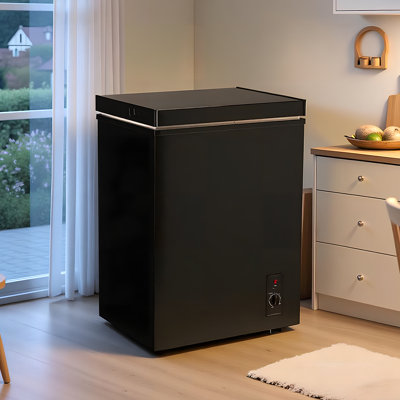
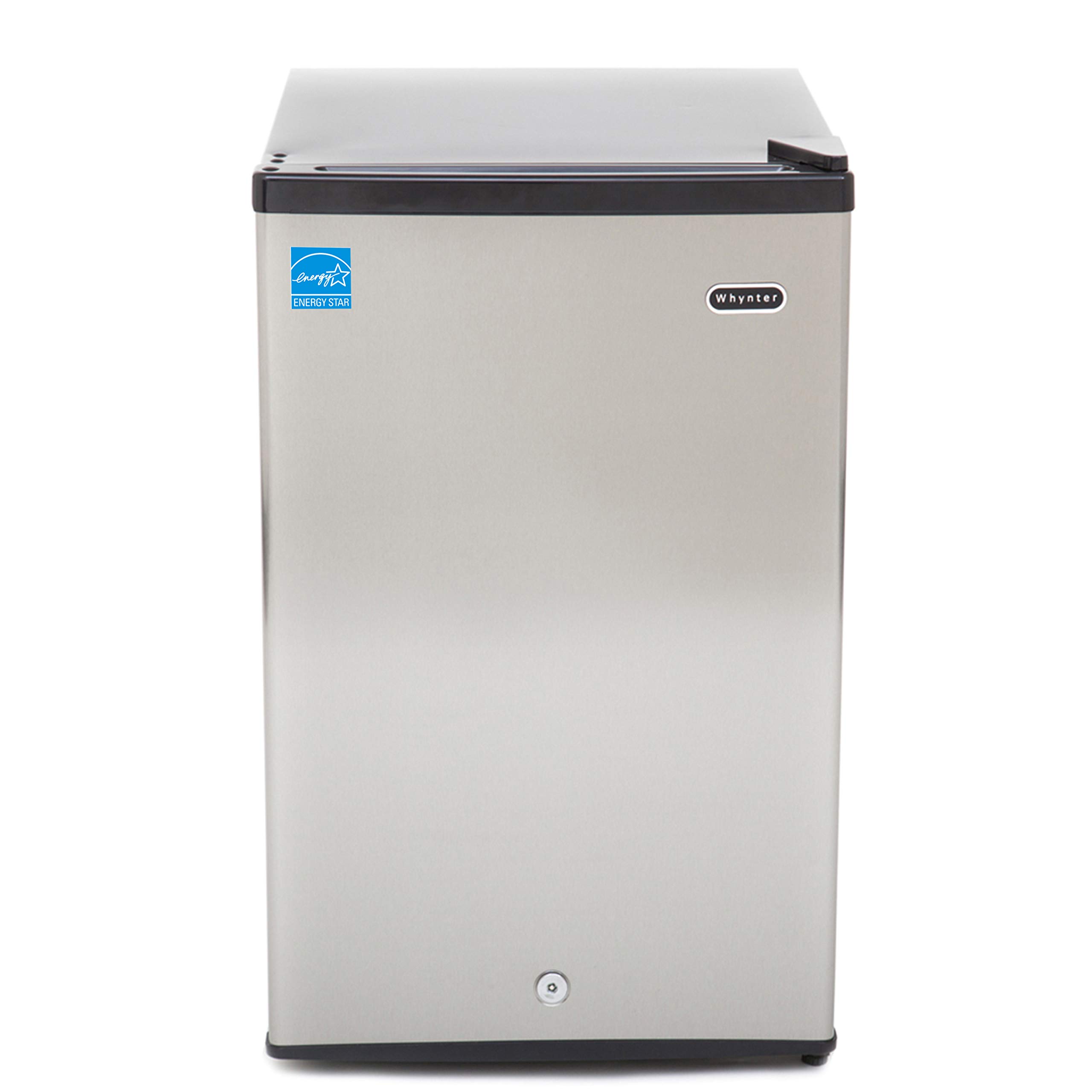
A convertible freezer refrigerator and a freestanding drawer freezer both provide frozen storage beyond what a standard kitchen fridge offers, but they approach the job from opposite design philosophies. The convertible unit switches between freezer mode and refrigerator mode — one appliance that adapts to changing needs. The freestanding drawer freezer is a dedicated freezer with pull-out drawers that provide organized, eye-level access to frozen items. This comparison covers the practical differences that drive the purchase decision.

How Each Works
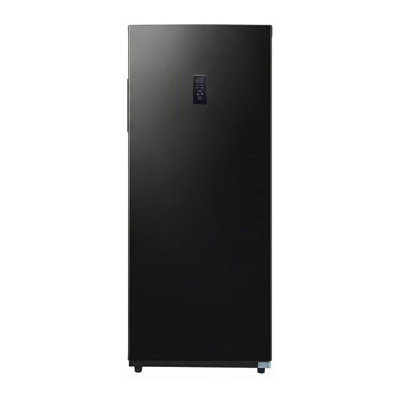
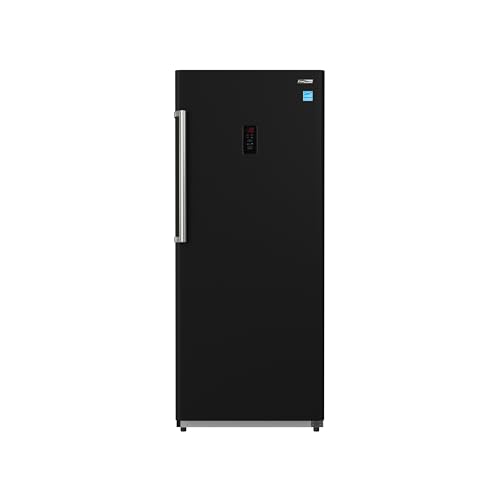
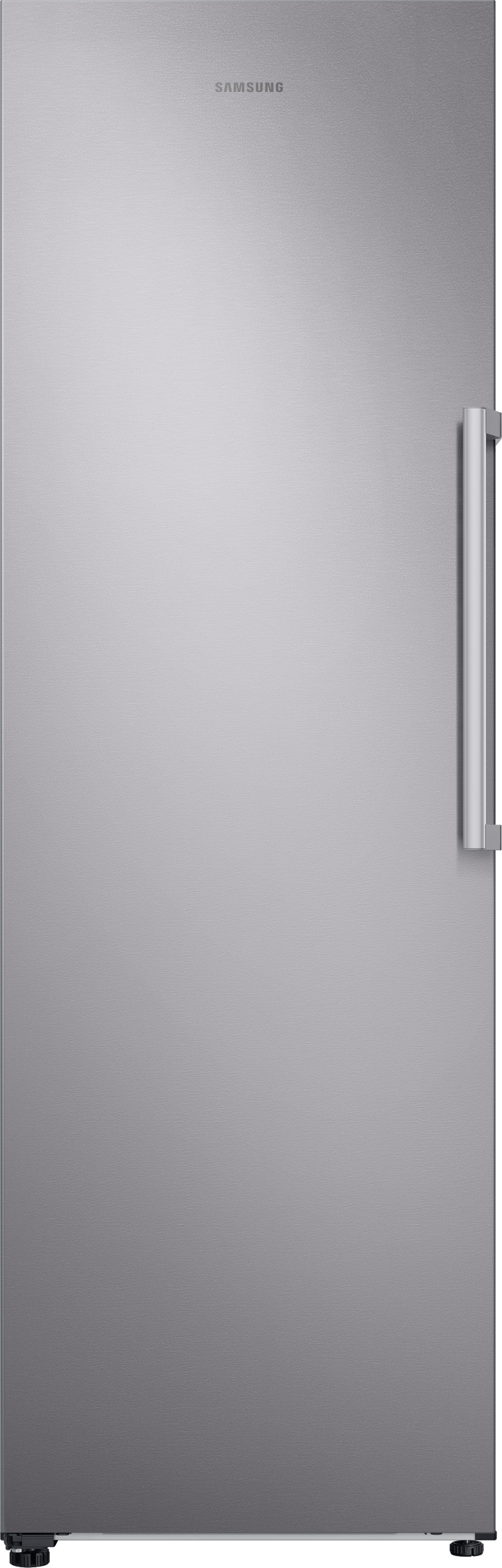
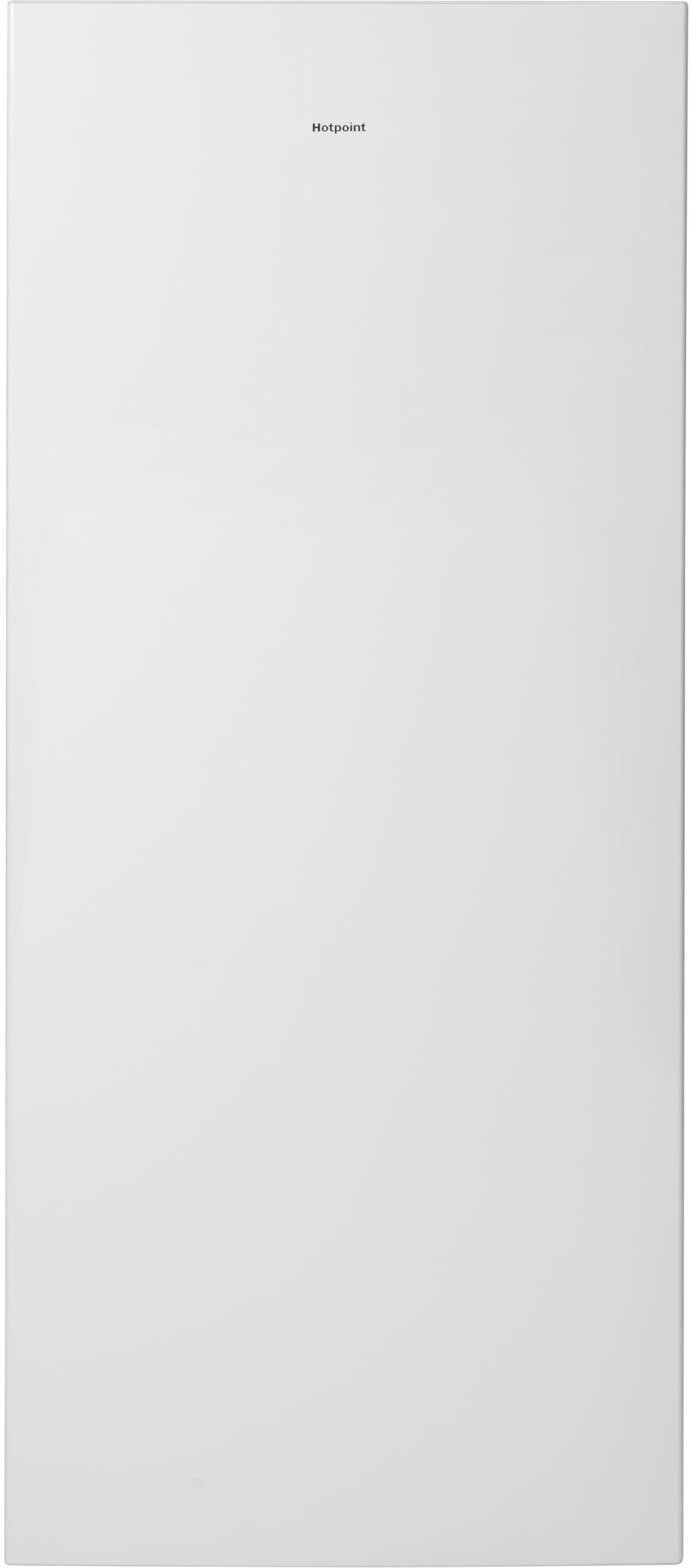
A convertible freezer refrigerator is a single unit with an adjustable thermostat that covers the full range from 0 degrees (freezer mode) to 38 degrees (refrigerator mode). Switch a dial or press a button, wait 6 to 12 hours for the temperature to stabilize, and the unit transforms from freezer to fridge or vice versa. Use it as extra freezer space during hunting season, then convert to fridge mode for holiday entertaining overflow. The flexibility means one appliance serves two roles across different seasons or situations.
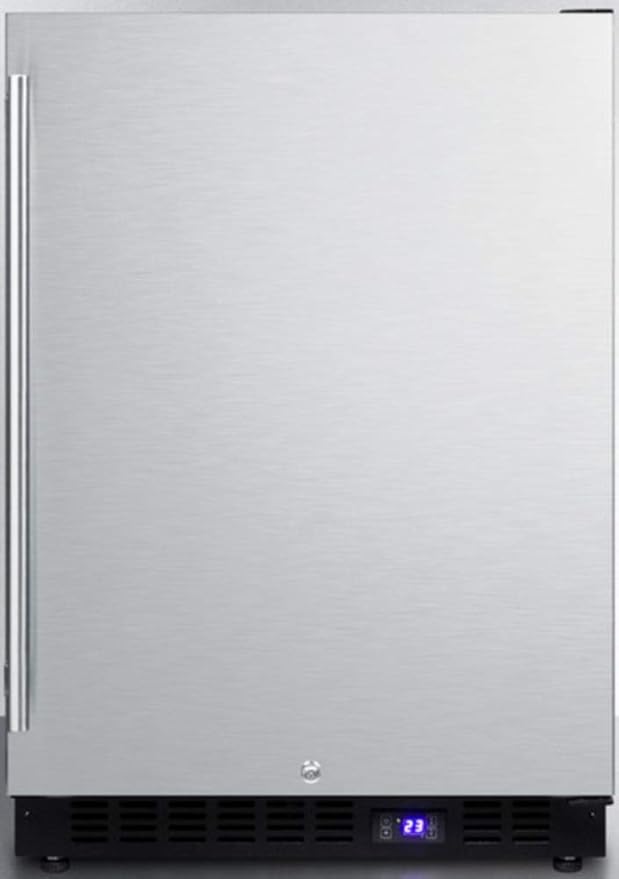
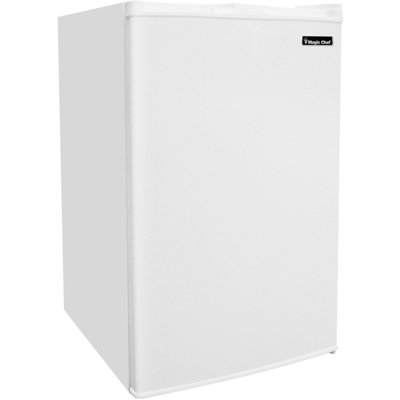
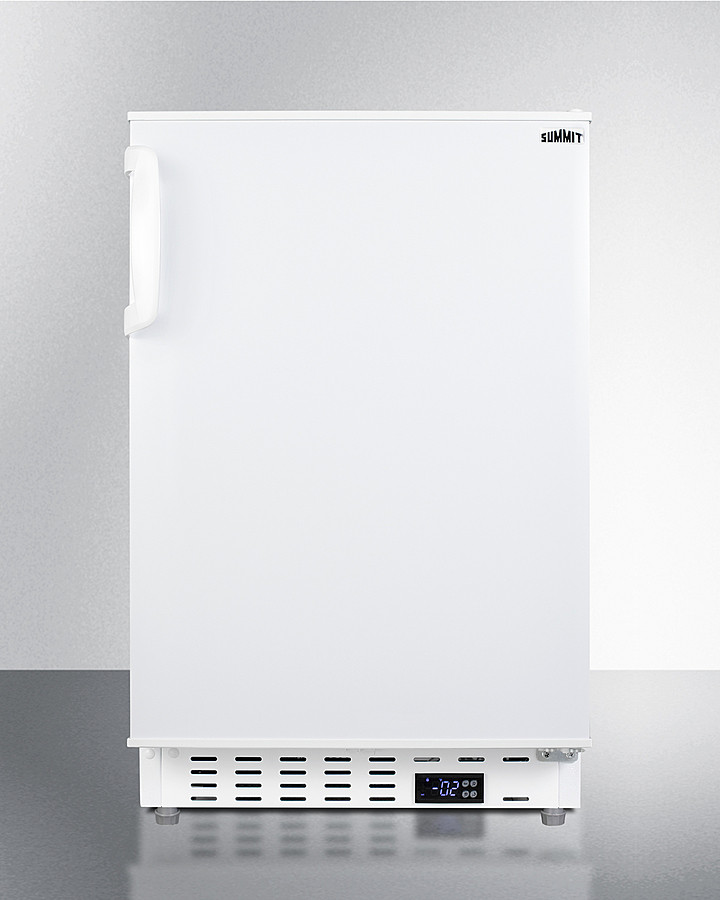
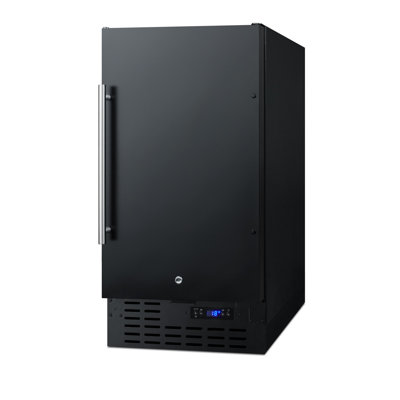
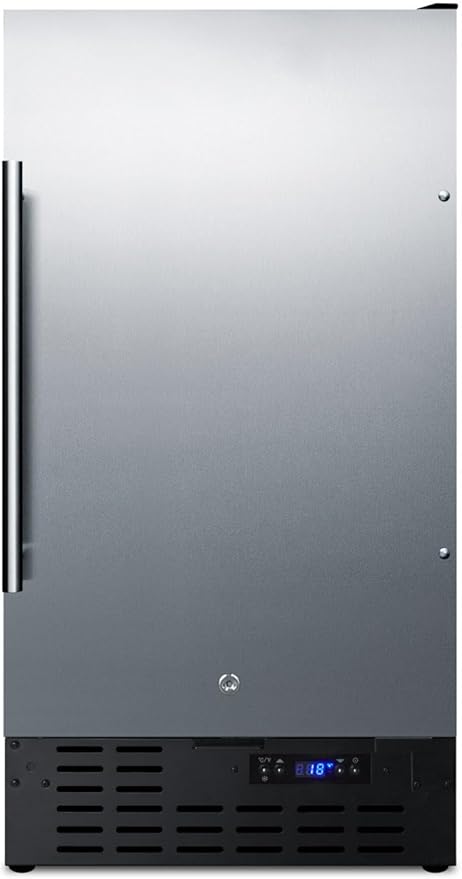
A freestanding drawer freezer is a standalone upright unit with two to four pull-out drawers that operate at 0 degrees Fahrenheit. Each drawer slides out fully on ball-bearing rails, revealing frozen contents in a single visible layer. No stacking, no digging. Unlike under-counter built-in drawer freezers, freestanding models stand independently against a wall — no cabinet integration required. Capacity ranges from 3 to 7 cubic feet.
Flexibility Vs Specialization
The convertible unit excels at adaptation. A family that buys a quarter cow in October needs freezer space that same family does not need in July when they host a summer party and want extra fridge capacity for beverages and food platters. The convertible handles both without buying two appliances.

The drawer freezer excels at organization. Every item sits in a visible, accessible drawer. No stacking items three layers deep. No losing the bag of peas under the frozen chicken. The drawer format brings the organization advantage of an upright freezer to a compact, freestanding form factor.



Capacity
| Type | Capacity | Format |
|---|---|---|
| Convertible Freezer Refrigerator (upright) | 5 - 21 cu ft | Shelves + door bins |
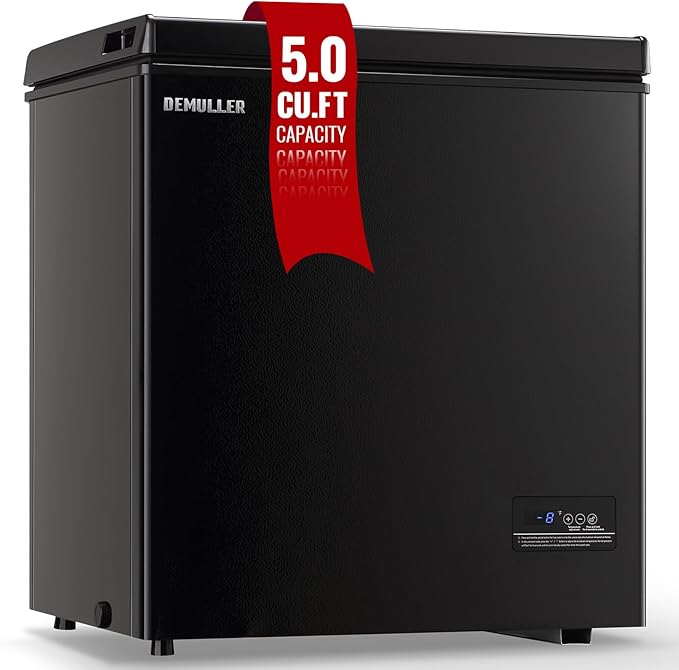
| Convertible Freezer Refrigerator (chest) | 5 - 15 cu ft | Open well + baskets |
| Freestanding Drawer Freezer | 3 - 7 cu ft | 2 - 4 pull-out drawers |
Convertible units are available in significantly larger sizes. A 14 to 21 cubic foot upright convertible holds 500 to 735 pounds of frozen food. A freestanding drawer freezer maxes out around 7 cubic feet (245 pounds). If raw capacity is the priority, the convertible wins. If drawer-based organization matters more than volume, the drawer freezer wins.
Organization
Convertible upright models use standard adjustable shelves and door bins — similar to any upright freezer or refrigerator. Items stack on shelves and line up in door bins. Organization is good but requires some effort to maintain as items are added and removed.
Convertible chest models use an open well with hanging baskets — the same layout as a standard chest freezer. Items stack in layers below the baskets. Organization is limited. Finding specific items means moving things around.
Freestanding drawer freezers provide the best organization of any compact freezer. Each drawer holds a single layer of items. Open a drawer and see everything at a glance. Assign drawers by category — meats in one, vegetables in another, prepared meals in a third. The system stays organized because the drawers enforce it.
Temperature Performance
In freezer mode, both appliance types maintain 0 degrees with similar consistency. The convertible's wider-range thermostat handles the full span from -10 to 38 degrees. The drawer freezer's fixed-range thermostat is optimized specifically for 0 degrees.
In refrigerator mode, the convertible maintains 34 to 42 degrees. This works for overflow fresh food storage — beverages, produce, platters, and leftovers. The drawer freezer does not have a refrigerator mode — it is a dedicated freezer.
Mode Switching Considerations
Switching a convertible from freezer to fridge mode takes 6 to 12 hours. During this transition, frozen items must be temporarily stored elsewhere or consumed. Switching from fridge to freezer takes a similar time as the compressor works to drop from 38 degrees to 0 degrees. Plan mode changes around your schedule — this is not something you do on a whim. Most users switch modes 2 to 4 times per year, aligning with seasonal needs.
Energy Use
| Type | Mode | Annual kWh | Annual Cost |
|---|---|---|---|
| Convertible (14 cu ft, freezer mode) | Freezer | 350 - 550 kWh | $45 - $70 |
| Convertible (14 cu ft, fridge mode) | Fridge | 250 - 400 kWh | $32 - $50 |
| Freestanding Drawer Freezer (5 cu ft) | Freezer only | 200 - 350 kWh | $25 - $45 |
The drawer freezer uses less total energy due to its smaller size. The convertible in fridge mode uses less energy than in freezer mode because maintaining 38 degrees requires less compressor work than 0 degrees.
Pricing
| Type | Budget | Mid-Range | Premium |
|---|---|---|---|
| Convertible Freezer Refrigerator | $400 - $700 | $700 - $1,200 | $1,200 - $1,800 |
| Freestanding Drawer Freezer | $500 - $900 | $900 - $1,500 | $1,500 - $2,500 |
Freestanding drawer freezers cost more per cubic foot because the drawer mechanism — ball-bearing slides, individual drawer construction, and the compact engineering required — adds manufacturing cost compared to a simple upright or chest with adjustable shelves. The premium buys organizational convenience that standard freezers cannot match.
Noise
Both types run at 38 to 46 decibels. Neither is significantly louder than the other. Place either unit in a garage, basement, or utility room for minimal noise impact on living spaces.
Size and Placement
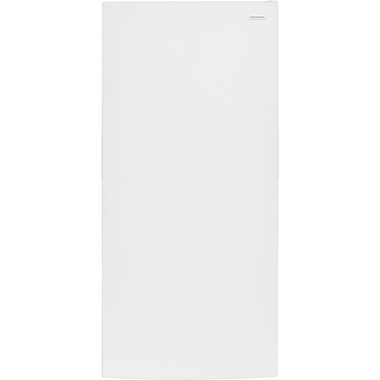
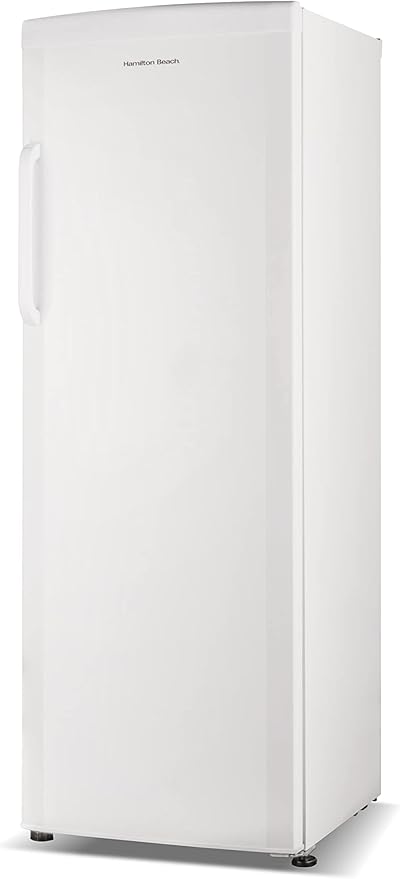
Convertible upright models measure 21 to 32 inches wide and 55 to 72 inches tall — similar to a standard upright freezer. They need wall space and a 120V outlet.
Freestanding drawer freezers measure 24 to 30 inches wide and 34 to 36 inches tall. The counter-height profile allows them to serve as a counter surface or stand beneath a countertop overhang. Their compact height makes them more versatile for placement in kitchens, pantries, and other living spaces.
Durability
Convertible units last 10 to 15 years. The wider-range thermostat and dual-mode compressor are reliable but work across a broader temperature range than single-purpose units.
Freestanding drawer freezers last 10 to 15 years. The drawer slides are the primary maintenance point — lubrication every few years keeps them smooth. The compressor system is standard residential quality.
Who Should Buy Which
Buy a convertible freezer refrigerator if your cold storage needs change seasonally — bulk frozen meat in winter, extra fridge space for parties in summer. The ability to switch modes eliminates the need for two separate appliances. Best for households with variable storage demands and available floor space for a full-height unit.
Buy a freestanding drawer freezer if organization is your top priority and your frozen storage needs are moderate (3 to 7 cubic feet). The pull-out drawers provide the best access and visibility of any compact freezer format. Best for kitchens, pantries, and spaces where counter-height appliances fit better than full-height units.
Shop at Fridge.com
Compare convertible freezer refrigerators and freestanding drawer freezers at Fridge.com. Filter by capacity, mode options, drawer count, and price to find the frozen storage format that matches your lifestyle.