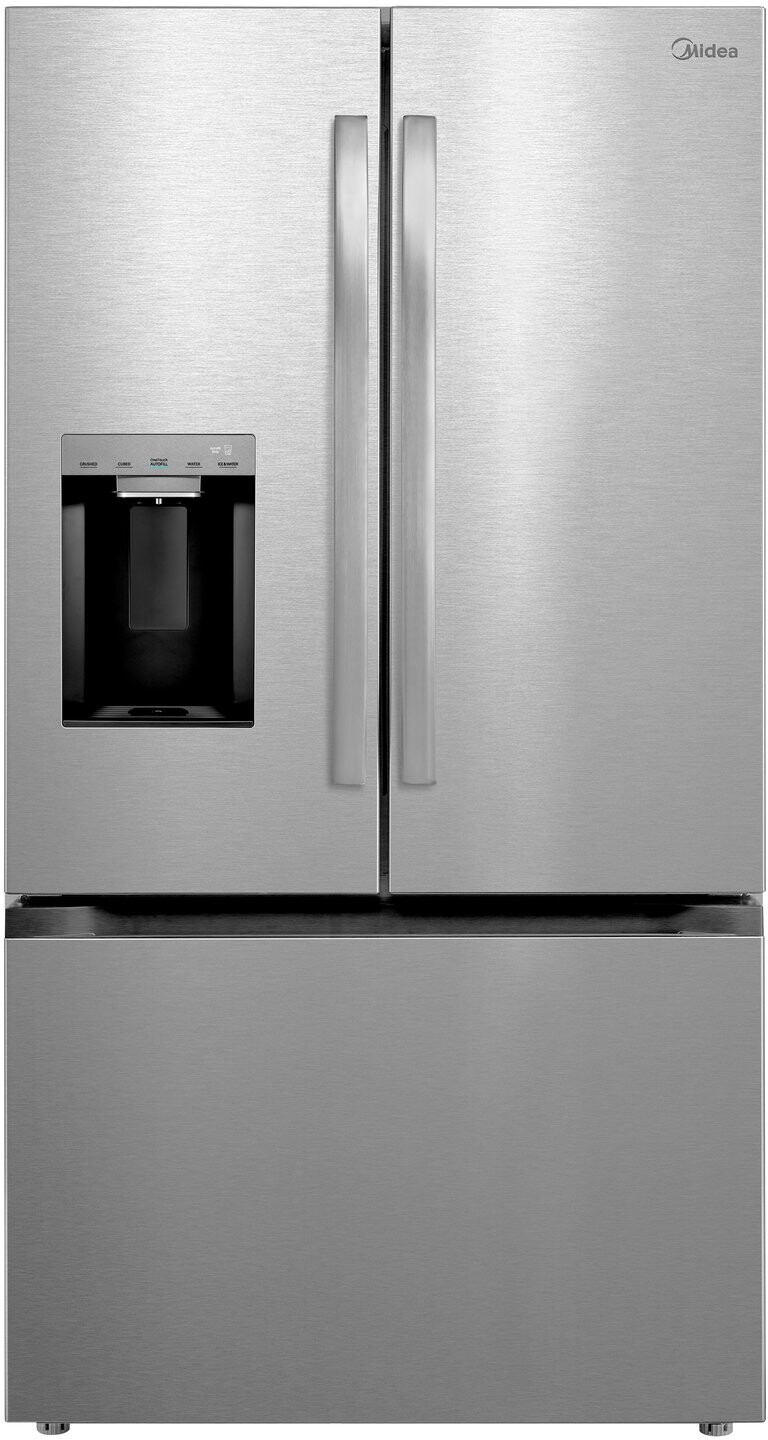
Cleaning Condenser Coils: Like built-in models, the condenser coils should be cleaned every 6-12 months, typically located at the back or bottom of the unit.
Cleaning Condenser Coils: Built-in units may have condenser coils located at the top or bottom, which should be cleaned every 6-12 months to prevent dust buildup and ensure efficient cooling.
Replacing Water Filters: If your built-in refrigerator has a water dispenser or ice maker, the water filter should be replaced every 6 months.
Replacing Water Filters: For models with water dispensers or ice makers, the water filter should be replaced every 6 months.
Built-In Refrigerator Vs. Medium Size Refrigerator
Choosing between a built-in refrigerator and a medium size refrigerator can be challenging. Understanding your specific needs and considering key factors will help you make an informed decision.
Understanding Your Refrigerator Needs
Before diving into the details, it's important to assess your requirements. Consider the following questions:
How much space do you have in your kitchen?
What is your budget?
How much food storage do you need?
What are your design preferences?
How often do you entertain guests?
Answering these questions will provide a clear perspective on whether a built-in refrigerator or a medium size refrigerator fits your lifestyle better.
Key Factors to Consider
When comparing built-in and medium size refrigerators, several factors come into play. Each type has its own set of advantages and drawbacks.
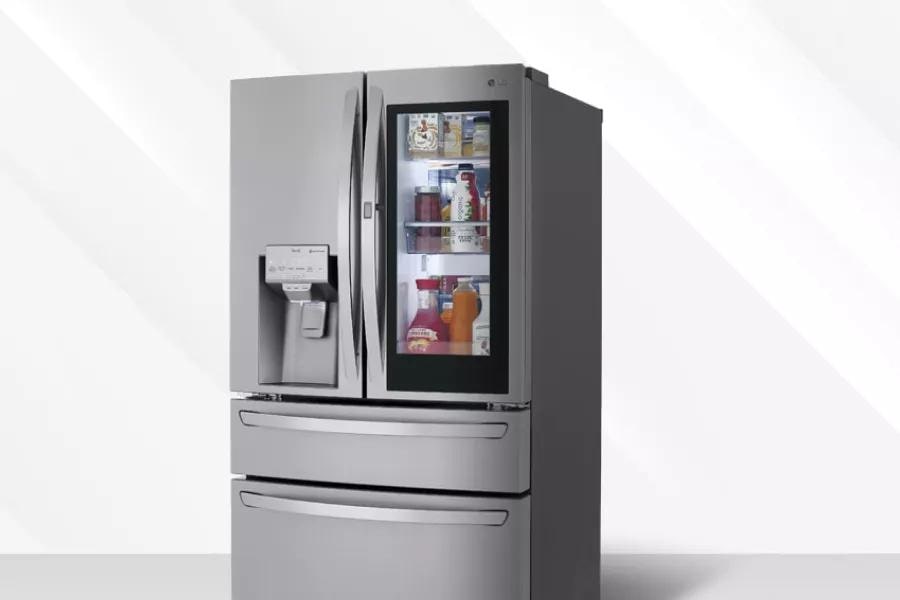
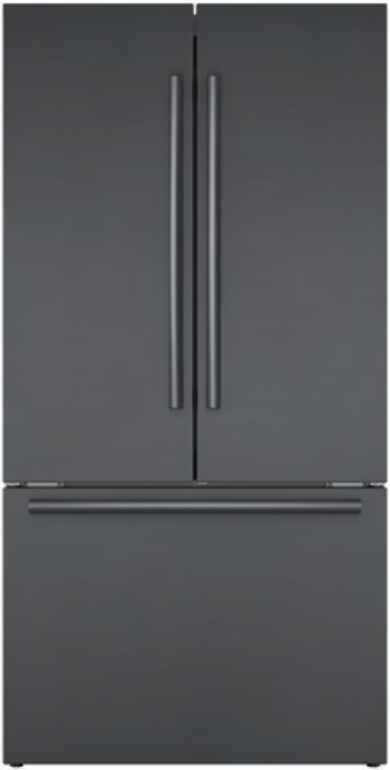
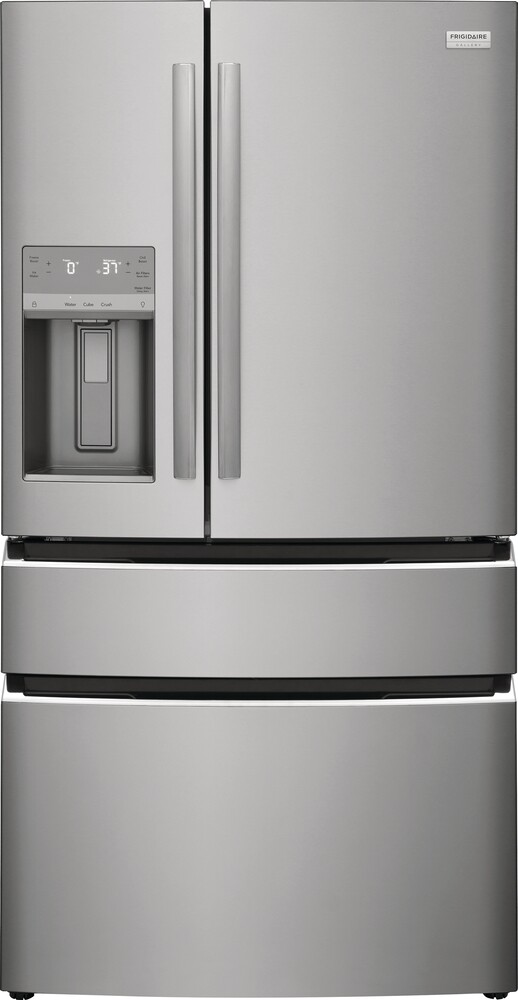
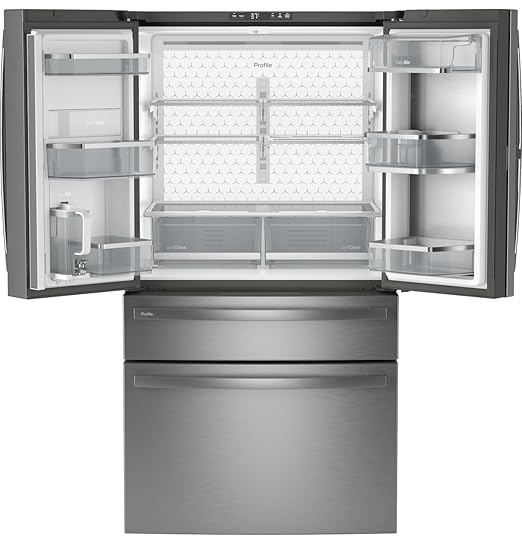
Built-in refrigerators are designed to seamlessly integrate into your kitchen cabinetry, providing a sleek and customized look. They are typically installed flush with your countertops, giving your kitchen a cohesive and high-end appearance. These refrigerators come in various sizes and configurations, including side-by-side, French door, and bottom freezer models.
Key features of built-in refrigerators include:
Customizable Panels: Built-in refrigerators often allow you to add custom panels to match your kitchen cabinets.
Advanced Cooling Technology: Many built-in models come with advanced cooling systems to ensure even temperature distribution.
Enhanced Storage Options: These refrigerators often offer flexible storage solutions, including adjustable shelves and specialized compartments.
Integrated Water and Ice Dispensers: Some models include built-in water and ice dispensers for added convenience.
Pros and Cons
Pros
Aesthetic Appeal: Built-in refrigerators provide a seamless, integrated look that enhances the overall design of your kitchen.
Space Efficiency: They can be customized to fit your kitchen layout, maximizing space utilization.
High-End Features: Built-in models often come with advanced features and technology that may not be available in freestanding units.
Cons
Higher Cost: Built-in refrigerators typically have a higher initial investment compared to medium size refrigerators.
Complex Installation: Installation can be more complicated and may require professional assistance.
Less Flexibility: Once installed, built-in refrigerators are not easily moved or repositioned.
Feature
Built-In Refrigerator
Customizable Panels
Yes
Advanced Cooling
Yes
Storage Options
Flexible
Water/Ice Dispensers
Optional
Initial Cost
Higher
Installation
Complex
Flexibility
Low
Built-in refrigerators offer a unique combination of style and functionality, making them a popular choice for those looking to create a cohesive kitchen design. For more comparisons, check out Fridge.com article on beer keg cooler Vs. black slate refrigerator and drawer fridge freezer Vs. panel ready refrigerator.
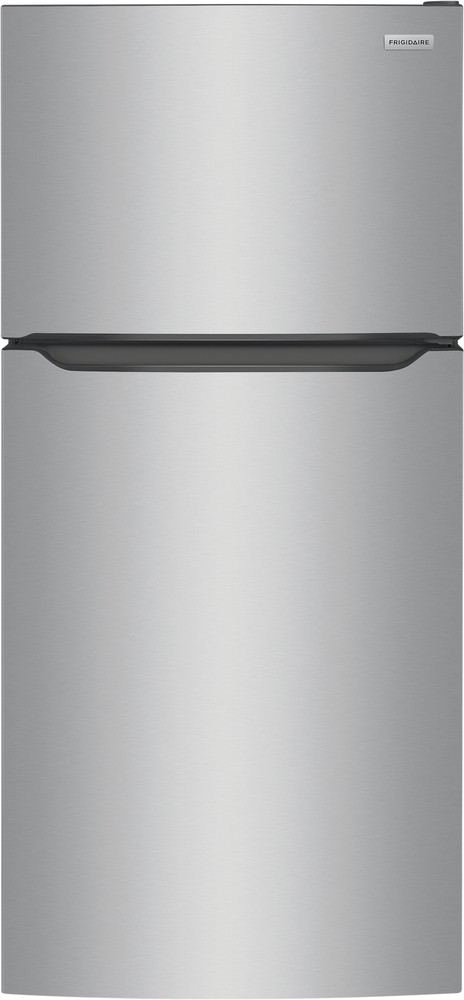
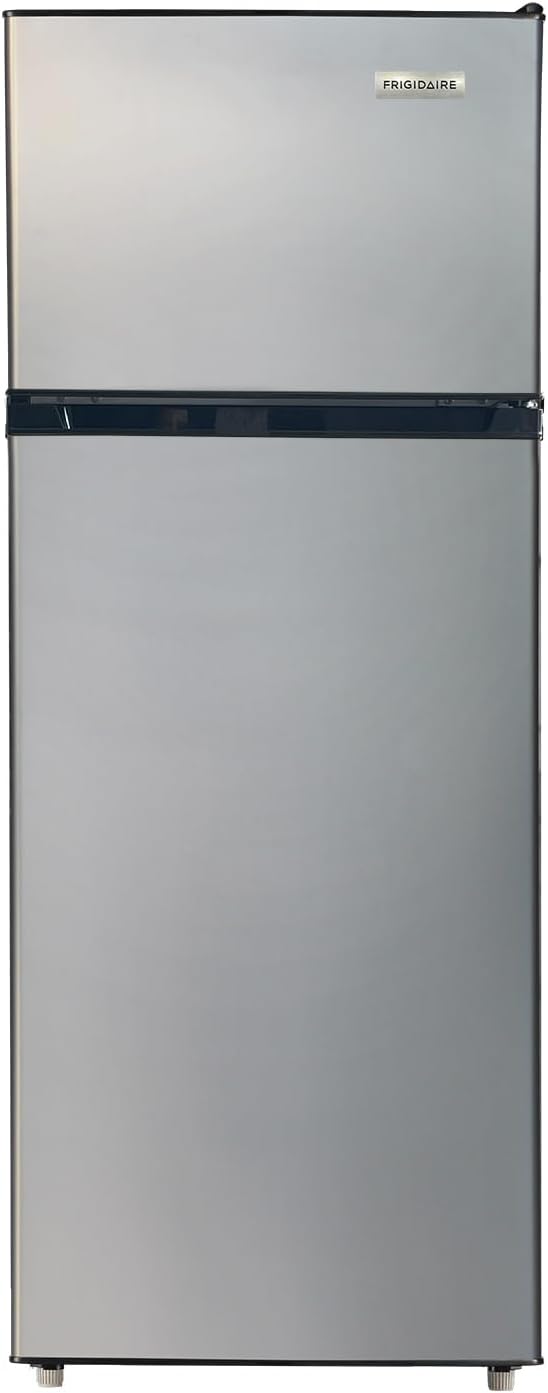
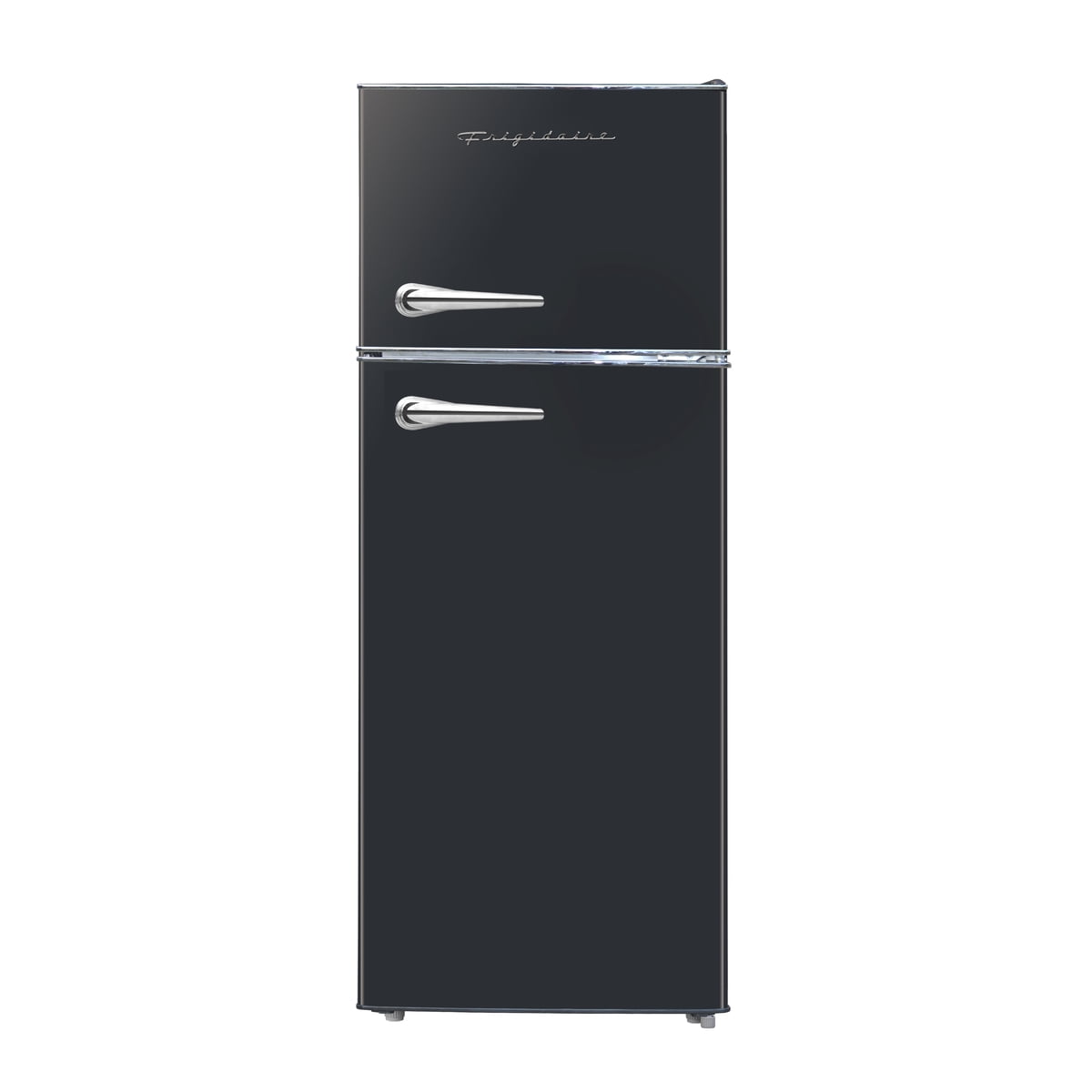
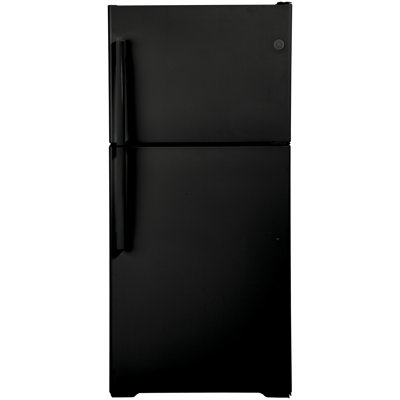
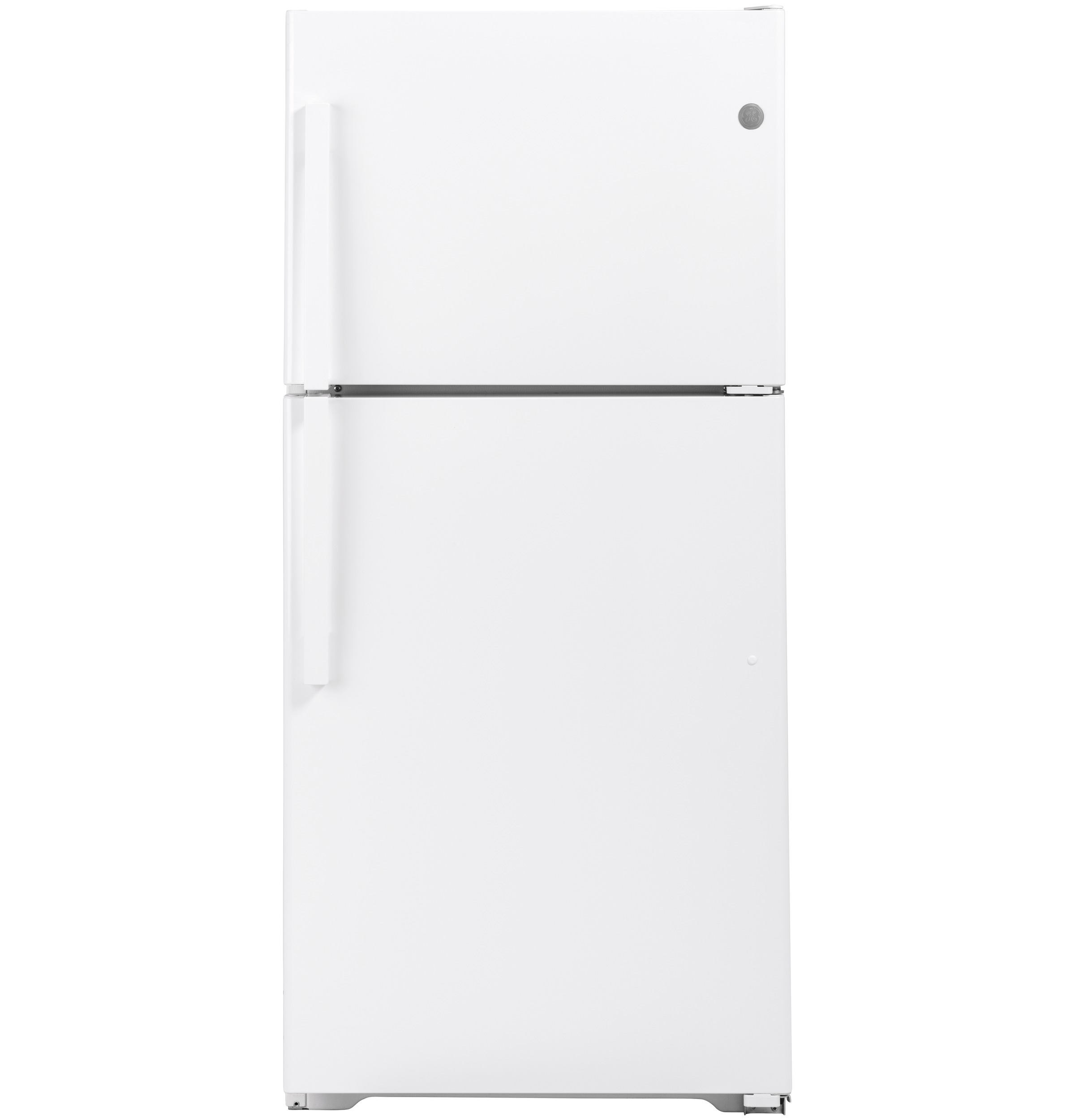
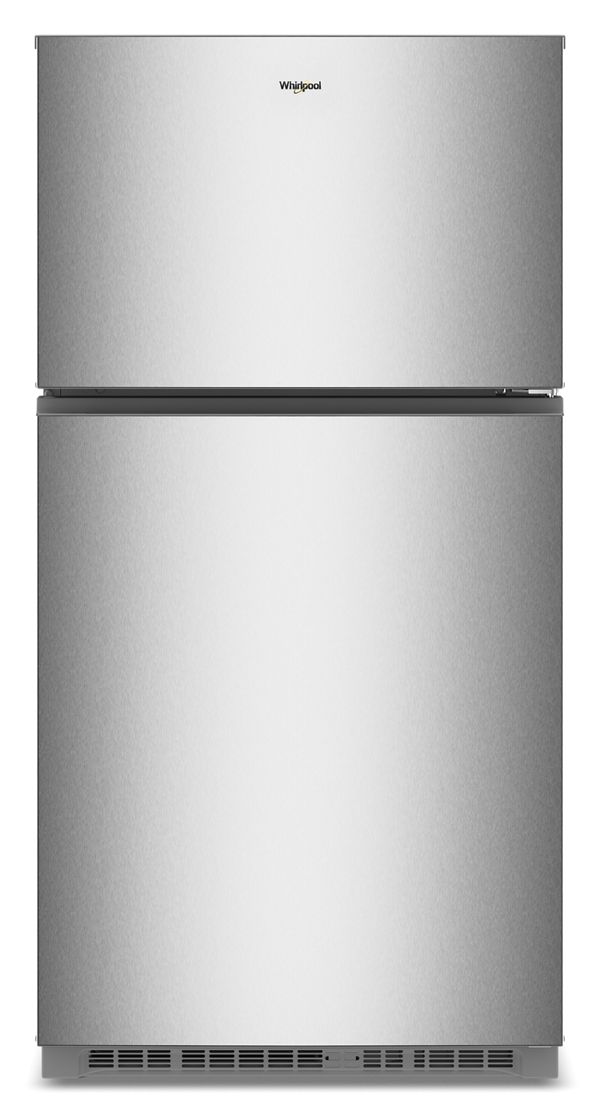
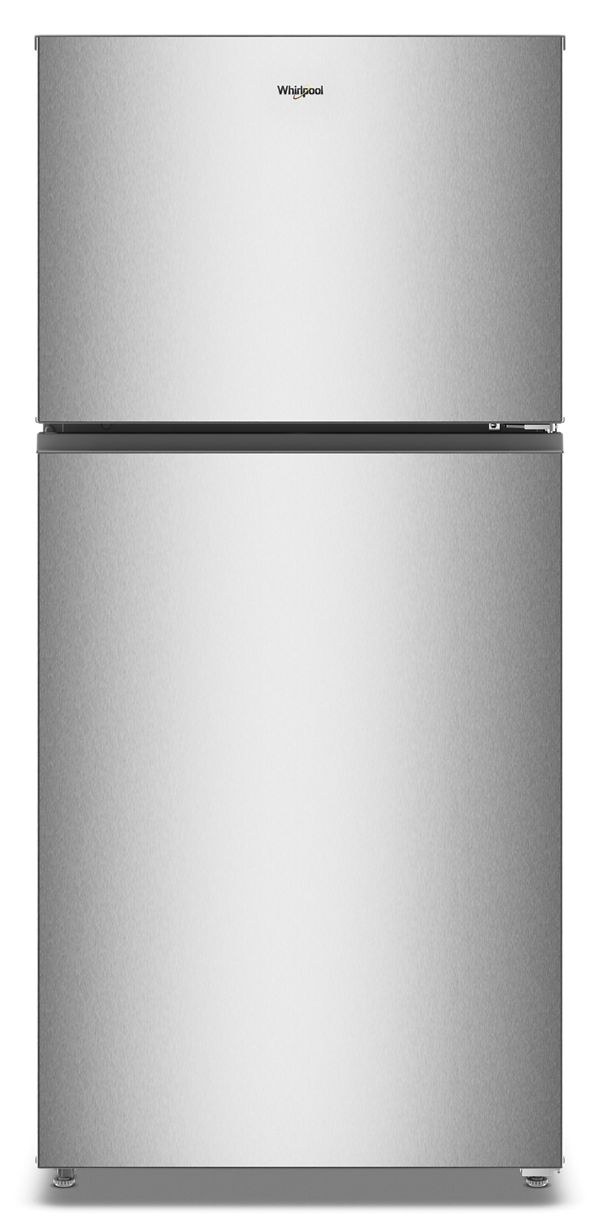
Medium size refrigerators are a popular choice for many households due to their versatility and practicality. These refrigerators typically offer a balanced combination of storage capacity and energy efficiency, making them suitable for various living spaces, including apartments, condos, and small homes.
Storage Capacity: Medium size refrigerators generally have a capacity ranging from 18 to 22 cubic feet. This size is adequate for a small family or individuals who require moderate storage space for their groceries.
Compartments: These refrigerators often come with multiple compartments, including adjustable shelves, crisper drawers for fruits and vegetables, and door bins for bottles and condiments.
Freezer Section: Medium size refrigerators usually feature a freezer compartment, which can be either on top, bottom, or side-by-side with the refrigerator section.
Energy Efficiency: Many medium size refrigerators are designed to be energy-efficient, helping you save on electricity bills while minimizing environmental impact.
Pros and Cons
Understanding the advantages and disadvantages of medium size refrigerators can help you make an informed decision based on your specific needs.
Pros
Cons
Space-Efficient: Medium size refrigerators fit well in smaller kitchens without taking up too much space.
Limited Capacity: May not provide enough storage for larger families or those who buy groceries in bulk.
Freezer Space: The freezer section may be smaller compared to larger models.
Cost-Effective: Generally more affordable than built-in refrigerators.
Design Variety: Limited design options compared to built-in refrigerators.
Medium size refrigerators strike a balance between functionality and space utilization, making them a practical choice for many living situations. For more comparisons, you might be interested in Fridge.com articles on large refrigerator Vs. medium size refrigerator and drawer fridge freezer Vs. panel ready refrigerator.
When deciding between a built-in refrigerator and a medium size refrigerator, it's important to consider the design and installation aspects. Each type of refrigerator has its own requirements and considerations.
Built-In Refrigerator Installation
Built-in refrigerators are designed to be installed flush with your cabinets, creating a seamless look in your kitchen. This type of refrigerator requires precise measurements and professional installation to ensure a perfect fit.
Key Installation Considerations:
Space Planning: Built-in refrigerators require a dedicated space in your kitchen layout. Ensure there's enough room for the refrigerator and proper ventilation.
Electrical and Plumbing: Built-in models may require specific electrical outlets and plumbing for ice makers and water dispensers.
Cabinet Modifications: You might need custom cabinets or modifications to existing ones to accommodate the refrigerator.
Professional Installation: Due to the complexity, professional installation is often recommended to ensure everything is correctly set up.
Medium Size Refrigerator Placement
Medium size refrigerators offer more flexibility in terms of placement. They can be freestanding and easily moved, making them a versatile option for various settings.
Key Placement Considerations:
Location Flexibility: Medium size refrigerators can be placed in the kitchen, garage, basement, or even outdoors if designed for such use.
Space Requirements: Measure the available space to ensure the refrigerator fits comfortably and allows for door clearance.
Ventilation: Ensure proper ventilation around the refrigerator to prevent overheating. This usually means leaving a few inches of space on all sides.
Accessibility: Place the refrigerator in a location that's convenient for daily use and easy to access.
Factor
Built-In Refrigerator
Medium Size Refrigerator
Installation
Requires professional installation
Can be installed by the homeowner
Space Requirement
Custom space in kitchen cabinets
Flexible placement options
Electrical/Plumbing
May require specific electrical/plumbing
Standard electrical outlet
Ventilation
Built into the design
Needs space around for ventilation
Understanding the design and installation differences between built-in and medium size refrigerators can help you make an informed decision. For more comparisons, check out Fridge.com articles on side by side refrigerator Vs. wine cooler and apartment size refrigerator Vs. retro fridge.
When comparing the capacity and storage options of built-in refrigerators and medium size refrigerators, it's important to understand the unique features and benefits each type offers. This section will explore the storage solutions provided by both types of refrigerators, helping you make an informed decision.
Storage Options in Built-In Refrigerators
Built-in refrigerators are known for their seamless integration into kitchen cabinetry, offering a sleek and custom look. These refrigerators are often larger and provide extensive storage options to accommodate the needs of a busy household or a chef's kitchen.
Feature
Built-In Refrigerators
Typical Capacity (Cubic Feet)
18 - 30
Shelving
Adjustable glass shelves, spill-proof
Drawers
Multiple crisper drawers, deli drawers
Door Storage
Gallon-sized door bins, adjustable door bins
Freezer Space
Bottom or side-by-side freezer options
Special Features
Wine racks, temperature-controlled drawers, humidity control
Built-in refrigerators often come with customizable shelving and specialized compartments that allow for efficient organization of different types of food. Adjustable shelves, multiple crisper drawers, and temperature-controlled zones are common features that enhance their functionality. For more insights on refrigerator types, check out Fridge.com comparison on column freezer Vs. stainless steel refrigerator.
Storage Options in Medium Size Refrigerators
Medium size refrigerators, also known as standard refrigerators, are designed to fit into a variety of spaces, making them ideal for apartments, condos, and smaller homes. These refrigerators offer a balance between capacity and space efficiency, providing ample storage without overwhelming the kitchen.
Feature
Medium Size Refrigerators
Typical Capacity (Cubic Feet)
14 - 18
Shelving
Adjustable wire or glass shelves
Drawers
Crisper drawers, meat drawers
Door Storage
Fixed or adjustable door bins, smaller door shelves
Freezer Space
Top or bottom freezer options
Special Features
Ice makers, water dispensers
Medium size refrigerators typically feature a combination of adjustable shelves and door bins that maximize storage space. Crisper drawers help keep fruits and vegetables fresh, while dedicated meat drawers provide an optimal environment for storing meats. These refrigerators are versatile and can be placed in various locations, from kitchens to garages. Explore more about different refrigerator types in Fridge.com article on drawer fridge freezer Vs. panel ready refrigerator.
When choosing between a built-in refrigerator and a medium size refrigerator, consider the capacity and storage options that best suit your needs. Built-in refrigerators offer extensive storage and a custom look, while medium size refrigerators provide a practical solution for smaller spaces. For a deeper dive into other refrigerator comparisons, visit Fridge.com article on glass door refrigerator Vs. tall refrigerator.
Energy Efficiency
Examining the energy efficiency of built-in refrigerators versus medium size refrigerators is essential for making an informed choice. Energy efficiency affects both your electricity bills and environmental footprint.
Energy Efficiency of Built-In Refrigerators
Built-in refrigerators are designed to fit seamlessly into your kitchen cabinetry, offering a sleek and integrated look. These refrigerators often come with advanced features and technology aimed at optimizing energy use.
Feature
Energy Efficiency Impact
Advanced Insulation
Reduces energy loss, maintaining consistent temperatures
Variable Speed Compressors
Adjusts speed based on cooling demand, saving energy
Smart Sensors
Monitors and adjusts internal conditions to enhance efficiency
Built-in refrigerators tend to have a higher initial energy consumption due to their larger size and additional features. However, their advanced technology can lead to energy savings over time. For more details on energy-efficient appliances, explore Fridge.com article on smart fridge Vs. undercounter beverage cooler.
Energy Efficiency of Medium Size Refrigerators
Medium size refrigerators, often referred to as standard refrigerators, are designed to suit a variety of spaces, including homes, apartments, and offices. These models generally offer a balance between capacity and energy consumption.
Feature
Energy Efficiency Impact
Compact Design
Uses less energy due to smaller internal volume
Efficient Cooling Systems
Provides effective cooling with lower energy use
Eco-friendly Refrigerants
Reduces environmental impact while maintaining performance
Medium size refrigerators typically consume less power compared to built-in models, making them a cost-effective option for many households. For a closer look at different refrigerator types and their efficiency, check out Fridge.com article on large refrigerator Vs. medium size refrigerator.
Both built-in and medium size refrigerators offer unique benefits in terms of energy efficiency. Understanding these differences helps you choose the best option for your needs and preferences.
When choosing between a built-in refrigerator and a medium size refrigerator, it's essential to consider the costs involved. Here, Fridge.com will compare the initial investment and operating costs of each option.
Initial Investment Comparison
The initial investment for a built-in refrigerator is generally higher compared to a medium size refrigerator. Built-in models often require customization and professional installation, which adds to the overall cost. On the other hand, medium size refrigerators are typically more affordable and easier to install, making them a cost-effective choice for many homeowners.
Refrigerator Type
Average Initial Cost
Built-In Refrigerator
$3,000 - $10,000
Medium Size Refrigerator
$500 - $2,000
Operating Costs Comparison
Operating costs include energy consumption and maintenance expenses. Built-in refrigerators may have higher energy efficiency, but they also tend to have larger capacities, which can lead to increased energy usage. Medium size refrigerators, while generally consuming less energy due to their smaller size, might not always be as efficient as their built-in counterparts.
Refrigerator Type
Average Annual Operating Cost
Built-In Refrigerator
$70 - $120
Medium Size Refrigerator
$50 - $90
It's important to weigh these cost considerations against other factors, such as energy efficiency, maintenance requirements, and your specific storage needs. For more detailed comparisons, visit Fridge.com articles on beer keg cooler Vs. black slate refrigerator and dorm fridge Vs. upright refrigerator.
Maintenance and Durability
When comparing built-in refrigerators to medium size refrigerators, it's crucial to consider maintenance requirements and durability. Proper upkeep ensures that your appliance operates efficiently and extends its lifespan.
Maintenance Requirements for Built-In Refrigerators
Built-in refrigerators often require more intricate maintenance due to their integrated design. These refrigerators are typically installed flush with cabinetry, which can make accessing certain components challenging. Regular maintenance tasks include:
Cleaning Condenser Coils: Built-in units may have condenser coils located at the top or bottom, which should be cleaned every 6-12 months to prevent dust buildup and ensure efficient cooling.
Checking Door Seals: Ensuring the door seals are tight and free from cracks helps maintain the internal temperature and energy efficiency.
Replacing Water Filters: If your built-in refrigerator has a water dispenser or ice maker, the water filter should be replaced every 6 months.
Professional Servicing: Due to their complex installation, built-in refrigerators may require professional servicing for any significant repairs or part replacements.
Maintenance Task
Frequency
Cleaning Condenser Coils
Every 6-12 months
Checking Door Seals
Monthly
Replacing Water Filters
Every 6 months
Professional Servicing
As needed
Maintenance Requirements for Medium Size Refrigerators
Medium size refrigerators are generally easier to maintain. They are more accessible and often have simpler designs. Key maintenance tasks include:
Cleaning Condenser Coils: Like built-in models, the condenser coils should be cleaned every 6-12 months, typically located at the back or bottom of the unit.
Checking Door Seals: Regular inspection of door seals to ensure they are intact and functioning properly helps in maintaining efficiency.
Replacing Water Filters: For models with water dispensers or ice makers, the water filter should be replaced every 6 months.
Defrosting: Some medium size refrigerators may require manual defrosting of the freezer compartment to prevent ice buildup.
Maintenance Task
Frequency
Cleaning Condenser Coils
Every 6-12 months
Checking Door Seals
Monthly
Replacing Water Filters
Every 6 months
Defrosting
As needed
Understanding the maintenance requirements can help you decide between a built-in refrigerator and a medium size refrigerator, ensuring you choose the best option for your needs and lifestyle. For more comparisons on different types of refrigerators, visit Fridge.com articles on beer keg cooler Vs. black slate refrigerator and drawer fridge freezer Vs. panel ready refrigerator.
Compare prices on Fridge.com
Compare current prices and specifications on Fridge.com, then buy from the retailer you choose; delivery, installation and warranty terms are the retailer’s.
It also has tons of awesome articles about kitchen stuff and home news. Enhance your home, garage, backyard, patio, and office with the coolest essentials. With every necessary type of residential refrigerator or freezer in the collection, you're covered.
Free tool
Refrigerator Size Calculator
Free interactive tool from Fridge.com — get a quick answer while you read.