If you’re on the hunt for the best kids friendly refrigerators, you’re in the right place. Choosing the right fridge for your little ones isn’t just about size or style. You need features that keep snacks within reach, resist smudges, and lock up any hazards. Whether you’re a busy parent meal-prepping lunches, a college student grabbing late-night smoothies, or a home cook organizing produce for your family, this guide has got you covered. We’ll walk through everything from capacity to door design to top picks that will put both you and your kids at ease.
assess your fridge needs
consider placement and size
First, think about where your fridge will live. An 11.6 to 18 cubic feet refrigerator tends to fit most kitchens and hallways without overpowering the room. If you’re tight on floor space or looking for a snack-specific model, you might explore 11.6 - 18 cubic feet refrigerator options or even a compact undercounter unit. Measure your doorways, cabinets, and hallways so you won’t get surprised on delivery day.
account for your usage
Your daily habits matter. Do you stash prepped fruits and veggies for kids’ lunches? Are smoothies and sippy cups a constant? A fridge with adjustable shelves and removable bins makes it easy to switch from milk bottles to snack packs in seconds. If you’re hosting playdates or serving a crowd, you might want a model with a built-in beverage rack or extra deep drawers for pitchers.
check power and specs
Energy efficiency isn’t just good for the planet—it can shave dollars off your electric bill. Look for Energy Star ratings and models with LED lighting. If you plan to tuck the fridge into a garage or outdoor kitchen, verify that it’s rated for unconditioned spaces. For a quiet home environment, peek at the decibel rating. A whisper-quiet model means you won’t hear hums and clicks when bedtime rolls around.
Kids love independence. A fridge with lower racks, pull-out bins, or a half-height door makes grabbing snacks a breeze. Slide-out snack drawers let little hands see exactly what’s inside, so fewer spills happen on the floor. If you want to get creative, magnetic dry-erase panels on the door let kids label their own snack bins or draw silly doodles.
safety and locks
Safety locks are nonnegotiable when toddlers roam free. Look for models with built-in door locks or add-on latch kits that prevent accidental openings. Rounded corners and recessed handles reduce bumps and bruises. Some fridges even offer temperature-lock features so curious fingers can’t dial the thermostat lower.
storage flexibility
Adjustable glass shelves and moveable door bins save the day when you need a taller section for juice cartons or a smaller slot for baby food jars. Humidity-controlled crisper drawers help veggies stay crisp and fruit stay sweet. If you’re storing meal-prep bowls or bento boxes for school lunches, ensure the fridge’s depth accommodates your containers.
energy efficiency and noise
A model that sips power and hums softly fits right into family life. LED lighting inside is cooler and more efficient than incandescent bulbs. Look for frost-free designs that auto-defrost to save you maintenance time. If you find questions about defrosting, see will salt defrost the freezer? for tips on keeping ice buildup under control.
compare top models
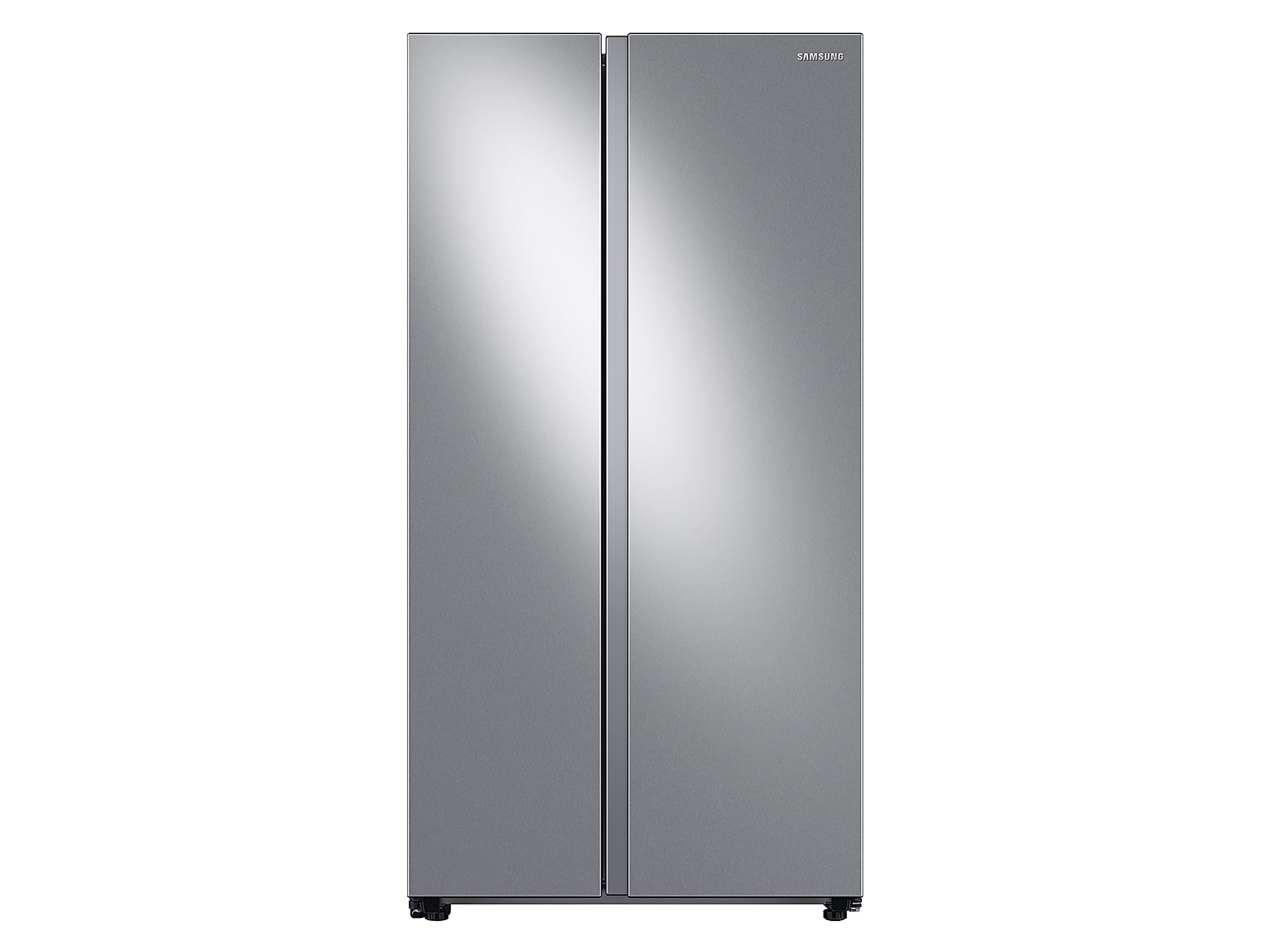
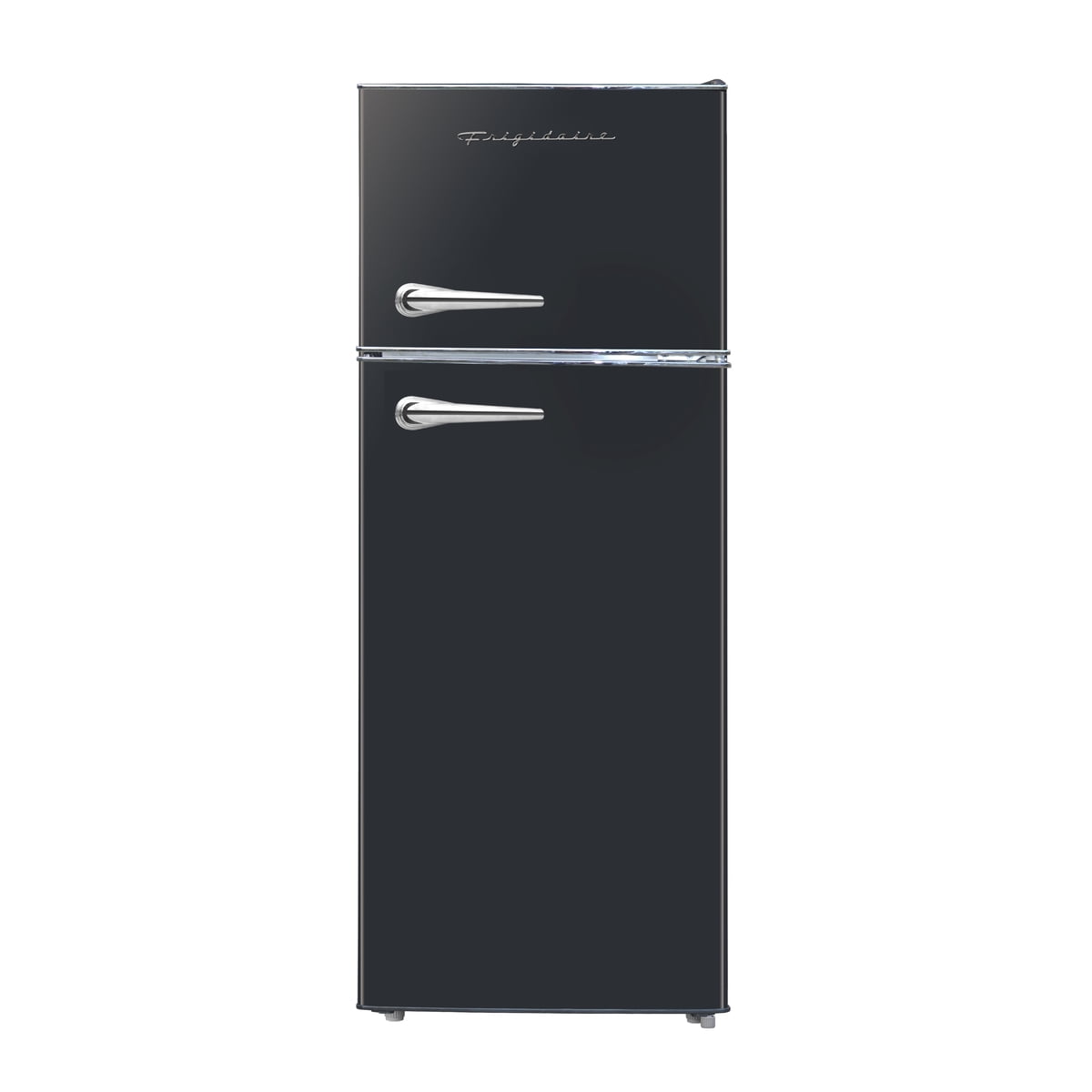
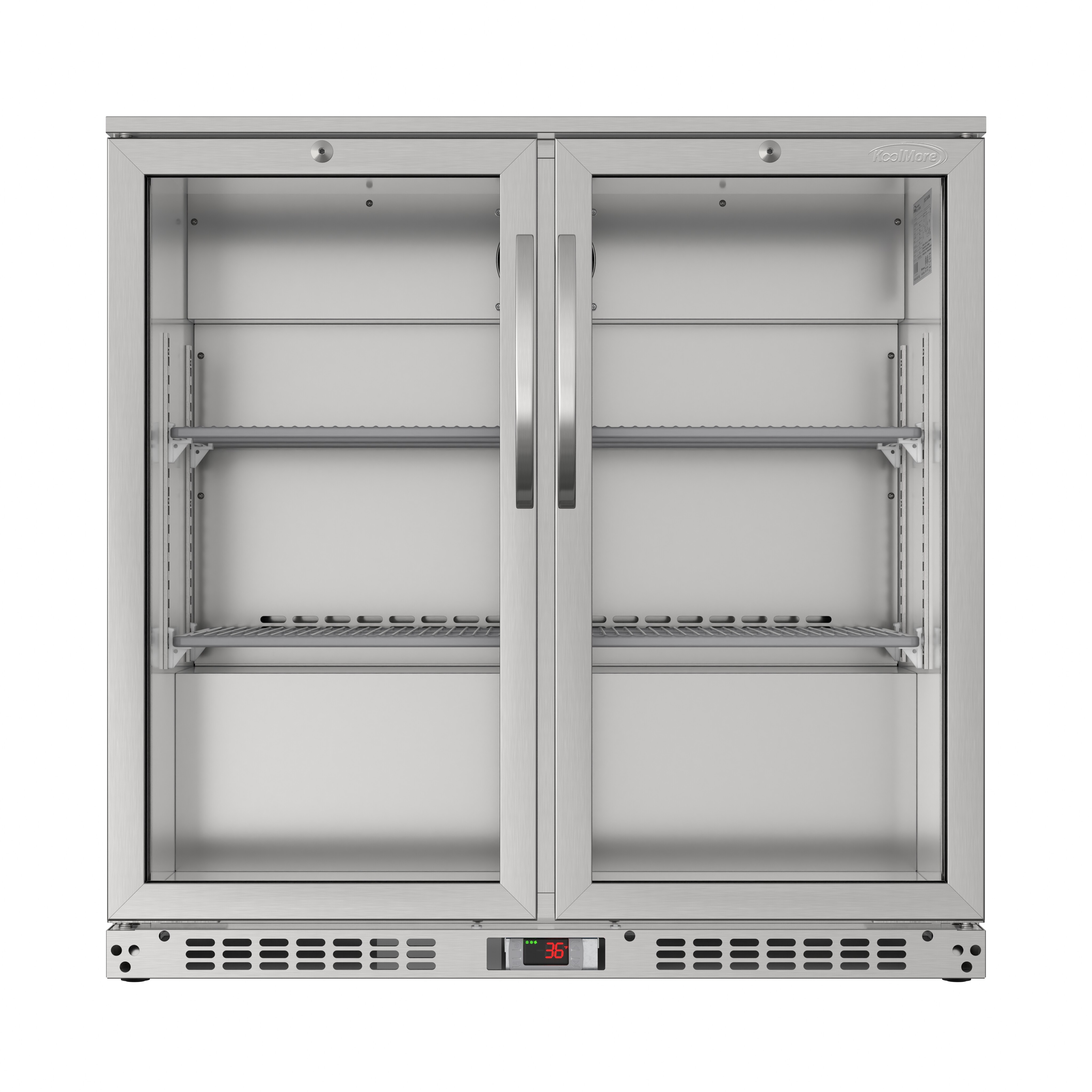
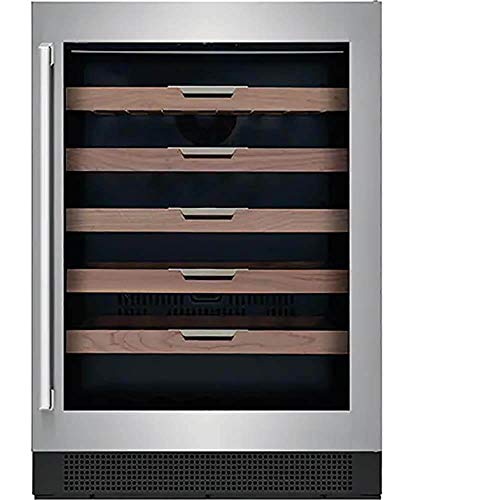
Here are six of our favorite kids friendly refrigerators, each suited to different spaces and budgets. We’ve highlighted why they stand out and who they’re ideal for.
KidHaven 18 cu ft family fridge
Capacity: 18 cubic feet
Why it’s great: This model blends full-size storage with a lower snack drawer designed just for kids. Soft-close doors and an easy-clean stainless finish resist fingerprints.
Ideal for: Large families who need ample shelf space and toddler-friendly access.
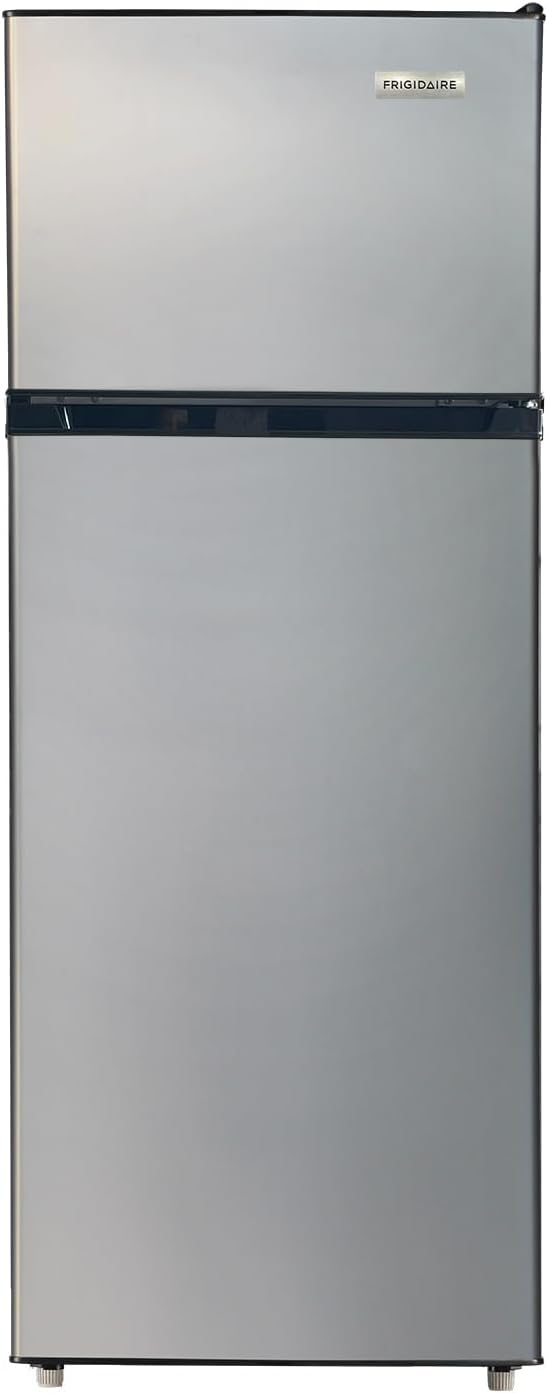
MiniCoolerie 3.3 cu ft compact fridge
Capacity: 3.3 cubic feet
Why it’s great: Perfect for dorms or small apartments, this pint-sized fridge features a removable minibar shelf and a built-in can dispenser. Check out our guide on best 3.3 cu ft mini fridge for more mini options.
Ideal for: College students, nurseries, or playrooms.
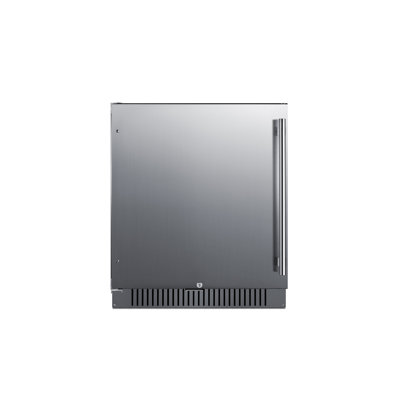
UnderBuddy 4.5 cu ft undercounter unit
Capacity: 4.5 cubic feet
Why it’s great: Fits neatly under counters or in a game room. Adjustable glass shelves and an interior LED light keep snacks visible. Energy Star certified and budget-friendly—see undercounter refrigerators under 2000 for similar deals.
Ideal for: Home bars, rec rooms, or kitchenette spaces.
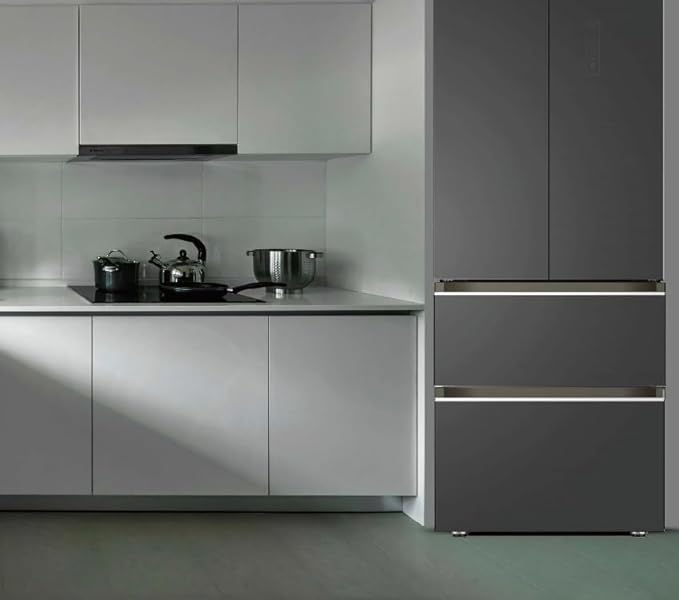
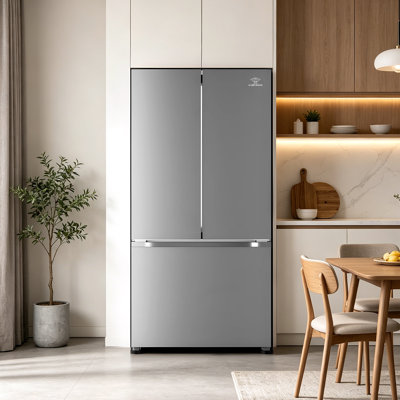
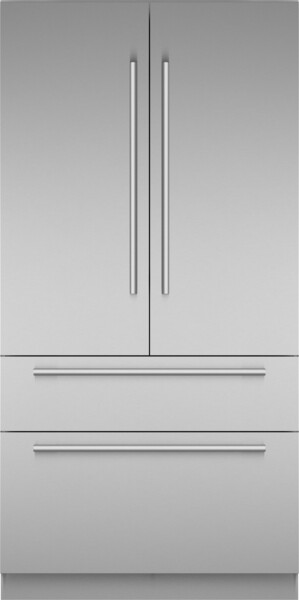
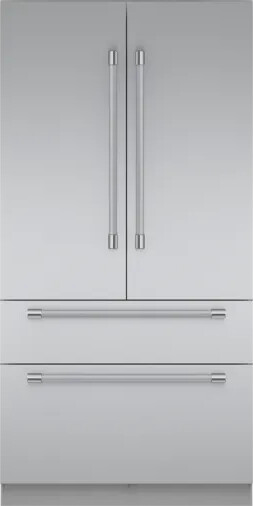
FrenchLite slim fridge
Capacity: 12 cubic feet
Why it’s great: A narrow French-door design brings sophistication and easy access. Two lower drawers can be set at different humidity levels, perfect for fruit and veggies.
Ideal for: Small kitchens or open-plan living areas where style matters.
PartyStation beverage fridge
Capacity: 5 cu ft
Why it’s great: Temperatures adjustable from 34°F to 65°F, so you can chill juice boxes or sparkling water. Glass door lets kids choose their drink, and removable wire racks clear way for taller bottles.
Ideal for: Entertaining, kids’ birthday parties, or garage setups.
ColorSplash compact models
Capacity: 2.7–4 cu ft
Why it’s great: Choose from bright pastel doors that kids adore. Basic interior shelving, easy-open handle, and whisper-quiet compressor. Perfect for art stations or play areas.
Ideal for: Creative spaces, nurseries, or bedrooms.
Once a month, pull out bins and shelves to wash them with warm soapy water. Wipe down door gaskets to keep seals airtight. A quick weekly wipe prevents spills from turning into lingering odors.
organize with bins
Clear storage bins help you and your kids know exactly where snacks, produce, and drinks live. Label each bin with a chalk-marker or magnet sticker so kids can help restock after school. Stackable containers maximize every inch of space.
monitor temperature
Keep the fridge between 34°F and 40°F to preserve freshness. Use a fridge thermometer and check it weekly. If you notice uneven cooling or hear strange noises, consult our tips on how do you know when your refrigerator is going out? so you can address issues before food goes bad.
Dedicate one shelf or drawer to healthy, grab-and-go snacks. Include pre-washed fruit cups, yogurt tubes, cheese sticks, and chopped veggies. When kids see a tidy station of approved treats, they feel empowered to make better choices.
personalize with art
Stick magnetic picture frames or chalkboard panels on the exterior door. Let your kids display their latest school artwork or write their own fridge menus. Personalization makes the fridge feel like “their” space and can spark conversations about healthy eating.
involve them in meal prep
Kids who help shop and stock the fridge are more likely to try new foods. Take them grocery shopping, let them pick colorful veggies, and assign them to arrange produce drawers at home. You’ll teach responsibility while keeping our family fridge organized.
balance space and budget
small apartments and dorms
If you live in a studio or dorm, a mini fridge or slim profile model is your best friend. Beyond the best 3.3 cu ft mini fridge, you might look for undercounter units to tuck under your study desk. These keep essentials handy without crowding your living area.
garage and outdoor use
Planning a backyard movie night or garage hangout? Pick a fridge rated for unconditioned spaces. PartyStation models with sliding glass doors work well in covered patios. For more freezer backup, see purchase garage freezers: sale.
budget-friendly options
You don’t have to break the bank to get kid-safe features. Look for core essentials—smooth doors, rounded edges, and adjustable shelves—rather than premium extras. Entry-level undercounter fridges often include all the basics at a fraction of the price.
You’ve covered the must-haves: accessible design, safety locks, adjustable storage, and energy efficiency. You’ve seen how a compact mini fridge can fit in a dorm, a French-door model can upgrade a small kitchen, or a colorful unit can brighten a playroom. Now it’s time to match your space, budget, and style to one of these picks. Once your new fridge arrives, involve your kids in unpacking and organizing—it’s the best way to ensure they respect and use their very own snack haven. With the right features in place, your fridge will become a family favorite for snacks, lunches, and impromptu smoothies for years to come. Enjoy every chilled moment together!
From Fridge.com research
Figures below come from data Fridge.com builds and maintains. Each links to the record behind it.
Fridge.com Energy Index, built on U.S. EPA and DOE ENERGY STAR records
Across 5,455 ENERGY STAR certified refrigerators and freezers from 263 brands, median use is 360 kWh per year.