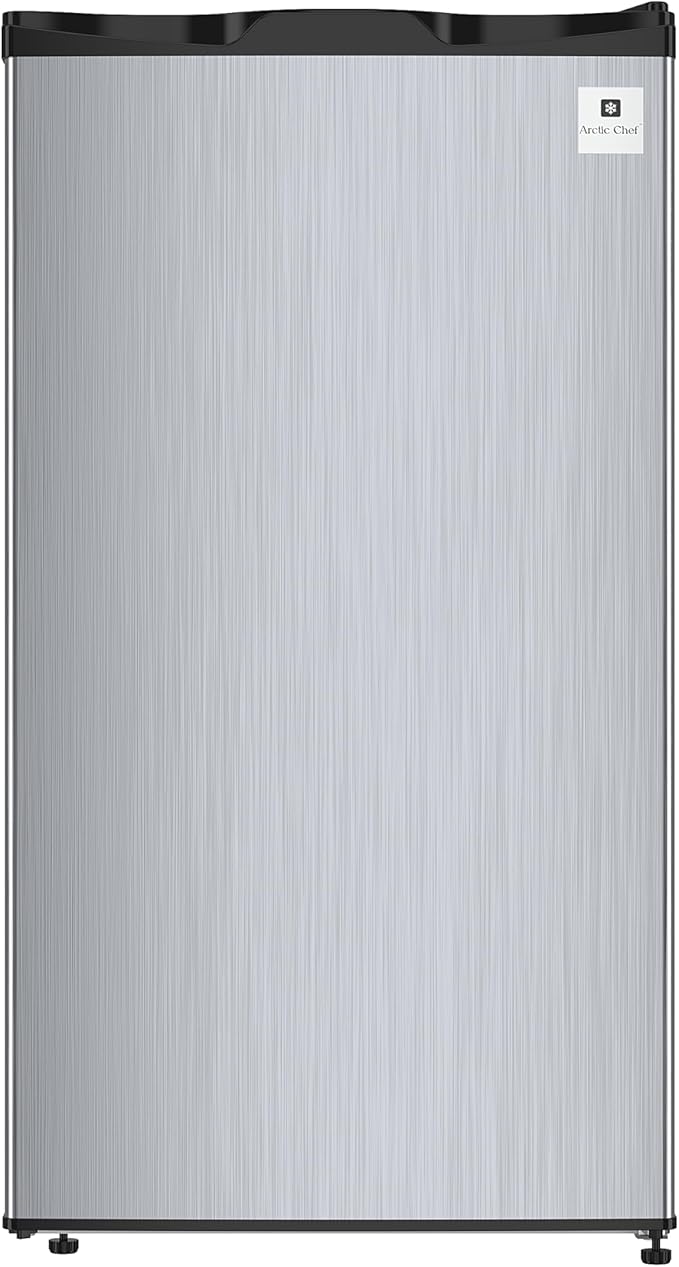
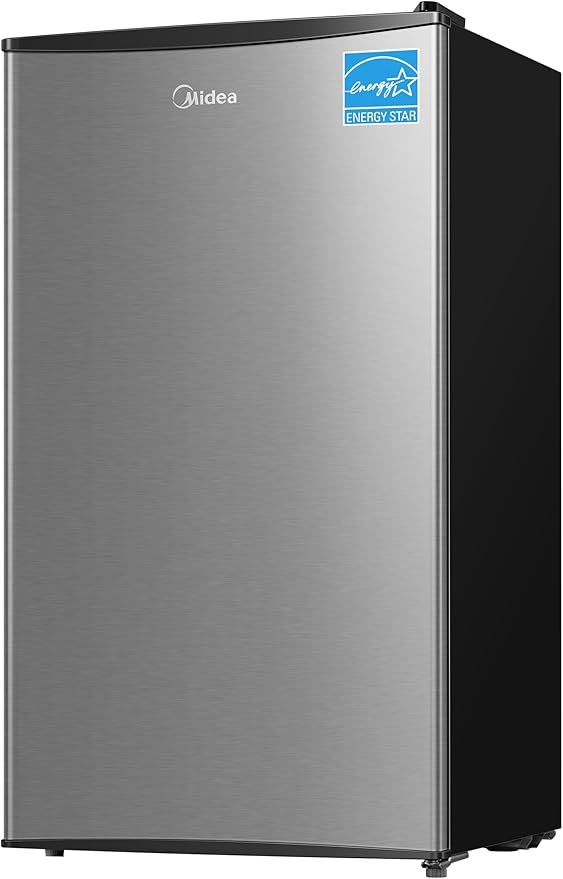
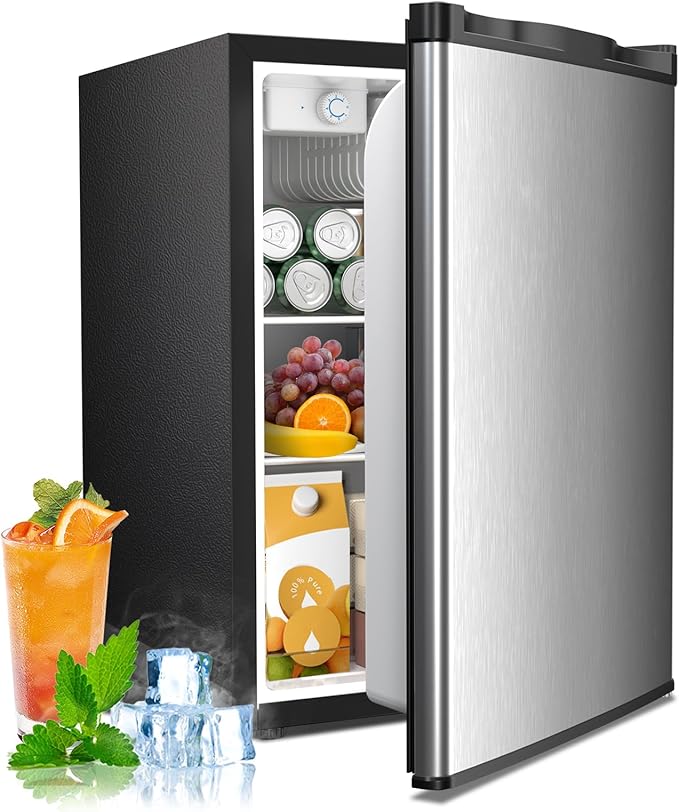
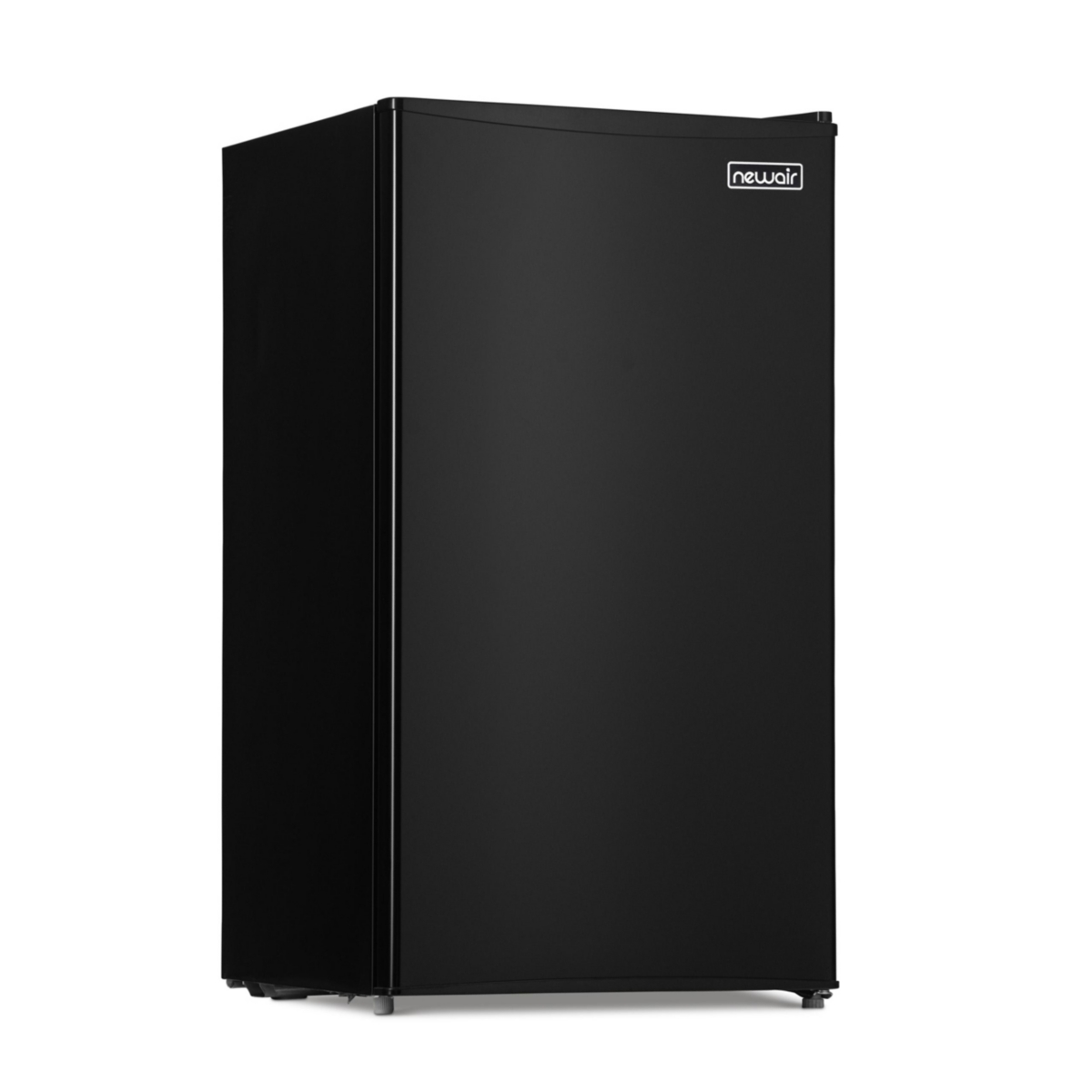
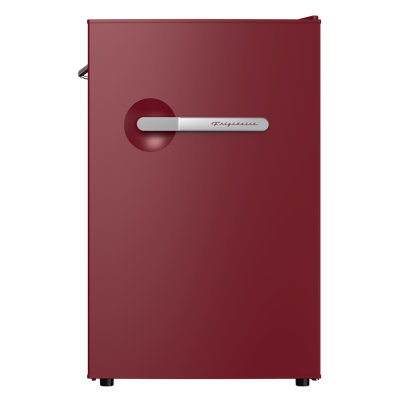
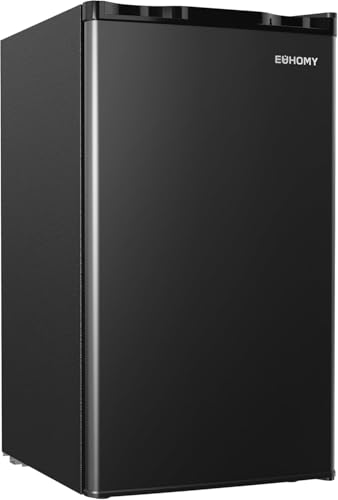
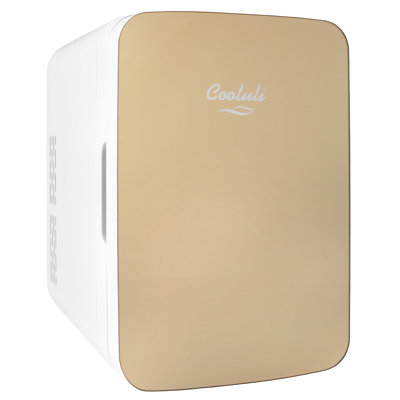
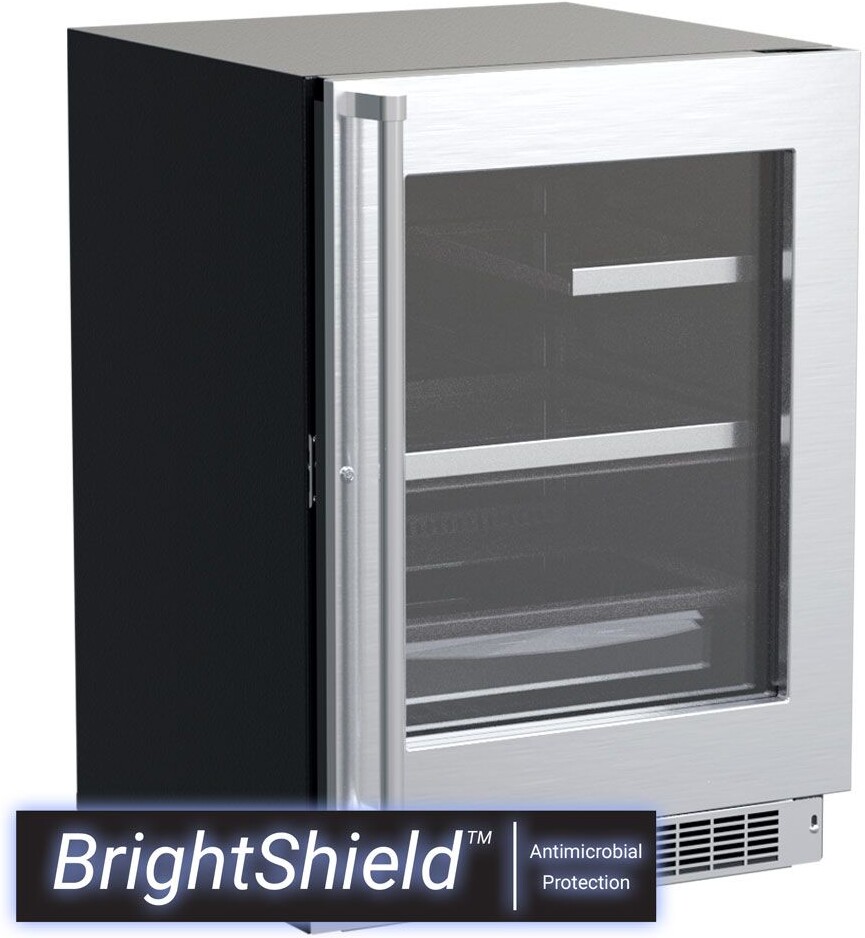
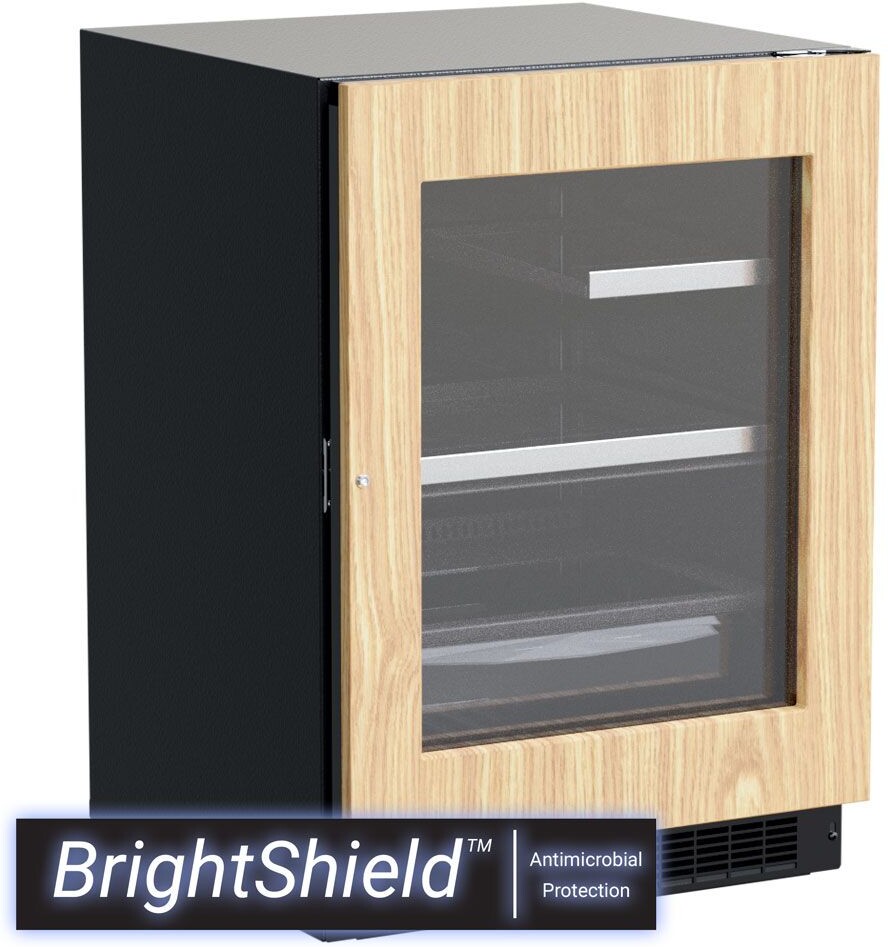
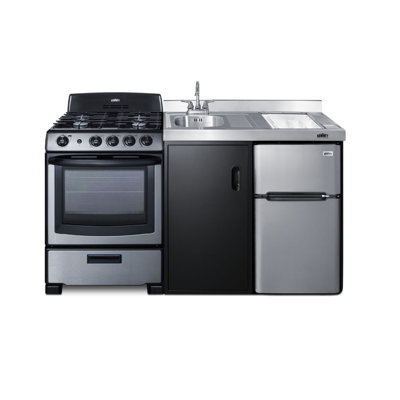
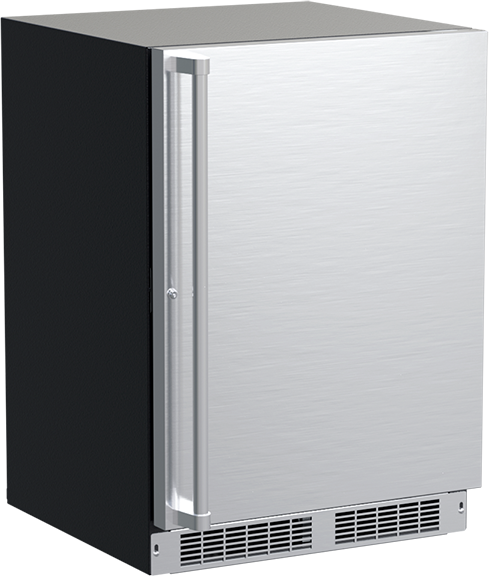
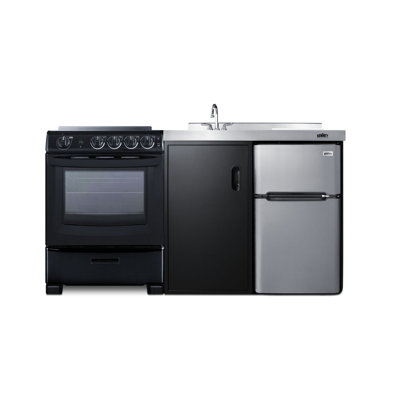
Finding the best condo mini fridge can feel like a quest—especially when you’re juggling limited square footage, style preferences, and a diverse set of needs (from storing baby food to chilling craft beer). Whether you’re a home cook meal-prepping lunches, a parent stashing snacks for the kids, or a kegerator owner keeping your growlers cold, picking the right compact fridge is key. In this guide, you’ll get the lowdown on what makes a mini fridge condo-friendly, how to size up your space, what features really matter, our top picks for every budget and style, and expert tips for maintenance. Let’s dive in and find the perfect small refrigerator for your life.
Reasons to choose mini fridge
A mini fridge isn’t just a dorm-room staple anymore. In a modern condo, a compact refrigerator can serve as:
Secondary storage for overflow items, meal-prep ingredients, or party extras
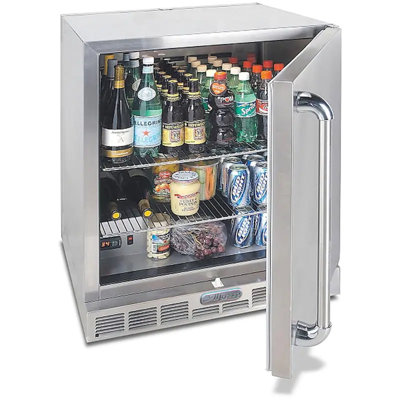
Beverage center for wine, craft beer, soda, or your home-brewed kombucha
Baby-food and snack station in nurseries or playrooms
Under-counter unit in your bar area or office nook
Portable chilling solution for garage workshops, patios, or RV trips
Here are a few perks that come with going small:
Space savings You’ll reclaim precious floor area and avoid cramming a full-size fridge into tight corners
Energy efficiency Most mini fridges draw less power than standard models, keeping utility bills in check
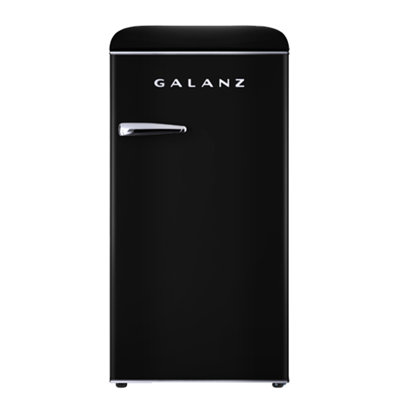
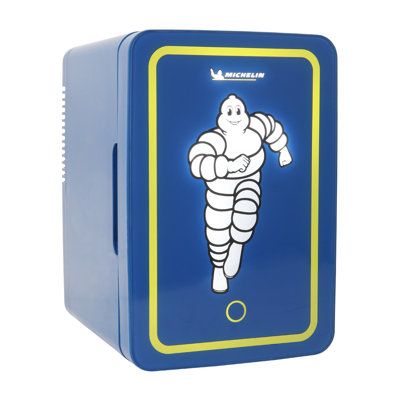
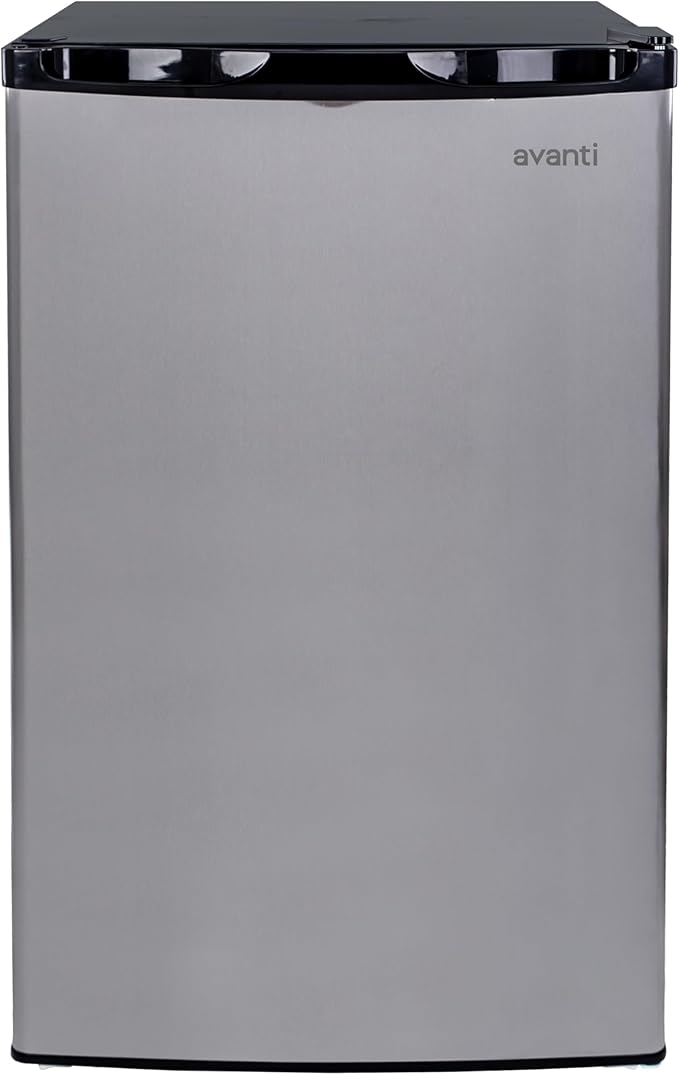
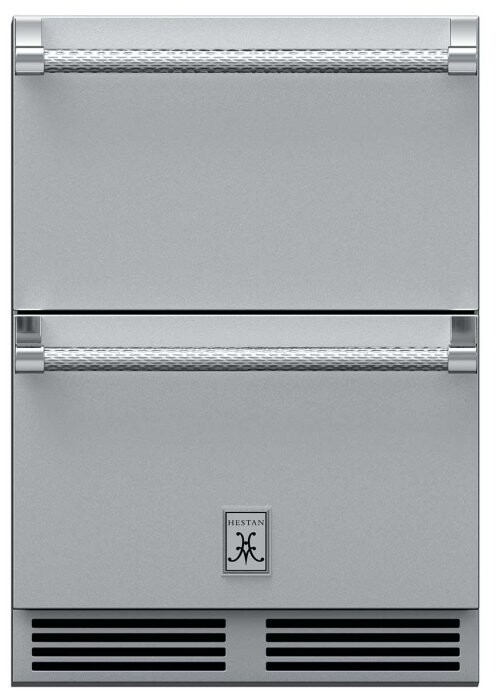
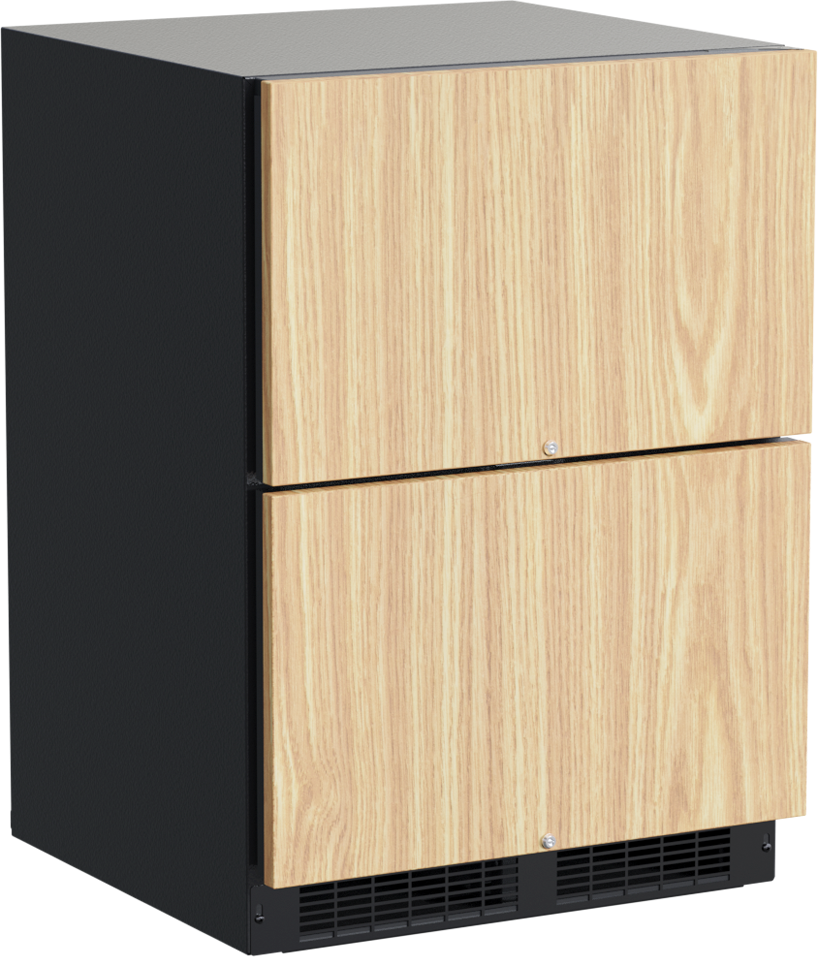
Style flexibility You get to pick from retro designs, stainless steel finishes, or integrated undercounter options
Ease of relocation Lightweight and compact, you can move it room to room without calling in reinforcements
Quick cool-down Smaller interiors chill faster, so that cold brew is ready before you know it
Condos often come with challenging layouts and strict building rules about appliance footprints. A condo-approved mini fridge can slip under a counter, tuck beside a cabinet, or even ride along in an RV. No matter your reason for buying, you’ll appreciate the efficient use of space and tailored functionality that only a well-chosen mini fridge can deliver.
Before you click Add to Cart, take a minute to map out your intended spot:
Measure height, width, and depth Allow at least 1 inch of clearance on all sides for airflow.
Check power access Position the unit within easy reach of a grounded outlet—no extension cords.
Think door swing Ensure the door opens fully without banging into walls, cabinets, or furniture.
Test floor strength Most mini fridges weigh 40–70 pounds, so double-check your flooring if it’s an upper-level deck or balcony.
Plan for ventilation Avoid tight cabinets unless your model is specifically rated for built-in use
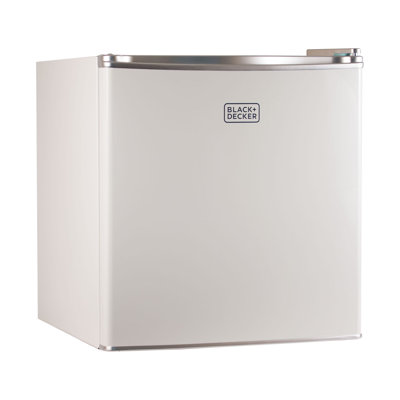
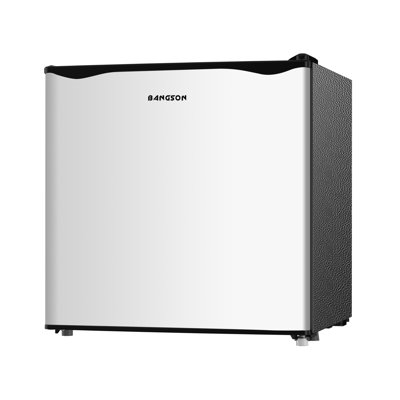
If you need the tiniest footprint, consider models around 2.7 cubic feet—see our pick at 2.7 cubic foot. For most single cooks, students, or offices, a 3–4 cubic foot mini fridge hits the sweet spot between capacity and space. If you want to tuck the fridge under a bar or counter, measure the height of your countertop and compare it to undercounter specifications.
Compare key features
Not all mini fridges are created equal. Here’s what to weigh when you’re comparing contenders:
Capacity and dimensions
You might see a 4.5 cu ft mini fridge and think it’s too big. But check interior layout—grocery-store-style door bins, adjustable shelves, and clear bins can boost usable space. A fridge might list the same capacity, yet one design fits more soda cans than another.
Cooling performance
Temperature consistency is crucial for food safety and taste. Look for models with electronic temperature controls or digital displays instead of just a dial. Some compact fridges offer rapid-cool settings to bring drinks down fast when guests arrive.
Noise level
If your mini fridge is going in a bedroom, home office, or living room, noise matters. Most compressors hum between 30–40 dB. Anything above 45 dB can feel intrusive. Check user reviews for real-world feedback on quiet operation.
Energy efficiency
An Energy Star certified mini fridge can save you up to 15% on annual energy use compared to non-certified models. Look for annual kWh use in the specs. Over a 5-year lifespan, that small difference adds up on your electricity bill.
Design and build quality
Finish options: black, white, stainless steel, or bold colors
Door handles: recessed or bar-style
Reversible doors: swap hinge side to fit tight spots
Exterior coating: scratch-resistant or fingerprint-proof
Shelf and storage options
Adjustable glass shelves let you fit pizza boxes, tall wine bottles, or meal-prep containers. Door bins come in handy for eggs, condiments, and slim bottles. Some models include a mini freezer compartment for ice trays or frozen dinners.
Compressor and defrost system
Compressor-driven cooling is more reliable and efficient than thermoelectric units, especially in warm rooms. If you want to nerd out on compressor types, check how to choose a compressor for a refrigerator
. You’ll also decide between manual defrost (set a reminder to thaw ice build-up) or frost free (convenient but slightly more expensive).
Now that you’ve seen our favorite picks, here’s how to zero in on the right mini fridge for your condo:
Measure your space
Pull out the tape measure and factor in clearance for airflow. Remember to account for door swing and any outlet-protruding plugs.
Determine your capacity needs
Sketch a quick list of what you’ll store—meal-prep containers, soda cans, bottles, frozen items. Three to four cubic feet is ideal for most light cooking and entertaining. Under 3 cu ft if you’re tight on space.
Evaluate noise and energy use
If the fridge goes in a living area or bedroom, look for models under 40 dB. Check kWh/year ratings and Energy Star certification to keep energy bills modest.
Think about layout and style
Decide whether adjustable glass shelves, a freezer compartment, or reversible doors matter most. Pick a finish that complements your condo’s aesthetic—stainless steel, retro color, or seamless integrated design.
Check warranty and support
Most mini fridges come with a one-year warranty. Look for brands with responsive customer service in case you need replacement parts or repairs down the road.
A well-maintained fridge lasts longer and runs more efficiently. Keep these tips in mind:
How to clean your mini fridge
Unplug and empty the unit
Wipe interior surfaces with a mild soap solution and warm water
Remove and clean shelves or bins separately
Dry thoroughly before plugging back in
How to defrost
For manual defrost models, clear the freezer every few months. Place towels underneath, open the door, and let ice melt. Avoid using sharp objects to chip away frost.
Can I use a mini fridge in non-air-conditioned rooms?
Thermoelectric models struggle above 85°F. Compressor fridges handle warmer spaces better, but check the operating range in specs.
Is a mini freezer compartment worth it?
If you store ice trays, frozen meals, or popsicles, yes. Freezer sections reduce overall fridge volume, so balance your priority of fresh vs frozen storage.
How much noise is too much?
Anything above 45 dB can be noticeable. If you’re sensitive to hum, look for models advertised as ultra-quiet or whisper-quiet.
Do mini fridges use a lot of power?
Modern compressor mini fridges average 180–250 kWh per year. Energy Star units can save up to 15 percent compared to non-certified models.
Your condo deserves a mini fridge that balances form and function. From super-compact cubes to design-forward retro models, there’s a perfect fit waiting. Measure your space, prioritize the features that matter most, and keep up with basic maintenance to enjoy years of reliable cooling. With the right pick, you’ll have more room, cleaner lines, and a fridge that feels custom-tailored to your lifestyle. Here’s to cold drinks, fresh meals, and happy condo living.
Frequently Asked Questions
After plugging it in, give most models 2–4 hours to reach optimal temperature. For specifics, see how long should you wait to put stuff in a mini fridge.