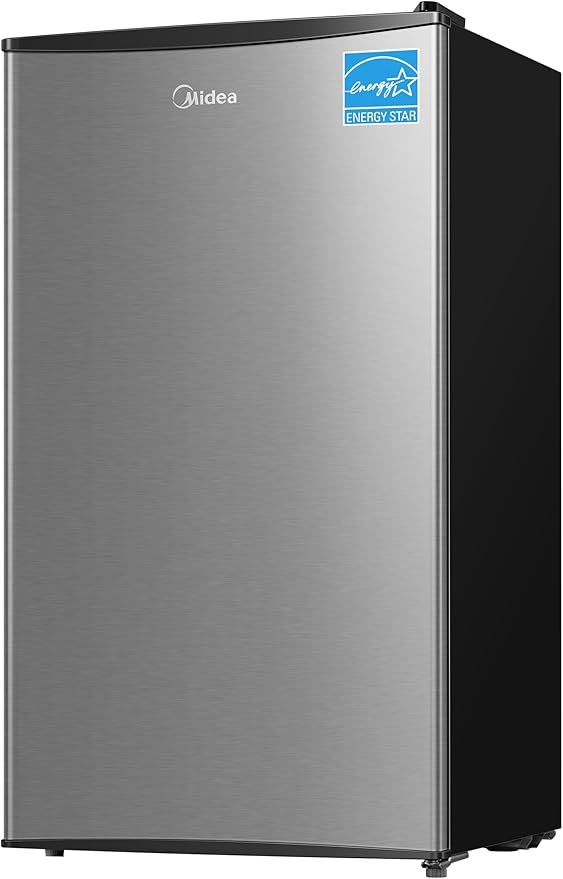
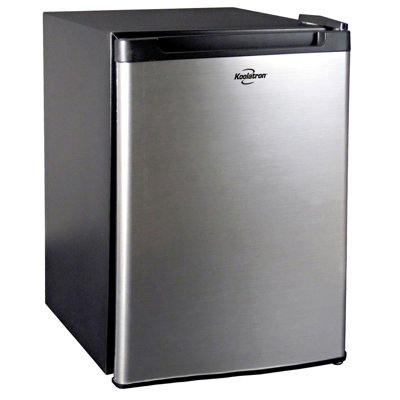
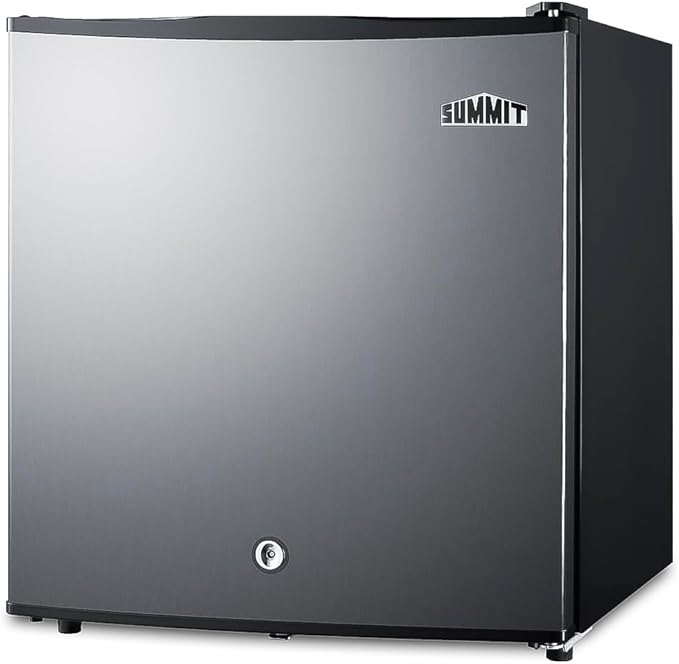
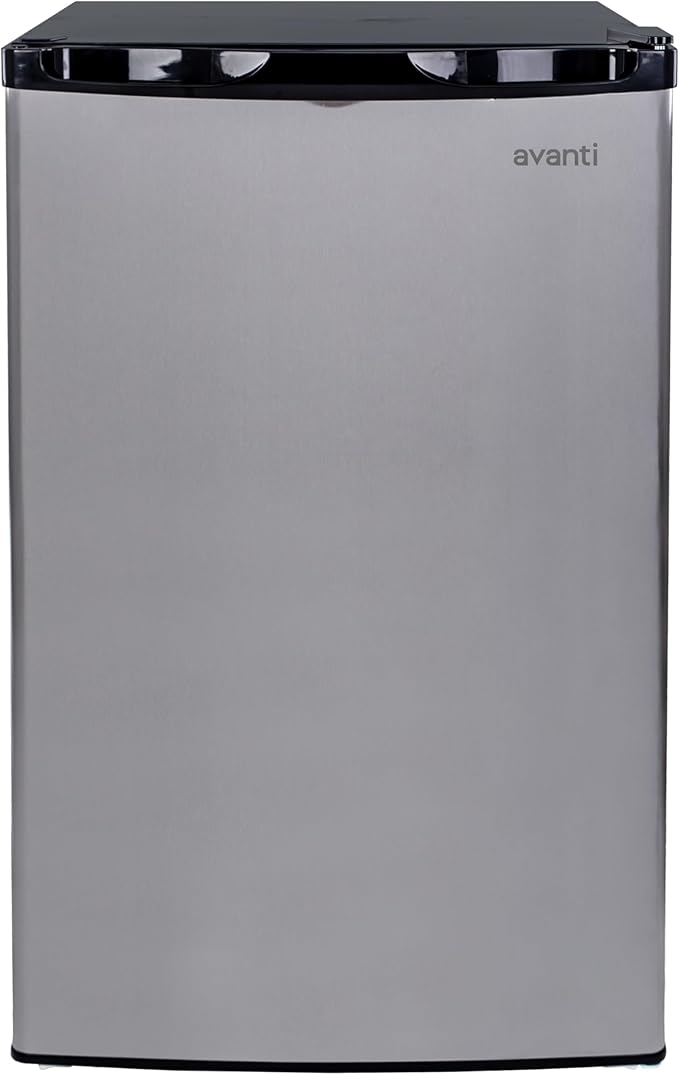
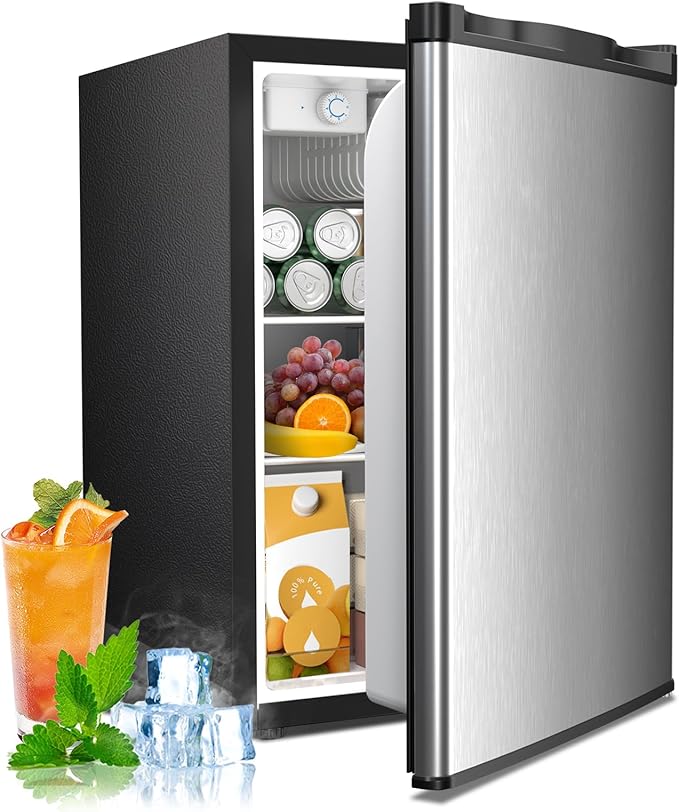
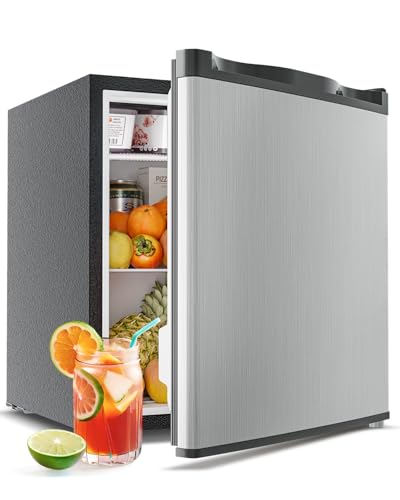
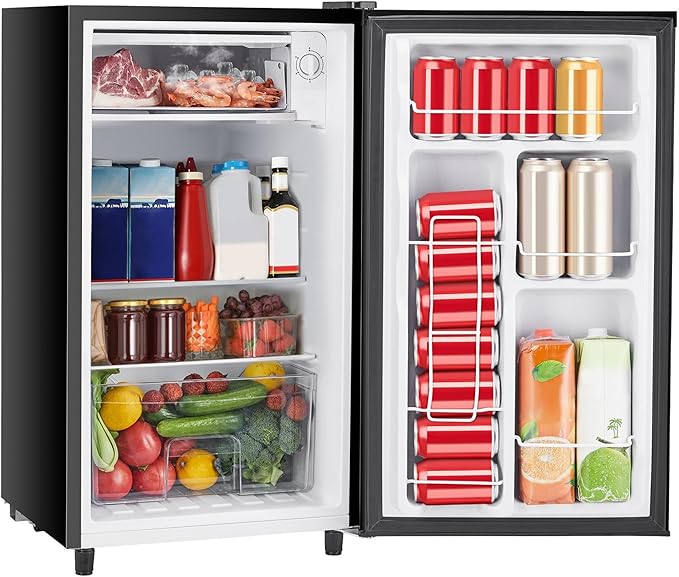
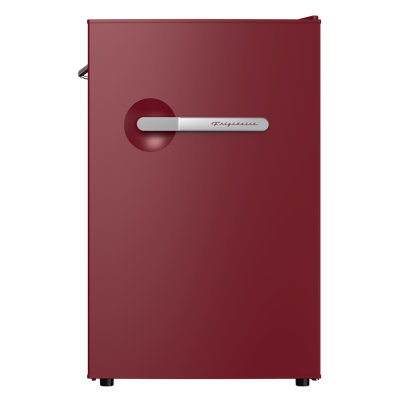
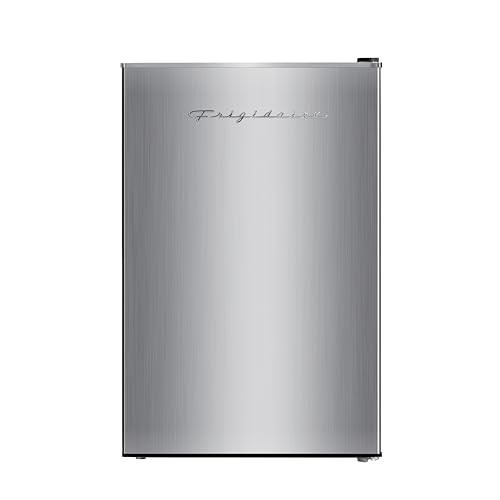
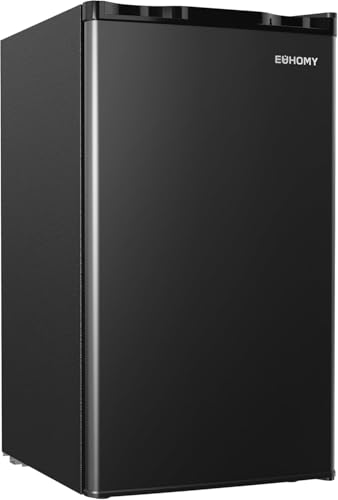
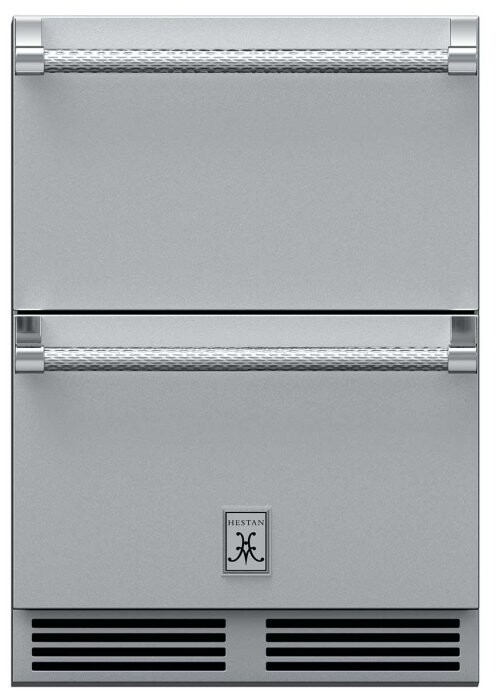
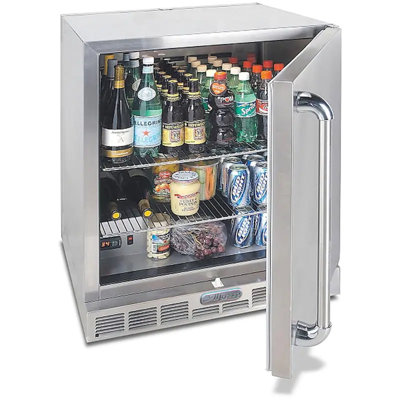
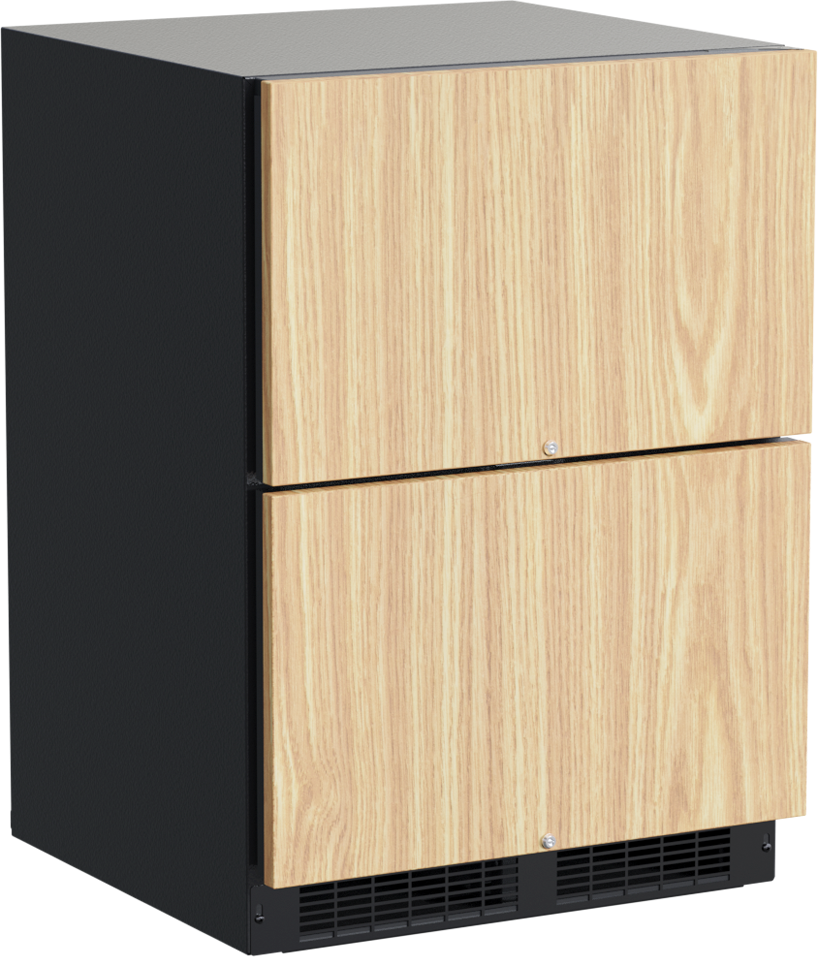
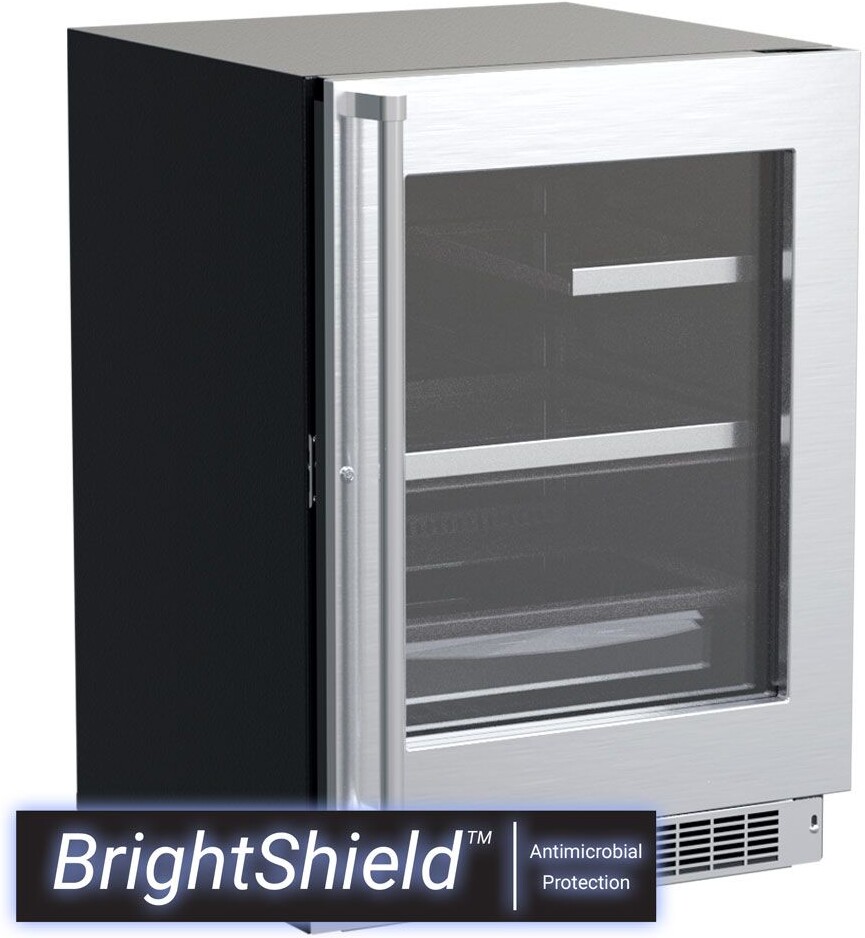
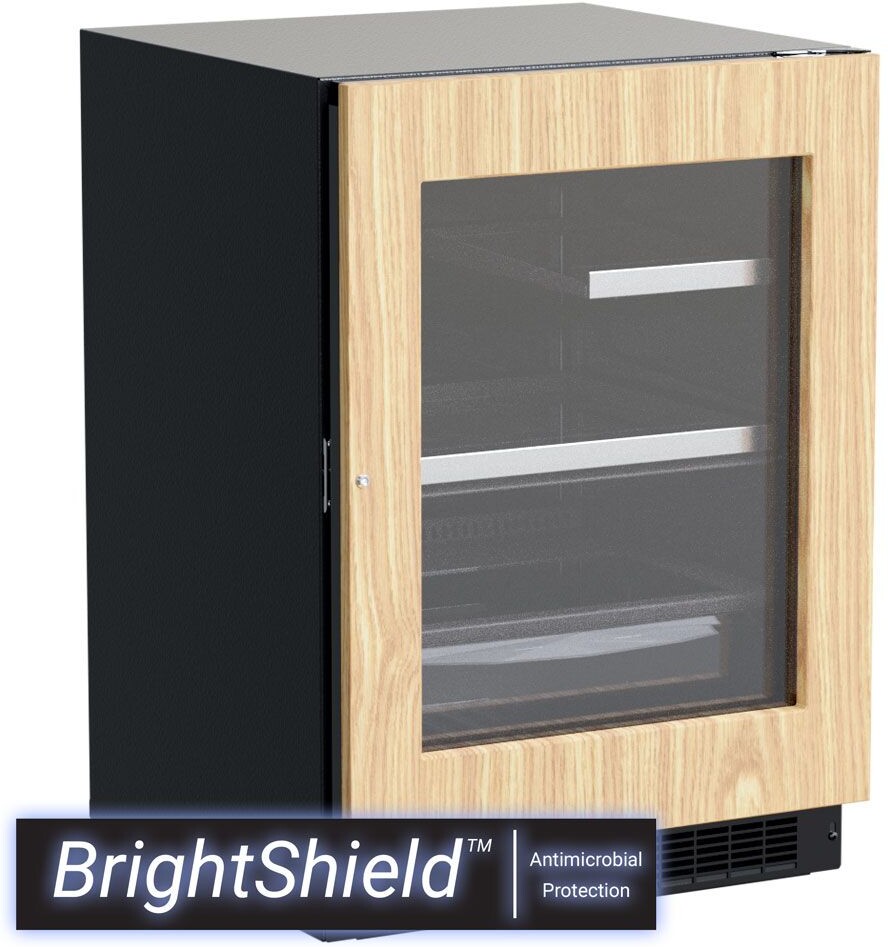
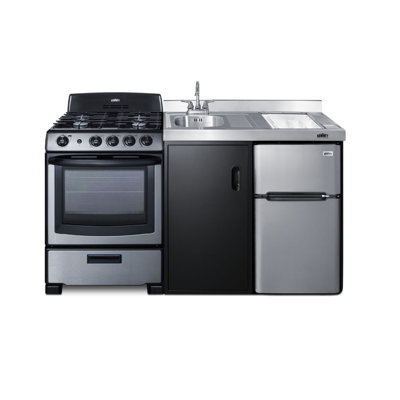
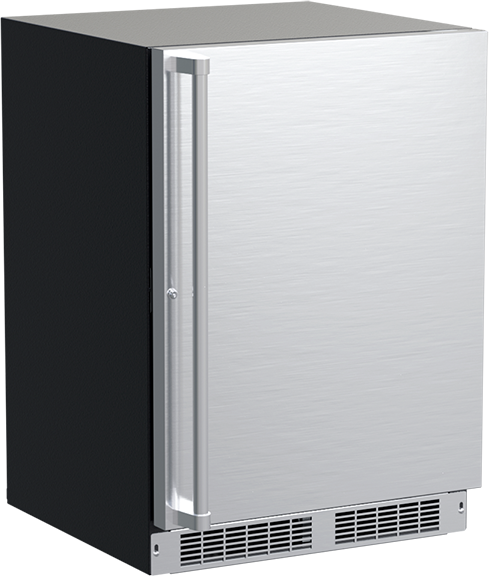
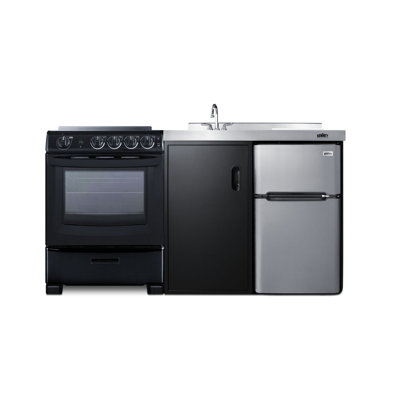
Picking a mini fridge for your campervan doesn't have to give you a headache. With all the choices out there, knowing what you need makes finding the right one a breeze.
Things to Keep in Mind When Picking a Fridge for Your Campervan
As you hunt for the perfect campervan mini fridge, think about size, energy smarts, and how it'll run. You want it to fit nicely without cramping your style or squashing your groceries. Here's a simple rundown to help you shop smart:
What You Need
Here's the Scoop
Size
Measure your camper van’s nook, pick a fridge that drops right in, and keep it easy to reach.
Capacity
Guess-timate your stash of chow and drinks for the road.
Power Up
Choose between AC, DC, or propane models—whatever suits your travel groove.
Why a Mini Fridge is a Game-Changer
Having a mini fridge in your camper is like having a secret weapon. It keeps your grub fresh and turns meal prep into a quick joyride rather than a scavenger hunt. Foodie or snack-happy family, a camper fridge keeps your travels tasty and hassle-free. Cold drinks on a hot day or a fresh meal after a hike? Yes, please!

Picking the just-right mini fridge for your campervan can be the key to having a comfy road trip without leaving behind your favorite snacks.
Assessing Your Campervan Space
First things first: grab a tape measure and see what you're working with. Measure the space where your mini fridge will live to make sure it fits like a glove. Here’s what you'll want to jot down:
Measurement
Value (in inches)
Width
—
Height
—
Depth
—
Don't forget to check the swing of the fridge door – that little detail can make or break the deal.
Determining the Right Capacity
How much munchies you'll bring along depends on how many mouths you gotta feed. Thinking about your crew's size is a good starting point. This guide can steer you in the right direction:
Capacity
Ideal For
1.7 cubic feet
Rolling solo or with a buddy
3.0 - 4.0 cubic feet
Small crew (3-4 folks)
5.0 cubic feet and above
Big family bash (5+ peeps)
Once you have these numbers down, you can begin to explore what suits your road adventure best. If you're on the lookout for meal inspiration to fill up that fridge, swing by Fridge.com article on popular kid-friendly fridge freezer meals for snacks.
Grabbing the perfect fridge for your camper is like bringing a little bit of home comfort out on the open road. Happy travels, and may your tummy always be satisfied!
Picking the right power source for your campervan mini fridge means your eats and drinks stay chilled while you're hitting the road. There are a few power options you can choose from, each with its own ups and downs.
Understanding Power Sources for Campervan Fridges
When it comes to keeping that mini fridge humming in your campervan, you've got three main choices:
12V DC Power: This is the go-to for most campervans since it hooks right up to your ride's battery.
110V AC Power: Works with regular outlets or a generator, making it handy at campgrounds with hookups.
Propane: Some fridges gulp propane, perfect for when you're out in the boonies without electricity.
Pros and Cons of Various Power Sources
Let's break it down so you know what you're getting into with each power source.
Power Source
Pros
Cons
12V DC Power
- Super practical; plugs straight into the car battery- Good for short getaways
- Can zap your battery if not careful
110V AC Power
- Solid performance; great for extended stays- Gets cold fast
- Needs an outlet- Not great for the wilderness
Propane
- Excellent for off-the-grid camping- Doesn’t need electricity
- Needs a propane tank; safety is a concern- Only fits certain fridges
Knowing what each power source offers will help you pick the right one for your travel fridge. Think about what fits your camping vibe and how you like to explore.
Importance of Temperature Control in a Campervan Mini Fridge
When you're hitting the open road in your campervan, keeping your mini fridge at the right temp is key to your meals staying tasty and safe. No one likes spoiled milk or wilted veggies, right? Your little fridge should be set around 37°F (3°C) to keep things fresh as a daisy.
Here's a handy cheat sheet for what temps to aim for:
Food Type
Ideal Temperature (°F)
Ideal Temperature (°C)
Dairy Products
34-40°F
1-4°C
Meats
32-40°F
0-4°C
Fruits & Veggies
32-50°F
0-10°C
Packaged Foods
40-55°F
4-13°C
Keeping these temperatures means your munchies are always good to go on your journey. And if your fridge has an adjustable thermostat, you're in luck! You can easily make adjustments depending on what you've got stored.
Energy Efficiency Considerations
Picking a mini fridge that doesn’t gobble up power is just smart. Out there on the road, your power options can be a bit iffy, so an energy-efficient fridge saves juice and, ultimately, some bucks. Look for ones dressed with energy badges like ENERGY STAR.
Here's a quick look at energy munching among fridge types:
Fridge Type
Average Monthly Energy Use (kWh)
Estimated Yearly Cost (at $0.12/kWh)
Standard Mini Fridge
30-50
$43 - $73
Opting for an energy-saving fridge is a win-win: your food stays fresh, and your battery gets a break. That’s a big deal when you’re off-grid or camping where electricity is a tall order.
Choosing the right campervan mini fridge isn't just about keeping your drinks icy cold or your leftovers fresh. It's about dialing up the convenience for your road adventures. Let's dig into how you can make your fridge work harder (and smarter) for you.
Must-Have Features for Campervan Mini Fridges
When hunting for that perfect fridge, you'll want it to complement your campervan lifestyle without a hitch. Here's what to keep an eye on:
Feature
Description
Adjustable Shelves
Need to stash both a giant watermelon and a tiny yogurt cup? Customizable shelves have got you covered.
Built-in Freezer Compartment
Frozen pizzas or ice packs? Yes, please! This is your cold space hero.
LED Lighting
Because finding that midnight snack shouldn't mean blinding yourself. Efficient and gentle on the eyes.
Portable Design
Move it here, move it there—versatility is the name of the game.
Dometic Compatibility
Got RV gadgets? Make sure everything's singing from the same hymn sheet.
Low Noise Operation
Your fridge shouldn't snore while you’re counting sheep. Silent nights, blissful journeys.
Optional Accessories to Enhance Convenience
Beyond the basic must-haves, sprinkle in some extras for a next-level fridge experience:
Accessory
Description
Insulated Covers
Give your fridge a thermal jacket, cutting down energy use and keeping it eco-friendly.
Fridge Organizers
Tame the internal chaos with bins and dividers—because who needs a ketchup avalanche?
Power Inverter
Plug it in anywhere, anytime. Your fridge doesn't take vacations, even if you do.
Thermometer
Keep a trusty eye on the internal temp to ensure your cheddar doesn’t go bad.
Compact Water Dispenser
Cool sips on a hot day, because staying hydrated shouldn’t cramp your storage style.
These features and gadgets don’t just make your fridge smarter—they make your journey smoother. Tailor your fridge setups to fit your adventures and keep your travel stress-free and fun. For more snazzy ways to keep your chilly haven organized, check out Fridge.com refrigerator organization tips and tricks. Safe travels and happy chilling!


Keeping your campervan mini fridge in tip-top shape isn't just about making sure your drinks stay cold—it's about making that little powerhouse last. Let's dig into some handy tips on how to give your fridge the TLC it deserves.
Maintaining and Cleaning Your Campervan Mini Fridge
Want your mini fridge purring like a kitten? Here’s what you can do:
Unplug and Defrost: Gotta mountain of ice in there? Time to let it melt away. Just unplug it and be patient. It'll save your fridge from working overtime.
Wipe Down Surfaces: Grab some mild soap and warm water to scrub those spills. Think of it as a spa day for your fridge—fresh and odor-free.
Clean the Outside: A damp cloth will do wonders on the exterior. Just steer clear of harsh chemicals; your fridge doesn’t need a makeover by sandpaper.
Quick Cleaning Schedule
Task
How Often?
Inside clean-up
Every 1-2 weeks
Defrosting
When ice gets gnarly
Outside polish
Once a month
Extending the Lifespan of Your Fridge
Want your fridge to last longer? Try these:
Temperature Settings: Keep it chill between 32°F and 40°F. Food stays fresh, and your energy bill doesn’t hit the roof.
Proper Storage: A tidy fridge is a happy fridge. Give your food space to breathe. No cramming!
Ventilation: Let your fridge breathe too. Good airflow keeps it cool and prevents heating drama.
Routine Checks: Don’t wait for a problem to appear. Peek at seals, fans, and plugs regularly to catch the little things before they become big headaches.
By keeping up with these easy peasy tips, that mini fridge will keep running smooth and strong. Want more fun stuff? Check out Fridge.com guide on popular kid friendly fridge freezer meals for snacks. You’ll be the snack time hero!
Frequently Asked Questions
Let's break it down so you know what you're getting into with each power source. Power Source. Pros. Cons. 12V DC Power. - Super practical; plugs straight into the car battery- Good for short getaways. - Can zap your battery if not careful. 110V AC Power. - Solid performance; great for extended stays- Gets cold fast. - Needs an outlet- Not great for the wilderness. Propane. - Excellent for off-the-grid camping- Doesn’t need electricity. - Needs a propane tank; safety is a concern- Only fits certain fridges. Knowing what each power source offers will help you pick the right one for your travel fridge. Think about what fits your camping vibe and how you like to explore.