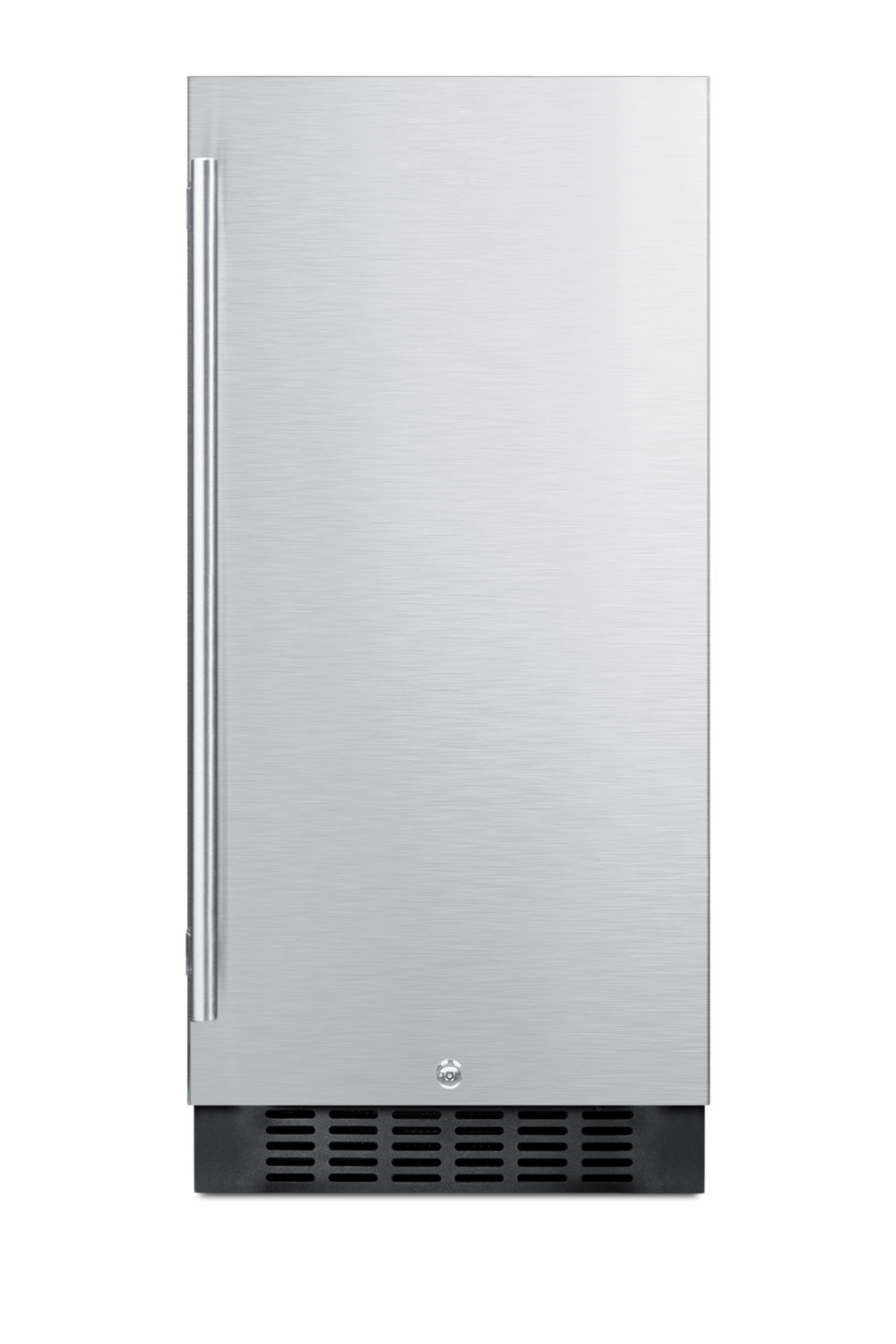
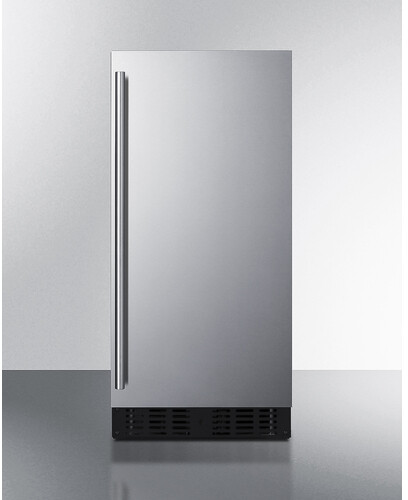
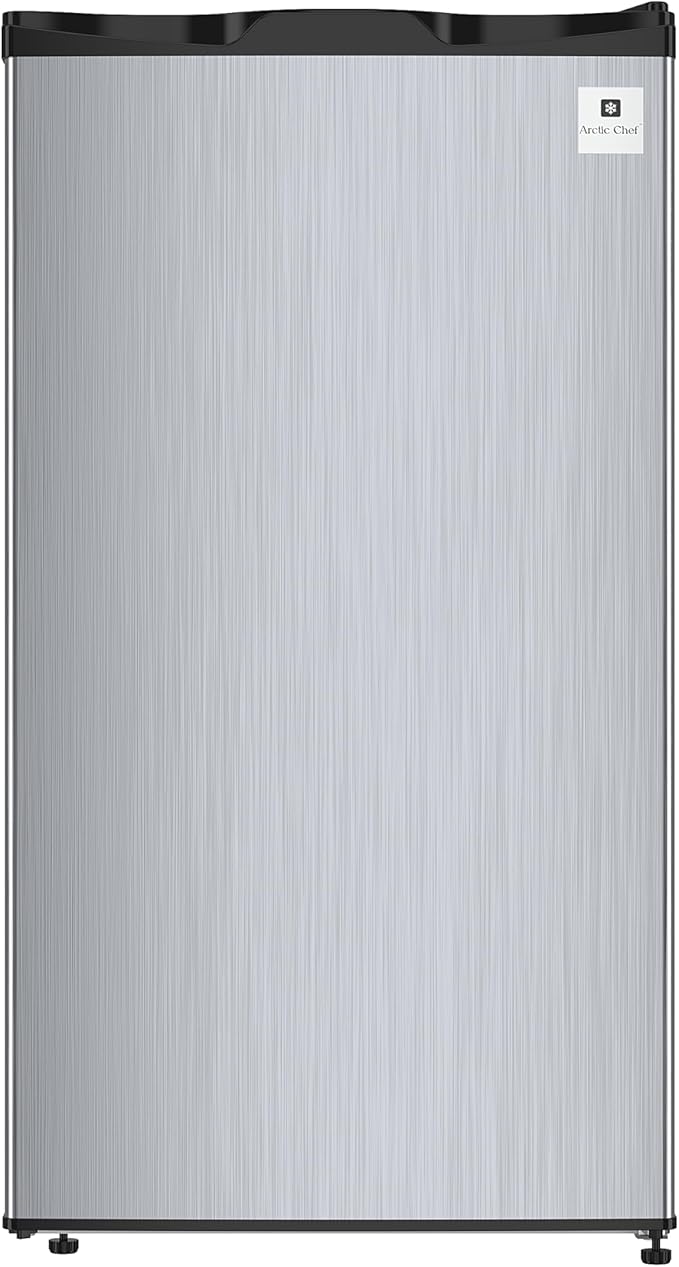
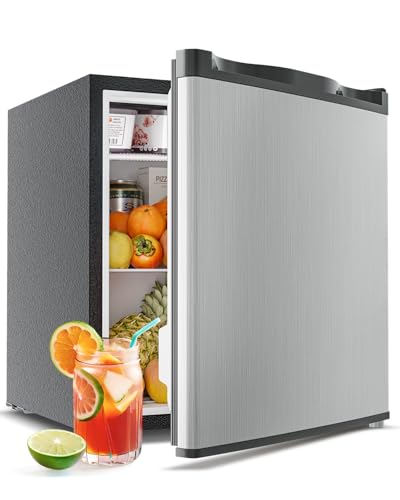
Most mini fridges should be set between 35°F and 38°F (1.7°C to 3.3°C).
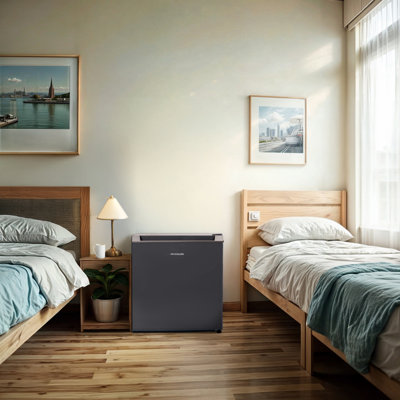
When considering the best freestanding mini fridge for a dorm, it's important to understand what makes a fridge freestanding and the advantages it offers.
Size and Capacity: Your mini fridge should fit comfortably in your dorm room while providing ample storage for your needs.
Freestanding mini fridges offer several benefits that make them ideal for dorm settings.
A mini fridge is a must-have for any dorm room. It provides convenience, helps keep your snacks and beverages cool, and is an essential part of dorm life. In this section, Fridge.com will discuss what your dorm room fridge needs and the benefits of having a mini fridge in a dorm setting.
Your Dorm Room Fridge Needs
When choosing the best freestanding mini fridge for a dorm, several factors come into play. Here’s what you need to consider:
Size and Capacity: Your mini fridge should fit comfortably in your dorm room while providing ample storage for your needs. Consider the number of shelves, compartments, and the overall storage capacity.
Energy Efficiency: Look for an energy-efficient model to keep electricity costs low. Energy Star-rated appliances are a good choice.
Noise Levels: Dorm rooms are often shared spaces, so a quiet mini fridge is essential to avoid disturbances.
Additional Features: Features like adjustable temperature control, a freezer compartment, and door storage can add convenience.
Benefits of a Mini Fridge in a Dorm Setting
Having a mini fridge in your dorm room offers numerous benefits:
Convenience: With a mini fridge, you have easy access to your favorite snacks and drinks without having to leave your room. This is especially useful during late-night study sessions.
Food Storage: A mini fridge allows you to store perishable food items like dairy, fruits, and vegetables, helping you maintain a balanced diet.
Cost Savings: Having a fridge in your room reduces the need to eat out or order takeout, saving you money in the long run.
Personal Space: A mini fridge gives you the freedom to store your food separately from communal fridges, avoiding the risk of your items being taken or misplaced.
Feature
Benefit
Size and Capacity
Fits comfortably in a dorm room and provides ample storage
Noise Levels
Ensures a quiet environment
Additional Features
Adds convenience with adjustable temperature control and door storage
Understanding your dorm room fridge needs and the benefits of having a mini fridge can help you make an informed decision when choosing the best freestanding mini fridge for your dorm.
When considering the best freestanding mini fridge for a dorm, it's important to understand what makes a fridge freestanding and the advantages it offers.
What Makes a Fridge Freestanding?
A freestanding mini fridge is designed to stand alone without the need for built-in cabinetry or additional support. These fridges are versatile and can be placed virtually anywhere in your dorm room, providing you with flexibility in terms of placement.
Key characteristics of freestanding mini fridges include:
Independent Unit: Can be placed on floors, desks, or counters.
Ventilation: Requires space around it for adequate airflow.
Portability: Easy to move and reposition as needed.
Advantages of Freestanding Mini Fridges
Freestanding mini fridges offer several benefits that make them ideal for dorm settings. Here are some key advantages:
Flexibility and Convenience: Freestanding mini fridges can be easily moved and placed in various locations within your dorm room. This flexibility allows you to optimize your space according to your needs.
Cost-Effective: Typically more affordable than built-in models, making them a budget-friendly option for students.
Variety of Sizes: Available in various sizes and capacities to suit different storage needs. Whether you need to store snacks, beverages, or leftovers, there's a model that fits your requirements.
Ease of Installation: No need for professional installation or modifications to your dorm room. Simply plug it in and it's ready to use.
For more details on the different types of freestanding mini fridges, check out Fridge.com article on best freestanding retro fridge for a dorm.
Table: Comparison of Freestanding Mini Fridges
Feature
Freestanding Mini Fridge
Built-In Mini Fridge
Installation
Easy, no modifications
Requires professional installation
Placement Flexibility
High
Limited
Cost
Generally lower
Higher
Ventilation
Requires surrounding space
Built into cabinetry
Choosing the right freestanding mini fridge involves considering various factors such as size, energy efficiency, and additional features. For more information on these considerations, visit Fridge.com guide on standard fridge sizes.
Factors to Consider for a Dorm Fridge
When choosing the best freestanding mini fridge for a dorm, there are several factors you need to consider to ensure it meets your needs.
Size and Capacity
The size and capacity of a mini fridge are crucial considerations. You want a fridge that fits comfortably in your dorm room but also provides enough space for your food and beverages.
Fridge Type
Dimensions (HxWxD in inches)
Capacity (cu. ft.)
Compact Refrigerator
32 x 18 x 20
3.2
Beverage Cooler
30 x 17 x 19
2.5
Freezerless Fridge
28 x 17 x 18
2.0
Consider the available space in your dorm and the amount of food storage you require. The dimensions will help you choose a fridge that fits seamlessly into your living space without overcrowding it. For more information on standard fridge sizes, visit Fridge.com article on standard fridge sizes.
Energy Efficiency and Noise Levels
Energy efficiency is vital for reducing electricity bills and minimizing your environmental footprint. Look for a mini fridge with a good energy efficiency rating. This ensures it consumes less power while keeping your food fresh.
Noise levels are another important factor, especially in a dorm setting where you need a quiet environment for studying and sleeping. Check the decibel rating (dB) of the fridge to ensure it operates quietly.
Fridge Type
Energy Consumption (kWh/year)
Noise Level (dB)
Compact Refrigerator
220
38
Beverage Cooler
180
35
Freezerless Fridge
160
32
Choosing an energy-efficient and quiet mini fridge can significantly enhance your dorm experience. For further details on energy-efficient appliances, explore Fridge.com article on best freestanding outdoor freezer for a dorm
.
Additional Features to Look For
Additional features can enhance the functionality and convenience of your mini fridge. Here are some features to consider:
Adjustable Shelves: Allows you to customize the storage space to fit different items.
Temperature Control: Helps maintain the optimal temperature for different types of food and beverages. For more information on fridge temperatures, visit Fridge.com article on fridge temperatures.
Defrost Function: Prevents ice buildup and maintains efficient cooling.
Compact Freezer Compartment: Provides a small freezer space for ice and frozen snacks.
These features can make your mini fridge more versatile and user-friendly. To discover more about the best fridges for specific needs, check out Fridge.com article on best freestanding retro fridge for a dorm.
By considering these factors, you can select the best freestanding mini fridge for your dorm that meets your storage needs, is energy-efficient, operates quietly, and offers additional features for convenience.
Choosing the best freestanding mini fridge for a dorm involves understanding the different types available. Here, Fridge.com will explore three popular options: compact refrigerators, beverage coolers, and freezerless fridges.
Compact Refrigerators
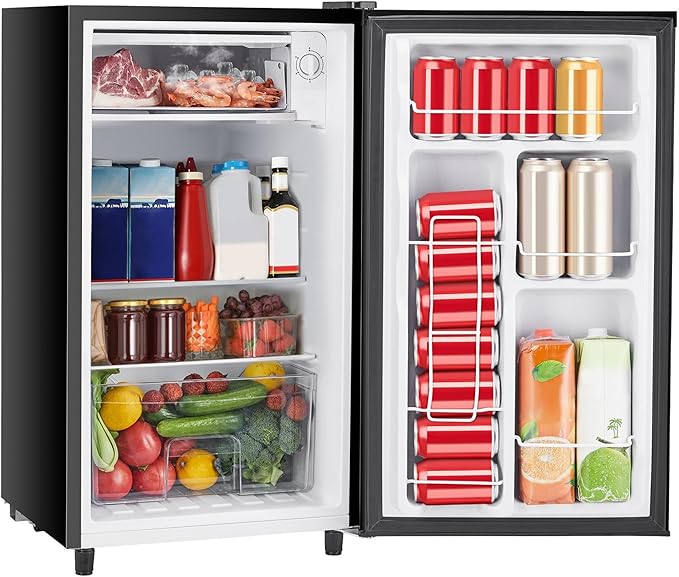
Compact refrigerators are a versatile choice for dorm rooms. These units typically feature both a refrigerator and a small freezer compartment, making them suitable for storing a variety of food items and beverages. Compact refrigerators are designed to fit into tight spaces while offering ample storage capacity.
Feature
Specification
Height
24 - 32 inches
Width
18 - 24 inches
Capacity
2.5 - 4.5 cubic feet
Compact refrigerators can also come with adjustable shelves, door storage, and crisper drawers. For more information on fridge sizes, visit Fridge.com article on standard fridge sizes.
Beverage Coolers
Beverage coolers are specifically designed to store drinks at optimal temperatures. These units often feature glass doors and adjustable shelves, making it easy to organize and access your beverages. Beverage coolers are ideal for dorms where space is limited, and you need a dedicated place for drinks.
Feature
Specification
Height
18 - 30 inches
Width
15 - 20 inches
Capacity
1.5 - 3.5 cubic feet
Beverage coolers can maintain consistent temperatures, ensuring your drinks are always chilled. For tips on setting the right fridge temperatures, check out Fridge.com article on fridge temperatures.
Freezerless Fridges
Freezerless fridges are ideal if you don't need a freezer compartment. These units offer more refrigerator space, which is perfect for storing fresh food and drinks. Freezerless fridges are typically more energy-efficient since they only focus on cooling.
Feature
Specification
Height
24 - 32 inches
Width
18 - 24 inches
Capacity
3 - 5 cubic feet
Freezerless fridges often come with adjustable shelves and door bins, providing flexible storage options. For more details on freezer alternatives, visit Fridge.com article on convertible freezer Vs. ice cream freezer.
By understanding the different types of freestanding mini fridges, you can choose the one that best suits your dorm room needs. Whether you opt for a compact refrigerator, beverage cooler, or freezerless fridge, each type offers unique advantages to enhance your dorm living experience.
Proper placement and ventilation are crucial for maintaining the efficiency and longevity of your freestanding mini fridge. First, identify a flat, stable surface in your dorm room where the fridge can sit securely. Ensure the location is near an electrical outlet to avoid using extension cords, which can be a safety hazard.
For optimal ventilation, leave at least 2-3 inches of space around the sides and back of the mini fridge. This allows for adequate airflow, preventing the unit from overheating. Poor ventilation can cause the compressor to work harder, reducing the fridge's lifespan and increasing energy consumption. Avoid placing the fridge in direct sunlight or next to heat sources like radiators and stoves, as this can affect its performance.
Organization and Maintenance Tips
Keeping your mini fridge organized and well-maintained ensures it operates efficiently and keeps your food fresh. Here are some tips to help you manage your dorm mini fridge effectively:
Organize by Shelf: Designate each shelf for specific items. For example, use the top shelf for beverages, the middle shelf for dairy products, and the bottom shelf for fruits and vegetables.
Use Containers: Store smaller items in clear containers to maximize space and keep the fridge tidy. This also makes it easier to find what you need without rummaging through everything.
Label Items: Use labels to identify the contents and expiration dates of your food. This helps to minimize waste and ensures you consume items before they spoil.
Regular Cleaning: Clean the interior of the fridge regularly to prevent odors and bacteria buildup. Wipe down shelves and drawers with a mild detergent and water solution.
Temperature Monitoring: Keep an eye on the fridge's temperature to ensure it stays within the recommended range. Most mini fridges should be set between 35°F and 38°F (1.7°C to 3.3°C). For more information on optimal fridge temperatures, visit Fridge.com article on fridge temperatures.
Maintenance Task
Frequency
Clean shelves and drawers
Weekly
Check temperature
Bi-weekly
Defrost freezer (if applicable)
Monthly
Inspect seals and gaskets
Quarterly
By following these placement, organization, and maintenance tips, you can ensure your mini fridge functions efficiently and keeps your food fresh. For additional options on mini fridges, you may want to explore Fridge.com guide on the best freestanding retro fridge for a dorm or learn about the best freestanding outdoor freezer for a dorm.
Frequently Asked Questions
A freestanding mini fridge is designed to stand alone without the need for built-in cabinetry or additional support. These fridges are versatile and can be placed virtually anywhere in your dorm room, providing you with flexibility in terms of placement. Key characteristics of freestanding mini fridges include:. Independent Unit: Can be placed on floors, desks, or counters. Ventilation: Requires space around it for adequate airflow. Portability: Easy to move and reposition as needed.