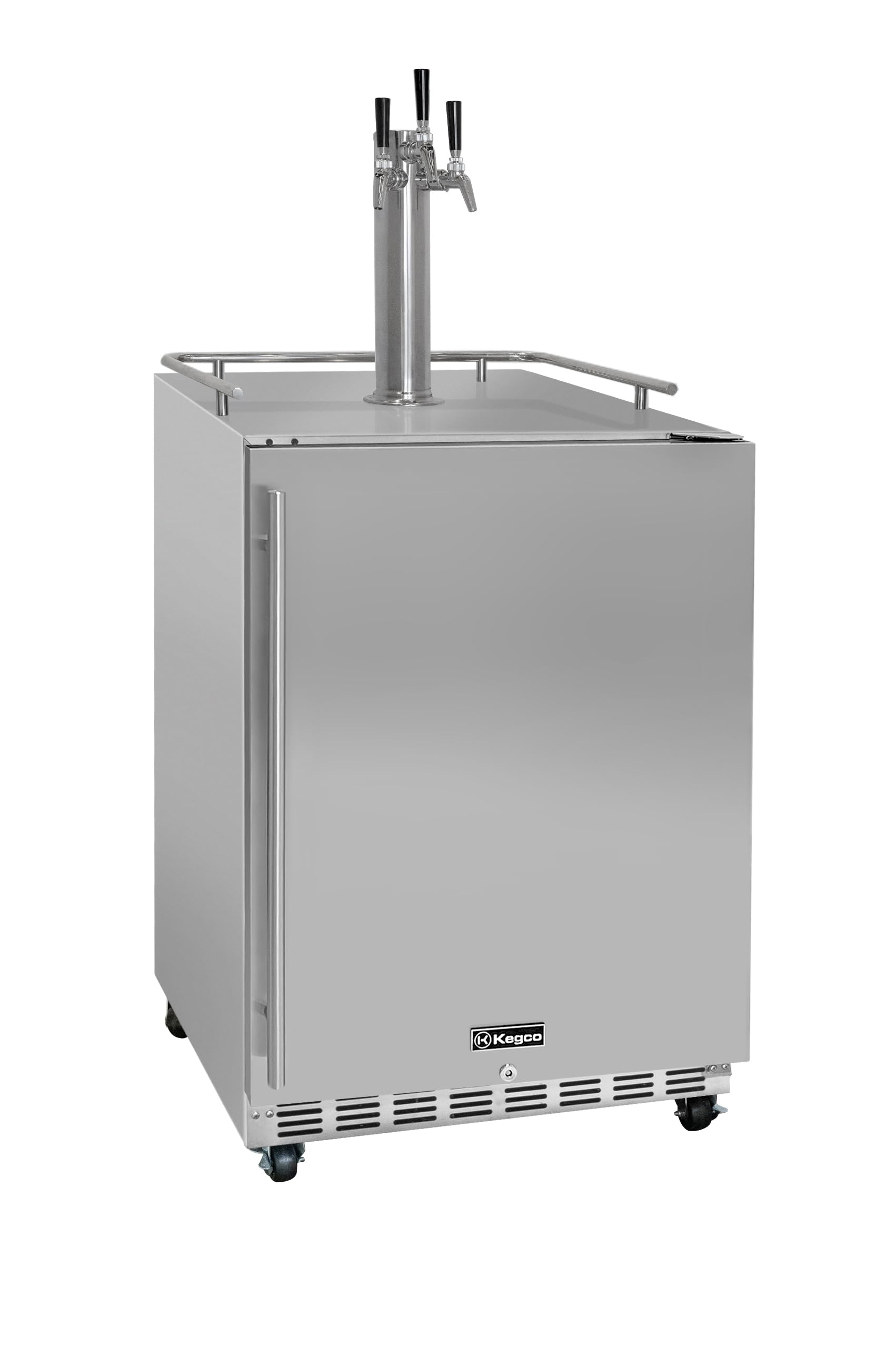
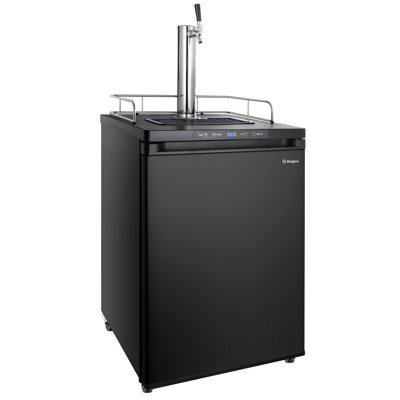
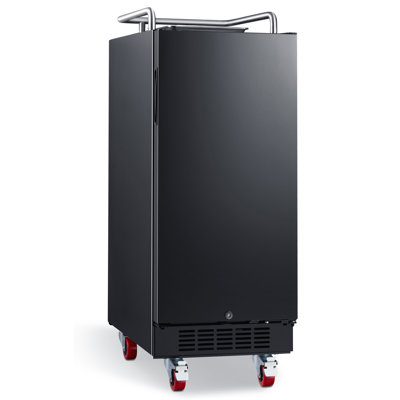
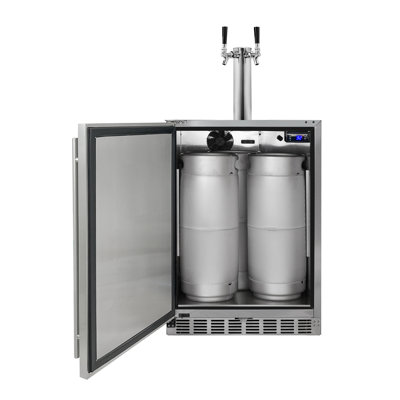
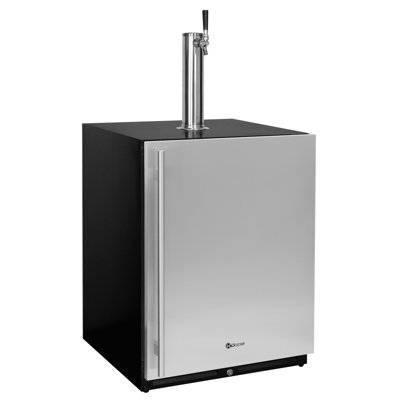
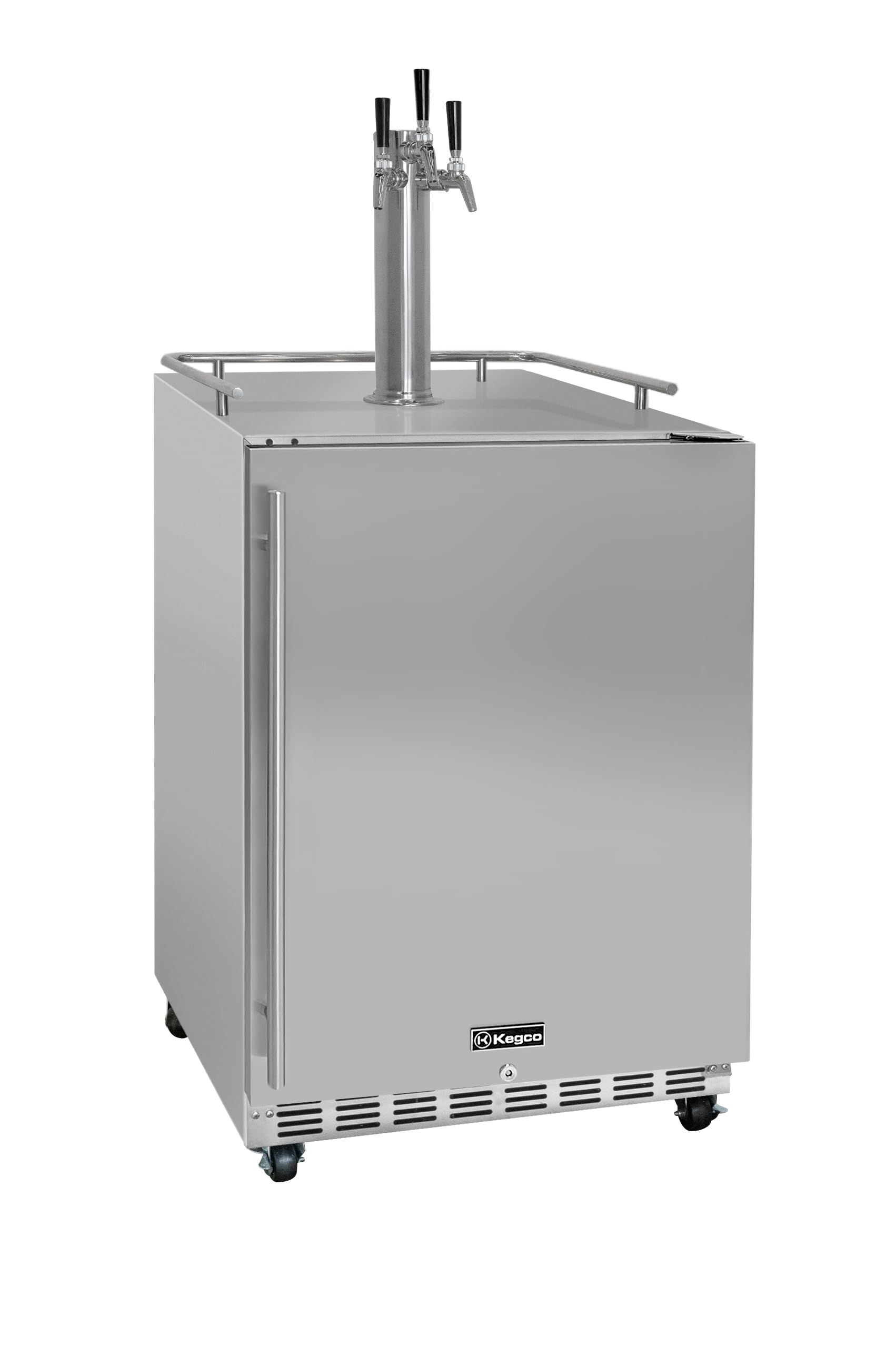
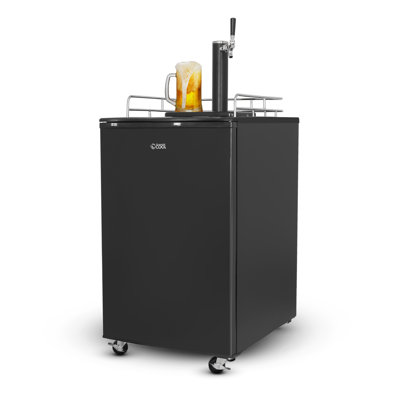
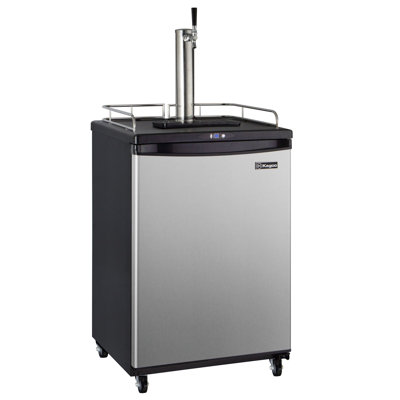
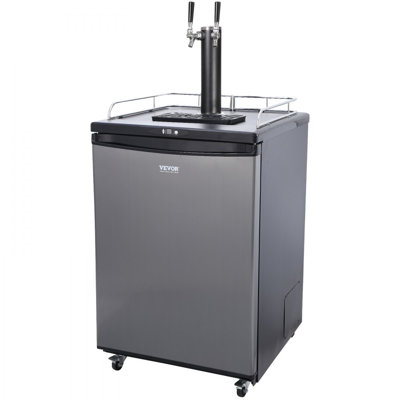
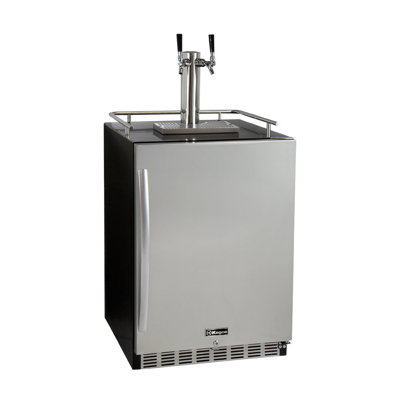
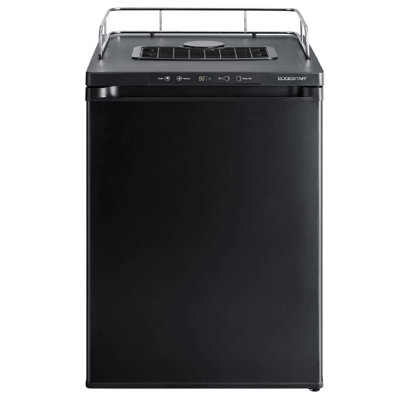
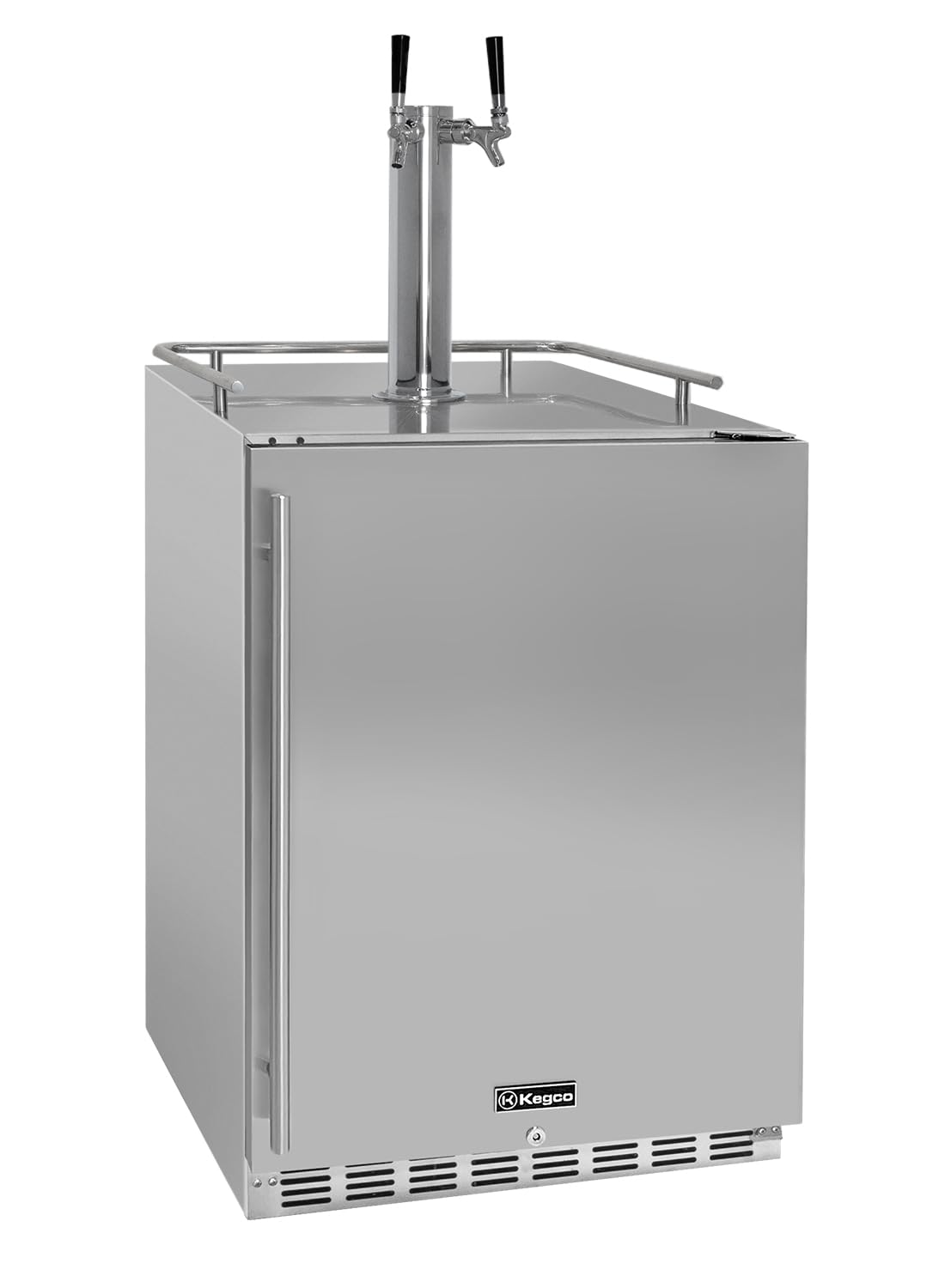
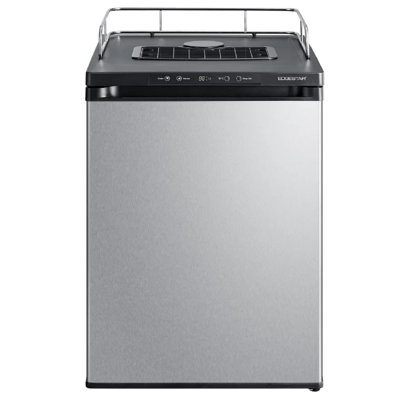
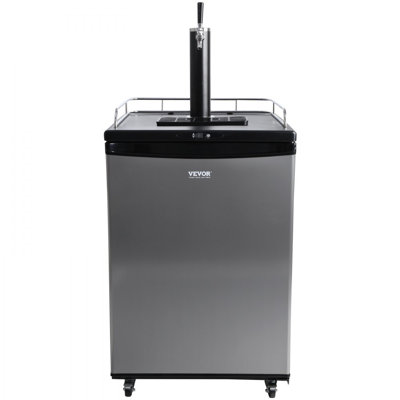
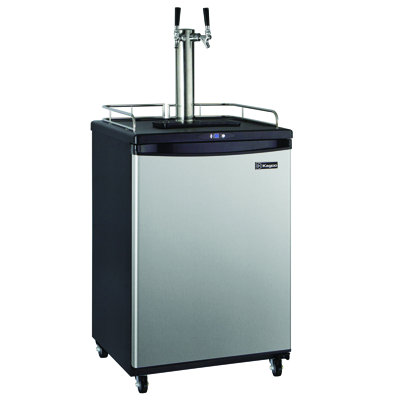
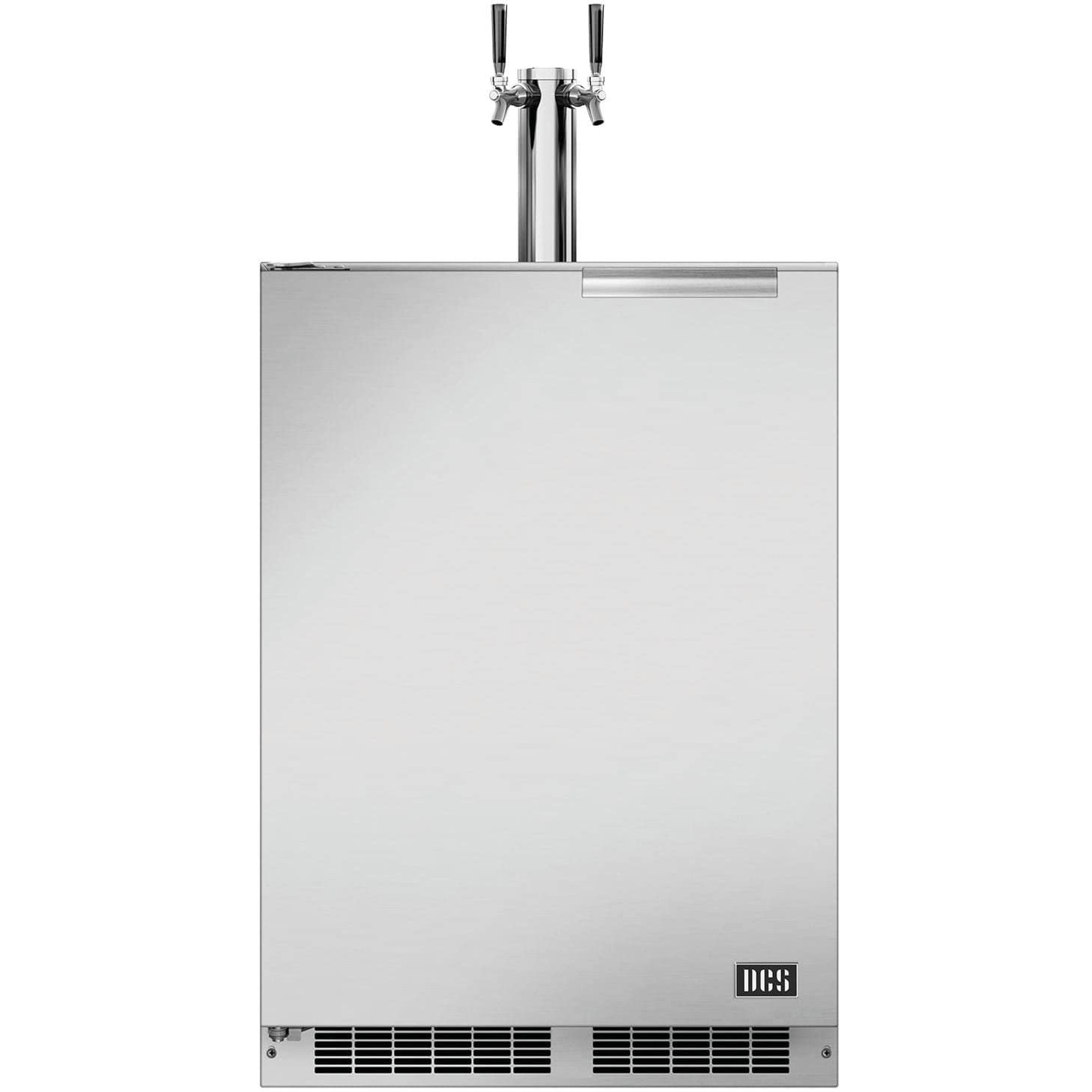
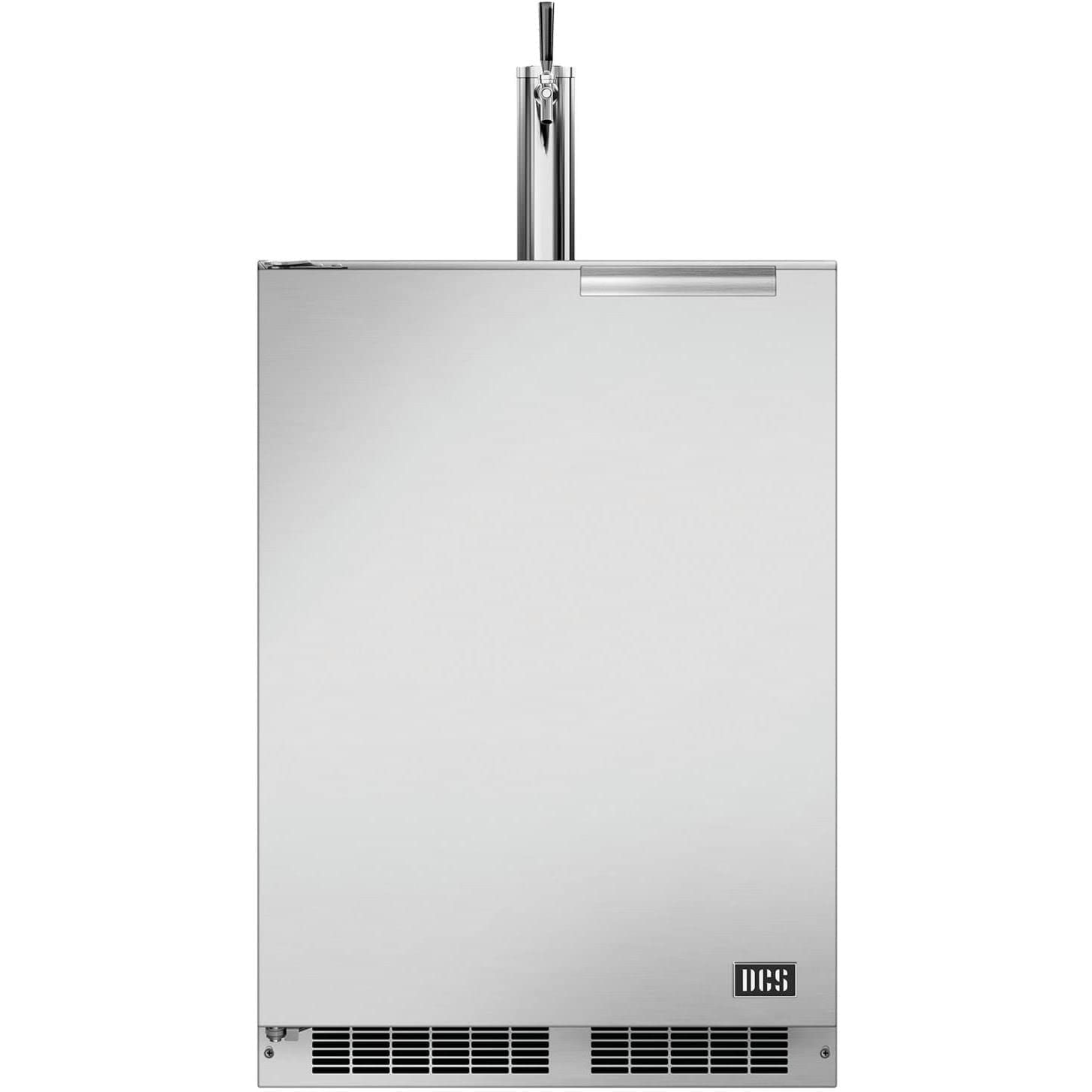
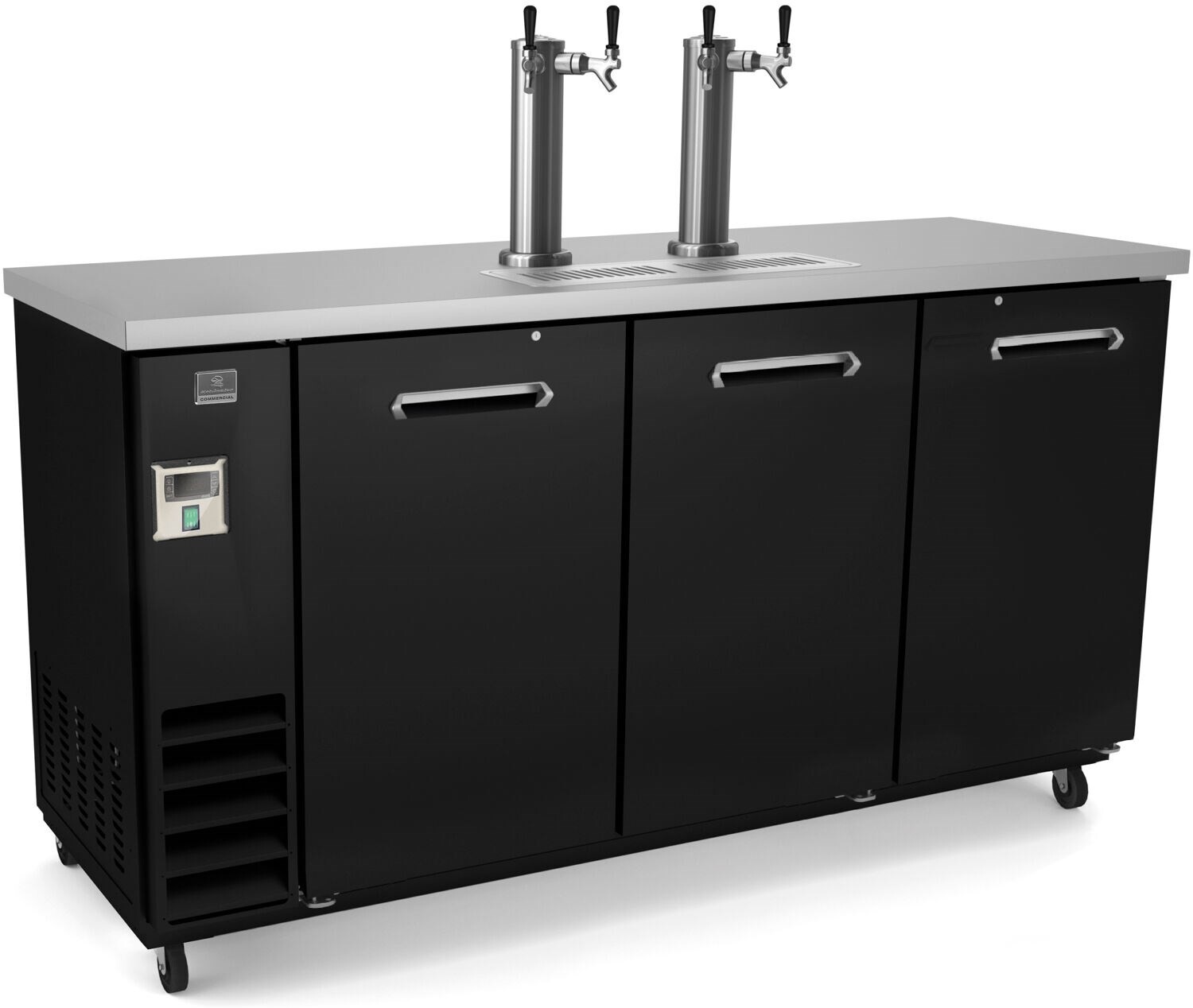
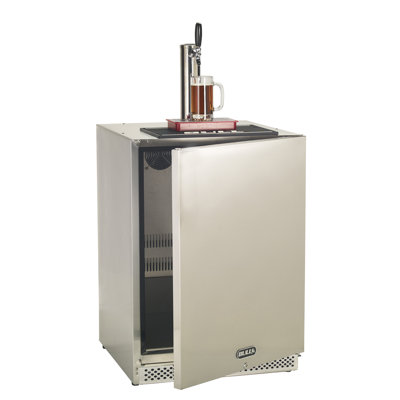
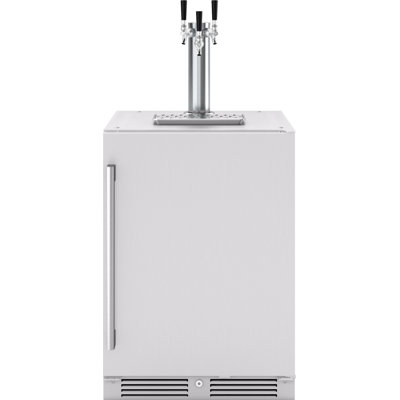
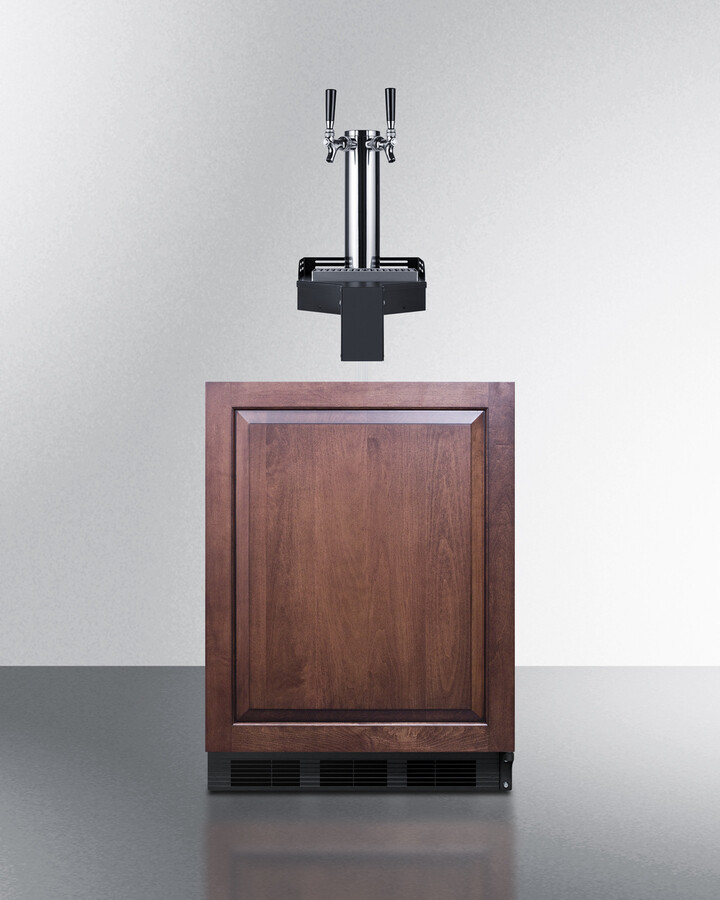
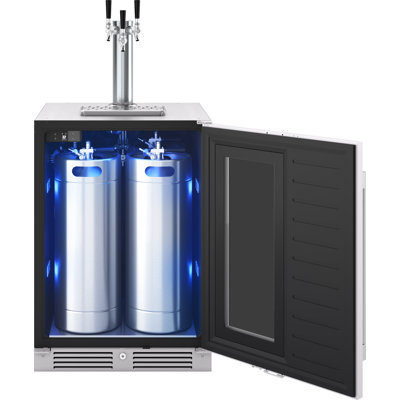
It’s designed to keep the temperature low—usually between 36°F and 45°F (2°C to 7°C)—to preserve freshness, maintain carbonation, and give you that cold, crisp pour every time.
Oddly enough, renting or buying a CO2 tank and hooking it up is often cheaper and less complicated than buying multiple pieces of specialized hardware to achieve the same result.
Plan to finish the keg quickly—within 24 to 48 hours is ideal, to prevent off-flavors.
Online homebrew forums often estimate that refilling a 5-pound tank costs only a few dollars and can serve multiple kegs if you’re keeping an eye on your regulator settings.
When you first start researching home draft beer systems, you might wonder, “Will a kegerator work without CO2?” The short answer is yes, although it’s far from the standard approach. Understanding whether this setup makes sense for you depends on how often you plan to pour beer, how finicky you are about flavor, and whether you’re willing to explore alternative methods of dispensing.
In this post, you’ll discover how a kegerator usually relies on CO2, why you might consider going without it, and what to expect from other dispensing options. By the end, you’ll have a good sense of whether a CO2-free setup is just a fun experiment or a legitimate long-term solution for your home bar.
Understand the basic setup
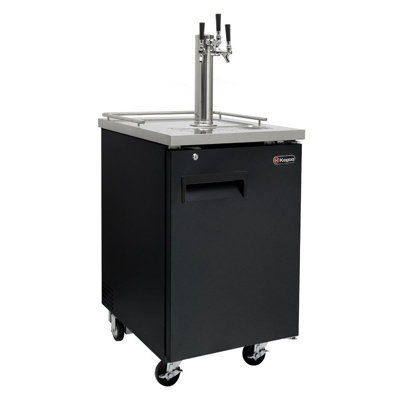
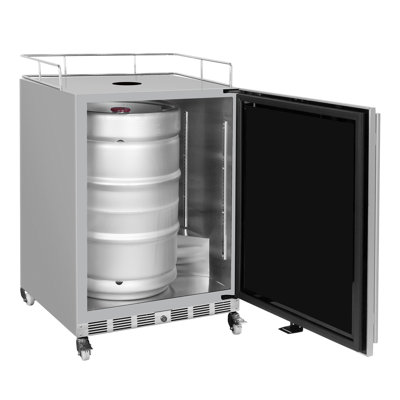
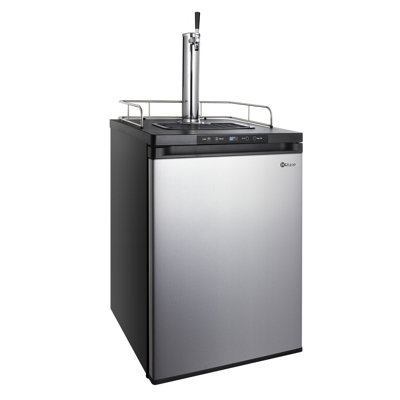
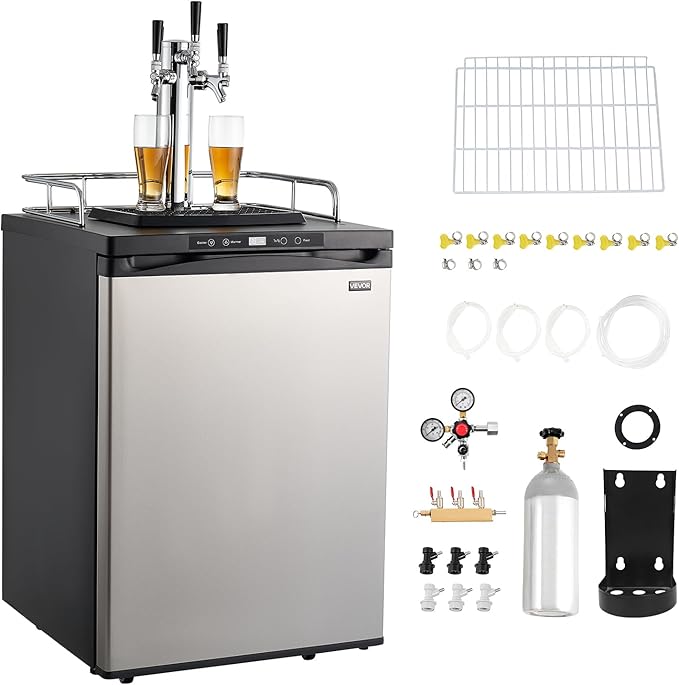
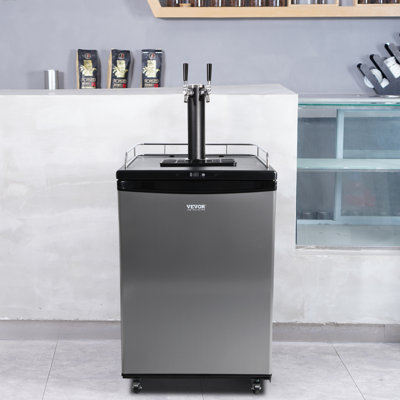
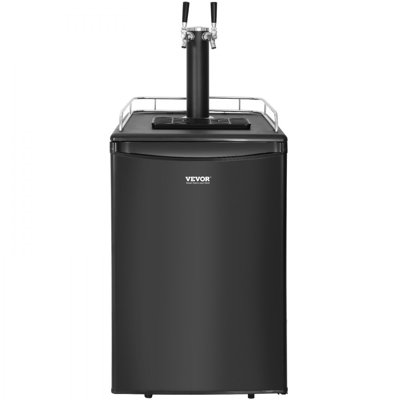
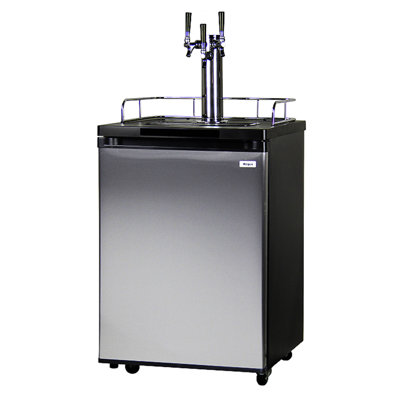
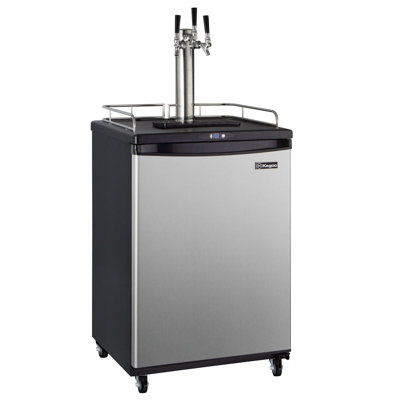
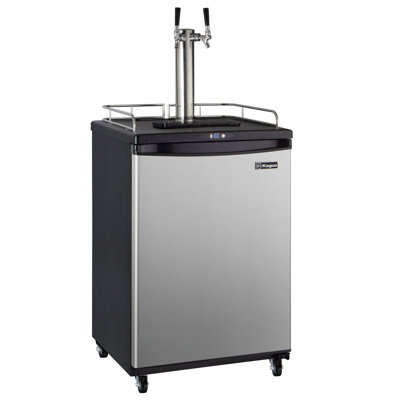
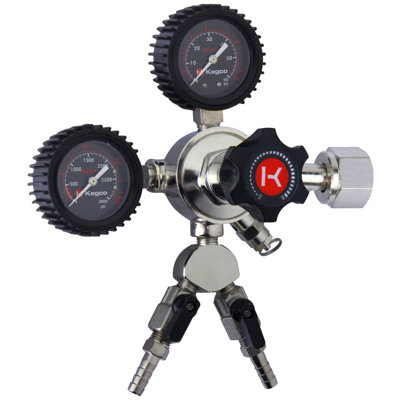
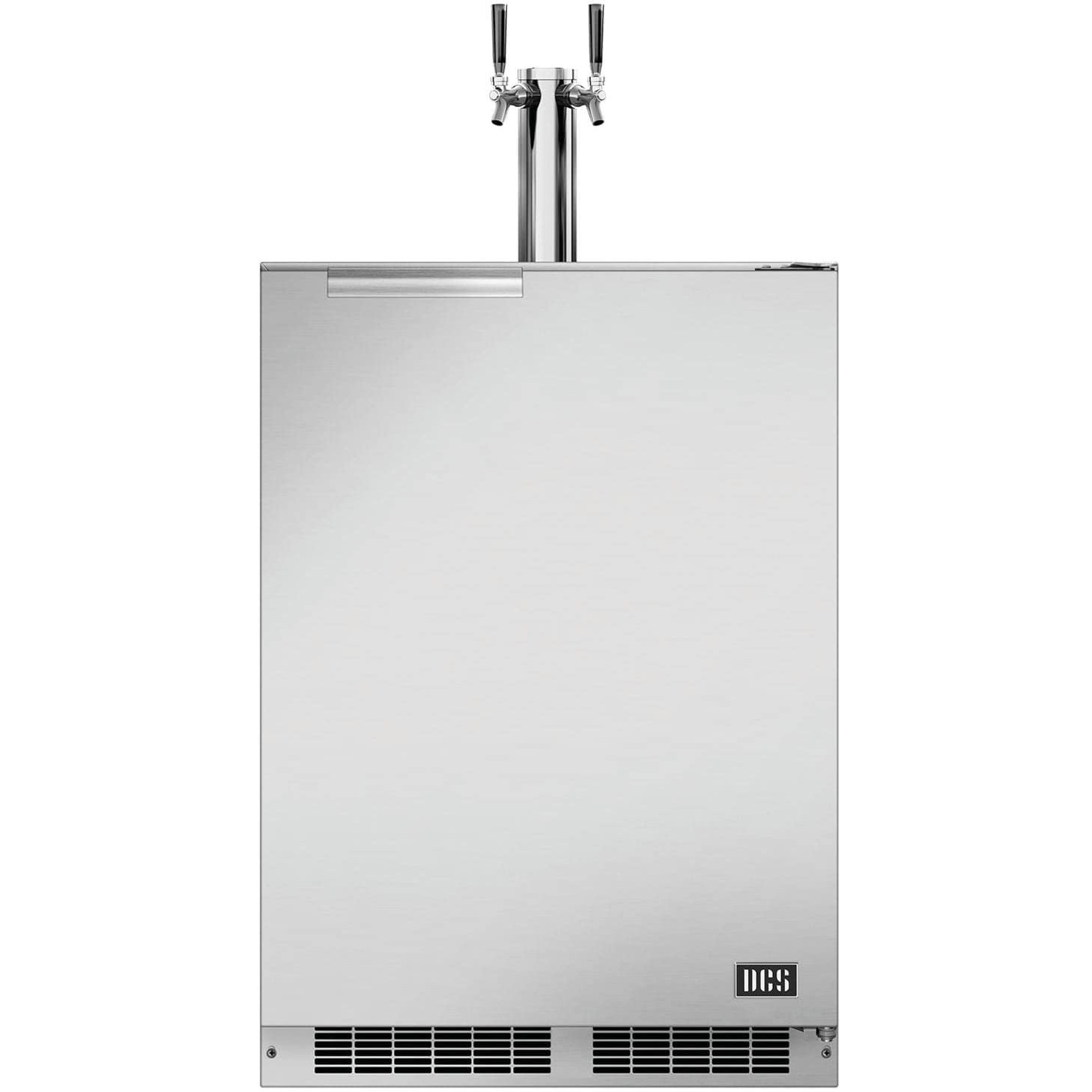
A typical kegerator is essentially a specialized fridge that stores and dispenses kegged beer. It’s designed to keep the temperature low—usually between 36°F and 45°F (2°C to 7°C)—to preserve freshness, maintain carbonation, and give you that cold, crisp pour every time. That’s why many kegerators come with regulators, hoses, and canisters that supply CO2. As the CO2 flows into the keg, it pushes beer out through the tap and helps maintain carbonation during storage.
If you’ve never used a kegerator, picture it as a mini, dedicated draft system you might see at a bar, except it fits right in your home. You hook up the keg, attach the CO2 line, adjust pressure, and then enjoy fresh brews from the tap. In essence, a kegerator makes it easy to enjoy an authentic draft experience without going out.
So, what happens when you remove the CO2 tank from the equation? You could rely on manual pressure or alternative sources to drive the beer out. However, this isn’t always straightforward. A kegerator’s tubing, couplers (devices that connect the keg and the lines), and other hardware are optimized for pressurized gas. Once you ditch the CO2, you’ll have to adapt your tapping method.
You’ll also need to think about the trade-offs. Without that constant flow of CO2, your beer might lose carbonation faster. Over multiple pours, oxygen can sneak into the keg. Oxygen exposure can lead to off-flavors and a shorter shelf life. Some folks only notice a small difference if they finish the keg quickly, but if you plan to sip that batch for weeks, it might degrade faster than you’d like.
Finally, keep the size and design of your kegerator in mind. If you have a compact system, like one from best apartment kegerator, you might not have a ton of room for alternative dispensing tools. Similarly, if you’re converting a standard kitchen fridge into a makeshift keg cooler, you’ll need to confirm that your setup can even accommodate a non-CO2 mechanism.
To appreciate whether your kegerator can run without CO2, you first need to know how CO2 supports the whole dispensing process. Carbon dioxide is easy to compress and store in tanks of various sizes, and it’s invisible and inert in terms of flavor. That makes it perfect for keeping beer consistently powered and carbonated.
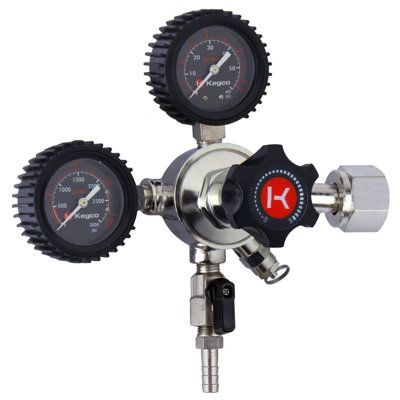
When you connect your CO2 tank and regulator to the keg, the regulator controls how much pressure enters the keg. Most home draft systems use a pressure range of 10–14 PSI (pounds per square inch). That pressure is strong enough to push the beer out at a steady flow, but not so strong that it over-foams your glass. If you ever run without adequate pressure, you’ll likely face sluggish pours or flat beer.
CO2 doesn’t just push the beer; it also keeps the beverage properly carbonated inside the keg. Beer naturally contains dissolved carbon dioxide, which forms bubbles when you pour. If you let oxygen in, it can lead to staleness. If you let the CO2 slip out, you risk a flat, lifeless taste. In a well-calibrated kegerator, the CO2 supply helps maintain that delicate balance between working pressure and proper carbonation.
You might think you can simply force air into the keg with any old pump, but it’s not that simple. Air (which has oxygen) changes the taste, color, and aroma of beer in short order. That’s part of the reason CO2 is the gold standard—unlike plain air, it doesn’t have reactive oxygen that spoils your drink. Beer, especially craft varieties with subtle flavors, is sensitive to oxidation, which can turn bright citrus notes into cardboard-like flavors.
Of course, every rule has exceptions. Some individuals opt for partial CO2 or limited usage. For instance, they hook up a small CO2 canister for initial carbonation and rely on a manual pump later. But that approach involves extra steps and can feel cumbersome if you’re aiming for a professional-grade home draft system.
If you want to keep your kegerator running without the standard CO2 setup, you have a few possible routes:
Hand pumps
Gravity-fed systems
Nitrogen or mixed-gas blends (though these still involve gas canisters)
Manual carbonation (carbonate the beer in advance, then rely on minimal gas)
Out of these, the first two are the simplest if your goal is to avoid handling compressed gas altogether. Nitrogen or mixed-gas blends are mostly for beer styles like stouts and porters. They can create that classic cascading effect in your glass, but they still require pressurized tanks. Manual carbonation is an option if you’re brewing your own beer and can condition it in the keg beforehand, but you’ll likely need a CO2 supply at some stage in that process.
Regardless of which path you pick, it’s a good idea to think about how quickly you’ll drink the beer. If you plan small gatherings where a keg empties in a weekend, a non-CO2 method might do just fine. But if you keep tapping a keg for weeks, you’ll want the reliability of continuous gas pressure to maintain quality.
Keep in mind that different methods can require additional gear. A gravity setup might demand a particular type of keg or a layout that lets you place the keg above your tap. A hand pump kit needs to fit your coupler style. A nitrogen-blend system requires a specialized regulator and a different tank. So, if you’re hoping to keep things simple, thoroughly research each non-CO2 technique before you commit.
Finally, there’s the question of cost. Going “off the beaten path” can mean you spend more time or money in the long run. Oddly enough, renting or buying a CO2 tank and hooking it up is often cheaper and less complicated than buying multiple pieces of specialized hardware to achieve the same result. In some areas, you can swap empty CO2 tanks for full ones at local beverage suppliers, which keeps downtime minimal and cost predictable.
Assess a hand pump option
A hand pump might be the image you have if you’ve ever seen folks at a tailgate or picnic pumping the tap to serve beer. These systems generally consist of a small pump attached to the top of the keg. You manually pump air in to push beer out. This approach is about as old-school as it gets. It’s simple, it’s portable, and it doesn’t rely on bottled gas.
But hand pumps also have a downside: they introduce oxygen into the keg every time you pump. Oxygen sets off chemical reactions in beer that can make it taste stale in just a day or two. That’s why you often see these setups at short-term events where you know the keg will be gone by night’s end. If you’re hosting a party and expect the keg to be drained quickly, a hand pump can be a valid method.
Compared to a CO2 system, a hand pump requires more elbow grease. You literally have to pump air into the keg, which can become tiresome if you’re pouring many pints in a row. Each time you see the flow slowing down, you’ll need to pump again. This constant pumping can lead to inconsistent pressure, causing some pours to be foamy and others to be flatter.
Another challenge is the potential for contamination if you’re not careful. A hand pump can introduce bacteria or airborne particles into the keg, especially if it’s used outdoors or in a dusty area. Beer is quite sensitive to bacteria, and the introduction of oxygen combined with natural microbes is a recipe for spoilage if you store the keg for any length of time.
If you do go with a hand pump, there are a few best practices:
Keep the keg cold. Warmer beer spoils faster, and it also gets extra foamy when pumping.
Clean the pump thoroughly between uses to reduce contamination risk.
Plan to finish the keg quickly—within 24 to 48 hours is ideal, to prevent off-flavors.
Monitor your flow carefully. Too much pumping can lead to over-pressurizing the keg.
This option may be ideal if you’re chasing that classic backyard cookout vibe, not storing the keg for long, and want something that doesn’t require complicated hardware or gas cylinders.
Gravity-fed systems, sometimes called “gravity kegs,” are fairly straightforward: the keg is placed above your serving glass, and the beer flows downward through a tap. You don’t need to pump air or feed CO2 into the keg because the force of gravity does the work, so no mechanical or pressurized assist is required.
If you’ve ever visited a traditional beer festival in certain parts of Europe, you might have seen large casks set on wooden stands, with a simple tap hammered into the side. Bartenders (or festival volunteers) pour beer directly from the keg. In a home setup, you can replicate this approach with a special gravity tap kit, though it’s not usually as simple as punching a hole in the side.
Because these setups rely on air to fill the empty space inside the keg, you run into the same oxidation concerns as you would with a hand pump. Each time you pour, air creeps in to replace the beer. That leads to diminishing freshness over time. So, a gravity-tapped keg is best for big gatherings where you’ll empty the keg in short order.
You’ll also need a stable platform that can bear the keg’s weight. A full keg can weigh around 160 pounds or more, depending on size and volume. Balance is important—one accidental nudge, and your precious brew could topple over. Plus, you need adequate vertical clearance to fit your glass underneath the tap.
Gravity taps can work for smaller home-based casks if you prefer minimal equipment. Some brewers love hosting “real ale” nights, tapping a cask for an evening of sampling. If you lean toward that style of entertaining, gravity taps are fun. They’re also conversation starters, because they display your beer in a “hey, look at my keg on a stand” kind of way.
On the downside, storing partially finished kegs in a gravity system can become tricky. Once you’ve tapped the keg and introduced air, the beer’s shelf life shortens dramatically. Unless you have a system for carefully purging oxygen (which defeats the no-CO2 approach), you risk having stale beer within a few days.
If you’re determined to do away with CO2, you’ll need a strategy to keep the beer fresh as long as possible. Think about how quickly you and your friends will actually drink this keg. If you only plan on a pour here and there, a non-CO2 option might leave you with half a keg of oxidized beer. That’s a waste of good brew and your money.
One tactic is to choose smaller keg sizes—like a 2.5-gallon or 3-gallon keg—if you know you’ll finish them quickly. Smaller volumes mean less time in contact with oxygen overall. You could even do a one-day event with a hand pump or gravity tap, clearing the keg in the span of an afternoon.
It also pays to keep the beer as cold as possible. Warmer temperatures speed up oxidation. That’s why a kegerator is still nice to have, even without CO2, because it maintains a lower temperature than a room or garage. If you open the door frequently, though, you’ll have temperature swings that further degrade the beer. So, keep your kegerator shut as much as you can when the keg is tapped and not in use.
Some people experiment with introducing minimal amounts of CO2 just to purge oxygen out of the headspace (the empty space in the keg). They’ll attach a small 16-gram CO2 cartridge or a mini-regulator, give the keg a quick blast of CO2 to push out the air, then rely on a gravity tap or hand pump for dispensing. It’s a hybrid approach that might extend the beer’s life by a few days or a week, though it’s not truly CO2-free.
No matter which route you go, cleaning and sanitizing are a top priority. Any leftover residue in hoses or taps can promote bacterial growth. Even when using a standard best condo kegerators, you’ll want to clean the lines regularly. Without the protective buffer of CO2, the beer is extra vulnerable to spoilage and funky flavors.
The upfront cost of a traditional CO2 system can feel steep if you have to buy a new CO2 tank, regulator, and all the fittings. But in the grand scheme, CO2 refills usually aren’t expensive. A typical 5-pound CO2 tank can dispense a fair number of kegs before you need a refill. Online homebrew forums often estimate that refilling a 5-pound tank costs only a few dollars and can serve multiple kegs if you’re keeping an eye on your regulator settings.
If you decide to skip the CO2 tank, you may save a little on the initial purchase, but you could end up spending more on specialized hardware or smaller, one-time use options like mini CO2 cartridges. These cartridges can add up in cost if you’re going through them regularly. Meanwhile, a hand pump might only cost a fraction of what you’d pay for a CO2 kit, but the hidden cost is in the reduced shelf life of your beer.
Maintenance is another piece of the puzzle. A CO2-based system has pretty straightforward maintenance: you keep the regulator clean, check for leaks occasionally, and have the tank refilled when needed. A non-CO2 system can require more frequent line cleaning, especially if you’re introducing outside air or dealing with foam caused by inconsistent pressure.
Also, factor in the time you’ll spend tinkering. If you’re a DIY enthusiast who relishes the challenge of customizing everything, you might actually enjoy calibrating alternative dispensing methods. But if your goal is to have a fuss-free setup that pours the perfect pint every time, a proper CO2 system is usually more reliable.
In short, think beyond just the purchase price. Over months or years, you’ll likely appreciate the relative simplicity and consistency of a CO2-driven kegerator, especially if you love variety and want each keg to taste as fresh as it did the day you tapped it.
Choose your ideal approach
So, which setup is right for you? It all depends on your usage, preferences, and how much you value convenience versus spontaneity. Here’s a quick rundown to help guide you:
Approach
Pros
Cons
Best Scenario
CO2 System
Consistent pours, long shelf life, minimal oxidation
Requires tank and refills, higher initial cost
For frequent use, variety of beer styles, long storage
Hand Pump
Inexpensive, simple to operate, portable
Introduces oxygen, short shelf life, manual pumping
Tailgates or parties where keg empties in 1–2 days
Gravity Tap
No pumping or gas required, easy setup
Beer oxidizes, needs stable surface, large vertical space
Casual gatherings to finish a keg quickly
Partial CO2 Hybrid
Minimizes oxygen exposure, can be more flexible
Still requires small CO2 supply, more complex to maintain
People who want some control over oxidation without a full tank
If you’re the kind of person who hosts frequent gatherings over several weeks, it’s often more practical to set up a standard CO2 system. You’ll enjoy fresher beer for a longer period. If you only break out the keg for a special event once in a while, a hand pump or gravity tap could do the trick, provided you plan to empty the keg.
And if you’re tight on space, check out options like the best apartment kegerator or best condo kegerators. These models are designed to fit in smaller footprints, so you can get a more traditional CO2 system without sacrificing half your living room. They also often come with everything you need to set up a standard pressurized draft, simplifying the process for you.
Ultimately, a kegerator can work without CO2, but you’ll have to be prepared to handle some trade-offs. You’ll need to pump by hand or let gravity do its thing, which leads to quicker oxidation and shorter beer life. If you’re hosting a party and know the keg will be gone in a day, that might not bother you at all. If you’d rather keep a keg on tap for weeks, CO2 is the more reliable way to maintain quality.
In many cases, the classic CO2 system hits the sweet spot of convenience and freshness. Still, part of the fun of having your own kegerator is experimenting with different approaches. As long as you understand how each option affects taste, carbonation, and cost, you can choose the method that fits your lifestyle best.
If you do try a no-CO2 system, keep an eye on how the flavor changes over time. It’s a learning experience that can help you figure out which method really suits you. Whether you stick to the tried-and-true CO2 path or go old-school with a hand pump, enjoy the chance to customize your home draft setup and pour exactly the kind of beer experience you want. Cheers!
Free tool
Kegerator Size Calculator
Free interactive tool from Fridge.com — get a quick answer while you read.