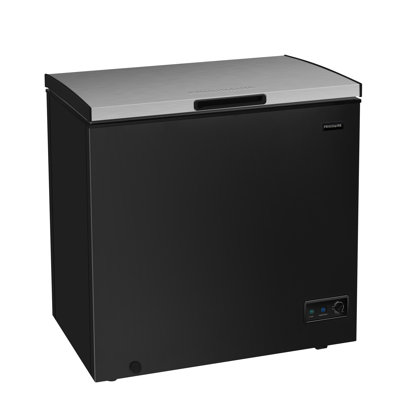
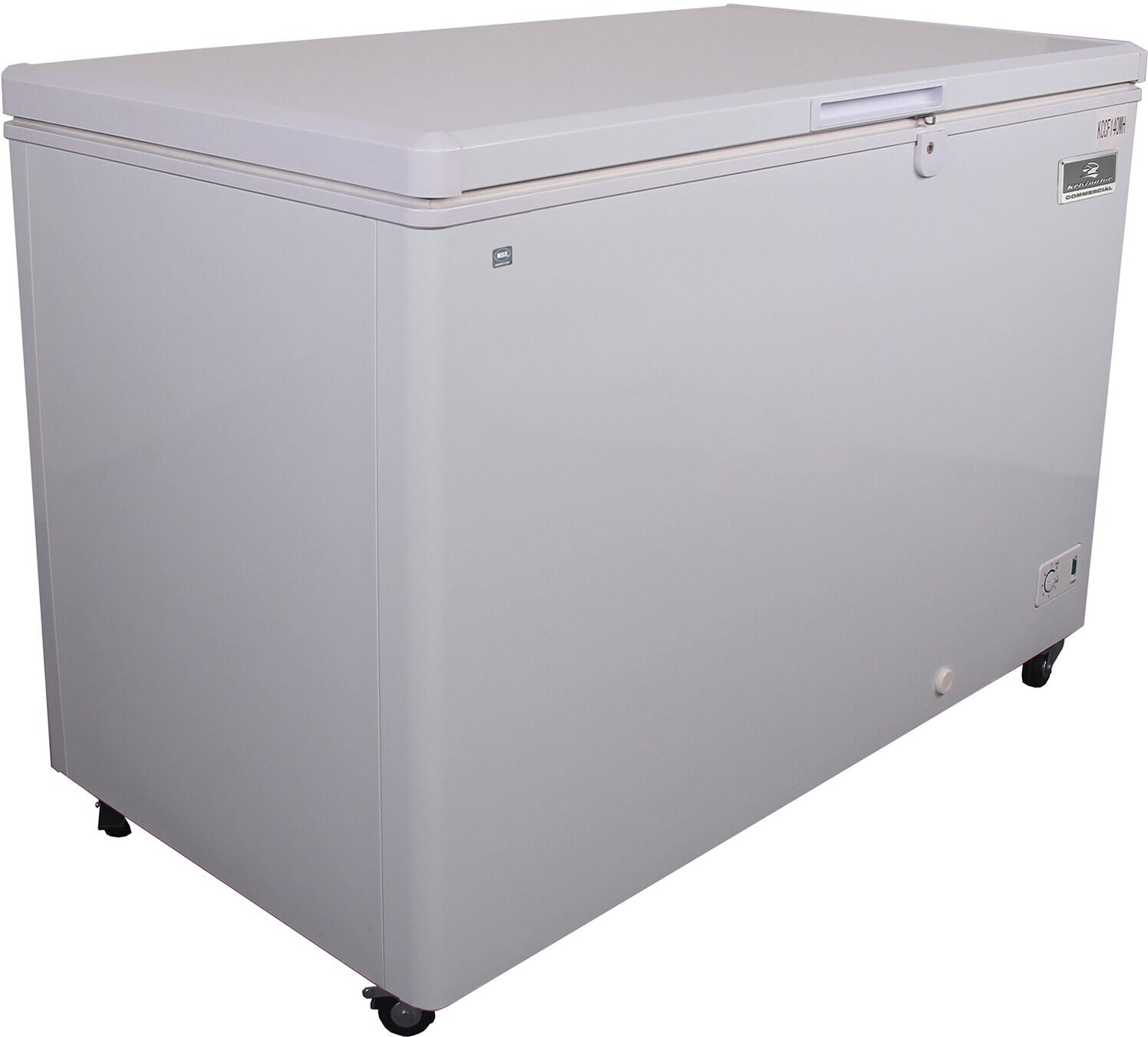
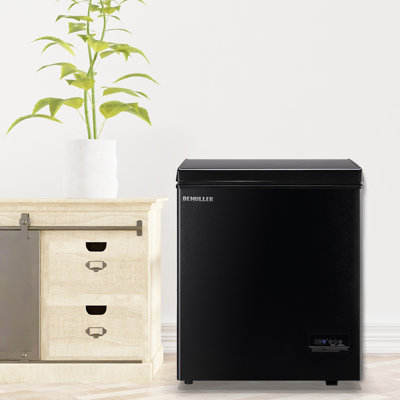
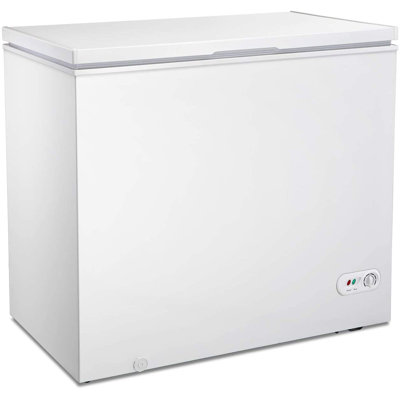
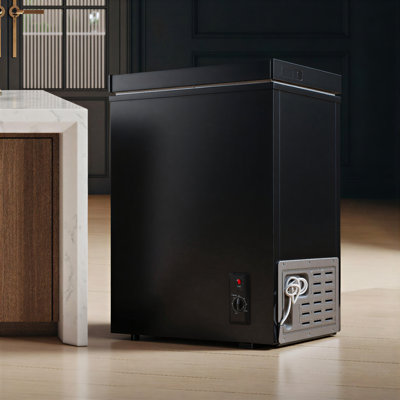
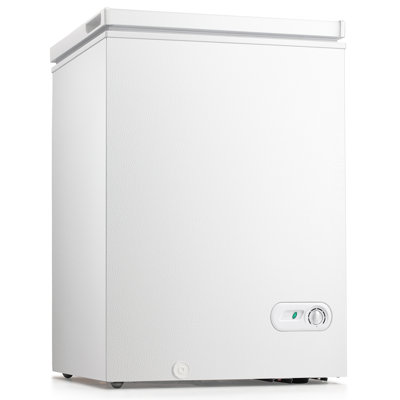
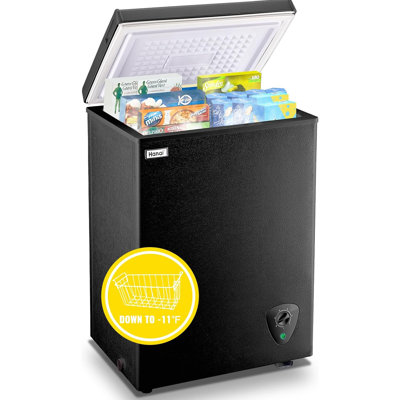
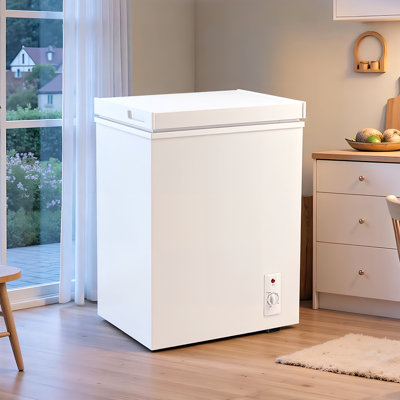
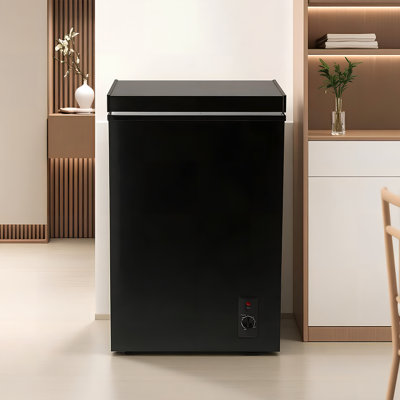
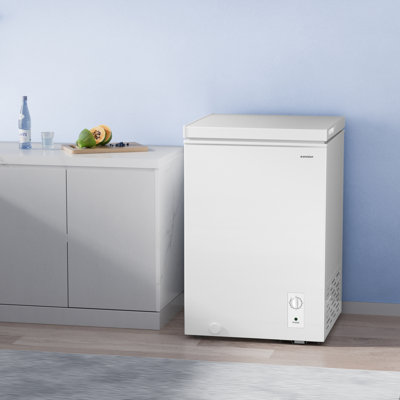
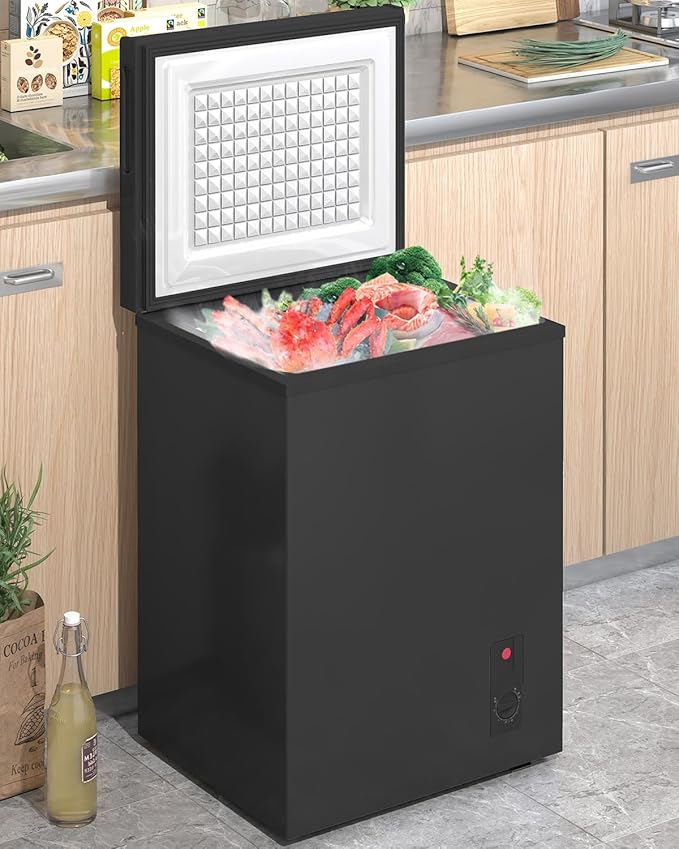
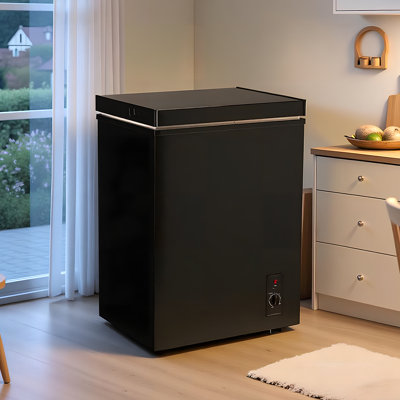
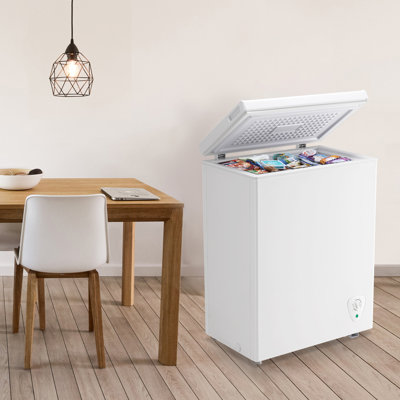
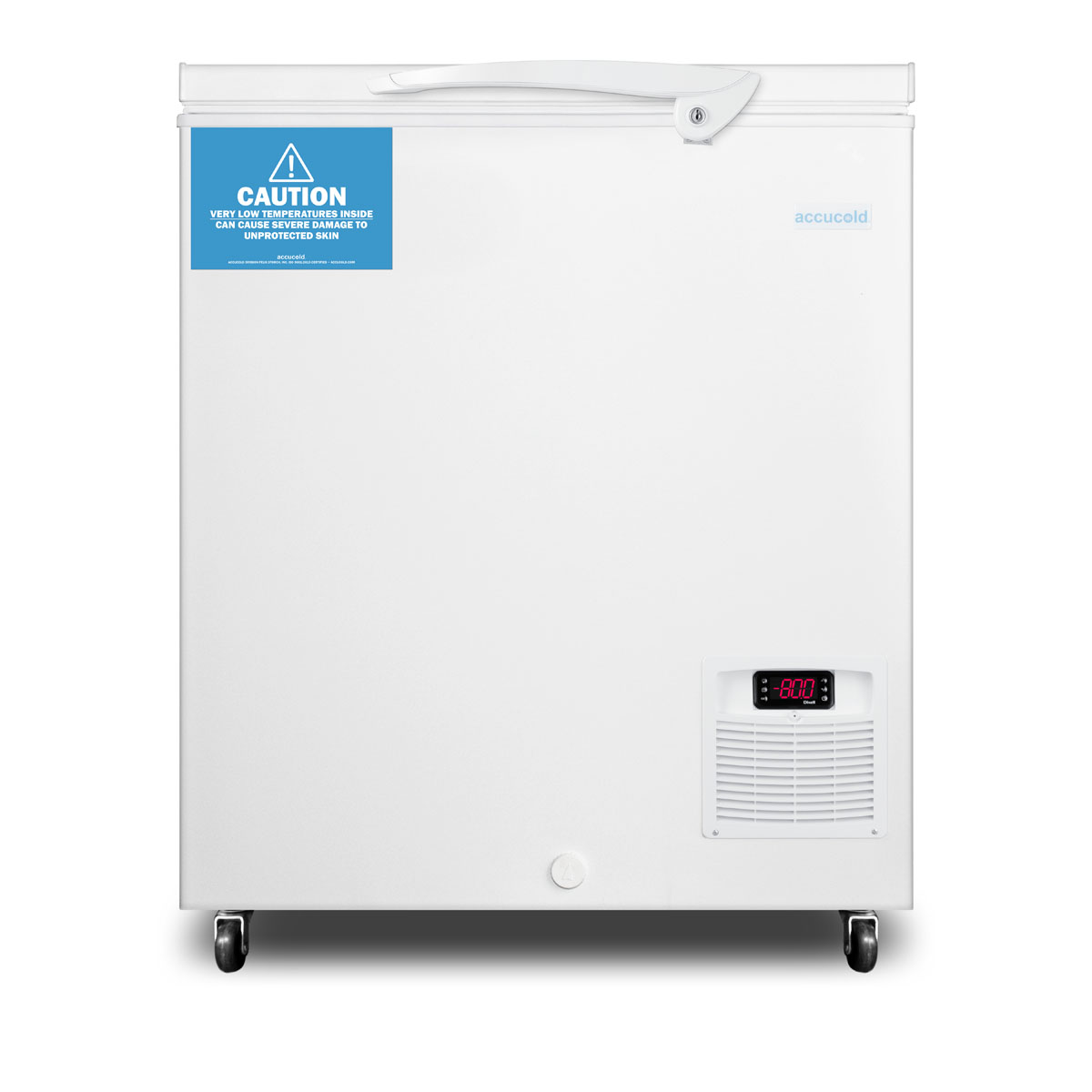
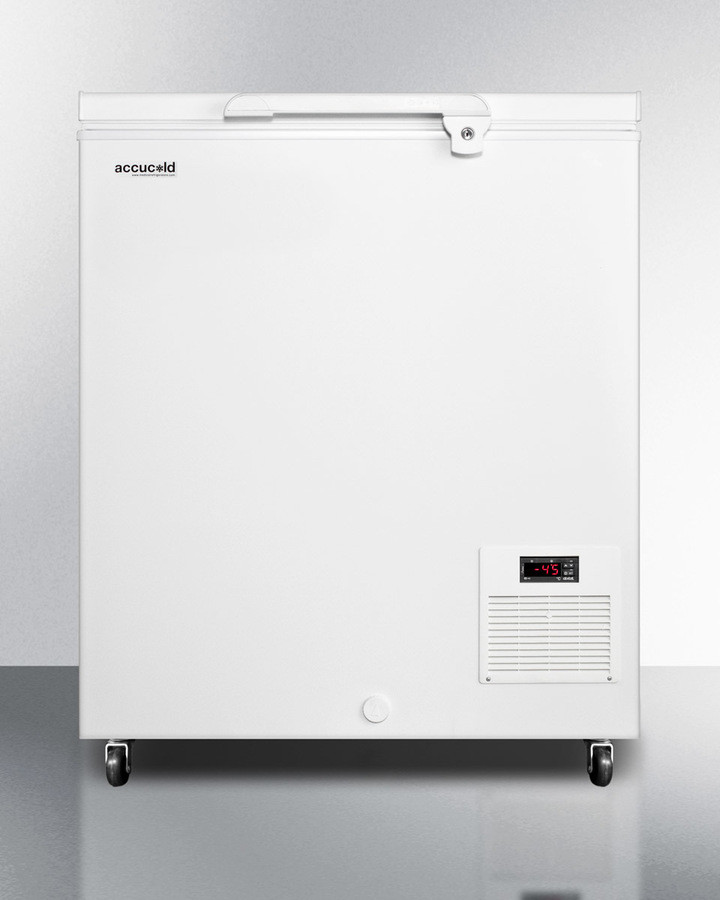
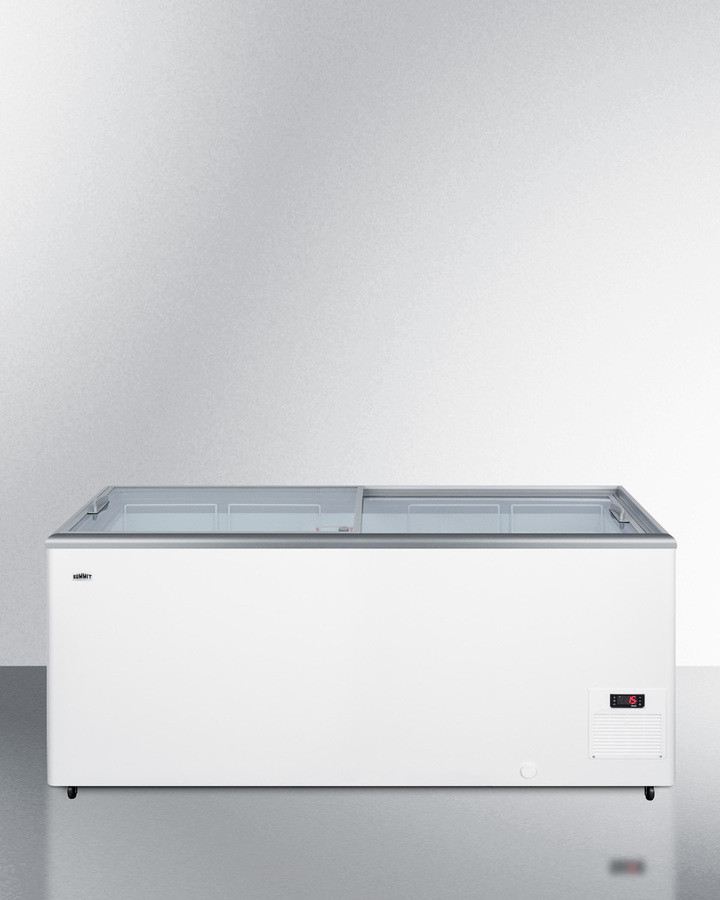
You’ve committed to the carnivore diet, and that means stocking up on steaks, roasts, ground meat, fish, and more. Bulk storage is essential, and a reliable chest freezer delivers the steady low temperatures and roomy interior you need. In this ultimate guide, you’ll discover everything about choosing, using, and maintaining the best chest freezer for carnivore diet, so your meat stays fresh, flavorful, and perfectly preserved.
Understand Carnivore Diet
The carnivore diet centers on animal-based foods—meat, fish, eggs, and limited dairy—so you’ll be freezing large volumes of raw protein. Unlike a standard freezer that juggles leftovers, fruits, and veggies, your chest freezer becomes a dedicated meat vault. That means you need:


- Stable temperatures around 0°F or below
- Ample capacity for bulk packaging and long-term storage
- Manual or frost-free defrosting, depending on how hands-on you want to be
- Easy organization to locate cuts quickly
Knowing that you’ll cycle through dozens of pounds each month helps you focus on freezers designed for heavy use rather than occasional top-off. You’ll also want rapid freezing performance to lock in juices and nutrients—learn more about flash freezing benefits in our guide on how rapidly flash freeze locks nutrients in vegetables?, which applies to meat too.
Estimate Freezer Capacity
Sizing your freezer correctly avoids endless runs to the store or — worse — meat overload. As a rule of thumb, plan for 1.5 to 2 pounds of freezer space per pound of raw meat per month. For example, if you go through 20 pounds of meat, you’ll need roughly 30–40 cubic feet of capacity per month of storage.
Factors to consider:
- Household size: Solo eaters can get by with 5–7 cu ft, while families often need 15–20 cu ft
- Bulk buys versus weekly shopping: Bulk purchasers lean larger, occasional shoppers can manage smaller units
- Meat packaging: Vacuum-sealed bulk takes less space than styrofoam trays wrapped in plastic
- Future diet changes: If you add fish or bone broth, leave extra room
To refine your estimate, check our detailed breakdown on how much freezer space. For tight quarters, see our tips in the best apartment freezer guide.
Compare Energy Efficiency
Running a chest freezer 24/7 adds to your electric bill, so efficiency matters. Look for:
- Energy Star certification: Models bearing the Energy Star label use up to 20% less energy than non-certified units
- Annual energy consumption: Measured in kWh/year, lower is better—aim for under 400 kWh/year for mid-size freezers
- Insulation thickness: Thicker walls and lids maintain temperature with less power
- Location: Placing your freezer in a cool garage or basement reduces compressor workload
Tip: Many manufacturers include an estimated yearly operating cost on the spec sheet. Compare models side by side in a simple table before you decide.
Evaluate Temperature Controls
Consistent, precise temperature control keeps meat safe and high quality. Key features to check:
Manual vs. Frost-Free
- Manual defrost freezers offer slightly lower temperatures and less interior noise, but require periodic thawing
- Frost-free (auto-defrost) models reduce ice build-up but may cycle temperatures more frequently
Adjustable Thermostat
A dial or digital control lets you fine-tune the temperature. Meat often fares best at –10°F to –15°F for long-term storage.
Quick-Freeze Settings
Some freezers include a rapid-freeze or super-freeze mode that drops the temperature quickly after loading a large meat delivery.
Alarm and Monitoring
High-end units feature temperature alarms or smartphone alerts if the door is left open or power is interrupted—critical for protecting big batches of meat.
Organize Freezer Interiors
A well-organized interior keeps you from digging through piles of packages at dinner time. Consider:
- Baskets and Dividers: Removable wire baskets and adjustable dividers let you separate steaks, ground meat, and bones
- Labeling System: Label packages with cut type, weight, and freeze date for first-in, first-out rotation
- Storage Bins: Stackable plastic bins keep smaller items like sausages or organ meats tidy
- Under-Lid Racks: Some models include racks that attach to the lid for shallow-tray storage
For more organizing hacks, see our top freezer organizing hack.
Review Top Freezer Models
Here’s a comparison of five standout chest freezers ideal for carnivore diet bulk storage. Prices and specs may vary—always confirm current details before you buy.
| Model | Capacity (cu ft) | Energy Use (kWh/yr) | Defrost Type | Best For |
|---|---|---|---|---|
| Midea WHD-129FSS1 | 4.5 | 260 | Manual | Small kitchens, dorms |
| Arctic King ARC 7 cu ft | 7 | 300 | Manual | Solo eaters, apartments |
| Frigidaire FFFC15M4TW | 15 | 340 | Frost-Free | Family meal-prep |
| GE FCM11PHWW | 11 | 350 | Manual | Garages, workshops |
| Haier HCE319R | 18 | 420 | Frost-Free | Serious bulk storage |
Pros and Cons
- Midea WHD-129FSS1: Compact footprint but limited capacity
- Arctic King ARC 7: Budget-friendly yet spacious enough for one to two people
- Frigidaire FFFC15M4TW: No-frost convenience with solid energy ratings
- GE FCM11PHWW: Sturdy build, manual defrost maintains lower temps
- Haier HCE319R: Premium features, higher running cost
When you’re ready to stock up, head to Fridge.com to order compact freezers: deals and explore full specs.
Practice Proper Maintenance
Keeping your chest freezer in peak condition ensures meat stays fresh and reduces repair costs.
- Defrost Regularly
Excess ice build-up forces the compressor to work harder. Follow our steps in how to defrost a freezer in 5 steps. - Clean Interior and Gaskets
Wipe down walls with mild soap and water. Inspect door seals for cracks to prevent air leaks. - Vacuum Coils
Dusty coils reduce efficiency. Learn how to clean them in how to clean refrigerator coils. - Check Temperature
Use a freezer thermometer to verify it’s holding –10°F to –15°F. - Maintain Airflow
Leave 2–3 inches of clearance around the freezer so heat can dissipate.
Explore Frequently Asked Questions
How Long Can Meat Last?
Properly frozen meat maintains quality for 6–12 months. For details, see how long meat can last in the freezer?.
What Size Do I Need?
Estimate 1.5–2 pounds of meat per cubic foot per month. More at how much freezer space.
Should I Choose Frost-Free?
Manual defrost freezers tend to maintain lower, more stable temperatures but require occasional thawing. Frost-free units add convenience at the cost of temperature fluctuations.
How Do I Organize Large Blocks?
Use sturdy vinyl bins or wire baskets to group similar cuts. Label each package clearly and rotate older meat to the front.
Make Purchase Decision
Armed with knowledge on capacity, efficiency, controls, and organization, you’re ready to select the best chest freezer for carnivore diet. Whether you choose a compact 5 cu ft model for tight spaces or a 20 cu ft workhorse for bulk buys, focus on energy savings, reliable temperature control, and interior flexibility. When it’s time to buy, trust Fridge.com for competitive pricing, detailed specs, and expert support. Your carnivore journey just got a major upgrade—happy freezing!