Finding the best apartment freezer can feel like a juggling act—limited space, endless meal prep needs, craft beer storage, baby food, and frozen dinners all vying for prime real estate. Whether you live in a studio, share a dorm room, or manage a home kitchen with tight corners, a compact freezer can solve storage headaches while keeping ingredients fresh. In this section, you’ll learn why a dedicated freezer matters and which styles fit your space.
Why You Need One
You might think your fridge’s freezer compartment is enough, but if you’re into meal prepping, stocking bulk buys, or entertaining friends, you’ll quickly run out of room. Here’s why adding a standalone freezer pays off:
Meal Prepping: Store breakfasts, lunches, dinners, and baby food safely in bulk.
Entertaining: Keep extra ice packs, appetizers, and desserts at the ready.
Seasonal Storage: Bulk-freeze fruits, veggies, and even craft beer for kegerators.
Energy Savings: A frost-free chest or upright model uses less energy than overstuffing your fridge’s built-in freezer.
Types Of Freezers
Not all freezers are created equal. Your choice comes down to space, capacity, and how you plan to organize items.
Chest Freezers
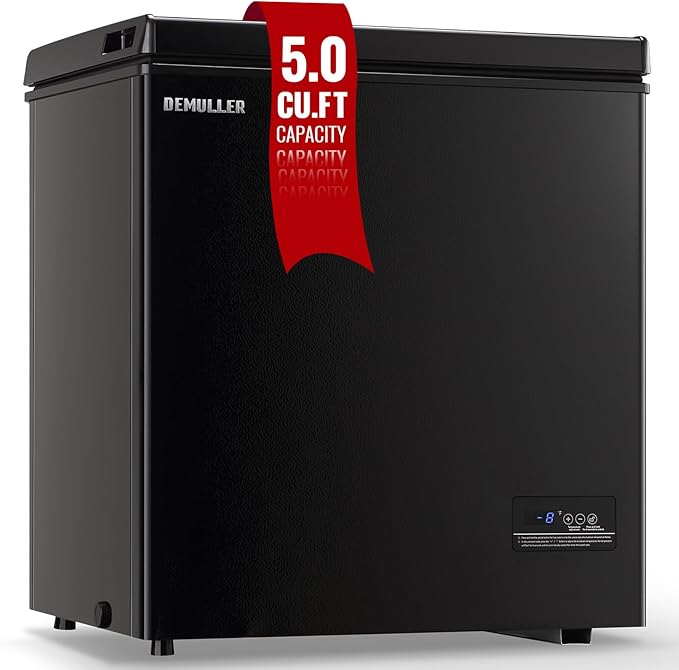
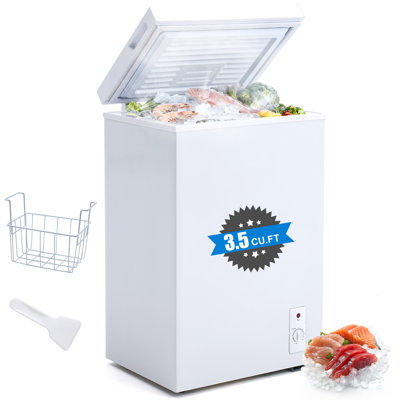
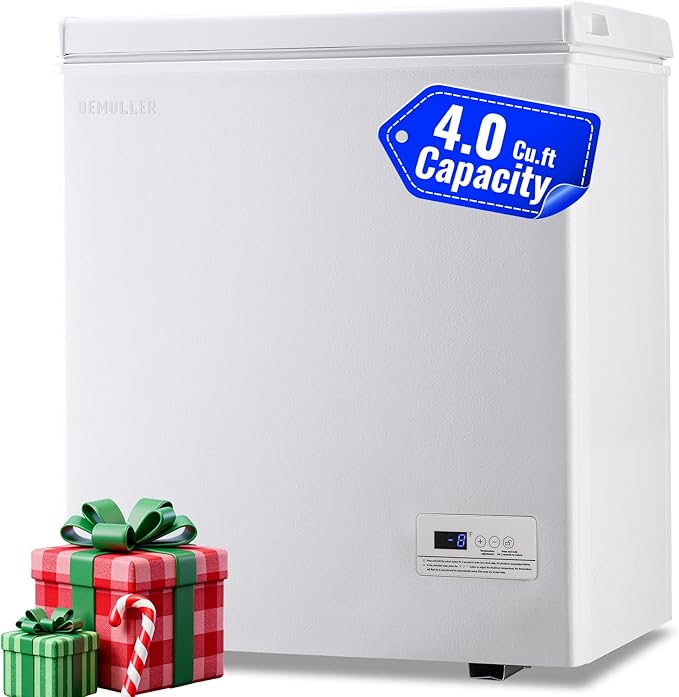
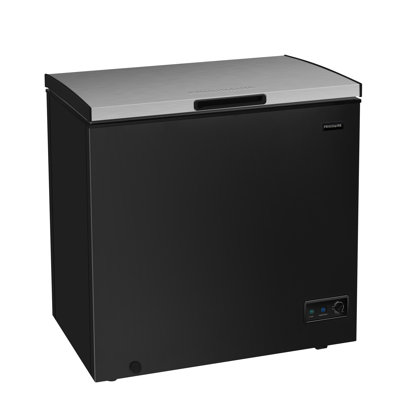
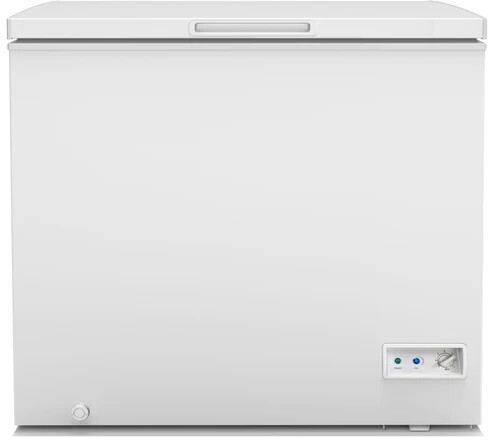
Chest freezers offer wide, open storage and lower energy bills thanks to manual defrost chambers. They’re ideal if you stack totes, meat packages, or large containers. Models like the 3.5 cubic ft deep freezer maximize depth over height, making them perfect for garages or basements when you have a bit of floor space.
Upright Freezers
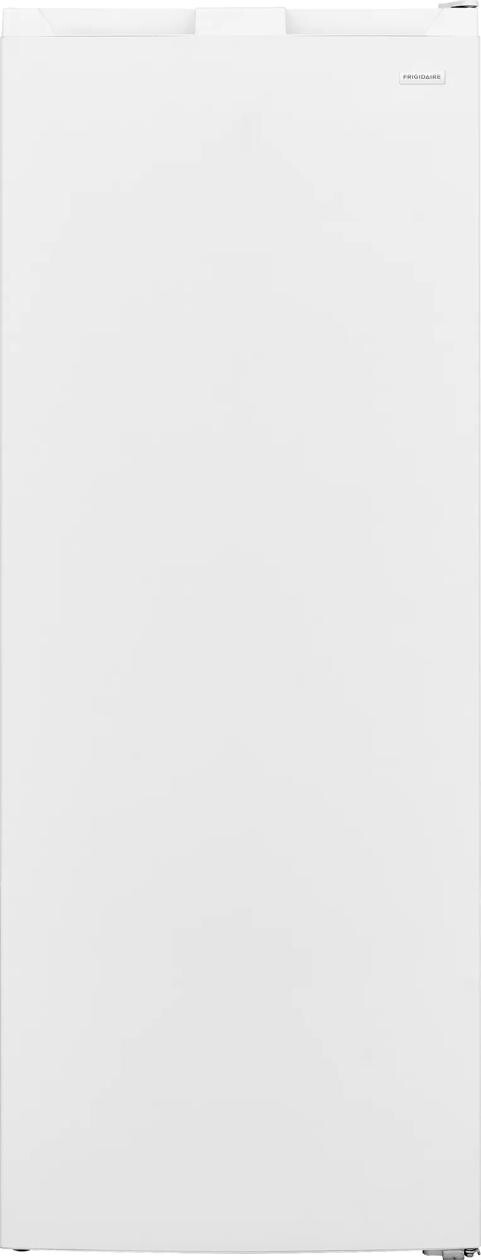
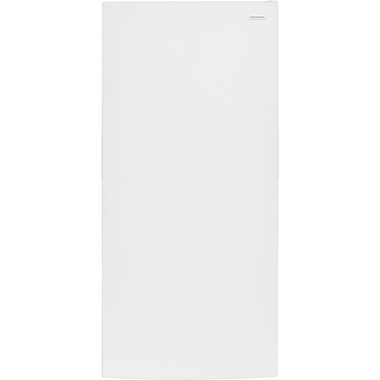
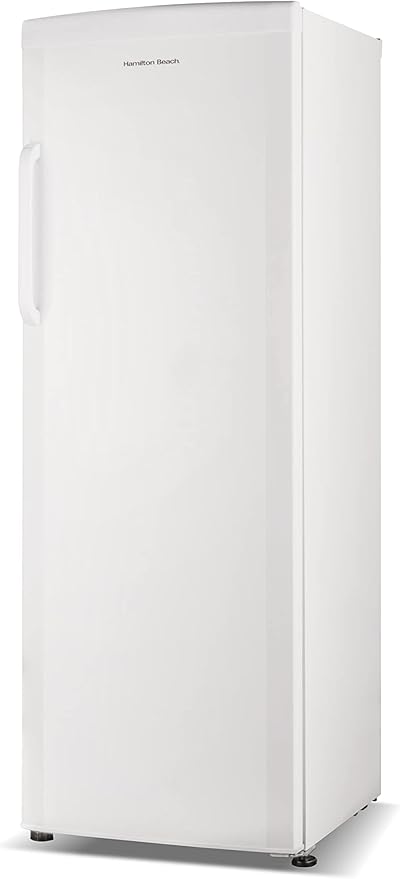
An upright freezer looks like a refrigerator and fits slender footprints. You’ll enjoy easy access via shelves and door bins, and models under 5 cu ft slide into narrow hallways or small kitchens. If you ever need a larger scale, consider stepping up to a 10.1 cu. ft. upright freezer, though that may exceed typical apartment layouts.
Undercounter Freezers
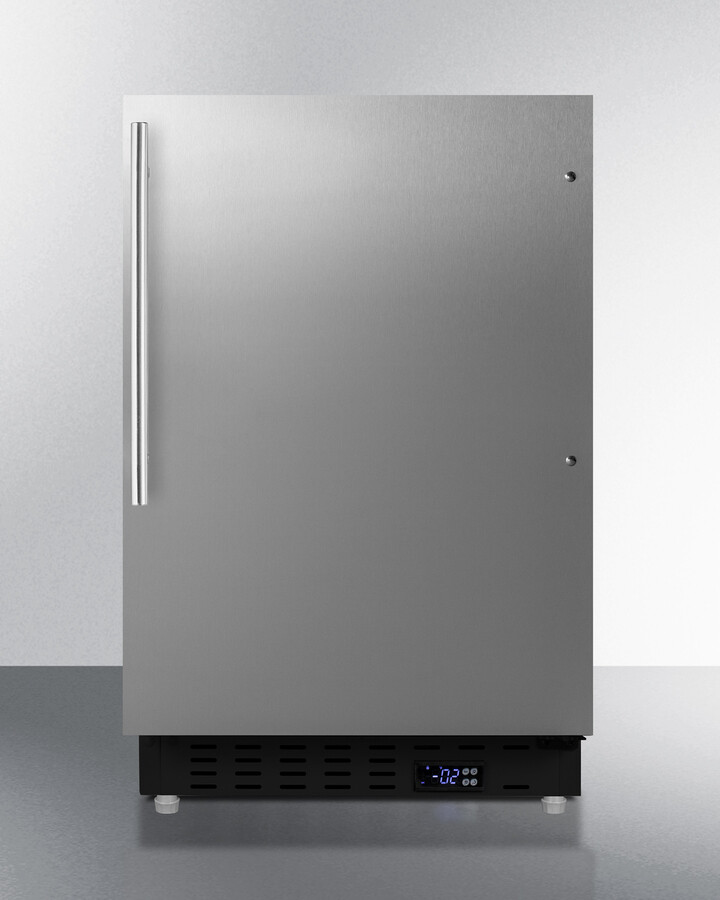
Undercounter freezers integrate neatly beneath your kitchen worktop. They blend into cabinetry, maintain a streamlined look, and usually range from 2 to 4 cu ft. These are perfect if you cook in a galley kitchen or RV and need quick access without sacrificing counter space.
With styles in mind, it’s time to narrow down features that matter most for apartment living. Think capacity, efficiency, noise, and controls.
Capacity And Size
Freezer capacity is measured in cubic feet. Before you buy, map out the available footprint:
Measure Width × Depth × Height in inches.
Consider door swing (upright) or top clearance (chest).
Plan for ventilation: most models need 1–2 inches of space around sides and back.
If you’re unsure how much space you really need, check out our guide on how much freezer space.
Energy Efficiency
Since an extra freezer can add to your electric bill, energy efficiency is key. Look for ENERGY STAR–rated models, which may cost more upfront but pay off over time. If counter-depth design is critical, see energy star certified counter depth bottom freezer refrigerators for fridge-freezer combos that save space and power.
Noise Levels
You don’t want a loud hum interrupting movie night. Check decibel (dB) ratings when available:
Under 38 dB: whisper quiet.
38–45 dB: noticeable in quiet rooms.
Over 45 dB: best placed in a laundry area or garage.
Temperature Control
Precise thermostats and digital displays help you dial in the perfect cold:
Manual dial: simple and reliable.
Digital control: finer increments, often with alarms if the door stays open.
Frost-free vs Manual defrost: frost-free saves you defrost chores but may use a bit more energy.
Top Apartment Freezers
We rounded up five standout models that balance size, performance, and price. Here’s a quick comparison:
Model
Type
Capacity
Key Feature
Whynter 3.5 cu ft Chest Freezer
Chest
3.5 cu ft
Lock, adjustable thermostat
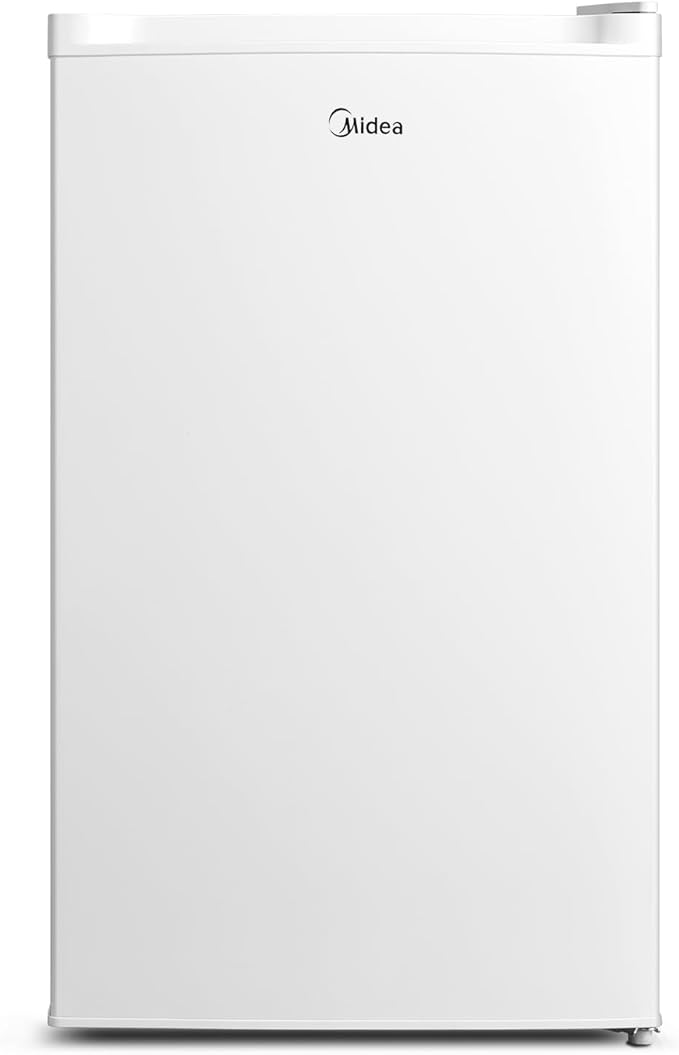
Midea 1.6 cu ft Compact Upright Freezer
Upright
1.6 cu ft
Reversible door
Igloo 4.5 cu ft Chest Freezer
Chest
4.5 cu ft
ENERGY STAR rated
Avanti 2.3 cu ft Undercounter Freezer
Undercounter
2.3 cu ft
Built-in trim, low noise
GE 5.0 cu ft Upright Freezer
Upright
5.0 cu ft
Frost-free, door alarm
Best Overall: Whynter 3.5 cu ft Chest Freezer
Whynter’s compact chest freezer hits the sweet spot for space and capacity. You get a flip-lid design, keyed lock, and an adjustable thermostat that ranges from 0°F to -11°F. Its slim footprint fits many apartments, and the manual defrost system keeps energy use low.
Best Compact: Midea 1.6 cu ft Upright Freezer
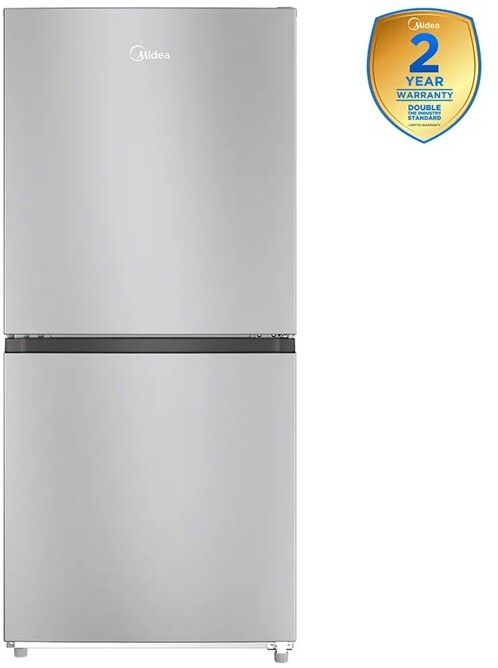
If you’re tight on floor space, Midea’s upright model tucks into a closet or under a counter. With reversible doors, slide-out shelves, and a 2-inch clearance requirement, it’s a versatile pick for dorms, studio apartments, and craft beer fans looking to pre-chill cans before tapping into a kegerator.
Best Budget: Igloo 4.5 cu ft Chest Freezer
Budget shoppers will love Igloo’s chest option. Despite the low price, it’s ENERGY STAR rated, offers 4.5 cu ft of reliable storage, and includes a removable basket for organizing frozen meats, veggies, and meal-prep containers.
Best Undercounter: Avanti 2.3 cu ft Undercounter Freezer
Avanti’s undercounter unit blends with your cabinets for a seamless kitchen look. It runs quietly at 38 dB, features built-in door trim, and delivers a solid 2.3 cu ft of space for desserts, extras, and specialty items like ice-cream bars.
Best Frost-Free: GE 5.0 cu ft Upright Freezer
GE delivers on convenience with a frost-free upright model equipped with a door-open alarm and adjustable wire shelves. The 5 cu ft capacity works well for families, meal-preppers, or anyone who hates manual defrost cycles.
Once you’ve picked and installed your freezer, these strategies help you get the most out of it.
Meal Prepping
Portion meals in airtight containers or freezer bags.
Lay bags flat to freeze, then stand them up like file folders for quick access.
Use a permanent marker to note meal names and dates.
Storing Fresh Produce
Blanch vegetables before freezing to lock in color and nutrients.
Freeze fruits on a tray first, then transfer to bags to prevent sticking.
Keep similar items grouped in baskets to maintain organization.
Specialty Items
Parents: Freeze single-serve baby food in silicone molds, then pop out cubes into a baggie.
Craft Beer Fans: Chill bottles or cans near but not touching freezer walls to avoid freezing your brew.
RV and Camping: Opt for portable models rated for 12V/24V when you’re on the road.
Frequently Asked Questions
What freezer size do I need for an apartment?
Most apartments manage well with 2–5 cu ft. If you’re meal-prepping heavily or entertaining often, aim for 4–5 cu ft; dorm dwellers may get by with 1.5–2.5 cu ft.
Can I install an undercounter freezer in my kitchen?
Yes, as long as you have a 24-inch standard cabinet opening and proper ventilation. Undercounter models often include built-in trim kits.
How much freezer space is enough for a family?
See our detailed guide on how much freezer space for calculations based on family size, cooking frequency, and storage habits.
How often should I defrost a manual model?
Defrost once you see ¼-inch of frost buildup. Excess ice restricts airflow and reduces capacity.
Is it safe to use an extension cord?
No. Freezers need a dedicated outlet to handle startup amps. Using an extension cord risks overheating and voiding warranties.
Why is my freezer warm inside?
Common causes include dirty coils, blocked vents, or a faulty door seal. Ensure nothing is pressing against the gasket and clean coils as described above.
You’ve scoped out the types, compared top picks, and learned installation and upkeep basics. Now, decide what matters most—capacity, footprint, price, or energy use—and match it to one of our top models.Compare current prices and specifications on Fridge.com, then buy from the retailer you choose; delivery, installation and warranty terms are the retailer’s. With the right best apartment freezer in place, you’ll reclaim fridge space, streamline meal prep, and keep frozen favorites at your fingertips. Enjoy your extra storage, and happy freezing!
From Fridge.com research
Figures below come from data Fridge.com builds and maintains. Each links to the record behind it.
Fridge.com Energy Index, built on U.S. EPA and DOE ENERGY STAR records
Across 5,455 ENERGY STAR certified refrigerators and freezers from 263 brands, median use is 360 kWh per year.