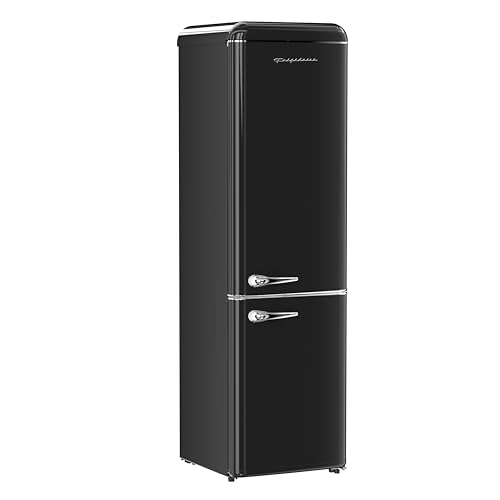
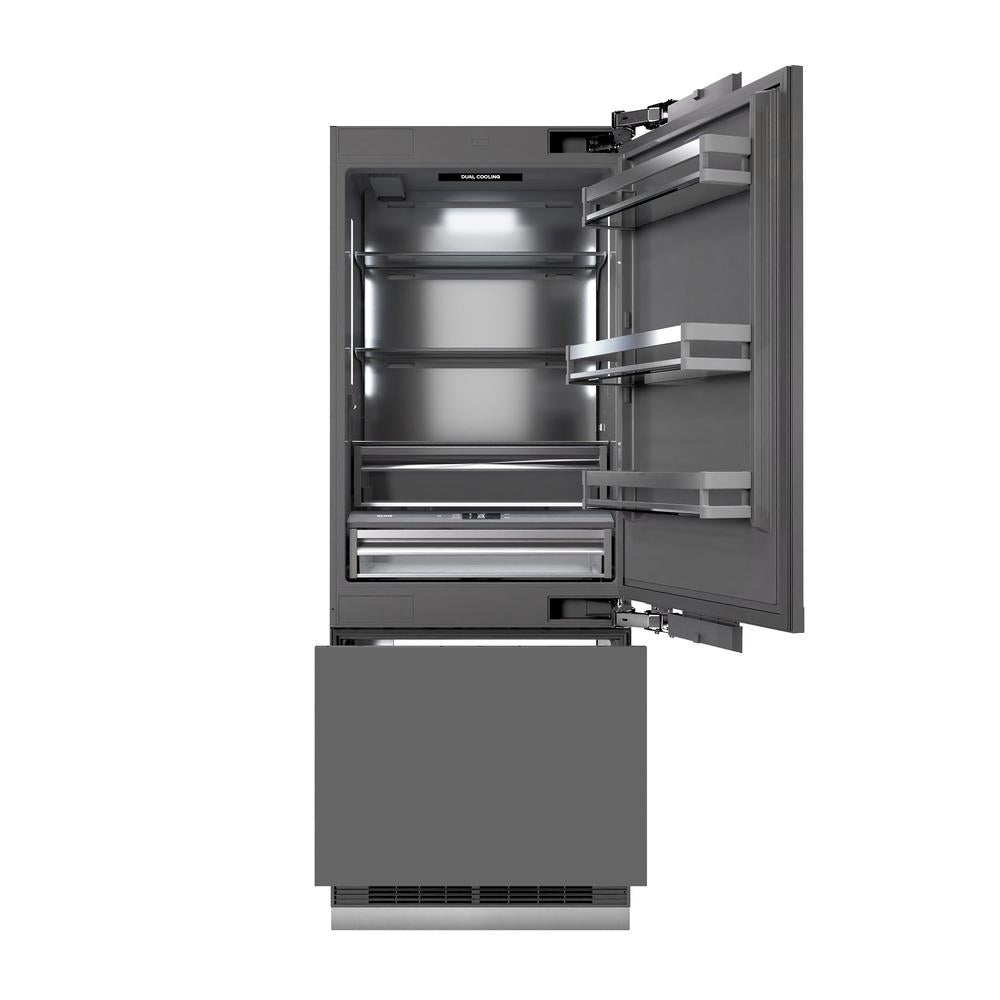
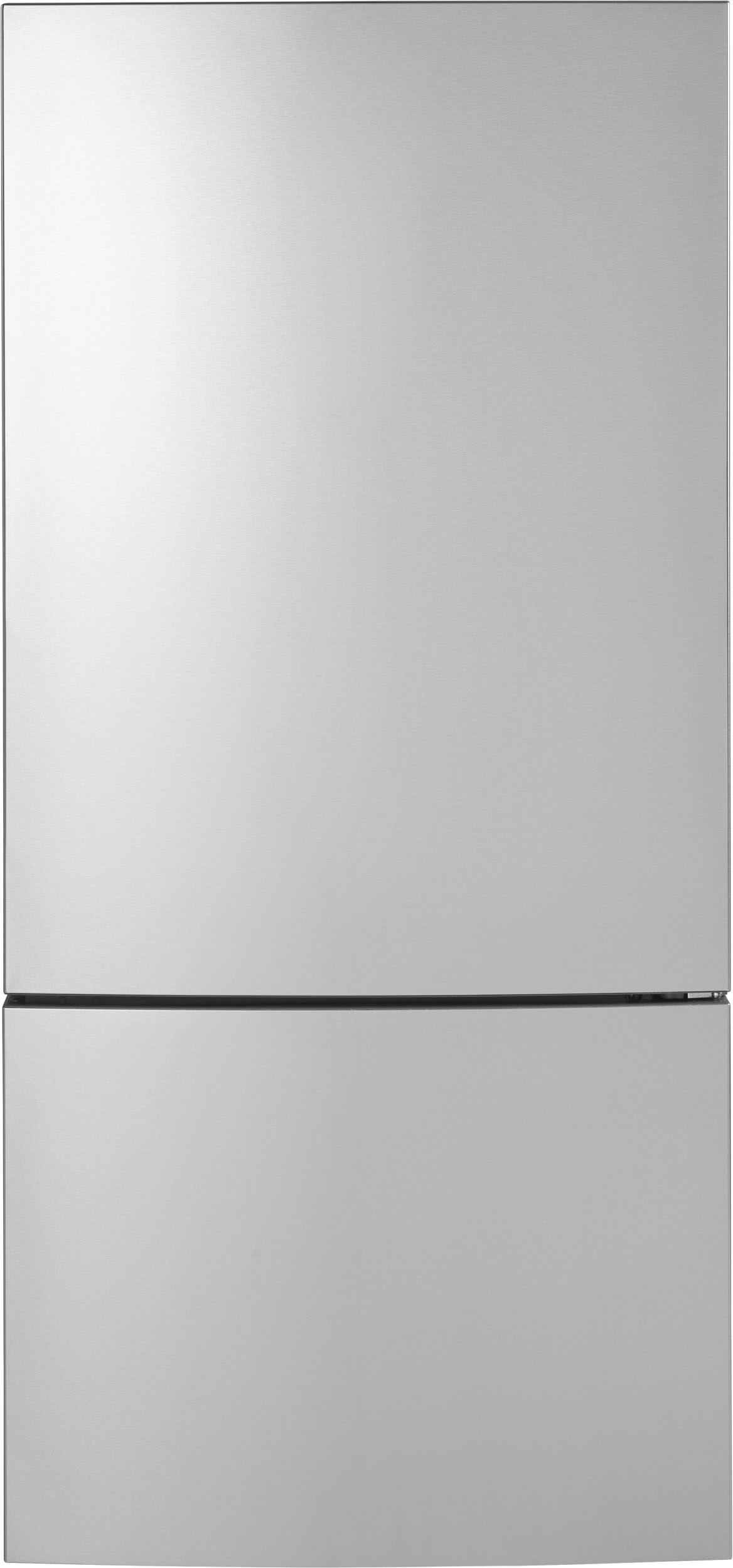
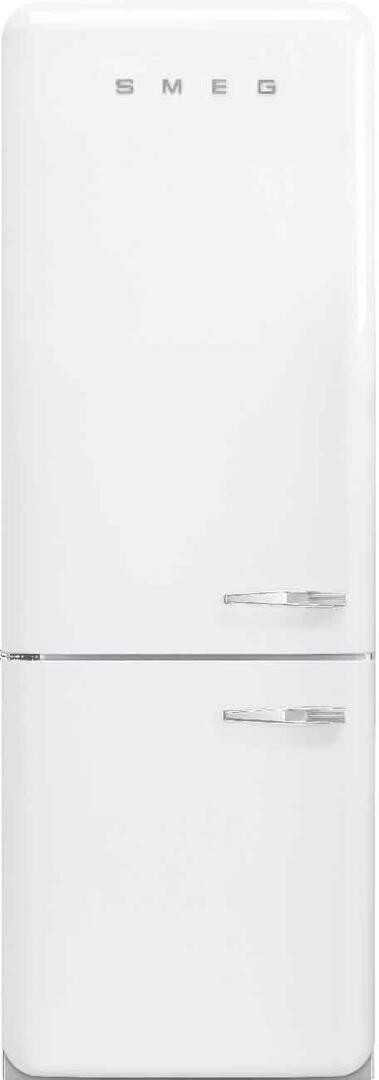
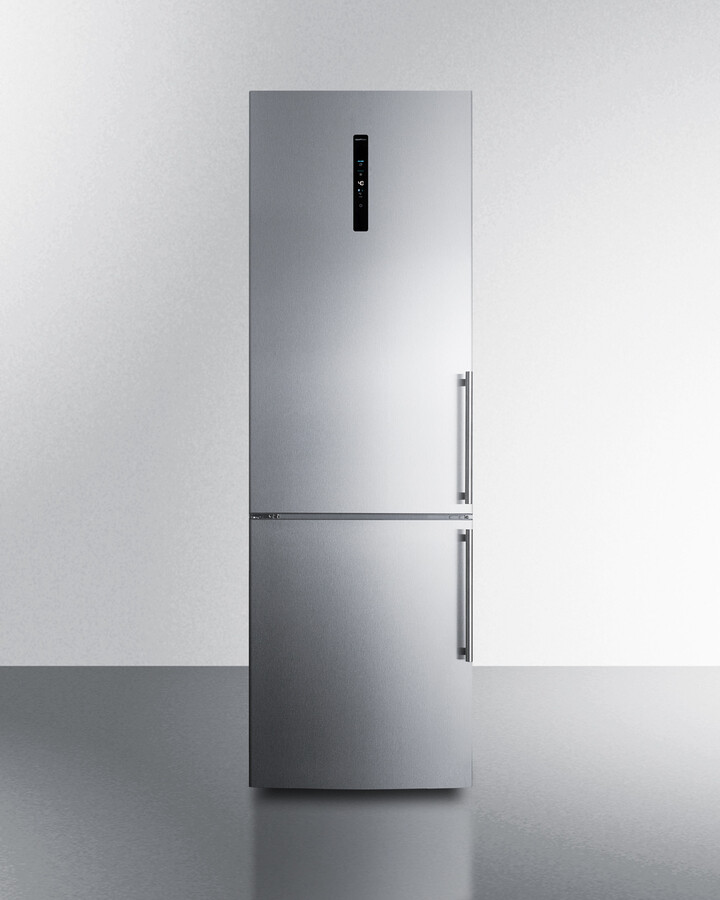
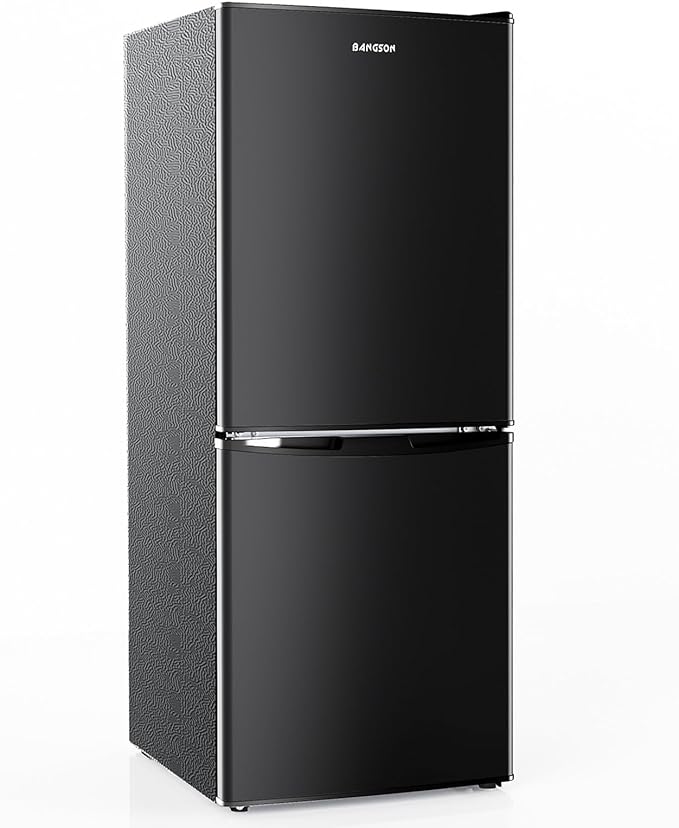
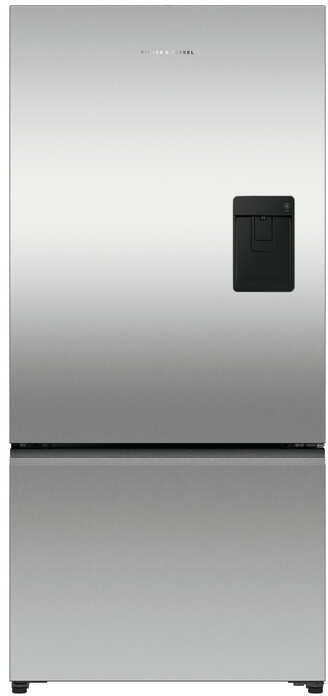
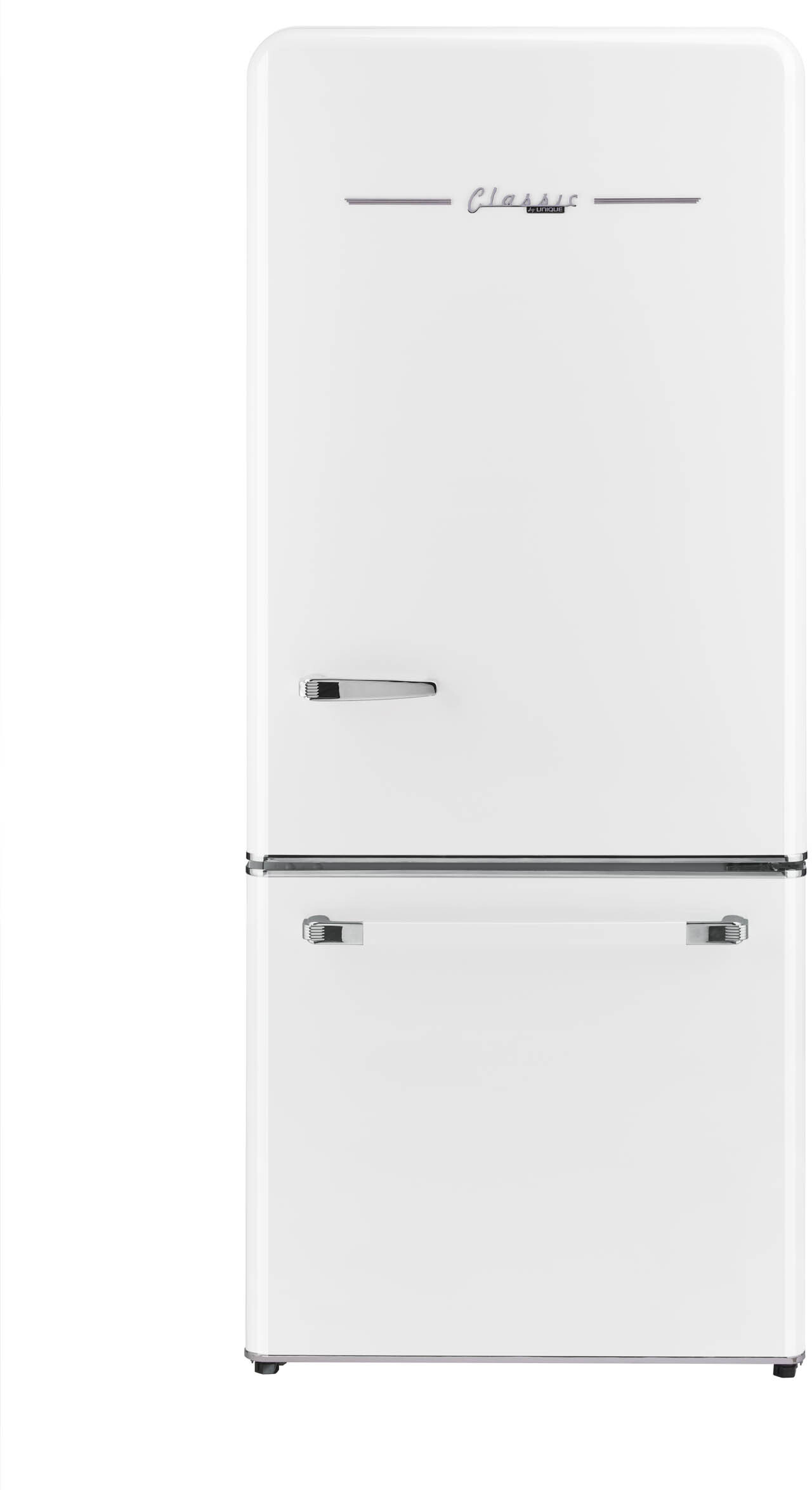
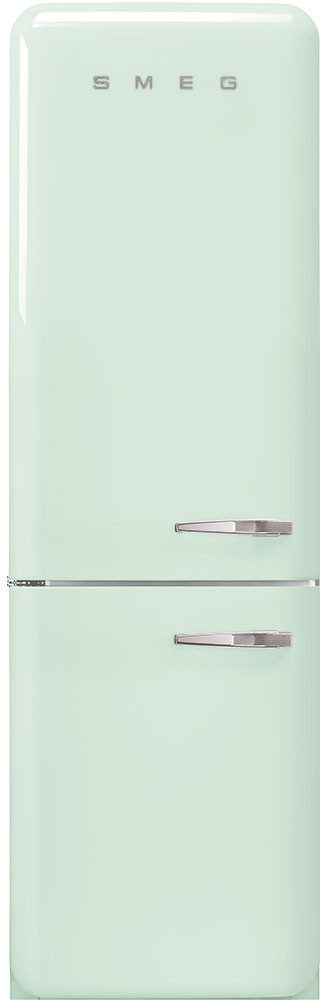
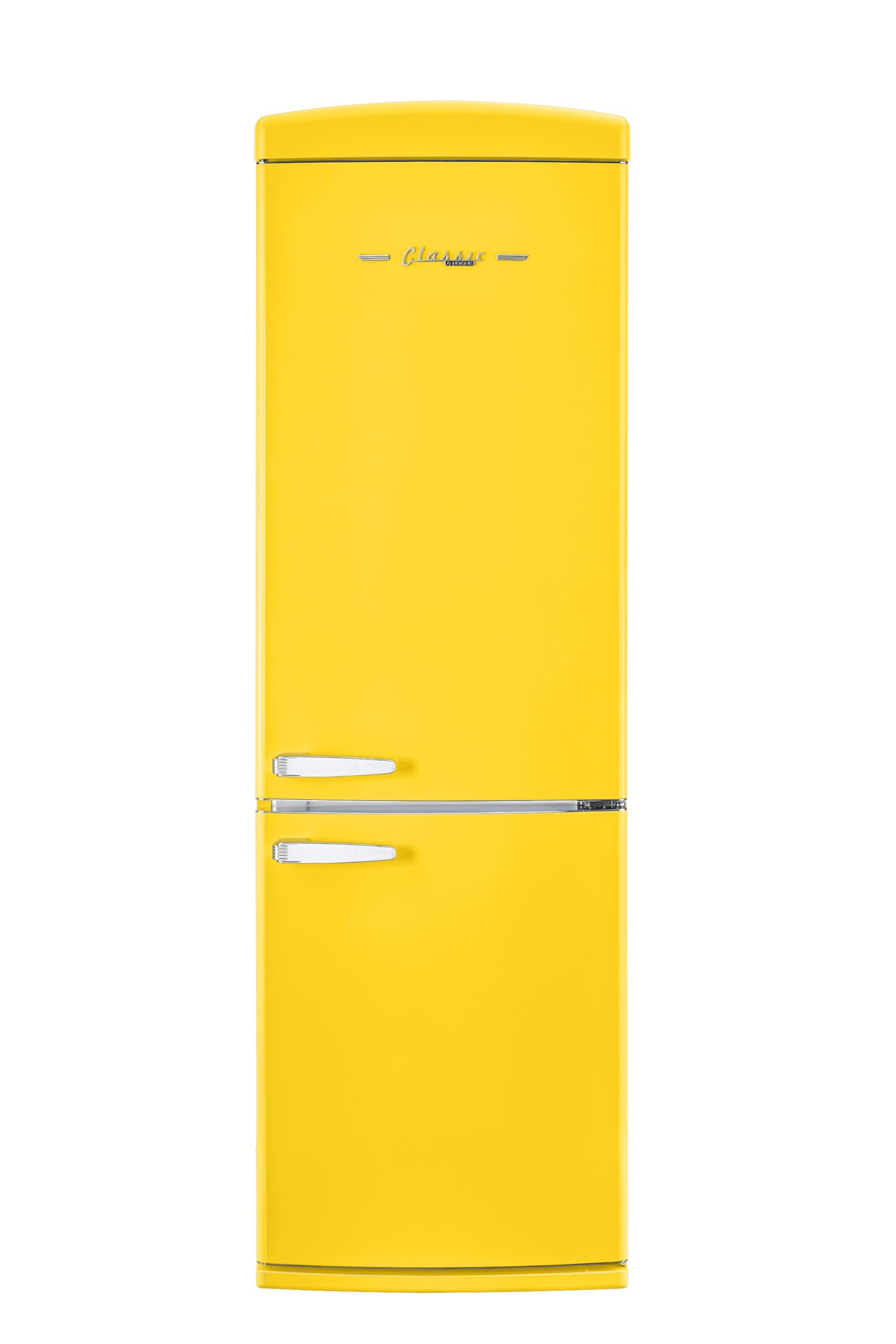
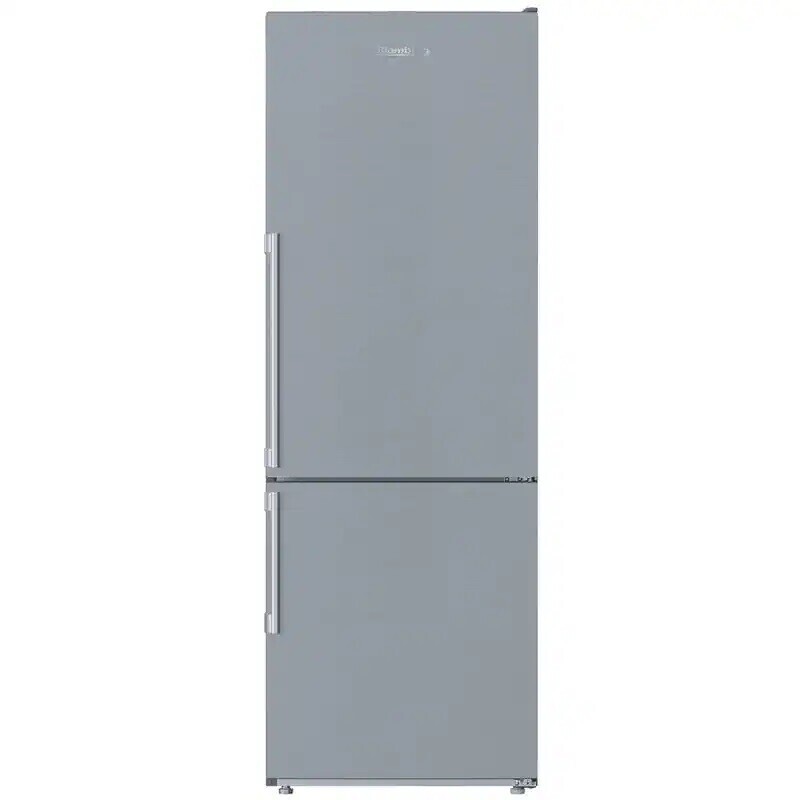
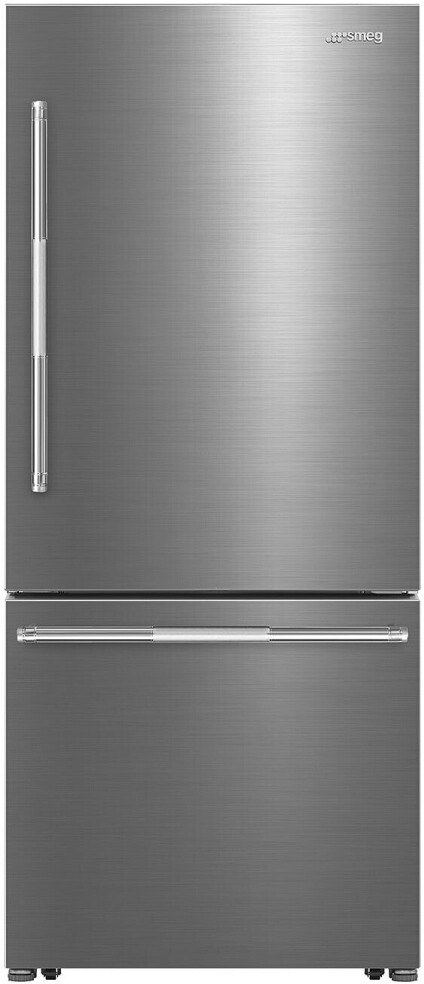
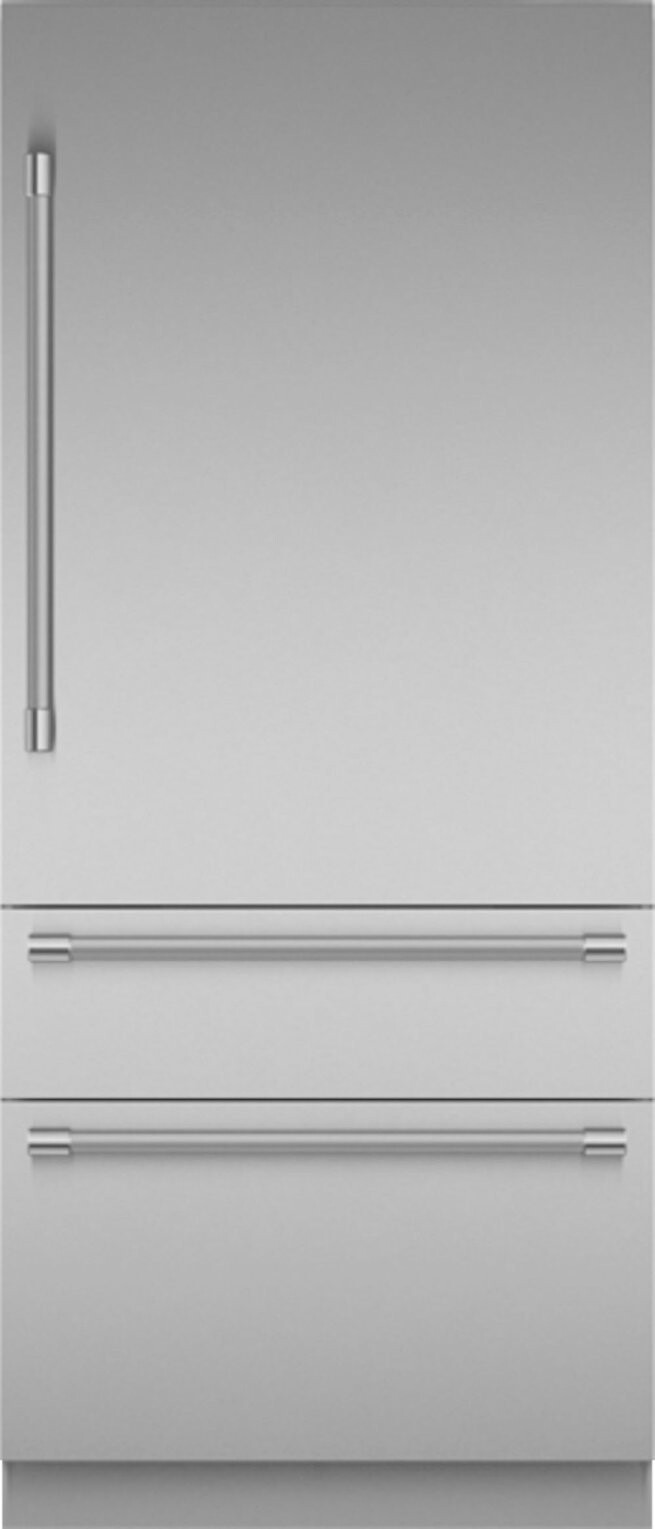
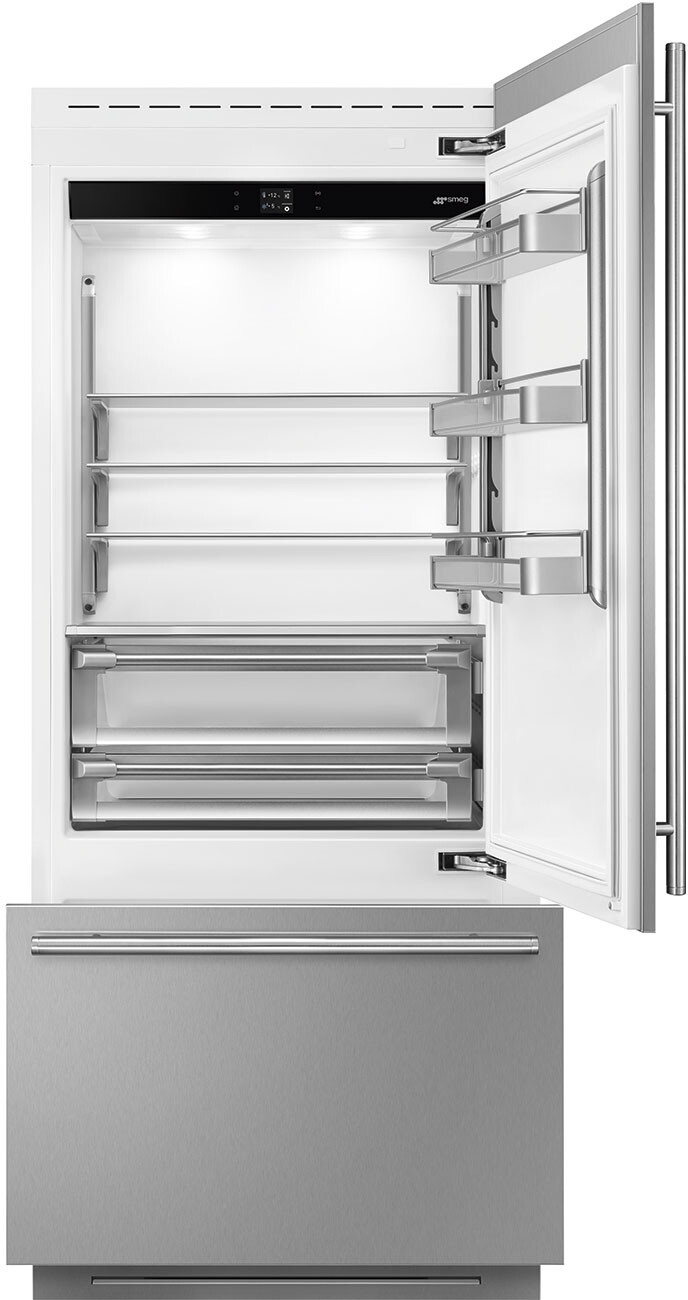
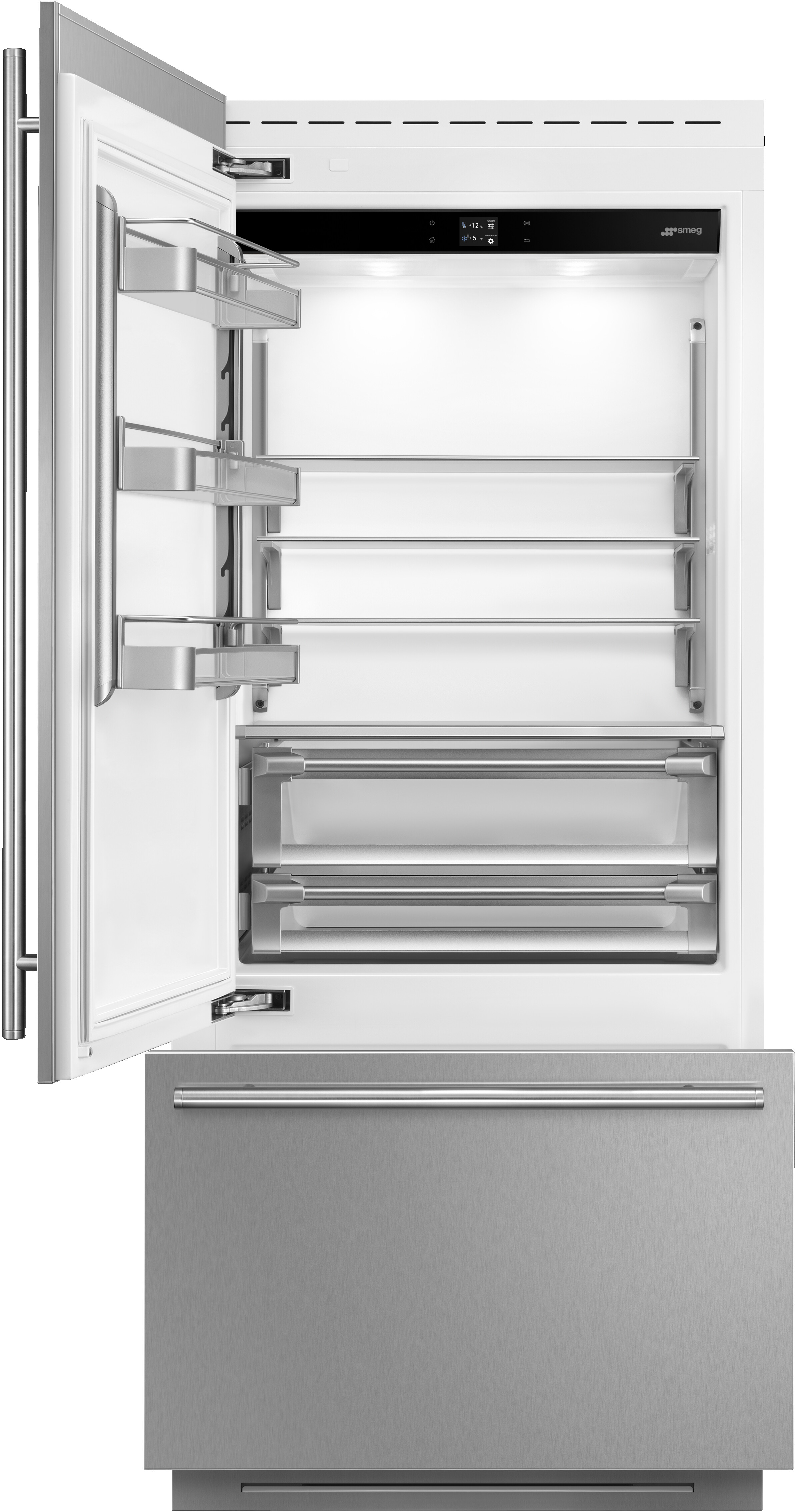
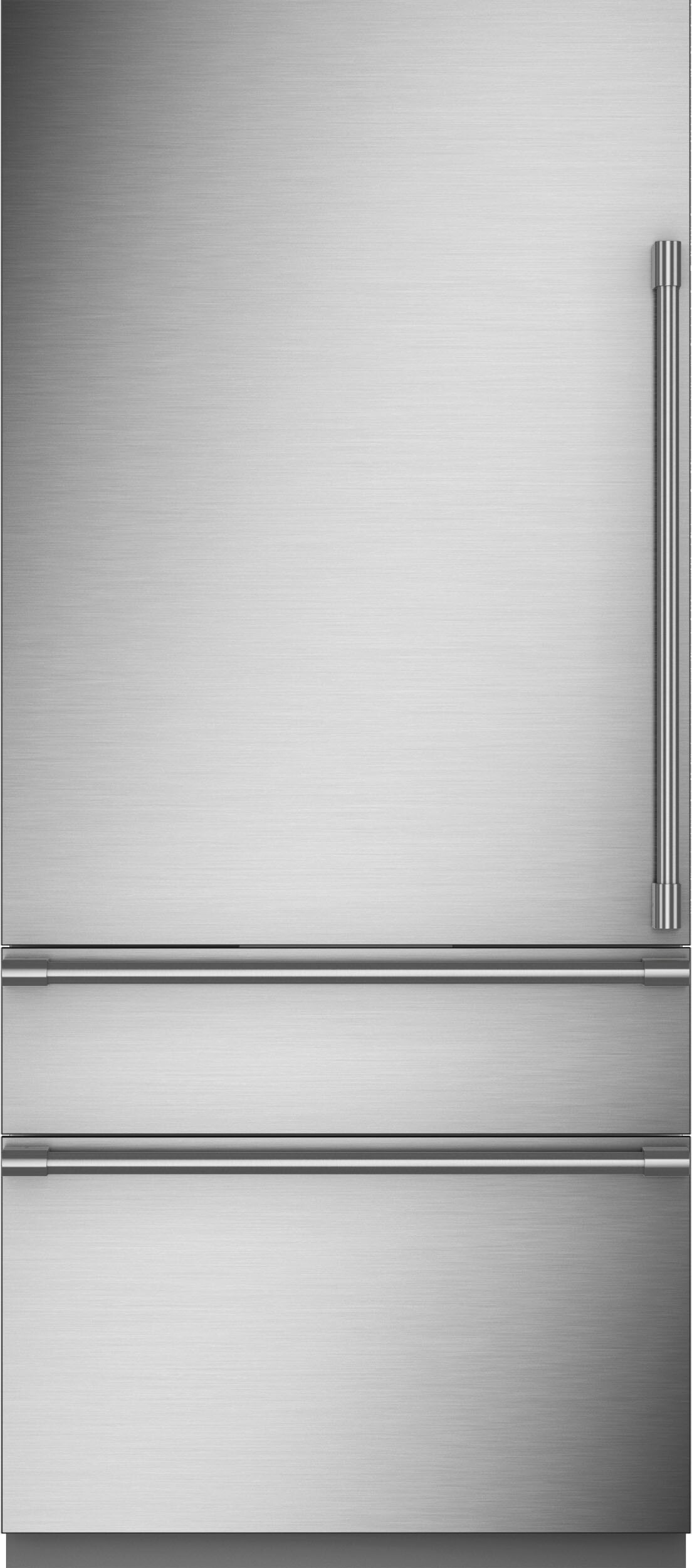
When you’re tight on space, choosing the best bottom freezer refrigerator for a small kitchen can make all the difference. A compact bottom freezer fridge puts everyday groceries at eye level while tucking frozen items below, so you spend less time bending and more time cooking. Whether you’re in a studio apartment, outfitting a break room, or fitting out an RV galley, these models blend smart layout, efficient cooling and a slim footprint. Read on to discover top picks, buying tips and maintenance advice to keep your fridge running smoothly.
Benefits of bottom freezers
Bottom freezer refrigerators have surged in popularity because they combine convenience with an ergonomic design that’s perfect for small kitchens. Here’s why you might choose one:
- Easy access to fresh foods: You’ll spend most of your time at the fridge shelves rather than crouching at the freezer drawer.
- Better organization: Separate drawers let you group frozen meals, produce and bulk ingredients without digging through a crisper bin.
- Consistent temperatures: Cold air sinks, so the bottom freezer stays at a steady temperature while the fresh-food compartment stays slightly warmer—ideal for leafy greens.
- Streamlined design: Many bottom freezer models come in counter-depth or narrow widths, fitting flush with cabinets and freeing up floor space for traffic flow.
These advantages make bottom freezer fridges a go-to choice whether you’re a home cook, family of two or student meal-prepper.
Compare price and features
Bottom freezer refrigerators span a wide price range, from budget mini-models to mid-range workhorses with advanced features. As you compare options, focus on these key factors:
- Capacity: Measured in cubic feet, capacity tells you how much you can store. Small kitchens often need 10–12 cu ft, but if you entertain or meal-prep, aim for 12–15 cu ft.
- Dimensions: Widths range from 24 to 36 inches. If you’re limited to 30–35.8 inches, check out our guide to 30 – 35.8 in wide refrigerator. Depth matters too—counter-depth models sit flush with cabinets (see what are the pros and cons of a counter depth refrigerator?).
- Energy efficiency: Look for ENERGY STAR certification to save on utility bills. Refrigerators can account for up to 15% of your energy use, so a high efficiency rating pays off.
- Features: Adjustable shelving, humidity-controlled crisper drawers, LED lighting and reversible doors add convenience. Frost-free operation reduces manual defrosting.
- Finish and style: Stainless steel, matte black or panel-ready exteriors can complement your décor. Fingerprint-resistant coatings help keep the look pristine.
Balancing these factors within your budget ensures you get the features you need without overspending.
Top bottom freezer picks
Here are six of the best bottom freezer refrigerators for small kitchens. We’ve tested for capacity, noise levels, installation ease and overall value.
| Model | Capacity (cu ft) | Width (in) | Depth (in) | Height (in) | Energy rating | Price range |
|---|---|---|---|---|---|---|
| Danby DBF114A1SSDD | 11.4 | 24 | 24.5 | 61.1 | ENERGY STAR | $550–$650 |
| Midea WHD-113FSS1 | 11 | 23.4 | 23.5 | 59.6 | ENERGY STAR | $600–$700 |
| Frigidaire FFBD1021UW | 10 | 24 | 27.5 | 61 | ENERGY STAR | $650–$750 |
| Summit SPFF193SS | 9.8 | 19 | 23.8 | 65 | DOE Tier 1 | $700–$800 |
| GE GDE06GGKBB | 6 | 18 | 20.8 | 31.5 | ENERGY STAR | $450–$550 |
| Haier HDF11ANXBR | 11 | 23.6 | 25.8 | 59.6 | ENERGY STAR | $650–$750 |
Danby DBF114A1SSDD – Best budget pick
This 11.4 cu ft stainless steel bottom freezer fridge delivers reliable cooling at an entry-level price. Danby’s compact design fits in narrow openings without sacrificing storage.
Key specs
- Reversible door hinges for left or right swing
- Full-width crisper drawer and adjustable glass shelves
- Mechanical thermostat with simple dial controls
Pros
- Very affordable start price
- Quiet operation (under 42 dB)
- Easy installation in tight spaces
Cons
- Limited humidity control in crisper
- Basic interior lighting
Midea WHD-113FSS1 – Best overall value
Midea’s 11 cu ft model stands out for its smooth-glide freezer drawer and adjustable shelving. The energy efficiency and mid-range price hit a sweet spot for most small kitchens.
Key specs
- LED lighting for clear visibility
- Frost-free operation
- Two humidity-controlled crispers
Pros
- Balanced features and cost
- Well-lit interior
- Easy-clean stainless finish
Cons
- Narrow door bins limit tall bottle storage
Frigidaire FFBD1021UW – Best compact design
At just 24 in wide, this 10 cu ft model fits inside corner cabinets and under counters. Frigidaire’s crispers and slide-out freezer bin make organization a breeze.
Key specs
- Slide-out freezer drawer with divider
- Adjustable door bins
- Bright LED lighting
Pros
- Exceptional interior layout
- Sleek, white finish blends with cabinets
- ENERGY STAR certified
Cons
- Deeper footprint may protrude if not paired with counter depth units
Summit SPFF193SS – Best for ultra-small spaces
If you need to squeeze a fridge into a dorm room, office nook or garage kitchenette, Summit’s 19-inch wide model is a top contender.
Key specs
- 4-position adjustable glass shelves
- Automatic defrost fresh-food compartment
- Manual defrost freezer drawer
Pros
- Super-slim width
- Adjustable leveling legs for uneven floors
- Quiet under 44 dB
Cons
- Limited freezer capacity
- Manual defrost requires occasional maintenance
GE GDE06GGKBB – Best mini bottom freezer
This petite 6 cu ft unit brings bottom-freezer convenience to a truly small footprint—ideal for a kitchenette or bar area.
Key specs
- 2 full-extension freezer drawers
- Canless design for maximum fridge space
- Mechanical controls
Pros
- Lowest price point
- Compact height fits under counters
- Easy-to-move at 75 lbs
Cons
- Very limited fridge capacity
- No adjustable glass shelves
Haier HDF11ANXBR – Best for meal prep
With 11 cu ft of space and a smooth-glide freezer drawer, Haier’s model offers flexibility for batch cooking and weekly meal planning.
Key specs
- Adjustable spill-proof glass shelves
- Two humidity-controlled crispers
- Reversible door swing
Pros
- Excellent freezer drawer access
- User-friendly controls
- ENERGY STAR certified
Cons
- Interior lighting limited to top area
- Slightly deeper footprint
How to choose your fridge
Picking the best bottom freezer refrigerator for a small kitchen means balancing size, storage and energy use. Follow these steps:
- Assess your capacity needs
- List typical grocery hauls: fresh produce, leftovers, beverages.
- Estimate weekly volume in cubic feet: 2–3 cu ft per adult works for many.
- Check dimensions and fit
- Measure width, depth and height, adding an extra inch for ventilation.

- Confirm doorway clearance and floor leveling. If you have a 36-inch opening, see will a 36 refrigerator fit in a 36 opening?.
- Consider energy efficiency
- Aim for ENERGY STAR certified models to reduce electricity bills.
- Review annual energy use (kWh/year) in the spec sheet.
- Evaluate interior layout
- Adjustable shelves and door bins adapt to tall items or bulky packages.
- Humidity-controlled drawers extend produce life.
- Factor in noise levels
- If your kitchen opens to living or sleeping areas, look for models under 45 dB.
By following this checklist, you’ll zero in on a model that fits your cooking style and kitchen footprint.
Avoid common mistakes
Even seasoned shoppers can stumble when picking a fridge for a small kitchen. Watch out for these pitfalls:

- Ignoring ventilation space: Skipping the required clearance can lead to overheating and shortened compressor life.
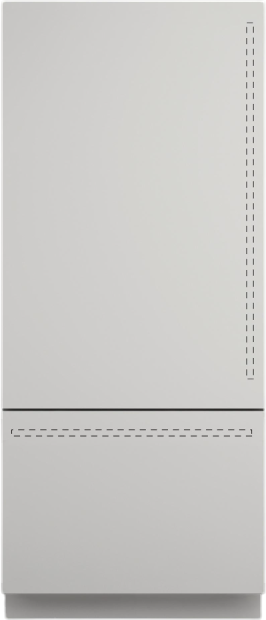
- Overlooking door swing direction: Make sure the door hinge works with your cabinet layout. Many models let you reverse the swing.
- Underestimating freezer organization: A bottom freezer with a single bin can turn messy fast. Learn how to declutter a freezer to keep items visible.
- Forgetting handles and protrusions: A minimal cabinet width may be too tight once you add the handle depth. Always measure end-to-end.
- Neglecting installation services: Some manufacturers charge extra for delivery or setup—factor that into your budget.
Avoiding these missteps ensures you get a fridge that fits smoothly into daily life.
Care and maintenance
Regular upkeep keeps your bottom freezer running efficiently and extends its lifespan. Here’s what to do:
- Clean condenser coils
- Dusty coils force the compressor to work harder. Every six months, unplug the unit and vacuum the coils behind or beneath it (see how to clean deep freezer coils).
- Defrost and thaw tips
- Even frost-free models benefit from a manual wipe-down of ice buildup. Follow the manufacturer’s guide or visit how to defrost a freezer.
- Check door seals
- Inspect gaskets for cracks or warping. A tight seal prevents cold air leaks and ice build-up.
- Replace water filters
- If your model has an ice maker or water dispenser, swap filters every six months to maintain taste and flow.
- Keep it level
- Use a carpenter’s level to ensure your fridge sits flat—an unlevel unit may not defrost properly.
Routine maintenance saves energy costs and keeps your food fresher, longer.
Warranty and support
Most bottom freezer refrigerators come with a one-year limited warranty covering parts and labor. Some brands extend the compressor warranty to five or ten years. Before you buy:
- Read the fine print on what’s covered and what’s excluded (light bulbs, water filters, cosmetic damage).
- Check if the manufacturer offers in-home service or requires depot repairs.
- Consider extended protection plans if your budget allows—they can cover accidental damage, power surges and routine maintenance.
A solid warranty and responsive customer service give you peace of mind, especially in a small kitchen where downtime feels more disruptive.
Final thoughts and tips
Finding the best bottom freezer refrigerator for a small kitchen boils down to matching your space constraints with the right capacity and features. Start by measuring carefully, then compare models on energy use, layout and noise levels. Whether you opt for a budget-friendly Danby, a value-packed Midea or a feature-rich Frigidaire, a bottom freezer design will keep your fresh foods front and center. With a bit of planning and regular maintenance, you’ll enjoy easy access to groceries and a clutter-free kitchen for years to come.