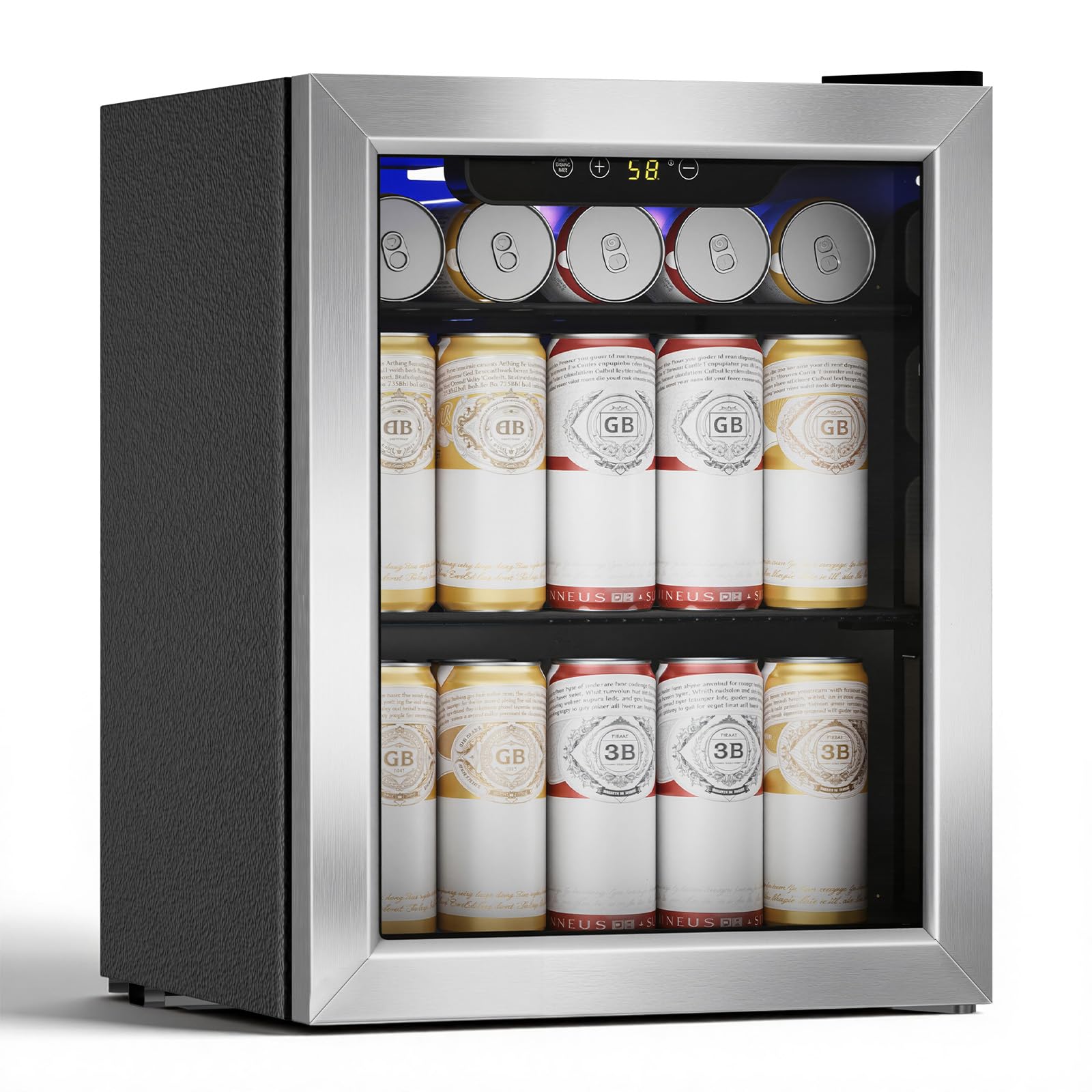
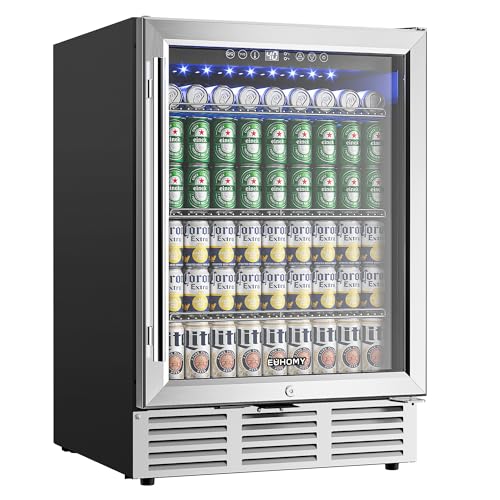
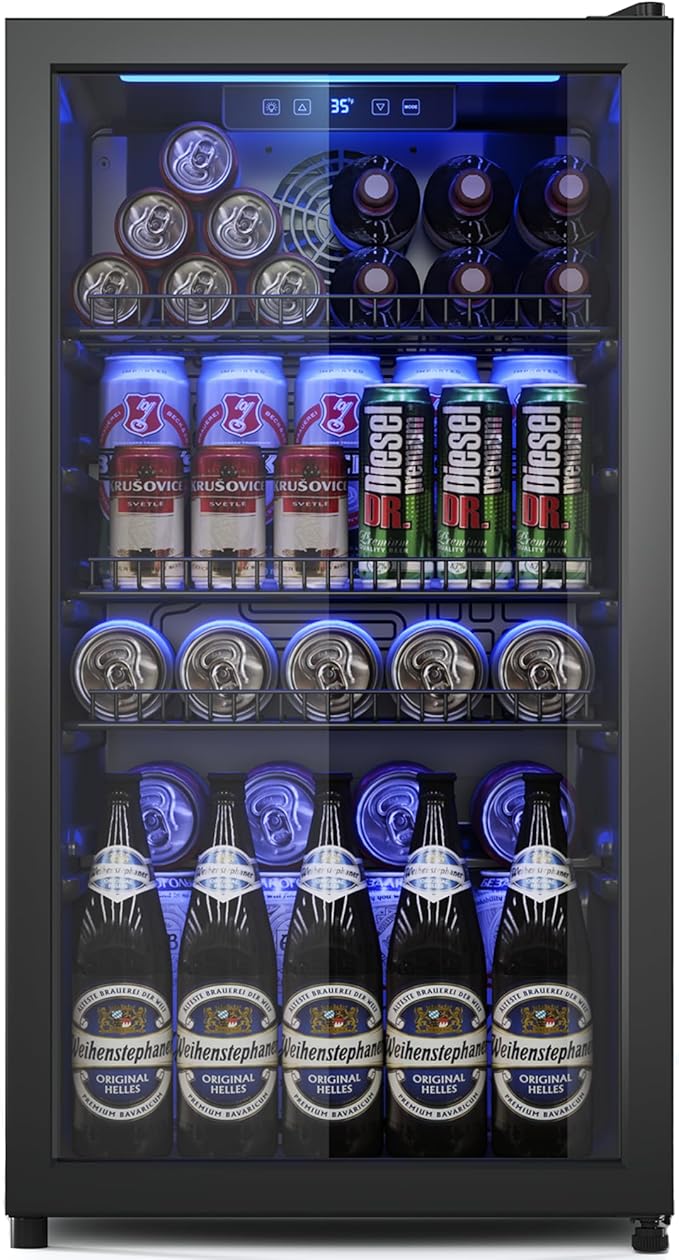
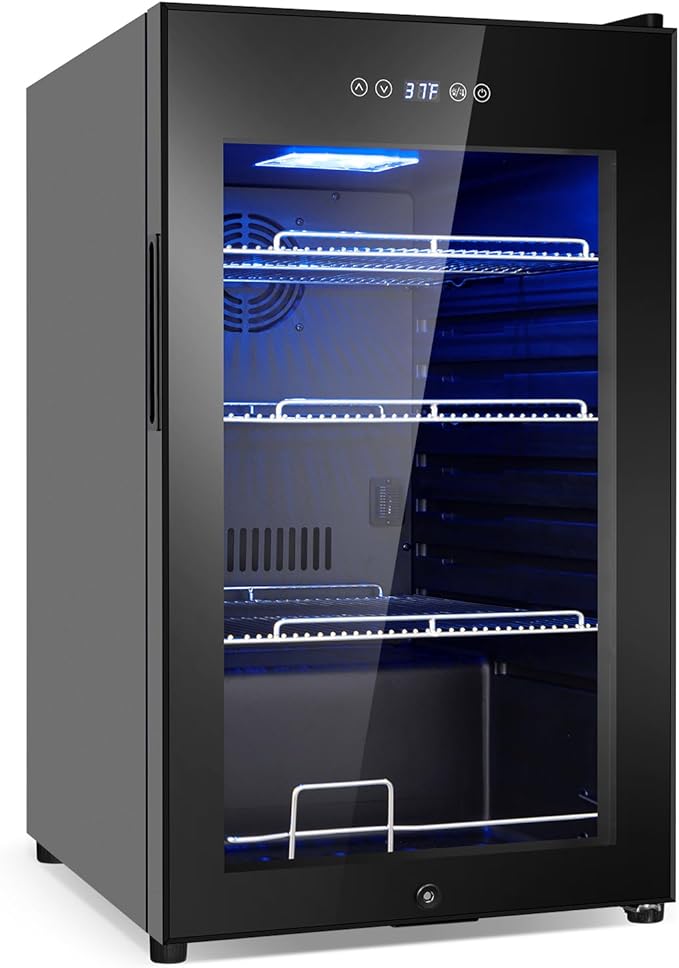
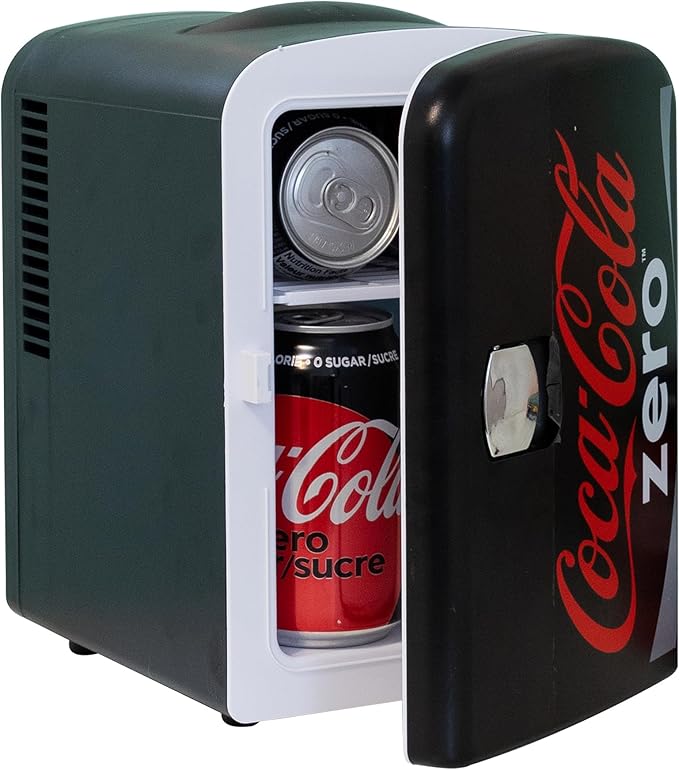
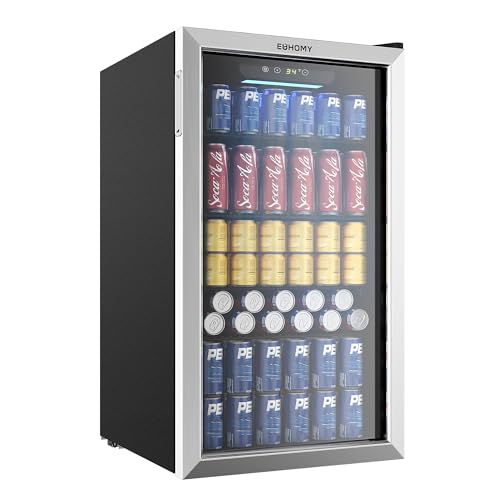
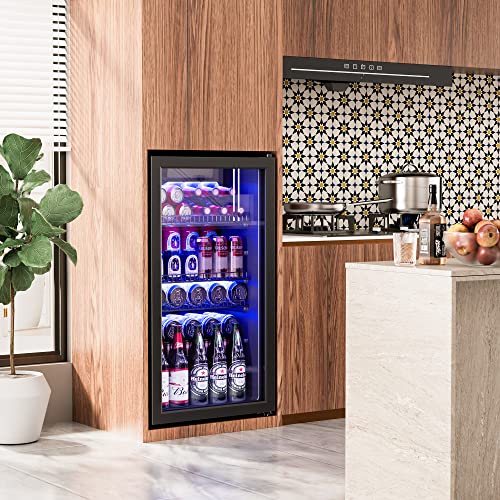
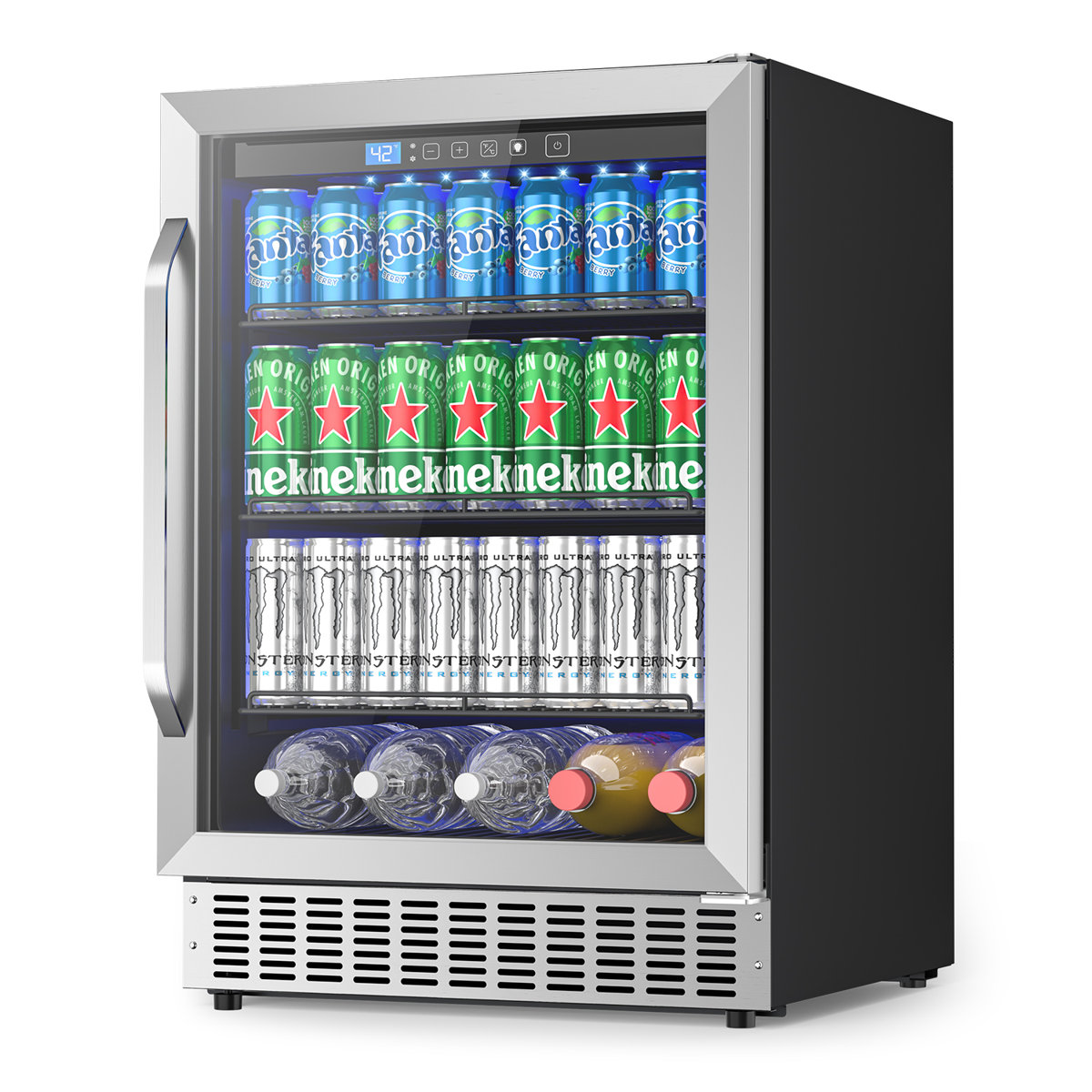
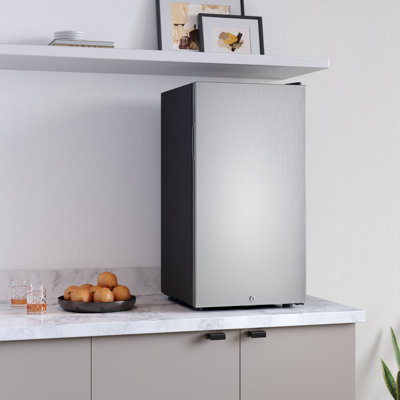
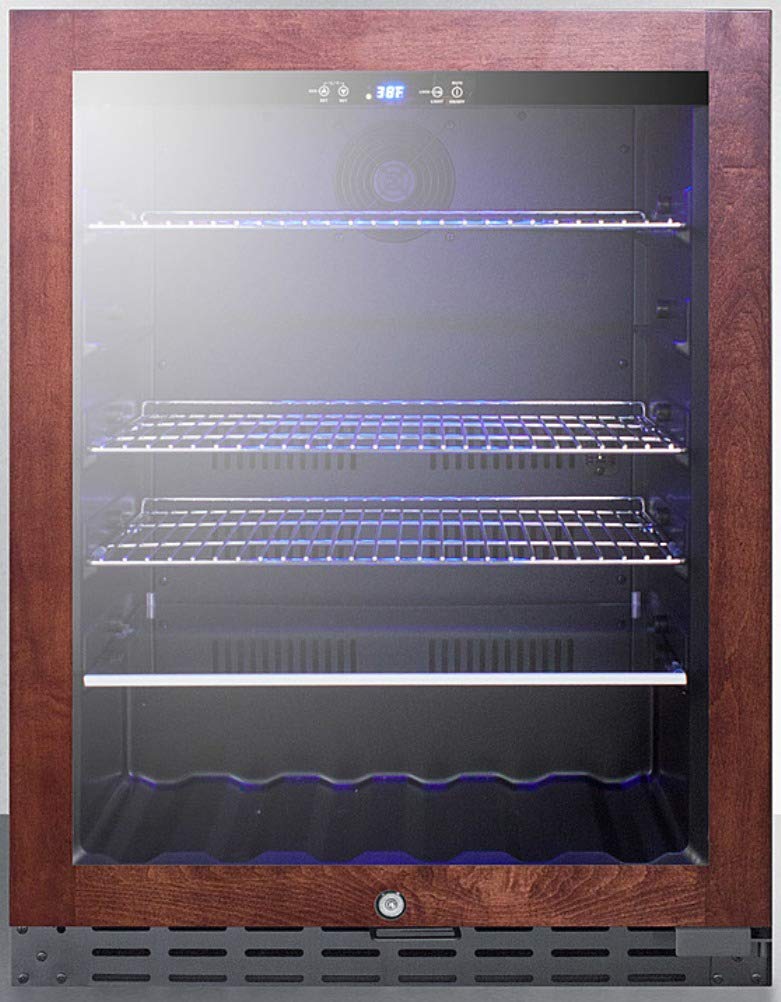
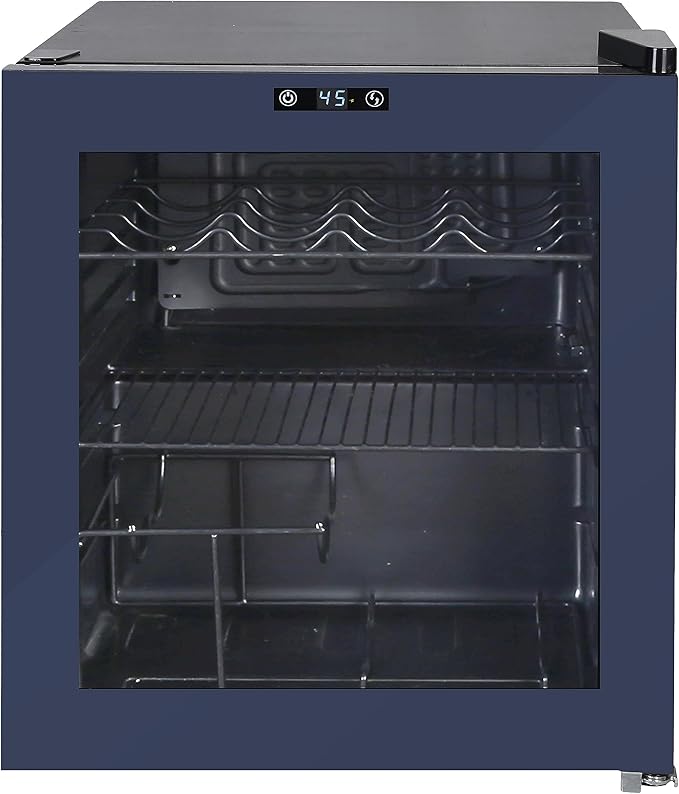
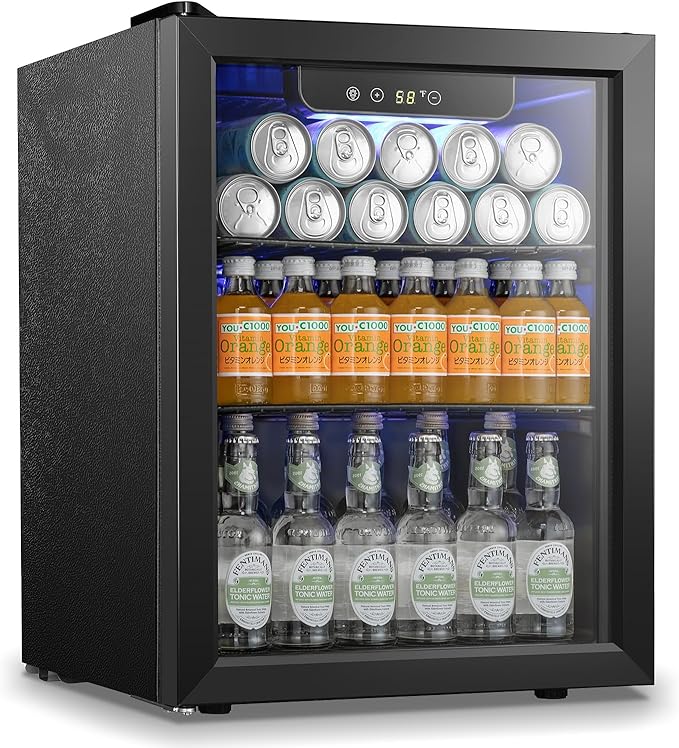
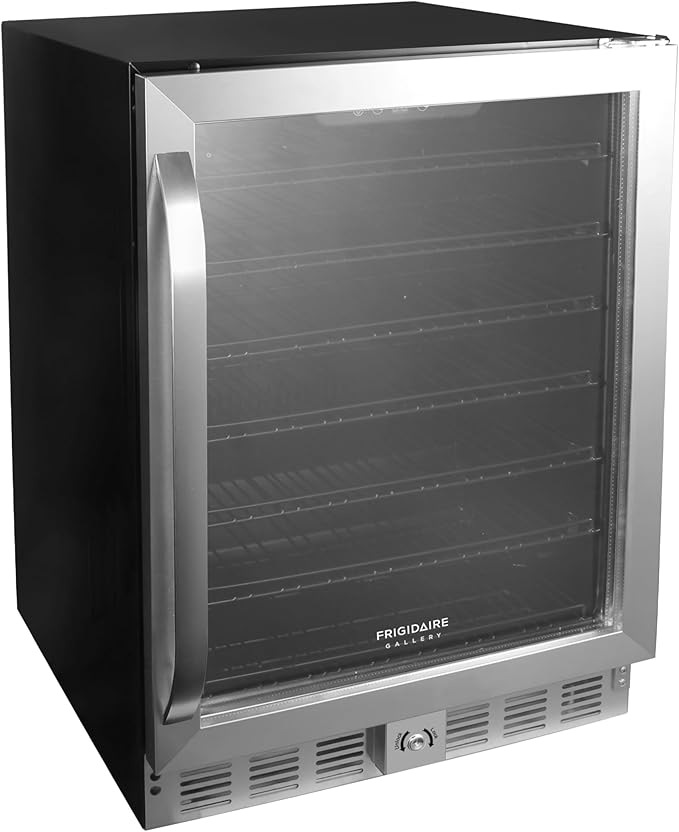
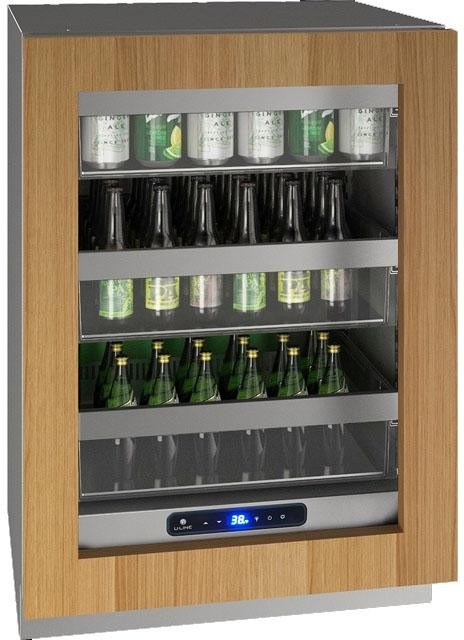
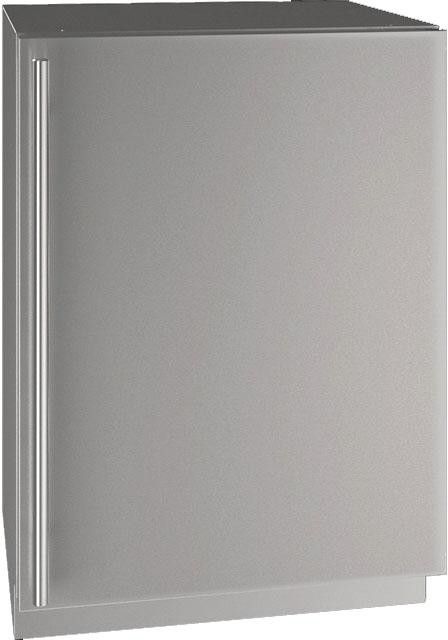
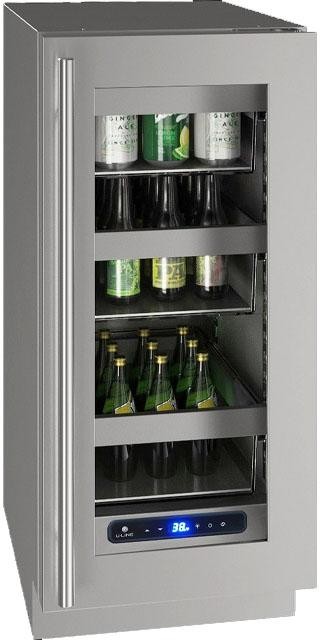
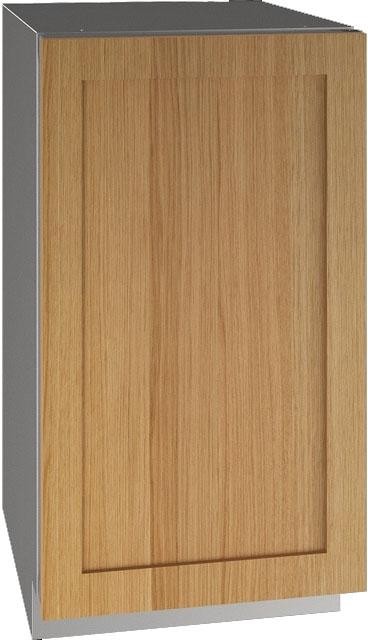
The temperature settings typically range between 34°F to 50°F (1°C to 10°C).
The temperature settings in a beverage center usually range from 39°F to 65°F (4°C to 18°C), providing a broader range to accommodate different beverages.
Beer fridges typically have a narrower temperature range, focusing on the ideal conditions for preserving the quality and taste of beer.
Beverage centers usually have multiple shelves and compartments, allowing you to organize different types of drinks efficiently.
When choosing between a beer fridge and a beverage center, it's important to understand the key differences between the two. Both appliances are designed to keep your drinks cold, but they cater to different needs and preferences.
A beer fridge, as the name suggests, is specifically designed for storing beer. These fridges often come with specialized features that cater to beer lovers, such as adjustable shelves to accommodate various bottle sizes and a temperature range suited for optimal beer storage. Beer fridges typically have a narrower temperature range, focusing on the ideal conditions for preserving the quality and taste of beer.
On the other hand, a beverage center is more versatile and designed to store a wide variety of drinks, including beer, wine, soda, and other beverages. Beverage centers usually have multiple shelves and compartments, allowing you to organize different types of drinks efficiently. They often come with dual temperature zones, enabling you to store different beverages at their ideal temperatures.
Feature
Beer Fridge
Beverage Center
Primary Use
Beer Storage
General Beverage Storage
Temperature Range
Narrow, Beer-Specific
Wide, Multiple Zones
Shelving
Adjustable for Beer Bottles/Cans
Versatile for Various Drinks
Ideal For
Beer Enthusiasts
General Entertaining
Understanding these differences can help you decide which appliance best suits your needs. Whether you're a beer enthusiast or looking to store a variety of beverages, knowing the specific features and functionalities of each option will guide you in making the right choice. For more comparisons, check out Fridge.com articles on beverage center Vs. glass door refrigerator and beer keg cooler Vs. beverage refrigerator.
Purpose and Functionality
Understanding the purpose and functionality of a beer fridge and a beverage center is crucial for making an informed decision. Both serve the purpose of chilling beverages but differ in their specific functions and target use cases.
Beer Fridge Overview
A beer fridge is specifically designed to store and chill beer. Its primary function is to maintain the optimal temperature for different types of beer, ensuring that your drinks are always cold and ready to serve. Beer fridges often come with features tailored to beer storage, such as adjustable shelves to accommodate various bottle sizes and dedicated compartments for cans.
Feature
Details
Primary Use
Storing and chilling beer
Temperature Range
Typically 32°F to 50°F
Shelving
Adjustable shelves for bottles and cans
Specialized Compartments
Yes, for different types of beer
For more on the various configurations and storage options, see Fridge.com section on Beer Fridge Storage Features.
Beverage Center Overview
A beverage center, on the other hand, is designed to store a variety of beverages, including beer, wine, soda, and other drinks. Its functionality is broader, making it a versatile option for those who entertain frequently or have diverse beverage storage needs. Beverage centers often come with multiple temperature zones, allowing you to store different types of drinks at their ideal temperatures.
Feature
Details
Primary Use
Storing various beverages (beer, wine, soda)
Temperature Range
Typically 34°F to 65°F
Shelving
Adjustable shelves for different beverages
Specialized Compartments
Multiple temperature zones for different drinks
For more details on how beverage centers can accommodate your storage needs, see Fridge.com section on Beverage Center Storage Features.
In summary, while a beer fridge is specialized for beer storage, a beverage center offers more versatility for storing a variety of drinks. Understanding these differences can help you choose the right option for your needs. For a deeper dive into how these appliances compare, visit Fridge.com article on beverage center Vs. glass door refrigerator.
When deciding between a beer fridge and a beverage center, understanding their storage capacity and configuration is essential. This section breaks down the storage features of each option.
Beer Fridge Storage Features
A beer fridge is specifically designed to store beer bottles and cans. It typically offers adjustable shelves to accommodate different bottle sizes and can configurations. Many beer fridges also feature a dedicated section for larger items like growlers or kegs.
Feature
Description
Shelves
Adjustable, often wire or glass
Storage Volume
Typically 3-5 cubic feet
Bottle Capacity
Holds up to 120 standard 12 oz bottles
Specialized Storage
Growler/keg section in some models
Beverage Center Storage Features
A beverage center is more versatile, designed to store a variety of drinks, including beer, wine, soda, and water. It usually comes with multiple shelves and compartments to organize different types of beverages efficiently. Some models also include wine racks and door bins for added convenience.
Feature
Description
Shelves
Adjustable, often glass or metal
Storage Volume
Typically 4-6 cubic feet
Bottle Capacity
Holds up to 150 standard 12 oz bottles or a mix of various beverages
Specialized Storage
Wine racks, door bins for cans and bottles
Each option has its unique benefits depending on your specific needs. For those primarily interested in storing beer, a beer fridge might be the better choice. However, if you need a more versatile storage solution, a beverage center offers greater flexibility. For more comparisons, check out Fridge.com article on beverage fridge Vs. single door refrigerator.
Understanding these storage features can help you make an informed decision between a beer fridge and a beverage center. For more details on other types of refrigerators, visit Fridge.com articles on beverage center Vs. blue refrigerator and glass door mini fridge Vs. meat refrigerator.
A beer fridge is designed with specific temperature regulation features that cater to the optimal storage of different types of beer. The temperature settings typically range between 34°F to 50°F (1°C to 10°C). This range ensures that your beer stays cold enough for immediate consumption while preserving its taste and quality.
Beer Type
Recommended Temperature (°F)
Lagers
34 - 40
Ales
45 - 50
Stouts
50
Beer fridges often come with adjustable thermostats, allowing you to set the exact temperature based on the type of beer you are storing. Some advanced models may also offer dual-zone temperature controls, enabling you to store different types of beer at their ideal temperatures simultaneously. For more information on different fridge types, check out refrigerator Vs. fridge.
Beverage Center Temperature Control
Beverage centers, on the other hand, are designed to store a variety of drinks including beer, wine, sodas, and more. The temperature settings in a beverage center usually range from 39°F to 65°F (4°C to 18°C), providing a broader range to accommodate different beverages.
Beverage Type
Ideal Temperature (°F)
Soft Drinks
39 - 45
White Wine
45 - 50
Red Wine
55 - 65
Similar to beer fridges, beverage centers also feature adjustable thermostats, allowing you to set the temperature based on the type of beverages you are storing. Some models may include dual or even triple-zone temperature controls to store different types of drinks at their optimal temperatures. You can find more details about beverage centers in Fridge.com article on beverage center Vs. glass door refrigerator.
Understanding the temperature control and settings of both beer fridges and beverage centers is crucial for making an informed decision. Whether you're storing craft beers or a variety of beverages, choosing the right appliance will ensure your drinks are always served at their best.
When it comes to selecting between a beer fridge and a beverage center, design and aesthetics play a significant role. The visual appeal and style of these appliances can influence their placement and how well they blend with your decor.
Beer Fridge Styles and Designs
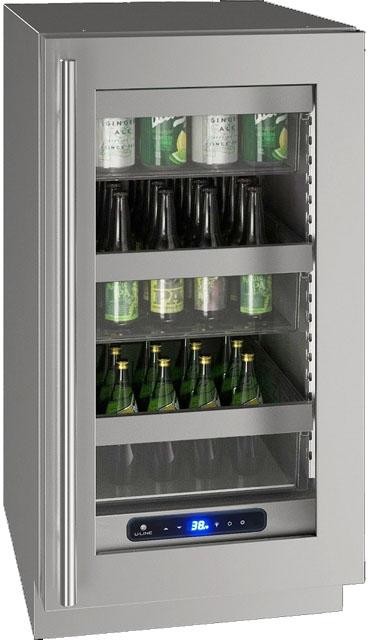
Beer fridges are designed with functionality in mind, focusing on the efficient storage and cooling of beer. Typically, they come in compact and robust designs, suitable for a variety of settings like garages, basements, and home bars. Common features include:
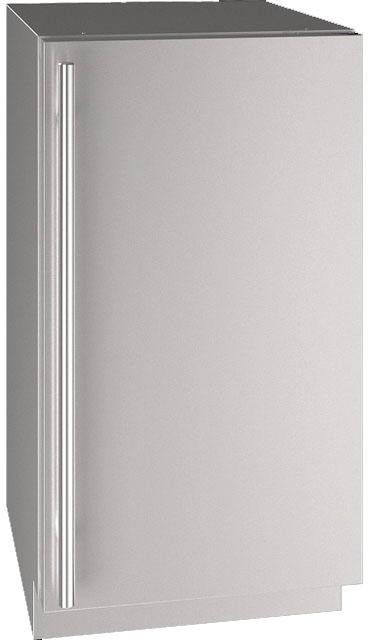
Stainless Steel Finish: A popular choice for its durability and sleek appearance.
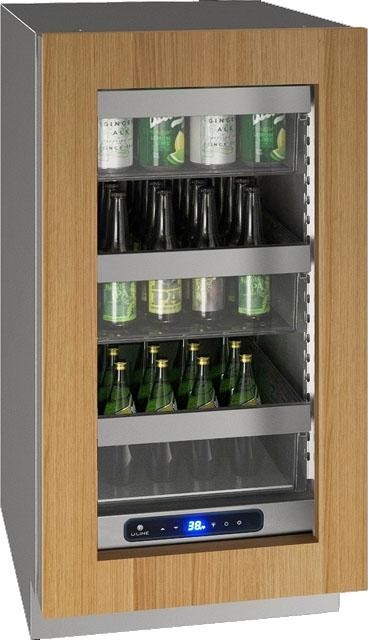
Glass Doors: Allow you to showcase your beer collection while keeping it cool.
Compact Size: Ideal for fitting into smaller spaces or under countertops.
Some beer fridges also offer customizable shelving, which can be adjusted to accommodate different types of beer bottles and cans. The flexibility in configuration enhances their practicality and usability.
Beverage Center Aesthetics
Beverage centers, on the other hand, are designed with versatility in mind. They cater to a broader range of beverages, making them an attractive addition to kitchens, living rooms, and entertainment areas. Key aesthetic features include:
Modern and Elegant Designs: Often featuring sleek lines and premium materials.
Dual Temperature Zones: Allowing for different types of beverages to be stored at their optimal temperatures.
Interior Lighting: Enhances visibility and adds a touch of sophistication.
The emphasis on design ensures that beverage centers can seamlessly integrate into various home settings, providing both functionality and visual appeal.
Feature
Beer Fridge
Beverage Center
Finish
Stainless Steel
Modern and Elegant
Door Type
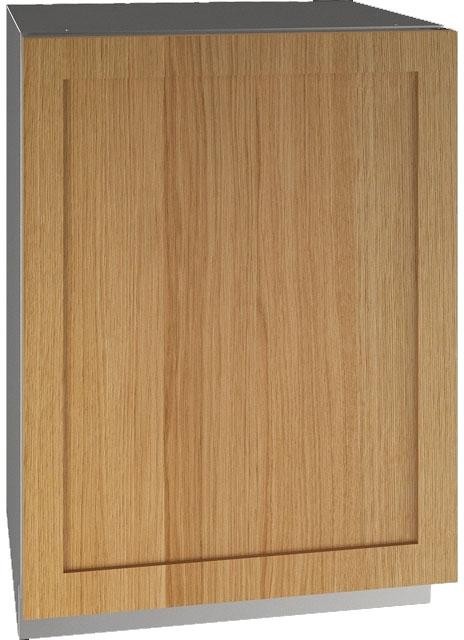
Glass or Solid
Glass
Size
Compact
Variable
Temperature Zones
Single
Dual
Interior Lighting
Basic
Enhanced
Customizable Shelving
Yes
Yes
Understanding the design and aesthetic differences between a beer fridge and a beverage center can help you make an informed decision based on your needs and preferences. For further comparisons on various refrigeration options, you can explore articles like freestanding wine cooler Vs. top freezer refrigerator
and beverage center Vs. glass door refrigerator.
Installation and Placement
Choosing the right spot for your beer fridge or beverage center is crucial for both functionality and aesthetics. This section provides insights into where and how to place these appliances for optimal use.
Beer Fridge Placement Considerations
When placing a beer fridge, several factors need to be considered to ensure it operates efficiently and fits seamlessly into your space.
1. Ventilation: Ensure your beer fridge has adequate ventilation. Place it in an area where the air can circulate freely around the unit. This helps maintain the internal temperature and extends the life of the appliance.
2. Accessibility: Consider how often you'll access the fridge. Placing it in a convenient location, such as near your seating area or bar, can enhance your experience. If you're installing it in a garage or basement, ensure it's easily reachable.
3. Surface Stability: Place your beer fridge on a flat, stable surface. Uneven surfaces can cause vibrations, affecting the appliance's efficiency and potentially damaging your beverages.
4. Environmental Factors: Avoid placing your beer fridge next to heat sources like ovens or in direct sunlight. Excessive heat can cause the fridge to overwork, leading to higher energy consumption and wear and tear.
5. Indoor Vs. Outdoor: If you're using your beer fridge outdoors, ensure it's designed for outdoor use. Outdoor models are built to withstand varying temperatures and weather conditions. For more on this, check out Fridge.com comparison of garage freezer Vs. wine cooler.
Beverage Center Installation Tips
Installing a beverage center involves specific considerations to maximize its utility and blend with your home decor.
1. Built-In Vs. Freestanding: Determine whether you need a built-in or freestanding beverage center. Built-in models can integrate seamlessly with your cabinetry, while freestanding ones offer more flexibility in placement. For differences, see Fridge.com article on built in beverage center Vs. small chest freezer.
2. Size and Dimensions: Measure the space where you plan to install the beverage center. Ensure you leave some room for ventilation, especially if it's a built-in model. Checking the dimensions beforehand can prevent fitting issues.
3. Electrical Requirements: Ensure the area has an appropriate electrical outlet. Beverage centers typically require a standard 110-120V outlet. Avoid using extension cords, as they can cause electrical hazards.
4. Temperature Zones: Some beverage centers come with multiple temperature zones. If you plan to store both beverages and snacks, consider a model with dual zones to cater to different temperature needs. Learn more about temperature regulation in Fridge.com article on beverage center Vs. glass door refrigerator.
5. Placement Location: Place your beverage center in a location that's easily accessible but not obstructive. Common locations include kitchens, home bars, and entertainment areas. If installing in a garage or workshop, ensure it's away from heavy machinery or tools.
Both beer fridges and beverage centers can significantly enhance your entertaining experience. Proper placement and installation are key to ensuring they work efficiently and complement your space. For more insights, explore Fridge.com guide on portable freezer Vs. tall refrigerator to understand the nuances of different cooling appliances.
Proper maintenance and regular cleaning are essential to ensure the longevity and performance of both a beer fridge and a beverage center. Here are the care guidelines for each.
Beer Fridge Care and Maintenance
To keep your beer fridge functioning efficiently, follow these maintenance tips:
Regular Cleaning: Clean the interior and exterior of your beer fridge regularly. Use a mild detergent and warm water. Avoid abrasive scrubbers that can damage the surfaces.
Defrosting: If your beer fridge is not frost-free, be sure to defrost it periodically to prevent ice buildup which can affect performance.
Check Seals: Inspect the door seals to ensure they are tight and not damaged. Replace them if necessary to maintain energy efficiency.
Condenser Coils: Clean the condenser coils at least twice a year. Dust and dirt can accumulate and reduce the efficiency of the fridge.
Temperature Settings: Regularly check and adjust the temperature settings to keep your beverages at the optimal temperature.
Maintenance Task
Frequency
Clean Interior/Exterior
Monthly
Defrosting
As Needed
Inspect Door Seals
Quarterly
Clean Condenser Coils
Biannually
Check Temperature Settings
Weekly
For more detailed information on maintenance, visit Fridge.com article on beer keg cooler Vs. beverage refrigerator.
Beverage Center Cleaning Guidelines
A beverage center also requires regular upkeep to ensure it remains in top condition:
Interior Cleaning: Wipe down the interior shelves and walls with a damp cloth and mild soap. Avoid using harsh chemicals that could leave residues.
Exterior Cleaning: Clean the exterior surfaces with a soft cloth and appropriate cleaner. Stainless steel surfaces may require specialized cleaners to maintain their shine.
Air Filters: If your beverage center has air filters, clean or replace them as recommended by the manufacturer to ensure proper air circulation.
Drain Pan: Check and clean the drain pan to prevent mold and mildew buildup.
Door Seals: Similar to a beer fridge, inspect the door seals regularly and replace them if they are worn out to maintain an airtight seal.
Cleaning Task
Frequency
Wipe Interior Shelves/Walls
Monthly
Clean Exterior Surfaces
Monthly
Clean/Replace Air Filters
Quarterly
Clean Drain Pan
Biannually
Inspect Door Seals
Quarterly
For additional tips on maintaining your beverage center, read Fridge.com article on beverage center Vs. glass door refrigerator.
Both beer fridges and beverage centers need regular care to function optimally. By following these guidelines, you can ensure your appliance remains efficient and extends its lifespan.
Energy Efficiency and Cost
When deciding between a beer fridge and a beverage center, energy efficiency and cost are crucial factors to consider. Understanding how each appliance performs in these areas can help you make an informed decision.
Beer Fridge Energy Consumption
Beer fridges are designed to keep your beverages cold, but they can vary significantly in terms of energy consumption. Typically, beer fridges use more power than beverage centers due to their specialized cooling systems and the need to maintain lower temperatures.
Beer Fridge Model
Annual Energy Consumption (kWh)
Estimated Annual Cost ($)
Small Beer Fridge
300
36
Medium Beer Fridge
400
48
Large Beer Fridge
500
60
Energy consumption can fluctuate based on factors such as size, insulation quality, and frequency of use. It's essential to consider these variables when evaluating the operational costs of a beer fridge.
Beverage Center Cost Comparison
Beverage centers are designed to store a variety of drinks, including sodas, wines, and beers. They generally consume less energy compared to beer fridges due to their broader temperature range and less demanding cooling requirements.
Beverage Center Model
Annual Energy Consumption (kWh)
Estimated Annual Cost ($)
Small Beverage Center
200
24
Medium Beverage Center
300
36
Large Beverage Center
400
48
When comparing the cost, it's important to account for both the initial purchase price and the ongoing energy expenses. Beverage centers tend to be more energy-efficient, which can result in lower long-term costs.
To delve deeper into other aspects of these appliances, such as design and installation, check Fridge.com articles on beverage center Vs. glass door refrigerator and beer keg cooler Vs. beverage refrigerator.
Compare prices on Fridge.com
Compare current prices and specifications on Fridge.com, then buy from the retailer you choose; delivery, installation and warranty terms are the retailer’s.
It also has tons of awesome articles about kitchen stuff and home news. Enhance your home, garage, backyard, patio, and office with the coolest essentials. With every necessary type of residential refrigerator or freezer in the collection, you're covered.
Free tool
Beverage Cooler Size Calculator
Free interactive tool from Fridge.com — get a quick answer while you read.