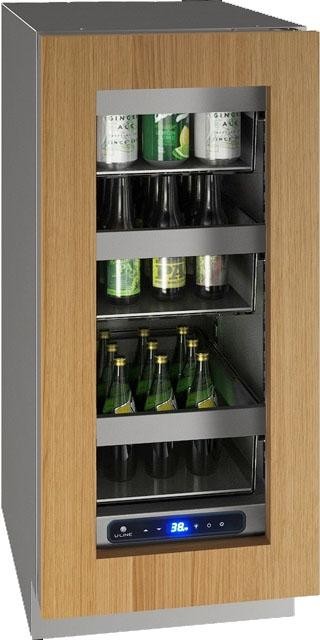
Understanding Beer Fridges and Freestanding Beverage Centers
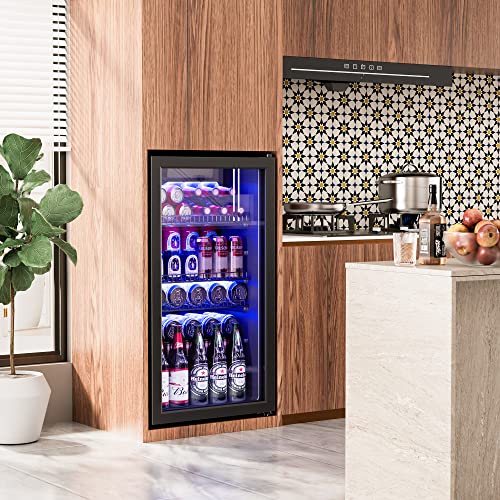
When comparing a beer fridge to a freestanding beverage center, it's important to understand their purpose and functionality. Both types serve different needs and can enhance your home or office's convenience and style.
Purpose and Functionality of Beer Fridges
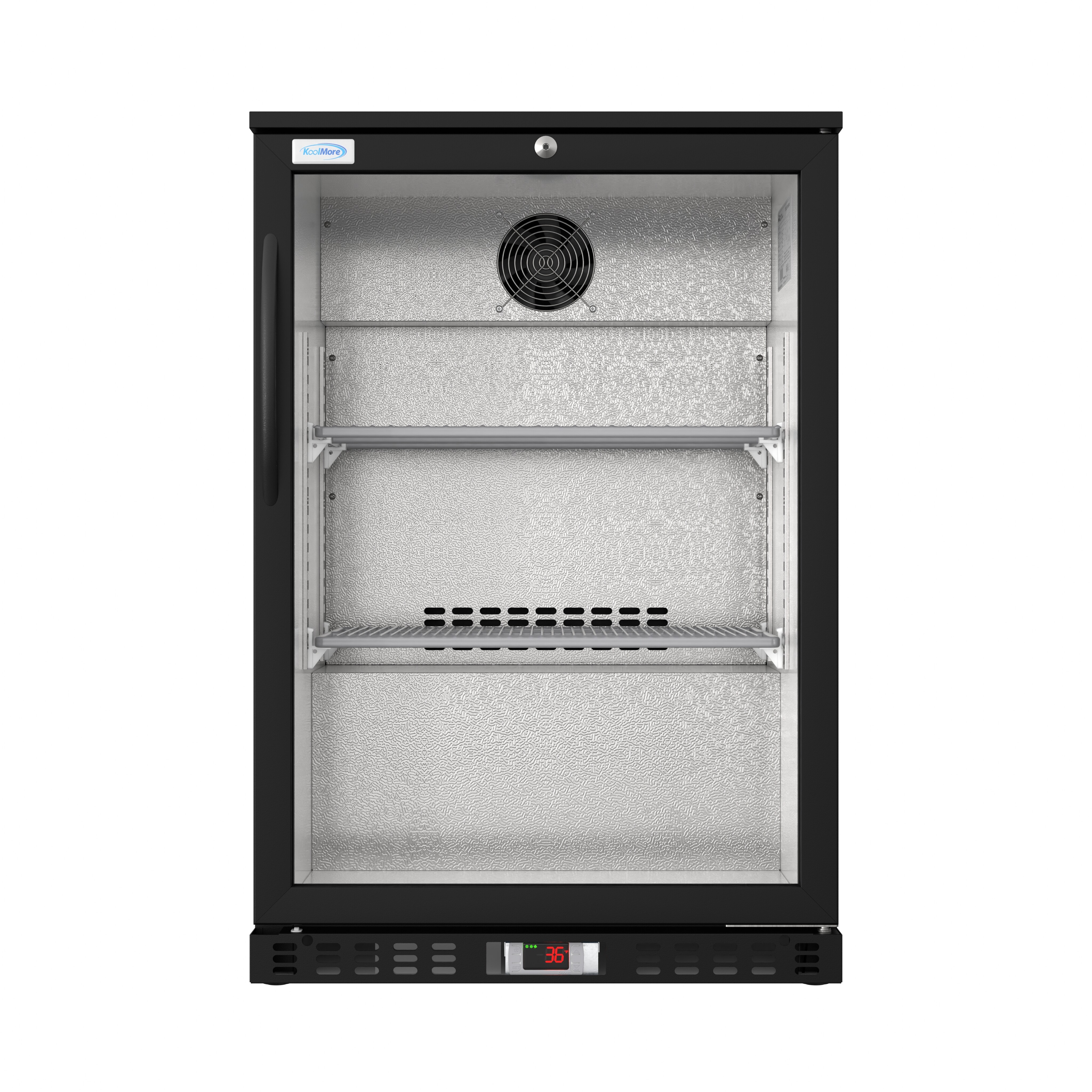
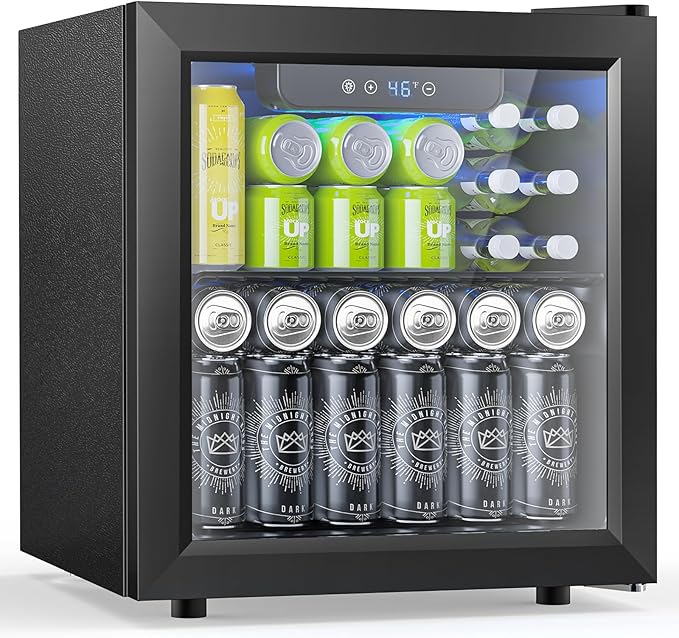
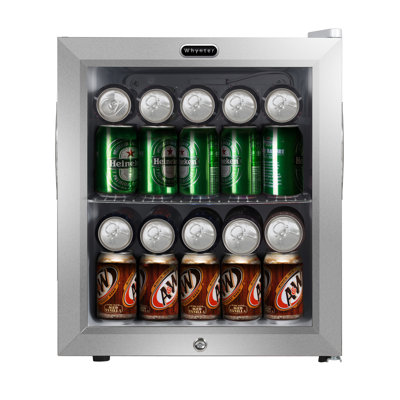
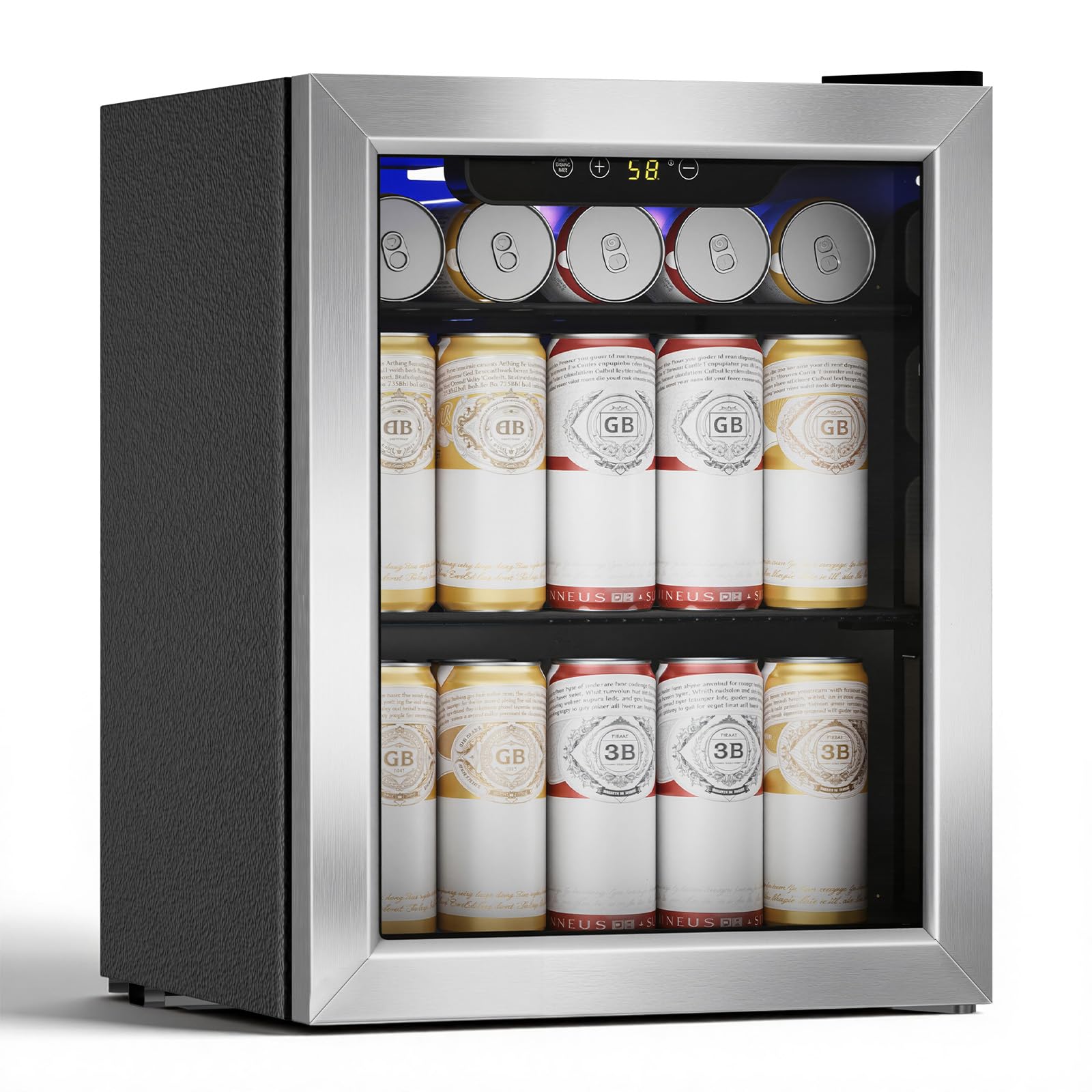
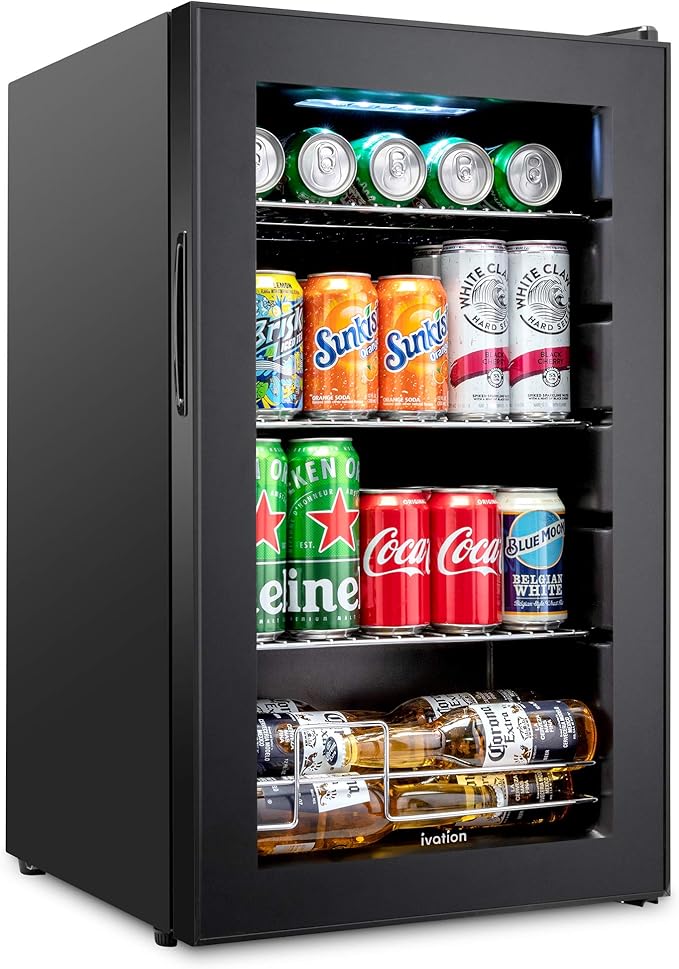
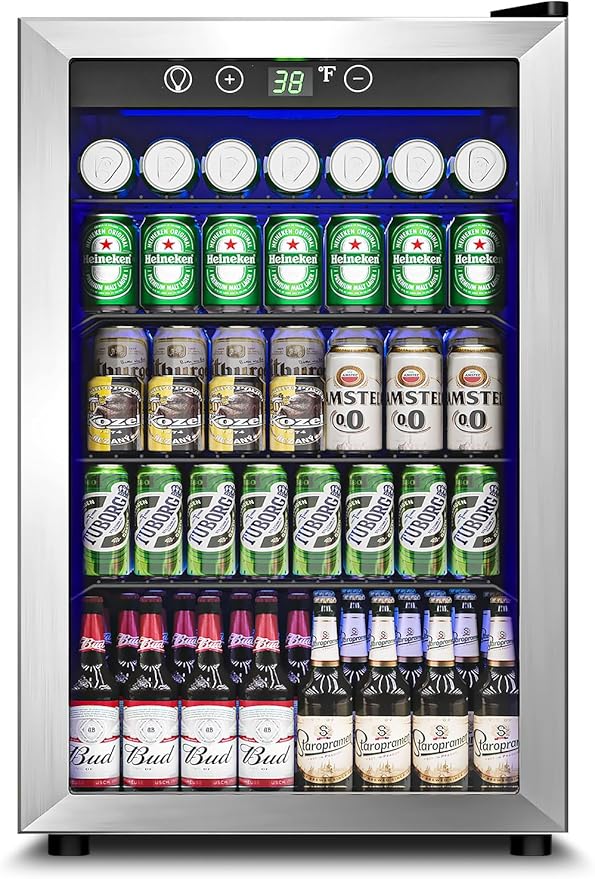
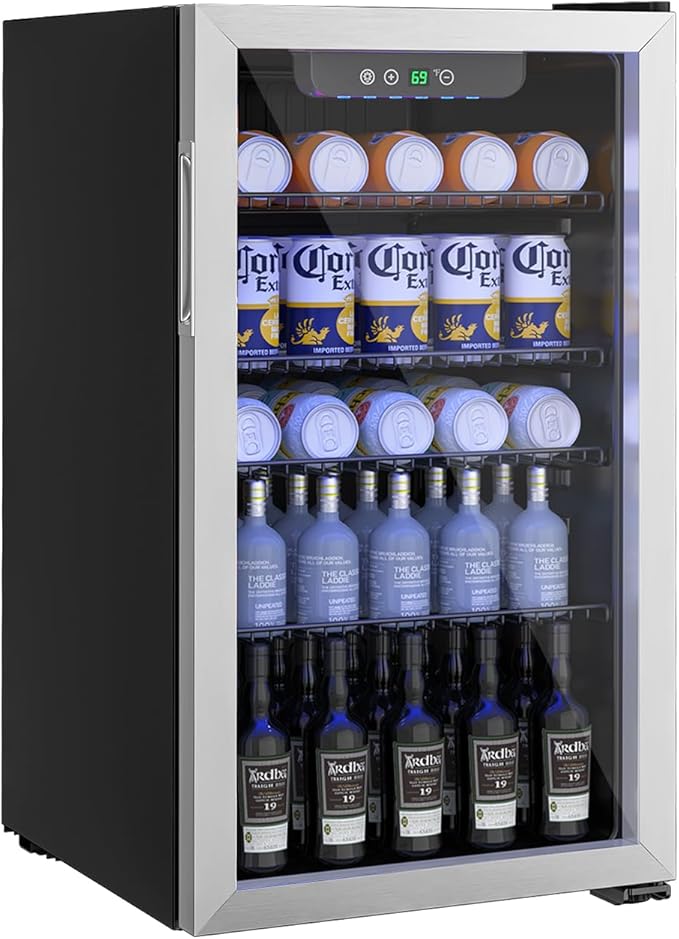
A beer fridge is specifically designed to store and chill beer. These fridges often come with features that cater to the unique requirements of beer storage, such as adjustable shelving to accommodate different bottle sizes and cans. They typically maintain a consistent temperature ideal for preserving the taste and quality of beer. The primary focus is on keeping beer at the optimal serving temperature.
Feature
Description
Temperature Range
34°F - 50°F
Shelf Type
Adjustable, often wire or glass
Storage Focus
Beer bottles and cans
Additional Features
Digital temperature control, LED lighting
For those who enjoy hosting parties or simply love beer, a beer fridge can be an excellent addition. It ensures that you always have a cold beer ready for any occasion, enhancing your entertaining experience.
Purpose and Functionality of Freestanding Beverage Centers
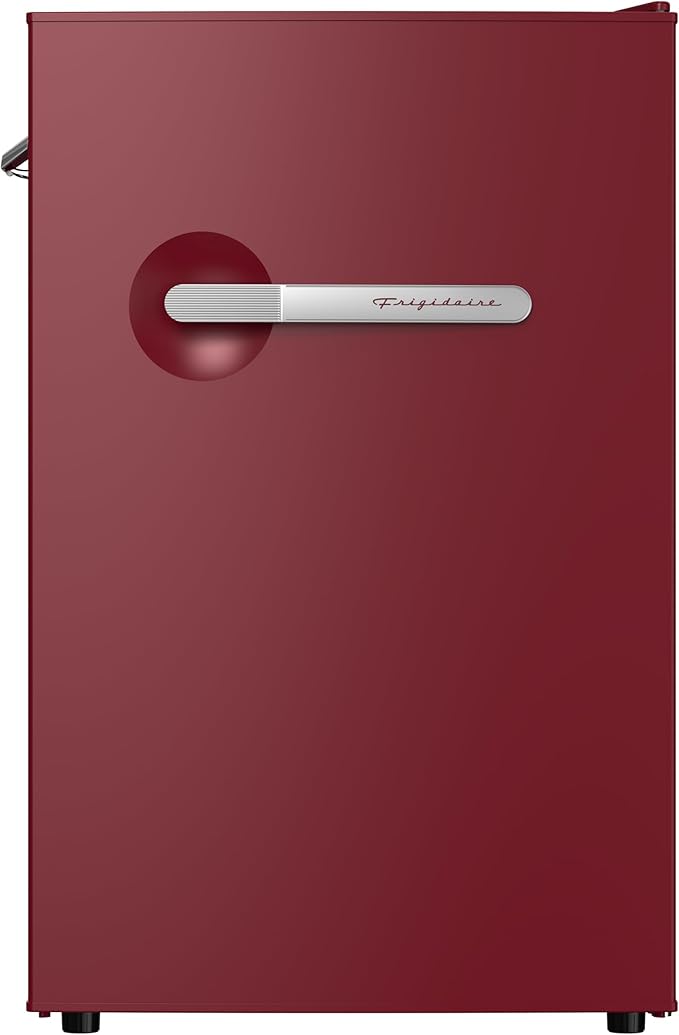
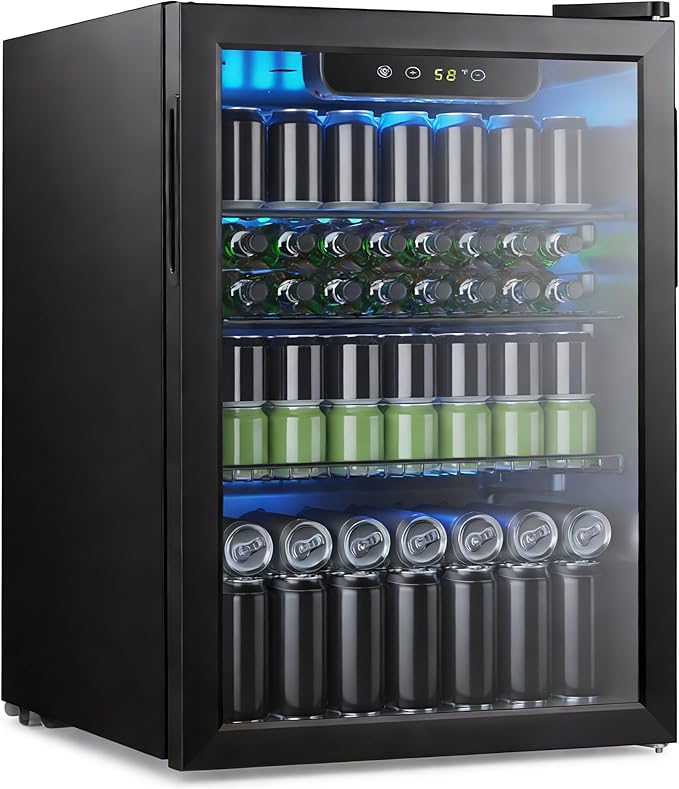
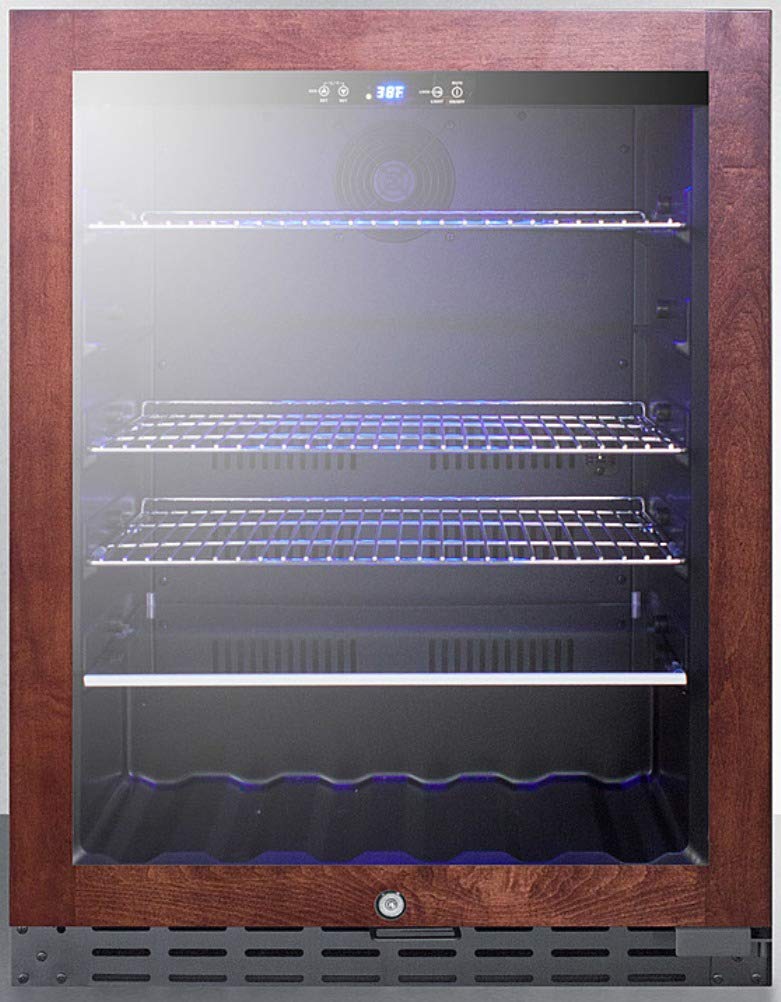
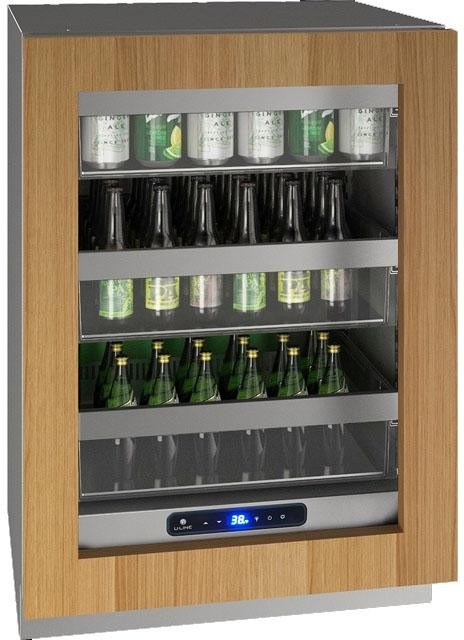
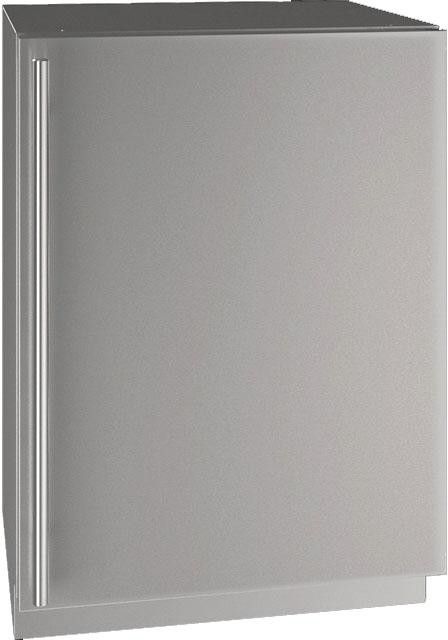
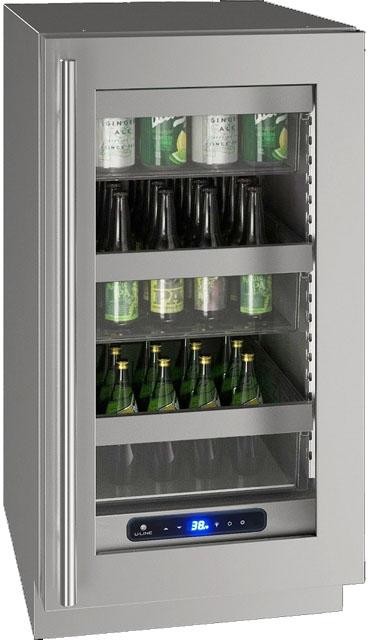
A freestanding beverage center offers a more versatile storage solution. These units are designed to store a variety of beverages, including soda, water, juice, and, of course, beer. They often come with adjustable shelving to accommodate different sizes and types of bottles and cans.
Feature
Description
Temperature Range
35°F - 65°F
Shelf Type
Adjustable, often wire or glass
Storage Focus
Various beverages (soda, water, juice, beer)
Additional Features
Dual temperature zones, digital control, interior lighting
Beverage centers are ideal for those who want a more flexible storage option. They fit well in any setting, from home kitchens and offices to basements and outdoor spaces. The versatility of a beverage center makes it a great choice for families and entertainers who need to store a variety of drinks.
Understanding the differences in purpose and functionality between beer fridges and freestanding beverage centers helps you make an informed decision based on your specific needs. For more insights on beverage storage solutions, explore Fridge.com guide on built in beverage center Vs. wine cellar.
When comparing a beer fridge to a freestanding beverage center, it’s important to understand the design and features of each option. This will help you make an informed decision based on your specific needs and preferences.
Differences in Design
Beer fridges and freestanding beverage centers serve distinct purposes, which is reflected in their design.
Beer Fridges: Typically designed to store beer, beer fridges often feature adjustable shelves to accommodate various bottle and can sizes. The focus is on maximizing storage for beer, meaning limited space for other types of beverages.
Freestanding Beverage Centers: These are designed to store a variety of beverages, including beer, soda, and wine. They often feature adjustable shelving and compartments to accommodate different bottle shapes and sizes, offering more versatility.
Feature
Beer Fridge
Freestanding Beverage Center
Primary Use
Beer Storage
Multiple Beverage Types
Shelving
Adjustable
Adjustable and Compartmentalized
Versatility
Limited
High
Key Features of Each Option
Understanding the key features of beer fridges and freestanding beverage centers will help you determine which is best suited to your needs.
Beer Fridges:
Temperature Range: Generally optimized for beer storage, often with a narrow temperature range that is ideal for keeping beer cold.
Shelving: Adjustable shelves that can be configured to hold various beer bottle and can sizes.
Size and Capacity: Often more compact, designed to fit in smaller spaces like garages or home bars.
Freestanding Beverage Centers:
Temperature Range: Wider temperature range to accommodate different types of beverages, including wine, which may require higher temperatures than beer.
Shelving and Compartments: More versatile shelving options, often including specific compartments for wine bottles, soda cans, and other beverages.
Size and Capacity: Typically larger, offering more storage options and better suited for families or entertaining guests.
By understanding the design and features of beer fridges and freestanding beverage centers, you can better decide which option suits your lifestyle and beverage storage needs. For more insights on related products, check out Fridge.com comparison on bar fridge Vs. drawer refrigerator.
Selecting the right appliance involves understanding its capacity and storage options, especially when comparing a beer fridge to a freestanding beverage center. This section will help you determine which option best suits your needs.
Storage Capacity of Beer Fridges
Beer fridges are designed specifically for storing beer and similar beverages. They typically feature adjustable shelves to accommodate various bottle sizes, cans, and even kegs. The storage capacity of beer fridges can vary significantly based on the model and size.
Beer Fridge Type
Capacity (Cans)
Capacity (Bottles)
Compact
60 - 80
40 - 50
Mid-Size
100 - 150
60 - 80
Large
200+
100+
Beer fridges often have specialized shelving to maximize the number of beverages you can store, making them ideal for dedicated beer enthusiasts. For more information on different fridge types, check out Fridge.com article on the best fridge for national bagelfest day.
Storage Capacity of Freestanding Beverage Centers
Freestanding beverage centers offer more versatility in storing a variety of drinks, including beer, soda, water, and even wine. These units generally come with adjustable shelves and sometimes even dedicated wine racks. The capacity of beverage centers is measured similarly to beer fridges but tends to offer more flexibility.
Beverage Center Type
Capacity (Cans)
Capacity (Bottles)
Compact
50 - 70
30 - 40
Mid-Size
100 - 130
50 - 60
Large
150+
80+
Freestanding beverage centers are an excellent choice for those who need to store a variety of beverages and could be a great addition to spaces like basements, garages, or poolside areas. For more insights, consider reading about the best fridge for national fruit at work day.
Understanding the storage capacities and options available in beer fridges and freestanding beverage centers will help you make an informed decision based on your specific needs. For additional guidance, you may also want to explore details on freestanding drawer refrigerators Vs. garage refrigerators.
Temperature control is a critical factor when comparing a beer fridge and a freestanding beverage center. Each type of appliance has unique capabilities and settings that cater to different beverage cooling needs.
Temperature Control in Beer Fridges
Beer fridges are specifically designed to maintain optimal temperatures for storing beer. Most beer fridges come with precise temperature control settings that allow you to set and maintain the perfect temperature for your favorite brews. This ensures your beer stays fresh and flavorful.
Feature
Beer Fridge
Temperature Range
34°F - 50°F
Temperature Control
Digital/Manual
Ideal for
Beer, Canned Beverages
Cooling System
Compressor-based
These fridges often have digital displays and controls, making it easy to adjust and monitor the temperature. For those who enjoy various types of beer, some models may offer dual temperature zones, allowing you to store different styles of beer at their ideal temperatures. Learn more about optimizing your fridge settings for special occasions like best fridge for national champagne day
.
Temperature Control in Freestanding Beverage Centers
Freestanding beverage centers offer a broader range of temperature settings to accommodate a variety of beverages, including beer, wine, and soft drinks. These units are designed with versatility in mind, making them perfect for storing different types of drinks at their optimal temperatures.
Feature
Freestanding Beverage Center
Temperature Range
35°F - 65°F
Temperature Control
Digital/Manual
Ideal for
Beer, Wine, Soft Drinks, Water
Cooling System
Compressor-based/Thermoelectric
The temperature control in a freestanding beverage center is typically more flexible, allowing you to set a wider range of temperatures. This makes it an ideal choice for those who entertain frequently and need to store a variety of drinks. To understand more about the versatility of beverage storage, check out Fridge.com article on beverage cellar Vs. built-in freezer.
When deciding between a beer fridge and a freestanding beverage center, consider the temperature control features that best suit your beverage storage needs. For more information on fridge comparisons, visit Fridge.com article on bar fridge Vs. drawer refrigerator.
Placement and Installation
Proper placement and installation of your beer fridge or freestanding beverage center can make a significant difference in their performance and convenience. Let's explore the ideal locations for each.
Ideal Placement for Beer Fridges
Beer fridges are designed to keep your beverages cold and accessible, making them a perfect addition to various settings. Here are some common placement options:
Kitchen: Placing a beer fridge in the kitchen allows for easy access to cold beverages while cooking or entertaining guests. It's a convenient spot for frequent use.
Home Bar: If you have a designated home bar area, a beer fridge is a must-have. It keeps your drinks within arm's reach when mixing cocktails or serving guests.
Garage: For those who prefer to keep their main refrigerator free of beverages, the garage is an excellent spot for a beer fridge. It provides extra storage space and is ideal for stocking up on drinks for parties or gatherings.
Basement: A basement beer fridge is perfect for creating a dedicated entertainment area. It keeps your drinks chilled for game nights, movie marathons, or casual hangouts.
When installing your beer fridge, ensure that it is placed on a level surface and has adequate ventilation. Allow at least 2 inches of space around the fridge for proper airflow. Avoid placing it near heat sources like ovens or direct sunlight, as this can affect its cooling efficiency.
Ideal Placement for Freestanding Beverage Centers
Freestanding beverage centers offer versatile storage solutions for a variety of drinks, including sodas, wines, and juices. Here are some ideal placement options:
Dining Room: A beverage center in the dining room provides easy access to drinks during meals and gatherings. It keeps your beverages at the perfect temperature for serving.
Living Room: Placing a beverage center in the living room makes it convenient for entertaining guests. It's a great addition for movie nights, parties, or casual get-togethers.
Office: For those who work from home, a beverage center in the office can keep your favorite drinks within reach. It helps you stay refreshed without having to leave your workspace.
Outdoor Patio: If you enjoy outdoor entertaining, a freestanding beverage center on the patio is a fantastic option. It keeps your drinks cold and readily available for barbecues, pool parties, or relaxing evenings outside.
Similar to beer fridges, freestanding beverage centers require proper ventilation and should be placed on a level surface. Ensure that there is enough clearance around the unit to allow for adequate airflow. Avoid placing the beverage center in direct sunlight or near heat sources to maintain optimal cooling performance.
When deciding between a beer fridge Vs. freestanding beverage center, consider your specific needs and the available space in your home. Proper placement and installation will enhance the functionality and longevity of your appliance.
For further insights on choosing the best fridge for specific occasions and needs, explore Fridge.com articles on best fridge for national champagne day and best fridge for national sugar cookie day.
When comparing beer fridges to freestanding beverage centers, cost is a significant factor. Beer fridges are often designed specifically for storing beer bottles and cans, and their prices can vary based on capacity, features, and brand. However, beer fridges generally fall into a mid-range price category.
Feature
Cost Range
Small Beer Fridge (up to 50 cans)
$100 - $200
Medium Beer Fridge (50-100 cans)
$200 - $400
Large Beer Fridge (over 100 cans)
$400 - $800
Maintenance for beer fridges typically includes cleaning the interior, checking and replacing filters, and ensuring the door seals are functioning properly. Regular maintenance helps to extend the lifespan of your fridge and ensures optimal performance.
Cost Considerations for Freestanding Beverage Centers
Freestanding beverage centers, designed to accommodate a variety of drinks including beer, wine, and soft drinks, can have a wider price range due to their versatility and additional features. They tend to be more expensive than dedicated beer fridges because of their added functionality and storage options.
Feature
Cost Range
Small Beverage Center (up to 50 cans/bottles)
$150 - $300
Medium Beverage Center (50-100 cans/bottles)
$300 - $600
Large Beverage Center (over 100 cans/bottles)
$600 - $1,200
Maintenance for freestanding beverage centers involves similar tasks as beer fridges, such as cleaning the interior and checking door seals. Additionally, beverage centers that store wine may require more specific upkeep, such as maintaining appropriate humidity levels and ensuring the wine racks are secure.
Compare current prices and specifications on Fridge.com, then buy from the retailer you choose; delivery, installation and warranty terms are the retailer’s.
It also has tons of awesome articles about kitchen stuff and home news. Enhance your home, garage, backyard, patio, and office with the coolest essentials. With every necessary type of residential refrigerator or freezer in the collection, you're covered.
Free tool
Beverage Cooler Size Calculator
Free interactive tool from Fridge.com — get a quick answer while you read.