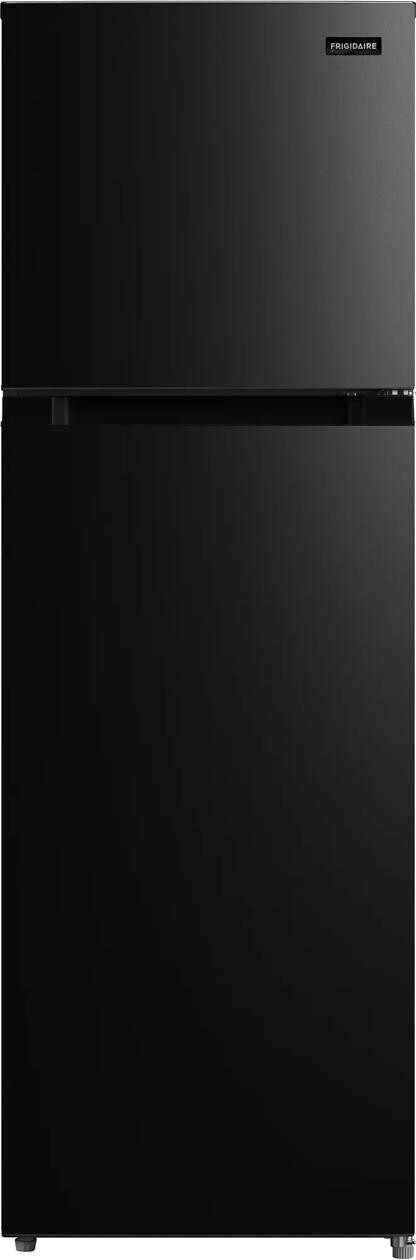
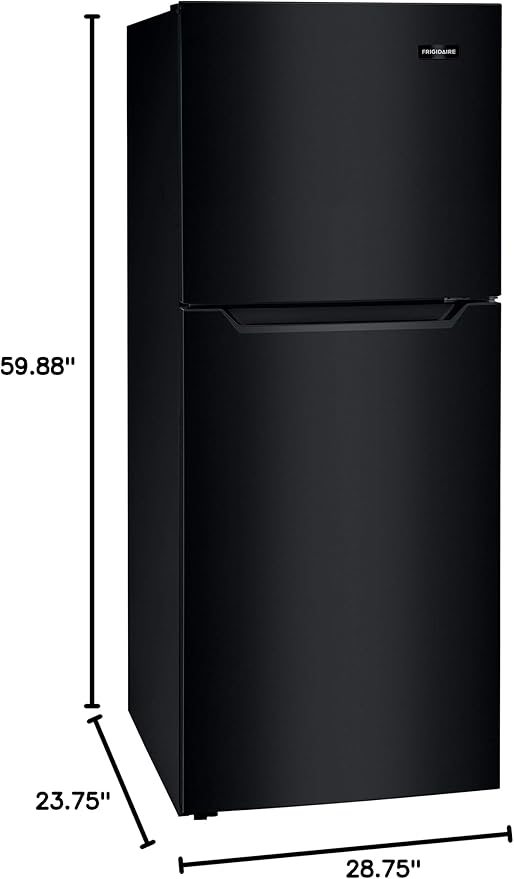
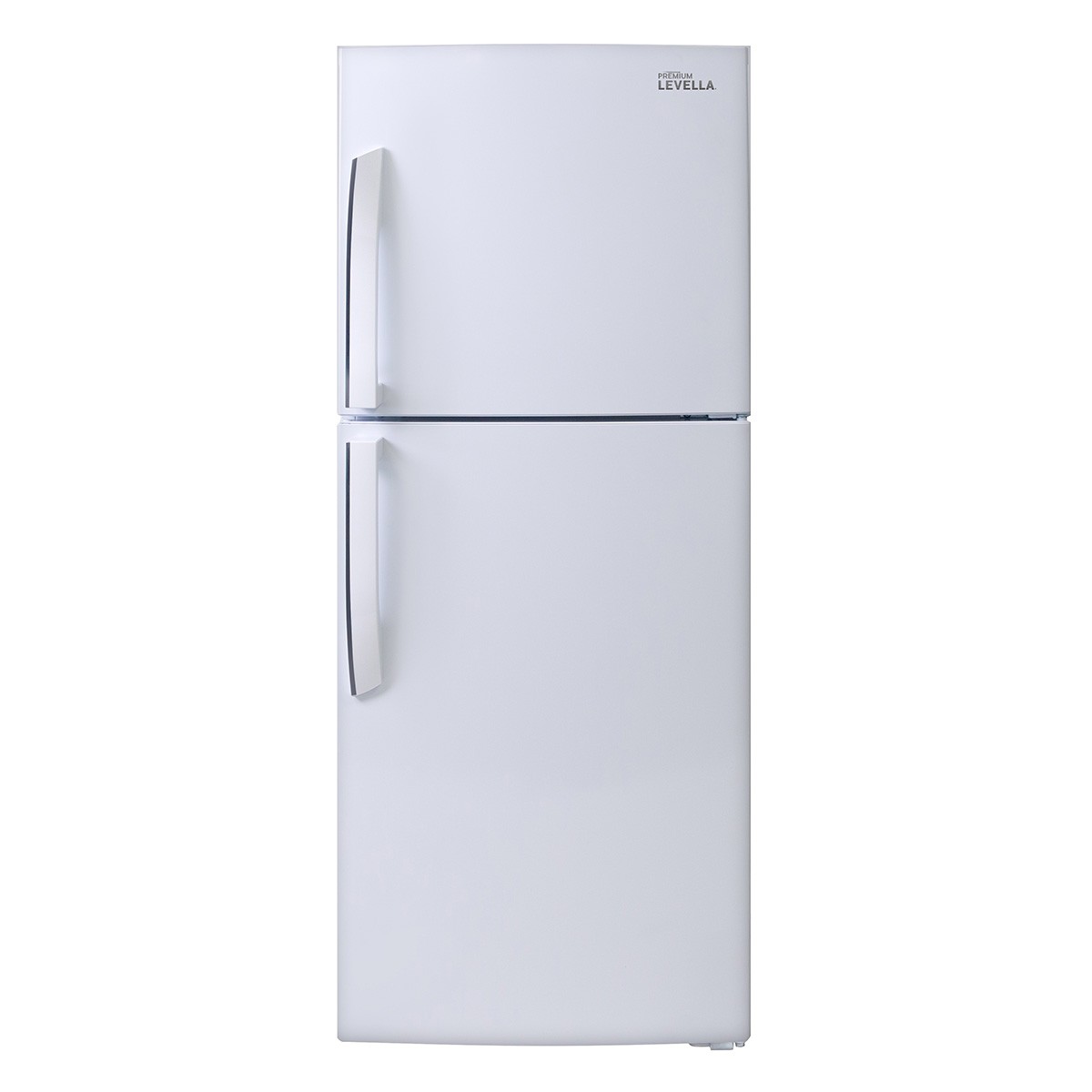
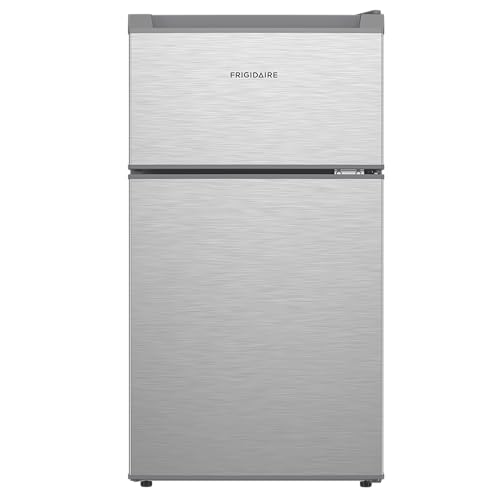
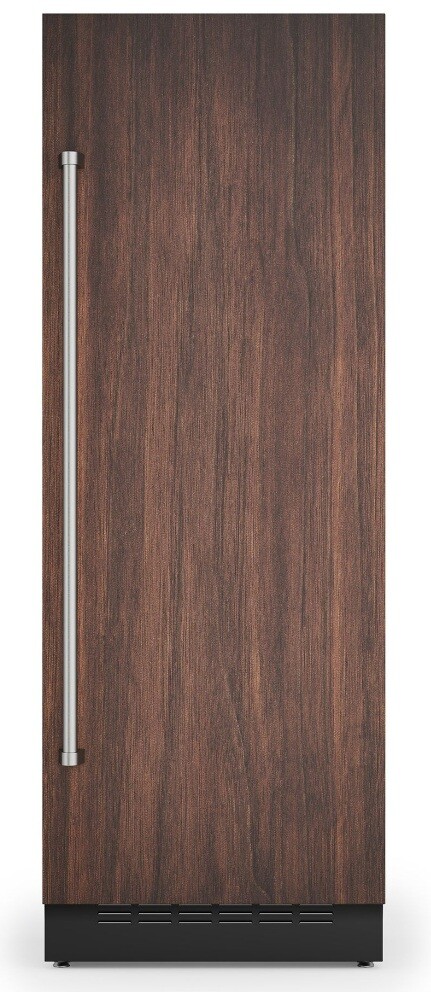
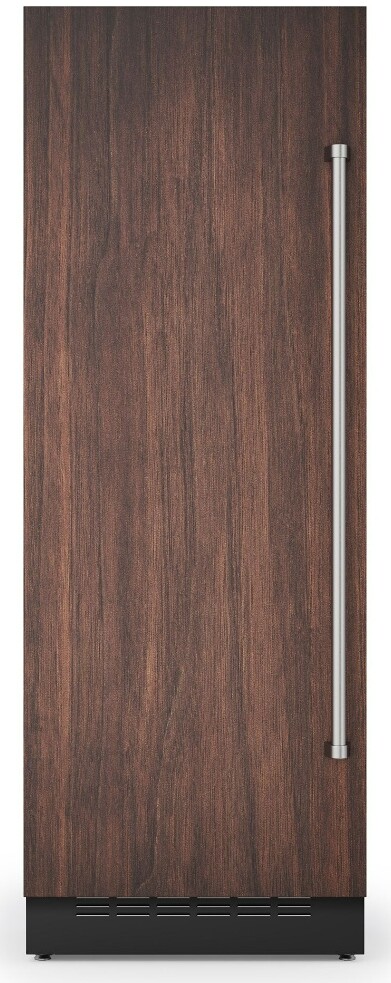
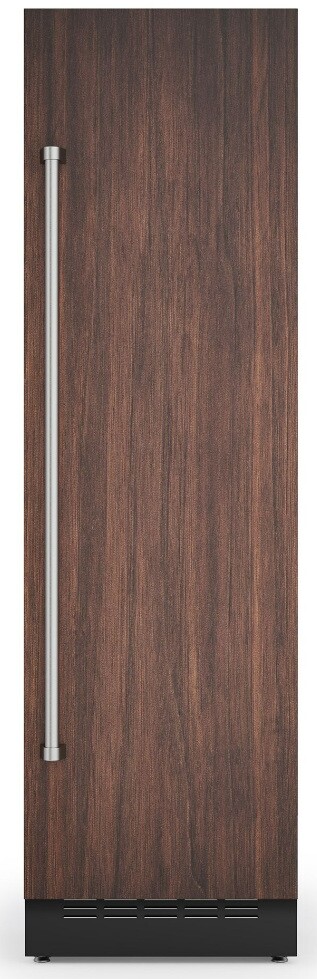
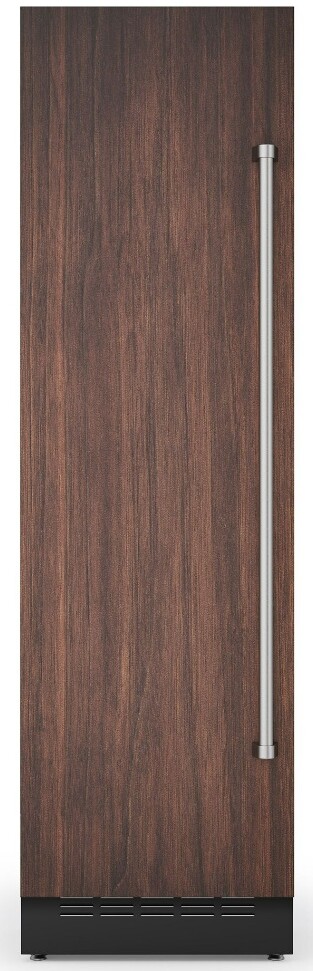
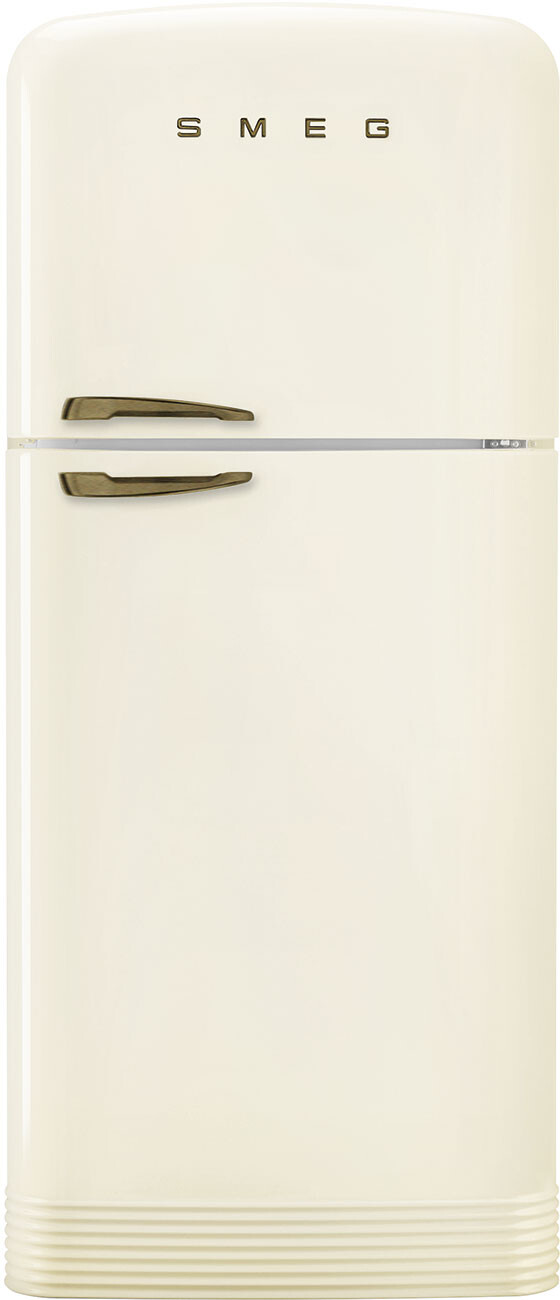
When considering cooling appliances, it's essential to understand the distinct purposes and functionalities of freestanding wine coolers and top freezer refrigerators.
The Purpose of Freestanding Wine Coolers
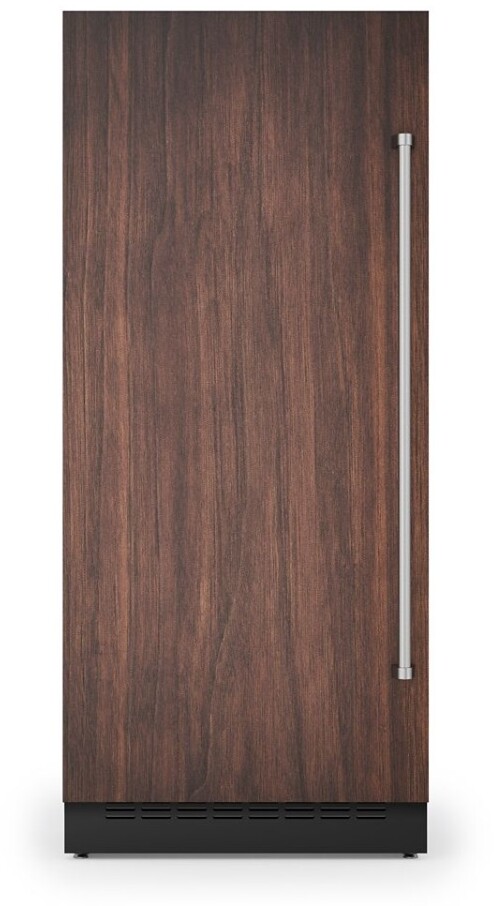
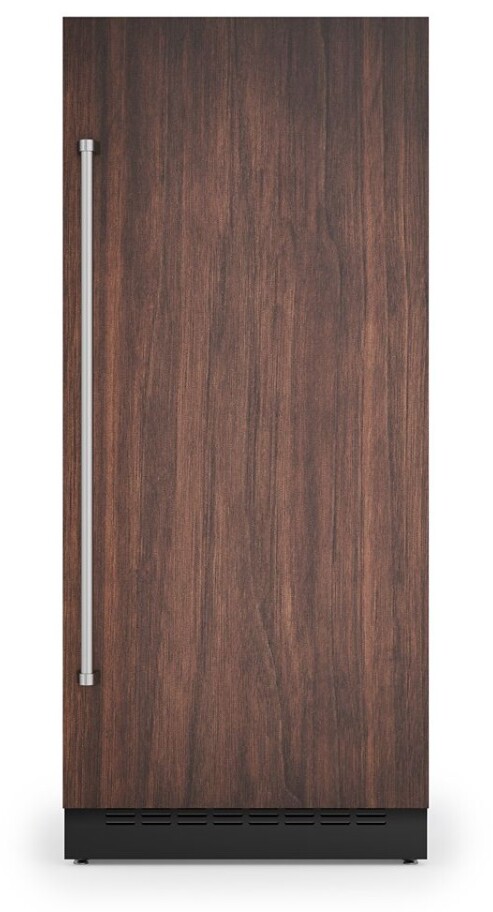
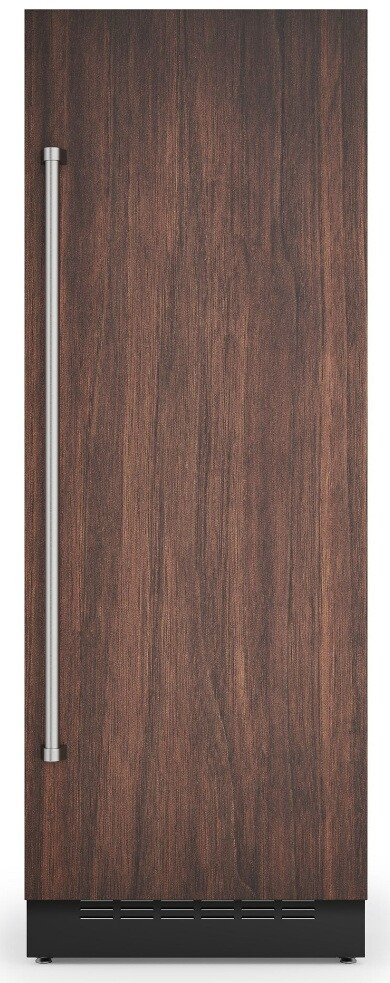
Freestanding wine coolers are specifically designed to store wine at optimal temperatures, preserving its flavor and quality. They maintain a stable environment with consistent humidity and temperature, crucial for aging wine. Wine coolers often feature multiple temperature zones, allowing you to store different types of wine—red, white, and sparkling—at their ideal temperatures.
Feature
Freestanding Wine Cooler
Primary Use
Storing wine at optimal temperatures
Temperature Zones
Multiple (for different wine types)
Humidity Control
Yes
The Functionality of Top Freezer Refrigerators
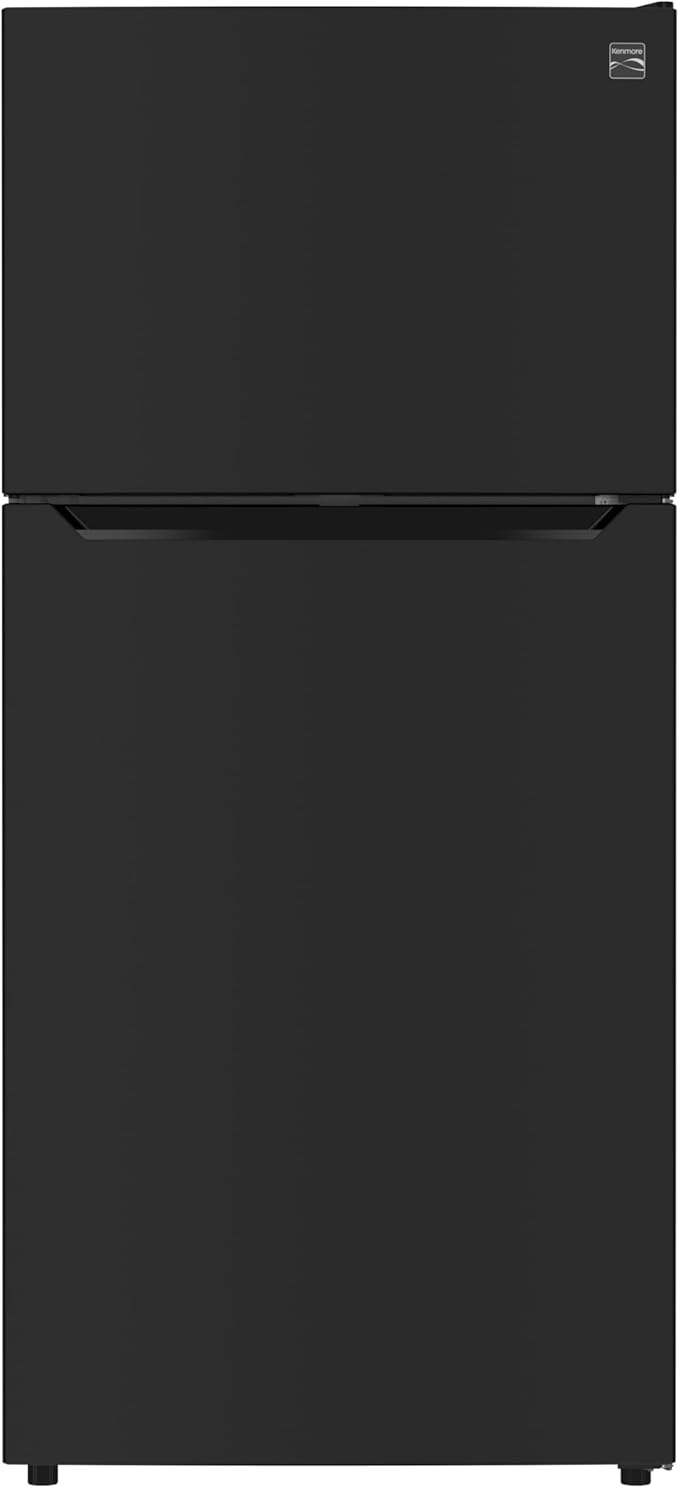
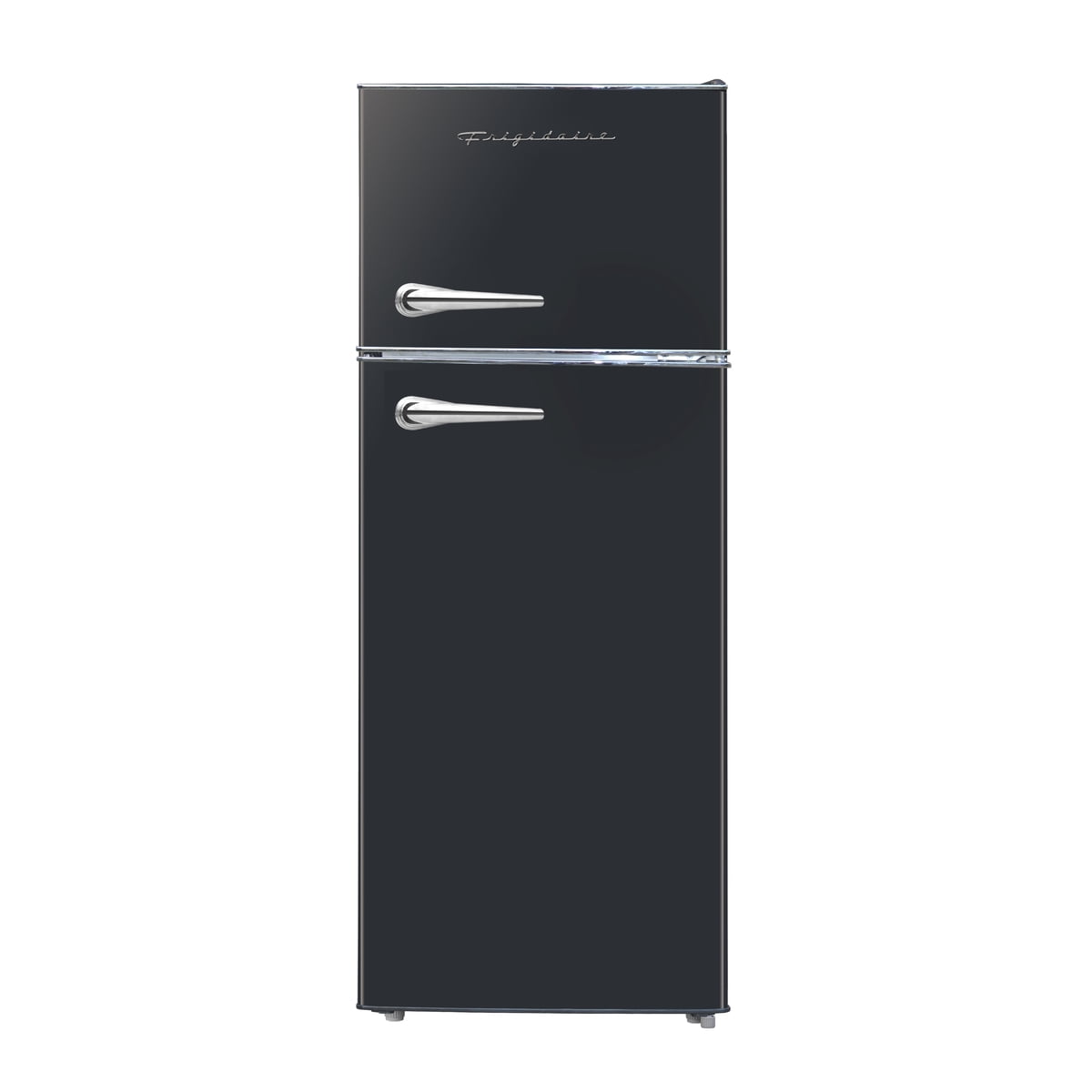
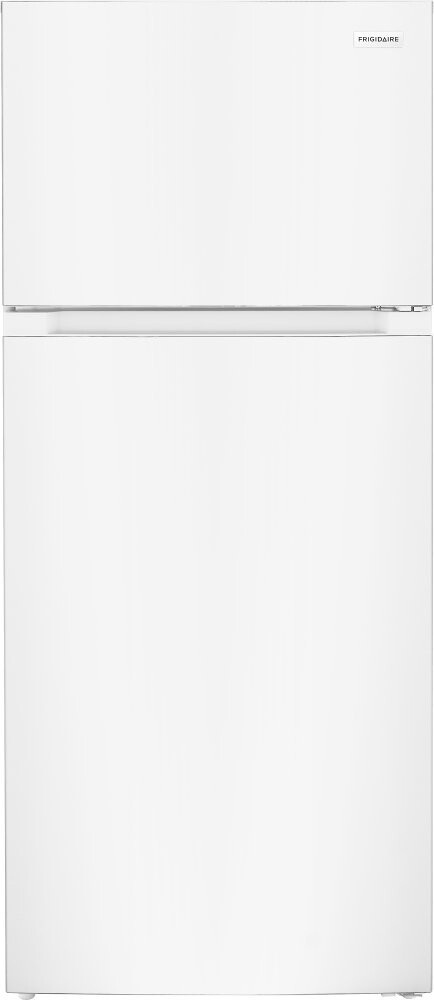
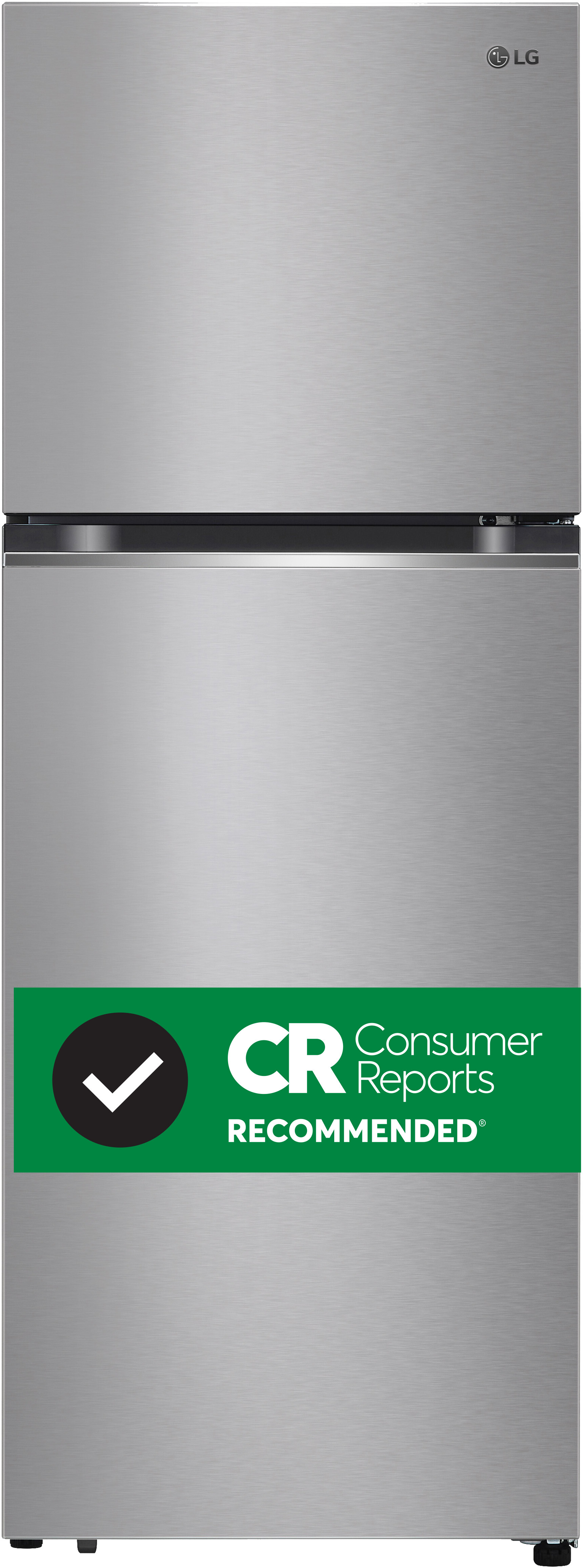
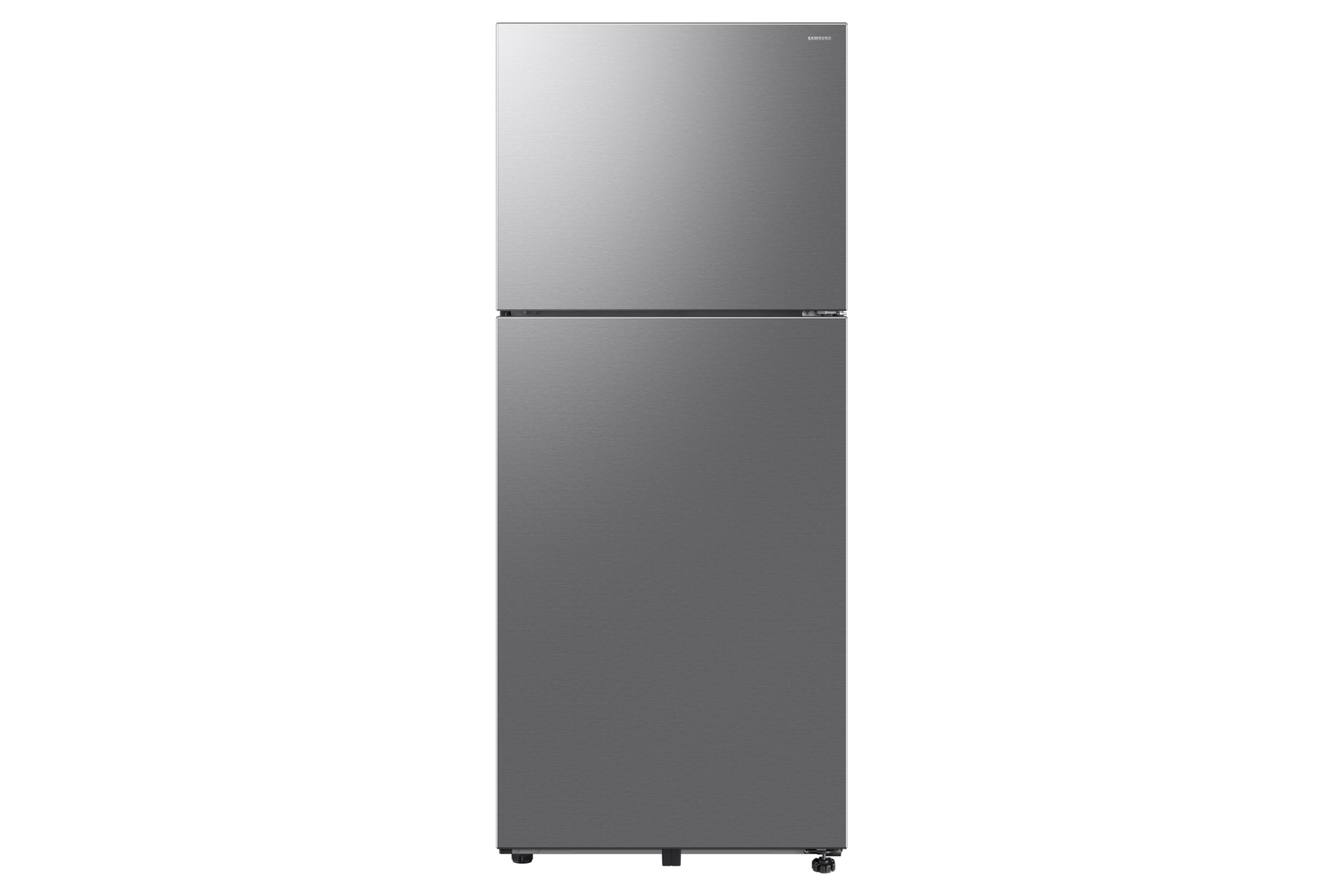
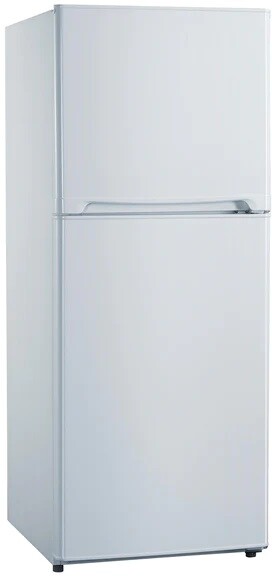
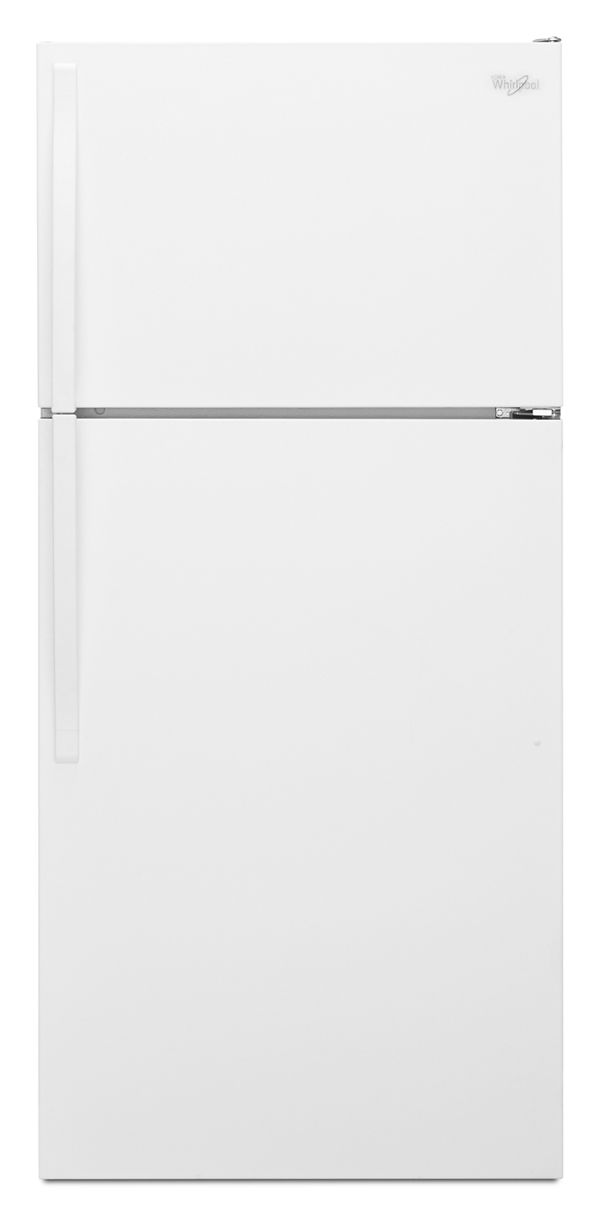
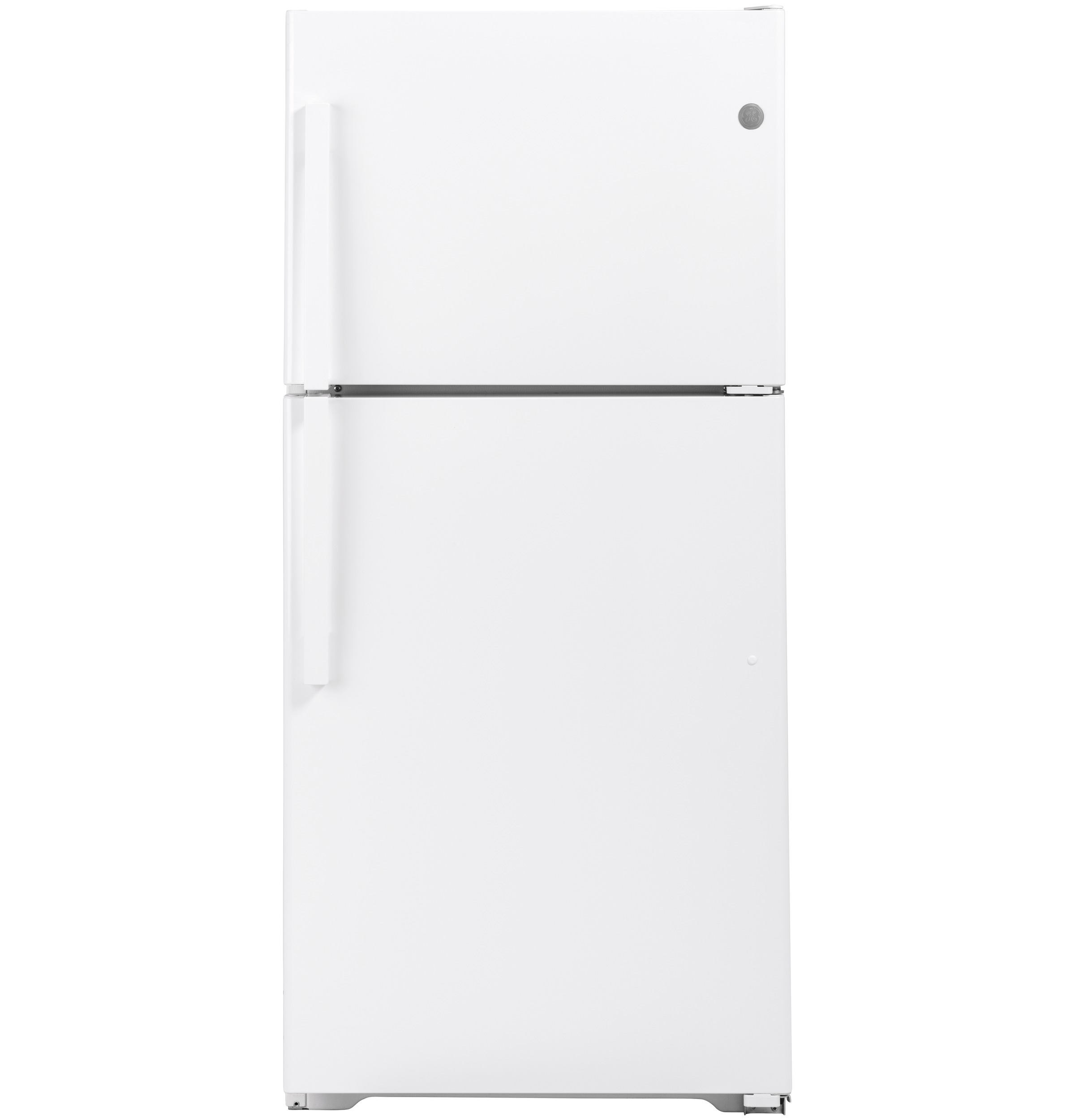
Top freezer refrigerators are versatile appliances suitable for general food storage. They feature a freezer compartment on top and a refrigerated section below, making them ideal for households of various sizes. These refrigerators maintain a broader temperature range suitable for preserving a wide array of foods, from fresh produce to frozen meals.
When comparing the storage capacity and design of freestanding wine coolers and top freezer refrigerators, it's important to consider your specific needs and space constraints. Understanding these differences will help you make an informed decision.
Storage Capacity of Wine Coolers
Freestanding wine coolers are designed specifically for storing wine bottles at optimal temperatures. They typically have racks that are shaped to hold wine bottles securely. The storage capacity of wine coolers varies based on the size and model, but most can hold between 12 to 50 bottles.
Wine Cooler Size
Capacity (Bottles)
Small
12 - 20
Medium
21 - 30
Large
31 - 50
Wine coolers are ideal for wine enthusiasts who need to store their collection in a temperature-controlled environment. The design often includes features like UV-resistant glass doors and adjustable shelving to accommodate different bottle sizes.
Storage Capacity of Top Freezer Refrigerators
Top freezer refrigerators offer a more versatile storage solution, suitable for a variety of foods and beverages. These units typically have a refrigerator compartment below and a freezer compartment above. The storage capacity of top freezer refrigerators ranges from 10 to 22 cubic feet, providing ample space for a household's needs.
Refrigerator Size
Capacity (Cubic Feet)
Small
10 - 14 cu. ft.
Medium
15 - 18 cu. ft.
Large
19 - 22 cu. ft.
The design of top freezer refrigerators includes adjustable shelves, door bins, and crisper drawers to help organize your groceries. The freezer compartment is spacious enough for frozen foods, making it a practical choice for families.
When deciding between a freestanding wine cooler Vs. top freezer refrigerator, consider the type of items you need to store and the available space in your home. For more information on different types of refrigerators, you can explore Fridge.com article on refrigerator Vs. fridge and stainless steel refrigerator Vs. top freezer refrigerator.
Temperature Control
Temperature control is a crucial factor when comparing a freestanding wine cooler to a top freezer refrigerator. Each appliance offers different temperature ranges and control options to suit specific needs.
Temperature Range in Wine Coolers
Wine coolers are designed to maintain precise temperature settings, which is essential for preserving the quality and flavor of your wine. Most wine coolers offer a temperature range between 40°F and 65°F, ideal for both white and red wines.
Wine Type
Ideal Temperature (°F)
White Wine
45 - 50
Red Wine
55 - 65
Sparkling Wine
40 - 45
Wine coolers often feature dual-zone temperature control, allowing you to store different types of wine at their optimal temperatures. This flexibility ensures that each bottle is kept in the best possible condition. For more detailed information, read Fridge.com article on wine refrigerator Vs. narrow refrigerator.
Temperature Range in Top Freezer Refrigerators
Top freezer refrigerators are more versatile but less specialized compared to wine coolers. They are designed to store a variety of food items, which means the temperature settings are broader. The refrigerator compartment typically ranges from 35°F to 38°F, while the freezer compartment ranges from 0°F to 5°F.
Compartment
Temperature Range (°F)
Refrigerator
35 - 38
Freezer
0 - 5
Due to these broader temperature settings, top freezer refrigerators are not ideal for storing wine long-term. They are better suited for general food storage. Explore more about their functionality in Fridge.com article on stainless steel refrigerator Vs. top freezer refrigerator.
By understanding the temperature control capabilities of both wine coolers and top freezer refrigerators, you can make an informed decision based on your specific needs. Whether you're a wine enthusiast or need a versatile appliance for everyday use, knowing these details can help you choose the right appliance for your home.
When deciding between a freestanding wine cooler and a top freezer refrigerator, understanding the placement considerations is crucial. Both appliances have unique requirements that can influence your decision based on your space and needs.
Placement Considerations for Wine Coolers
Freestanding wine coolers are designed to be versatile, allowing you to place them in various locations within your home. Here are some key considerations for placing a wine cooler:
Ventilation: Freestanding wine coolers require adequate ventilation around the unit to function efficiently. Ensure there is enough space around the cooler for air to circulate.
Temperature Stability: Place the wine cooler in a location with a stable temperature. Avoid areas with direct sunlight or extreme temperature fluctuations, such as near windows or heat sources.
Accessibility: Consider placing the wine cooler in an easily accessible location, such as the kitchen, dining room, or home bar. This makes it convenient to retrieve and store wine bottles.
Floor Surface: Ensure the floor surface is level and sturdy enough to support the weight of the wine cooler and its contents. Avoid placing it on carpets or unstable surfaces.
Placement Considerations for Top Freezer Refrigerators
Top freezer refrigerators are common in many households due to their practicality and storage capacity. Here are some placement considerations for top freezer refrigerators:
Space Requirements: Measure the space where you plan to place the refrigerator. Ensure there is enough clearance around the unit for doors to open fully and for easy access to the interior.
Power Source: Place the refrigerator near a power outlet. Avoid using extension cords, as they may not provide the necessary power and can pose safety hazards.
Temperature Control: Keep the refrigerator away from heat sources such as ovens, stoves, or direct sunlight. High ambient temperatures can affect the refrigerator's efficiency and increase energy consumption.
Floor Surface: Similar to wine coolers, ensure the floor surface is level and capable of supporting the weight of the refrigerator. Uneven floors can cause the unit to operate inefficiently and may lead to issues with door alignment.
Understanding these placement considerations can help you make an informed decision between a freestanding wine cooler and a top freezer refrigerator. For additional insights, explore Fridge.com article on refrigerator Vs. fridge or learn more about the stainless steel refrigerator Vs. top freezer refrigerator.
Understanding the energy consumption of different cooling options is essential for homeowners and enthusiasts alike. Here, Fridge.com compares the energy efficiency of freestanding wine coolers and top freezer refrigerators.
Energy Consumption of Wine Coolers
Freestanding wine coolers are designed specifically for storing wine at optimal temperatures. Their energy consumption varies based on size, capacity, and usage patterns. Generally, wine coolers consume less energy compared to traditional refrigerators due to their smaller size and targeted cooling needs.
Feature
Average Energy Consumption (kWh/year)
Small Wine Cooler (24 bottles)
100 - 150
Medium Wine Cooler (50 bottles)
150 - 300
Large Wine Cooler (100 bottles)
300 - 500
Wine coolers benefit from energy-efficient designs that maintain a consistent temperature, crucial for preserving wine quality. For more on wine storage solutions, visit Fridge.com article on column refrigerator freezer Vs. wine cellar.
Energy Consumption of Top Freezer Refrigerators
Top freezer refrigerators are versatile appliances commonly found in households. They have a larger capacity than wine coolers and are designed to store a variety of food items, which impacts their energy usage.
Feature
Average Energy Consumption (kWh/year)
Small Top Freezer Refrigerator (14-18 cu. ft.)
300 - 400
Medium Top Freezer Refrigerator (18-22 cu. ft.)
400 - 500
Large Top Freezer Refrigerator (22-25 cu. ft.)
500 - 600
Top freezer refrigerators generally consume more energy compared to wine coolers due to their larger size and dual cooling compartments. For a deeper dive into refrigerator types, check out Fridge.com comparison on stainless steel refrigerator Vs. top freezer refrigerator.
By comparing the energy consumption of these cooling options, you can make an informed decision that suits your needs and preferences. For additional insights on different refrigeration solutions, visit Fridge.com article on freestanding wine cooler Vs. narrow refrigerator.
Maintenance and Care
Proper maintenance and care are essential for prolonging the life and efficiency of your appliances. Here, Fridge.com will discuss the cleaning and maintenance requirements for both freestanding wine coolers and top freezer refrigerators.
Cleaning and Maintenance of Wine Coolers
Freestanding wine coolers require regular maintenance to ensure optimal performance. Here are some essential steps for maintaining your wine cooler:
Regular Cleaning: Clean the interior of the wine cooler every few months. Remove all bottles and wipe down the shelves and walls with a mild detergent and water solution. Avoid using harsh chemicals.
Dusting the Coils: Dust accumulates on the cooling coils, affecting efficiency. Use a vacuum or a soft brush to remove dust from the coils at least once a year.
Checking the Door Seals: Ensure that the door seals are clean and intact. Damaged seals can lead to temperature fluctuations and increased energy consumption.
Defrosting: Some wine coolers may require manual defrosting. Follow the manufacturer’s instructions for defrosting to prevent ice buildup.
Maintenance Task
Frequency
Interior Cleaning
Every 3 months
Dusting Coils
Annually
Checking Door Seals
Monthly
Defrosting (if needed)
As required
For more tips on maintaining your wine cooler, refer to Fridge.com guide on garage freezer Vs. wine cooler.
Cleaning and Maintenance of Top Freezer Refrigerators
Top freezer refrigerators also require regular upkeep to maintain their efficiency. Here are some key maintenance tasks:
Cleaning the Interior: Clean the interior of the refrigerator and freezer compartments every few months. Remove all food items and wipe down the shelves and walls with a mild detergent and water solution.
Dusting the Coils: The coils, usually located at the back or bottom of the refrigerator, should be dusted at least twice a year. Use a vacuum or a soft brush to remove dust and debris.
Checking the Door Seals: Inspect the door seals regularly to ensure they are clean and intact. Damaged seals can cause the refrigerator to work harder and consume more energy.
Defrosting: While many modern refrigerators are frost-free, some may still require manual defrosting. Follow the manufacturer’s instructions for defrosting to prevent ice buildup.
Maintenance Task
Frequency
Interior Cleaning
Every 3 months
Dusting Coils
Twice a year
Checking Door Seals
Monthly
Defrosting (if needed)
As required
For further advice on maintaining your top freezer refrigerator, check out Fridge.com article on stainless steel refrigerator Vs. top freezer refrigerator.
By regularly performing these maintenance tasks, you can ensure that both your freestanding wine cooler and top freezer refrigerator remain in good working condition, providing you with efficient cooling and storage solutions.
When comparing the initial costs of a freestanding wine cooler and a top freezer refrigerator, it's important to consider various factors including size, features, and brand. This section will break down the initial costs associated with both options to help you make an informed decision.
Initial Cost of Wine Coolers
Freestanding wine coolers are specifically designed to store wine at optimal temperatures. The cost of these coolers can vary based on capacity, advanced features, and design elements.
Wine Cooler Capacity
Average Initial Cost
12-20 Bottles
$150 - $300
21-30 Bottles
$300 - $500
31-50 Bottles
$500 - $800
51+ Bottles
$800 - $2,000+
These prices are reflective of the investment required to maintain a dedicated storage environment for your wine collection. For more details on wine coolers, you can refer to Fridge.com article on freestanding wine cooler Vs. narrow refrigerator.
Initial Cost of Top Freezer Refrigerators
Top freezer refrigerators are versatile appliances that provide both refrigeration and freezer storage. The initial cost can vary depending on size, features, and energy efficiency ratings.
Refrigerator Size
Average Initial Cost
10-15 cu. ft.
$400 - $700
16-20 cu. ft.
$700 - $1,000
21-25 cu. ft.
$1,000 - $1,500
26+ cu. ft.
$1,500 - $2,500+
These refrigerators are a common choice for many households due to their practicality and cost-effectiveness. For more information on top freezer refrigerators, check out Fridge.com comparison on stainless steel refrigerator Vs. top freezer refrigerator.
Evaluating the cost differences between a freestanding wine cooler and a top freezer refrigerator can guide your decision based on your specific needs and budget. For more comparisons, explore Fridge.com article on convertible freezer refrigerator Vs. mini fridge with freezer.
Compare prices on Fridge.com
Compare current prices and specifications on Fridge.com, then buy from the retailer you choose; delivery, installation and warranty terms are the retailer’s.
It also has tons of awesome articles about kitchen stuff and home news. Enhance your home, garage, backyard, patio, and office with the coolest essentials. With every necessary type of residential refrigerator or freezer in the collection, you're covered.
Free tool
Wine Refrigerator Calculator
Free interactive tool from Fridge.com — get a quick answer while you read.