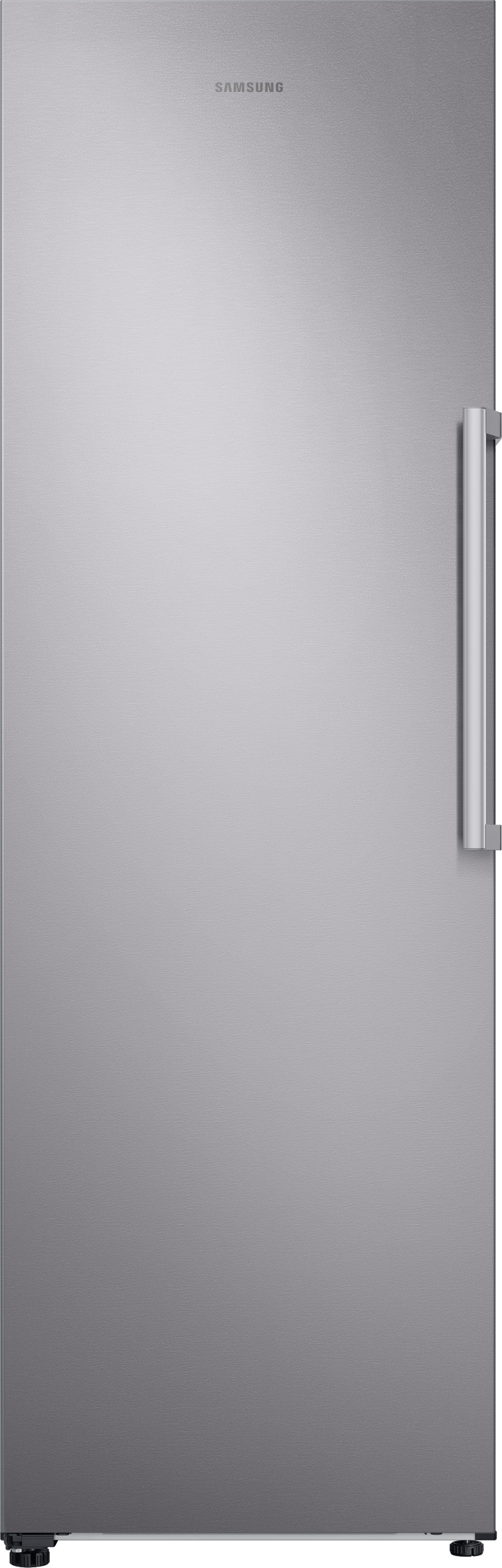
Typically operates at temperatures around 0°F (-18°C).
When choosing between an all freezer refrigerator and a garage refrigerator, it's important to understand the key differences to select the best option for your needs.
34°F to 38°F (1°C to 3°C) for fridge, 0°F (-18°C) for freezer.
It's ideal for those who need extra freezer space beyond their kitchen refrigerator.
When choosing between an all freezer refrigerator and a garage refrigerator, it's important to understand the key differences to select the best option for your needs.
All Freezer Refrigerator
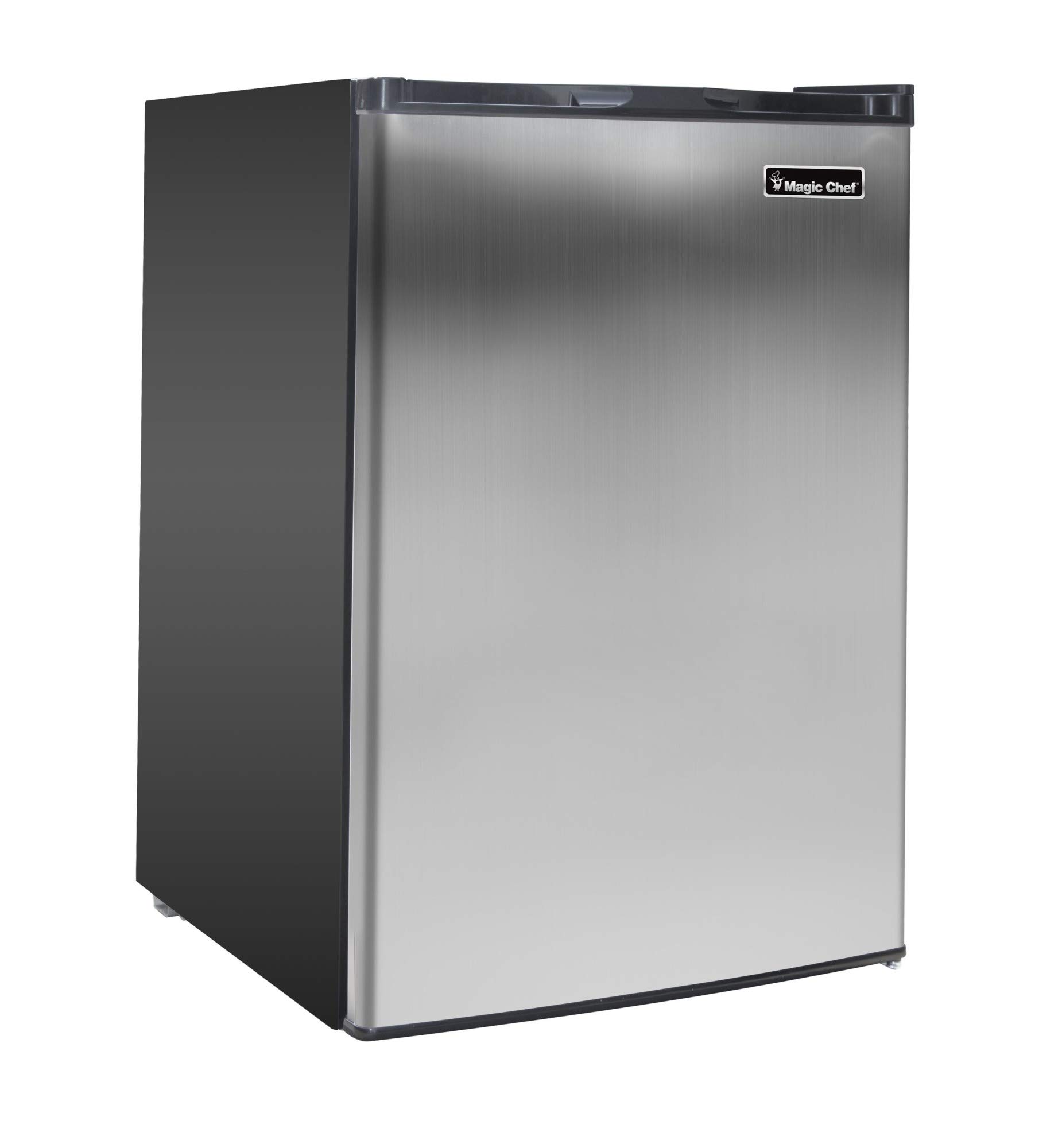
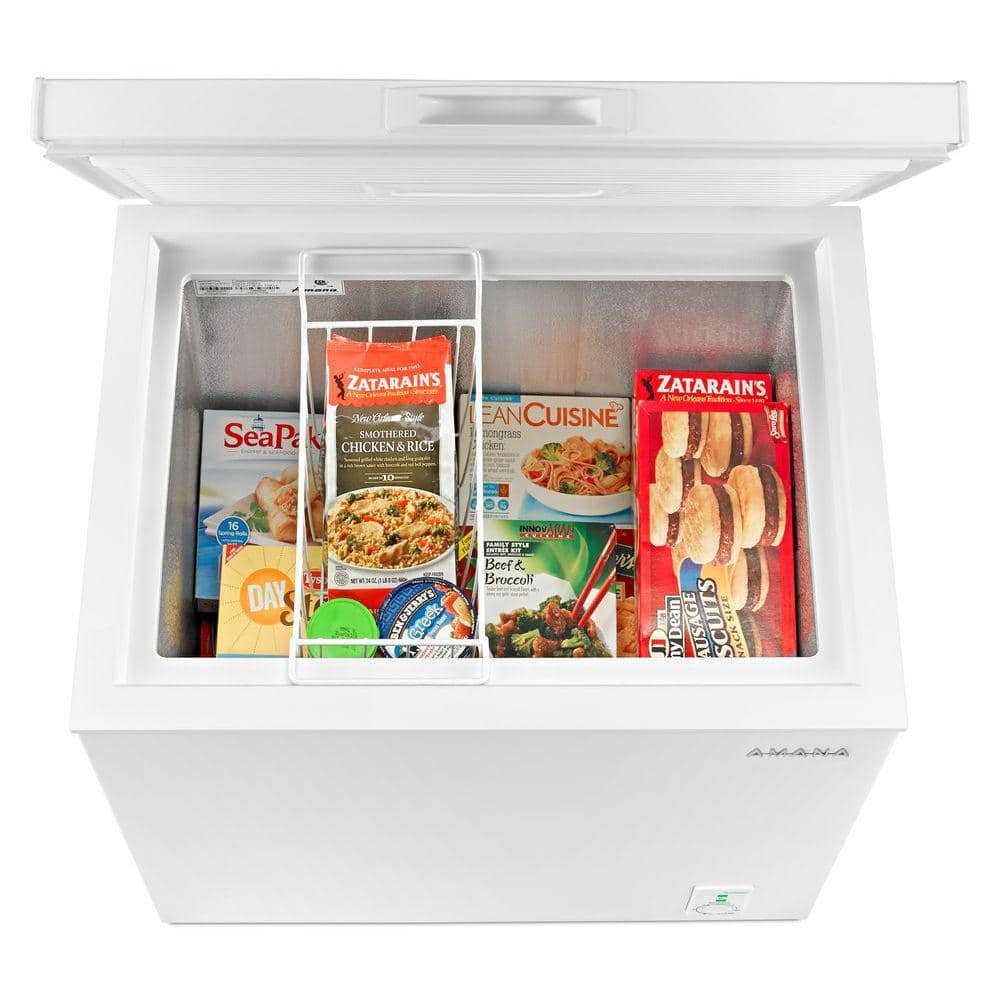
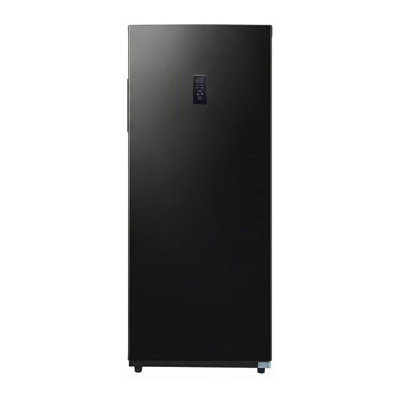
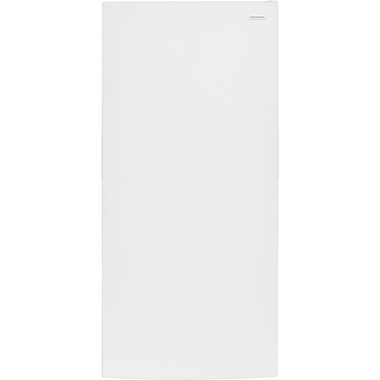
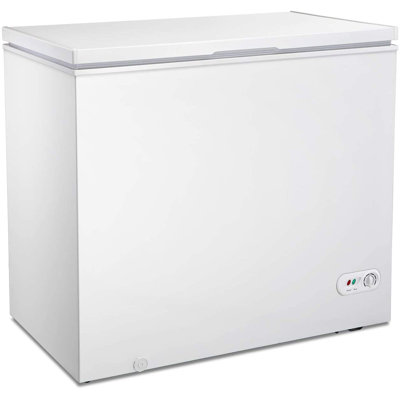
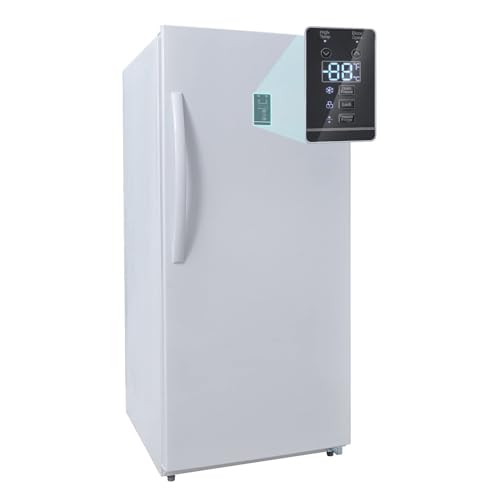
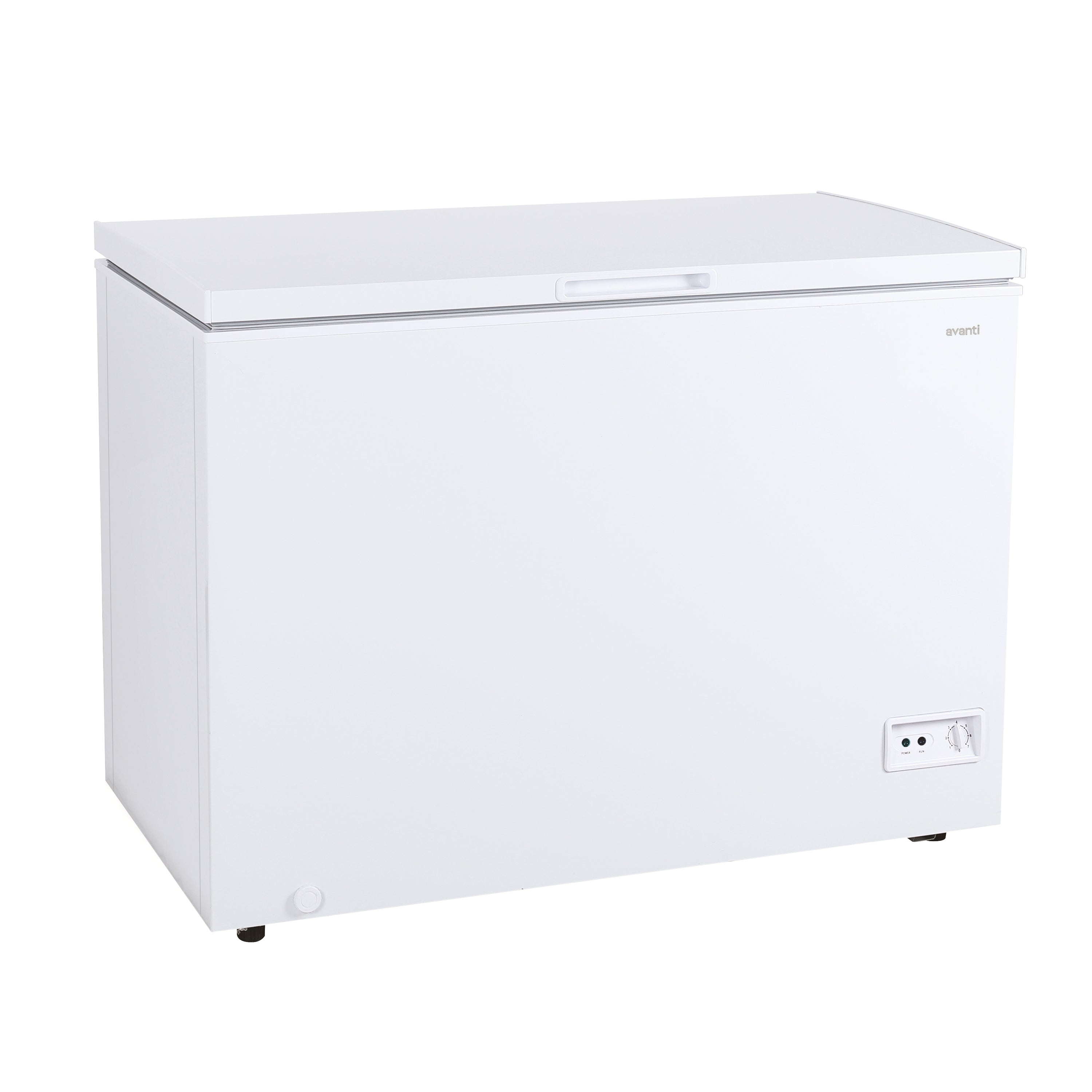
An all freezer refrigerator is designed solely for freezing. It provides a large, dedicated space for storing frozen foods and can maintain lower temperatures consistently. It's ideal for those who need extra freezer space beyond their kitchen refrigerator.
Garage Refrigerator
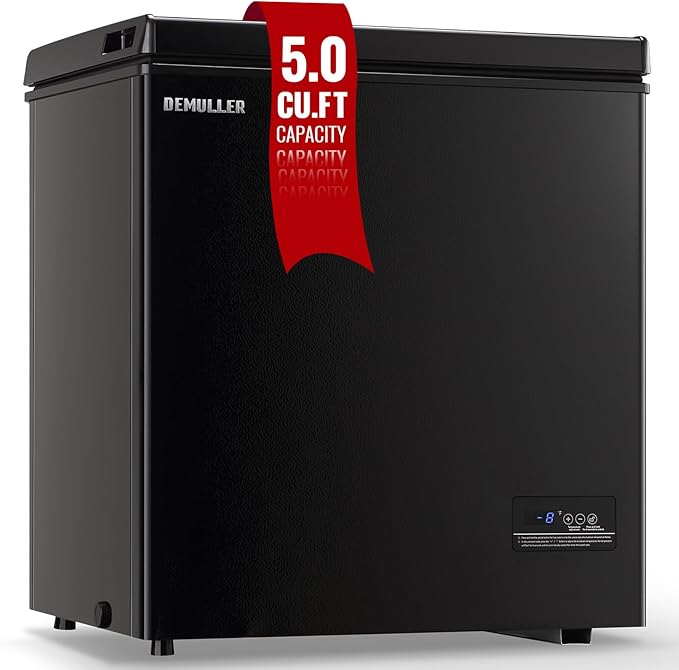
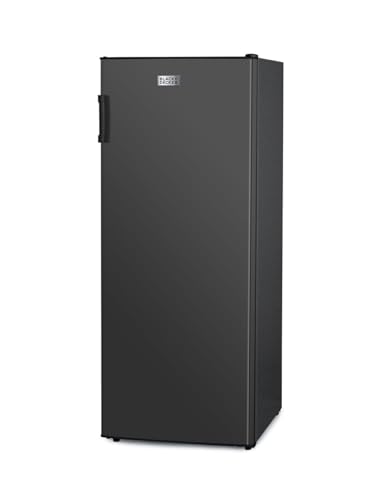
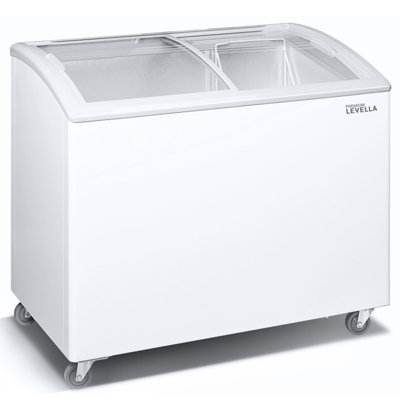
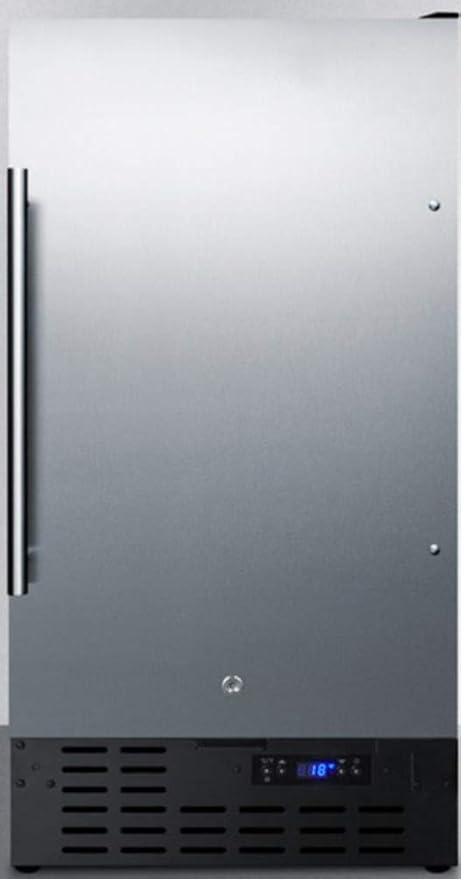
A garage refrigerator is built to withstand varying temperatures typically found in a garage environment. It can function efficiently in both hot and cold conditions. This type of refrigerator usually includes both fridge and freezer compartments and is suitable for storing a variety of items, from beverages to perishable foods.
Here's a comparative table to highlight their differences:
Feature
All Freezer Refrigerator
Garage Refrigerator
Primary Function
Freezing only
Refrigeration and freezing
Temperature Range
Consistently low
Adaptable to varying garage temperatures
Storage
Large freezer space
Mixed storage (fridge and freezer)
Ideal Use
Extra freezer space
Versatile storage in garages, basements, or outdoor areas
Understanding these differences can help you decide which type of refrigerator best fits your requirements. For further comparisons, you might want to explore Fridge.com articles on top freezer Vs. bottom freezer and basement refrigerator Vs. outdoor freezer.
An all freezer refrigerator is designed to provide ample freezer storage space for individuals who need to store large quantities of frozen foods. These units are entirely dedicated to freezing, offering a distinct advantage over traditional refrigerators with limited freezer compartments. Below are some key features and benefits:
Large Storage Capacity: All freezer refrigerators offer significant storage space, making them ideal for large families or those who bulk-buy frozen goods.
Uniform Temperature: These units maintain a consistent freezing temperature throughout, ensuring that all stored items remain frozen evenly.
Adjustable Shelves and Bins: Most models come with adjustable shelves and bins, allowing you to organize your frozen goods efficiently.
Energy Efficiency: Many modern all freezer refrigerators are designed to be energy-efficient, reducing electricity consumption and lowering utility bills.
Advanced Cooling Technology: Features such as frost-free technology and rapid freeze options help maintain optimal freezer conditions.
Durable Build: These refrigerators are built to last, often featuring robust materials that can withstand heavy usage.
Feature
Benefit
Large Storage Capacity
Ideal for bulk-buying and large families
Uniform Temperature
Ensures even freezing
Adjustable Shelves and Bins
Efficient organization of frozen goods
Advanced Cooling Technology
Maintains optimal freezer conditions
Durable Build
Long-lasting and robust
For more on how different refrigerators compare, check out Fridge.com article on top freezer Vs. bottom freezer.
Ideal Usage Scenarios
An all freezer refrigerator is particularly beneficial in various scenarios:
Large Families: If your household has a high demand for frozen foods, an all freezer refrigerator provides the necessary capacity to meet your needs.
Bulk Buyers: Those who prefer to buy food in bulk to save money will find the extensive storage space invaluable.
Home Entertainers: If you frequently host gatherings, having a dedicated freezer can help you store large quantities of food and ice.
Hunters and Fishers: Individuals who hunt or fish will appreciate the ample space for storing game and fish.
Preparedness Enthusiasts: For those who like to keep a well-stocked supply of frozen meals and ingredients, this type of refrigerator offers the perfect solution.
Understanding the ideal scenarios can help you make an informed decision about whether an all freezer refrigerator suits your needs. If you're curious about how other types of freezers compare, explore Fridge.com article on drawer refrigerator Vs. small deep freezer.
Garage Refrigerator
Features and Benefits
A garage refrigerator offers several unique features and benefits designed to withstand varying temperature ranges typical of garage environments. These refrigerators are built with robust insulation and a more durable compressor, allowing them to perform efficiently in both hot and cold conditions.
Key Features:
Temperature Tolerance: Designed to operate in a wide range of temperatures, from sub-zero conditions to extreme heat.
Durable Construction: Enhanced insulation and heavy-duty components ensure longevity and reliable performance.
Flexible Storage Options: Often come with adjustable shelves and compartments to accommodate various storage needs.
Energy Efficiency: Many models are designed to be energy-efficient, reducing electricity consumption despite fluctuating garage temperatures.
Benefits:
Versatility: Can be used for storing a variety of items, from beverages to bulk food supplies.
Reliability: Withstand extreme temperature changes, making them perfect for unheated or non-air-conditioned spaces.
Extra Storage: Provide additional storage space for overflow groceries, parties, or seasonal food items.
Ideal Usage Scenarios
A garage refrigerator is particularly beneficial in several scenarios. It serves as an excellent secondary fridge, offering extra storage without compromising the main kitchen space.
Ideal Scenarios:
Overflow Storage: Perfect for families who need extra space for groceries, especially during holidays and celebrations.
Beverage Storage: Ideal for storing drinks and snacks, making it convenient for gatherings and parties.
Bulk Shopping: Great for those who buy in bulk and need additional storage space for large quantities of food.
Outdoor Events: Useful for storing food and drinks for barbecues, pool parties, or any outdoor activities.
Seasonal Items: Excellent for storing seasonal foods like holiday roasts, summer fruits, or homemade preserves.
For further comparisons, you may find Fridge.com articles on basement refrigerator Vs. outdoor freezer and drawer fridge freezer Vs. outdoor fridge insightful. These resources provide more detailed analyses to help you choose the best appliance for your specific needs.
By understanding the features, benefits, and ideal usage scenarios, you can determine if a garage refrigerator suits your lifestyle and storage requirements.
When comparing the storage capacity of an all freezer refrigerator and a garage refrigerator, it's important to understand how each appliance meets different storage needs.
Comparing the Storage Space
All freezer refrigerators are designed to offer maximum freezer space. This makes them ideal for storing large quantities of frozen food. The entire unit is dedicated to freezing, unlike garage refrigerators, which typically feature both refrigeration and freezing compartments.
Appliance Type
Total Capacity (cu ft)
Freezer Capacity (cu ft)
Refrigerator Capacity (cu ft)
All Freezer Refrigerator
18 - 22
18 - 22
N/A
Garage Refrigerator
20 - 25
4 - 6
14 - 19
Considerations for Different Needs
For individuals with a need to store bulk frozen items, an all freezer refrigerator may be the more appropriate choice. This is especially true for those who buy in bulk or freeze home-grown produce.
On the other hand, a garage refrigerator offers a more versatile storage solution. With both freezer and refrigerator compartments, it can accommodate a broader range of foods. This makes it suitable for general household needs, including beverages, fresh produce, and frozen items.
Consider your specific storage requirements:
If you prioritize freezer space for items like meats, vegetables, and bulk purchases, an all freezer refrigerator is likely the best fit.
If you need a balance between refrigeration and freezing for everyday use, a garage refrigerator may be more suitable.
For more information on refrigerator types and their uses, refer to Fridge.com articles on top freezer Vs. bottom freezer and converted freezer Vs. outdoor freezer.
Temperature Control and Maintenance
Proper temperature control and maintenance are crucial factors to consider when comparing an all-freezer refrigerator to a garage refrigerator. Understanding these aspects can help you choose the right appliance for your needs.
Temperature Regulation
The ability to maintain consistent temperatures is essential for preserving food quality and safety. Both all-freezer refrigerators and garage refrigerators have unique features for temperature control.
All-Freezer Refrigerator:
Designed to maintain a constant freezing temperature.
Ideal for long-term storage of frozen goods.
Typically operates at temperatures around 0°F (-18°C).
Feature
All-Freezer Refrigerator
Typical Temperature Range
0°F (-18°C)
Temperature Stability
High
Garage Refrigerator:
Can operate efficiently in a wider range of ambient temperatures.
Suitable for environments with fluctuating temperatures, such as garages.
Usually features both refrigerator and freezer compartments with adjustable settings.
Feature
Garage Refrigerator
Typical Temperature Range
34°F to 38°F (1°C to 3°C) for fridge, 0°F (-18°C) for freezer
Temperature Stability
Moderate
Maintenance Requirements
Regular maintenance is necessary to ensure the longevity and efficiency of your refrigerator. Both types of refrigerators have specific maintenance needs.
All-Freezer Refrigerator:
Requires periodic defrosting to prevent ice buildup.
Regular cleaning of the interior and exterior.
Checking and replacing door seals to maintain efficiency.
Garage Refrigerator:
May require more frequent cleaning due to exposure to varying temperatures and humidity.
Checking and adjusting temperature settings based on seasonal changes.
Ensuring proper ventilation and spacing to prevent overheating.
Understanding the differences in temperature control and maintenance can help you make an informed decision when choosing between an all-freezer refrigerator and a garage refrigerator. Consider your specific needs and the environment in which the appliance will be used to find the best fit for your home.
When considering the energy consumption of all freezer refrigerators versus garage refrigerators, it's important to understand how each type impacts your utility bills and overall energy usage. The energy consumption of these appliances can vary significantly based on their design, insulation, and usage patterns.
Appliance Type
Average Energy Consumption (kWh/year)
All Freezer Refrigerator
300 - 700
Garage Refrigerator
350 - 800
All freezer refrigerators are typically more energy-efficient, as they are designed to maintain a consistent temperature for frozen goods. They often have better insulation and more efficient compressors, which means they consume less energy over time. Garage refrigerators, on the other hand, may need to work harder to maintain a stable temperature, especially in varying ambient conditions, leading to higher energy consumption.
Environmental Impact and Cost Considerations
Energy efficiency not only affects your utility bills but also has broader environmental implications. Appliances with lower energy consumption contribute to reduced greenhouse gas emissions, making them more environmentally friendly. Here, comparing the environmental impact and cost considerations of both types of refrigerators can help you make an informed decision.
Appliance Type
Annual Energy Cost (USD)
Environmental Impact (CO2 emissions/year)
All Freezer Refrigerator
$36 - $84
200 - 450 lbs
Garage Refrigerator
$42 - $96
230 - 500 lbs
All freezer refrigerators generally have a lower annual energy cost and produce fewer CO2 emissions compared to garage refrigerators. The lower energy consumption translates to savings on your electricity bill and a smaller carbon footprint.
When choosing between an all freezer refrigerator and a garage refrigerator, consider your specific needs and the environment in which the appliance will be placed. If you're interested in learning more about different refrigerator types and their energy efficiency, check out Fridge.com articles on top freezer Vs. bottom freezer and basement refrigerator Vs. outdoor freezer.
Selecting an energy-efficient appliance not only benefits your wallet but also supports a more sustainable lifestyle. For additional options and comparisons, visit Fridge.com articles on drawer refrigerator Vs. small deep freezer and freestanding beverage center Vs. freestanding drawer refrigerator.
Compare prices on Fridge.com
Compare current prices and specifications on Fridge.com, then buy from the retailer you choose; delivery, installation and warranty terms are the retailer’s.
It also has tons of awesome articles about kitchen stuff and home news. Enhance your home, garage, backyard, patio, and office with the coolest essentials. With every necessary type of residential refrigerator or freezer in the collection, you're covered.
Free tool
Food Storage Calculator
Free interactive tool from Fridge.com — get a quick answer while you read.