Choosing the right fridge for your space boils down to a few key things: what you need to store, how much room you have, and what kind of stuff you're keeping cool. Let's break down how fridges fit into different spots and compare basement fridges with beverage centers.
Fridges in Different Spaces
Fridges aren't just for kitchens anymore. They pop up in all sorts of places, each with its own needs:
Homes: Your standard fridge handles everything from veggies to leftovers.
Basements: Great for extra storage when your kitchen fridge is bursting at the seams.
Offices: Smaller fridges or beverage centers keep drinks and snacks handy for the team.
Garages and Entertainment Areas: Beverage centers are perfect for keeping drinks cold and within reach during parties.
Your choice depends on what you need to store, how much space you have, and what’s most convenient for you.
Basement Fridge Vs. Beverage Center: What's the Difference?
When you're stuck between a basement fridge and a beverage center, here's what you need to know:
Feature
Basement Fridge
Beverage Center
Main Use
Extra storage for perishables
Drinks and snacks
Temperature
35°F - 38°F
40°F - 55°F
Size
Bigger, 18-25 cu. ft.
Smaller, 2-5 cu. ft.
Space Needed
More room
Compact, fits under counters
Upkeep
Needs regular defrosting
Easy maintenance
Looks
Basic
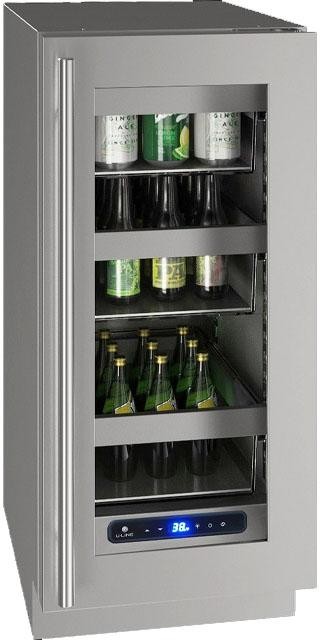
Stylish, often with glass doors
Basement Fridges:
Pros: Lots of space for bulk items and perishables. Perfect for big families.
Cons: Takes up more room and uses more energy.
Beverage Centers:
Pros: Small, energy-efficient, and great for drinks. Adds a cool look to your space.
Knowing these differences helps you pick the right fridge for your needs, whether you care more about storage space, saving energy, or style.
Basement Refrigerator Explained
Why You Need a Fridge in the Basement
Got a big family or love throwing parties? A basement fridge is your new best friend. It gives you extra space to stash bulk buys, seasonal goodies, or just a ton of drinks. Imagine not having to cram everything into your kitchen fridge. Sweet, right?
With a basement fridge, you can organize your food better and cut down on those annoying grocery runs. Plus, it's perfect for stuff that needs different temps—like keeping your drinks cool but not frozen.
If you're into brewing your own beer or making homemade jams, a basement fridge is a game-changer. It offers a controlled space for fermenting and storing your creations.
Benefit
What's in it for you?
Extra Storage
More room for bulk buys and seasonal treats.
Better Organization
Separate spots for different foods and drinks.
Convenience
Fewer grocery trips and easy access to your stash.
Controlled Environment
Perfect for homebrewers and DIY food preservers.
Things to Think About Before You Install
Before you go all in on a basement fridge, there are a few things to check out. First, make sure you've got enough space. Measure your basement area and compare it to the fridge size. You don't want it blocking your way.
Next up, electrical stuff. Make sure your basement has a power outlet that can handle the fridge. You might need an electrician to make sure everything's safe and up to code.
Don't forget about ventilation and humidity. Your fridge needs to breathe, so good airflow is a must. High humidity can mess with your fridge, so a dehumidifier might be a good idea.
Accessibility is key. You need to be able to get to your fridge easily for restocking and grabbing stuff. If your basement has tight stairs or doorways, think about how you'll get the fridge down there.
Lastly, think about noise. Some fridges can be pretty loud, which might be a problem if your basement is also a hangout spot.
Consideration
What to Check
Space Availability
Measure your space and make sure the fridge fits.
Electrical Requirements
Check for suitable power outlets and circuit capacity.
Ventilation & Humidity
Ensure good airflow and consider a dehumidifier.
Accessibility
Make sure you can easily get the fridge in and out.
Noise Level
Think about noise, especially if your basement is a living or entertainment area.
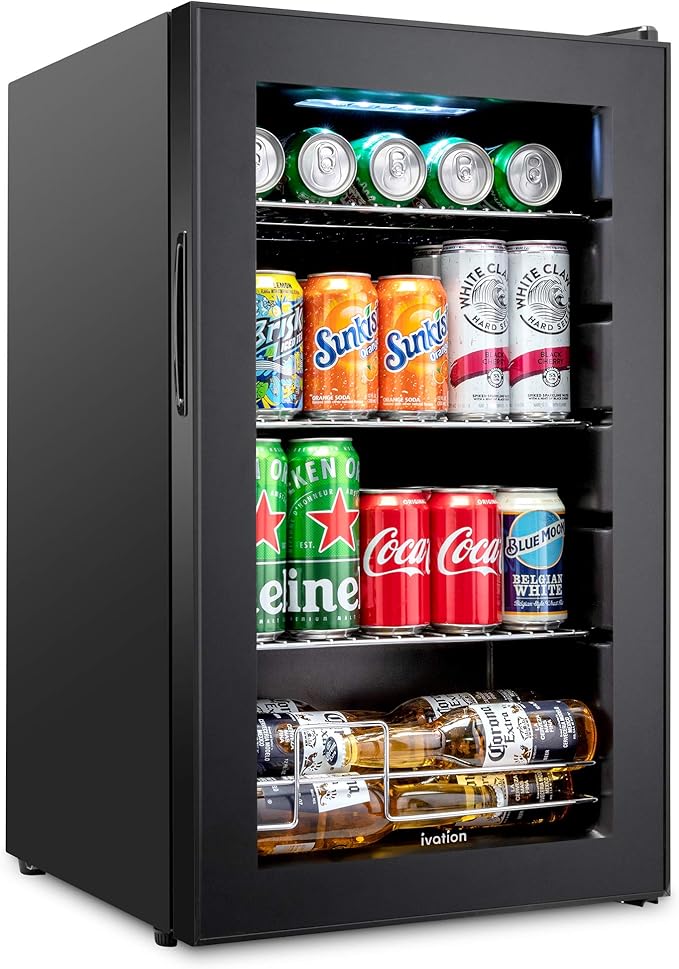
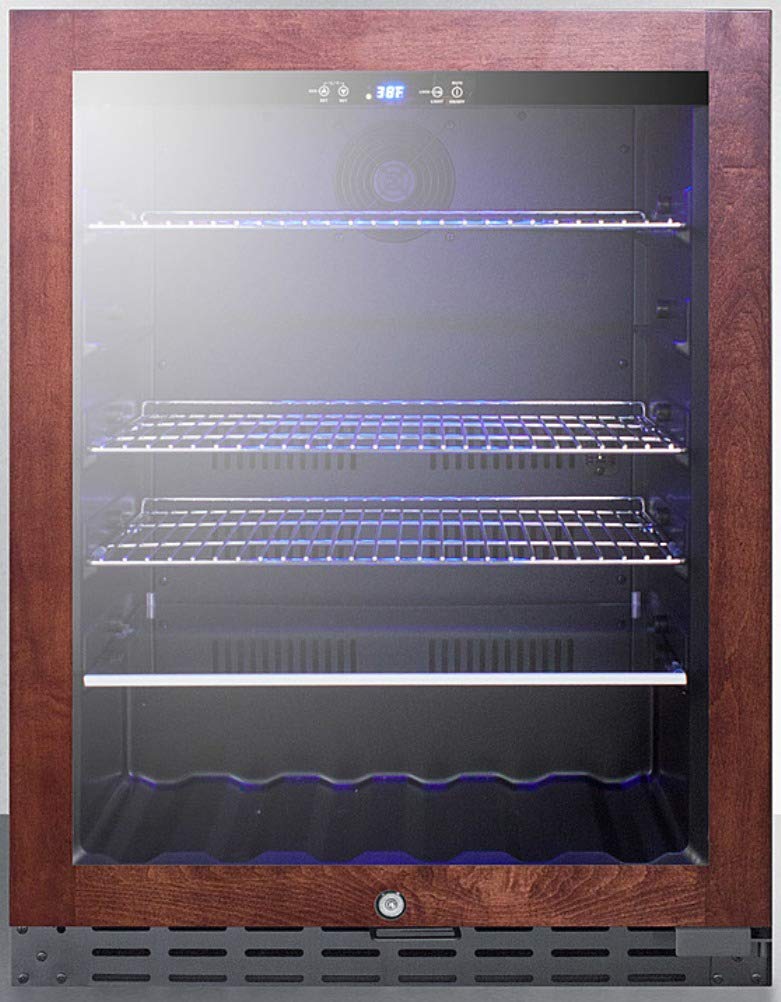
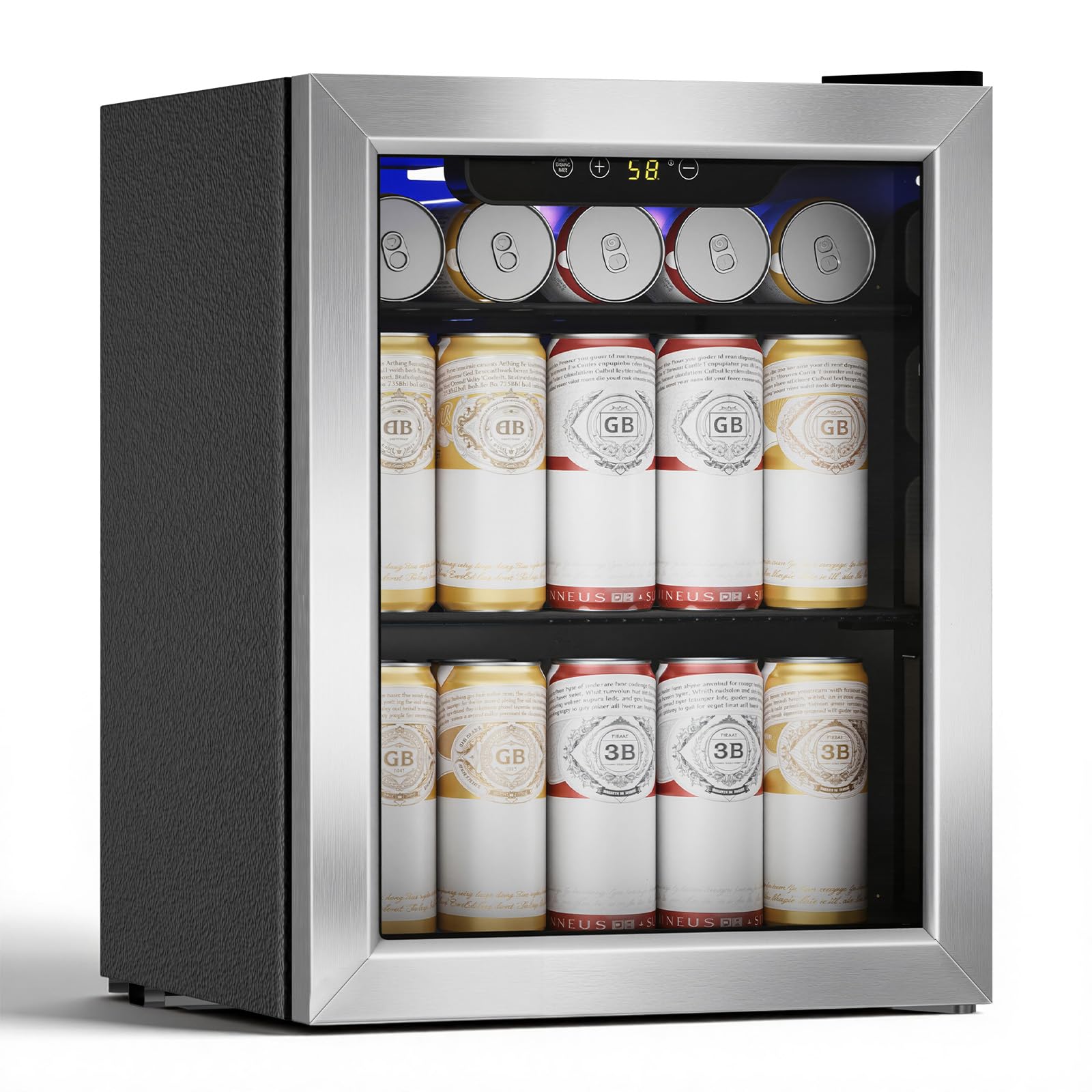
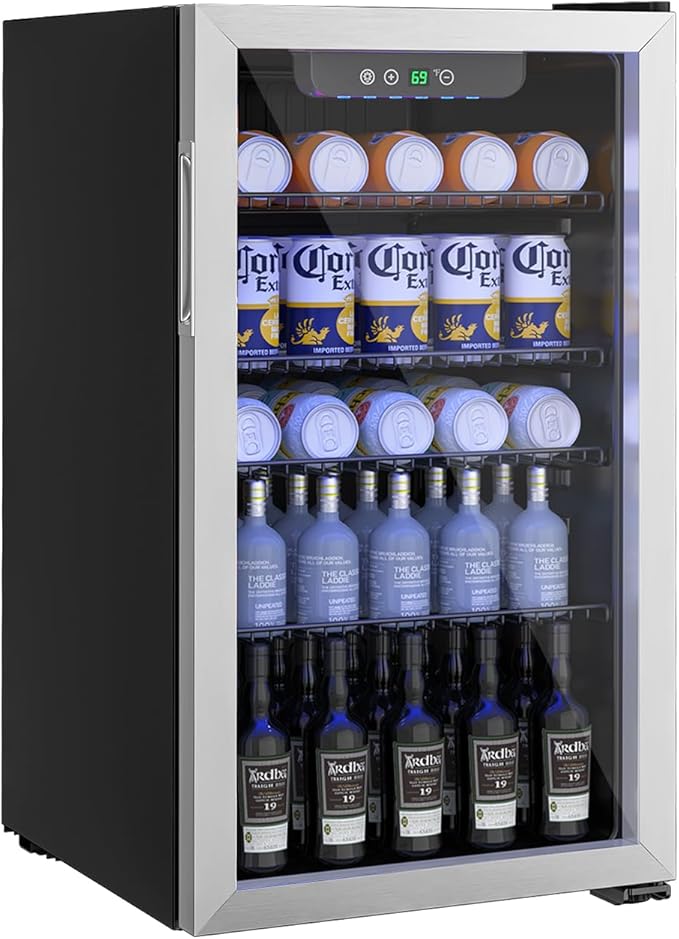
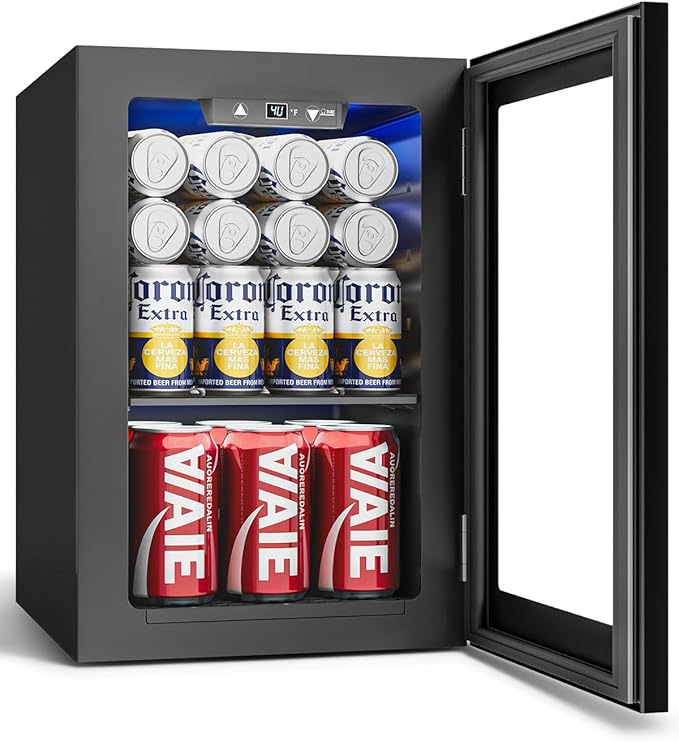
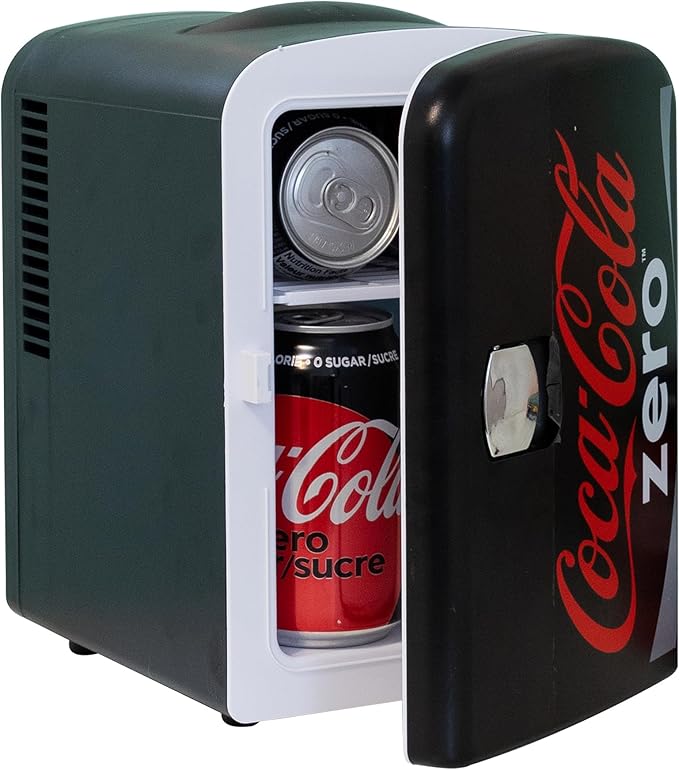
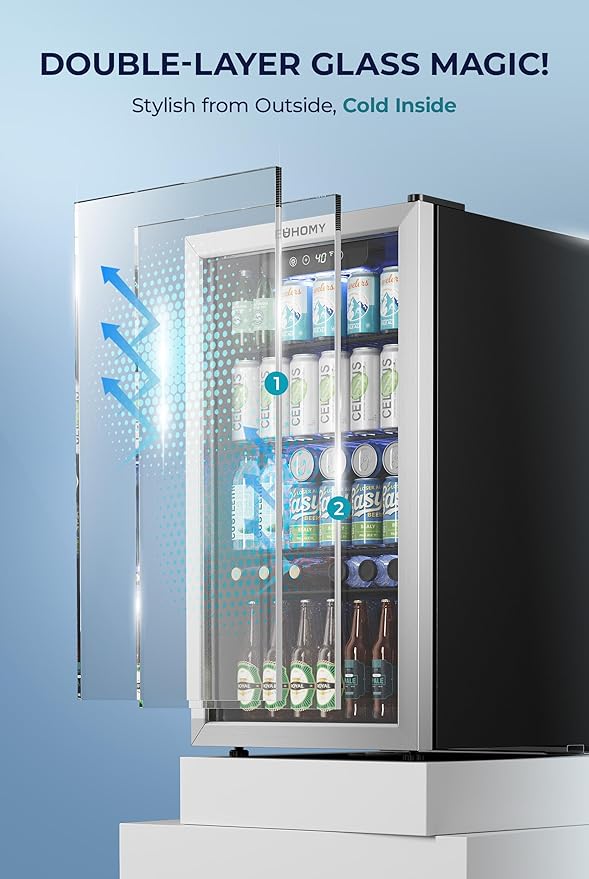
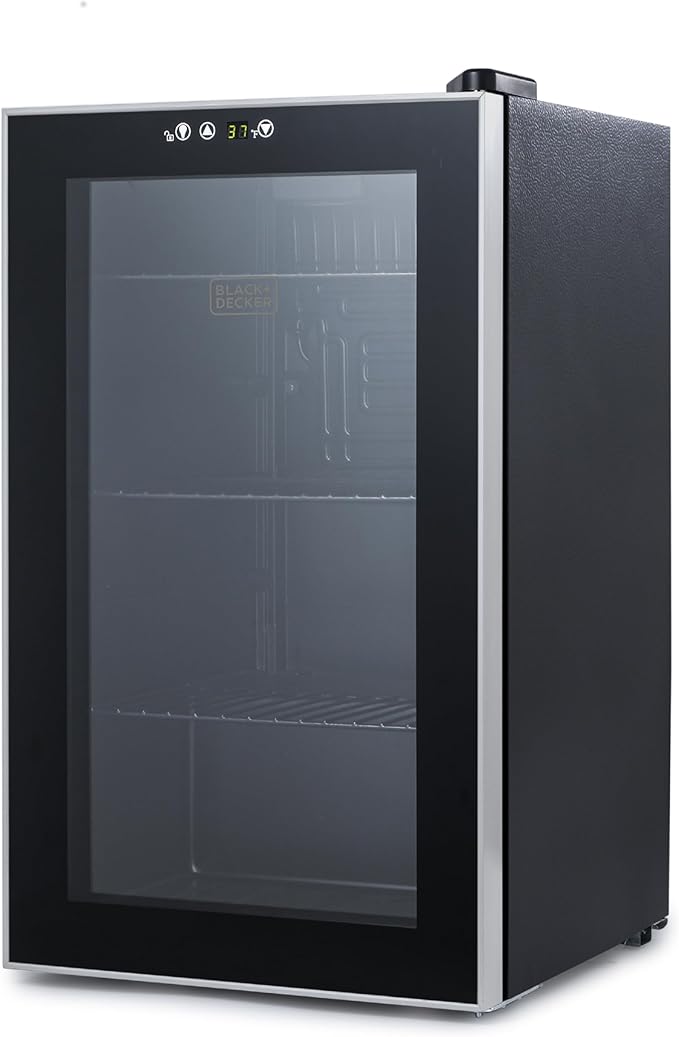
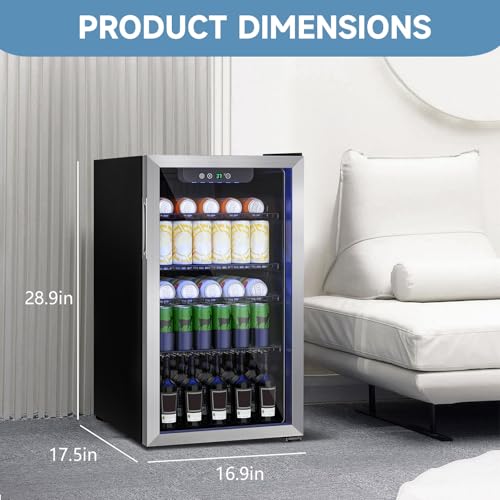
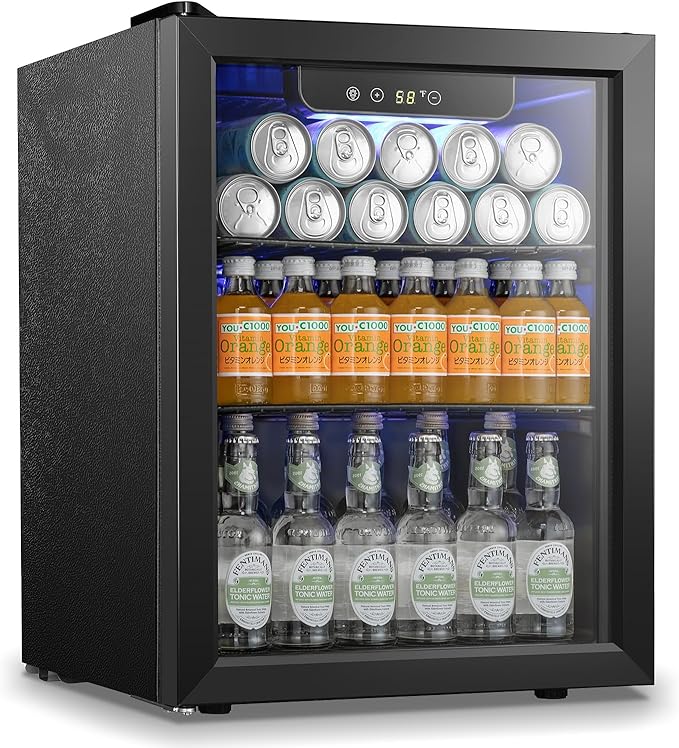
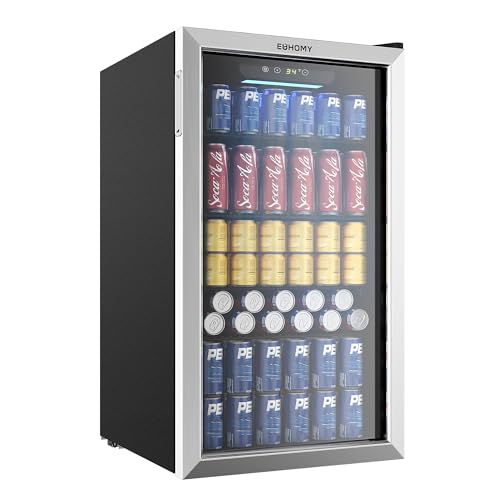
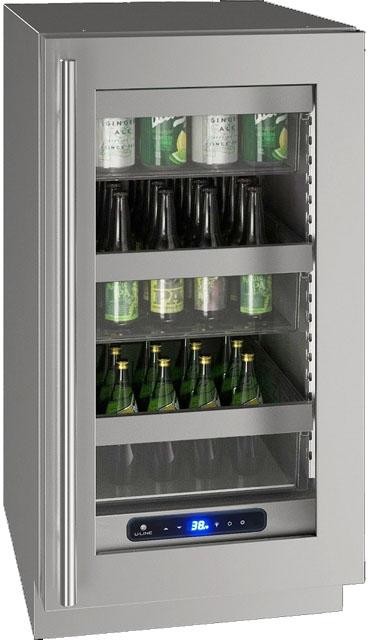
A beverage center is like a mini-fridge but cooler (pun intended). It's designed specifically for drinks—think soda, beer, wine, and bottled water. Unlike your regular fridge, this bad boy is all about keeping your beverages at the perfect chill. They come in different sizes and setups, so you can store a variety of drinks just the way you like them.
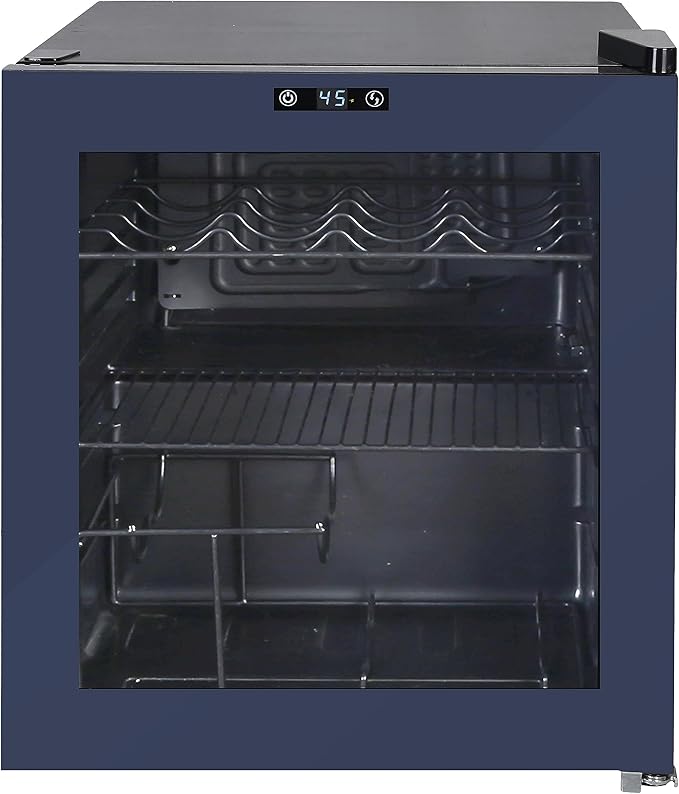
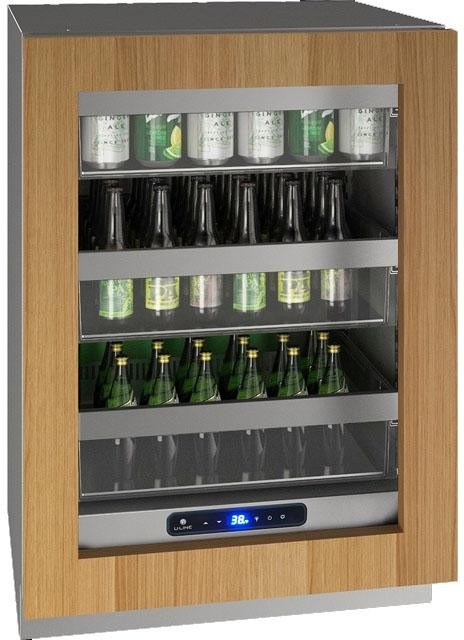
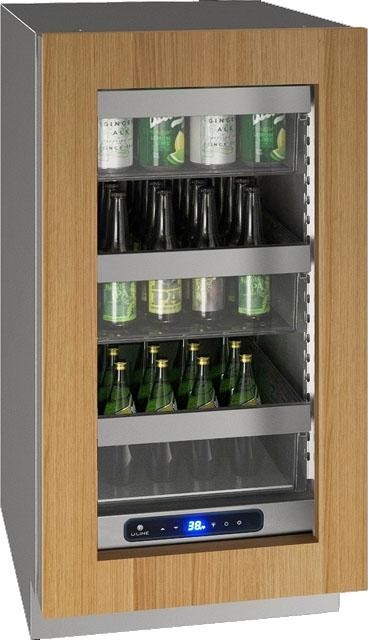
Most beverage centers have glass doors, adjustable shelves, and digital temperature controls. These features make it super easy to organize and grab your favorite drink. Want to know how a beverage center stacks up against a fridge-freezer combo? Check out Fridge.com article on beverage center Vs. fridge freezer combo.
Why You Need a Beverage Center
If you love hosting parties or have a big family, a beverage center is a game-changer. Here’s why:
Perfect Storage: These units are designed to store all kinds of drinks efficiently. With adjustable shelves and special racks, you can easily organize and access your beverages.
Temperature Control: Beverage centers come with precise temperature settings, so your drinks are always at the perfect chill. Wine lovers, this one's for you—different wines need different temps, and this unit has you covered.
Space-Saver: Smaller than your typical fridge, beverage centers fit perfectly in apartments, offices, and basements. You can even integrate them into your cabinets for a sleek look.
Stylish Look: With their modern designs and glass doors, beverage centers add a touch of class to any room. They let you show off your drink collection, making them a highlight in your kitchen or entertainment area.
Energy Efficient: Many beverage centers are built to be energy-efficient, so you can keep your drinks cold without jacking up your electricity bill.
Understanding the perks of a beverage center can help you decide if it’s the right fit for you. Whether you’re all about optimized storage, precise temperature control, or a sleek look, a beverage center offers a specialized solution for keeping your drinks perfectly chilled and easy to grab.
Picking between a basement fridge and a beverage center isn't just about what looks cool. It's about figuring out what fits your space and how you plan to use it. Let's break it down.
What to Think About When Choosing Between a Basement Fridge and Beverage Center
When you're stuck between a basement fridge and a beverage center, keep these things in mind:
1. Storage Needs:
Basement Fridge: Great for stashing big stuff like gallon jugs, leftovers, and all your perishables.
Beverage Center: Made for drinks—cans, bottles, and sometimes wine.
2. Space Availability:
Basement Fridge: Takes up more room because it's bigger and holds more.
Beverage Center: Smaller and fits into tighter spaces.
3. How Often You Use It:
Basement Fridge: Best for stuff you don't need all the time, perfect for long-term storage.
Beverage Center: Handy for drinks you grab often, great for the kitchen or entertainment areas.
4. Temperature Settings:
Basement Fridge: Offers a range of temps for different foods.
Beverage Center: Usually set for the best drink temps.
Installation and Space Requirements
Getting the setup right is key for both basement fridges and beverage centers. Here's what you need to know:
Feature
Basement Fridge
Beverage Center
Size
Bigger, needs more room
Smaller, fits in tight spots
Ventilation
Needs space around it to breathe
Needs less ventilation space
Access
Usually in out-of-the-way places like basements
Often in easy-to-reach spots like kitchens or living rooms
Power
Needs its own power outlet
Uses a standard power outlet
Flooring
Should be on a level, stable floor
Can go on countertops or built into cabinets
When you're setting it up, make sure there's enough space around the unit for air to flow and for you to get to it for maintenance. For more detailed comparisons, check out articles like freestanding wine cooler Vs. office freezer and beverage center Vs. fridge freezer combo.
By thinking about these factors, you can pick the right fridge for your needs, making sure it works well and fits perfectly in your space.
Choosing between a basement refrigerator and a beverage center? Let's break down their cooling powers and storage perks to see which one fits your needs best.
Cooling Capabilities of Basement Refrigerators and Beverage Centers
These two appliances have different ways of keeping things cool, which affects how well they store your food and drinks.
Basement Refrigerators
Basement refrigerators are like the Swiss Army knives of cooling. They handle a wide range of temperatures, perfect for everything from milk to leftovers. Plus, you can tweak the settings to get just the right chill.
Feature
Basement Refrigerator
Temperature Range
32°F - 40°F
Cooling Mechanism
Compressor-based
Adjustable Settings
Yes
Beverage Centers
Beverage centers are the cool kids on the block, designed specifically for drinks. They keep your beverages at the perfect sipping temperature, thanks to their narrower temperature range.
Feature
Beverage Center
Temperature Range
40°F - 55°F
Cooling Mechanism
Thermoelectric or Compressor-based
Adjustable Settings
Yes
Want more on cooling mechanisms? Check out Fridge.com article on freestanding wine cooler Vs. office freezer.
Storage Options and Configurations
How you store your stuff matters. Let's see how these two stack up.
Basement Refrigerators
Basement refrigerators are storage champs. They come with adjustable shelves, crisper drawers, and door bins, making them super versatile for all kinds of food.
Feature
Basement Refrigerator
Shelves
Adjustable
Crisper Drawers
Yes
Door Bins
Yes
Bottle Storage
Limited
Beverage Centers
Beverage centers are all about efficiency. They have specialized racks for bottles and cans, making it easy to grab a drink without digging around.
Feature
Beverage Center
Shelves
Fixed or Adjustable
Crisper Drawers
No
Door Bins
No
Bottle Storage
Optimized
For more on storage setups, see Fridge.com comparison of beverage center Vs. fridge freezer combo.
Making the Choice
So, what's it gonna be? If you need a versatile fridge for all kinds of food, go for the basement refrigerator. If you're all about keeping your drinks perfectly chilled, a beverage center is your best bet. Think about what you store most and pick the one that fits your lifestyle.
Energy Efficiency and Maintenance
Energy Consumption of Basement Refrigerators Vs. Beverage Centers
Deciding between a basement fridge and a beverage center? Let's talk energy use. These appliances have different needs based on size, usage, and what they're cooling.
Appliance Type
Average Annual Energy Consumption (kWh)
Basement Refrigerator
400 - 600
Beverage Center
150 - 300
Basement fridges usually gulp more energy because they're bigger and need to keep a variety of foods cold. Beverage centers, designed mainly for drinks, often have more efficient cooling systems. Curious about other refrigeration options? Check out Fridge.com article on counter depth refrigerator Vs. small freezer chest.
Maintenance Tips for Optimal Performance
Want your basement fridge or beverage center to last? Keep it running smoothly with these tips:
Clean the Coils: Dusty coils make your appliance work harder. Give them a good clean every six months.
Check the Seals: Make sure the door seals are tight. A loose seal means more energy use.
Defrost Regularly: No auto-defrost? No problem. Manually defrost to avoid ice buildup.
Set the Right Temperature: For basement fridges, aim for 35°F to 38°F. Beverage centers do best between 40°F and 50°F.
Keep it Full: A full fridge or beverage center holds its temp better. Just don't overstuff it—air needs to circulate.
For more detailed tips, visit Fridge.com article on freestanding wine cooler Vs. office freezer.
By knowing the energy use and upkeep needs of basement fridges and beverage centers, you can pick the right one for you and keep it running efficiently. Want more comparisons? Check out beer fridge Vs. beverage refrigerator to find the best fit for your space.
Choosing Between a Basement Fridge and a Beverage Center
Picking between a basement fridge and a beverage center isn't just about keeping things cold. It's also about how they look and fit into your space. Let's break it down.
Basement Refrigerator:
Size and Bulk: These bad boys are usually bigger, so they can hold more than just drinks. Great for storing extra groceries, but they can be a bit of a space hog.
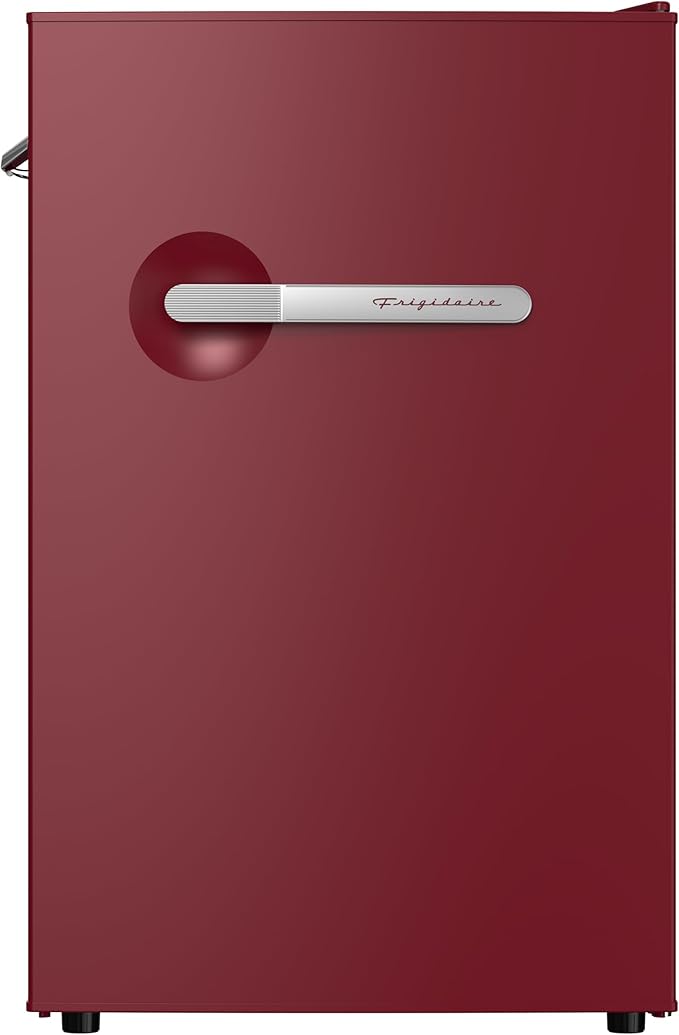
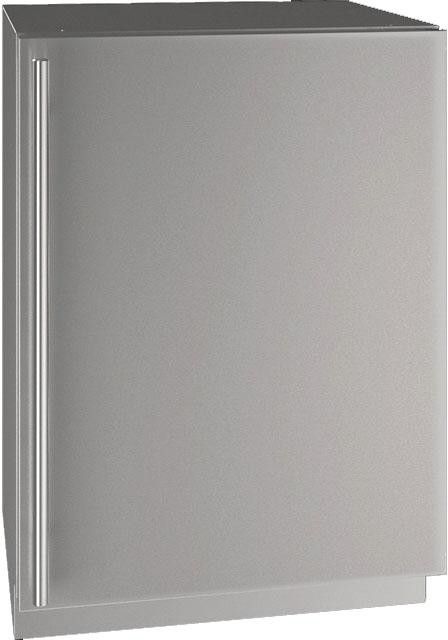
Appearance: Think basic and functional. They often have that classic fridge look, which might not win any style points in a swanky basement.
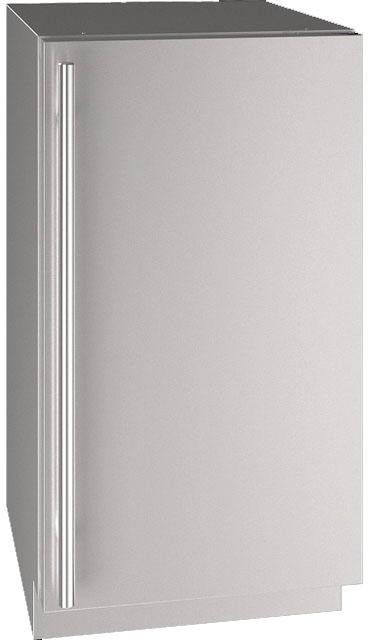
Color and Finish: You can find them in stainless steel, white, or black. So, there's some room to match your decor, but don't expect miracles.
Beverage Center:
Compact Design: Smaller and sleeker, these are made just for drinks. They look good doing it, too.
Glass Doors: Many come with glass doors, so you can show off your drink collection. Plus, it's easy to see when you're running low on your favorite brew.
Lighting: LED lights inside can make your drinks look like they're on display at a fancy bar.
Fitting It Into Your Space
How you fit a basement fridge or beverage center into your setup can make a big difference.
Basement Refrigerator:
Placement: Because they're big, you'll need to find a spot that doesn't mess up the flow of your basement.
Utility Rooms: Perfect for unfinished or utility areas where looks aren't a big deal.
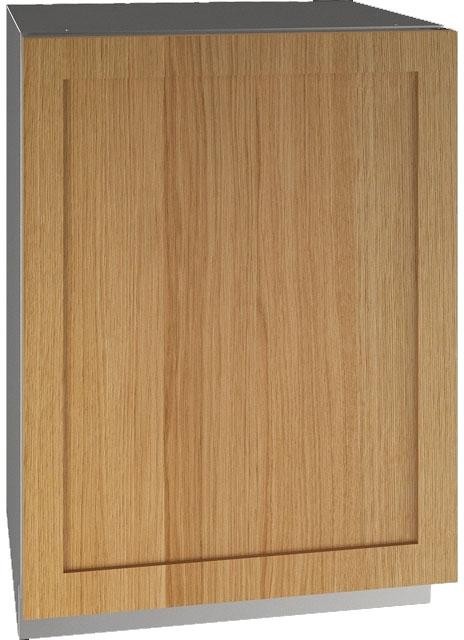
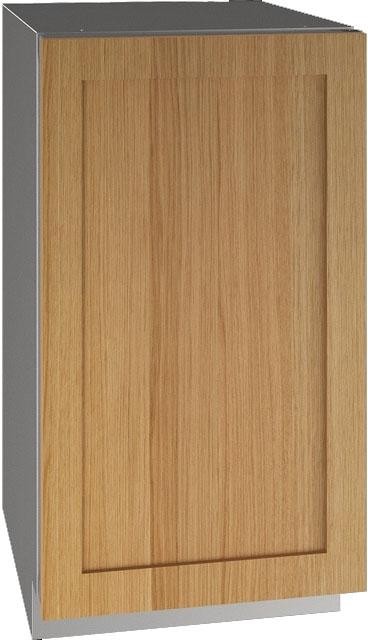
Cabinetry and Panels: If your basement is all done up, you can use custom cabinets or panels to make the fridge blend in better.
Beverage Center:
Flexible Placement: These are easier to fit into tight spots, like under counters or in small nooks.
Bar Areas: Ideal for home bars or entertainment spaces, adding a bit of class and convenience.
Decorative Elements: You can jazz them up with custom shelves, bar stools, or even a wine rack.
Feature
Basement Refrigerator
Beverage Center
Size
Bigger, more storage
Smaller, just for drinks
Design Focus
Function over form
Stylish and showy
Door Type
Solid door
Glass door
Ideal Placement
Utility rooms
Home bars, entertainment areas
Customization
Cabinets and panels
Decorative touches
Think about these factors to pick the one that fits your space best. Want more tips on refrigeration options? Check out Fridge.com articles on freestanding wine cooler Vs. office freezer and beverage center Vs. fridge freezer combo.
Compare prices on Fridge.com
Compare current prices and specifications on Fridge.com, then buy from the retailer you choose; delivery, installation and warranty terms are the retailer’s.
It also has tons of awesome articles about kitchen stuff and home news. Enhance your home, garage, backyard, patio, and office with the coolest essentials. With every necessary type of residential refrigerator or freezer in the collection, you're covered.
Frequently Asked Questions
A beverage center is like a mini-fridge but cooler (pun intended). It's designed specifically for drinks—think soda, beer, wine, and bottled water. Unlike your regular fridge, this bad boy is all about keeping your beverages at the perfect chill. They come in different sizes and setups, so you can store a variety of drinks just the way you like them. Most beverage centers have glass doors, adjustable shelves, and digital temperature controls. These features make it super easy to organize and grab your favorite drink. Want to know how a beverage center stacks up against a fridge-freezer combo? Check out Fridge.com article on beverage center Vs. fridge freezer combo.