A quality outdoor freezer lasts 8 to 15 years depending on weather exposure and maintenance diligence, with quarterly coil cleaning and monthly gasket checks recommended.
Outdoor freezers typically provide ample space with deep shelves and bins, ideal for bulk storage of frozen items.
Small retro-styled pink mini fridges start around $100 to $200, though build quality at that level is often basic, with thin exteriors and limited insulation.
Outdoor freezers carry a 50 to 100 percent premium over indoor equivalents, reflecting genuine engineering differences.
An outdoor freezer and a pink fridge solve two very different problems. An outdoor freezer holds frozen food at 0°F to -10°F while withstanding ambient temperatures from 0°F to 110°F, rain, humidity, and direct sun; a pink fridge is a standard indoor refrigerator — 35°F to 38°F in the fresh food section, 0°F in the freezer — chosen for its powder-coated retro color rather than rugged performance. One is weather-rated frozen storage for patios, garages, and outdoor kitchens; the other is a design statement that functions identically to any refrigerator in its size class. Here is how the two compare on temperature control, capacity, energy use, price, installation, and maintenance.
Outdoor Freezer vs. Pink Fridge: Key Differences at a Glance
Feature
Outdoor Freezer
Pink Fridge
Primary Function
Frozen storage (weather-rated)
Fresh food + freezer (style-focused)
Interior Temperature
0°F to -10°F
35–38°F fridge / 0°F freezer
Ambient Temp Rating
0–110°F (outdoor)
50–95°F (indoor)
Weather Resistance
Full (rain, sun, humidity)
None (indoor only)
Aesthetic Value
Minimal (utilitarian)
High (design statement)
Outdoor Freezers
What Is an Outdoor Freezer?
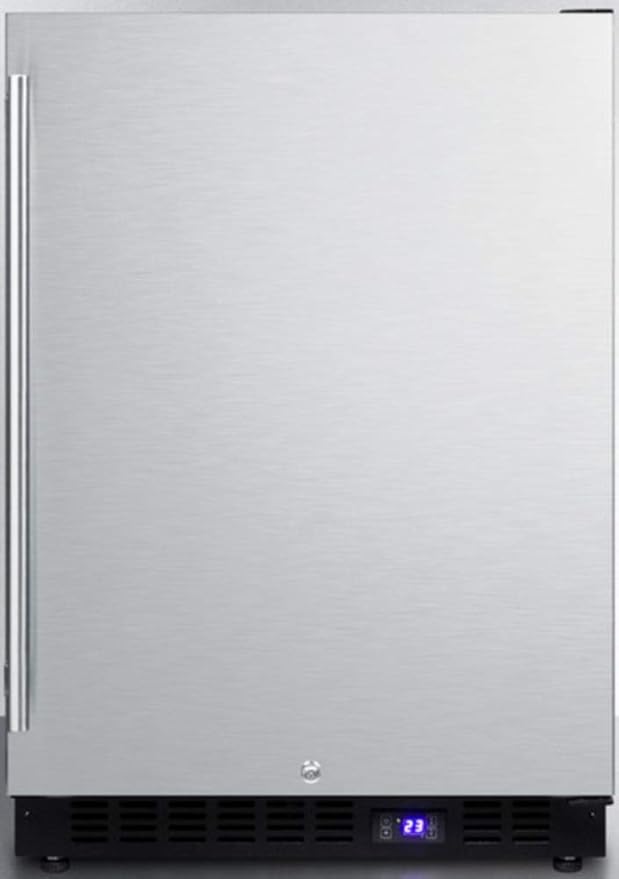
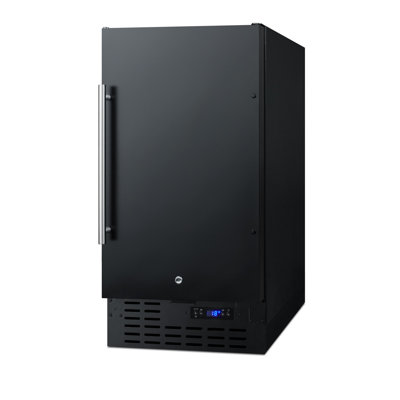
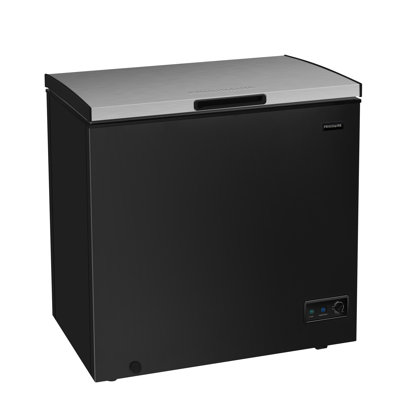
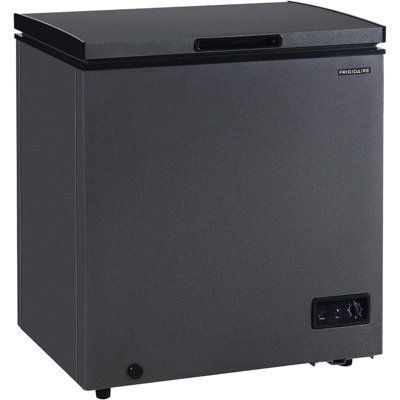
An outdoor freezer is a dedicated frozen food storage appliance built to operate reliably in exterior environments where it faces direct sunlight, rain, humidity, wind, dust, and ambient temperatures from well below freezing to over 100°F. Weatherproof construction includes marine-grade 304 or 316 stainless steel or heavy-gauge powder-coated steel rated for UV and moisture exposure, reinforced lid or door gaskets that seal against weather infiltration, stainless or zinc-plated hinges that resist rust, and compressors calibrated to hold target temperatures across a far wider ambient range than indoor units — typically 0°F to 110°F.
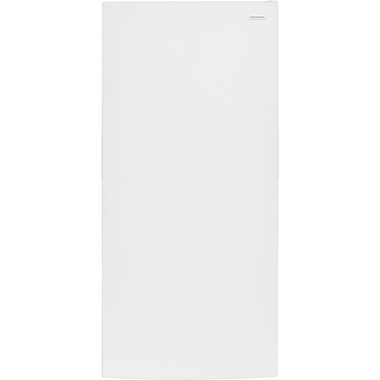
Outdoor freezers come in both chest and upright configurations. Chest models are more common outdoors because their top-opening design naturally sheds rain and prevents water pooling on the opening mechanism. Capacities range from compact 5-cubic-foot models for patio kitchens up to 20-cubic-foot units for serious outdoor storage, and the units maintain 0°F to -10°F inside whether they sit in a shaded garage, under a covered patio, or beside an outdoor kitchen island. They are a staple for households with outdoor kitchens as well as hunters, fishermen, and gardeners who need frozen storage in garages, workshops, barns, or outbuildings where indoor-rated appliances would fail.
Features and Benefits of Outdoor Freezers
Key Features
Benefits
Weather-resistant construction
Durable in various climates
Locking mechanisms
Security for stored items
Frost-free operation
Low maintenance and easy defrosting
Outdoor freezers are designed to withstand the elements, offering features such as weather-resistant exteriors and UV protection. They often come with locking mechanisms to keep your frozen goods secure. Energy-efficient models are available, which can help reduce your electricity bill and environmental footprint. Moreover, many outdoor freezers are equipped with frost-free technology, which prevents the buildup of ice, saving you time and effort in maintenance. Drain systems are designed to handle condensation without pooling, and electrical connections meet outdoor-rated safety standards with ground fault protection.
Considerations for Installing an Outdoor Freezer
Installing an outdoor freezer requires careful planning to ensure that it operates efficiently and safely. Here are some considerations to keep in mind:
Consideration
Details
Location
Choose a shaded area to reduce energy consumption
Power source
Ensure access to a suitable electrical outlet
Ventilation
Allow enough space for air circulation to prevent overheating
Protection
Consider using a cover to shield from harsh weather when not in use
Selecting the right location is crucial. It's best to place the freezer in a shaded or covered area to keep it out of direct sunlight, which can lead to increased energy use. Make sure there's an accessible power source nearby, and always use an outdoor-rated electrical outlet. Proper ventilation is important to prevent the freezer from overheating — leave three to four inches of clearance on all sides per manufacturer specifications, and if the unit will sit under a countertop or inside a built-in outdoor kitchen island, confirm it is front-venting rather than rear- or side-vented. Position the freezer on a level, well-drained surface away from standing water, and protect the power cord from weather exposure and foot traffic. To further protect your investment, you might consider using a weatherproof cover to shield the freezer from harsh weather conditions when it's not in use.
A pink fridge is a refrigerator finished in a pink exterior color, ranging from soft pastel blush to vibrant hot pink and retro bubblegum shades, and it is available as a compact mini fridge, a full-size top freezer model, or a retro-styled unit inspired by 1950s design. The pink color is typically achieved through powder-coated metal finishes, custom paint, or factory-applied colored panels over the standard steel cabinet; retro appliance brands have made pink one of the most popular alternative colors alongside mint green, robin egg blue, and cherry red.
Beyond the color, a pink fridge functions identically to any other refrigerator in its configuration class. A full-size pink top freezer model provides the same 18 to 22 cubic feet of capacity, the same 35°F to 38°F fresh food section and 0°F freezer, and the same shelving, crisper drawers, and door bins as its white, black, or stainless counterpart — the compressor, thermostat, and insulation are standard regardless of exterior finish. What you pay a premium for is the look, which is why pink fridges frequently appear in bakeries, ice cream shops, beauty salons, boutique retail spaces, and kitchens built around retro or cottagecore themes.
Features and Benefits of Pink Fridges
Visual Appeal: A pink fridge can serve as the focal point in your space, adding a vibrant and playful touch to the environment.
Versatility: These fridges often come in a range of styles, from vintage to modern, fitting different aesthetics.
Customization: Some models offer customizable features like adjustable shelving and reversible door hinges to suit your specific needs.
Energy Efficiency: Many contemporary pink fridges are designed with energy-saving technology, reducing your carbon footprint and utility bills.
When it comes to selecting a pink fridge, consider the various design elements that will complement your space and meet your storage needs. Explore Fridge.com comparison articles like narrow refrigerator vs. pink fridge for insights on how to choose the right fit for your home.
Considerations for Stylish Refrigeration with Pink Fridges
Before you decide to brighten up your kitchen or entertainment area with a pink fridge, there are several factors you should consider:
Space: Measure your available space to ensure the fridge fits comfortably, with enough room for door clearance and ventilation.
Capacity: Think about your storage needs. How much space do you need for your groceries? Check the interior specifications to match your requirements.
Maintenance: Are the surfaces easy to clean? Look for models with smooth finishes to make upkeep a breeze.
Complementary Decor: Consider other elements in your room. A pink fridge should enhance your decor, not clash with it.
Budget: While pink fridges can be a stylish addition, ensure that the cost aligns with your budget without compromising on essential features.
For more detailed comparisons and considerations on various fridge styles, review articles like freestanding wine cooler vs. pink fridge to help inform your decision-making process.
Outdoor freezers are designed to withstand external temperatures and provide consistent cooling even in fluctuating weather. They usually feature robust insulation and powerful compressors to maintain low temperatures, making them highly efficient for storing frozen goods over long periods.
Feature
Outdoor Freezer
Pink Fridge
Temperature Range
-10°F to 10°F
35°F to 42°F
Insulation
Thick, weather-resistant
Standard for indoor use
The engineering difference shows up in the ambient rating. An outdoor freezer's compressor increases output during extreme heat to hold 0°F inside when the surrounding air exceeds 100°F, and modulates down in cold weather to prevent over-cooling that could damage the thermostat cycling mechanism. Thicker insulation and tighter gasket seals keep the interior steady despite wild exterior swings. A pink fridge, by contrast, is built for the normal indoor ambient range of roughly 50°F to 95°F; inside an air-conditioned kitchen it performs exactly like any other indoor refrigerator, with no special considerations.
For more information on temperature control in refrigeration appliances, you might be interested in Fridge.com comparison of ice cream freezer vs. upright refrigerator.
Storage Capacity and Organization
The storage capacity and organizational options of an outdoor freezer and a pink fridge can vary significantly based on their design and intended use. Outdoor freezers typically provide ample space with deep shelves and bins, ideal for bulk storage of frozen items.
Feature
Outdoor Freezer
Pink Fridge
Storage Capacity
10 to 25 cubic feet
3 to 20 cubic feet
Shelving
Wire or solid, adjustable
Glass or wire, adjustable
Bins/Drawers
Multiple deep bins
Crispers and door bins
The most popular outdoor freezer size falls between 7 and 12 cubic feet — a 7-cubic-foot outdoor chest freezer holds approximately 245 pounds of frozen food, enough bulk proteins, frozen sides, and ice for extended outdoor entertaining without resupplying from the indoor kitchen. On the pink fridge side, the most popular category is the retro-styled compact model at 3 to 4 cubic feet, which serves as a secondary fridge for beverages and snacks, while full-size pink models at 18 to 22 cubic feet can serve as the primary refrigerator for households of one to four people.
In contrast, pink fridges are often designed with both style and function in mind. They may offer a range of organizational features such as adjustable shelving, door bins, and dedicated compartments for fruits, vegetables, and beverages. If your primary requirement is to store large quantities of frozen goods, an outdoor freezer is the better choice; if you want efficient everyday cooling with organizational features and style, a pink fridge fits.
Energy Consumption and Operating Cost
A pink fridge consumes the same energy as any other refrigerator in its size class, since exterior color does not affect mechanical performance. A full-size pink top freezer refrigerator uses roughly 400 to 500 kilowatt-hours annually (about $48 to $60 per year), while compact retro pink models use 150 to 250 kilowatt-hours ($18 to $30 per year). Energy Star rated pink fridges offer the best efficiency in their category.
An outdoor freezer consumes more than a comparable indoor freezer because it works against ambient extremes. A 7-cubic-foot outdoor chest freezer typically uses 200 to 400 kilowatt-hours annually ($25 to $50 per year), with consumption rising sharply in summer when the compressor runs almost continuously against 90–100°F air. Placing the unit in shade is the single most impactful way to cut an outdoor freezer's operating cost.
Noise Levels
Pink fridges run at the same noise levels as equivalent standard-colored refrigerators: typically 32 to 42 decibels for full-size models and 28 to 38 decibels for compact units, determined by the compressor and fans rather than the finish. Outdoor freezers operate at 30 to 40 decibels for chest models and 32 to 44 decibels for uprights — comparable to indoor equivalents, and effectively irrelevant outdoors, where wind, traffic, and ambient sound easily mask compressor noise.
Aesthetics and Design
Outdoor Freezer Design Options
While the primary function of an outdoor freezer is to withstand environmental elements, manufacturers have not compromised on style. Outdoor freezers come in a variety of finishes such as stainless steel, which is popular for its sleek look and resistance to rust and corrosion. Some models also offer panel-ready designs, allowing you to customize the exterior to match your outdoor cabinetry for a seamless look.
Finish Type
Pros
Cons
Stainless Steel
Durable, Modern
Can show fingerprints
Panel-Ready
Customizable
Higher cost
When selecting an outdoor freezer, consider the overall theme of your outdoor area. A stainless steel finish might complement a modern patio set up, while a panel-ready design could be perfect for a more traditional space. Additionally, for added convenience, some outdoor freezers come with features such as built-in ice makers or adjustable shelving. For more on the functionality of outdoor freezers, take a look at Fridge.com comparison of ice maker vs. mini freezer.
Styling with a Pink Fridge
A pink fridge can serve as a playful and chic statement piece in your kitchen or entertainment area. This choice can add a pop of color to a neutral space or harmonize with a bold, eclectic decor scheme. From pastel to hot pink, the shades available can cater to a variety of personal styles and preferences.
When integrating a pink fridge into your space, consider the following design elements:
Design Element
Consideration
Color Palette
Complement or contrast with room colors
Size
Ensure it fits spatially and visually
Retro vs. Modern
Match the style with your decor theme
A pink fridge can be an exciting focal point, but it's essential to balance it with the rest of the room's design to avoid overpowering the space. Accessories and surrounding decor pieces in neutral tones or with subtle patterns can help anchor the fridge's vibrant tone. For a broader perspective on color-themed appliances, explore the aesthetics of a narrow refrigerator vs. pink fridge.
Placement and Installation
Factors to Consider for Outdoor Freezers
Location: Choose a spot that is sheltered from direct sunlight, rain, and snow. This will help maintain the efficiency of the freezer and protect it from weather-related wear and tear.
Ventilation: Ensure there is adequate airflow around the freezer to prevent overheating and allow the unit to maintain consistent cooling — typically three to four inches of clearance on all sides.
Power Source: Confirm that there is a suitable electrical outlet nearby that meets the freezer's voltage requirements. Outdoor outlets should be equipped with a ground fault circuit interrupter (GFCI) for safety.
Flooring: The ground should be level and stable, possibly requiring a concrete pad, to prevent the freezer from shifting or tilting, which can disrupt its operation. Choose a well-drained spot away from standing water.
Protection: Consider using a weatherproof cover to shield the freezer from harsh conditions when not in use, and keep the power cord clear of weather exposure and foot traffic.
For further insights on optimizing your outdoor refrigeration, delve into articles such as deep freezer vs. garage refrigerator and undercounter refrigerator vs. upright freezer.
Incorporating a Pink Fridge in Your Space
Kitchen Layout: Determine the best location for your pink fridge that complements your kitchen design and allows for easy access. Measure doorways and paths to ensure the fridge can be moved into place without issue.
Design Harmony: While the pink color may be a standout feature, ensure that it harmonizes with the rest of your kitchen's color palette and decor.
Space Requirements: Just like any fridge, there needs to be sufficient space for the doors to open fully and for users to move around comfortably.
Electrical Requirements: Verify that the fridge's electrical specifications match your kitchen's outlets and that it's placed within reach of one without the need for extension cords.
Ambient Temperature: Indoor temperatures should be consistent, as extreme temperature fluctuations can affect the fridge's performance.
One extra step for a pink fridge: protect the colored finish during delivery and positioning. Scratches on a pink exterior are more visible and harder to touch up than marks on stainless steel or white, so use moving blankets and handle with care. Explore how a pink fridge can be more than just a statement piece by comparing it with other refrigeration styles, such as in narrow refrigerator vs. pink fridge and freestanding wine cooler vs. pink fridge.
Pink fridges span a wide range. Small retro-styled pink mini fridges start around $100 to $200, though build quality at that level is often basic, with thin exteriors and limited insulation. Mid-range pink compact fridges from reputable retro brands cost $300 to $600, and full-size pink refrigerators command $800 to $2,000 or more because the colored finish adds manufacturing cost and limits production runs compared to standard white, black, and stainless options.
Outdoor freezers carry a 50 to 100 percent premium over indoor equivalents, reflecting genuine engineering differences. Basic 5 to 7-cubic-foot outdoor chest freezers start around $400 to $700; mid-range stainless models run $700 to $1,500; and premium units from established outdoor kitchen brands reach $1,500 to $3,000 for larger capacities with digital controls, interior lighting, and quick-freeze functions.
Price Range
Pink Fridge
Outdoor Freezer
Budget
$100–$300
$400–$700
Mid-Range
$300–$800
$700–$1,500
Premium
$800–$2,000+
$1,500–$3,000
Annual Energy Cost
$18–$60
$25–$50
Maintenance and Care
Cleaning and Upkeep for Outdoor Freezers
Outdoor freezers are exposed to the elements and may require more frequent cleaning than indoor models. Here are some steps to help you maintain your outdoor freezer:
Regularly Check and Clean the Exterior: Wipe down the exterior with a mild detergent and warm water to remove dirt and debris. Avoid abrasive cleaners that can damage the finish. A stainless steel cleaner or finish protectant helps maintain the weather-resistant coating.
Inspect the Seal: Ensure the door seal is clean and intact to maintain proper temperature and efficiency — inspect gaskets monthly to remove grit and debris, and replace the seal if you notice any cracks or wear.
Defrost as Needed: If your outdoor freezer is not frost-free, defrost it regularly to prevent ice buildup. A thick layer of ice can reduce efficiency and strain the appliance.
Interior Cleaning: Unplug the freezer and remove all items before cleaning the inside with a solution of baking soda and water. This helps eliminate odors and stains.
Maintain the Surrounding Area: Keep the area around your outdoor freezer clear to ensure adequate ventilation and prevent overheating. Clean the condenser coils quarterly — outdoor dust, pollen, and debris accumulate faster than indoors — and check drain lines for clogs from leaves, insects, or ice.
With diligent care, a quality outdoor freezer lasts 8 to 15 years depending on exposure conditions. In cold climates, confirm the drain is clear and the gaskets are in good condition before winter arrives.
Tips for Maintaining a Pink Fridge
A pink fridge can be the centerpiece of your kitchen, and maintaining its vibrant appearance is as important as its function. Here are some tips for keeping your pink fridge in top condition:
Gentle Cleaning: Use a soft cloth and a gentle cleaner to wipe down the exterior. Harsh chemicals, scouring pads, and abrasive cleaners can strip the color and gloss from your stylish fridge.
Spill Management: Address spills immediately to prevent staining on the interior surfaces. A mixture of water and mild detergent works well for most messes.
Organize Contents: Keep your fridge organized to prevent overstocking, which can block air circulation and lead to uneven cooling.
Freshen Up: Use natural deodorizers like baking soda to absorb any unwanted odors inside your fridge.
Coil Care: If accessible, vacuum the coils located at the back or bottom of the fridge to remove dust and maintain efficiency — twice per year is the standard interval for indoor units. Replace the water filter every six months if your model has one.
With proper care, a quality pink fridge lasts 12 to 17 years depending on the configuration and brand. For those interested in aesthetic refrigeration options, Fridge.com article on narrow refrigerator vs. pink fridge offers more insights.
Common Mistakes to Avoid
The most common mistake with pink fridges is prioritizing color over quality. Some budget pink mini fridges use thin construction, weak compressors, and minimal insulation, resulting in poor temperature consistency, excessive noise, and short lifespans. Invest in a reputable brand with solid reviews rather than the cheapest pink option — a well-built pink fridge should perform as reliably as any other refrigerator in its class.
The most common mistake with outdoor freezers is using an indoor-rated freezer outdoors to save money. Indoor freezers exposed to rain, humidity, extreme heat, and direct sun suffer rapid corrosion, compressor failure, gasket degradation, and electrical hazards, and often fail after one or two seasons. If the installation site has any weather exposure, buy an outdoor-rated unit from the start.
A third error is treating these two appliances as direct alternatives. A pink fridge is a primary or secondary indoor refrigerator chosen for its looks; an outdoor freezer is dedicated frozen storage for exterior environments. The only scenario where they genuinely compete is budget allocation — a kitchen style upgrade versus an outdoor utility addition — and that choice depends entirely on which need is more pressing for your household.
A pink fridge is the right choice for design-conscious homeowners, retro style enthusiasts, bakery and boutique owners, and anyone who wants a refrigerator that doubles as a decorative statement piece in a kitchen, break room, or studio. Choose a reputable brand with solid mechanical components beneath the stylish exterior — browse colorful refrigerators at Fridge.com for options that combine personality with performance.
An outdoor freezer is the right choice for homeowners with outdoor kitchens, avid grillers, hunters, fishermen, and anyone who needs frozen storage in a garage, shed, or other exterior or semi-exterior location where weather exposure, temperature extremes, or humidity would damage an indoor-rated appliance. Explore outdoor-rated freezers at Fridge.com for models built to handle whatever your environment throws at them.
Frequently Asked Questions
Can you use a pink fridge outdoors?
No. A pink fridge is an indoor appliance rated for ambient temperatures of roughly 50°F to 95°F. Exposed to rain, humidity, extreme heat, or direct sun, its cabinet corrodes, the gaskets degrade, the compressor can fail, and the electrical connections become a hazard. Only outdoor-rated appliances belong in weather-exposed locations.
What temperature does an outdoor freezer maintain?
Outdoor freezers hold an internal temperature of 0°F to -10°F regardless of exterior conditions, across an ambient operating range of roughly 0°F to 110°F. Keeping frozen food at 0°F or below is the standard for safe long-term frozen storage.
Can an outdoor freezer sit in direct sunlight?
Outdoor-rated units with UV-stabilized finishes can tolerate direct sun, but shade is strongly preferred: a unit in full sun runs its compressor far more, raising energy use significantly during hot months. Placing the freezer in the most shaded available spot is the most impactful way to lower its operating cost and extend compressor life.
Is a chest or upright freezer better for outdoor use?
Chest models are more common outdoors because the top-opening design naturally sheds rain and prevents water from pooling on the opening mechanism. Upright outdoor freezers exist and save floor footprint, but the door-front design offers more opportunity for weather infiltration at the seal.
How much does a pink fridge cost?
Pink mini fridges start around $100 to $200, mid-range compact models from reputable retro brands run $300 to $600, and full-size pink refrigerators cost $800 to $2,000 or more. The colored finish carries a premium over standard white, black, or stainless because it adds manufacturing cost and limits production runs.
Does a pink fridge use more energy than a regular refrigerator?
No. Exterior color has no effect on mechanical performance. A full-size pink refrigerator uses the same 400 to 500 kilowatt-hours per year (about $48 to $60) as an equivalent standard model, and compact pink units use 150 to 250 kilowatt-hours ($18 to $30).
How long do outdoor freezers and pink fridges last?
A quality outdoor freezer lasts 8 to 15 years depending on weather exposure and maintenance diligence, with quarterly coil cleaning and monthly gasket checks recommended. A quality pink fridge, living in gentler indoor conditions, lasts 12 to 17 years with standard maintenance.
Compare prices on Fridge.com
Compare current prices and specifications on Fridge.com, then buy from the retailer you choose; delivery, installation and warranty terms are the retailer’s.
It also has tons of awesome articles about kitchen stuff and home news. Enhance your home, garage, backyard, patio, and office with the coolest essentials. With every necessary type of residential refrigerator or freezer in the collection, you're covered.
Frequently Asked Questions
An outdoor freezer is a dedicated frozen food storage appliance built to operate reliably in exterior environments where it faces direct sunlight, rain, humidity, wind, dust, and ambient temperatures from well below freezing to over 100°F. Weatherproof construction includes marine-grade 304 or 316 stainless steel or heavy-gauge powder-coated steel rated for UV and moisture exposure, reinforced lid or door gaskets that seal against weather infiltration, stainless or zinc-plated hinges that resist rust, and compressors calibrated to hold target temperatures across a far wider ambient range than indoor units — typically 0°F to 110°F. Outdoor freezers come in both chest and upright configurations. Chest models are more common outdoors because their top-opening design naturally sheds rain and prevents water pooling on the opening mechanism. Capacities range from compact 5-cubic-foot models for patio kitchens up to 20-cubic-foot units for serious outdoor storage, and the units maintain 0°F to -10°F inside whether they sit in a shaded garage, under a covered patio, or beside an outdoor kitchen island. They are a staple for households with outdoor kitchens as well as hunters, fishermen, and gardeners who need frozen storage in garages, workshops, barns, or outbuildings where indoor-rated appliances would fail.