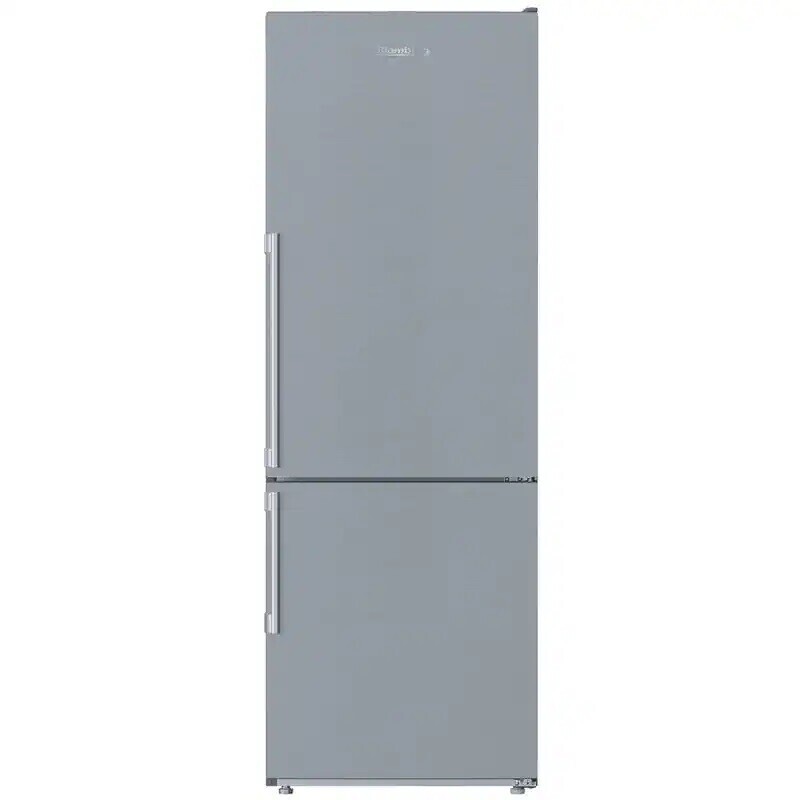
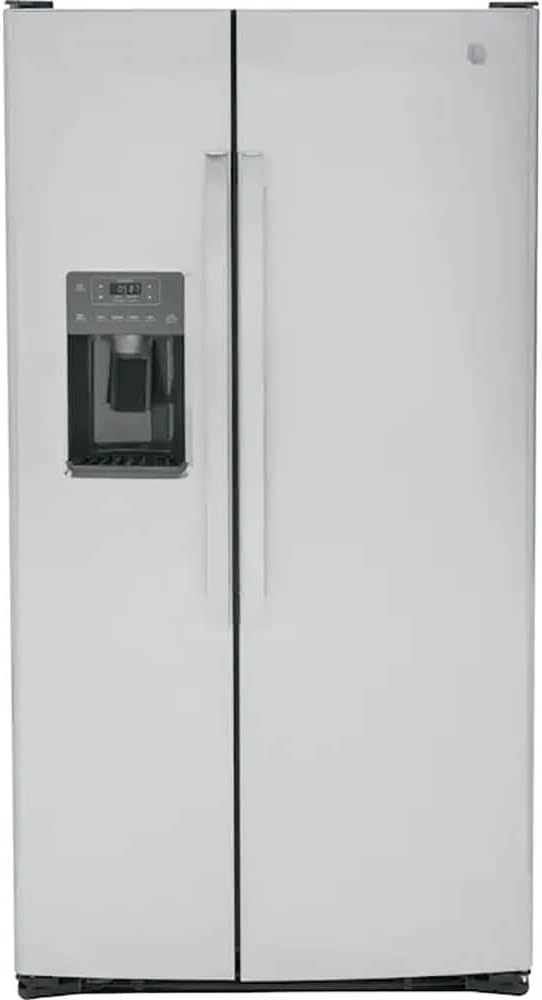
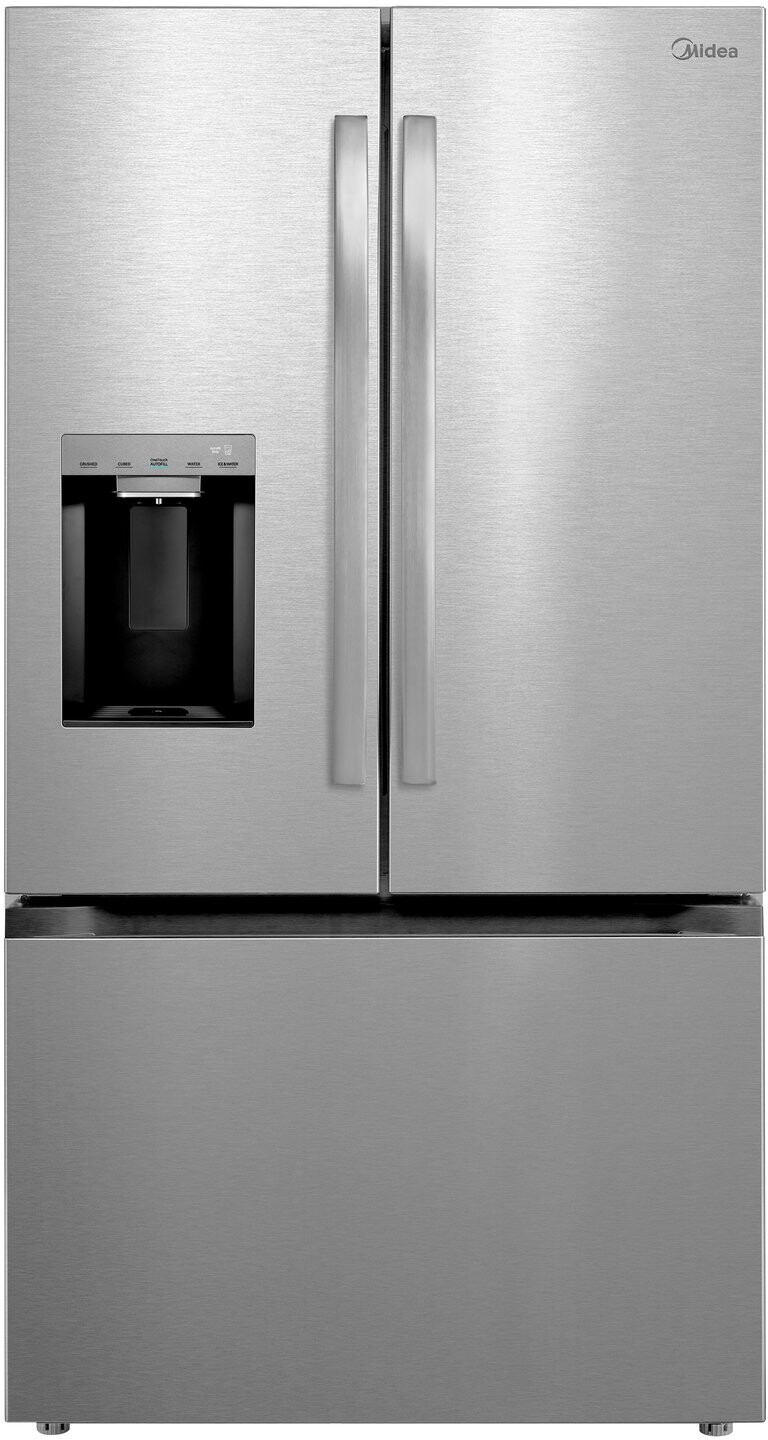
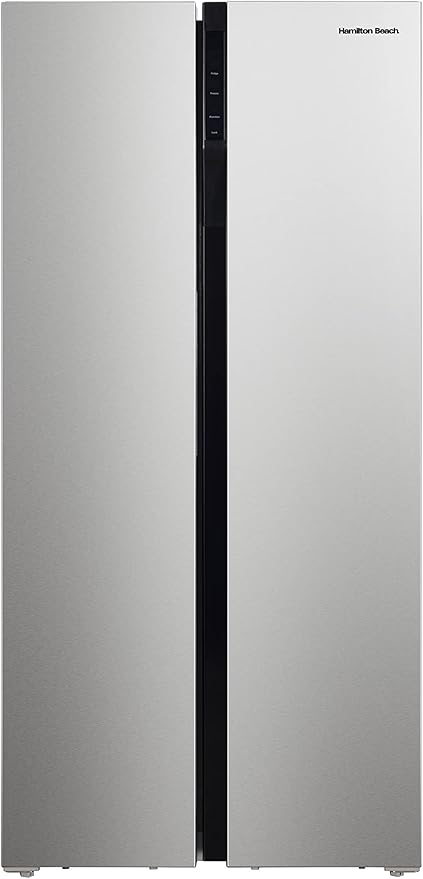
They maintain 40°F or below in the refrigerator and 0°F or below in the freezer, as the USDA recommends for food safety.
The USDA recommends storing perishables at 40°F or below.
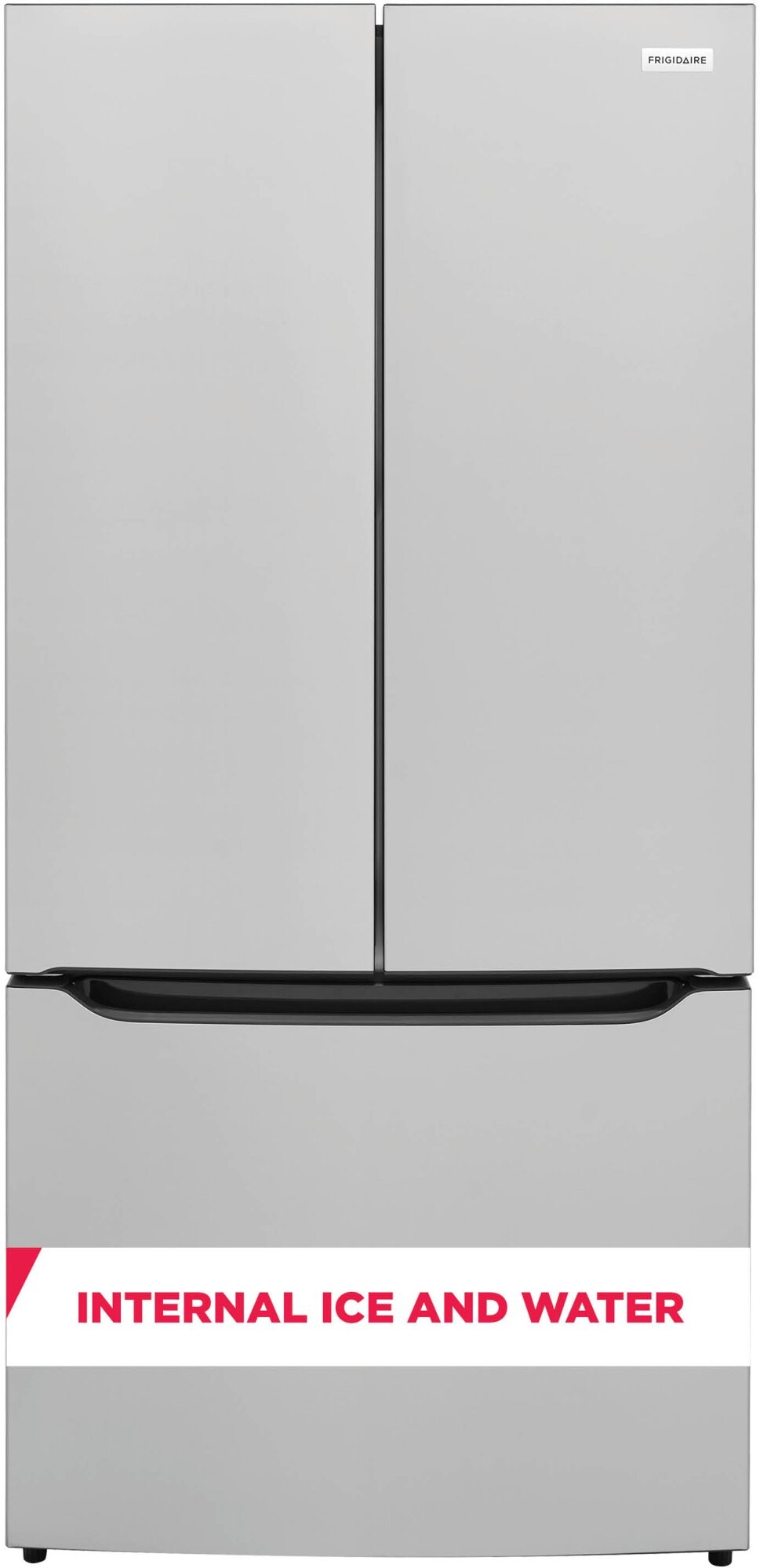
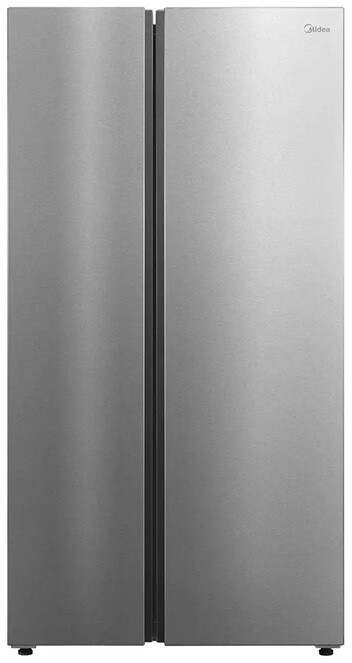
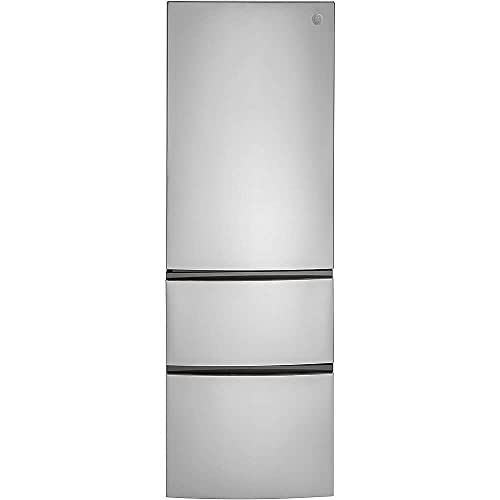
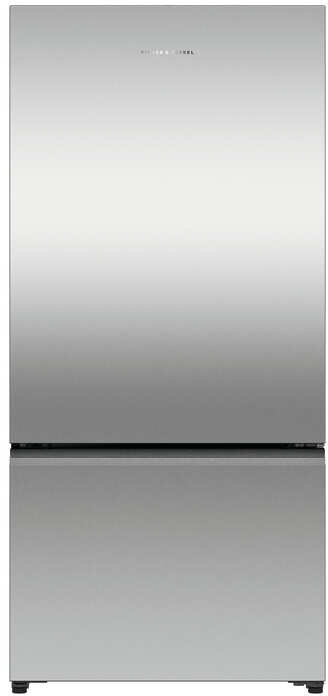
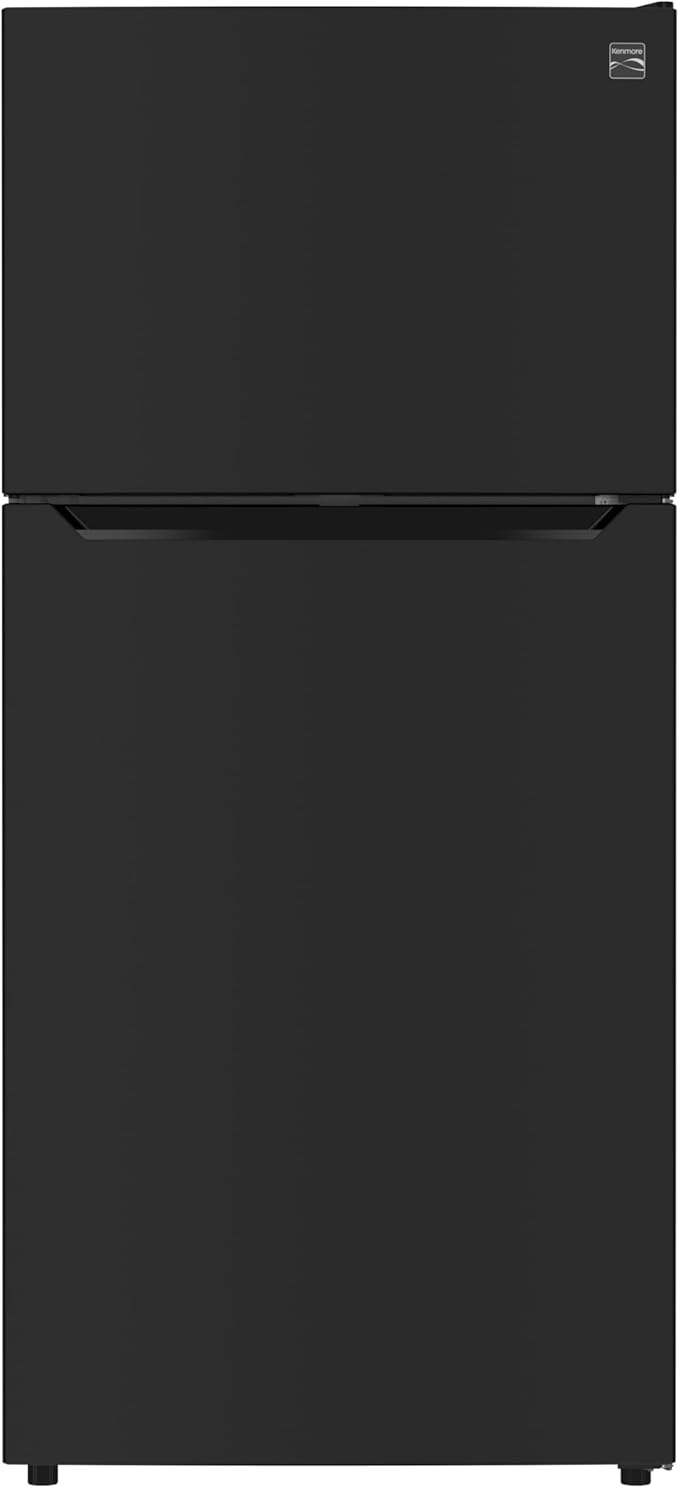
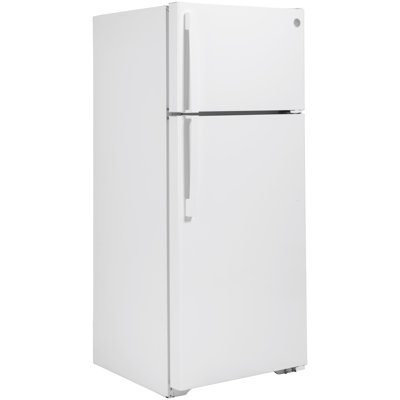
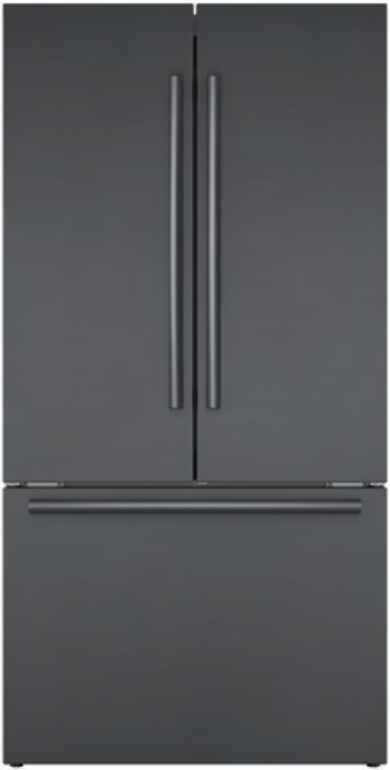
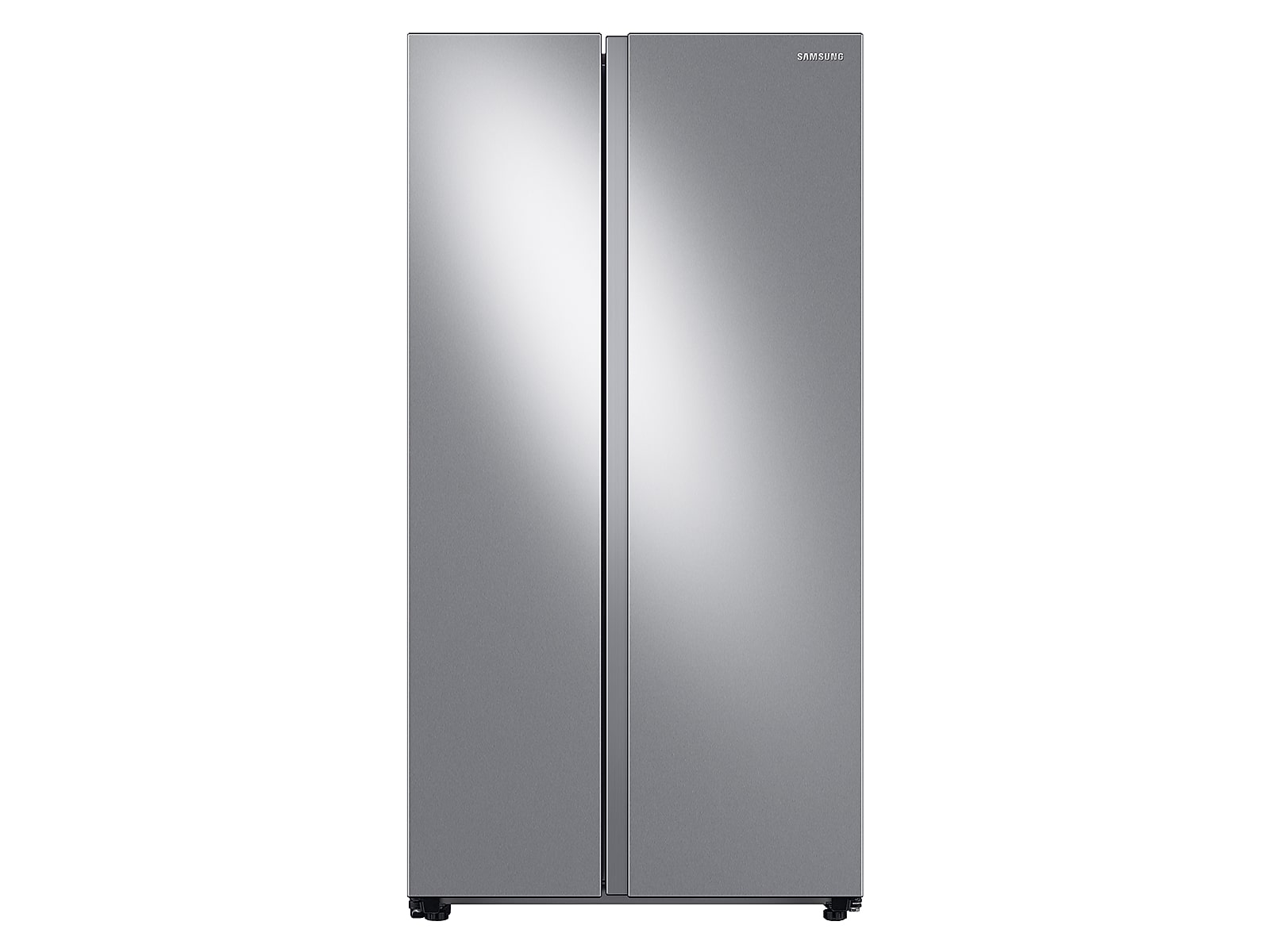
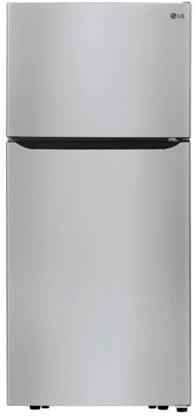
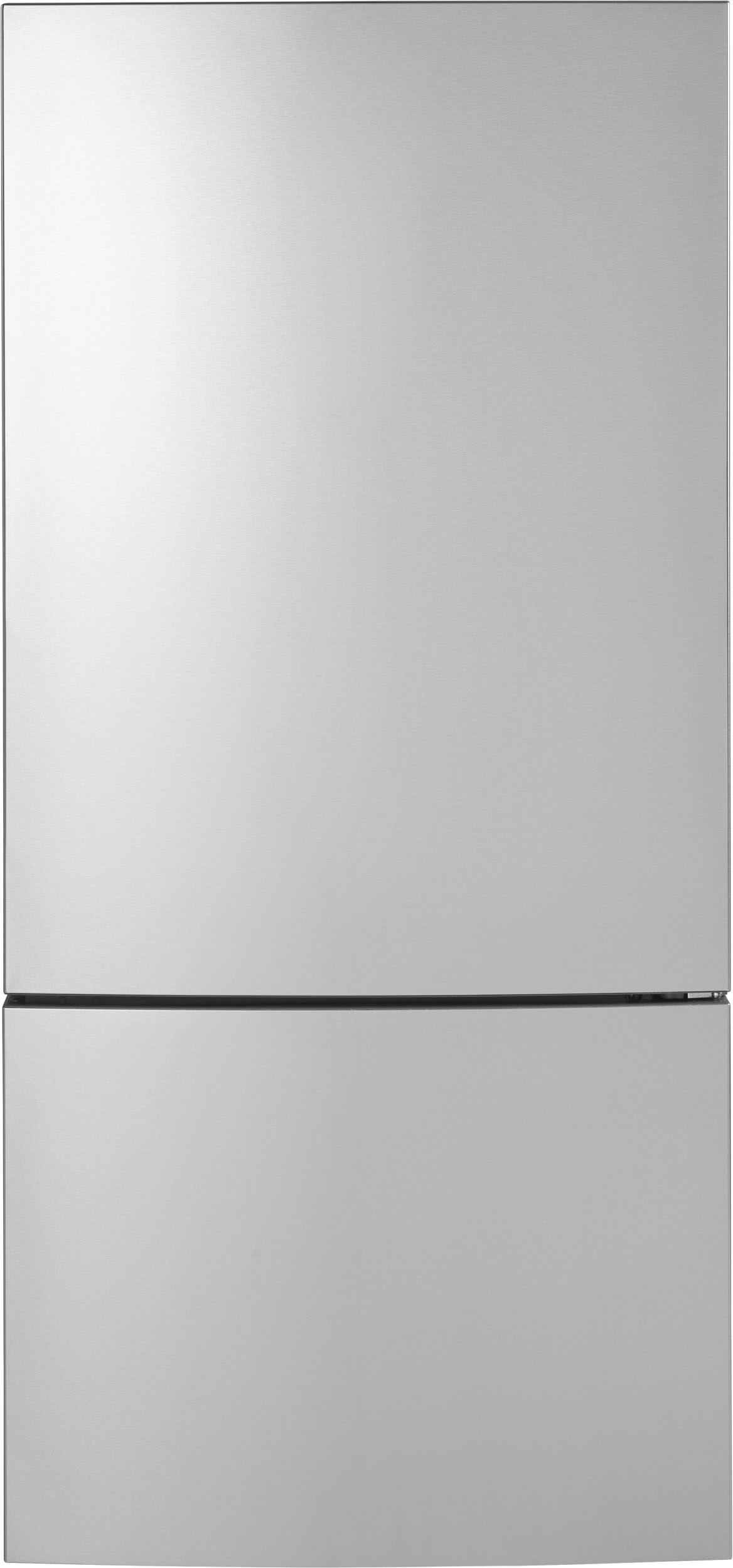
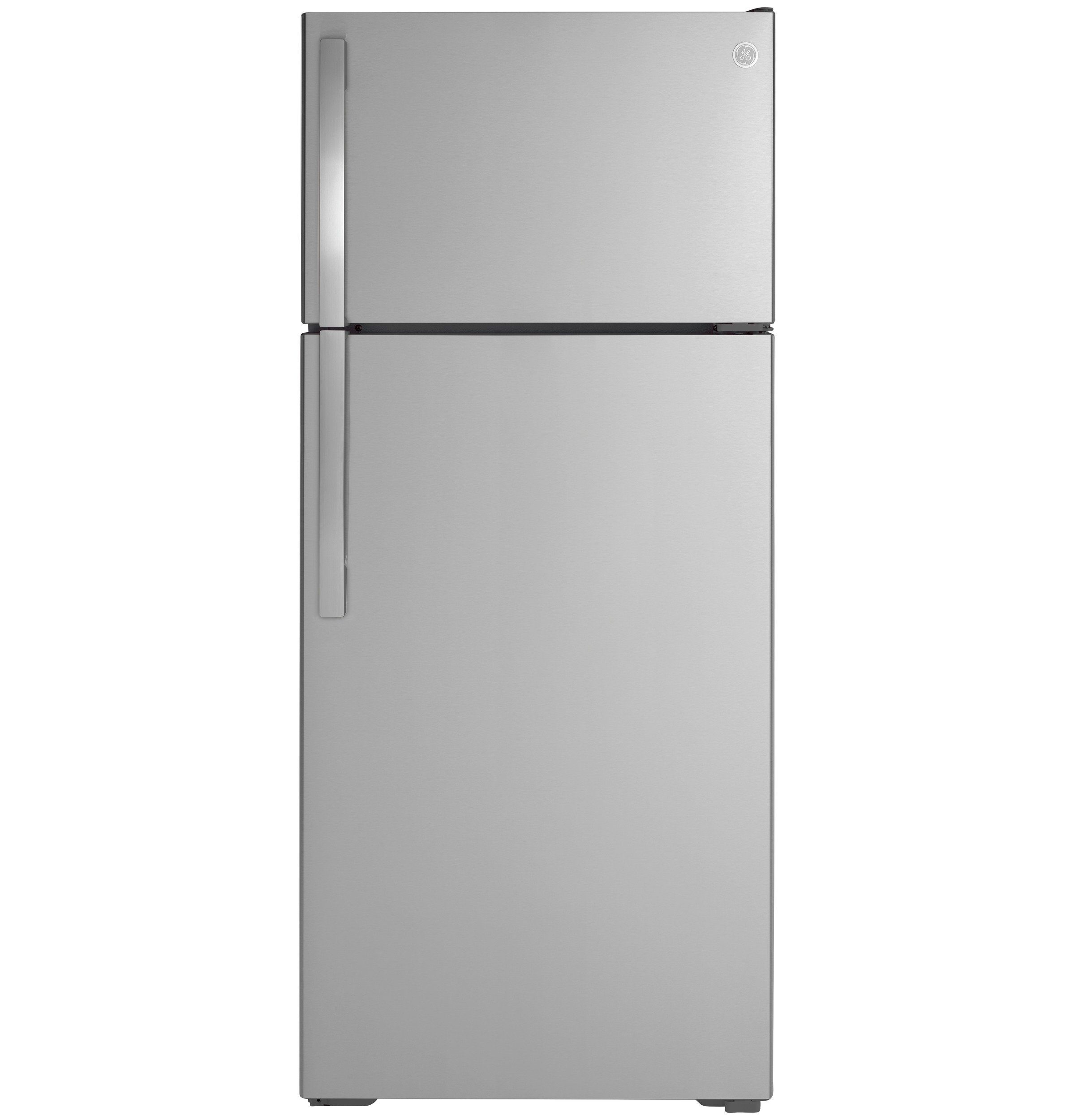
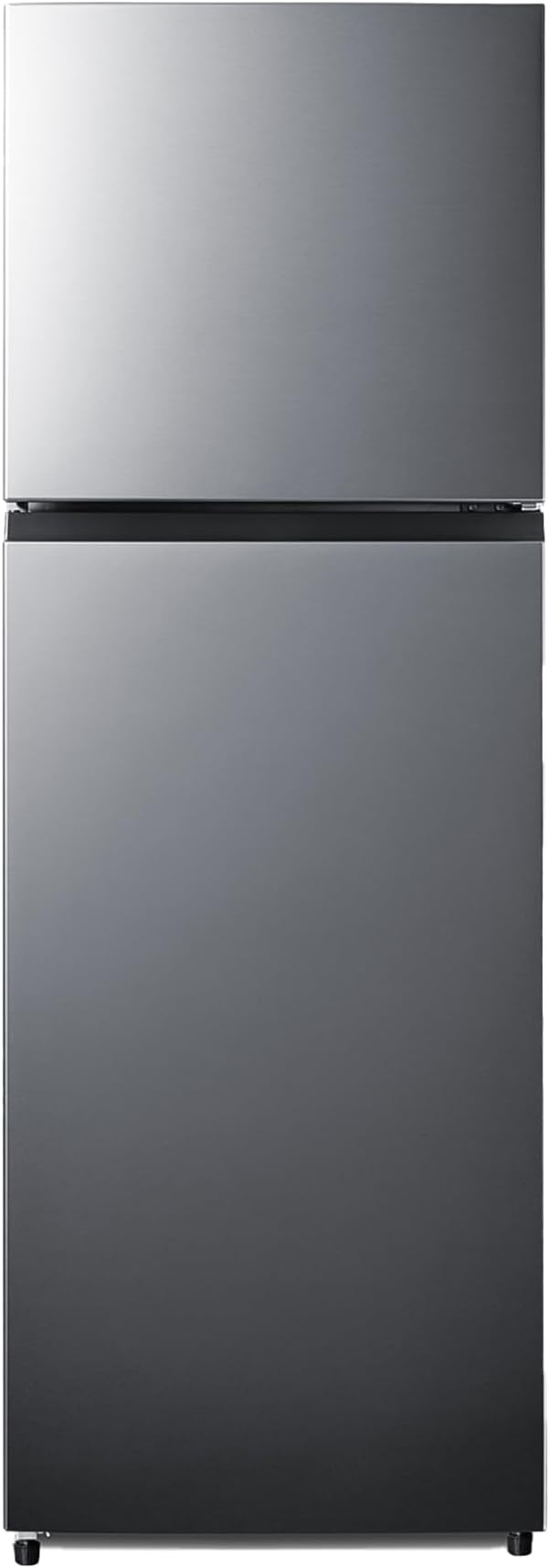
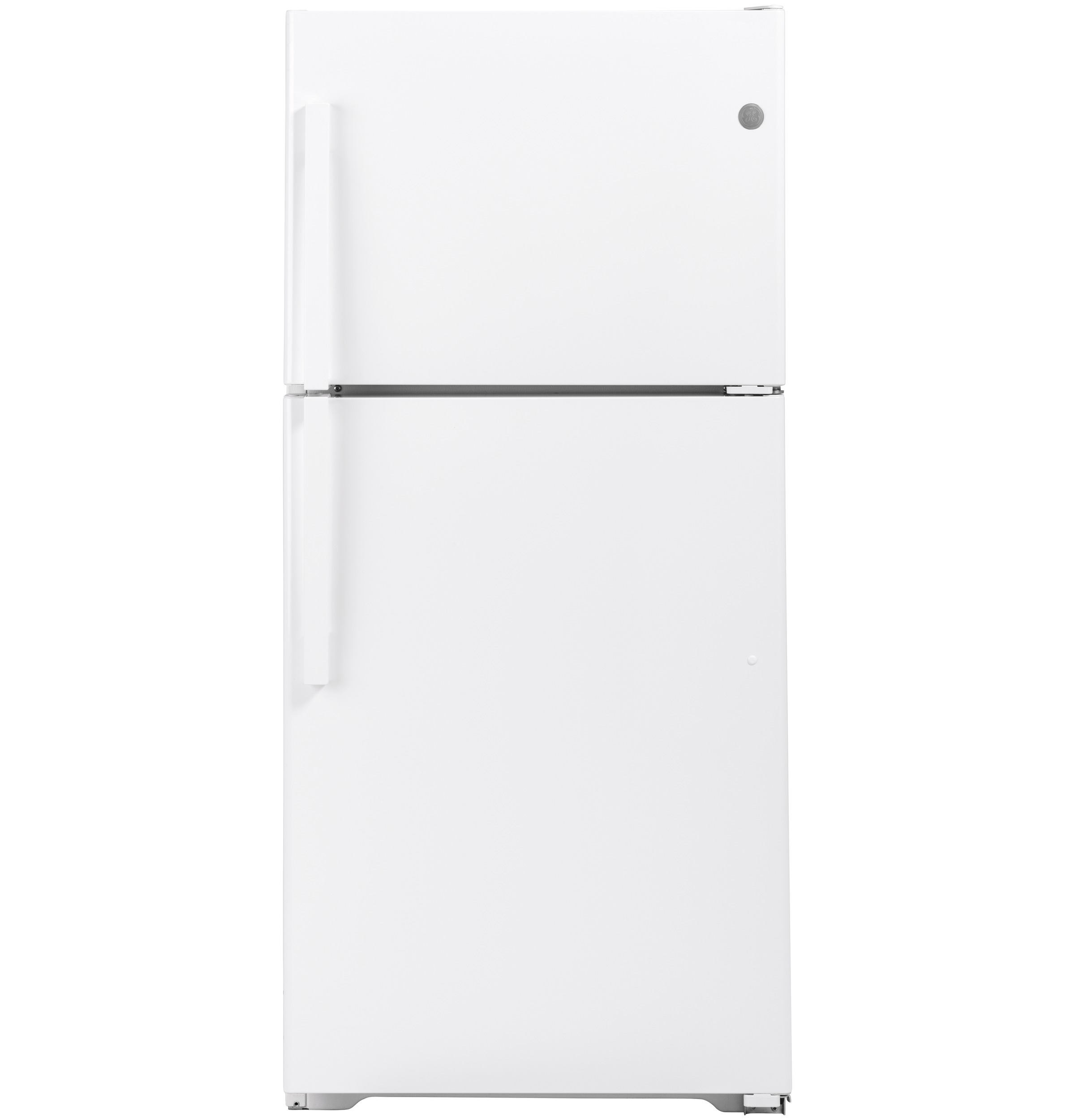
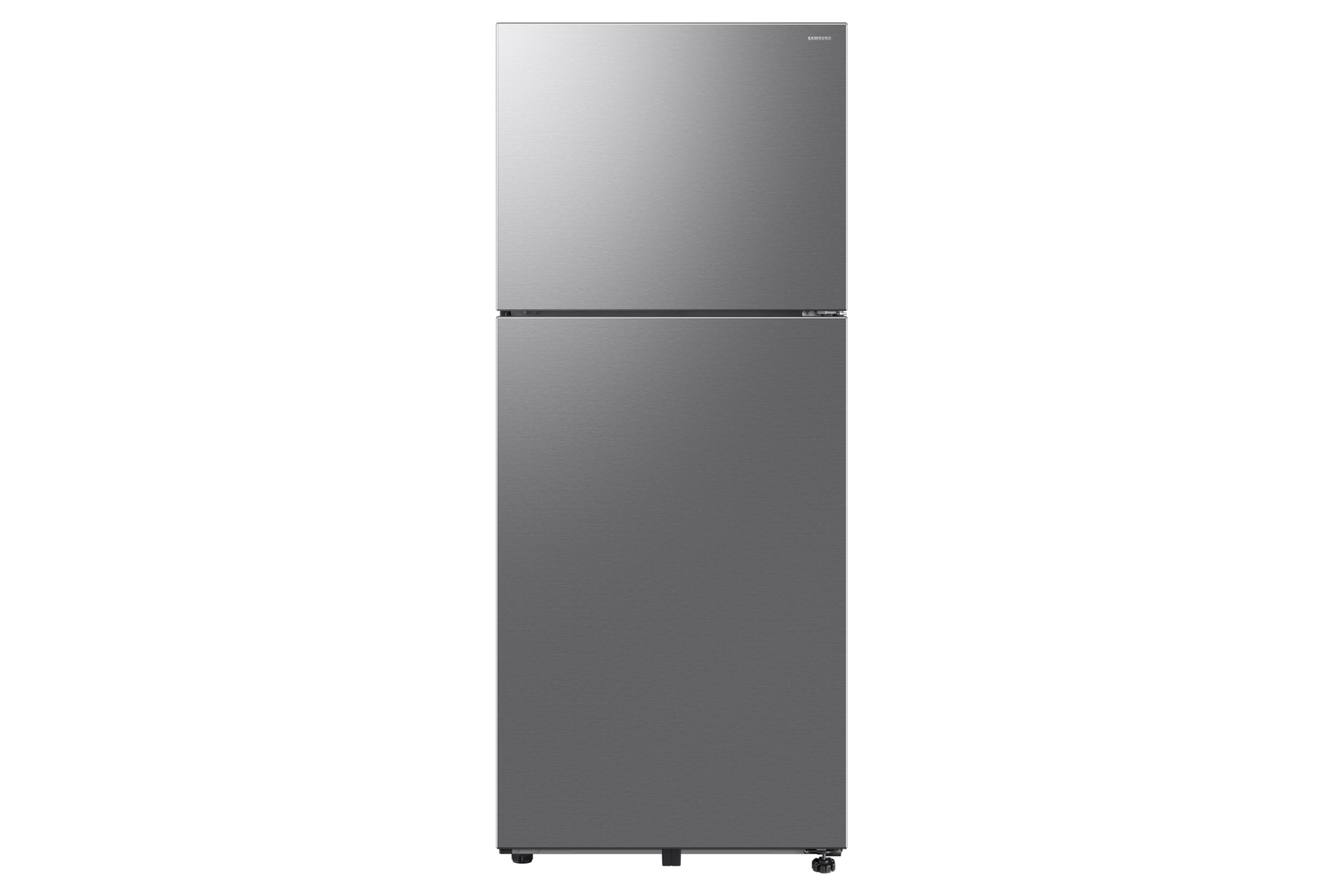
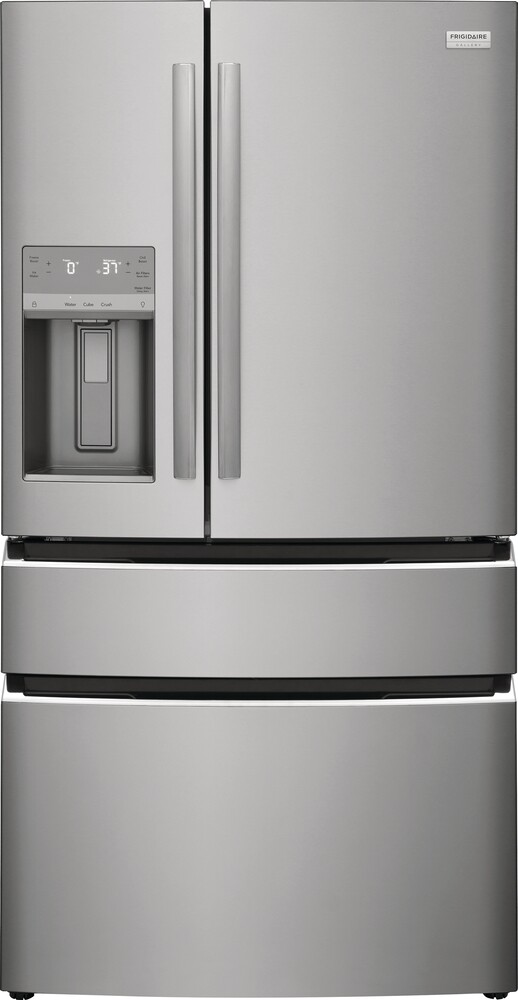
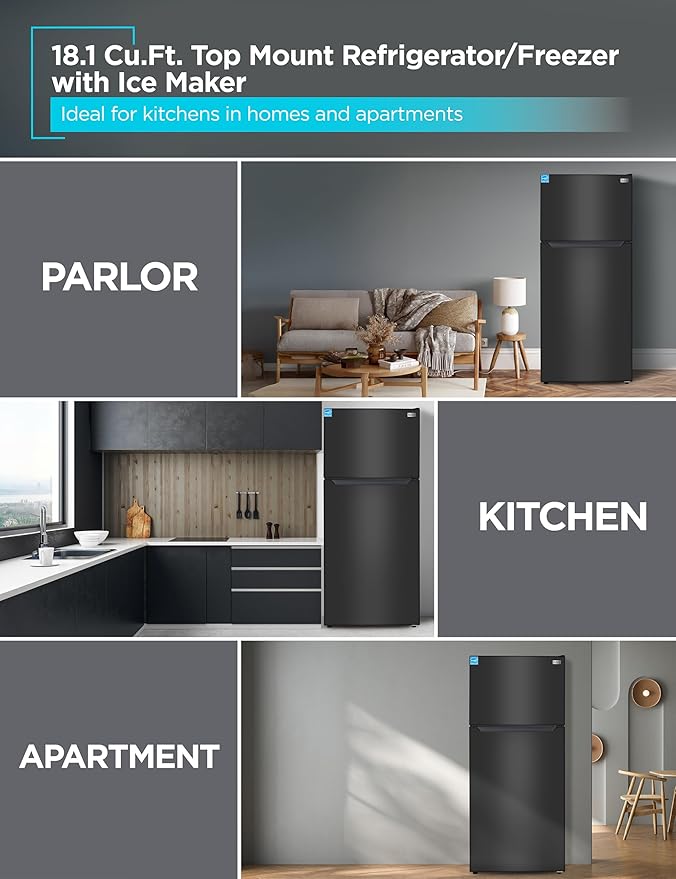
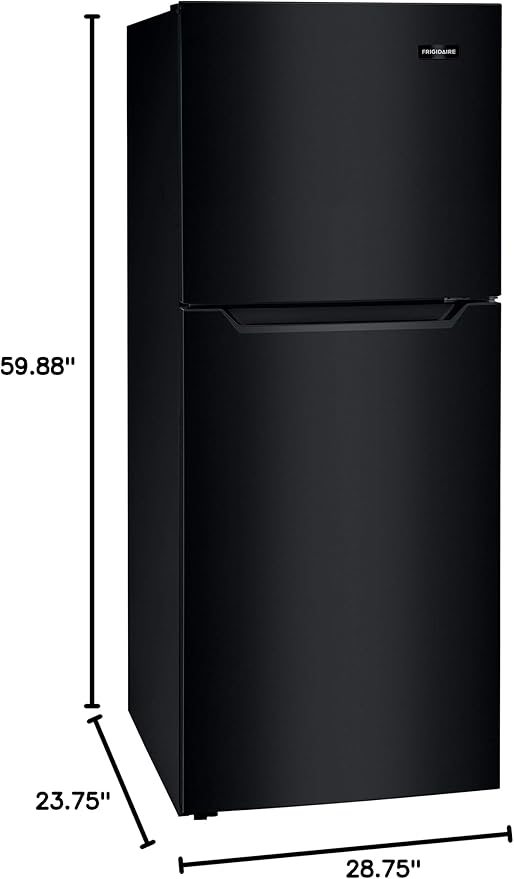
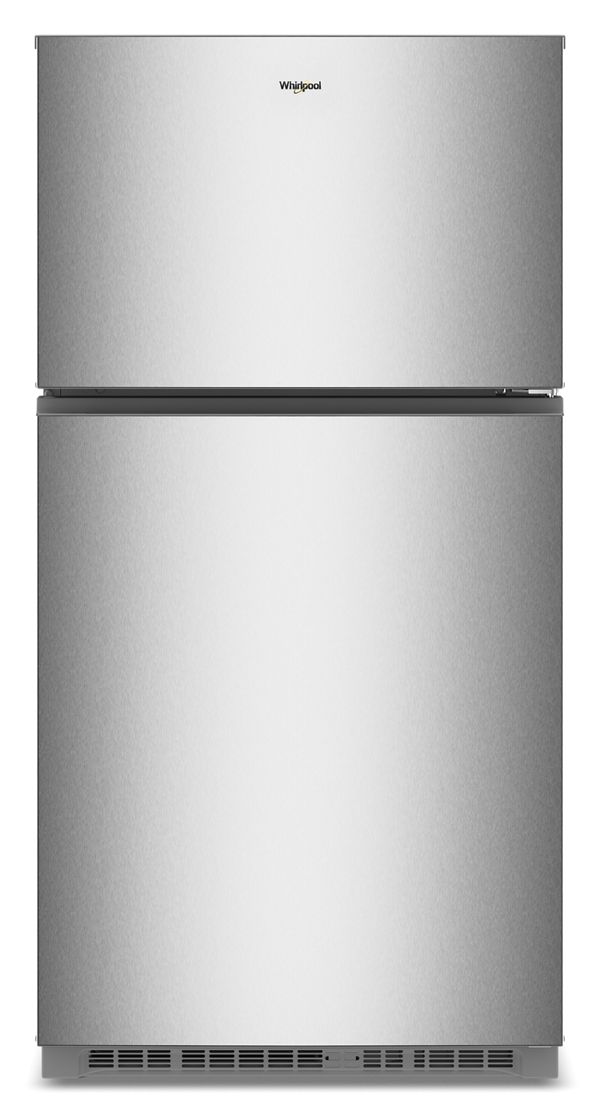
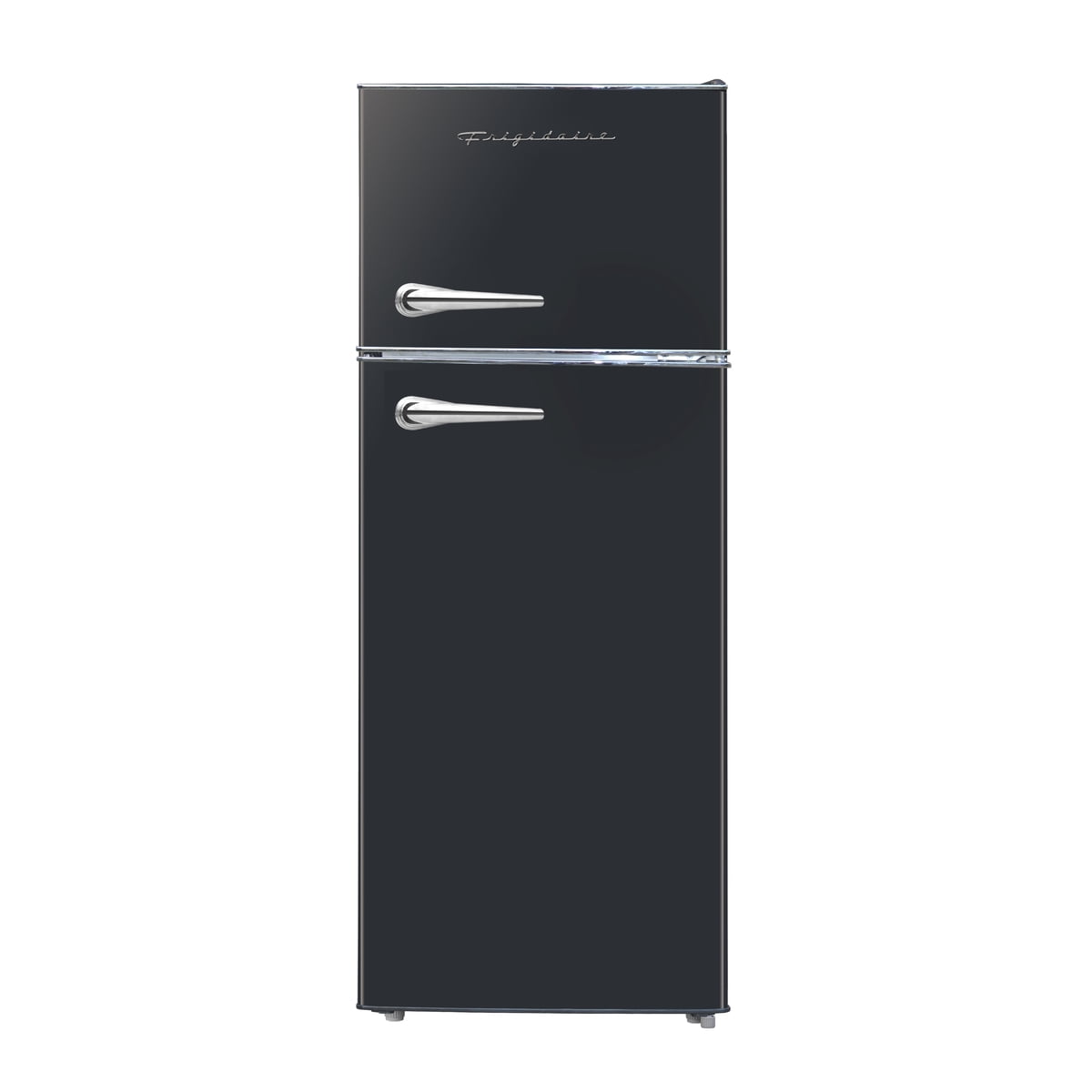
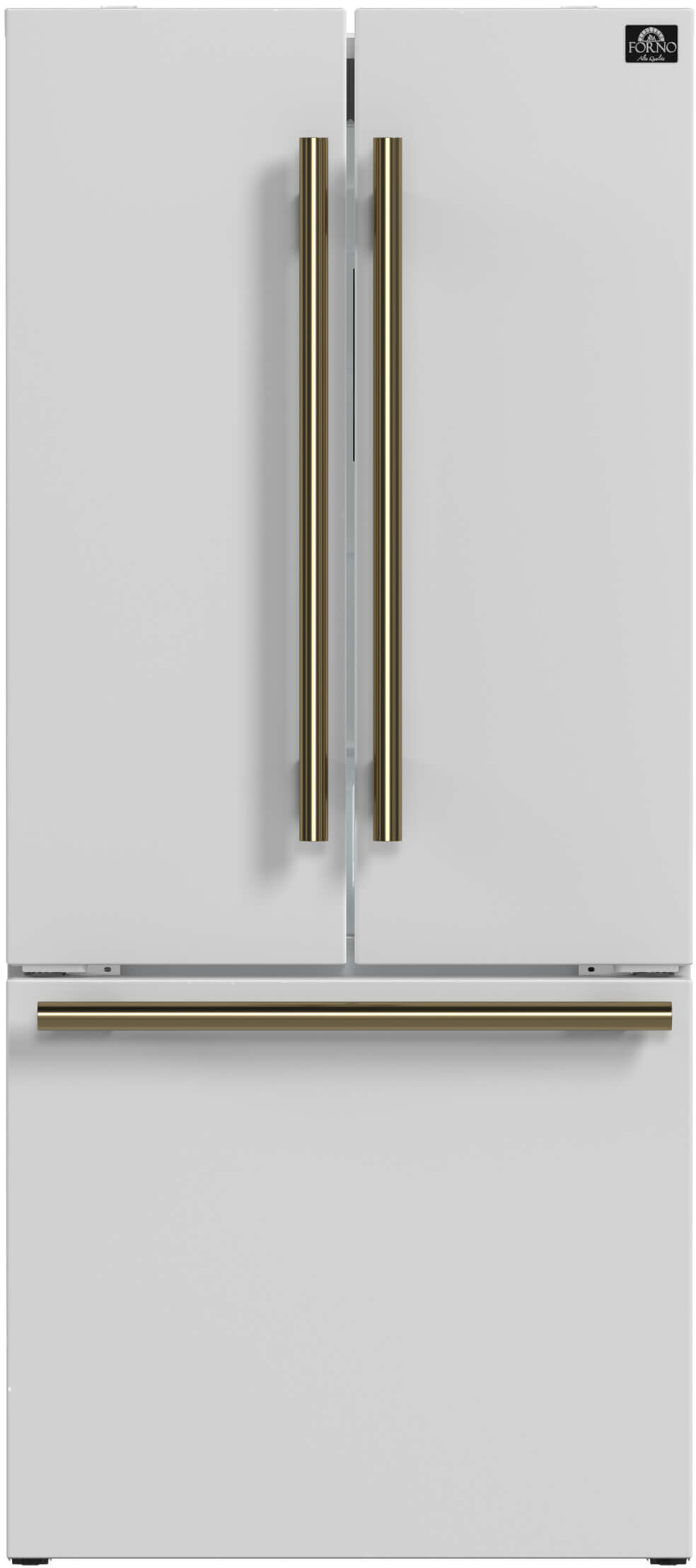
An apartment-size refrigerator is a standalone refrigerator–freezer, typically 24 to 30 inches wide, 24 to 28 inches deep, and 60 to 67 inches tall, with 10 to 18 cubic feet of capacity.
It is usually 34 to 35 inches tall, 24 to 30 inches wide, and 24 to 28 inches deep.
Apartment-size refrigerators and undercounter refrigerators both fit small spaces, but they are designed for different layouts. An apartment refrigerator is a freestanding unit that stands on the floor and is 60 to 67 inches tall; an undercounter refrigerator is built to sit under a counter, usually 34 to 35 inches tall, and may be built-in or freestanding. This guide compares the two so you can choose the right type for your kitchen.
What Is an Apartment-Size Refrigerator
An apartment-size refrigerator is a standalone refrigerator–freezer, typically 24 to 30 inches wide, 24 to 28 inches deep, and 60 to 67 inches tall, with 10 to 18 cubic feet of capacity. It stands on the floor and can be placed between cabinets, in an alcove, or in an open space. It has a full-height door (or doors) and is intended as the primary fridge for a household in a small kitchen. It plugs into a standard outlet and does not require custom cabinetry.
The U.S. Department of Energy (DOE) sets efficiency standards for refrigerators. Apartment refrigerators meet the same requirements as full-size units for temperature performance and energy use. They are certified by ENERGY STAR when they meet strict efficiency criteria. They maintain 40°F or below in the refrigerator and 0°F or below in the freezer, as the USDA recommends for food safety.
Apartment refrigerators are built for daily use: adjustable shelves, door bins, crisper drawers, and a real freezer compartment. They are the standard choice when you need a primary fridge in a small kitchen and have a full-height opening between cabinets or in an alcove.
An undercounter refrigerator is designed to fit under a standard 36-inch-high counter. It is usually 34 to 35 inches tall, 24 to 30 inches wide, and 24 to 28 inches deep. Capacity is typically 5 to 15 cubic feet depending on the model. Undercounter units may be "built-in" (flush with cabinets, often with a front vent) or "freestanding" (can be slid under a counter but not fully integrated). They are used in home bars, kitchen islands, garages, or small kitchens where a full-height fridge does not fit or where the owner wants refrigeration under a specific counter.
Undercounter refrigerators are built to fit in a 34- to 35-inch-high opening—the standard space under a counter. They may have a front vent that allows installation in an enclosed cabinet, or they may need rear ventilation like a standard refrigerator. Built-in models often require a trim kit and careful installation to match cabinetry.
Some undercounter units are refrigerator-only; others have a small freezer compartment. Wine storage units, beverage coolers, and drawer refrigerators are common undercounter configurations. They serve specialized roles—beverages, overflow, or secondary cooling—rather than primary food storage.
An apartment refrigerator is full-height: 60 to 67 inches. It needs vertical space and is usually the main fridge in the kitchen. An undercounter refrigerator is short enough to sit under a counter, so the countertop remains usable above it. If your space has upper cabinets above the fridge opening, an apartment refrigerator fits in that opening. If you have a counter with nothing above it—an island, a bar area, or a niche—an undercounter unit can go there and leave the counter free.
The height difference is the main practical distinction. An apartment refrigerator uses the full vertical space of a standard fridge opening. An undercounter unit uses only the space under a counter, leaving the countertop for prep work, appliances, or storage.
In a galley kitchen with a standard fridge opening between upper and lower cabinets, an apartment refrigerator is the right fit. In a kitchen island or bar area where the only space is under the counter, an undercounter unit is the only option. The layout of your kitchen determines which type fits.
Some kitchens use both: an apartment refrigerator as the main fridge and an undercounter unit in an island or butler's pantry for beverages or overflow. That combination gives maximum flexibility but requires space and budget for two units.
Capacity
Apartment refrigerators offer 10 to 18 cubic feet. Undercounter refrigerators offer less because they are shorter: often 5 to 12 cubic feet for a single unit. Some kitchens use two undercounter units (e.g. one fridge, one freezer) side by side for more capacity. For a primary kitchen fridge for one or two people, an apartment refrigerator usually gives more capacity in a single unit. For a bar, butler's pantry, or secondary cooling under a counter, an undercounter refrigerator is the right shape and size.
Capacity is limited by the 34- to 35-inch height. A full-height refrigerator can stack shelves and drawers vertically; an undercounter unit cannot. To get more capacity with undercounter units, you need multiple units side by side, which increases cost and requires more horizontal space.
The USDA recommends storing perishables at 40°F or below. Both apartment and undercounter refrigerators can maintain this; the difference is how much they hold. For a household that needs to store a week of groceries, an apartment refrigerator is the appropriate choice. For beverage storage or overflow, an undercounter unit may be sufficient.
Freezer capacity varies. Apartment refrigerators typically have 3 to 5 cubic feet of freezer. Undercounter units may have a small freezer compartment or none at all. If you need frozen storage, check the specs—many undercounter units are refrigerator-only.
An apartment refrigerator needs floor space, an outlet, and clearance for the door. No cabinetry is required. An undercounter built-in may need a dedicated cabinet opening, front venting, and sometimes a trim kit so it matches the cabinets. Freestanding undercounter units are easier: slide under the counter and plug in. If you are a renter or do not want to modify cabinetry, an apartment refrigerator or a freestanding undercounter unit is simpler than a built-in undercounter.
Built-in undercounter refrigerators often require professional installation. The cabinet opening must be sized correctly, ventilation must be configured, and the unit may need to be secured. Apartment refrigerators are typically delivered, placed, and plugged in—no custom work required.
Renters should consider installation constraints. Landlords may not allow cabinet modifications for a built-in undercounter unit. An apartment refrigerator or a freestanding undercounter unit that slides under an existing counter is usually acceptable without permission.
Electrical requirements are similar—both need a standard 120V outlet. Undercounter units may need a dedicated circuit if they are in a bar or island far from the main kitchen wiring. Check the manufacturer specs before installation.
Apartment refrigerators are the main fridge in a small kitchen: daily groceries, leftovers, and freezer storage for one or more people. Undercounter refrigerators are often used in home bars, wine storage, kitchen islands, or butler's pantries where you want cooling under a specific counter without a full-height unit. Some people use one undercounter fridge for beverages and another for overflow or freezer. If you have only one place for a fridge and it is a standard opening between cabinets, an apartment refrigerator fits. If you have an island or bar with space underneath, an undercounter unit can go there.
Primary vs. secondary use is the key distinction. An apartment refrigerator is built for primary food storage—meat, produce, dairy, leftovers, and frozen items. An undercounter unit is often for beverages, wine, or overflow when the main fridge is full. It can serve as a primary fridge only in very small households or unusual layouts.
Entertaining can influence the choice. A home bar with an undercounter beverage cooler keeps drinks cold without taking space from the main fridge. A butler's pantry with an undercounter unit can hold party platters and overflow. These are secondary uses that complement an apartment or full-size refrigerator.
Choose an apartment refrigerator when you need a primary kitchen fridge that stands on the floor in a 24- to 30-inch opening. It is the right choice for studios, small apartments, and any kitchen where a full-size fridge does not fit. You get 10 to 18 cubic feet, a real freezer, and no custom cabinetry. Plug in, set in place, and use it as your main food storage.
If you have a standard fridge opening between cabinets, an apartment refrigerator is the natural fit. It delivers the capacity and features you need for daily cooking and grocery storage. It requires no modification to your kitchen.
When to Choose an Undercounter Refrigerator
Choose an undercounter refrigerator when you need cooling under a counter—a bar, island, or niche—and do not need a full-height unit. It is the right choice for a secondary fridge, beverage storage, or a compact kitchen layout where the only space is under a counter. Built-in models suit remodeling and custom cabinets; freestanding undercounter units work in rentals or simple installations. Compare dimensions and capacity at Fridge.com to see which apartment and undercounter models fit your space.
If you are adding a second cooling location—a bar, wine storage, or overflow—an undercounter unit fills that role. It is not a substitute for a primary fridge when you need to store a full week of groceries.
Apartment-size refrigerators are full-height (60–67 in.), 10–18 cu ft primary fridges for small kitchens. Undercounter refrigerators are short (34–35 in.) and fit under a counter, with 5–15 cu ft capacity. Choose an apartment refrigerator for the main kitchen fridge; choose an undercounter unit for a bar, island, or secondary location under a counter. Compare both types by dimensions and capacity.
Frequently Asked Questions
An undercounter refrigerator is designed to fit under a standard counter: about 34–35 in. tall, 24–30 in. wide, 5–15 cu ft. Used in bars, islands, or secondary locations.