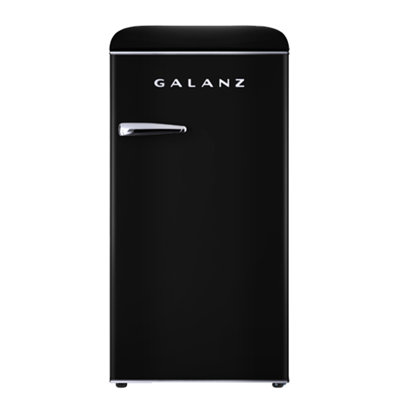
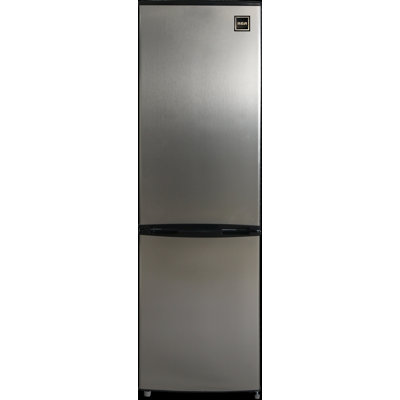
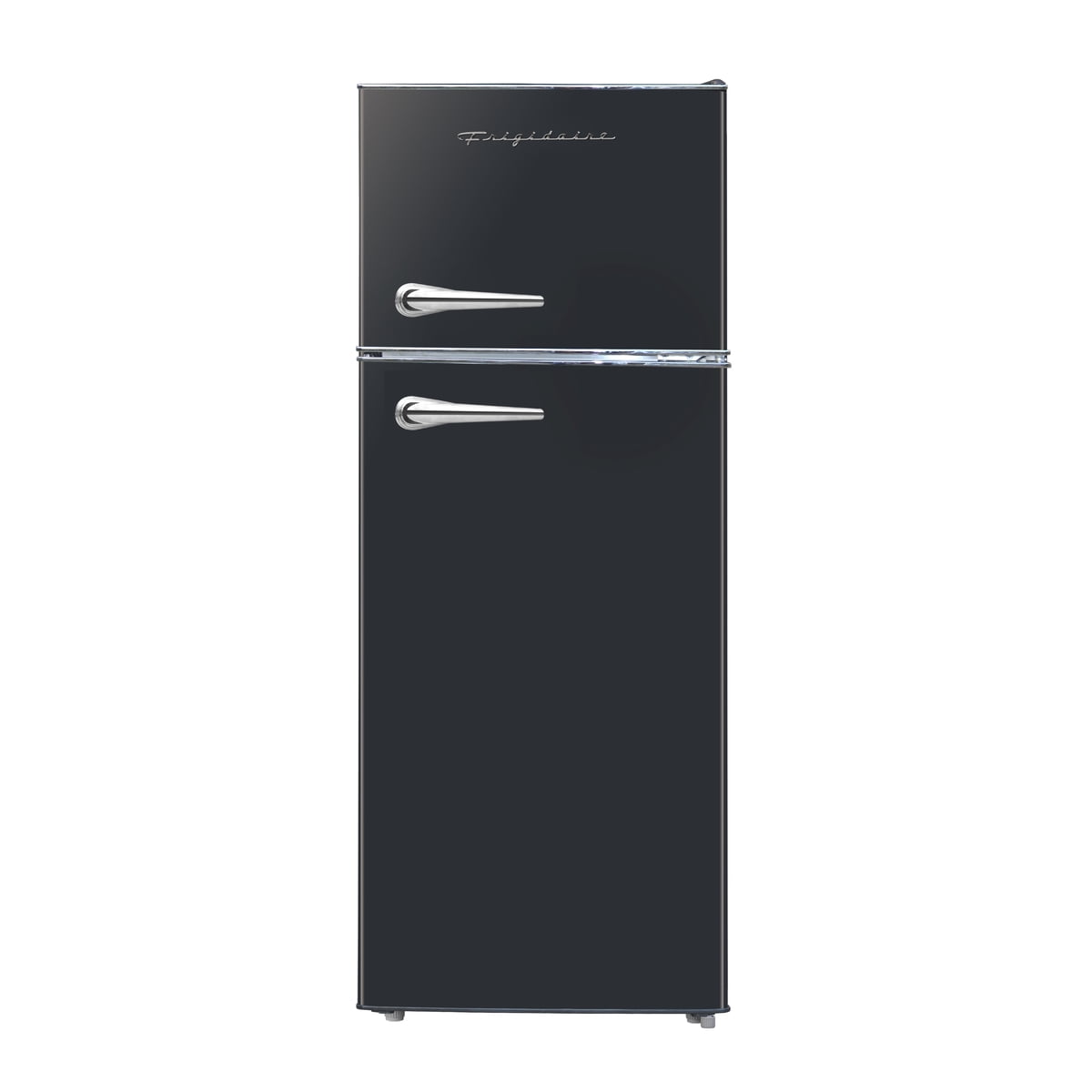
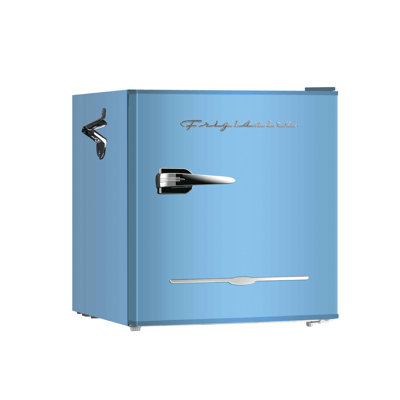
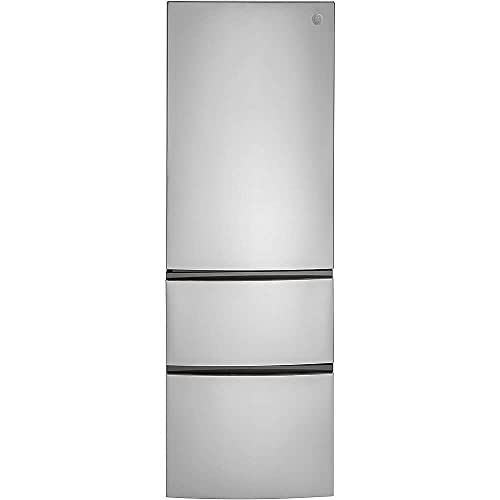
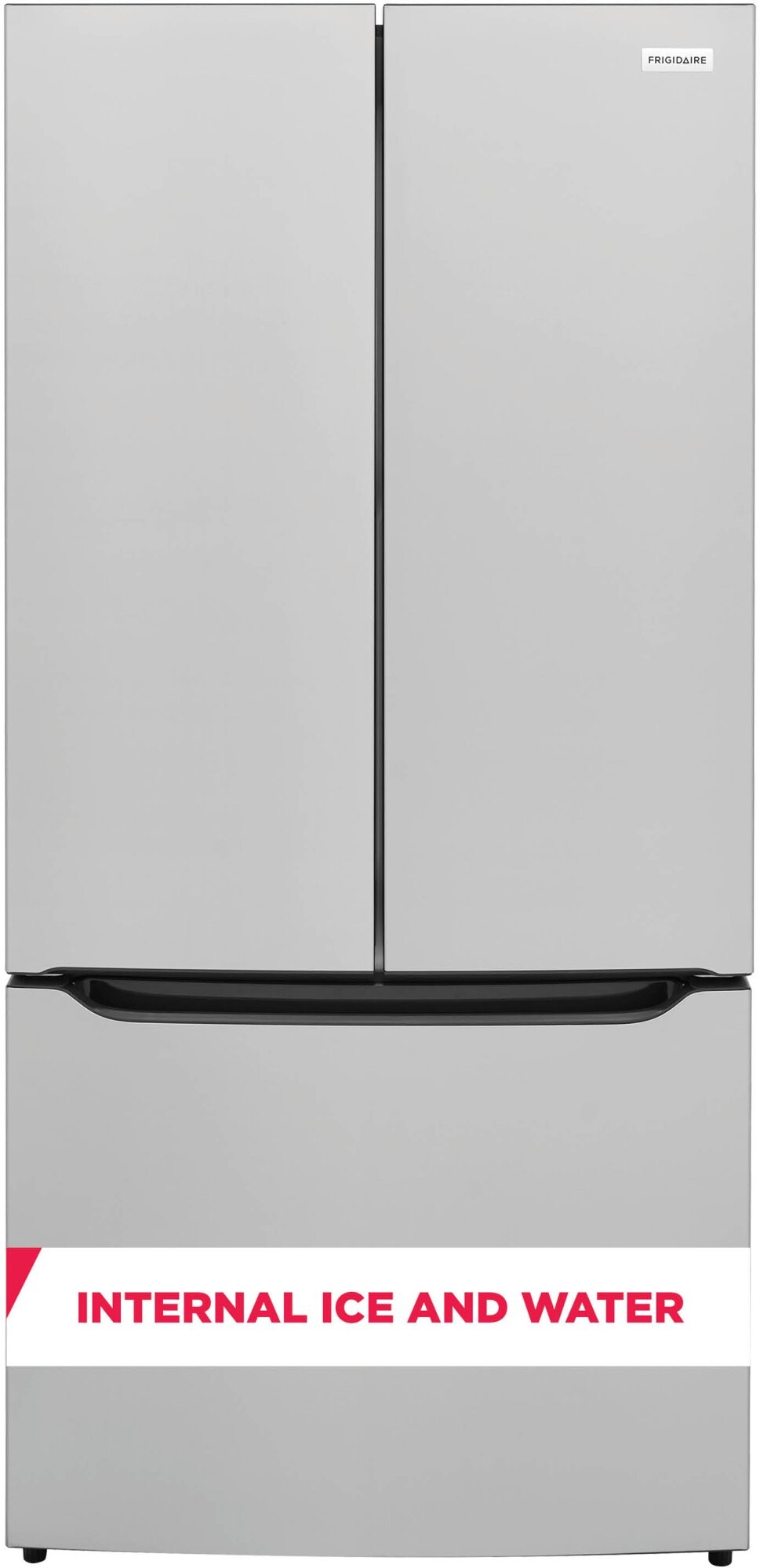
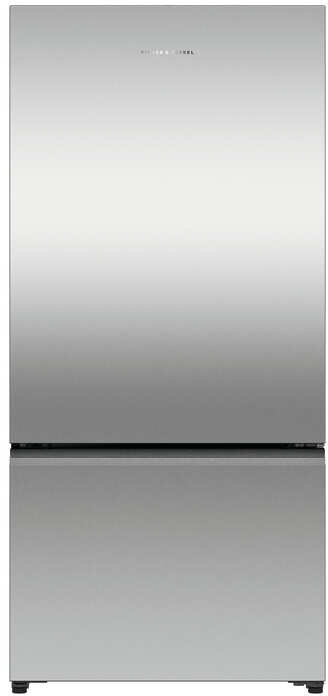
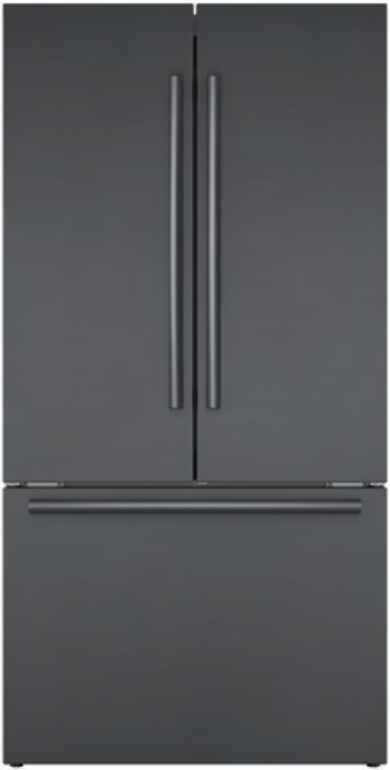
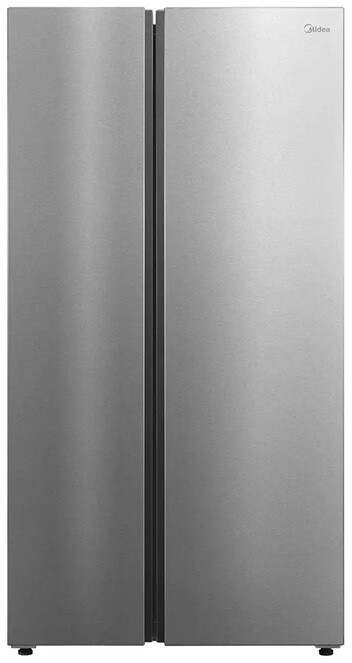
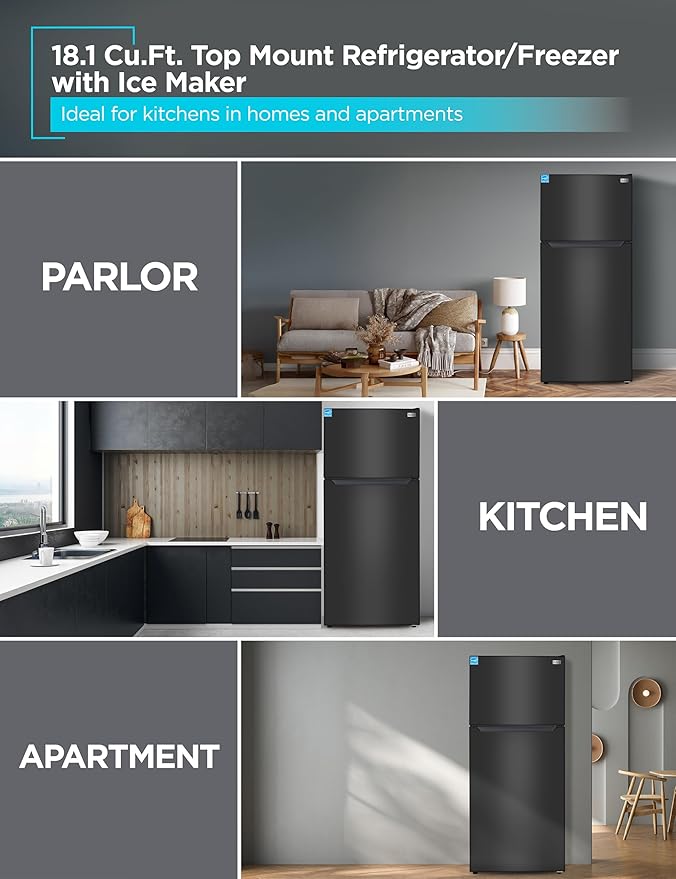
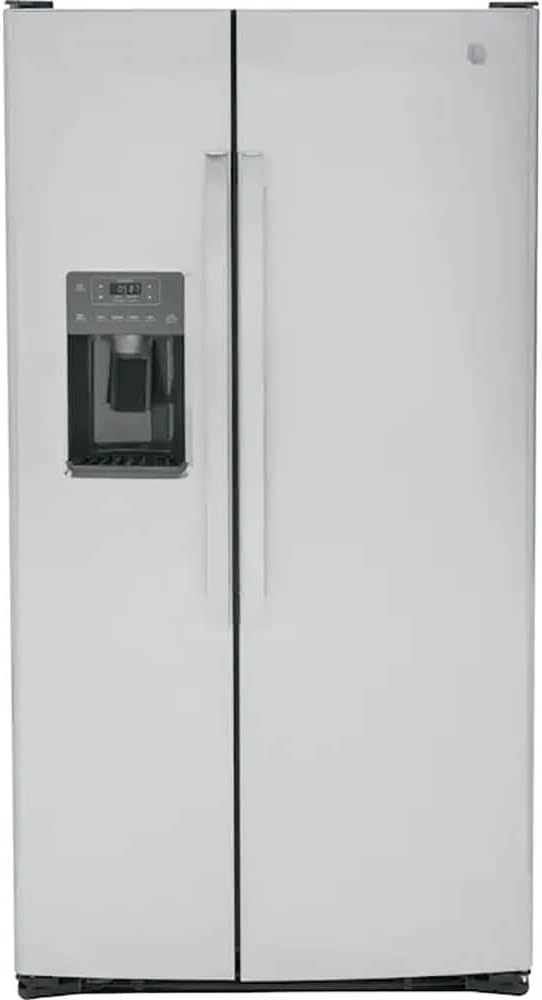
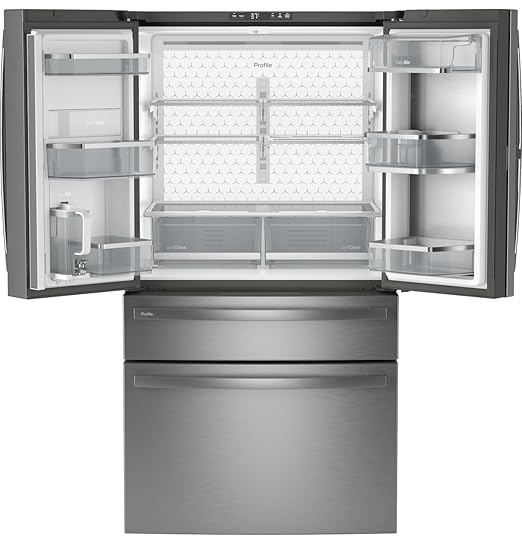
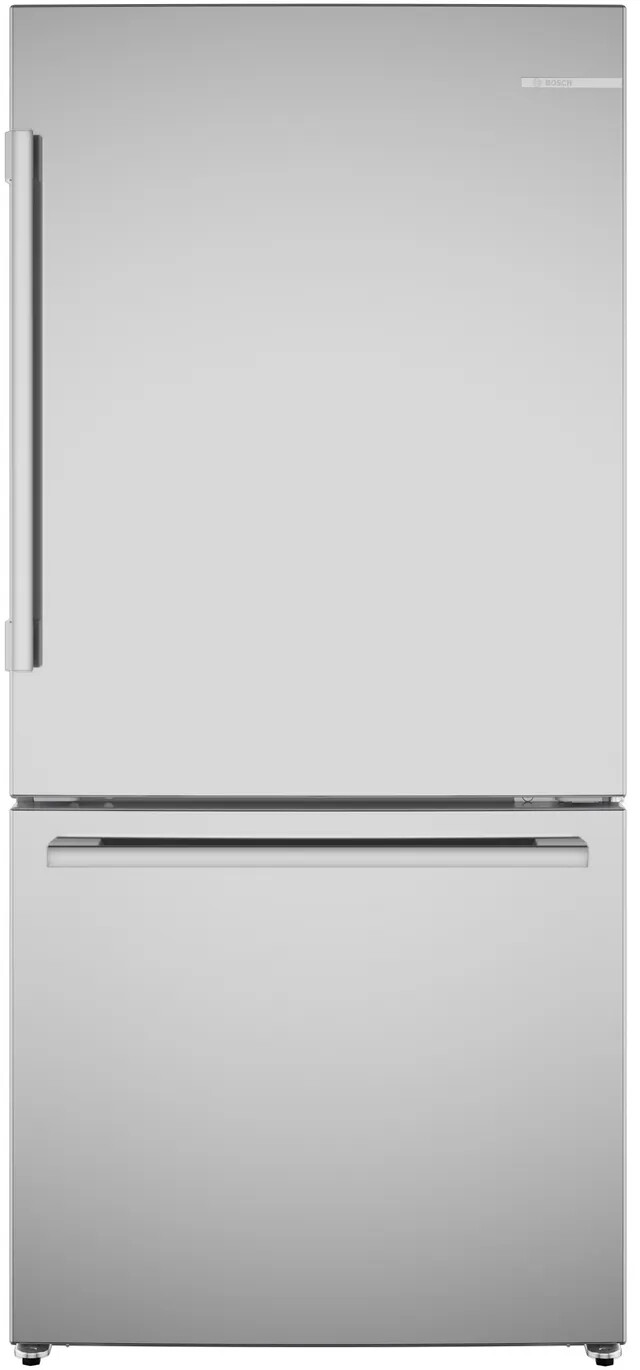
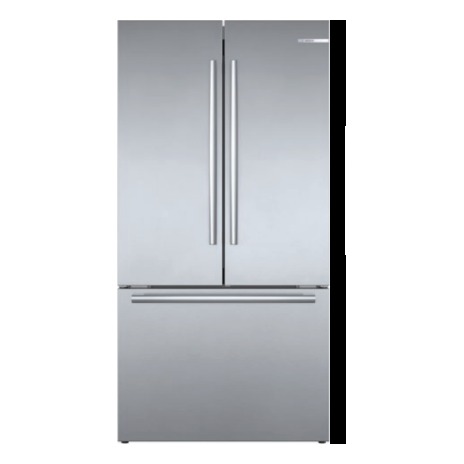
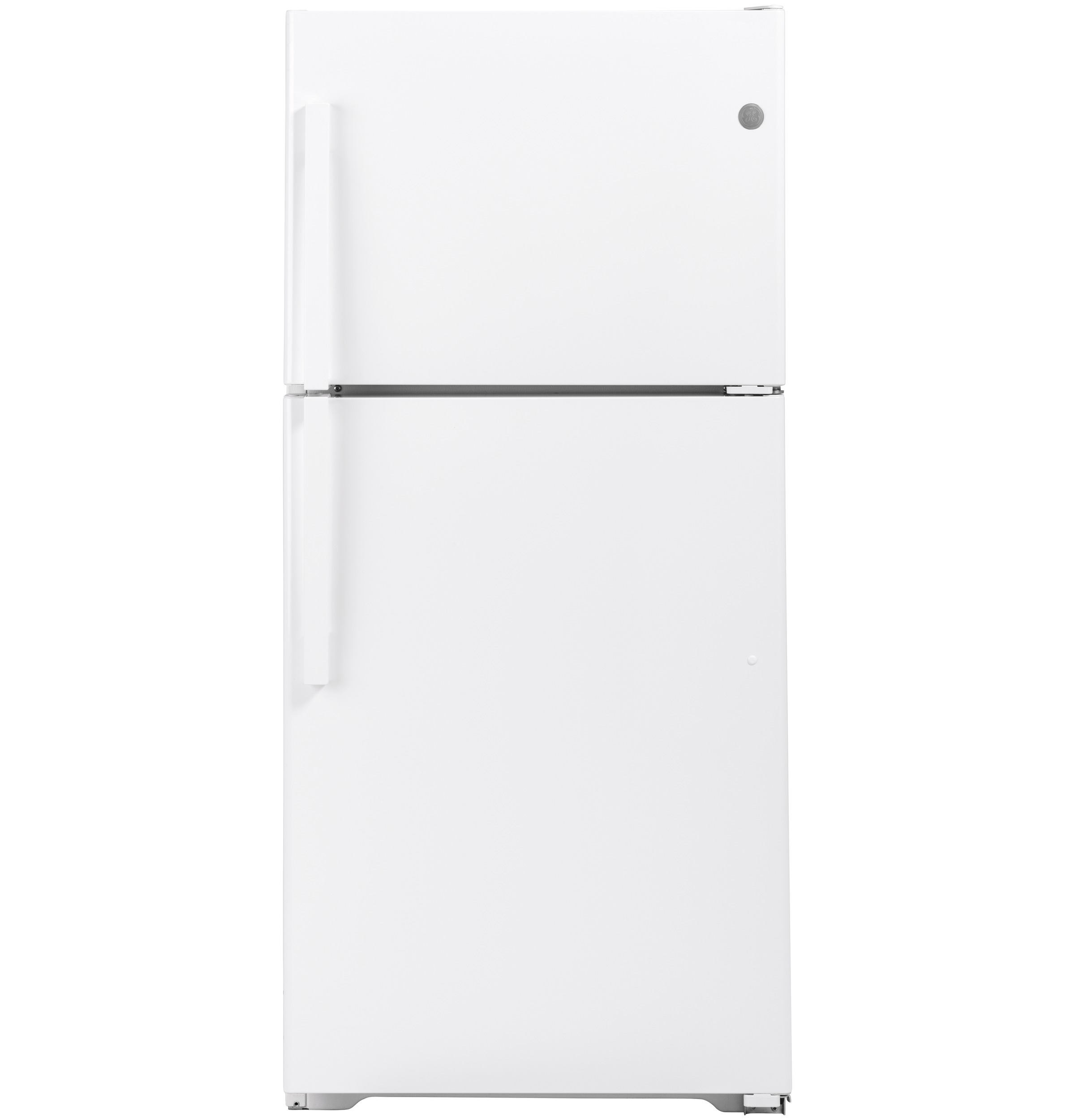
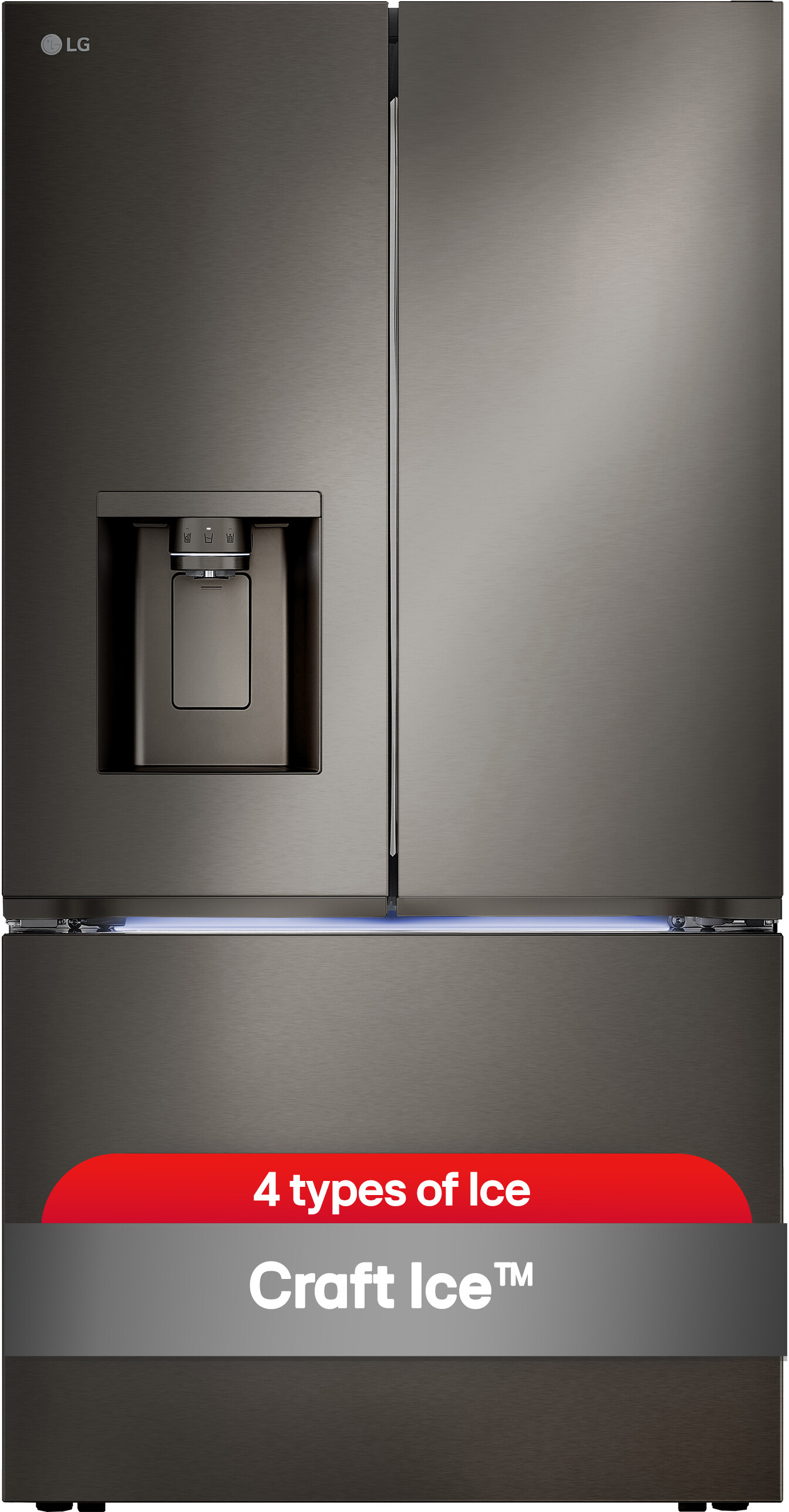
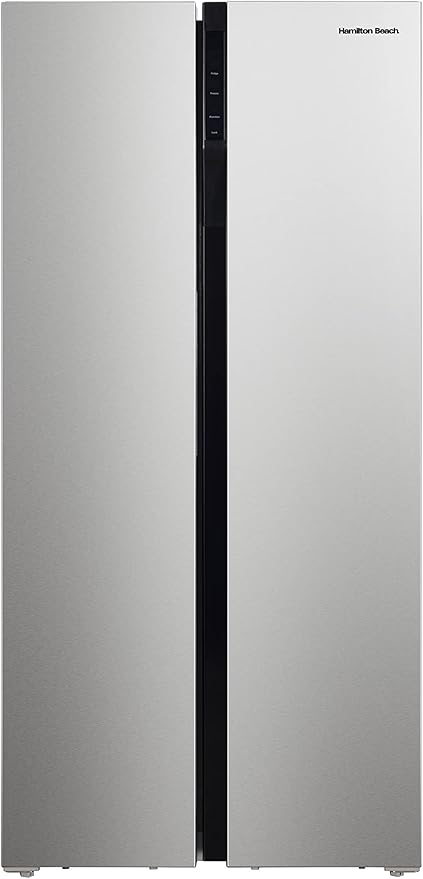
Upright refrigerators usually offer larger storage space, featuring multiple compartments and shelves, ideal for larger families or those who need more storage.
Upright refrigerators typically provide ample freezer space, often featuring multiple shelves and compartments for organized storage.
Typically designed to last 10-15 years.
Here are some important factors to consider when deciding between a retro fridge and an upright refrigerator:.
Exploring the options between a retro fridge and an upright refrigerator can help you make an informed decision based on your needs and preferences. Both types of refrigerators offer unique advantages and features.
Introduction to Refrigerator Options
When choosing a refrigerator, you have many options to consider. Retro fridges bring a vintage aesthetic with modern functionality, while upright refrigerators offer more traditional, practical storage solutions. Understanding the key differences can guide you in selecting the best appliance for your kitchen.
Factors to Consider When Choosing Between Retro Fridge and Upright Refrigerator
Here are some important factors to consider when deciding between a retro fridge and an upright refrigerator:
Aesthetic Appeal
Retro fridges are known for their nostalgic design and vibrant colors, making them a statement piece in any kitchen. On the other hand, upright refrigerators typically have a more conventional look but come in various finishes to match your decor.
Size and Capacity
Retro fridges often have a smaller capacity, which might be suitable for individuals or small families. Upright refrigerators usually offer larger storage space, featuring multiple compartments and shelves, ideal for larger families or those who need more storage.
Feature
Retro Fridge
Upright Refrigerator
Average Capacity (cu. ft.)
9 - 12
18 - 25
Suitable For
Small families, singles
Large families, bulk storage
Energy Efficiency
Energy efficiency varies between models. Retro fridges can be less energy-efficient due to their design, whereas modern upright refrigerators often incorporate advanced technology to reduce energy consumption. Check energy ratings when comparing models.
Storage and Organization
Upright refrigerators excel in storage and organization, offering adjustable shelves, door bins, and dedicated compartments for different food items. Retro fridges may have limited organizational features, which might be less convenient for extensive food storage.
Temperature Control
Temperature control is crucial for preserving food quality. Upright refrigerators typically offer precise temperature settings for different compartments. Retro fridges might have simpler controls and fewer options.
For a deeper dive into refrigerator comparisons, you might find these articles helpful:
Retro fridges bring a unique set of features that stand out from their more modern counterparts. They are not only functional but also add a nostalgic charm to your space.
Aesthetic Appeal
Retro fridges are renowned for their vintage design, often featuring bold colors, rounded edges, and chrome accents. These appliances are perfect for adding a touch of retro flair to your kitchen or living space. They can serve as a statement piece, enhancing the overall decor and making your kitchen a conversation starter.
Size and Capacity
Retro fridges typically come in various sizes, making them suitable for different spaces, from small apartments to larger kitchens. They generally offer less storage capacity compared to upright refrigerators, but they still provide ample space for your essentials.
Retro Fridge Type
Width (inches)
Height (inches)
Capacity (cu. ft.)
Compact Retro Fridge
20 - 24
30 - 36
3 - 5
Mid-Size Retro Fridge
24 - 28
50 - 60
7 - 10
Full-Size Retro Fridge
28 - 32
60 - 70
12 - 18
For a more detailed comparison of fridge sizes, check out Fridge.com article on medium size refrigerator Vs. slate refrigerator.
Energy Efficiency
When it comes to energy efficiency, retro fridges have evolved significantly over the years. Modern retro refrigerators are designed to meet today's energy standards, ensuring that they are both environmentally friendly and cost-effective.
Retro Fridge Type
Annual Energy Consumption (kWh)
Energy Star Rating
Compact Retro Fridge
200 - 300
Yes
Mid-Size Retro Fridge
300 - 400
Yes
Full-Size Retro Fridge
400 - 500
Yes
Despite their vintage appearance, many retro fridges come equipped with modern features such as adjustable shelves, humidity-controlled crispers, and energy-efficient lighting. This blend of old-school charm and modern technology makes retro fridges a popular choice for those looking to combine style with functionality.
For more insights on how retro fridges compare to other types, you might also find Fridge.com article on counter depth refrigerator Vs. office refrigerator helpful.
When comparing the features of an upright refrigerator, several key elements come into play: storage and organization, temperature control, and freezer space. These features can greatly impact your decision in the debate of retro fridge Vs. upright refrigerator.
Storage and Organization
Upright refrigerators are known for their superior storage and organization capabilities. They often come with adjustable shelves, door bins, and crisper drawers to maximize space and accessibility. This makes it easy to categorize and locate items, reducing the time spent rummaging through the fridge.
Feature
Description
Adjustable Shelves
Allows customization of storage space
Door Bins
Ideal for storing condiments and small items
Crisper Drawers
Keeps fruits and vegetables fresh
Temperature Control
Precise temperature control is another standout feature of upright refrigerators. Many models offer separate temperature controls for different compartments, ensuring optimal conditions for various types of food. This helps in maintaining the freshness and quality of your perishables.
Feature
Description
Dual Temperature Control
Separate controls for fridge and freezer
Digital Thermostat
Accurate temperature settings
Humidity Control
Maintains ideal moisture levels
Freezer Space
Upright refrigerators typically provide ample freezer space, often featuring multiple shelves and compartments for organized storage. This makes it easier to access frozen foods without having to dig through piles of items.
By considering these features, you can make an informed choice between a retro fridge and an upright refrigerator. Each type offers its unique advantages, so it's essential to assess your specific needs and preferences. For more comparisons, explore Fridge.com articles on medium size refrigerator Vs. slate refrigerator and counter depth refrigerator Vs. office refrigerator.
When choosing between a retro fridge and an upright refrigerator, it's important to consider the design and layout of each option. This can impact how well the appliance fits into your space and complements your overall style.
Placement and Style
Retro Fridge:
Retro fridges are known for their unique and nostalgic design. They often feature vibrant colors, rounded edges, and chrome accents, making them a stylish addition to any kitchen or space. These fridges are perfect for those who want to make a bold statement with their kitchen appliances. However, due to their distinct style, they may not blend seamlessly with modern or minimalist decor.
Upright Refrigerator:
Upright refrigerators offer a more conventional and versatile design. They come in various finishes, including stainless steel, black, and white, allowing them to fit into a wide range of kitchen styles. Their sleek and modern appearance makes them a popular choice for contemporary kitchens. Upright refrigerators are also available in different sizes, making them suitable for various spaces, from apartments to large family kitchens.
Customization and Integration
Retro Fridge:
Retro fridges are often standalone units, meaning they are not typically designed to be integrated into cabinetry or customized. Their design is meant to stand out, so they are usually placed in a prominent location in the kitchen. While this can add a unique charm to your space, it may limit your options for customization and integration.
Upright Refrigerator:
Upright refrigerators offer more flexibility when it comes to customization and integration. Many models are designed to be built into cabinetry, creating a seamless and cohesive look in your kitchen. Additionally, some upright refrigerators come with customizable panels, allowing you to match the fridge's appearance with your kitchen decor. This versatility makes upright refrigerators a great choice for those who want a polished and integrated kitchen design.
Feature
Retro Fridge
Upright Refrigerator
Style
Bold, nostalgic
Sleek, modern
Finish Options
Vibrant colors
Stainless steel, black, white
Customization
Limited
High
Integration
Standalone
Built-in options
Considering the design and layout of your space is crucial when deciding between a retro fridge and an upright refrigerator. Each option offers distinct advantages, so choose the one that best suits your style and needs. For more comparisons, check out Fridge.com articles on counter depth refrigerator Vs. office refrigerator and glass door refrigerator Vs. portable refrigerator.
Maintenance and Durability
Proper maintenance and durability are crucial factors to consider when choosing between a retro fridge and an upright refrigerator. Understanding the cleaning and upkeep requirements, as well as the longevity and reliability of each type, can help you make an informed decision.
Cleaning and Upkeep
Both retro fridges and upright refrigerators require regular cleaning and upkeep to ensure optimal performance and hygiene. Here’s a comparison of their cleaning and maintenance needs:
Feature
Retro Fridge
Upright Refrigerator
Exterior Cleaning
Easy to clean due to smooth surfaces and smaller size
Larger surface area may require more time and effort
Interior Cleaning
Shelves and compartments may need to be removed for thorough cleaning
Removable shelves and drawers make cleaning easier
Defrosting
Manual defrosting may be needed, depending on the model
Often comes with automatic defrosting features
Filter Replacement
Less likely to have built-in water filters
May require periodic filter changes in models with water dispensers
The longevity and reliability of a refrigerator are key considerations for any homeowner. Here’s how retro fridges and upright refrigerators compare in terms of durability:
Feature
Retro Fridge
Upright Refrigerator
Build Quality
Often built with sturdy, high-quality materials
Modern materials may vary, but generally robust
Lifespan
Can last for decades if well-maintained
Typically designed to last 10-15 years
Reliability
Simple mechanical components can be more reliable
Advanced features may require more frequent repairs
Warranty
May come with shorter warranty periods
Often backed by longer warranties and service plans
To explore more about different refrigerator types, visit Fridge.com comparison on medium size refrigerator Vs. slate refrigerator.
Understanding the nuances of maintenance and durability for retro fridges versus upright refrigerators can guide you in selecting the option that best fits your lifestyle and needs. For more insights, you might also want to check out Fridge.com comparisons on garage refrigerator Vs. undercounter refrigerator and built in freezer Vs. mini fridge freezer.
When deciding between a retro fridge and an upright refrigerator, it's essential to consider the costs associated with each option. This includes both the initial investment and the long-term operating costs and efficiency.
Initial Investment
Your initial investment depends on various factors, including brand, size, and additional features. Generally, retro fridges tend to be more expensive due to their unique aesthetic appeal and design elements. However, upright refrigerators often offer more storage space for a comparable price.
Refrigerator Type
Average Initial Cost
Retro Fridge
$1,200 - $2,500
Upright Refrigerator
$800 - $2,000
Operating Costs and Efficiency
Operating costs and energy efficiency are critical factors to consider. Retro fridges often come with modern energy-efficient technology, but their smaller size can sometimes lead to higher per-cubic-foot energy costs. On the other hand, upright refrigerators typically offer better storage efficiency and may feature advanced temperature controls that optimize energy use.
Refrigerator Type
Average Annual Operating Cost
Energy Efficiency (kWh/year)
Retro Fridge
$50 - $80
300 - 500
Upright Refrigerator
$40 - $70
250 - 450
When choosing between a retro fridge and an upright refrigerator, consider both the upfront costs and the ongoing operating expenses. For more detailed comparisons, you might find Fridge.com articles on garage refrigerator Vs. refrigerator cooler and medium size refrigerator Vs. slate refrigerator helpful.
Compare prices on Fridge.com
Compare current prices and specifications on Fridge.com, then buy from the retailer you choose; delivery, installation and warranty terms are the retailer’s.
It also has tons of awesome articles about kitchen stuff and home news. Enhance your home, garage, backyard, patio, and office with the coolest essentials. With every necessary type of residential refrigerator or freezer in the collection, you're covered.
From Fridge.com research
Figures below come from data Fridge.com builds and maintains. Each links to the record behind it.
Fridge.com Energy Index, built on U.S. EPA and DOE ENERGY STAR records
Across 5,455 ENERGY STAR certified refrigerators and freezers from 263 brands, median use is 360 kWh per year.