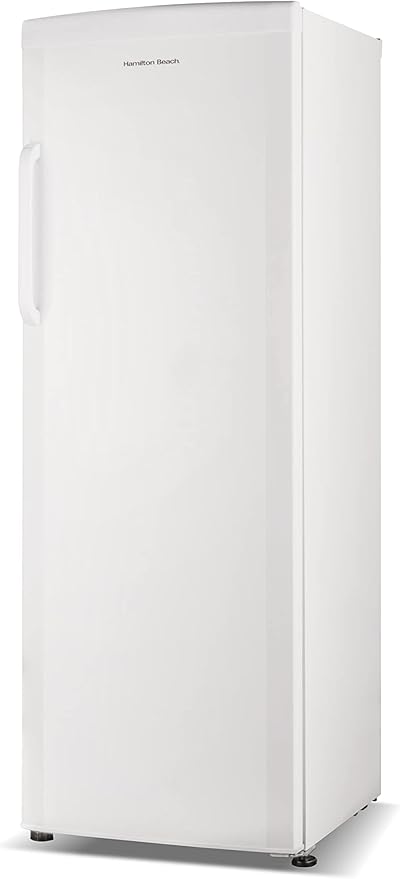
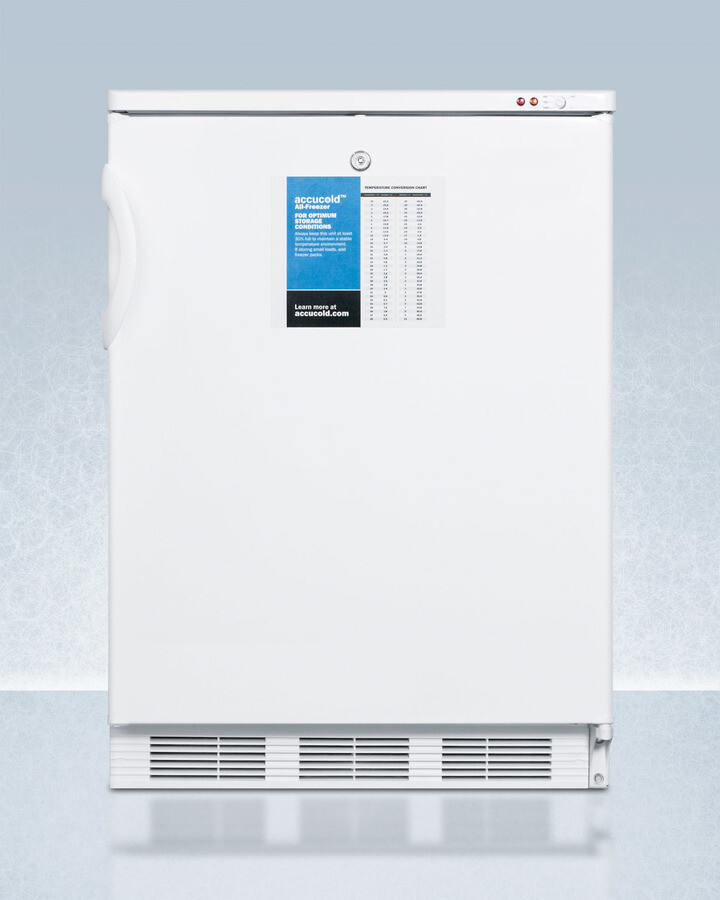
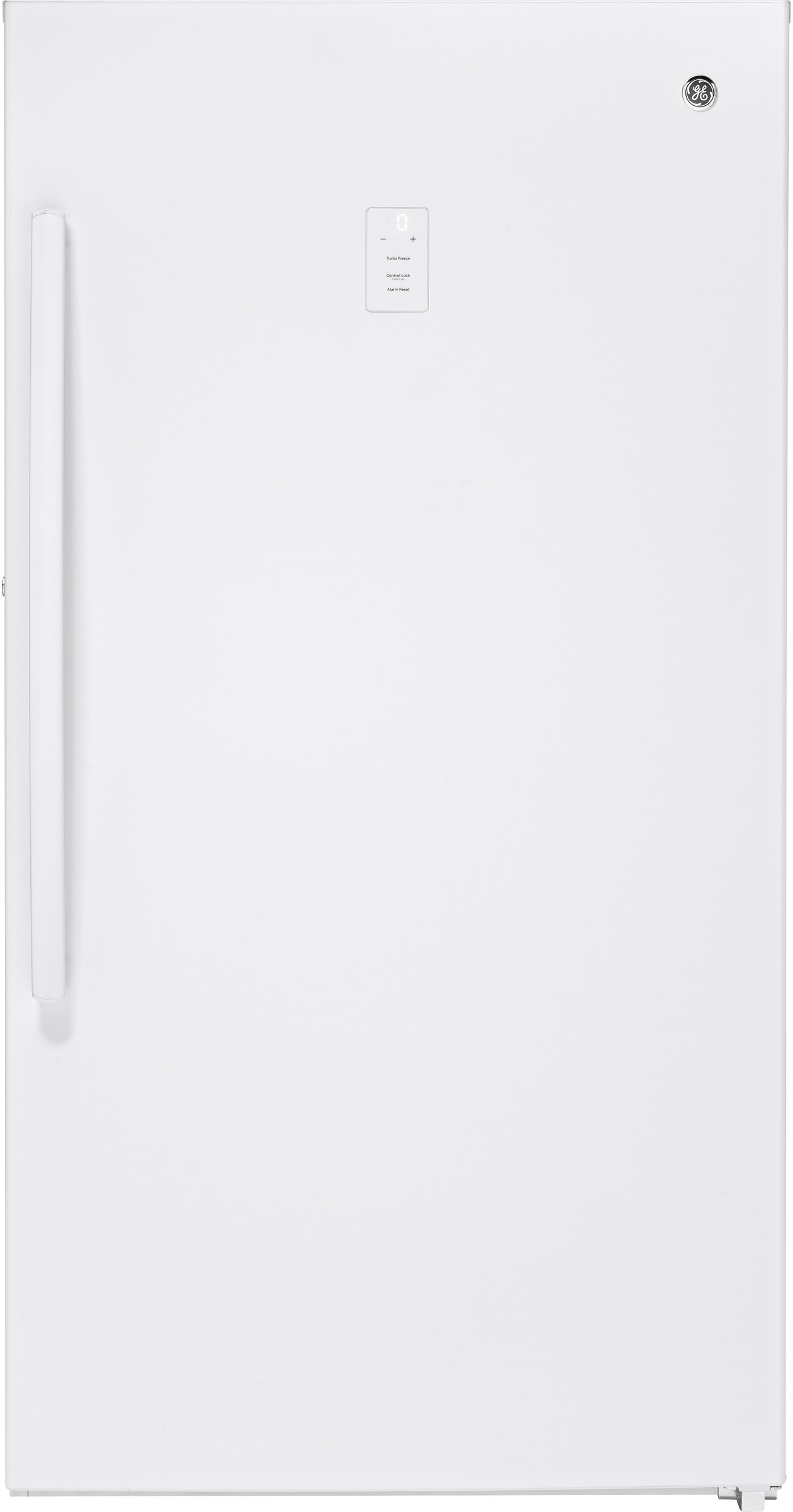
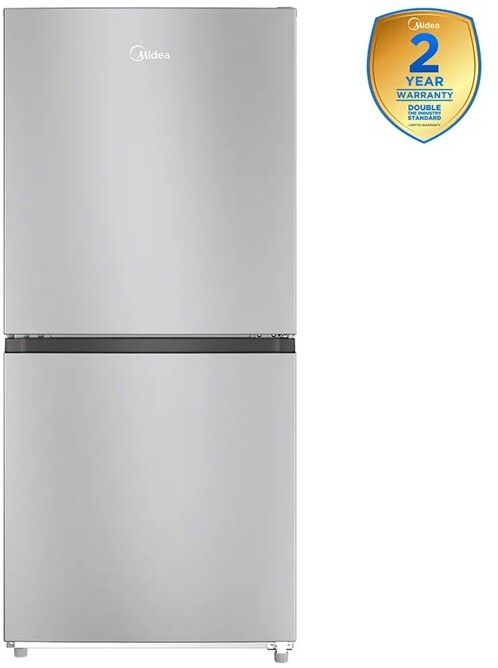
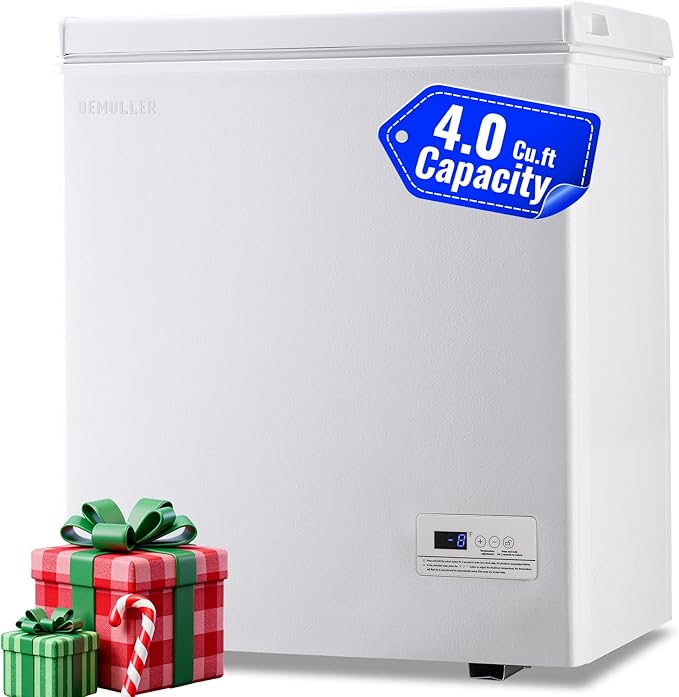
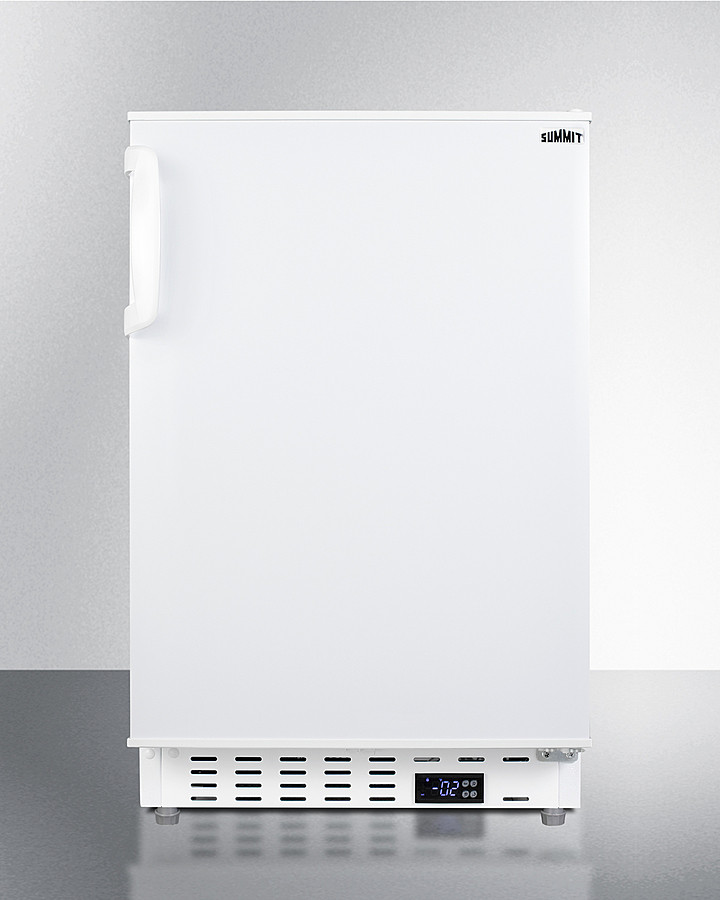
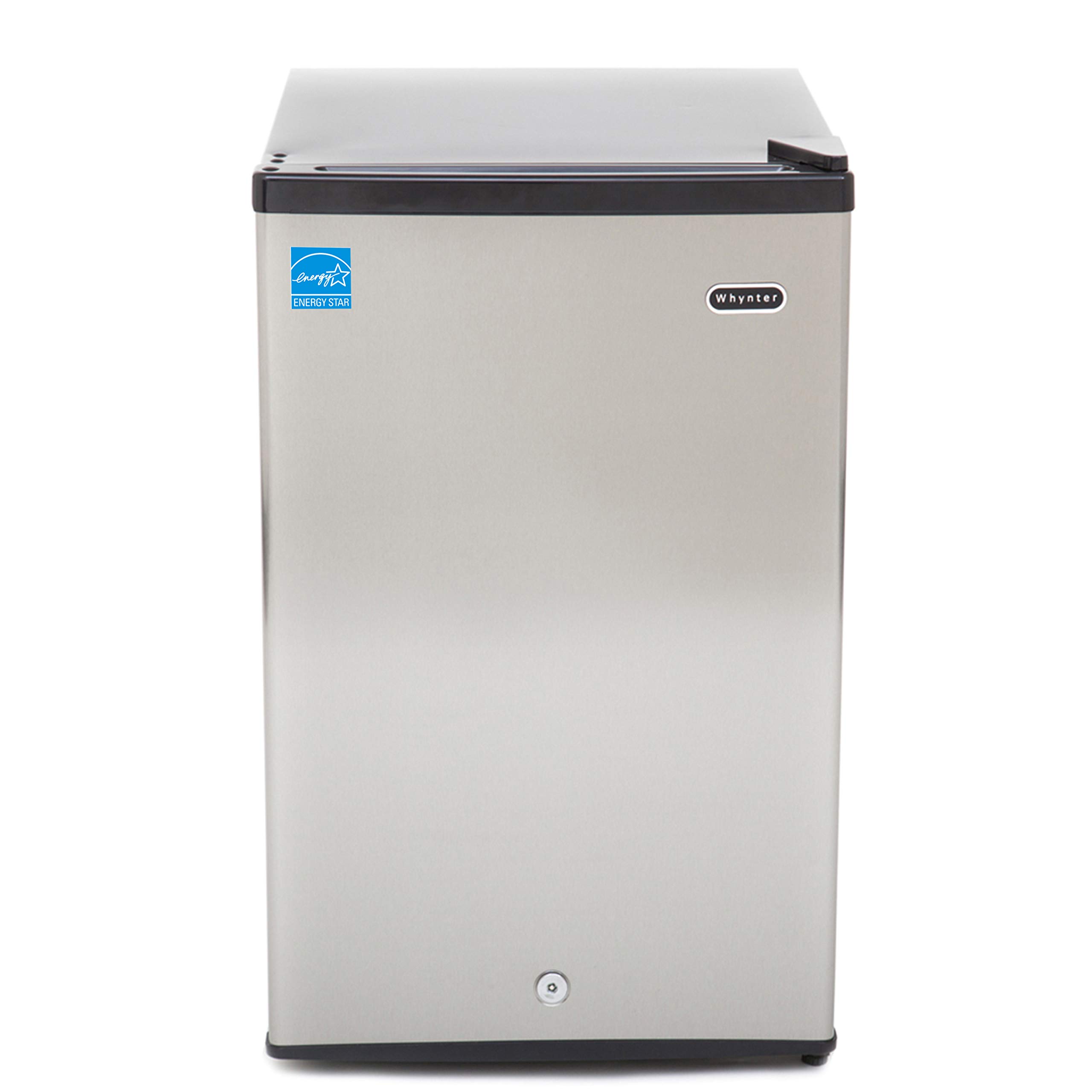
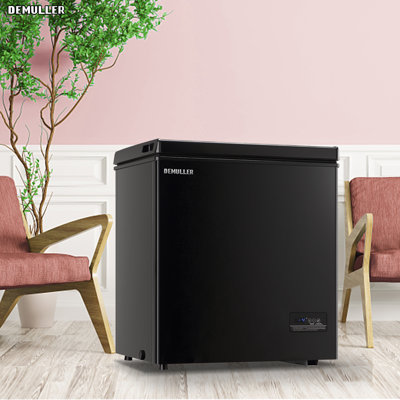
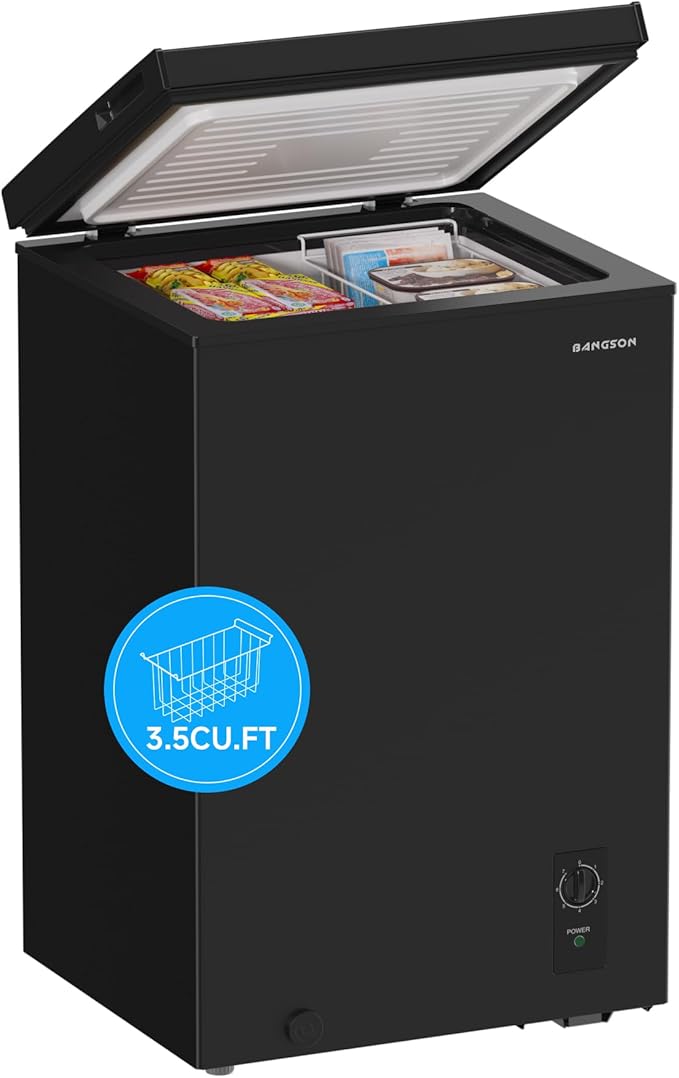
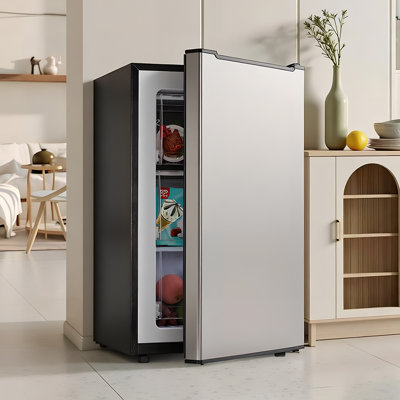
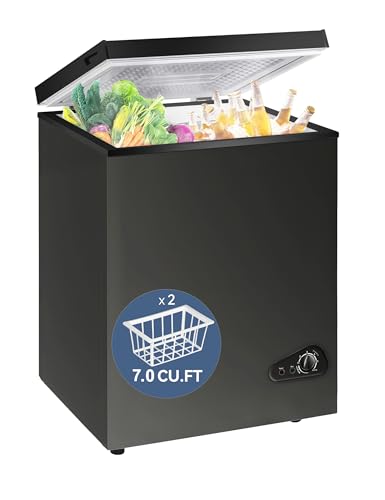
Ever wonder, will my fridge freezer work in the garage? If you’ve ever stared at that extra appliance gathering dust in the basement and thought about sliding it into your garage, you’re not alone. You might be planning to store overflow groceries, keep cold drinks handy for weekend barbecues, or even set up a dedicated beverage station for friends and family. But before you plug in and cross your fingers, there are a few things you’ll want to know to keep your food safe, your appliance humming, and your power bill in check.
In this guide, you’ll learn how fridge freezers operate in unconditioned spaces, how to pick a unit built for garage life, tips for installation, and maintenance strategies to keep everything running smoothly, whether you’re battling freezing winter nights or sweltering summer days. Ready to find out if your fridge freezer can survive and thrive in your garage? Let’s dive in.
Understanding garage conditions
Your garage is not your kitchen, and that matters when it comes to refrigeration. Garages are subject to wide temperature swings, higher humidity, dust, and sometimes even pests. All of these factors can affect how well your fridge freezer performs and how long it lasts.
Temperature extremes
Most household fridge freezers are designed to operate between 55°F and 110°F. In a hot summer day, your garage might hit 120°F or more, forcing the compressor to work overtime and driving up energy use. In colder climates, winter temperatures can drop below 32°F, causing the coolant system to struggle or shut off entirely, which can lead to spoiled food or even permanent damage.
Humidity and dust
Garages tend to be more humid and dusty than indoor spaces. Excess moisture can cause corrosion on coils and electrical components, while dust buildup restricts airflow and reduces efficiency. Over time, these conditions can lead to breakdowns, higher repair bills, and a shorter lifespan for your appliance.
Seasonal shifts
Think about how your garage behaves throughout the year. Is it insulated and climate controlled, or is it more like an oversized shed? Even a few degrees can make a big difference. If your garage sees both scorching summer heat and bone-chilling winter cold, you’ll need to plan ahead for each season to protect your fridge freezer.
How fridge freezers work
To decide if your unit can handle garage life, it helps to understand the basics of how it cools.
Compressor cycles
Your fridge freezer’s compressor pumps refrigerant through coils to absorb heat from inside and release it outside. When ambient temperatures rise, the compressor runs longer cycles to maintain internal temperatures. Too much strain can wear out parts faster and spike your electricity bill.
Ambient temperature rating
Manufacturers often specify a “climate class” rating. Most home models fall into the “SN” (subnormal) or “N” (normal) category, meaning they’re ideal for indoor use between 50°F and 86°F. Look for appliances rated “ST” (subtropical) or “T” (tropical) if your garage routinely exceeds 86°F. Those units are built with stronger compressors and heavier insulation to handle higher ambient heat.
Effects of low temperatures
If the garage dips below 32°F, the thermostat may not trigger the compressor, thinking the interior is cool enough. That can leave your frozen goods thawed or liquid, which defeats the purpose of a freezer. In very cold conditions, some compressors can suffer oil thickening, leading to mechanical damage over time.
Choosing a garage-ready fridge
Not all refrigerator freezers are cut out for the garage. Here’s how to pick one that won’t leave you with a puddle of defrosted milk.
What makes a unit garage-ready
Garage-ready models feature reinforced compressors, enhanced insulation, and modified thermostats. They often carry a wider climate class, extending safe operation from 32°F up to 110°F or higher. These tweaks help them cope with temperature swings and maintain consistent cooling.
Certifications and ratings
When shopping, check the spec sheet for climate class labels like “ST” or “T.” You might also see “KG” (kitchen and garage) ratings indicating the manufacturer tested the unit in both environments. If you find a model with a “garage ready” badge, that’s even better.
Size and capacity
Think about what you need to store. A compact freezer might work for cold drinks and ice cream, while a full-size fridge freezer gives you more flexibility for family meals or entertaining. If space is tight, check out order compact freezers: best prices for budget-friendly options under 5 cubic feet.
Budget considerations
Garage-ready appliances often come at a premium. Balance the upfront cost against potential energy savings and repair bills. Sometimes spending a bit more now saves you headaches (and dollars) down the road.
Installing your garage fridge
A smooth installation sets the stage for trouble-free operation. Here’s what to think about when you roll that fridge freezer into its new home.
Location and ventilation
Position your appliance away from direct sunlight and heat sources like water heaters. Leave at least two inches of clearance on all sides for proper airflow. Good ventilation prevents overheating and helps the compressor run efficiently.
Leveling and floor protection
Uneven floors can cause doors to misalign, gaskets to leak, and compressors to vibrate noisily. Use a level to adjust the feet until the fridge is perfectly upright. Place a rubber mat or plywood sheet underneath to protect the floor from scratches, spills, and condensation—and check out how can i slide my freezer without scratching the floor? for more tips.
Power requirements
Ensure your garage outlet is on a dedicated circuit that can handle the fridge’s amperage. Avoid extension cords and power strips, which can lead to voltage drops and overheating. If your garage wiring is old, consider hiring an electrician to install a new outlet close to where you’ll position the unit.
Door clearance
Measure door swings before final placement. You don’t want the fridge door to bump into shelving, tool chests, or the wall. If space is tight, look for reversible doors or slim-depth models to make life easier.
Cold winter nights can be as challenging as scorching summer days. Here’s how to keep your fridge freezer humming when temperatures dip.
Using a garage kit
Manufacturers sell winter or garage kits that include a small heater and a temperature sensor. The heater keeps the fridge’s internal thermostat warm enough to trick the compressor into running, even when the ambient temperature is below factory specs. Installing a kit typically involves plugging a module into the fridge’s control board and mounting a sensor inside the cabinet.
Insulation options
Adding a low-cost insulation blanket around the exterior can help stabilize temperatures. Make sure it doesn’t block vents or restrict airflow. You can also insulate the garage itself with foam panels, draft stoppers, and weatherstripping around doors and windows to reduce temperature swings.
Monitoring temperature
Invest in an affordable refrigerator thermometer with a remote probe. Place the probe inside the fridge or freezer compartment and check the readout before heading to bed or leaving for work. If you notice the temperature climbing above 38°F in the fridge or rising above 0°F in the freezer, you’ll have time to act before spoilage sets in.
Maintaining your fridge freezer
Regular upkeep is key to longevity and performance, especially in a harsher garage environment.
Cleaning coils
Dust and debris clog the condenser coils, forcing your unit to work harder. Every three months, pull the fridge away from the wall and gently vacuum the coils. If you need more detailed guidance, see how to clean deep freezer coils.
Defrosting the freezer
Frost build-up reduces storage space and cooling efficiency. When frost exceeds ¼ inch, defrost by unplugging the unit, placing towels underneath, and letting the ice melt. For step-by-step instructions, check out how to defrost a freezer. Avoid sharp tools that can damage the interior walls.
Checking door seals
Gaskets wear over time, allowing cold air to escape and warm air to enter. Inspect seals for cracks or stiffness, and clean them with warm soapy water every six months. If you see gaps, replacement gaskets are usually available online or through the manufacturer.
Handling power outages
Garage power can be less reliable than indoors. Keep a supply of dry ice or freezer gel packs on hand to maintain low temperatures during extended outages. If you expect a storm or planned outage, push perishable items toward the back of the freezer, where it’s coldest.
Even garage-ready models can hiccup. Here’s how to diagnose and fix frequent hiccups.
Fridge running too often
If your fridge seems to run nonstop, first check the ambient temperature. High garage heat forces longer cycles. Make sure doors close fully and gaskets seal tight. Cleaning coils and improving ventilation often reduces runtime.
Freezer frost buildup
Rapid frost means the door isn’t sealing or the gasket is compromised. Also check that you’re not leaving the door open too long when grabbing snacks. Defrosting and resealing should clear things up.
Strange noises
A little hum is normal, but loud rattles or clanks warrant inspection. Make sure the fridge is level and not touching walls or tools. Vibrating items on top can also amplify noise, so clear off the surface and see if that helps.
Inconsistent temperatures
Unreliable internal temps can stem from a faulty thermostat, blocked vents, or weak compressor. If adjusting the thermostat doesn’t help, and you’ve cleaned coils and verified airflow, it may be time for a professional tune-up or replacement.
A well-organized fridge freezer not only saves space but helps maintain consistent temperatures.
Organizing contents
Group like items together so you’re not holding the door open hunting for things
Use clear bins or baskets for fruits, veggies, and snacks
Label leftovers with dates to avoid forgotten food
Energy-saving tips
Don’t overload the unit—air needs to circulate freely
Keep the fridge about three-quarters full to leverage thermal mass for temperature stability
Hang an exterior thermometer to avoid unnecessary door openings
Smart upgrades
Consider adding LED lighting, adjustable shelves, or pull-out drawers to make accessing food faster and reduce time with the door open. Every second counts in a hot garage.
Exploring other cooling options
If your fridge freezer still struggles, here are alternatives to consider.
Freezer-only units
A standalone chest or upright freezer may handle garage conditions better than a combined unit. They generally have simpler thermostats and thicker insulation. Explore options like camping fridge freezer for portable flexibility or traditional chest freezers for bulk storage.
Beverage coolers
If cold drinks are your main goal, a beverage fridge or kegerator could be more efficient. They’re designed for frequent door openings and often feature glass doors to minimize guesswork. Check out best beverage fridge for an outdoor kitchen to find a model suited for garage bar setups.
Climate-controlled storage
For long-term storage needs, investing in a small insulated room or installing modular garage insulation can create a stable environment for any fridge or freezer. This approach requires more upfront work but pays off if you rely heavily on extra cold storage.
A fridge freezer in the garage can be a game changer for entertaining, meal prep, or keeping a craft beer stash chill. By understanding your garage’s climate, choosing a properly rated appliance, installing it with care, and committing to regular maintenance, you can avoid spoiled food, runaway energy bills, and late-night repair calls.
If you’re ready to make the leap, don’t forget to hunt for garage freezer discounts before you buy. And when you’ve got your new unit in place, take a moment to celebrate—you’ve just unlocked a whole new level of convenience for your home life.
Free tool
Food Storage Calculator
Free interactive tool from Fridge.com — get a quick answer while you read.