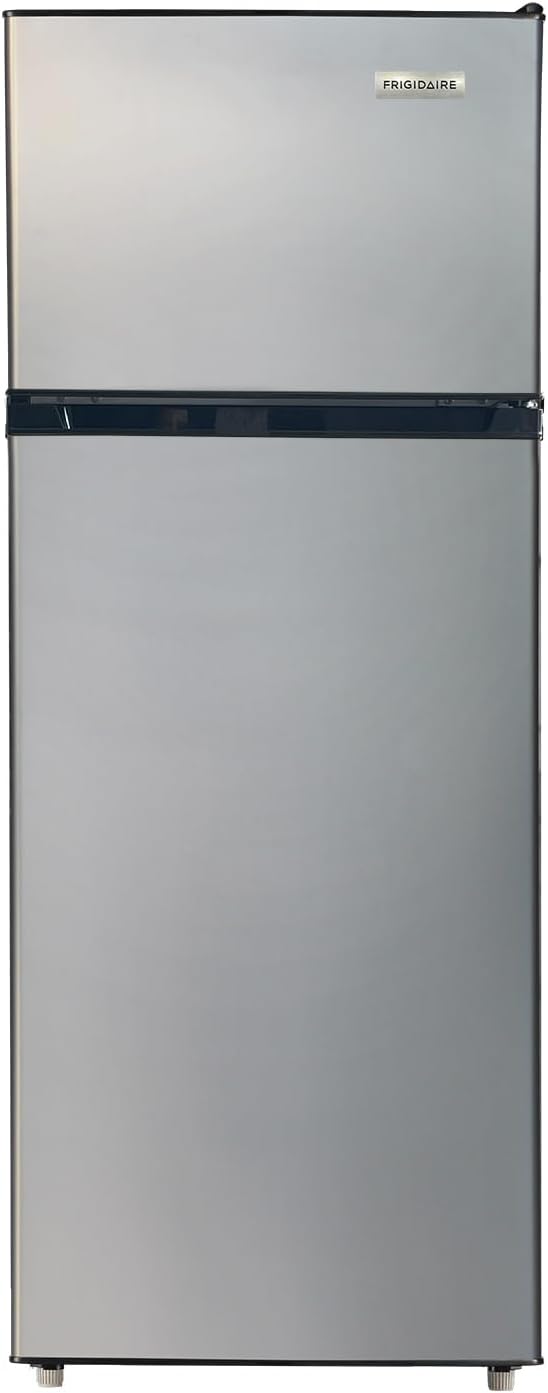
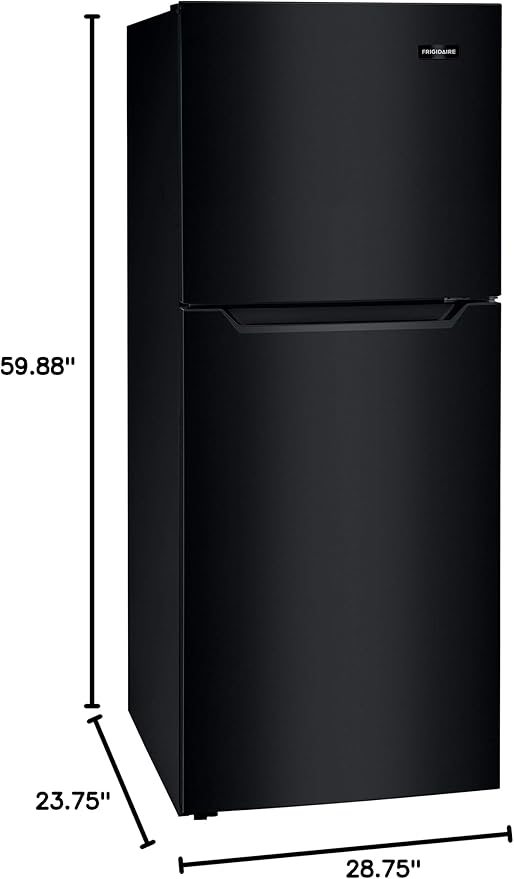
Thinking about laying your fridge on its back for transport? You’ve probably asked yourself, will laying a fridge on its back damage it? It’s a common concern whenever you need to squeeze a full-size refrigerator into a tight moving van or navigate narrow doorways. You want to protect your appliance’s compressor, coolant lines, and seals, and avoid costly repairs down the road. In this guide, we’ll walk through exactly what happens inside your fridge when you lay it flat, outline the risks, and share best practices so you can move your fridge safely, whether you’re outfitting a commercial kitchen, setting up an RV, or simply redecorating your home.
Reasons to lay fridge on its back
When tight spaces or awkward doorways are involved, tipping your fridge onto its back may seem like the easiest solution. Common scenarios include:
Loading into a moving truck with low ceilings
Maneuvering through narrow hallways or staircases
Securing the unit on a trailer for an RV trip
Protecting glass shelves and doors from banging
Laying your fridge on its back can give you the clearance you need—but it’s essential to understand the potential consequences before you take that shortcut.
What happens inside the fridge
Before you tip your fridge flat, it helps to know how its internal systems react:
Compressor oil displacement
Your fridge’s compressor houses oil that lubricates moving parts. When upright, that oil stays in the compressor casing. On its back, oil can flow into coolant lines, making the compressor starve when you power it back on.
Coolant line movement
Refrigerant circulates through coils in the back and bottom of the unit. Laying the fridge flat can shift refrigerant distribution, leading to gas pockets or blockages when you restart.
Component shift
Shelves, trays, and internal fans may jostle or detach. If they aren’t secured, you risk broken glass shelves or damaged plastic liners.
While many fridges survive a brief lay-down without drama, you should weigh these risks:
Compressor damage
Oil in refrigerant lines may not return to the compressor right away. Running the fridge too soon can cause the compressor to overheat or seize.
Seal and gasket issues
Door seals can warp if pressed against a hard surface. A compromised gasket leads to energy loss and uneven cooling.
Warranty implications
Some manufacturers void parts of your warranty if the appliance shows evidence of improper transport, including unauthorized tilting or laying flat. Always check your manual before risking coverage.
If you absolutely must lay your fridge on its back, follow these steps to minimize damage:
Unplug and defrost
Turn off the unit at least 24 hours before moving to fully thaw ice buildup. Empty all food, remove shelves, and pack glass components separately.
Secure loose parts
Use tape or soft padding to hold shelves, crisper drawers, and door bins in place. Wrap delicate components in bubble wrap.
Use proper straps
Anchor the fridge upright or flat with ratchet straps to prevent sliding during transport. Secure to the truck or trailer frame rather than the fridge handles.
Keep upright when possible
Whenever space allows, transport the fridge standing up or at a slight tilt, which keeps compressor oil where it belongs.
After you’ve laid your fridge on its back and moved it into position, resist the urge to plug it in immediately:
Let it rest upright
Stand the fridge upright in its final spot and leave it untouched for at least as many hours as it was on its back (minimum four hours).
Allow fluids to settle
This pause gives oil and refrigerant time to return to their proper chambers. If you power up too soon, you risk compressor damage.
Plug in and monitor
Once you’ve waited, reconnect power. You might wonder if unplugging and re-plugging the fridge resets it or clears any error codes—check out will unplugging a fridge reset it? for tips on resetting your thermostat and controls.
Alternative moving methods
If your goal is to protect your fridge, consider these options before laying it flat:
Transport upright only
Disassemble doors and remove handles to reduce width. Padding the sides and securing to a hand truck can help you roll the unit upright through tight spaces.
Hire professional movers
Experienced appliance movers use tilting dollies and lift gates designed for refrigerators. They know how to protect compressors, coil lines, and door seals.
Can I lay a fridge sideways instead of on its back?
Sideways tilts also risk oil displacement. If you must tip, keep it as close to upright as possible and follow the same resting rules.
How long should I wait before turning it on?
Aim for at least four to six hours upright, or match the time it spent on its back—whichever is longer.
Will warranty cover damage from laying it on its back?
Most warranties don’t cover damage from improper transport. Review your owner’s manual or contact the manufacturer to confirm.
Is laying fridge safer than standing during moves?
Upright transport is always safer. Only lay your fridge flat if you’ve exhausted other options, and then follow best practices to reduce harm.
Final thoughts and tips
Moving a full-size refrigerator can be a headache, but understanding the mechanics behind oil displacement and coolant flow helps you make smarter choices. Whenever possible, transport your fridge upright or at a slight tilt, and reserve the back-flat method for unavoidable situations. Defrost thoroughly, secure internal parts, and let the unit rest before powering up. By following these guidelines, you’ll safeguard your compressor, maintain proper cooling performance, and keep your warranty intact. Now, go ahead—plan your move with confidence, and give your fridge the smooth ride it deserves.
Frequently Asked Questions
Sideways tilts also risk oil displacement. If you must tip, keep it as close to upright as possible and follow the same resting rules.