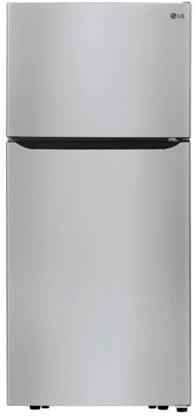
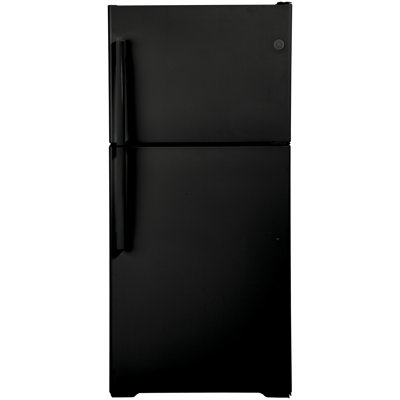
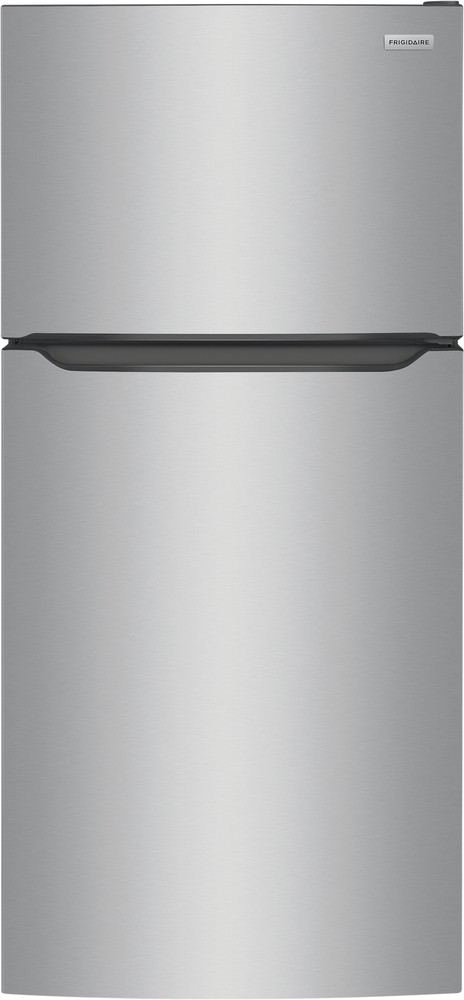
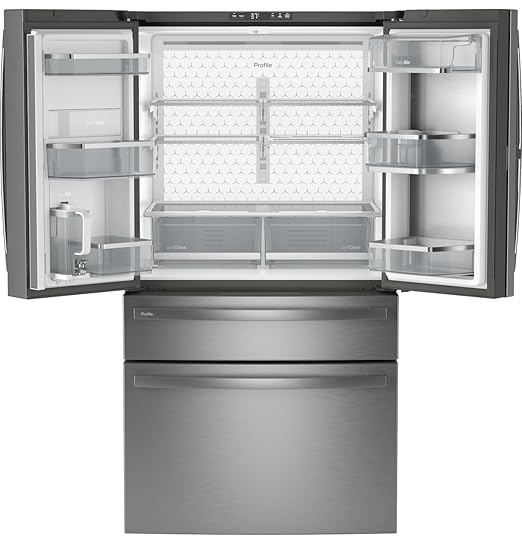
Ever stared at your empty fridge and thought, “will a fridge get cold with nothing in it?” You’re not alone. Whether you’re a chef prepping mise en place, stocking up for a big family dinner, or settling into your first studio apartment, understanding how an empty refrigerator chills can help you save energy, protect your appliance, and keep your food safe. In this guide, you’ll learn the science behind fridge cooling, how thermal mass affects temperature stability, and practical tips for getting the best performance from your unit—even when it’s practically empty.

Understand fridge cooling basics
Every fridge relies on a simple cooling cycle to pull heat out of its interior and expel it to the room around you. Here’s how it works:
- Compressor action
- The compressor squeezes refrigerant gas, raising its pressure and temperature.
- Hot gas flows through condenser coils on the back or bottom of the fridge, releasing heat into your kitchen air.
- Expansion and evaporation
- The refrigerant travels through an expansion valve, dropping in pressure and temperature.
- Inside the evaporator coils (usually in the fridge compartment), the cold refrigerant absorbs heat from the air, cooling the interior.
- Thermostat control
- A thermostat monitors internal temperature and signals the compressor to cycle on or off to maintain your chosen set point.
Without any items inside to absorb heat, that evaporator coil is working against mostly air—which has far less thermal capacity than food or liquid. That means in an empty fridge, the compressor may cycle more frequently to maintain temperature, since air heats up and cools down faster than a stock full of milk cartons or leftovers.
key components and your fridge
- Refrigerant type: Modern units use R600a or R134a, both efficient and low-toxicity
- Insulation quality: Better foam insulation slows heat transfer from the room into the empty fridge
- Door seals: A tight gasket keeps warm air from sneaking in every time you peek inside
By knowing these basics, you’ll see why an empty fridge still gets cold, but may behave differently than a fully stocked one.
Explore thermal mass role
Thermal mass refers to the ability of a material to absorb, store, and release heat. In your fridge, most thermal mass comes from:
- Bottles of water or soda
- Milk cartons, yogurt cups, and other dairy products
- Leftovers in glass or plastic containers
- Metal shelves and drawers to a lesser extent
When you open the door, cold thermal mass helps buffer the interior temperature. In an empty fridge:
- Temperature spikes happen faster, since there’s little mass to absorb incoming heat
- The compressor fires back on more frequently, increasing wear and energy use
- You may notice uneven cooling zones—items near the evaporator might still stay colder than spots near the door
real-world examples
- A busy cafeteria uses a best beer fridge for a cafeteria. Even when it’s half empty between restocks, the rows of kegs maintain an even chill.
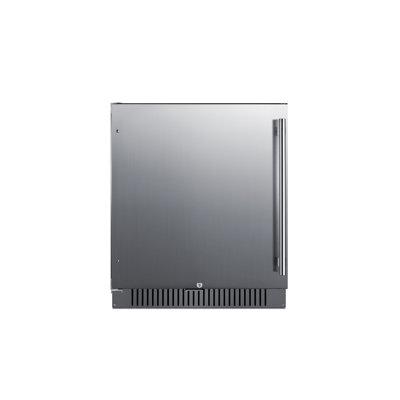
- Home cooks with drawer refrigerators often fill drawers with chilled meal prep containers, boosting overall thermal mass.
Adding simple thermal buffers—like a jug of water or a food-safe ice pack—can help stabilize temperature swings if you’re running an empty or lightly loaded fridge.
Assess empty fridge performance
So you’ve set your thermostat to 37°F (3°C), but you’re running a completely empty unit. What should you expect?
temperature stability
- Initial cooldown: An empty fridge may reach set point faster, but without mass to hold that chill, the temperature can drift upward between cycles.
- Cycle frequency: You’ll notice shorter, more frequent on-off cycles as the thermostat reacts to rapid air-temperature changes.
energy usage
An empty fridge can either draw slightly more or slightly less energy, depending on:
- Insulation quality and how well your door seals
- Ambient room temperature (a garage or RV often sees higher heat loads)
- Floor level—you may find higher humidity or dust near a commercial kitchen floor gumming up coils
Below is a rough comparison of energy draw in a 14-cu ft household fridge running at 70°F ambient temperature
| Load condition | Daily energy use (kWh) | Compressor cycles per hour |
|---|---|---|
| Fully stocked | 1.0–1.2 | 4–6 |
| Half empty | 1.1–1.3 | 5–7 |
| Completely empty | 1.2–1.4 | 6–8 |
Your mileage may vary, but you can see that running an empty refrigerator isn’t necessarily more efficient.
Compare loaded vs empty
When deciding whether to run your fridge empty—say in an office break room or an RV during travel—consider these factors:
airflow considerations
- Empty shelves allow unrestricted airflow, but that means cold air spills out faster when you open the door
- A stocked fridge has pockets of cooler air trapped between bottles and containers
food safety and humidity
- Little inside humidity sources (like fruits and veggies) can lead to drier air, which may damage seals or plastic parts over time
- When you do add food, sudden humidity spikes can fog up glass shelves and cause frost build-up in some models
noise and vibration
- An empty compressor may cycle more often, creating more noticeable hums and clicks—something to consider if your wine cellar doubles as a tasting room.
Balancing thermal mass with airflow and humidity control will give you the best of both worlds.
Improve fridge efficiency
Even if you must run your fridge empty for a period, you can optimize performance with a few simple tricks:
- Add water jugs or sealed containers as thermal buffers
- Set your thermostat to the manufacturer’s recommended range (usually 35–38°F for fridges)
- Organize items to minimize door-open time—keep your most-used items in front
- Place air-permeable bins near the door to reduce cold-air loss
- Defrost manually if your fridge isn’t frost-free, since excess ice forces compressors to work harder
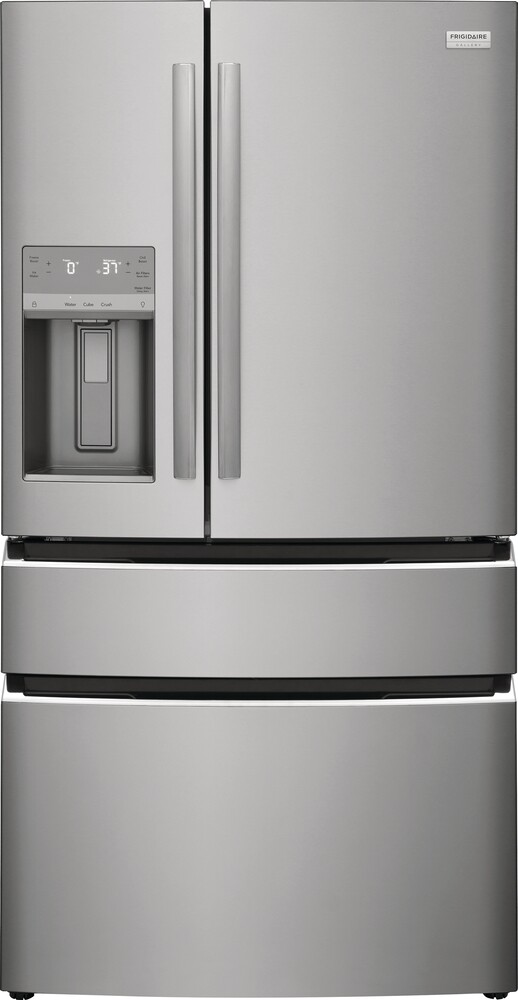
If you’re shopping for a new unit, check out what are the pros and cons of a french door refrigerator? and compare energy labels to find a model rated for partial loads.
Maintain fridge condition
A well-maintained empty fridge runs better and lasts longer. Here’s your cleaning and upkeep checklist:
- Inspect door gaskets for cracks, wear, or debris—replace if air leaks occur
- Vacuum condenser coils every three months to remove dust and grime
- Level the fridge so doors close fully without slamming
- Wipe interior walls with a mild detergent and warm water—see how to clean the refrigerator cleaning lessons for step-by-step tips
- Check drip pans or drains for clogs that can cause mold or odors
Proactive maintenance minimizes energy waste and helps you trust that your empty fridge still chills reliably.
Troubleshoot fridge issues
Even an empty fridge can run into problems. Here are common symptoms, causes, and fixes:
| Symptom | Possible cause | Quick fix |
|---|---|---|
| Fridge too warm, even empty | Faulty thermostat | Adjust set point, then test with oven thermometer |
| Compressor running constantly | Dirty coils or low refrigerant | Clean coils, call technician if problem persists |
| Excessive frost build-up | Damaged door seal | Replace gasket, ensure proper door alignment |
| Unusual noises or vibrations | Loose components or fan issues | Tighten screws, clean fan blades, lubricate if needed |
If basic DIY steps don’t solve it, a qualified appliance tech can diagnose refrigerant leaks, compressor health, or electronic control board faults.
Final thoughts
Running an empty fridge may seem counterintuitive, but your unit will indeed get cold with nothing in it. You’ll just see different temperature dynamics, energy use patterns, and maintenance needs compared to a fully stocked model. By understanding the cooling cycle, leveraging thermal mass, and following simple efficiency and upkeep tips, you’ll keep your empty refrigerator humming along—and your eventual groceries perfectly chilled.