Digital thermostats with a range down to 33°F are ideal.
A well-chosen espresso fridge reduces wasted steps, keeps milk in the safe 36°F to 40°F zone, and lets you focus on latte art instead of logistics.
Whether you’re outfitting a busy cafe, a home barista station, or an office break room, we’ve got practical tips to help you serve silky lattes and cappuccinos without that awkward pitcher squeeze.
If you’ve ever wondered, which espresso fridge accommodates milk steaming pitcher? you’re in the right place. In this ultimate guide, we’ll walk you through everything you need to know to pick a refrigerator that keeps your milk at the perfect temperature and fits your steaming pitcher with room to spare. Whether you’re outfitting a busy cafe, a home barista station, or an office break room, we’ve got practical tips to help you serve silky lattes and cappuccinos without that awkward pitcher squeeze.
You’ll learn how to measure your pitcher, compare popular fridge styles, evaluate key features, and optimize your setup for speed and convenience. By the end, you’ll know exactly which espresso fridge accommodates milk steaming pitcher needs, and where to find the best deals.
Understand Espresso Fridges
What Is An Espresso Fridge?
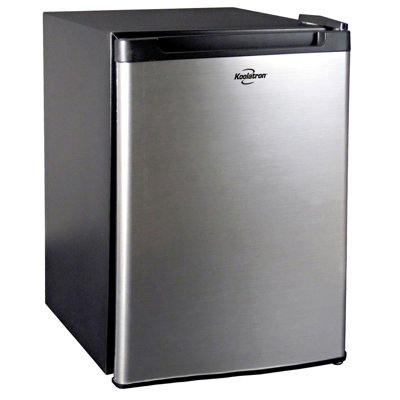
An espresso fridge is a compact refrigerator designed to sit near your espresso machine, dedicated to chilling milk used for steaming. Unlike general-purpose mini fridges, these units focus on fast cool-down times, precise temperature control, and interior layouts that fit milk pitchers, creamers, or small beverage containers.
Why It Matters For You
When you’re pulling shot after shot, you don’t want to dart across the room to grab milk and lose your rhythm. A well-chosen espresso fridge reduces wasted steps, keeps milk in the safe 36°F to 40°F zone, and lets you focus on latte art instead of logistics. It’s a small appliance, but it can make a big impact on your workflow, consistency, and drink quality.
Measure Your Pitcher
Before you start shopping, grab your favorite milk steaming pitcher and a tape measure. Pitcher sizes vary widely, so getting these dimensions up front will save you from returns and frustration.
Typical Capacities
12 oz (350 ml): Height ~4½ in, Diameter ~3 in
20 oz (600 ml): Height ~5½ in, Diameter ~3½ in
32 oz (950 ml): Height ~7½ in, Diameter ~4 in
Key Measurements
Height from base to top of spout
Maximum diameter across widest point
Handle clearance, if it extends outward
Write these numbers down. You’ll use them to compare against interior specs when you evaluate different fridge models.
Not every small refrigerator is built the same. Here are the three main types that often work for baristas and coffee lovers.
Undercounter Refrigerators
These units sit beneath a standard counter height, offering generous interior space and removable shelves. You’ll find them in many commercial kitchens. They often have robust compressors for fast recovery after you load warm pitchers.
Compact Beverage Fridges
More portable and usually featuring glass doors, beverage fridges are popular in offices and home bars. They’re lighter on capacity but score high on style. If you’re curious, check out our best office beverage fridge guide for top picks.
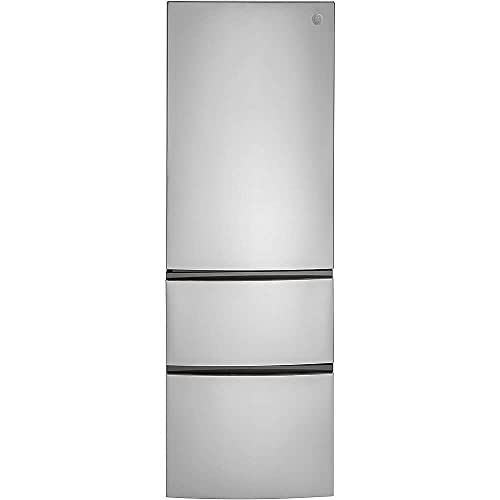
Drawer-Style Refrigerators
Built like shallow pull-out drawers, these fridges fit under counters or islands without requiring door clearance. They tend to have lower interior heights, so they’re best for smaller pitchers or half-size creamers.
Once you’ve narrowed your preferred fridge type, focus on these features to ensure a perfect pitcher fit and smooth operation.
Adjustable Shelves
Look for units with removable or height-adjustable shelves so you can create a single, open space tall enough for your pitcher. Some models even offer quick-release shelf clips for tool-free adjustment.
Temperature Controls
Digital thermostats with a range down to 33°F are ideal. Precise controls help prevent over-cooling, which can alter milk texture. An external display means you won’t have to open the door and lose cold air when you’re in a rush.
Door Design
Self-closing doors prevent accidental left-open mishaps, and reversible hinges give you flexibility in tight spaces. Glass doors let you spot your pitcher at a glance, while solid doors insulate better and keep noise levels down.
Interior Finish
Stainless steel interiors resist staining and absorb odors less than plastic liners. Smooth walls make cleanup a breeze, especially if your pitcher drips or splashes milk inside.
Your recorded pitcher measurements come into play here. Compare them to the fridge’s interior specs.
Height Requirements
Measure from the floor of the fridge to the lowest fixed shelf or ceiling. Make sure this number exceeds your pitcher’s height by at least ½ in to allow for easy insertion and removal.
Door Opening
Some fridges have molded door bins or thick gaskets that reduce effective opening width. Verify the door opening width and height in the manufacturer’s spec sheet.
Shelf Configuration
Count how many shelves come standard, then see how many you’d need to remove. If removing just one shelf shrinks usable depth too much, that fridge might not be ideal.
Compare Fridge Options
A side-by-side look at common fridge categories can help you balance size, cost, and usability. Values are approximate; always confirm with the manufacturer before buying.
When you’ve got the right fridge, set it up for maximum efficiency.
Arrange Shelves
Start with all shelves in place to see your baseline. Then remove or reposition shelves to clear a tall central zone for pitchers. Keep at least one lower shelf intact to store small cartons or yogurt cups.
Use Bins And Inserts
Shallow bins help keep smaller containers upright and prevent tipping when you open the door. A wire insert or plastic basket can corral sauce bottles or specialty milks without blocking your pitcher spot.
A clean, well-tuned fridge performs better and lasts longer.
Clean Coils Regularly
Dust buildup on coils forces the compressor to work harder. Every 3–6 months, vacuum or brush the coils. For a step-by-step, see our how to clean refrigerator coils guide.
Wash Drip Pan
Spills and condensation collect in the drip pan under your unit. Pull it out, scrub with warm soapy water, dry, and slide it back in place. Learn more in how to clean your fridge drip pan.
Shop And Buy Guide
Ready to pick your ideal espresso fridge? Head over to Fridge.com to browse models, compare specs, and snag the best deals. You can filter by exterior style, interior layout, and temperature range. If you need extra inspiration, check out our roundup of best office beverage fridge units or shop specialty setups on the same site.
When you order, double-check interior dimensions against your pitcher measurements, note delivery lead times, and confirm warranty coverage. Many undercounter units ship free, and some retailers offer installation add-ons if you’re integrating the fridge into a built-in bar or counter.
Choosing the right espresso fridge is about more than just style. It’s about fitting your workflow, protecting milk quality, and avoiding wasted steps during peak service. By measuring your pitcher, understanding fridge types, and focusing on adjustable shelves and precise temperature control, you’ll serve better drinks faster.
Remember to maintain your unit with regular coil and drip-pan cleaning, and organize the interior so your pitcher has a home it can slide into without a fight. With the tips in this guide, you’ll know exactly which espresso fridge accommodates milk steaming pitcher needs, every single day. Happy brewing!
Frequently Asked Questions
An espresso fridge is a compact refrigerator designed to sit near your espresso machine, dedicated to chilling milk used for steaming. Unlike general-purpose mini fridges, these units focus on fast cool-down times, precise temperature control, and interior layouts that fit milk pitchers, creamers, or small beverage containers.