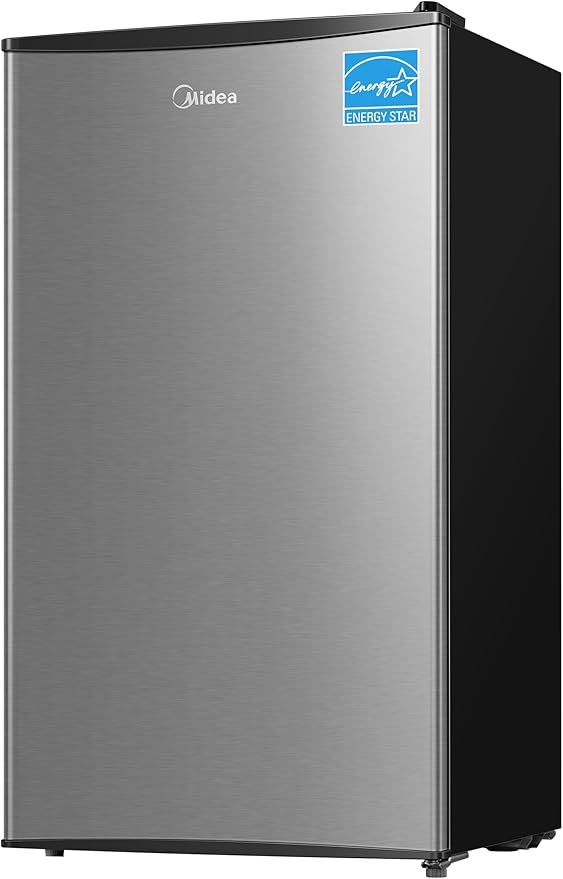
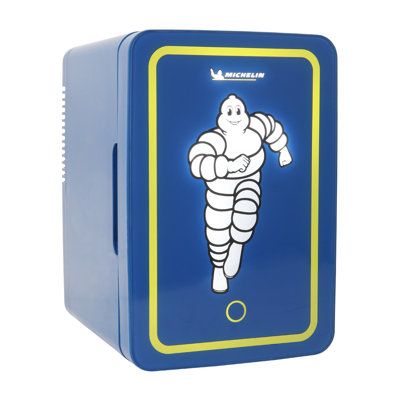
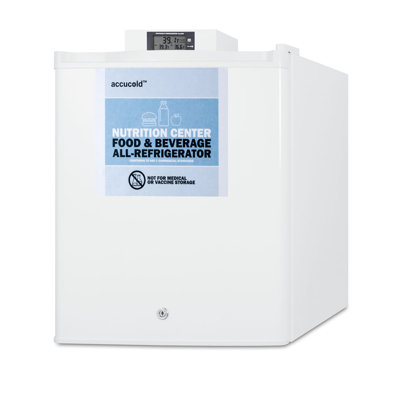
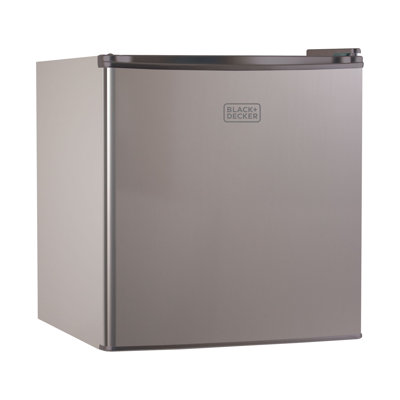
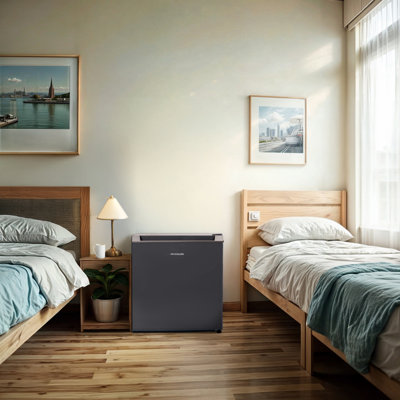
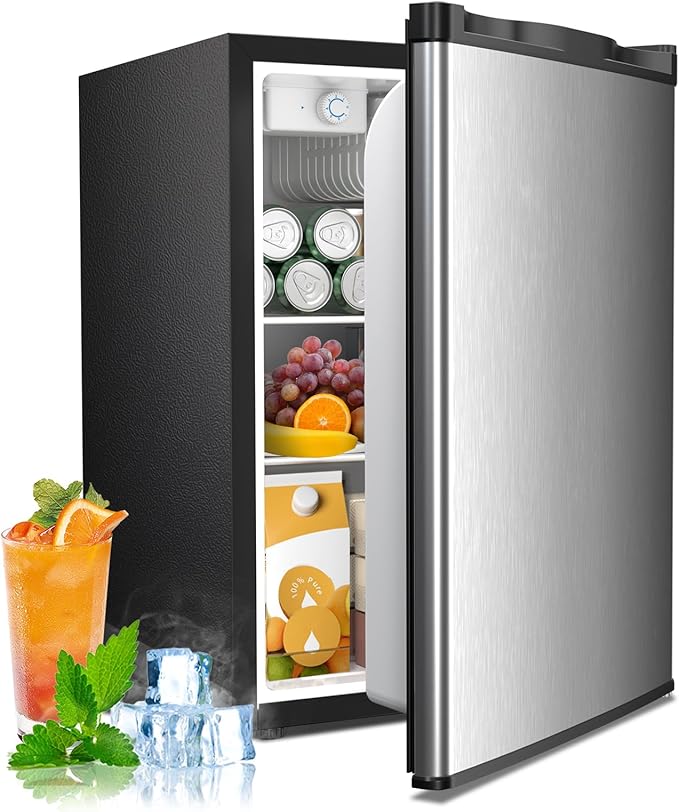
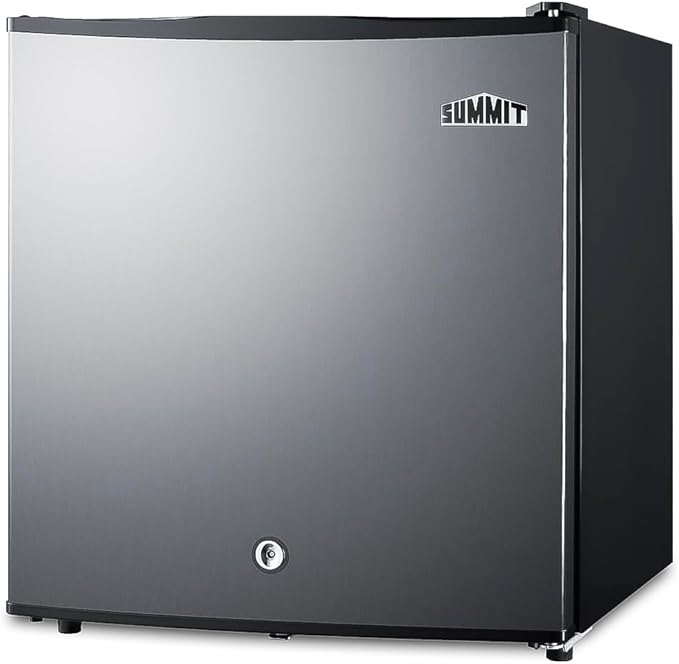
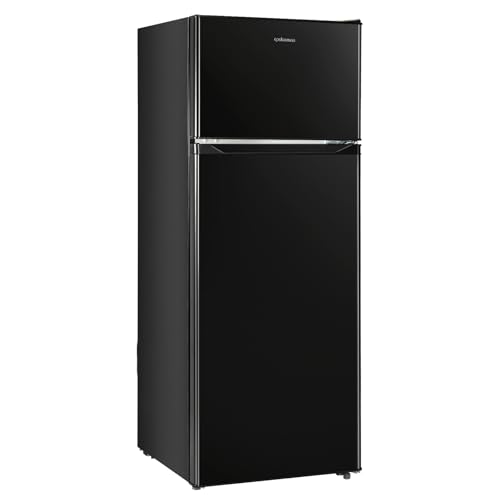
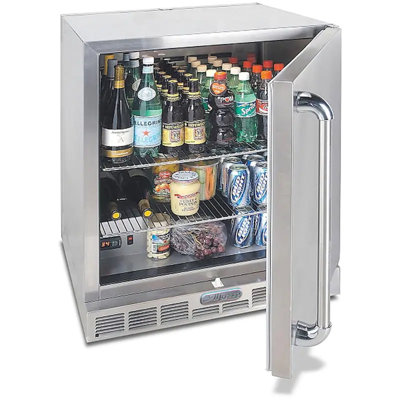
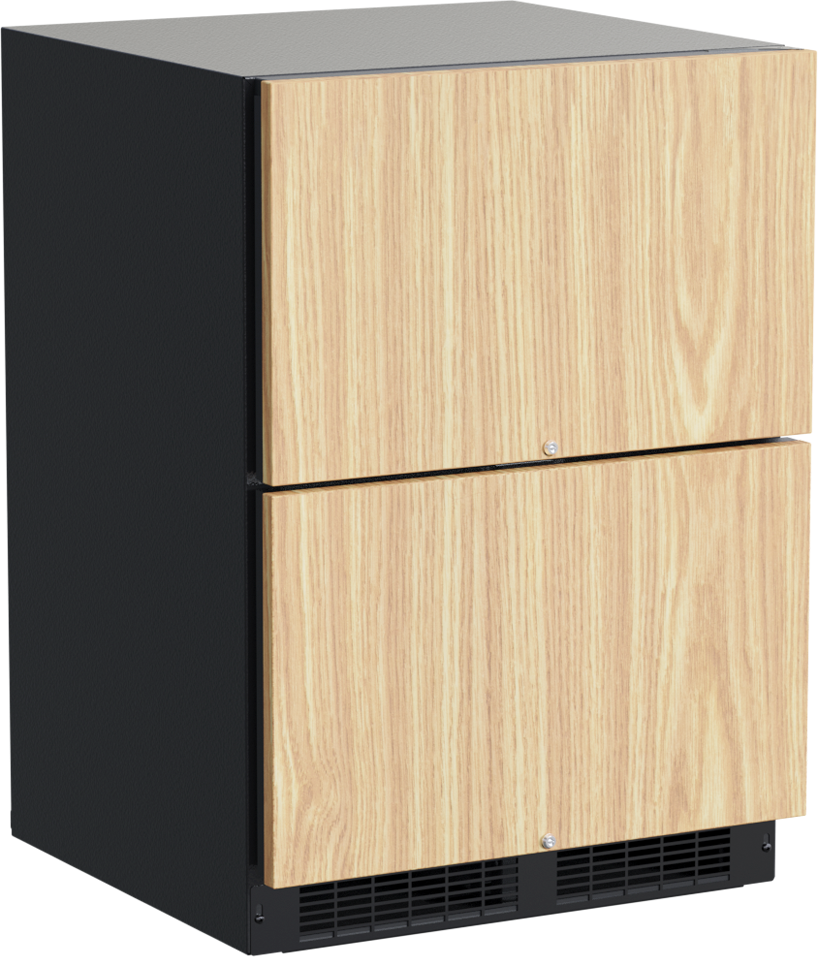
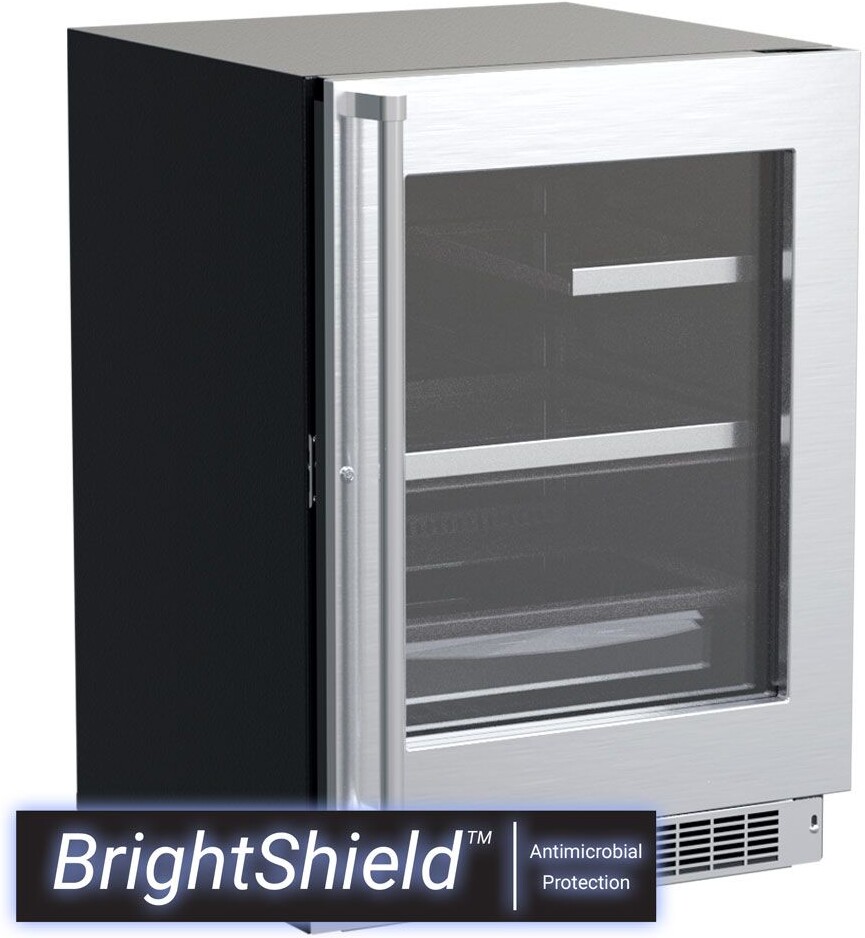
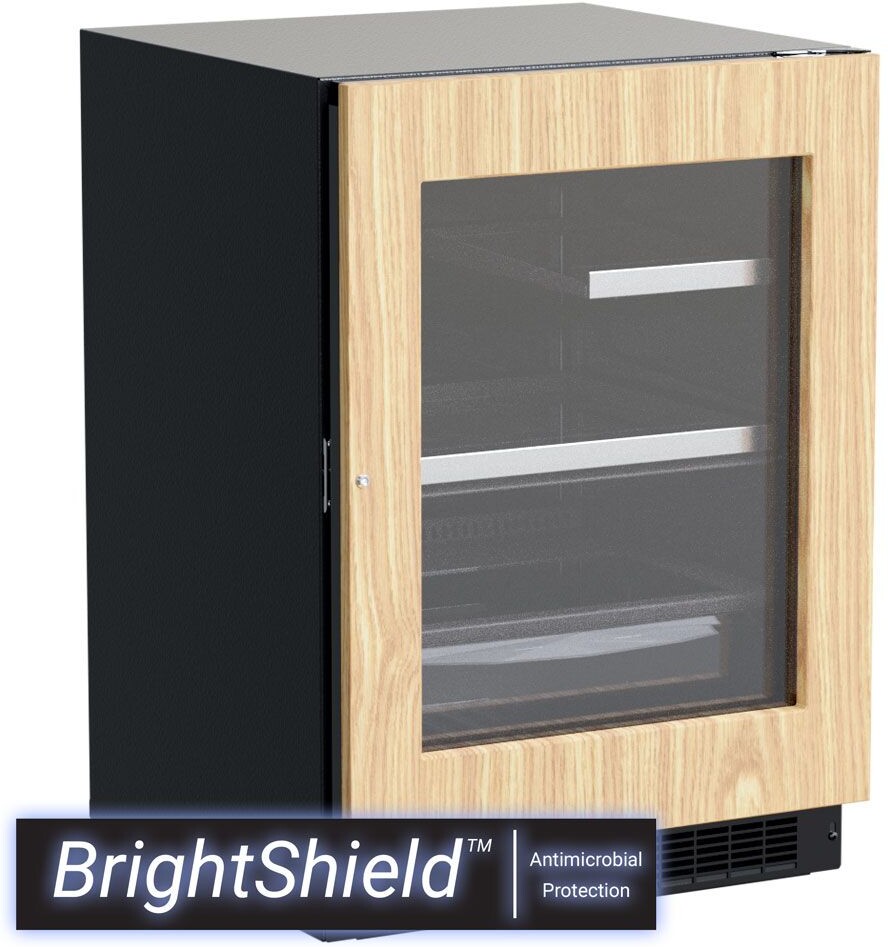
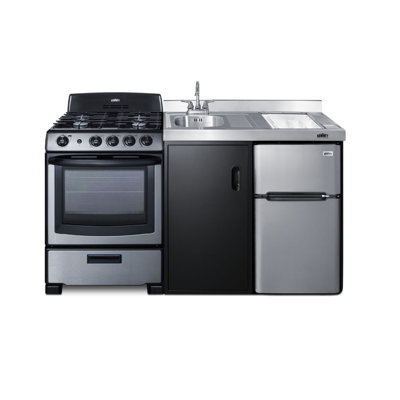
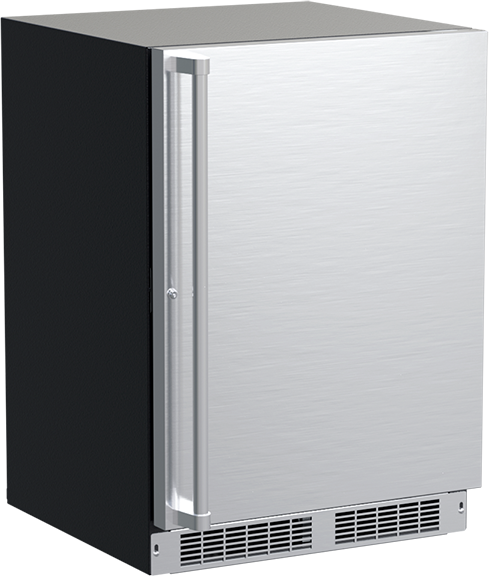
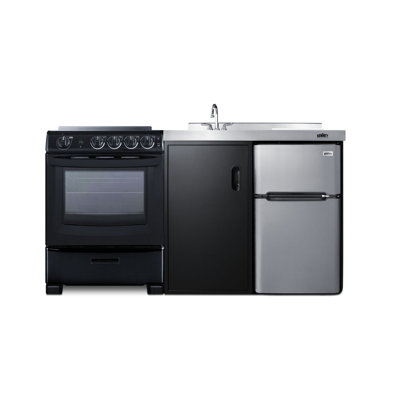
You’re on a mission to keep your leafy greens, vibrant fruits, and crunchy nuts at peak freshness, and finding the best compact refrigerator for raw food diet is the first step. A fridge that maintains consistent temperature and humidity can mean the difference between limp kale and crisp, energizing salads. In this section, we’ll dive into why your raw ingredients deserve special treatment, and how the right compact fridge can support your healthy lifestyle goals.
Why Temperature Matters
Raw food is sensitive to temperature swings. If your fridge runs too cold, some produce can freeze and lose texture. Run it too warm, and bacteria multiply quickly. Ideally, you want a temperature between 34°F and 40°F. Many compact refrigerators offer digital controls so you can fine-tune settings to the exact degree. That precision keeps spinach lively and oranges juicy, without accidentally turning your microgreens into freezer pops.
Humidity Control Importance
Moisture is just as critical as temperature. High-humidity drawers help leafy greens stay hydrated, while low-humidity drawers keep root vegetables dry and firm. Look for compact models with adjustable vents or separate crisper bins. Proper humidity control prevents wilting, mold growth, and nutrient loss. If you’re curious about advanced produce-preservation tricks, check out this guide on how rapidly flash freeze locks nutrients in vegetables?.
Storage Zones For Produce
Organizing food by type helps airflow and prevents cross-contamination of ethylene gas, which can speed up ripening. Here’s a simple approach:
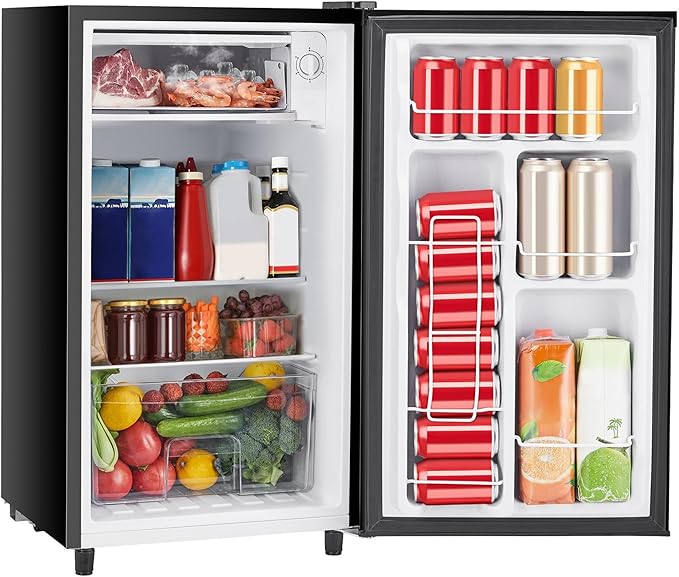
Top shelf: Ready-to-eat items like berries and salads
Middle shelf: Dairy substitutes, nut butters, and jars of sprouts
Crisper drawers: Separate high-humidity (greens) from low-humidity (carrots, beets)
Door bins: Dressings, small jars, and bottles
Bottom shelf (if you have a freezer compartment): Frozen chopped fruits for smoothies
If your compact fridge doesn’t have a freezer, consider a freezerless model for uninterrupted produce space, see purchase freezerless refrigerators: best prices.
Finding a compact refrigerator that fits your kitchen footprint while holding enough raw foods for your weekly prep can feel tricky. Let’s break down how to choose the right size and style.
Calculate Your Produce Volume
Start by taking inventory of what you normally store:
How many bunches of greens?
How many jars of sprouts or fermented veggies?
Do you keep smoothie packs or nut-milk containers in the freezer section?
If you’re stocking up for meal-prep, aim for at least 4 to 6 cubic feet of fridge space. If you tend to shop daily and consume most produce within a couple of days, 3 to 4 cubic feet may suffice.
Compact Footprint Options
Compact refrigerators typically range from 2.5 to 6 cubic feet. Here’s what to consider:
Width: Standard is 18–24 inches, ideal for dorm rooms, studio apartments, or garage kitchens
Height: Waist-high models (around 30–36 inches) fit under counters; taller options (up to 42 inches) give more vertical storage
Depth: Counter-depth or slim-depth models (around 22–24 inches) blend neatly with cabinetry
If you’re budget-minded, explore 10 small refrigerators for 1000 or less. Those picks often balance cost with capacity without sacrificing essential features.
Undercounter Vs Freestanding
Undercounter units slide under standard 34-inch counters, making them look built-in. Freestanding fridges offer more flexibility but can crowd narrow hallways. Decide based on:
Your available floor space
Whether you want a seamless kitchen aesthetic
How often you might move or rearrange
If you live in an RV or cabin and need portability, check out camping refrigerators that combine compact size with durable, energy-smart designs.
Compare Key Features
Not all compact refrigerators are built with raw food lovers in mind. Here are the must-have features that keep your produce vibrant, crunchy, and nutrient-rich.
Adjustable Temperature Settings
Look for models with digital thermostats in 1°F increments. Some fridges display temperature clearly on an exterior panel, so you can tweak settings without opening the door. Consistency prevents hot spots and cold pockets, both of which can ruin delicate items.
Dedicated Produce Drawers
Separate crisper drawers with adjustable humidity are non-negotiable. Some brands label them “Low” and “High” humidity, while others let you control air vents manually. High-humidity drawers work for lettuce and herbs, low-humidity drawers for apples and mushrooms.
Energy Efficiency Ratings
Energy Star certified models use advanced insulation and compressors to reduce electricity use. Less cycling means more stable temperatures. Even in a compact unit, efficient operation can save you up to 20 percent on your energy bill annually.
Noise Levels and Vibration
Chewing on leftover kale is one thing, but a humming fridge that rattles your dinner conversation is another. Check decibel ratings—under 40 dB is whisper-quiet. Vibration can bruise soft fruits, so look for anti-vibration feet or dampening mounts.
Water Filter Compatibility
If you’re making infused water or cold-pressed juices straight from the tap, a built-in water filter helps remove chlorine and odors. For filter basics, see our refrigerator water filter guide.
A well-maintained fridge keeps raw ingredients at their best and extends equipment life. Here’s how to stay on top of maintenance without overthinking it.
Clean Coils Regularly
Dusty coils force the compressor to work harder, causing temperature fluctuations. Every six months, pull your unit from the wall and vacuum the coils. For step-by-step details, see how to clean refrigerator coils.
Organize For Airflow
Avoid blocking vents and overstuffing shelves. Leave at least an inch of space around food so cold air can circulate. Store bulk items in stackable bins to keep everything tidy and visible.
Replace Filters
If your model has a water or air filter, change it according to manufacturer guidelines—typically every six months. Fresh filters improve taste and reduce mold spores in the compartment.
Check Door Seals
Gently close a dollar bill in different spots around the door. If you can pull it out easily, the seal may be worn. Proper gaskets prevent warm air leaks and energy waste.
Ready to upgrade your kitchen? Fridge.com offers an extensive selection of the top compact refrigerators tailored to raw food diets. You’ll find exclusive deals, reliable shipping, and expert support to answer all your questions. Whether you need a freezerless undercounter unit for smoothies or a high-capacity model for weekly meal-prep, you can buy with confidence.
Pro Tip: Compare customer reviews and look for promotions on energy-efficient, digital display models. A little extra research can save you hundreds over the lifespan of your appliance.
With the right compact refrigerator, you’ll enjoy crisp, nutrient-rich raw foods every day. From humidity-controlled drawers to whisper-quiet operation, the features you choose will keep your kitchen running smoothly and your meals bursting with flavor. Use this guide as your roadmap, and soon you’ll know exactly which model fits your space, budget, and healthy-eating goals. Happy chilling!
From Fridge.com research
Figures below come from data Fridge.com builds and maintains. Each links to the record behind it.
Fridge.com Energy Index, built on U.S. EPA and DOE ENERGY STAR records
Across 1,728 ENERGY STAR certified compact refrigerator models, median use is 246 kWh per year — 11% better than the federal standard.