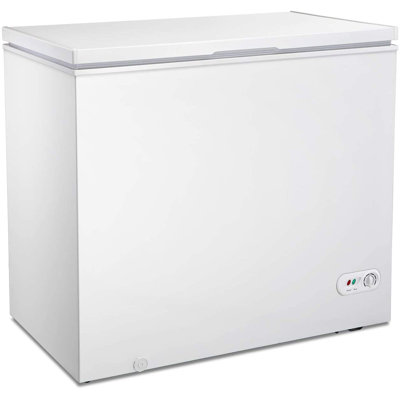
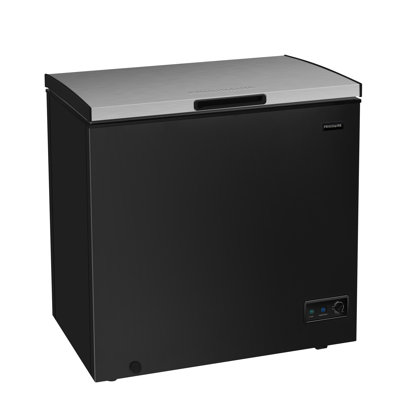
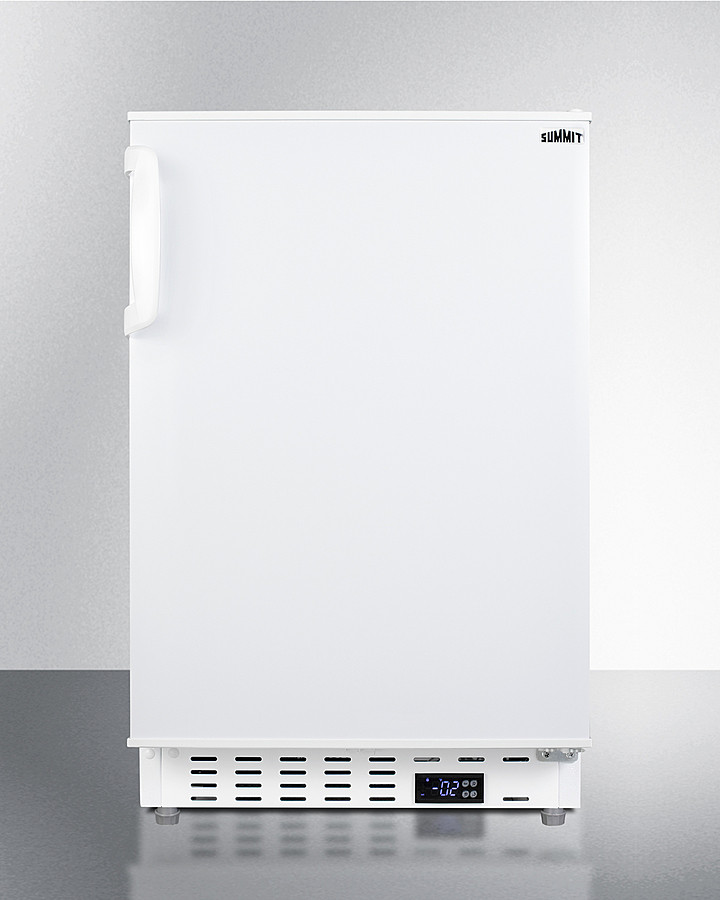
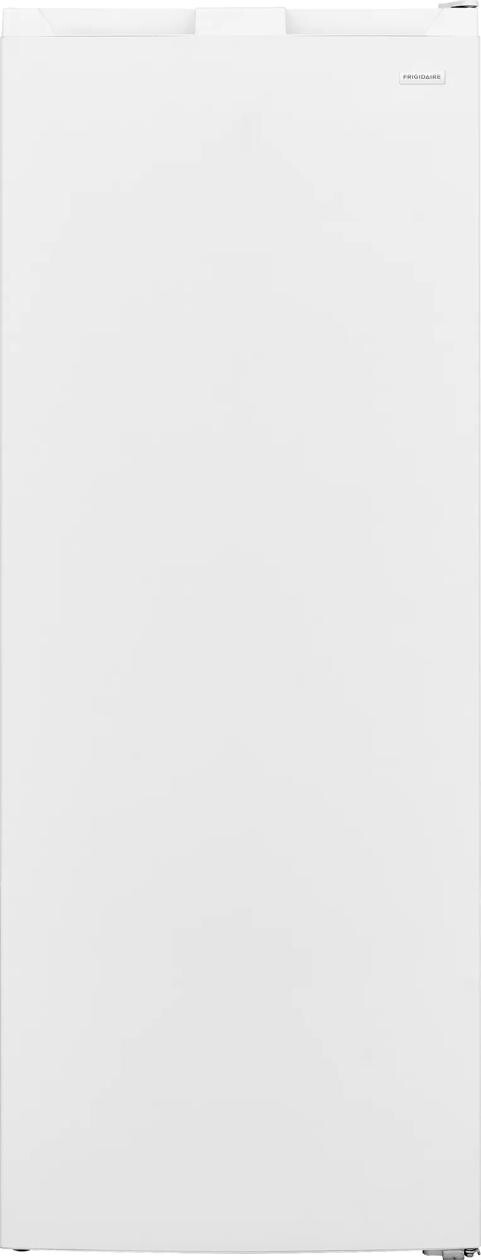
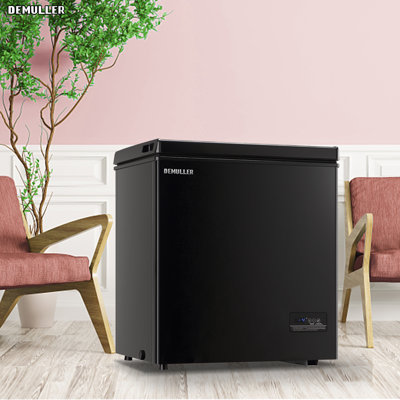
When you’re shopping for a new chest or upright freezer, one question you’ll probably ask is which freezer latch seals firmly without effort? You want a latch that grabs tight, keeps frost at bay and never leaves you wrestling with a stubborn door. Whether you’re stocking up meal-prepped dinners for the week, running a busy commercial kitchen or heading out on an RV trip, a reliable latch means peace of mind and zero wasted energy.
In this guide you’ll learn how freezer latches work, which materials and mechanisms deliver the strongest seal, and how to pick a design that locks securely with minimal effort. We’ll walk through installation tips, maintenance best practices and troubleshooting tricks so you can keep your freezer running at peak performance. Let’s dive in.
Understanding latch functions
Every freezer latch has the same goal: squeeze the door gasket tight against the cabinet to form an airtight barrier. But the way each latch does that can vary widely, and that makes all the difference in ease of use and sealing power.
Why latch design matters
A great latch design gives you consistent closure force without having to slam or tug. If the mechanism is too loose, warm air sneaks in, ice builds up on your coils and your compressor works overtime. If it’s too stiff, you end up battling the door every time you pull out a tray of homemade dumplings. Finding the sweet spot means your food stays colder, your power bill stays lower and you save yourself from needless frustration.
How seals trap cold air
Most freezers rely on a rubber or silicone gasket around the door edge that the latch presses against. When the gasket compresses evenly, it prevents moisture and heat from creeping in. Some latches create compression by pulling the door in toward the cabinet, others use magnetic strips that hold the door closed automatically once it gets close enough. Either way, the result should be a uniform seal all the way around.
Comparing latch materials
The hardware you choose affects both how easily you close the door and how long that mechanism lasts under daily use. Here’s a quick look at common materials.
Plastic vs metal hardware
Plastic latches tend to be lightweight and corrosion-resistant, but they can crack or wear down faster under heavy use, especially in commercial settings.
Metal latches, often made from stainless steel or zinc alloy, are tougher and deliver a more robust feel. They may add a bit of weight but they stand up better over years of fridge-freezer traffic.
Magnetic gasket strength
Some upright freezers skip a mechanical latch altogether and rely on magnets embedded in the door gasket. Higher-grade magnets mean a firmer pull with minimal effort on your part. You simply push the door shut and the magnetic field does the rest, creating a consistent seal every time. Look for magnets rated for sub-zero environments so they don’t lose strength over time.
Once you know the basics, you’re ready to zero in on latch styles that deliver easy, secure sealing without making you break a sweat.
Magnetic seal latches
Ideal for home cooks and office break rooms, magnetic latches require zero mechanical action—simply push the door close and the magnets lock in. This design is common on many upright models meant for light to moderate use.
Pros
Hands-free operation
No moving parts to grease
Quick door access
Cons
Can lose grip if gasket gets dirty
May not suit extreme cold storage
Compression draw latches
Found on many chest freezers and heavy-duty units, draw latches use a cam mechanism to pull the door down and in toward the cabinet. Once you close the lid, you flip the latch lever so it “draws” the door tighter against the gasket.
Pros
Strong compression for deep freezers
Adjustable tension in some models
Clear visual “locked” indicator
Cons
Requires two-handed operation
Exposed parts may rust if not stainless
Single-motion push latches
These latches combine the ease of a button-push with the power of a mechanical catch. You press a rocker or thumb latch and the mechanism snaps into place, pulling the door tight in one motion.
Even the best latch can underperform if it’s misaligned. A few simple checks at install will save you headaches down the road.
Aligning door and frame
Close the door gently and look for gaps along the perimeter.
Use a level to confirm the freezer sits square—shims under one corner can help.
Adjust hinge screws (uprights) or hinge plate (chests) so the door sits flush with the cabinet.
Tensioning draw latches
Many draw-style latches offer a tension adjustment screw or cam. Turn it in small increments, test the seal by listening for that soft “click” when you close the door, and stop when you feel a snug but not overly stiff pull.
Testing seal performance
After installation, place a thin strip of paper between the door gasket and frame at several points. Close the door and tug on the paper—if it slides out too easily, you need more compression. If it won’t move at all, dial the tension back a notch.
To keep your latch operating like new, plan a few minutes of upkeep now and then.
Cleaning gaskets and tracks
Food spills, dust and freezer burn residue can build up on the gasket and latch channel. Wipe everything down monthly with warm, soapy water. Avoid harsh solvents—mild dish soap does the trick.
Lubricating latch mechanism
If you feel stiffness or hear squeaks, apply a light coat of food-safe silicone spray or white lithium grease to moving parts. Operate the latch several times to work the lubricant in.
Replacing worn parts
Inspect gaskets for cracks or flattening, and latches for bent cams or broken springs. Many manufacturers offer replacement kits—if yours is past its prime, swapping in a new latch assembly can give your freezer a fresh lease on life.
Troubleshooting latch issues
Even well-maintained latches can act up—here’s how to diagnose and fix common hiccups.
Identifying air leaks
Look for frost buildup on the door edges or moisture droplets on cabinet walls. Those are telltale signs that air is sneaking in. A leak detector spray or even soapy water will reveal tiny gaps when you see bubbles form.
Fixing misalignment
Doors can sag over time, causing the latch to miss its catch. Tighten hinge bolts, adjust shims or re-set the hinge plate until the door closes squarely.
Addressing stiff latches
If closing feels stiff despite cleaning and lubrication, check for bent parts or foreign objects jammed in the mechanism. Straighten small bends with pliers, or replace damaged components altogether.
When you know which latch style you prefer, it’s time to match it to your freezer and budget.
Matching latch to freezer type
Chest freezers thrive with draw latches thanks to their powerful compression.
Upright freezers often pair well with magnetic seals or single-motion push latches for everyday ease.
Balancing budget and durability
A basic magnetic gasket setup tends to cost less upfront, but heavy-use environments—like cafeterias or craft-beer storage—usually justify a sturdy metal draw latch. If you’re in a salty garage or near the ocean, opt for stainless hardware to prevent corrosion.
Considering warranty and support
Look for latches backed by at least a one-year warranty, with easy access to replacement parts. Some brands include lifetime support, which can be a real lifesaver if you’re running a busy kitchen or storing pricey specialty ingredients.
Final thoughts on latches
Choosing which freezer latch seals firmly without effort? comes down to understanding your use case, weighing material and mechanism trade-offs, and keeping everything clean and aligned. Magnetic seals deliver no-fuss operation, draw latches provide muscle for deep-freeze work and single-motion push catches strike a nice balance between the two.
Ready to lock in a great deal on a freezer with top-notch latches? Check out our shop deep freezers: best prices page to compare models, or head over to shop deep freezers: coupons for savings on your next purchase. With the right latch in place, you’ll enjoy effortless sealing, lower energy bills and peace of mind every time you close the door.
Free tool
Food Storage Calculator
Free interactive tool from Fridge.com — get a quick answer while you read.