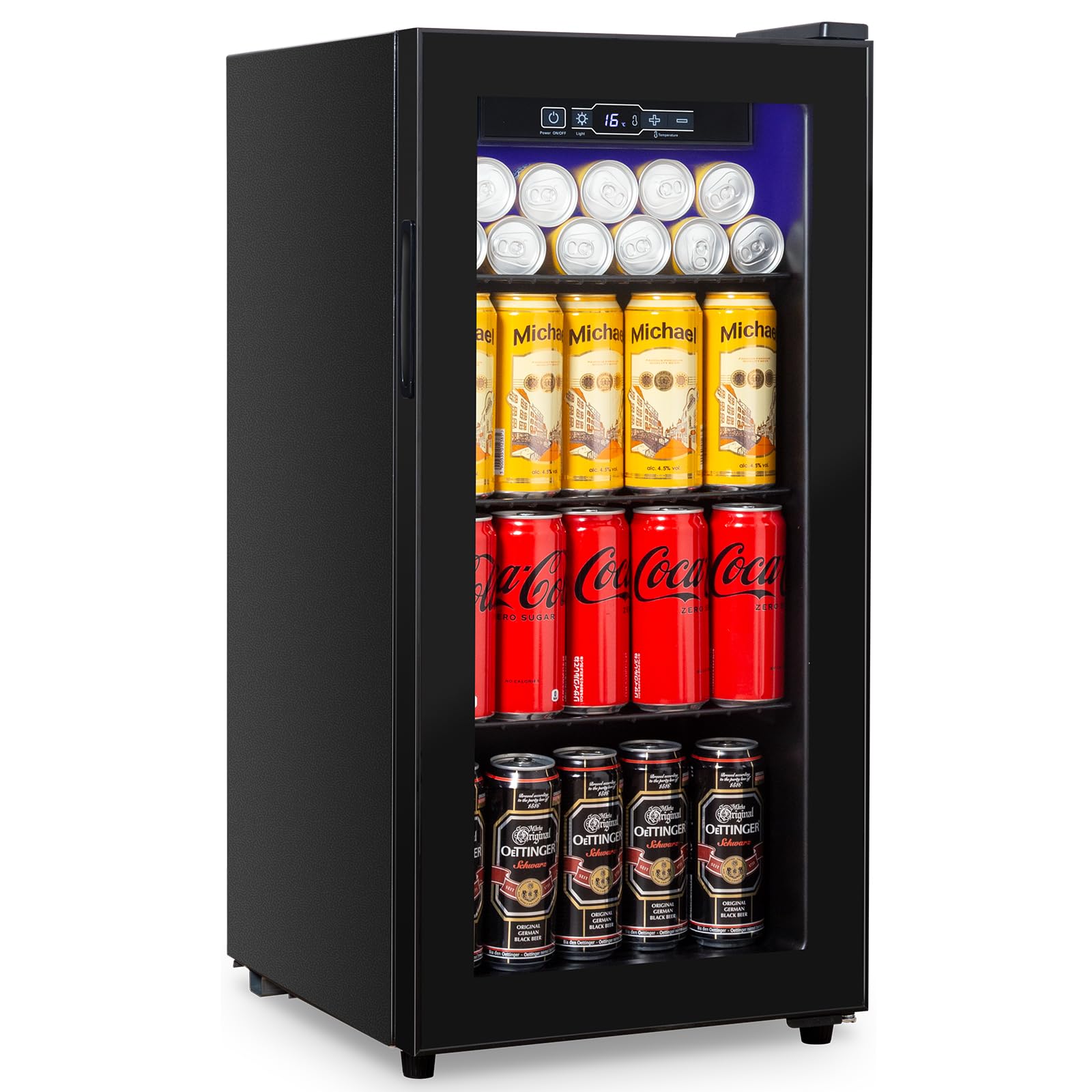
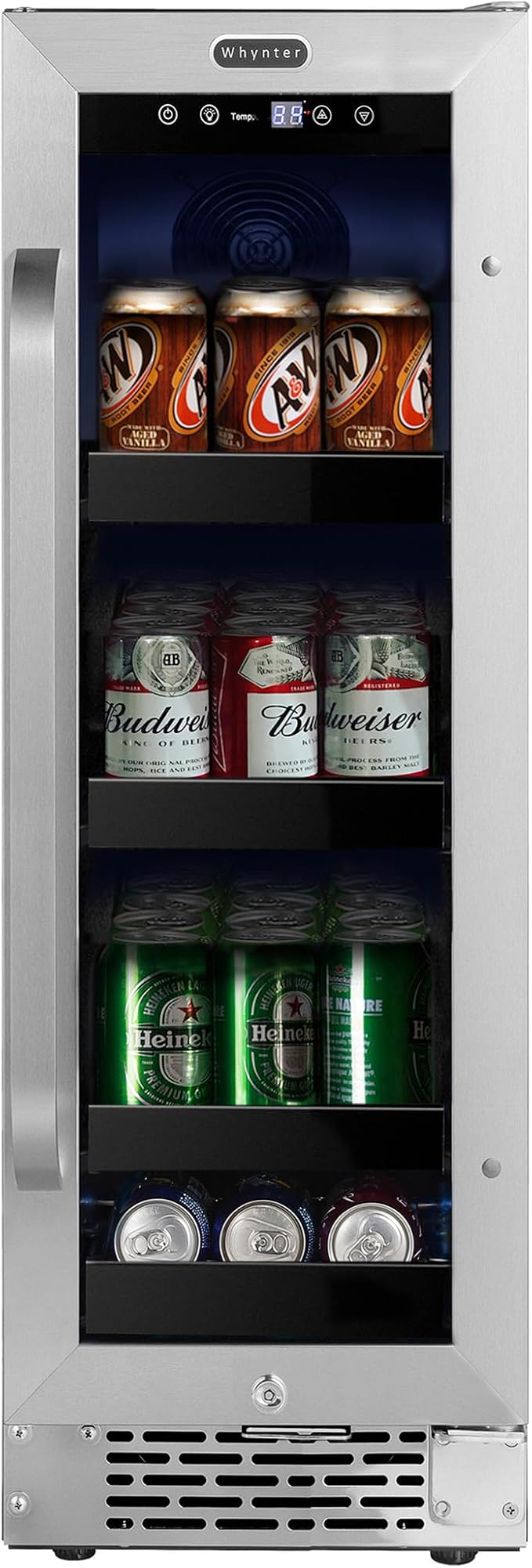
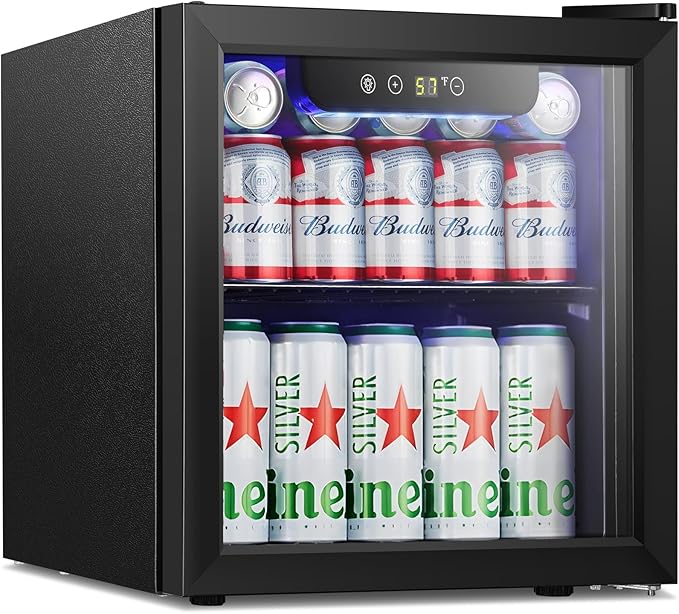
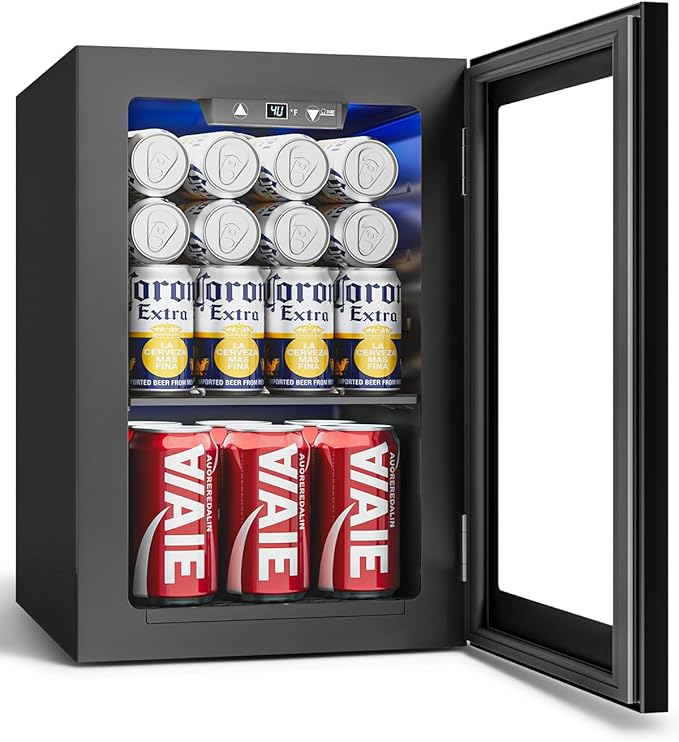
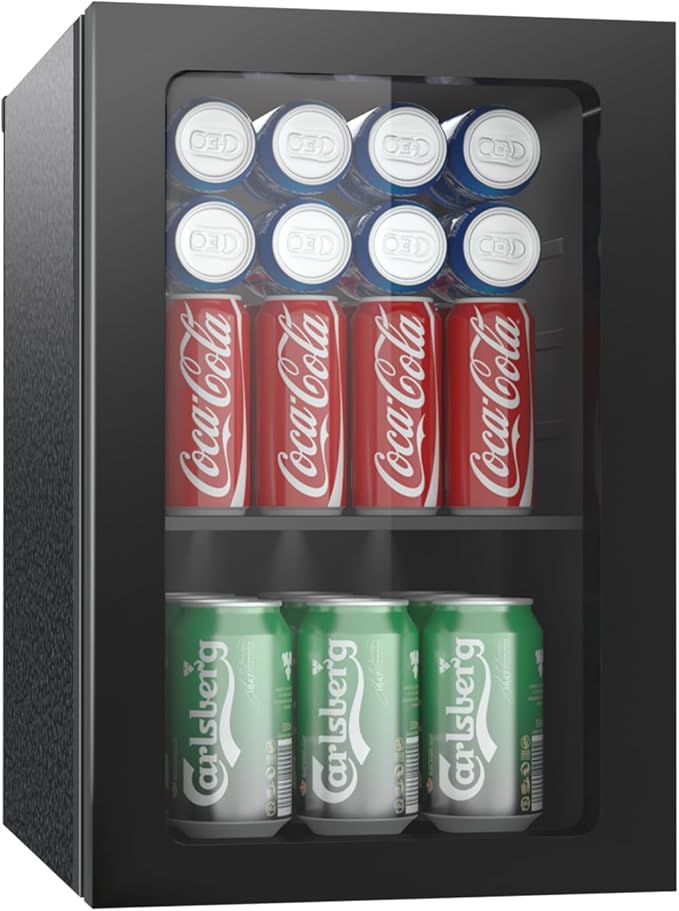
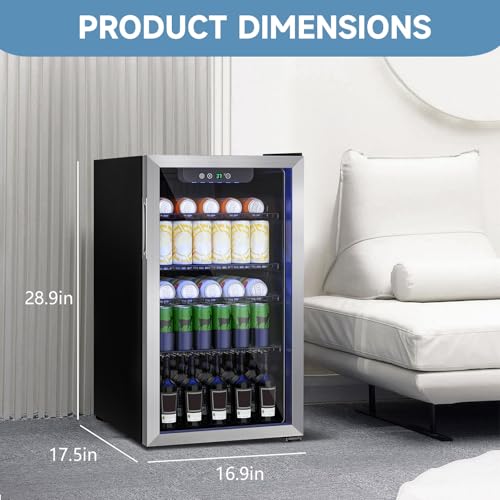
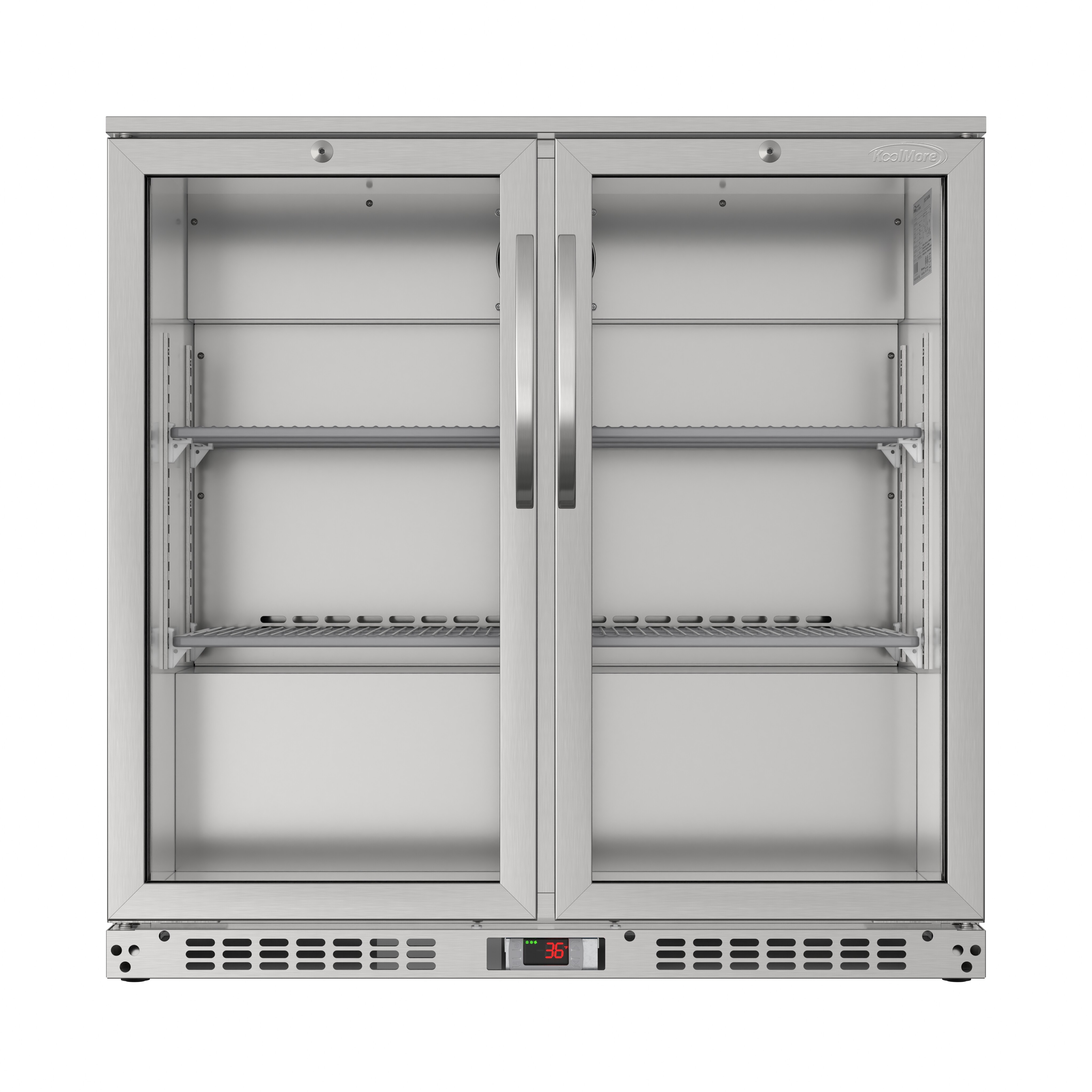
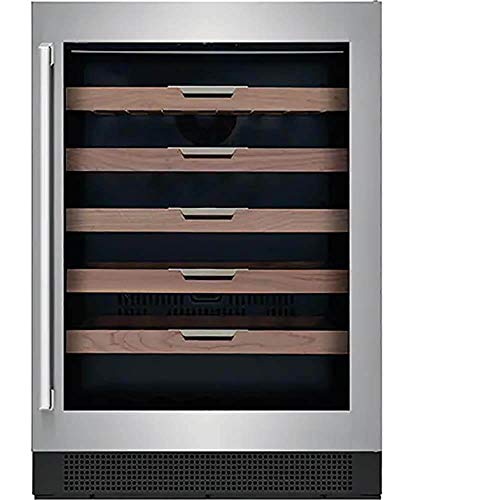
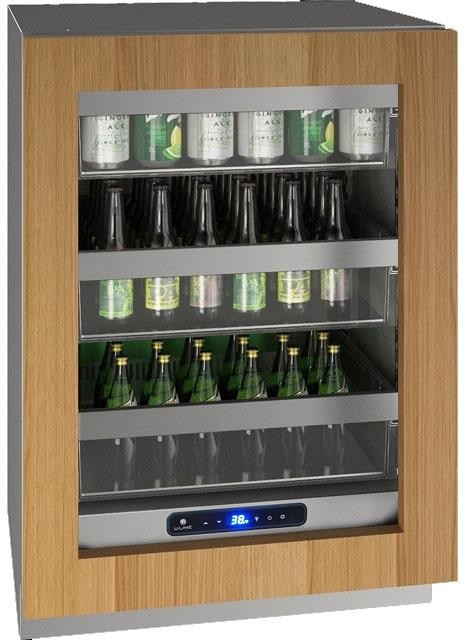
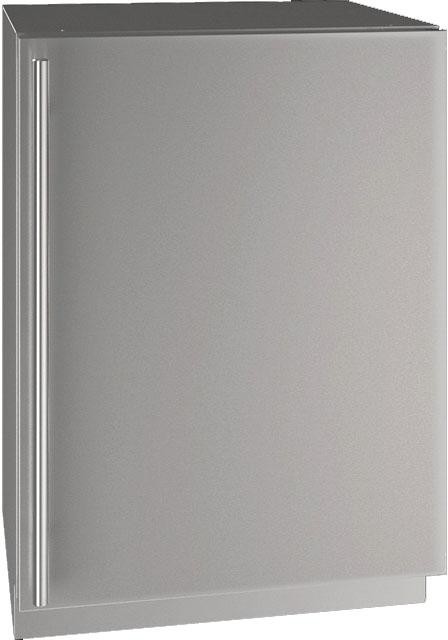
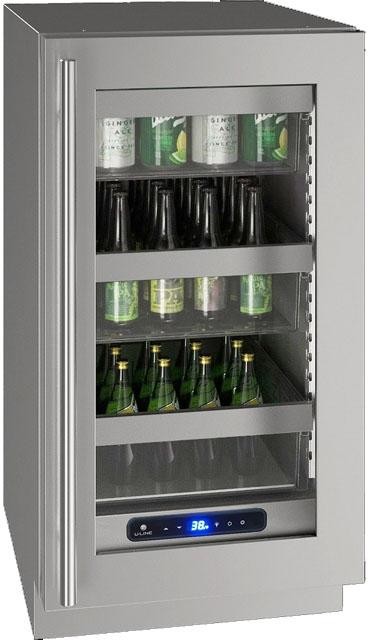
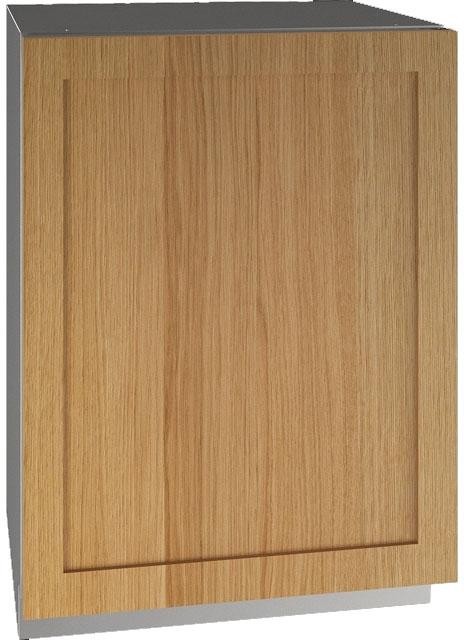
If you’re hunting for the best office beverage fridge, you’ve come to the right place. Whether you need to keep iced coffees ready for brainstorming sessions or offer teammates a lineup of chilled sparkling waters, the right mini fridge can make all the difference. In this ultimate guide, we’ll walk you through key buying factors, compare top models, and share tips on installation, maintenance, and organization so you can zero in on the perfect beverage cooler for your workspace.
Key Buying Factors
Choosing an office beverage fridge is about more than just capacity. You’ll want to balance size, temperature control, energy usage, noise level, and special features to match your needs.
Capacity And Size
Measure Your Space: Start by checking the dimensions of your nook or break-room counter.
Cans vs Bottles: Look at capacity in both cans (12-oz) and bottles (standard wine or craft beer). A typical 100-can fridge holds about 3 cubic feet.
Undercounter vs Freestanding: Undercounter models slide beneath desks or counters, while freestanding units give you more flexibility in placement. If rear clearance is tight, explore side-breathing designs that permit zero rear clearance—learn more at which side breath design permits zero rear clearance?.
Temperature Control
Single-Zone vs Dual-Zone: Single-zone fridges hold everything at one uniform temperature. Dual-zone units let you set separate ranges for beer, soda, or even snacks.
Temperature Range: Most beverage fridges run between 34°F and 65°F. If you’re pairing wine and soda, dual-zone is a must.
Digital vs Dial Controls: Digital touchscreens offer precise settings, while analog dials tend to be simpler and more budget-friendly.
Energy Efficiency And Noise
Energy Star Ratings: An Energy Star certified beverage fridge uses less power, cutting electricity costs—especially important in a busy office.
Noise Level: Check manufacturer specifications for decibel (dB) ratings. Look for models under 45 dB to avoid a distracting hum.
Compressor vs Thermoelectric: Compressor-cooled units cool faster and handle higher ambient temps, but they’re typically louder. Thermoelectric fridges run quieter but struggle in hot rooms.
Design And Features
Door Style: Solid doors insulate better; glass doors let you showcase options at a glance.
Lighting: Interior LED lighting makes it easy to find your drink without rattling the fridge door.
Adjustable Shelves: Removable or sliding shelves let you mix cans, bottles, and even meal-prep containers.
Locking Mechanism: If you need to restrict access after hours, look for a built-in lock.
To help you compare side by side, here’s a quick specs table followed by in-depth reviews of our top five picks. All models hold at least 44 cans, fit standard counter depths, and boast reliable cooling.
Model
Capacity
Zones
Noise
Key Features
NewAir AB-1200
126 cans
1
45 dB
Touchscreen, reversible door
Ivation 15" Freestanding
100 cans
1
42 dB
Adjustable shelves, stainless trim
EdgeStar CBR1501SLD
150 cans
2
47 dB
Dual-zone, digital control
Danby DAR044A5BSLDB
44 cans
1
40 dB
Drip tray, glass door
NutriChef PKC90BL
80 cans
2
43 dB
Wine-&-beer mode, blue LED light
In-Depth Model Reviews
NewAir AB-1200 Beverage Fridge
Capacity: 126 cans or 48 bottles
Temperature: 34°F–65°F, single-zone
Pros: Sleek stainless finish, responsive touchscreen, reversible door hinge
Cons: No lock, fan noise noticeable at 45 dB
Ivation 15" Freestanding Cooler
Capacity: 100 cans
Temperature: 35°F–50°F, single-zone dial control
Pros: Quiet 42 dB operation, adjustable chrome shelves, fingerprint-resistant trim
Cons: Lacks digital precision, no locking feature
EdgeStar CBR1501SLD Dual-Zone
Capacity: 150 cans
Temperature: Upper zone 38°F–50°F, lower zone 50°F–65°F
Pros: Generous capacity, dual-mode for beer and soda, sleek black cabinet
Cons: Slightly louder at 47 dB, pricier
Danby DAR044A5BSLDB Compact Beverage Center
Capacity: 44 cans
Temperature: 34°F–50°F
Pros: Affordable, built-in drip tray, tempered glass door
Pros: Versatile for wine enthusiasts, ambient blue LED, low-vibration compressor
Cons: Shelf spacing is fixed, premium price point
If you need a fridge optimized for wine and craft beer, check out our dedicated wine beer fridge
guide.
Installation And Setup
Even the best office beverage fridge underperforms if it’s not set up correctly. Follow these steps for a smooth start.
Placement And Ventilation
Level Surface: Use a spirit level to ensure the fridge sits flat, preventing door misalignment.
Clearance: Allow at least 1" on each side and 2" on top for proper airflow—unless you have a side-breathing model.
Avoid Heat Sources: Keep away from windows or heating vents to maintain consistent temperatures.
Power And Connections
Dedicated Outlet: Plug directly into a grounded 3-prong outlet; avoid power strips to prevent voltage drops.
Initial Cool-Down: Set your desired temperature and let the fridge run empty for 4–6 hours before loading.
Resetting Controls: If the display glitches after installation, a quick unplug-and-replug can reset the electronics—see will unplugging a refrigerator reset it? for details.
Routine upkeep keeps your beverage fridge running efficiently and smelling fresh.
Cleaning And Defrosting
Interior Wipe-Down: Unplug the unit and remove shelves. Clean inside with a mild soap solution.
Coil Cleaning: Dust on condenser coils forces the compressor to work harder, raising energy costs—learn how to clean refrigerator coils How To Clean Refrigerator Coils.
Mid-Range ($250–$400): Digital controls, reversible doors, LED lighting.
Premium ($400+): Dual-zone, carbon fiber trim, advanced features like locks and low-vibration compressors.
Ready to upgrade? When you’ve pinpointed the perfect model, head to Fridge.com to compare prices and secure your new best office beverage fridge today.
Frequently Asked Questions
With proper care, a quality beverage fridge should run reliably for 5–10 years. Regular coil cleaning and prompt repairs extend its lifespan.