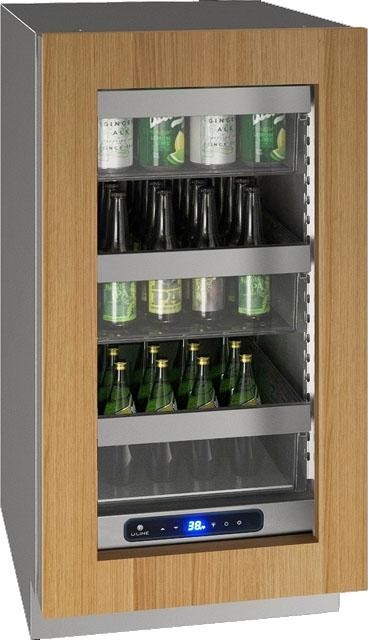
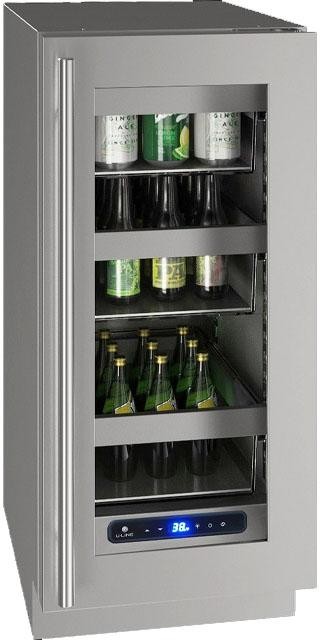
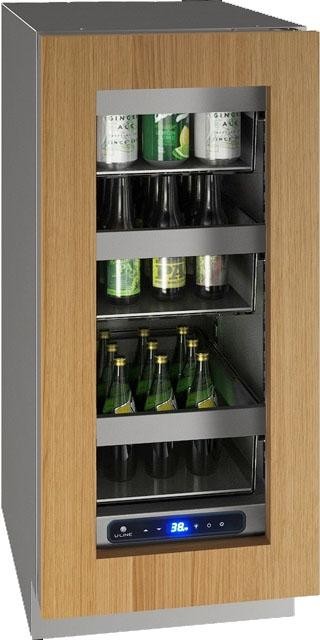
Ever find yourself tiptoeing around your beverage center late at night because the bottles start rattling every time the compressor kicks in? If you’ve ever wondered which beverage center racks prevent bottle rolling noise, you’re in the right place. In this guide you’ll learn how thoughtful rack design, smart materials, and simple installation tweaks can virtually silence those annoying clanks and clinks. Whether you’re hosting a dinner party, running a cafe, or just want peace and quiet in your home bar, these insights will help you pick the perfect rack setup.
Beverage center noise explained
Understanding why bottle rolling noise happens is the first step to fixing it. When your fridge cycles on and off or when you open and close the door, vibrations ripple across the interior. Those tiny movements can send round bottles sliding back and forth on a flat shelf, creating that hollow, echoing rattle you’ve come to dread. Beyond annoyance, constant rattling can chip labels and wear down caps, so it pays off to tackle the root causes head on.
Why bottles roll and rattle
Vibration transfer: Compressors, fans, and motors create subtle shakes that echo through metal shelving
Shelf slope: Even a slight tilt can let bottles inch forward with every bump
Packing density: Loose bottles have room to collide and shift when the door swings
Surface hardness: Glass on metal makes a louder noise than glass on rubber or plastic
Impact on your space
That mid-volume clatter might seem minor, but in quiet environments it’s hard to ignore. In a home kitchen it can wake sleeping family members. In an office break room it can ruin a calm coffee break. In a commercial kitchen or bar it can distract staff and guests. A well-designed rack not only prevents movement but also absorbs residual vibration, turning your beverage center into a quiet, efficient storage solution.
Rack design considerations
When you’re shopping for a rack or evaluating a retrofit, keep these design factors in mind. The way a rack holds each bottle—its angle, cradle shape, and spacing—all influence how effectively it stops rolling and muffles noise.
Angled vs flat racks
Angled racks tilt bottles slightly downward toward the back wall. That small incline uses gravity to keep bottles seated against a stopping edge, so they don’t move forward when your fridge cycles. Flat racks, by contrast, rely purely on side barriers or indentations. They’re easier to install but require other noise-dampening features to prevent sliding.
Pros and cons at a glance:
Feature
Angled racks
Flat racks
Bottle stability
High, thanks to gravity lock-in
Medium, needs additional barriers
Installation
Slightly more complex
Simple tray fit-and-lock
Noise control
Better, minimal lateral movement
Variable, depends on surface
Cradle vs shelf fixes
Cradle-style racks have individual slots or semi-circular cutouts that cup each bottle. By surrounding the bottle circumference they prevent lateral movement completely. Shelf-style racks use raised edges or rails to keep bottles lined up. They’re more versatile for mixed bottle shapes, but gaps can let smaller bottles slip into crevices.
Proper spacing is a balancing act. Too much room and bottles rattle together. Too little and you’ll struggle to load and unload. Look for racks with adjustable spacing rails or modular inserts so you can fine-tune the fit for your most common bottle types. Some designs include removable dividers, letting you customize rows for wine, beer, soda, or glass water bottles.
The material of your rack determines how much of that compressor buzz gets absorbed. Hard steel delivers durability, while softer polymers and rubber coatings cushion glass and damp vibrations.
Rubber coated steel racks
Steel racks sprayed or dipped in a rubberized coating are a popular choice. You get the strength and load capacity of steel with a softer touch surface that stops glass-on-metal noise cold. Look for food-grade coatings that resist chipping and hold up to temperature swings.
Advantages:
High load tolerance
Excellent vibration damping
Easy to wipe clean
Plastic polymer rack pros
High-density polyethylene and polypropylene racks offer a balance of rigidity and flexibility. They slide in easily, resist moisture, and won’t corrode. Surface texture matters—smoother finishes might let bottles slide more, while textured or ribbed surfaces add extra grip.
Key benefits:
Corrosion proof
Lightweight and easy to install
Customizable colors and designs
Wooden rack alternatives
If you’re building a wine-focused setup, wooden racks in a dedicated wine cellar can be both attractive and functional. Soft woods like cedar or redwood absorb vibration naturally. Keep in mind you may need to treat the wood for moisture resistance and periodically inspect for mold or warping in high-humidity environments.
Even the best rack needs proper installation to perform at its best. From adjustable rails to soft-close systems, these features ensure your bottles stay put.
Adjustable railing systems
Rails that slide into pre-cut fridge slots let you change rack depth or height on the fly. You can tuck in a half shelf for soda can stacks one week, then remove it for wine bottles the next. Keeping racks snug against the side or back wall minimizes free play and prevents rattling.
Soft close rack cushions
Soft-close racks use dampening hinges or pistons to slow any sliding movement. When you shutter the rack into place it glides, then gently clicks and stops. This feature not only reduces noise but also protects labels and seals. For specialized quiet sliding, consider which soft close rack cushions bottles quietly? to explore top-rated cushion designs.
Vibration dampener anchors
Rubber or silicone bumpers at rack corners soak up motor hum and door slam shock. Some racks include built-in dampener mounts, while others let you retrofit small cushioning feet. For tailored solutions, see which rack anchor prevents bottle vibration during slide? to identify reliable anchors you can install in minutes.
Pairing racks with fridges
Not all beverage centers share the same interior profile. Matching the right rack to your fridge model ensures easy installation and optimal noise control.
Commercial keg fridge setups
If you’re running drafts at home or in a small bar, a sturdy rack that holds 5 gallon kegs and CO2 tanks is crucial. Models designed for a 3 door keg fridge often include reinforced steel rails and wide shelves that keep large kegs from shifting. Quick-release brackets let you remove an entire shelf for deeper cleaning or maintenance.
Drawer refrigerator integrations
Drawer-style fridges blend seamlessly into under-counter or island installations. They move in and out like big kitchen drawers, but vibration can make glass bottles clank on the slide. A compatible rack system—look for options in the drawer refrigerators category—uses custom-molded inserts that hold bottles in place even on angled drawer slides.
Mini fridge compatibility
Dorm rooms, offices, and compact apartments often rely on mini fridges. These units have limited interior space and thinner walls, which can amplify noise. Choose a lightweight plastic rack that snaps into the door or a small rubber-coated steel tray. For health-conscious meal preppers, check out best mini fridge for macrobiotic diet to find mini fridges that pair well with versatile, low-noise storage racks.
Noise reduction best practices
Beyond picking the right rack, you can take simple steps to keep your beverage center as quiet as a walk-in wine cellar.
Leveling and stabilization
Use a spirit level on top of your fridge to ensure it sits perfectly horizontal
Adjust the front feet or shims under the base to eliminate wobble
Keep your fridge against a firm surface, not wedged in soft cabinetry that can vibrate
A level fridge transmits less internal vibration to its contents, and a stable shell means your racks won’t rock when you slide them in or out.
Strategic bottle organization
Group bottles of similar size together to prevent uneven weight distribution
Place heavier glass bottles at the back or bottom, where the rack is strongest
Avoid stacking bottles directly on top of one another unless the rack is rated for it
Tighter packing and consistent bottle shapes reduce empty gaps where movement can start, cutting down on mid-cycle rattles.
Maintaining temperature consistency
Fluctuating interior temperatures cause condensation shifts, which can make bottles stick or suddenly slip.
Keep your setpoint within the manufacturer’s recommended range
Avoid cramming hot items directly against racks, which can warp plastics
Let newly chilled beverages settle for an hour before rearranging them
Stable conditions help rack materials maintain their grip and spacing integrity over time.
Over time you may notice coatings wearing thin or bumpers losing elasticity.
Check rubberized coatings for chips or peeling
Examine plastic racks for cracks around mounting holes
Replace worn dampeners and anchors every 12 to 18 months to maintain full noise-proofing performance
Having spares on hand makes quick repairs painless, so you’re never caught off guard by an echoing midnight bottle rattle.
Final thoughts and tips
Choosing the right racks can transform your beverage center from a noisy annoyance into a smooth, quiet storage hub. Start by pinpointing whether you need angled racks, cradles, or full-shelf units. Match materials—rubber-coated steel, polymer, or even wood—to your vibration level and aesthetic preferences. Optimize installation with adjustable rails, soft‐close systems, and dampener anchors for maximum stability. Finally, organize thoughtfully, level your fridge, and keep those racks clean and in good repair. With a little planning and the right components, you’ll never lose sleep over bottle rolling noise again.
Free tool
Beverage Cooler Size Calculator
Free interactive tool from Fridge.com — get a quick answer while you read.