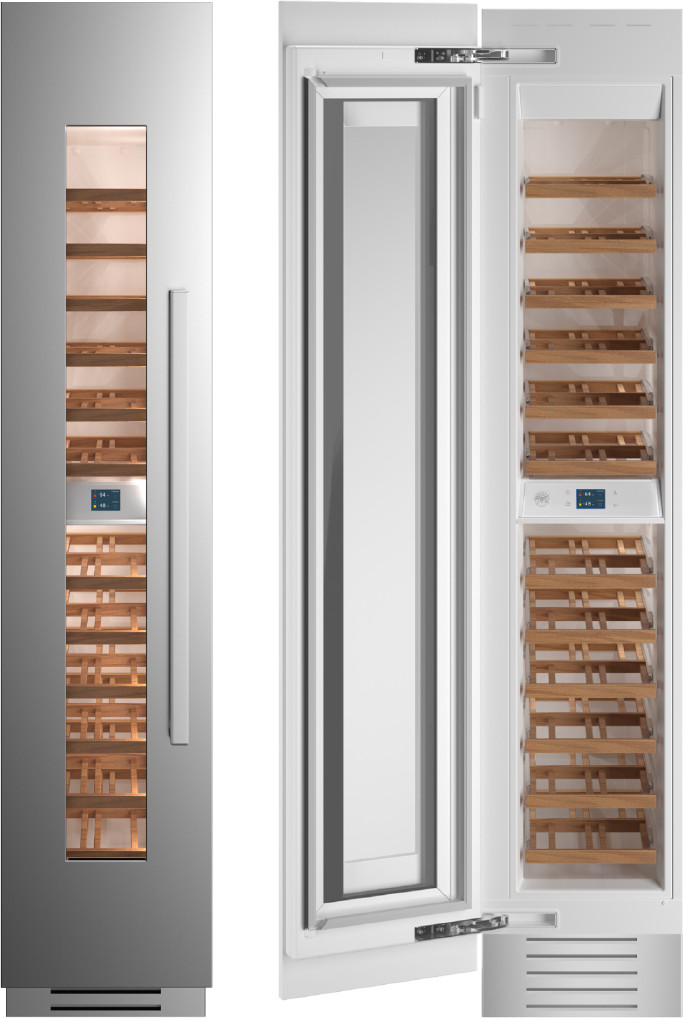
A wine cooler never goes below 45°F, because wine should not be stored colder than that.
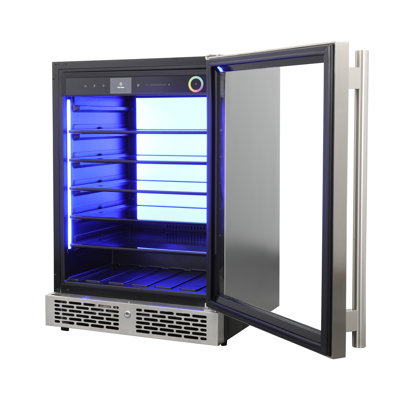
Single-zone beverage centers hold one uniform temperature, usually 35 to 45°F, and are the cheapest option ($200-$400 for compact models).
Simpler single-zone beverage centers hold one uniform temperature, usually 35 to 45°F, and keep cans, bottles, and mixers uniformly cold with no dedicated wine section.
Its beverage zone runs 34-50°F (single-zone models typically 35-45°F) — cold enough for beer and soda.
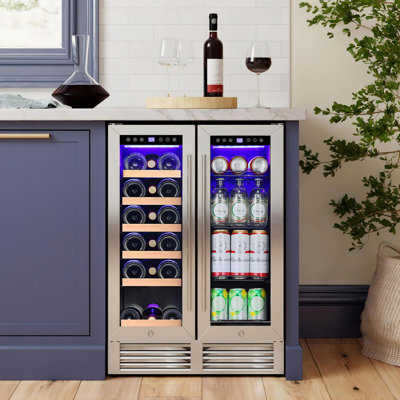
A wine cooler and a beverage center look similar from the outside — both are compact, glass-door cooling appliances that fit under counters or stand freestanding in kitchens and bars. But they serve different drinks at different temperatures with different interior configurations. A wine cooler maintains 45-65°F with horizontal bottle racks designed exclusively for wine preservation. A beverage center combines wine storage and general beverage cooling in one dual-zone unit, with horizontal wine racks in one section and flat shelves for cans and bottles in another section maintained at 34-50°F. This guide explains every difference so you choose the right appliance for your collection and entertaining needs.
What Is a Wine Cooler?
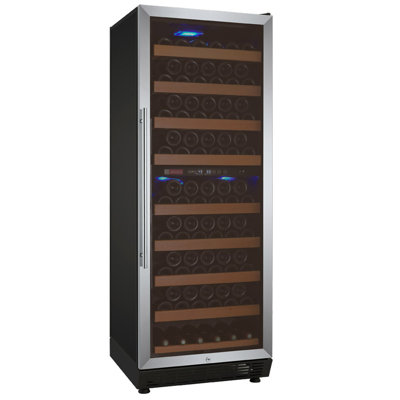
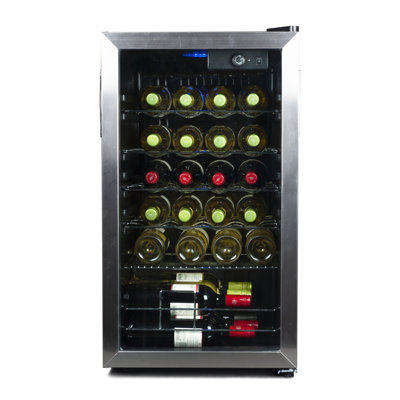
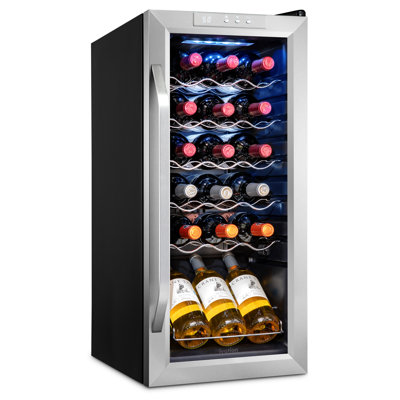
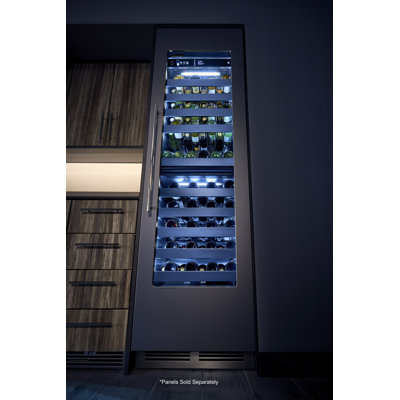
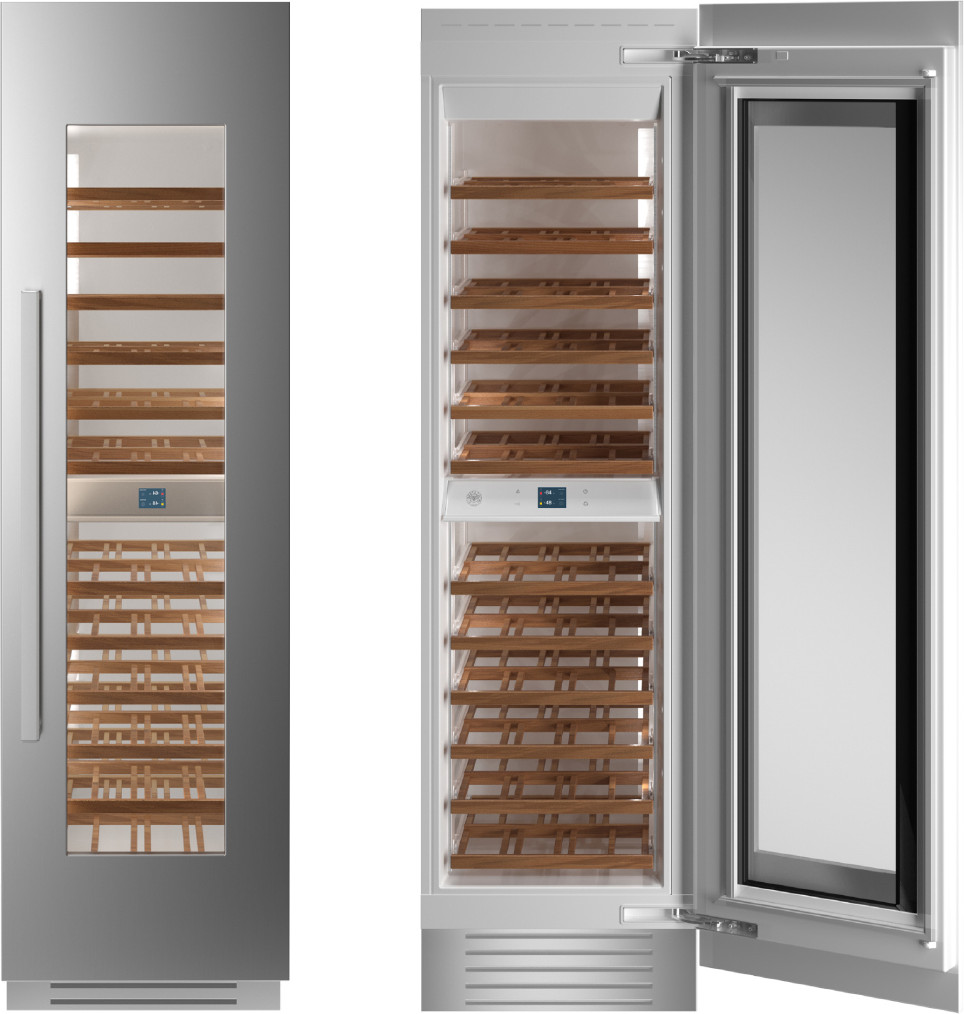
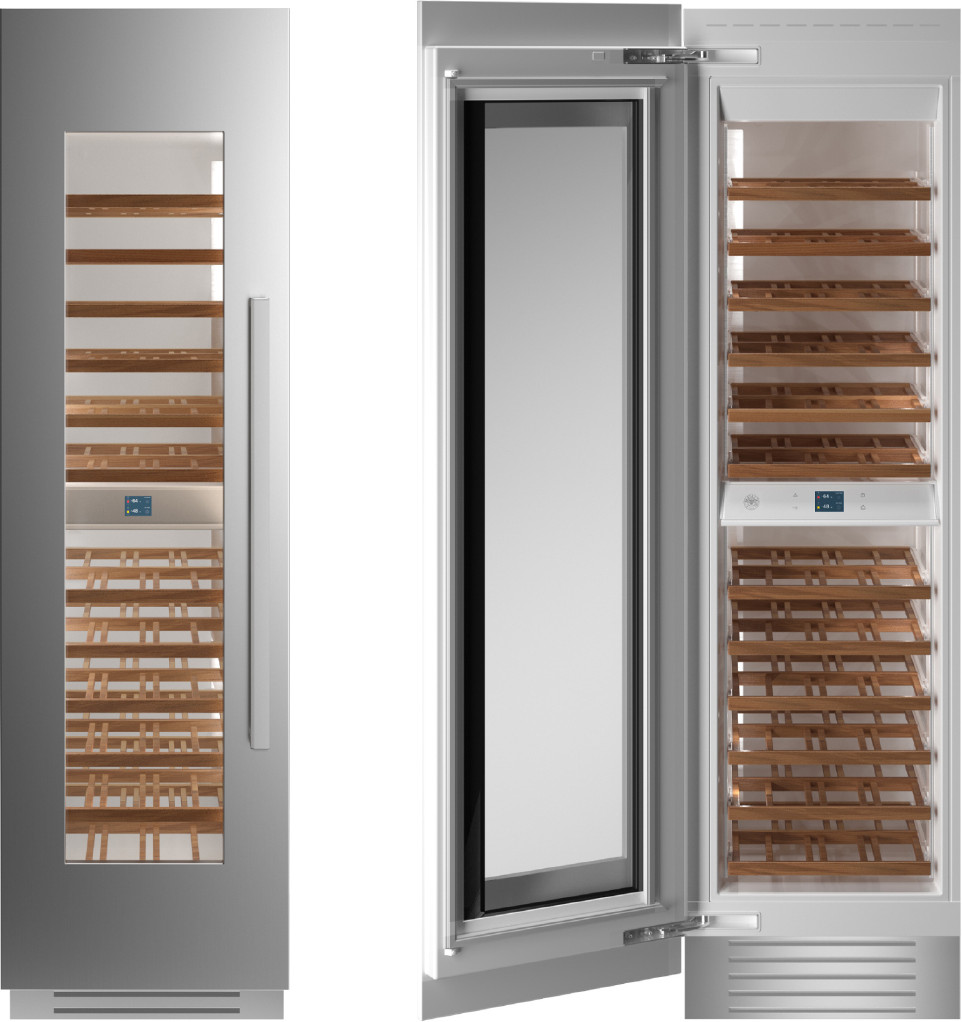
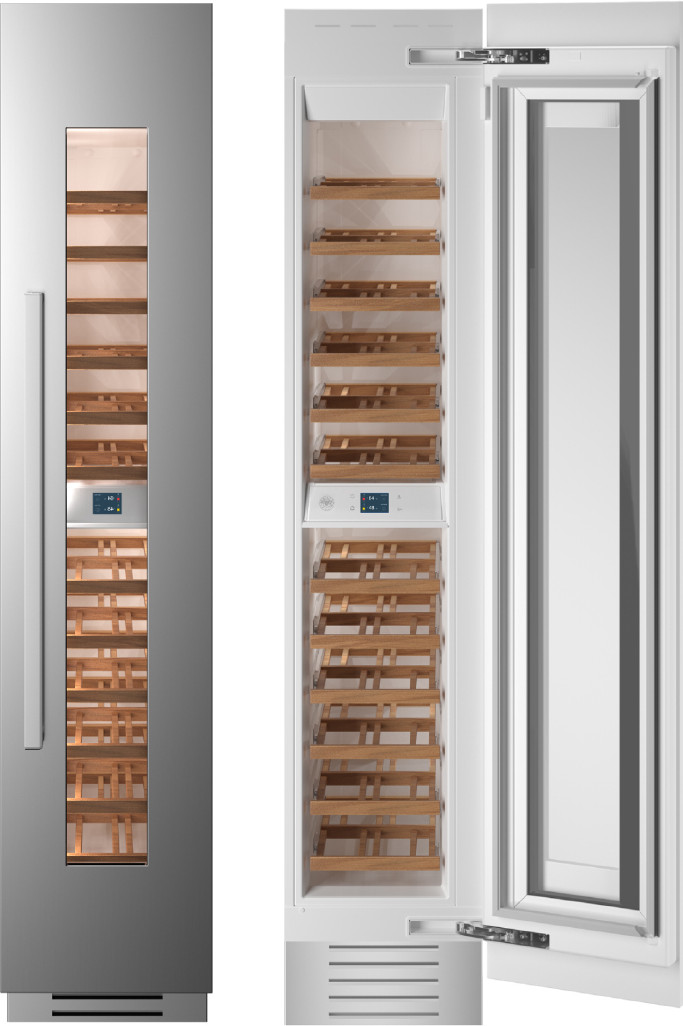
A wine cooler is a single-purpose appliance dedicated entirely to wine. Every interior element serves wine preservation: horizontal wooden or wire racks cradle bottles on their sides to keep natural corks moist and sealed. UV-tinted double-pane glass blocks ultraviolet light that degrades tannins and aromatics. Vibration-dampened compressor mounts and rubber-isolated shelving protect wine from physical disturbance that could harm sediment during aging. Temperature controls maintain 45-65°F — the precise range wine needs for optimal storage and serving.
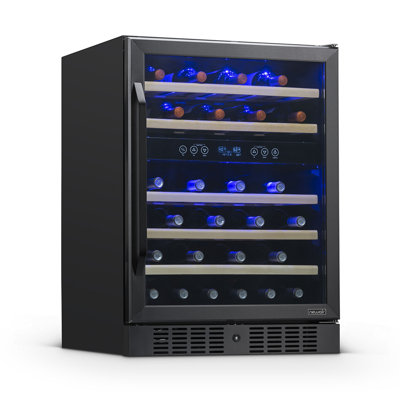
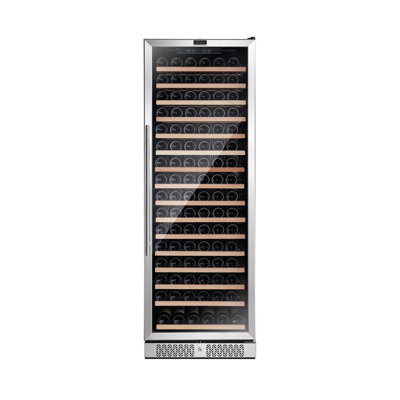
Single-zone wine coolers hold the entire interior at one temperature — best for collections of predominantly one wine type. Dual-zone wine coolers split the cabinet into two independently controlled compartments: an upper zone at 45-50°F for whites and sparkling wines and a lower zone at 55-65°F for reds. Sizes range from 6-bottle countertop units to 300-bottle floor-standing cabinets: compact models hold 12 to 20 bottles, mid-size units hold 30 to 50, and full-size models hold 100 or more. The wine cooler is the serious wine drinker's essential appliance.
What Is a Beverage Center?
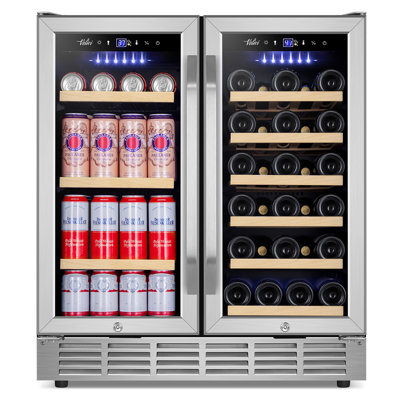
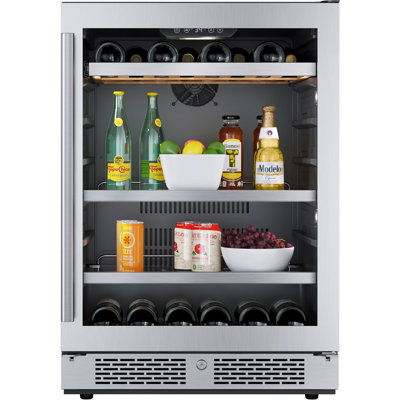
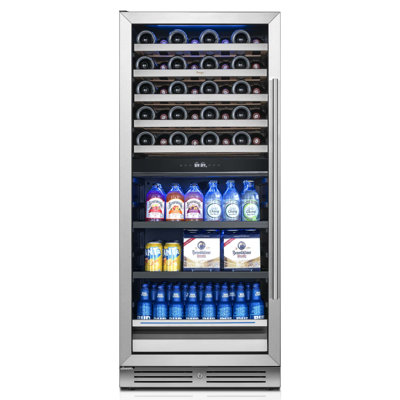
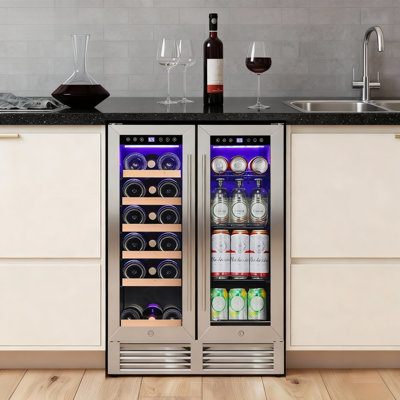
A beverage center is a dual-purpose appliance that combines wine storage and general beverage cooling in one cabinet. The interior splits into two independently controlled zones: one zone with horizontal wine racks maintaining 40-65°F for wine bottles, and another zone with flat adjustable shelves maintaining 34-50°F for cans, water bottles, beer, soda, juice, and other non-wine beverages. This dual-zone design lets you store wine properly while also having ice-cold drinks immediately accessible — all in a single appliance footprint.
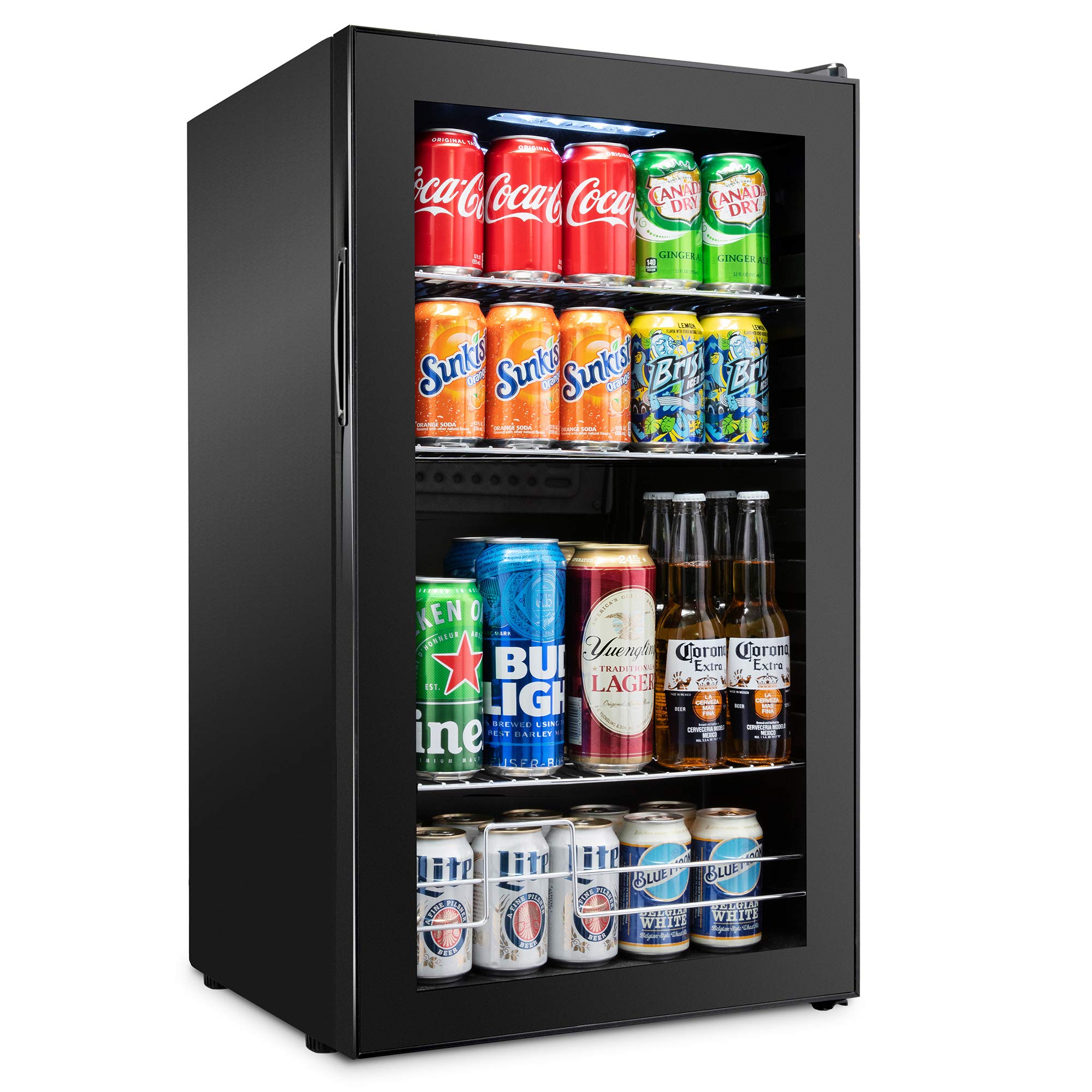
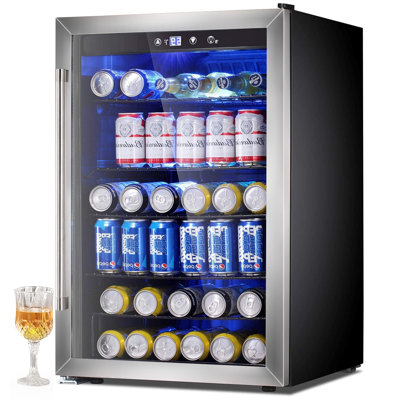
Not every beverage center is dual-zone. Simpler single-zone beverage centers hold one uniform temperature, usually 35 to 45°F, and keep cans, bottles, and mixers uniformly cold with no dedicated wine section. If you only drink beer, soda, and water, a single-zone beverage center is all you need; the dual-zone configuration matters when wine enters the mix.
Beverage centers typically hold 18 to 30 wine bottles in the wine zone and 60 to 90 cans in the beverage zone, though the exact split varies by model — beverage-focused units range from roughly 60 to 150 cans depending on size. Some beverage centers offer adjustable zone ratios — removable wine racks and convertible shelving that let you shift capacity between wine and beverage storage based on your current needs. The beverage center is the compromise appliance for households that want both wine storage and cold drink access without installing two separate units.
The key distinction is what each zone serves. A dual-zone wine cooler dedicates both zones to wine — whites in one, reds in the other. A beverage center dedicates one zone to wine and one zone to everything else (or, in single-zone models, cools everything at one cold setting). If you only drink wine, the dedicated wine cooler gives you more wine capacity and better wine-specific features per dollar. If you drink wine and also want cold beer, soda, water, and other beverages from the same unit, the beverage center provides both in one footprint.
A dedicated wine cooler holds 40 to 54 bottles in a 24-inch unit because the entire interior is wine racks. A beverage center of the same width holds only 18 to 30 bottles because the wine zone shares cabinet space with the beverage zone. If your wine collection exceeds 30 bottles, the beverage center cannot hold it all — you need a dedicated wine cooler (or a larger model). If your collection is 20 bottles or fewer and you also want cold sodas and beers on hand, the beverage center gives you both in a single unit that would otherwise require two separate appliances.
Wine Preservation Features
Dedicated wine coolers include the full suite of wine preservation technology: UV-tinted glass that blocks 95%+ of harmful ultraviolet radiation, vibration-dampened compressor mounting that prevents sediment disturbance, wooden shelving that absorbs micro-vibrations and displays beautifully through the glass, and humidity-friendly operation at warmer temperatures that keeps corks moist. Premium wine coolers add carbon filtration for air purity, digital temperature displays with ±1°F accuracy, and alarm systems that alert you to temperature deviations.
Beverage centers include some wine preservation features in the wine zone — UV-tinted glass and temperature-specific wine racks — but typically omit the most specialized elements. Vibration dampening is less robust because the compressor must also serve the colder beverage zone, requiring harder cycling. The wine racks may be chrome wire rather than wooden (wooden racks absorb vibration better but cost more). The glass door's UV coating protects the wine zone but is primarily designed for the full cabinet rather than optimized specifically for the wine section. Canned and bottled soft drinks and beer are not affected by vibration or UV exposure, which is why beverage-only units skip these features entirely. For casual wine storage (bottles consumed within weeks to months), beverage center wine preservation is adequate. For serious collecting and aging (bottles stored for years), a dedicated wine cooler provides meaningfully better protection.
Beverage centers consume more energy than wine coolers because the beverage zone maintains colder temperatures (34-38°F versus 45-65°F for wine). The compressor works harder to cool the beverage section, and managing two independently controlled zones with different temperature targets requires more sophisticated (and energy-intensive) climate control. The difference is $10-$20 per year — modest but cumulative over the appliance's 10-15 year lifespan.
Dual-zone beverage centers cost more than single-zone wine coolers but less than premium dual-zone wine coolers. Single-zone, beverage-only centers are the cheapest entry point because they are simpler appliances — one thermostat, flat shelves, no wine-specific hardware. The dual-zone technology, mixed shelving (wine racks plus flat shelves), and larger compressor add manufacturing cost. However, a beverage center replaces two separate appliances — a wine cooler and a beverage refrigerator — saving money and counter space versus buying both individually. A $800 beverage center costs less than a $500 wine cooler plus a $400 beverage fridge ($900 total) while occupying half the installation space.
Noise and Vibration
Wine coolers with thermoelectric cooling operate at 25-35 decibels with zero vibration — the quietest option. Compressor wine coolers with vibration dampening run at 35-42 decibels. Wine coolers prioritize quiet, low-vibration operation because both noise and vibration can affect wine quality during long-term storage.
Beverage centers run exclusively on compressor cooling at 38-45 decibels — slightly louder than dedicated wine coolers because the compressor handles a harder workload (maintaining two zones at different temperatures, with the beverage zone requiring significant cooling). Vibration is present but generally does not affect wine stored for short periods. For wine aged more than 6 months, the higher vibration level in a beverage center versus a dedicated wine cooler is a legitimate consideration for serious collectors.
Both appliances come in freestanding and built-in configurations fitting standard 15-inch or 24-inch cabinet openings. Built-in models use front-venting exhaust for flush cabinet installation, and cost more than freestanding equivalents in exchange for the cleaner look in a finished kitchen or bar. Freestanding models vent from the rear and need clearance around the sides and back for airflow — but they are easier to move and require no custom cabinetry. Panel-ready options accept custom door panels matching surrounding cabinetry. The installation process is identical — the choice between wine cooler and beverage center does not affect how or where the appliance installs. Choose your model based on what you want to store inside, not on installation requirements.
Maintenance and Lifespan
Wine coolers require minimal maintenance: vacuum condenser coils once or twice per year, wipe the interior with a damp cloth periodically, inspect the door gasket for a tight seal, and replace carbon filters if the model includes them. Wooden shelving should be checked for mold in humid environments — a light wipe with diluted vinegar prevents mold growth. A quality compressor wine cooler lasts 10 to 15 years with this basic care. Thermoelectric wine coolers last 5 to 10 years before the Peltier module degrades. Premium European brands like Liebherr and EuroCave routinely exceed 15 years of reliable operation.
Beverage centers require the same basic maintenance plus attention to the dual-zone system. Both temperature zones have independent controls and sensors that should be periodically verified for accuracy. The beverage zone's flat shelves are easier to clean than wine racks (no wooden slats to inspect for mold), but the overall appliance has more components — two thermostats, potentially two sets of fans, and a compressor handling a harder dual-zone workload. Expected lifespan is 8 to 14 years for quality models, slightly shorter than dedicated wine coolers because the compressor works harder managing two different temperature targets simultaneously.
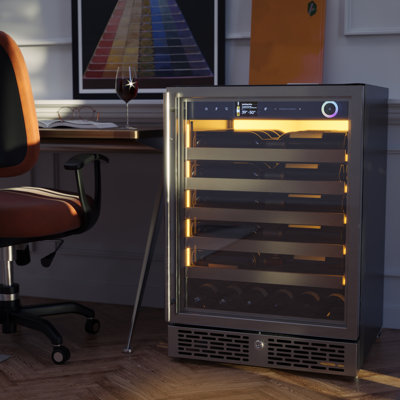
Wine coolers appear most frequently in kitchens (under-counter beside the cooking area), home bars (displaying the collection for guests), dining rooms (convenient access during meals), and wine rooms or dedicated cellar spaces (serious collectors). The glass door with LED lighting turns the wine collection into a visual feature — an aesthetic element that enhances the room's design. Freestanding floor models work well in living rooms, dens, and entertainment areas where a built-in installation is not available.
Beverage centers appear most frequently in kitchen islands (putting both wine and cold drinks within arm's reach during cooking), home bars (offering guests a complete drink selection from one appliance), game rooms (cold beer and soda alongside wine for movie nights and sports watching), and outdoor kitchens (though outdoor-rated beverage centers are required for exterior installations). The dual-purpose nature makes beverage centers especially popular in open-concept homes where the kitchen, dining, and living areas share one large space — a single beverage center serves the entire entertaining zone.
Many wine enthusiasts start with a beverage center when their collection is small (under 20 bottles) and upgrade to a dedicated wine cooler as their collection grows. The beverage center provides an excellent introduction to proper wine storage while also handling everyday cold drink needs. Once the wine collection outgrows the beverage center's wine zone (typically around 25-30 bottles), the dedicated wine cooler becomes necessary. At that point, some households keep the beverage center for its cold drink function and add a wine cooler for the growing collection — effectively using both appliances for their respective strengths.
Who Should Buy Which
Buy a dedicated wine cooler if wine is your primary focus and your collection exceeds 30 bottles. The full wine capacity, superior preservation features, and lower energy cost make the wine cooler the clear choice for serious wine drinkers and collectors. If you also want cold beverages, add a separate beverage refrigerator at another location in the kitchen or bar.
Buy a beverage center if you want wine storage and cold beverage access in one appliance and your wine collection is under 30 bottles. The dual-zone design serves both needs in a single footprint — perfect for casual wine drinkers who also entertain with beer, soda, water, and mixed drinks. The beverage center is the space-saving, cost-saving choice for households that want versatility over specialization. If you mostly store cans and bottles of beer, soda, water, and mixers and rarely buy wine, a simpler single-zone beverage center covers everything you need at the lowest price.
Which is colder, a beverage center or a wine cooler?
The beverage center. Its beverage zone runs 34-50°F (single-zone models typically 35-45°F) — cold enough for beer and soda. A wine cooler never goes below 45°F, because wine should not be stored colder than that.
Can a beverage center store wine?
Yes, if it is a dual-zone model with a dedicated wine zone (40-65°F and horizontal racks). Storage quality is adequate for bottles consumed within weeks to months, but vibration dampening and UV protection are less robust than a dedicated wine cooler, so bottles you intend to age for years belong in a wine cooler. A single-zone beverage center running 35-45°F is too cold for proper wine storage.
Can a wine cooler store beer, soda, and cans?
Not at proper serving temperature. A wine cooler's 45-65°F range leaves beer and soda noticeably warm — most non-wine beverages are served at 34-38°F. The horizontal racks are also shaped for wine bottles, not cans. If you need cold cans alongside wine, choose a dual-zone beverage center or add a separate beverage refrigerator.
Are all beverage centers dual-zone?
No. Single-zone beverage centers hold one uniform temperature, usually 35 to 45°F, and are the cheapest option ($200-$400 for compact models). Dual-zone beverage centers add a separate wine zone with horizontal racks and cost more ($350-$600 at the budget level).
Is a beverage center cheaper than buying a wine cooler and a beverage fridge separately?
Usually yes. A $800 dual-zone beverage center costs less than a $500 wine cooler plus a $400 beverage refrigerator ($900 total) and occupies half the installation space.
Which uses more electricity?
The beverage center — 180-350 kWh per year ($23-$45) versus 80-200 kWh ($10-$26) for a single-zone wine cooler, because its beverage zone holds much colder temperatures and the compressor manages two different targets. The gap is about $10-$20 per year.
How many bottles and cans fit in each?
A 24-inch dedicated wine cooler holds 40-54 bottles. A 24-inch beverage center holds 18-30 wine bottles plus 60-90 cans; beverage-focused models range from about 60 to 150 cans total. Compact wine coolers hold 12-20 bottles, mid-size 30-50, and full-size units 100 or more.
Do vibration and UV protection matter for a beverage center?
Only for the wine inside it. Cans and non-wine bottles are unaffected by vibration and UV light. Wine stored longer than a few weeks benefits from the dampened compressor and UV-tinted glass a dedicated wine cooler provides; for wine aged more than 6 months, the beverage center's higher vibration is a real drawback.
Compare prices on Fridge.com
Browse wine coolers and beverage centers. Filter by capacity, temperature zones, width, installation type, and price to find the right cooling solution for your wine collection and entertaining needs.
Frequently Asked Questions
Short-term (1-2 days before serving) — yes. Long-term — no. At 34-45°F without humidity/vibration/UV control, wine degrades within weeks. Use a wine cooler for storage. Compare at Fridge.com.
Free tool
Beverage Cooler Size Calculator
Free interactive tool from Fridge.com — get a quick answer while you read.