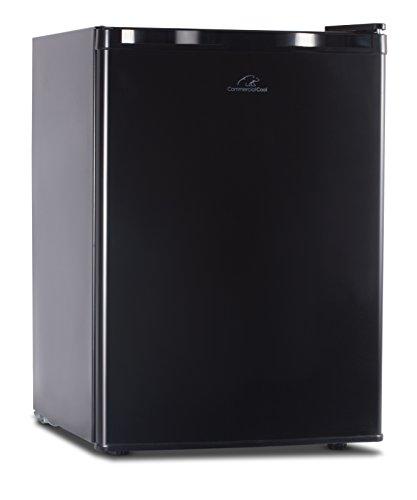
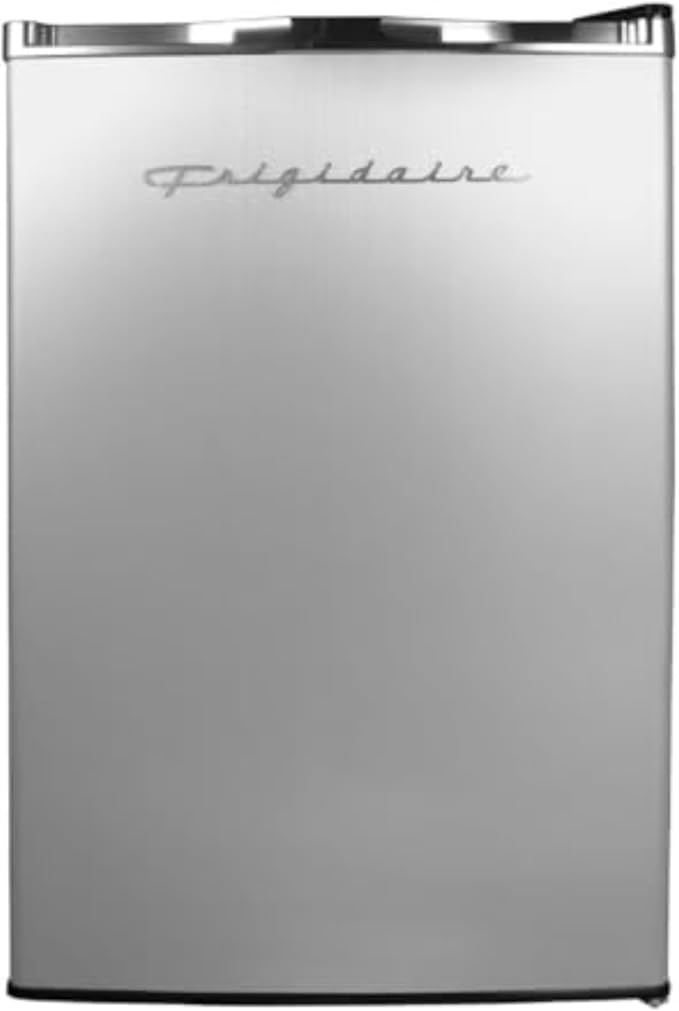
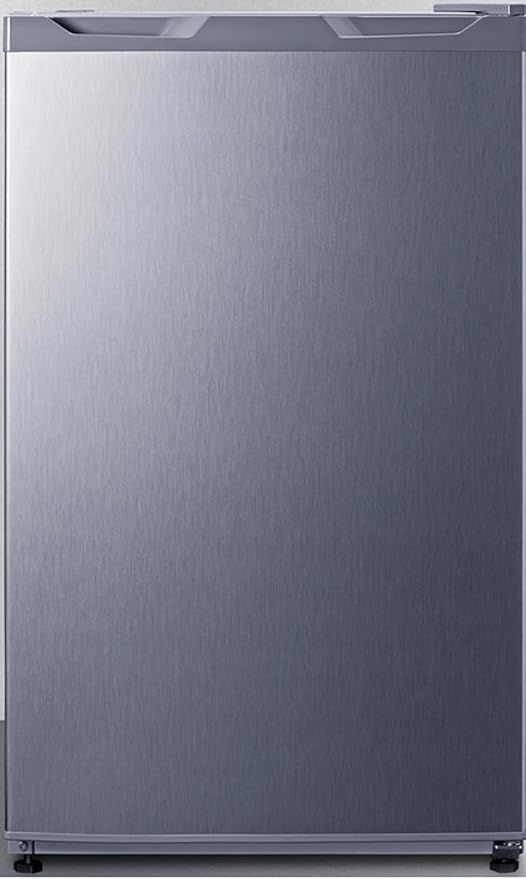
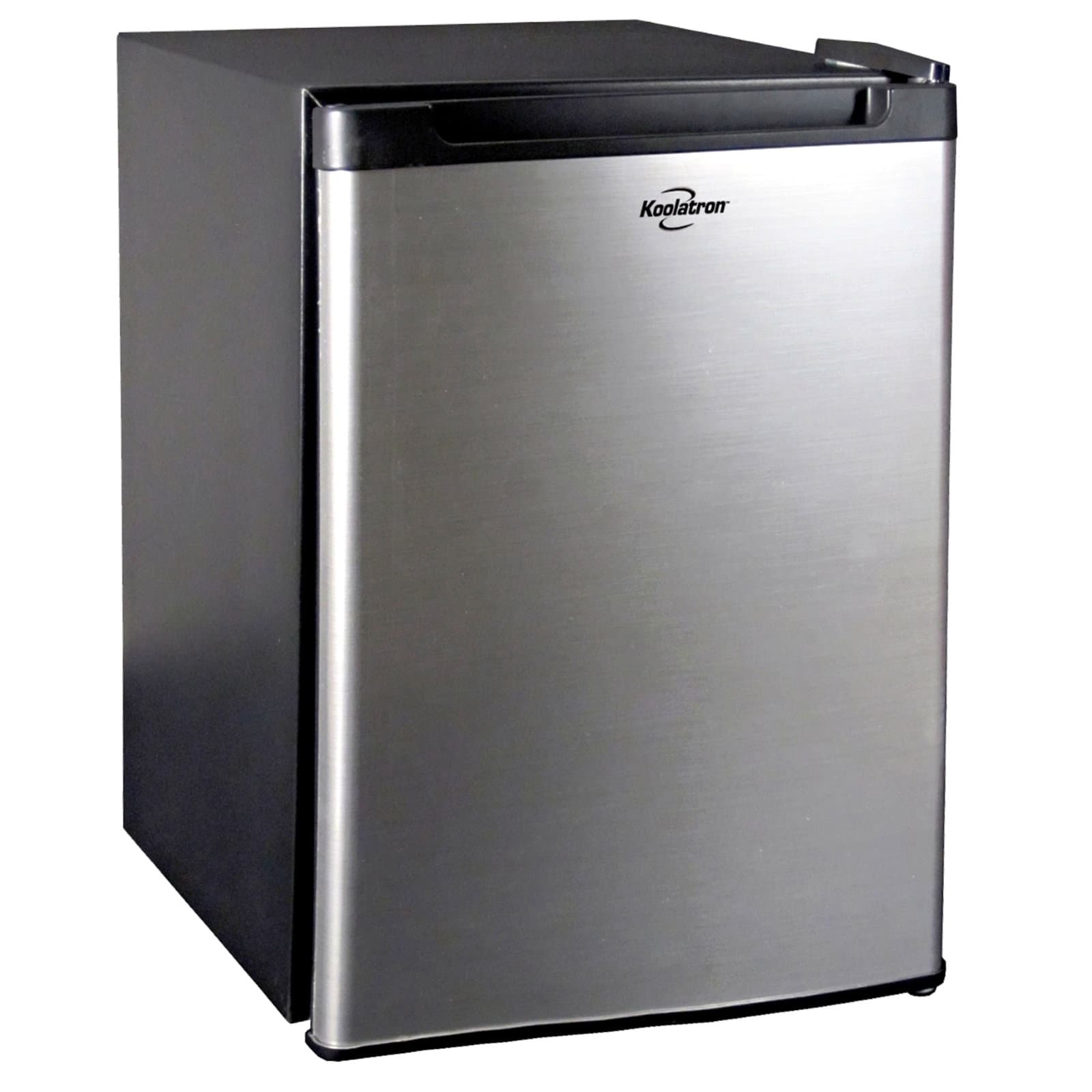
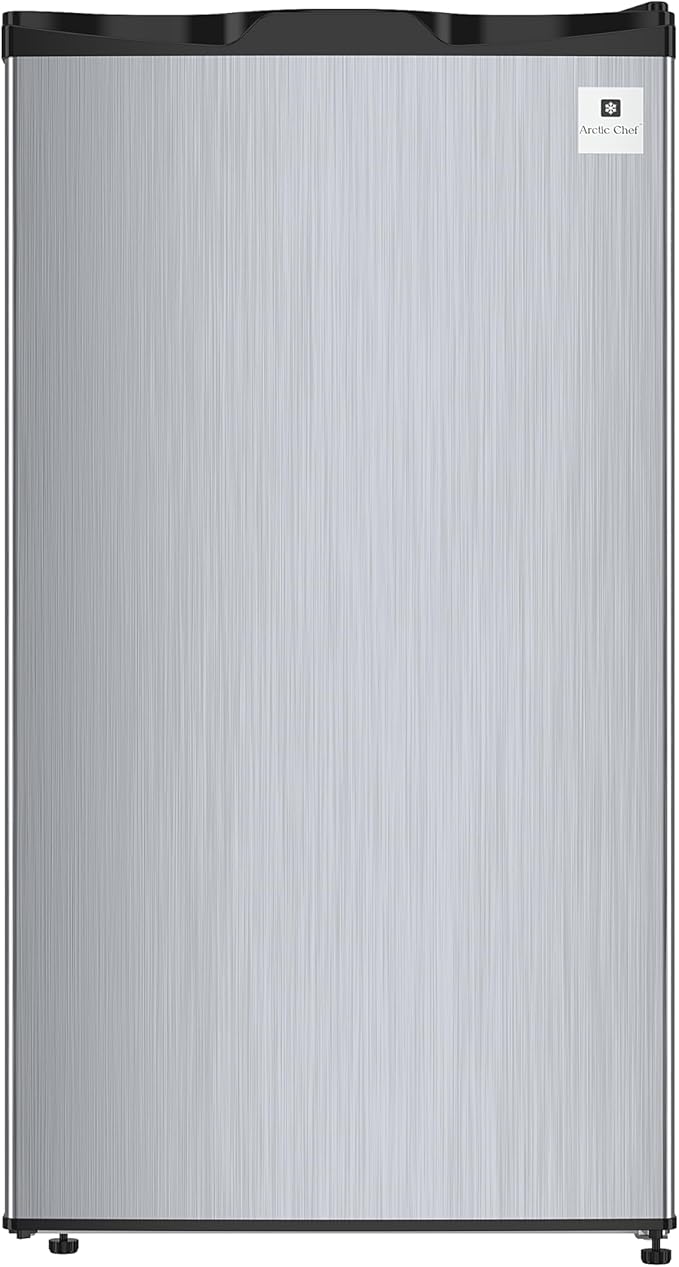
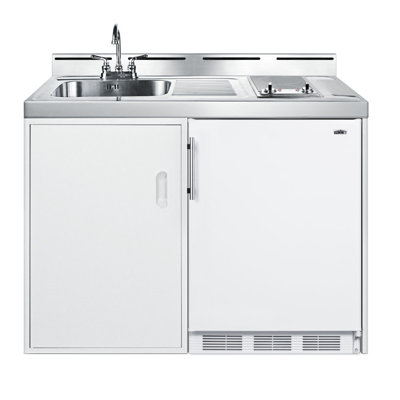
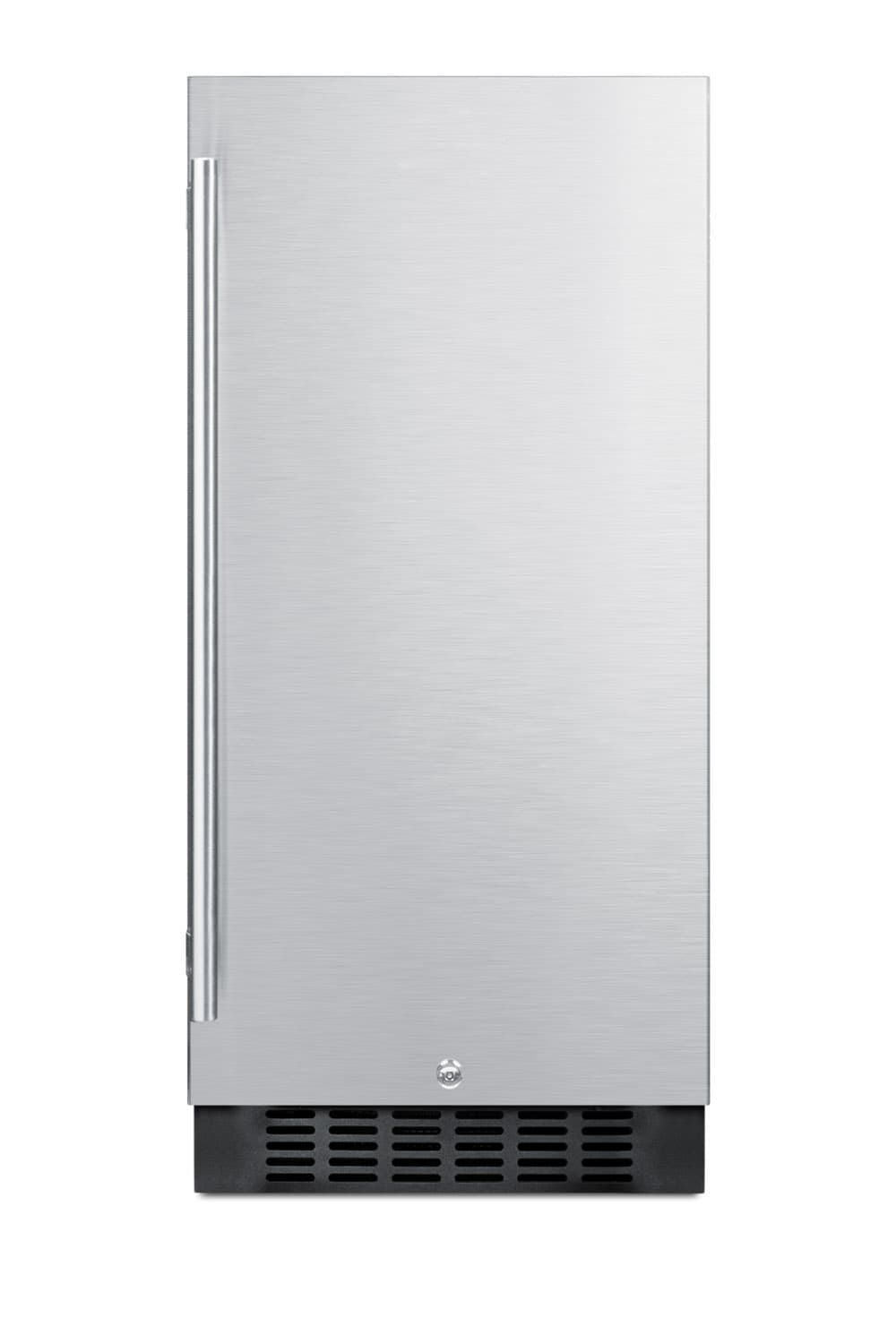
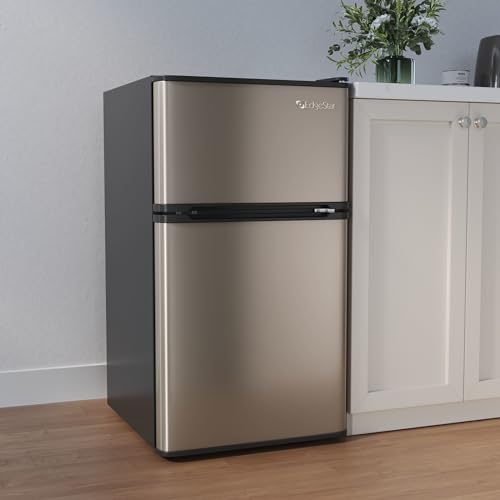
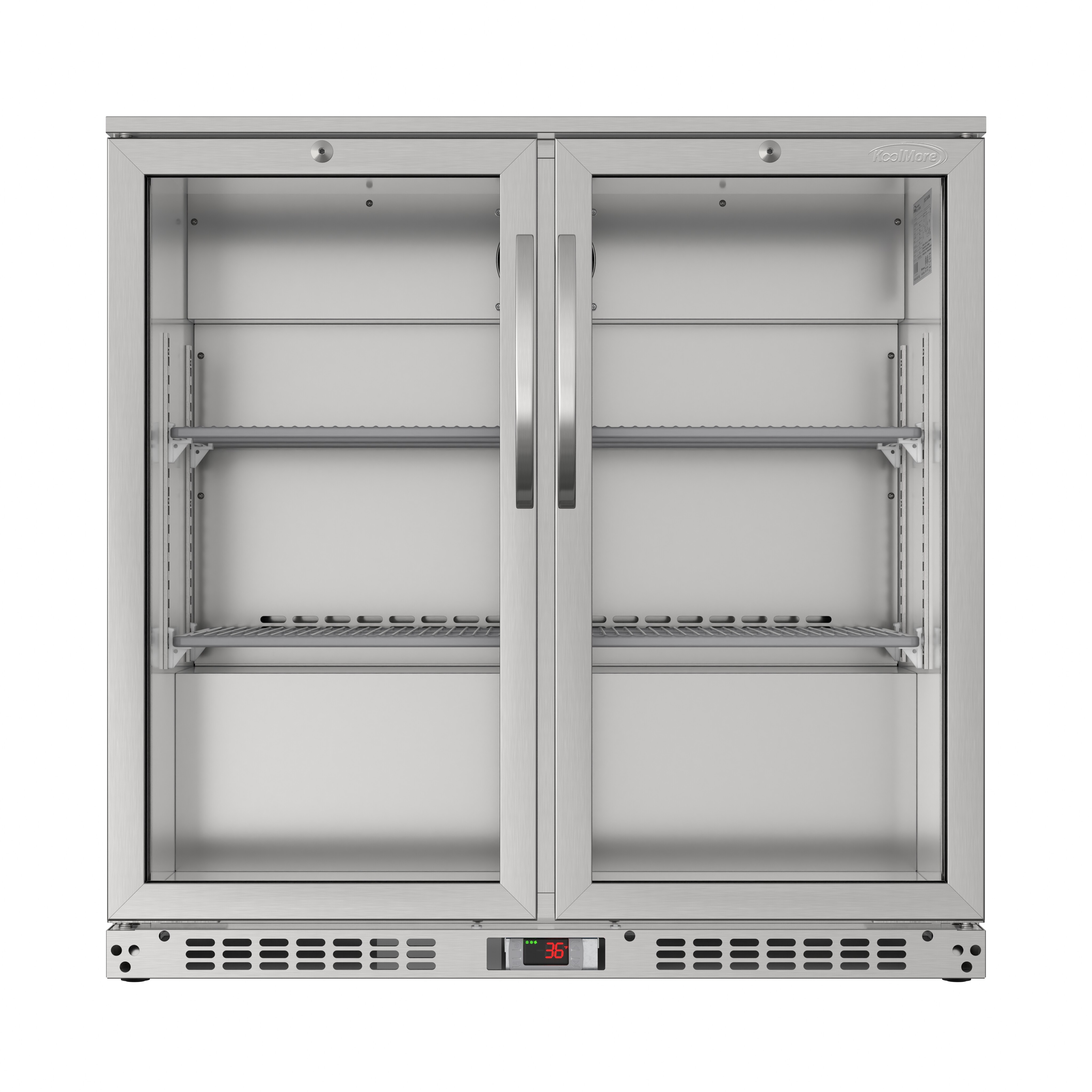
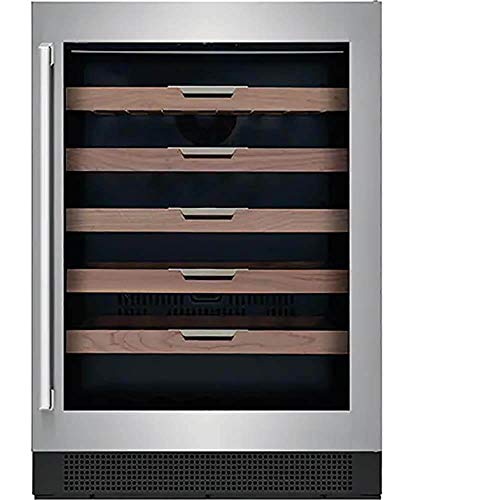
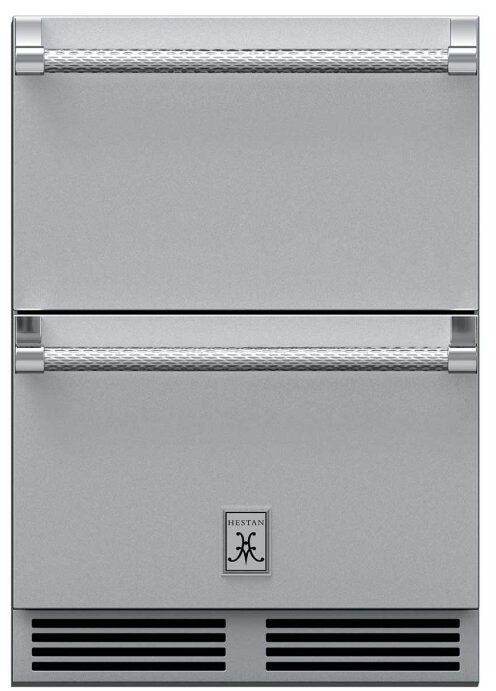
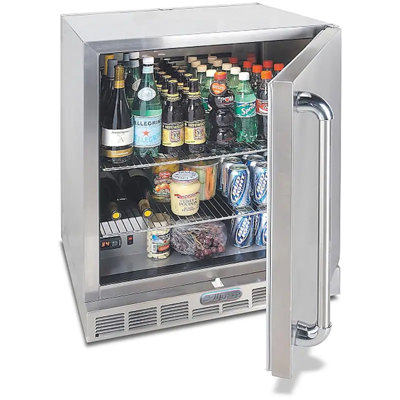
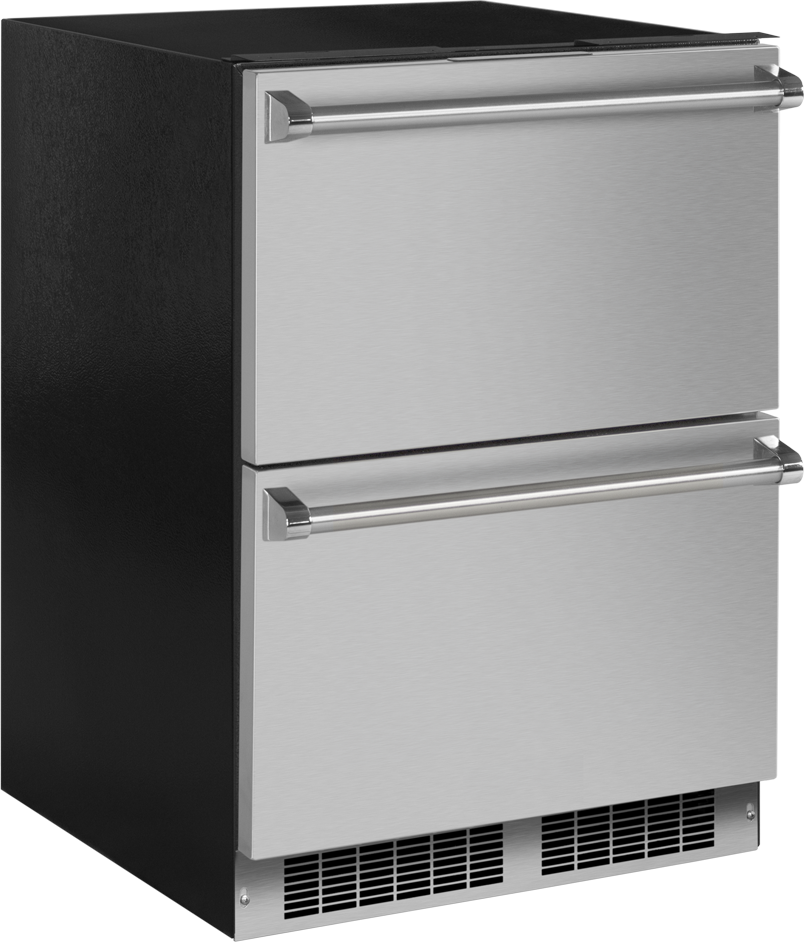
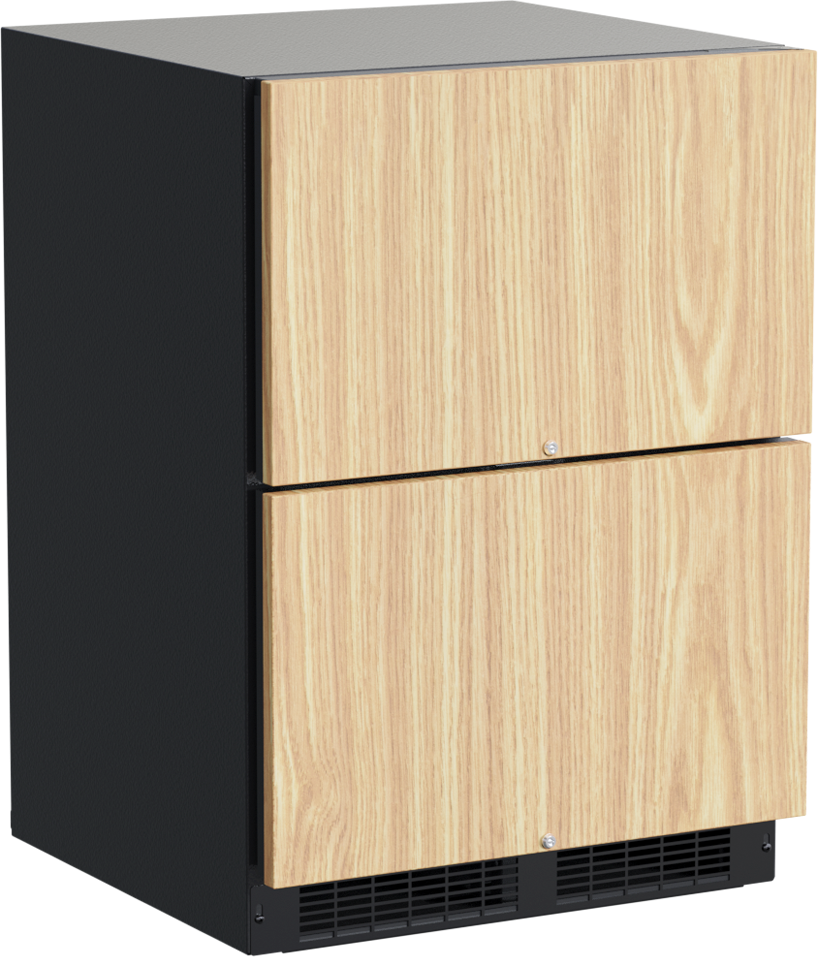
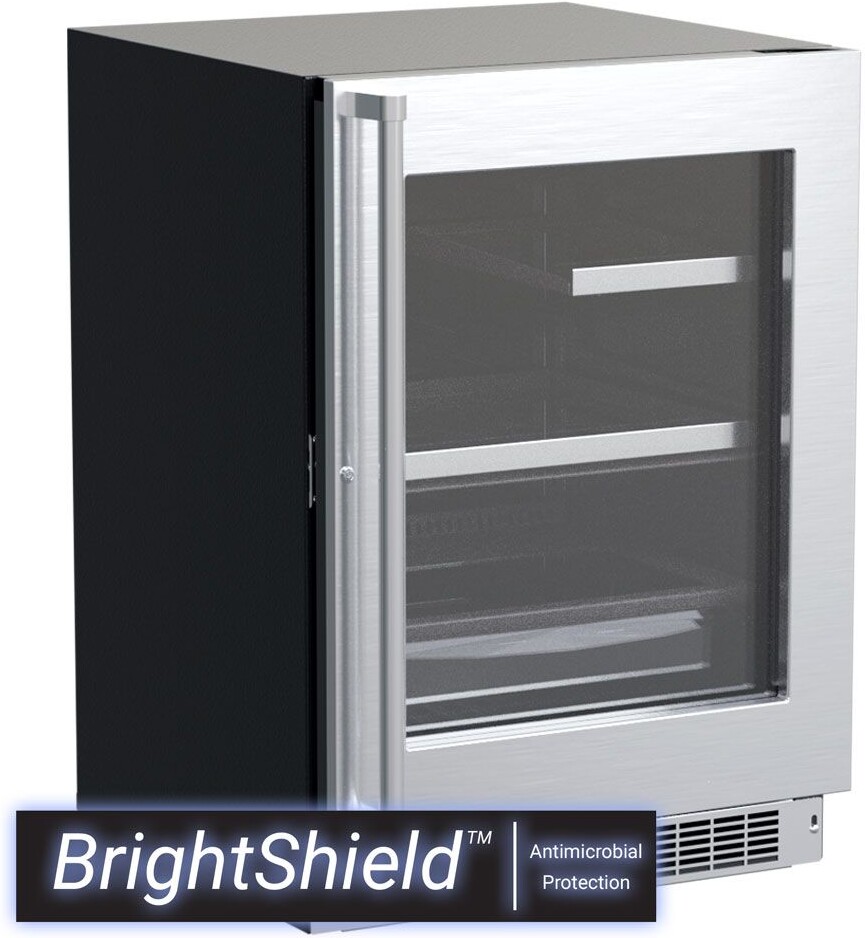
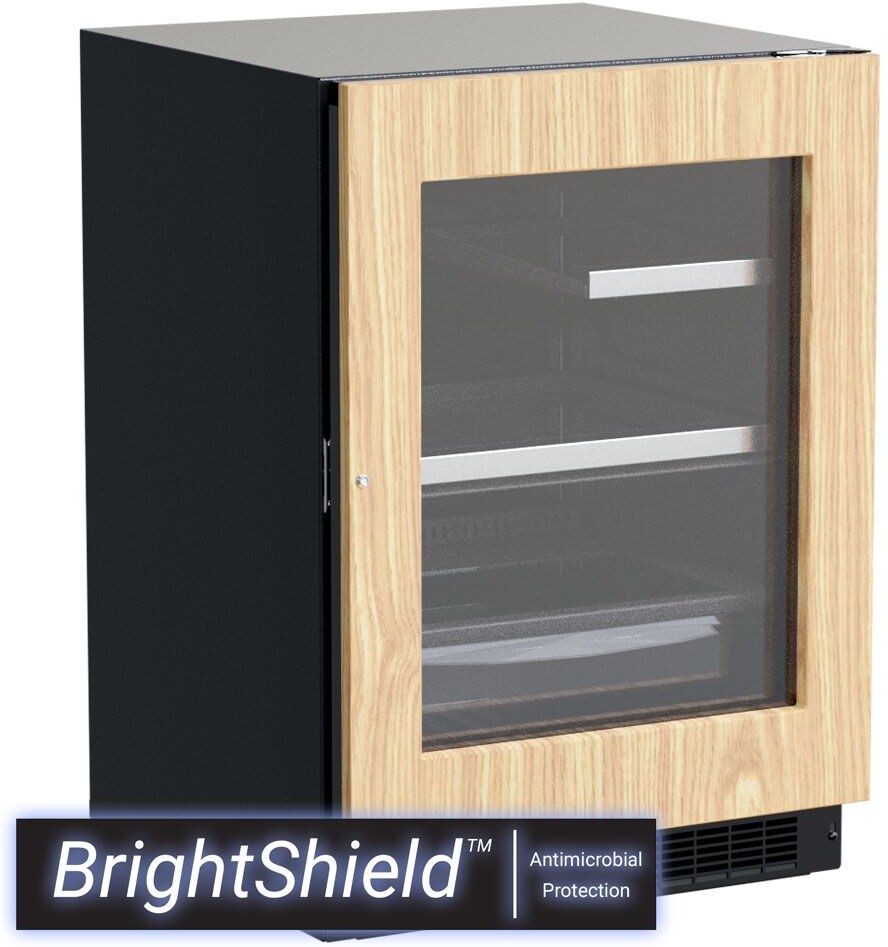
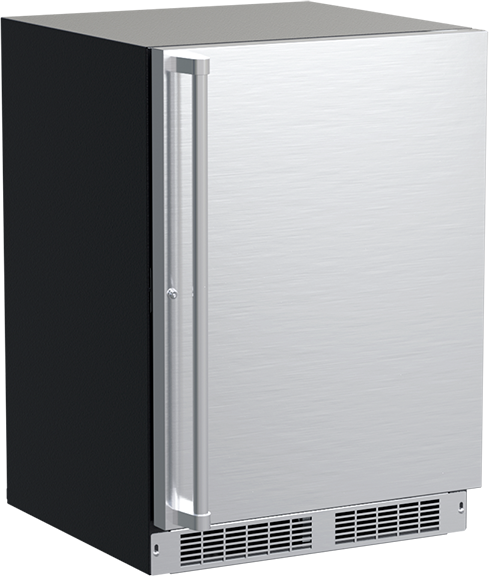
If you’ve ever wondered which bar fridge turbo fan halves cooling time, you’re not alone. In kitchens, home bars, and commercial settings you want your drinks and ingredients chilled fast. A turbo fan is a small, high-speed blower installed inside your bar fridge to boost airflow around the evaporator coils and interior shelves. By increasing air circulation, a turbo fan cuts down on hot spots and helps your unit reach the set temperature in roughly half the time of a standard fan.
What is a turbo fan?
A turbo fan is an aftermarket or factory-installed accessory that moves air more quickly through your fridge. Unlike stock fans that spin at moderate rpm, turbo fans often feature higher blade counts, optimized blade angles, and more powerful motors. The result is stronger airflow across cooling surfaces and faster heat exchange.
How turbo fans improve cooling
Enhanced airflow: Turbo fans force air over the coils and into every corner, preventing warm pockets.
Faster compressor cycles: With quicker heat removal, the compressor can cool more efficiently before shutting off.
Smoother temperature: You’ll see less fluctuation between warm and cool zones, keeping your beer at a consistent pour temperature.
Testing shows that bar fridges equipped with turbo fans can cut cooling times by up to 50 percent. Instead of waiting two to three hours to reach 38 °F, you might see that temperature in just 60 to 90 minutes.
Standard vs turbo fan speed
Standard fridge fans often spin between 900 and 1,200 rpm, moving about 50 cubic feet of air per minute. Turbo fans can exceed 2,000 rpm and push 100 cubic feet per minute or more. That doubling of airflow roughly halves the time your fridge needs to clear out warm air after a door opening or restocking.
Time to reach target temperature
To give you a ballpark:
Room temperature bottles (70 °F) in a stock bar fridge: 120–180 minutes to hit 38 °F
Room temperature bottles in a turbo-fan fridge: 60–90 minutes to hit 38 °F
If you want to dive deeper into rapid chilling performance, check out our guide on how fast rapid cool drops interior temperature 15 °F.
Before you pick a fan, it helps to run your own tests. That way you know exactly how much time you’re saving.
Test setup and method
Empty your bar fridge and let it sit open for 30 minutes to equalize with room temperature.
Install a reliable thermometer or sensor in the center of the main compartment.
Close the door, set the thermostat to your desired setting (usually between 35 °F and 40 °F).
Record the time when the compressor kicks on and when the interior hits target temperature.
Repeat with the turbo fan installed, keeping all other conditions the same.
Comparing cooling times
Case study: mini fridge
Without turbo fan: 160 minutes to 38 °F
With turbo fan: 80 minutes to 38 °F
Case study: kegerator
Without turbo fan: 180 minutes to 38 °F
With turbo fan: 90 minutes to 38 °F
A simple table like this can help you visualize savings:
Unit type
Stock fan time
Turbo fan time
Time saved
Mini fridge
160 min
80 min
50%
Kegerator
180 min
90 min
50%
Choosing a turbo fan
Not all turbo fans are created equal. You’ll want to match fan specs to your fridge’s size and power limits.
Fan compatibility and size
Measure the existing fan housing or mounting bracket in your unit.
Check the diameter and depth of the new fan—common sizes are 60 mm, 80 mm, or 92 mm.
Make sure the voltage rating (12 V, 24 V, or 120 V) matches your bar fridge’s wiring.
Power consumption factors
Higher speed often means higher current draw. A 12 V turbo fan might pull 200 mA at low speed and 500 mA at max speed. Verify that your fridge’s transformer or power adapter can handle the extra load without overheating. If you’re unsure, you can explore our article on what causes a refrigerator to run constantly without turning off? to troubleshoot power issues.
Even the best turbo fan can’t overcome blocked vents or cluttered interiors. A few simple tweaks can make your fridge chill even faster.
Proper item placement
Leave space around bottles and containers so air can circulate freely.
Avoid stacking items directly in front of the fan intake or outlet grills.
Consider wire racks or removable shelves that let air flow underneath.
If you’re curious whether you should keep your freezer full or empty for best performance, take a look at our deep dive on does a fridge freezer work better full or empty?.
Maintaining fan efficiency
Clean the fan blades and housing every six months to avoid dust buildup.
Check that mounting gaskets and vibration dampers remain intact.
Make sure the fridge’s condenser coils (usually at the back) are free of dust and debris.
Even with a turbo fan you might run into hiccups. Here’s how to diagnose common problems.
Fan not spinning properly
Check power: Use a multimeter to confirm your fan is receiving the correct voltage.
Inspect blades: Dust or obstructions can freeze the fan.
Listen for noise: Grinding or buzzing often means worn bearings—replace the fan if noise persists.
Refrigerator runs constantly
Door seal: A faulty gasket makes your compressor work overtime.
Thermostat calibration: If your fridge never reaches set temperature, the sensor or dial might be off by a few degrees.
Overloading: Too many items can choke airflow.
Dirty coils: Clogged condenser coils reduce efficiency—clean them with a brush or vacuum.
Buying guide at Fridge.com
Ready to upgrade your bar fridge setup?Compare current prices and specifications on Fridge.com, then buy from the retailer you choose; delivery, installation and warranty terms are the retailer’s. Whether you’re looking for a dedicated beer fridge or a versatile beverage cooler, you’ll find models with built-in turbo fans or upgrade kits to match your needs.
Best bar fridge options
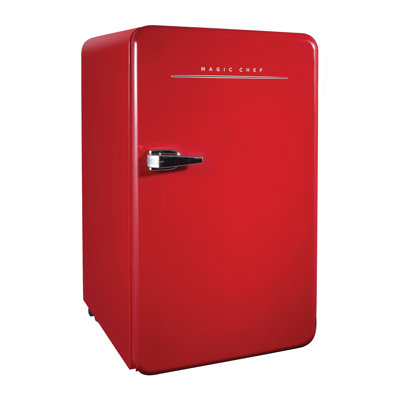
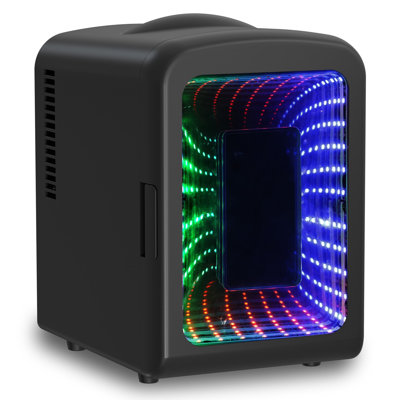
Compact turbo fan minis: Perfect for studio apartments or dorm rooms.
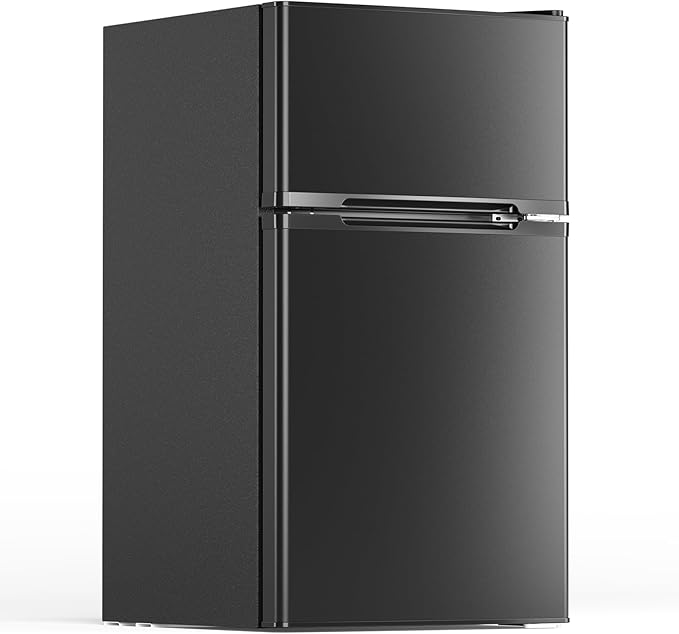
Dual-zone beverage refrigerators: Keep beer and wine at different temperatures.
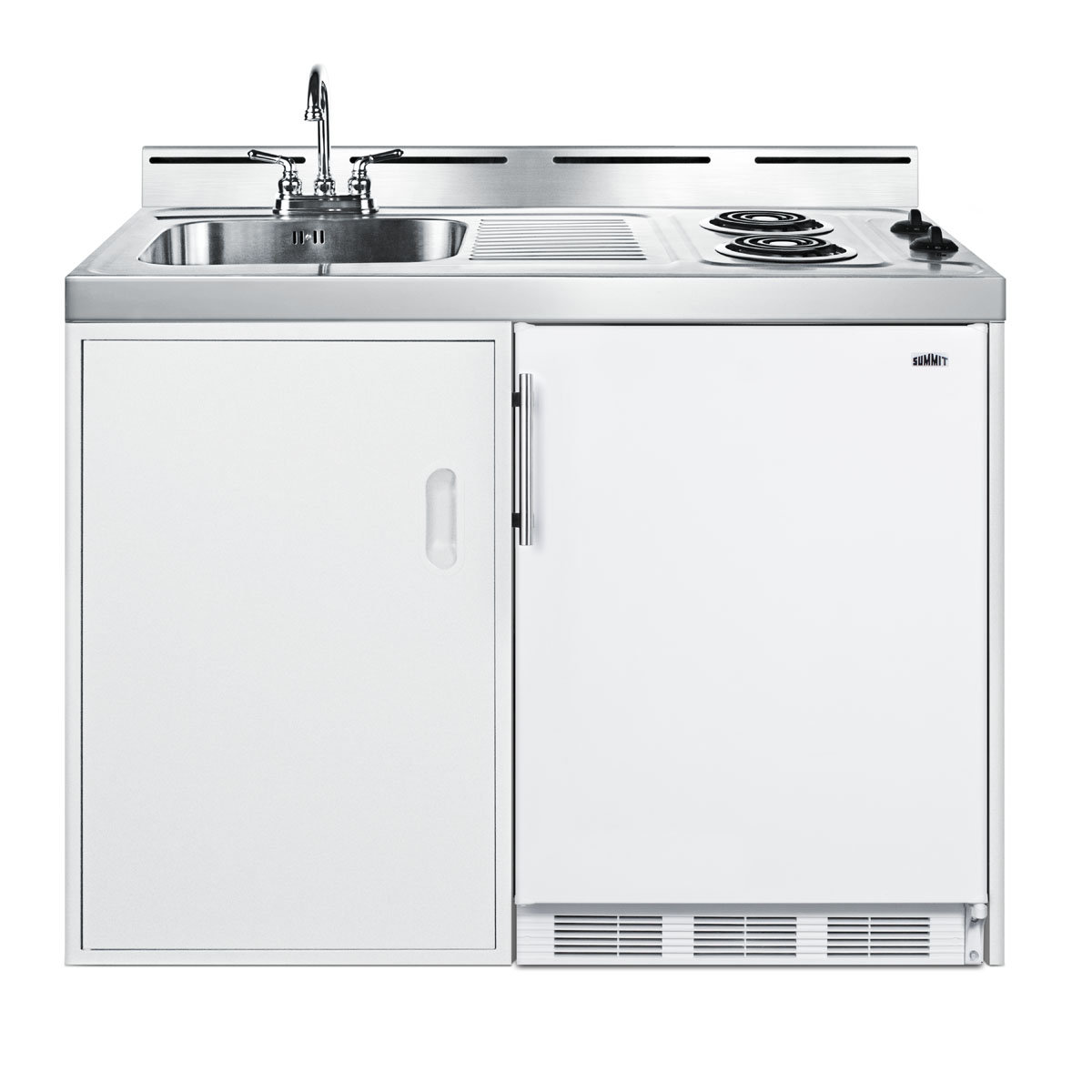
Commercial under-counter models: Built for cafes, offices, and garage bars.
When you want to know which bar fridge turbo fan halves cooling time, remember the simple equation: more airflow equals faster chilling. By choosing a compatible turbo fan, installing it correctly, and keeping your fridge organized, you can slash cooling times by up to 50 percent. You’ll spend less time waiting and more time enjoying perfectly chilled drinks. So go ahead, pick your fan, follow these steps, and get ready to toast to quicker coldness.
Frequently Asked Questions
A turbo fan is an aftermarket or factory-installed accessory that moves air more quickly through your fridge. Unlike stock fans that spin at moderate rpm, turbo fans often feature higher blade counts, optimized blade angles, and more powerful motors. The result is stronger airflow across cooling surfaces and faster heat exchange.